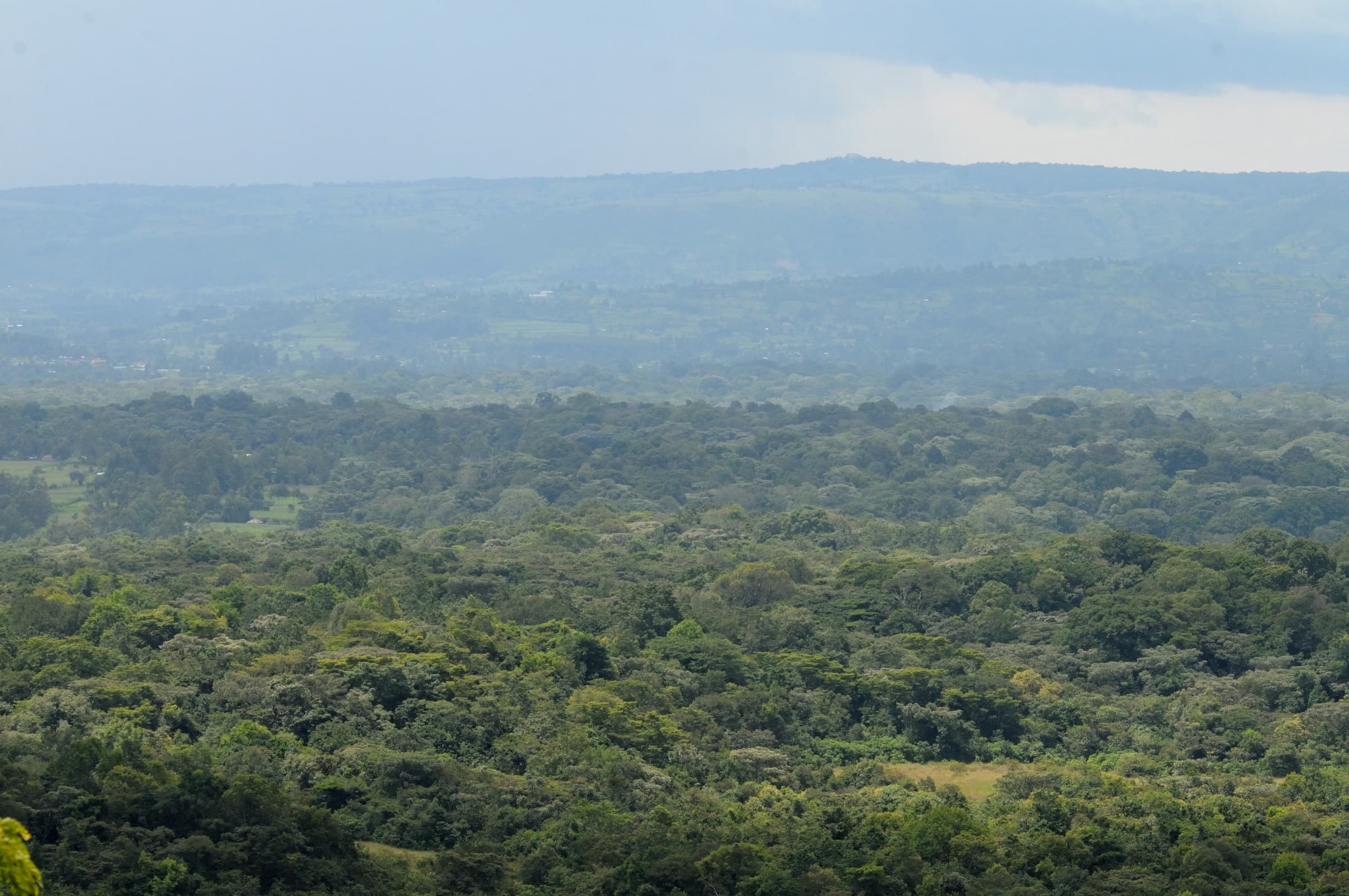
Kakamega is unlike anywhere else in Kenya: the country’s only tropical rainforest and the last fragment of the ancient Guineo-Congolian forest that once stretched across Central and West Africa. It was gazetted as a trust forest in 1933, and in 1985 its northern section was further protected as a national reserve. Although the wider ecosystem covers about 238 square kilometres, less than half remains intact indigenous forest today.
It is a designated Important Bird Area and a haven for seven primate species, including the rare De Brazza’s monkey, alongside butterflies, snakes and more than 380 recorded species of trees. Here the experience is quiet and close, with birdsong and monkey calls overhead and light filtering through the canopy, which makes Kakamega a refreshing change of pace from the open plains of a classic safari.
Landscapes & wildlife
Canopy, glades and streams.
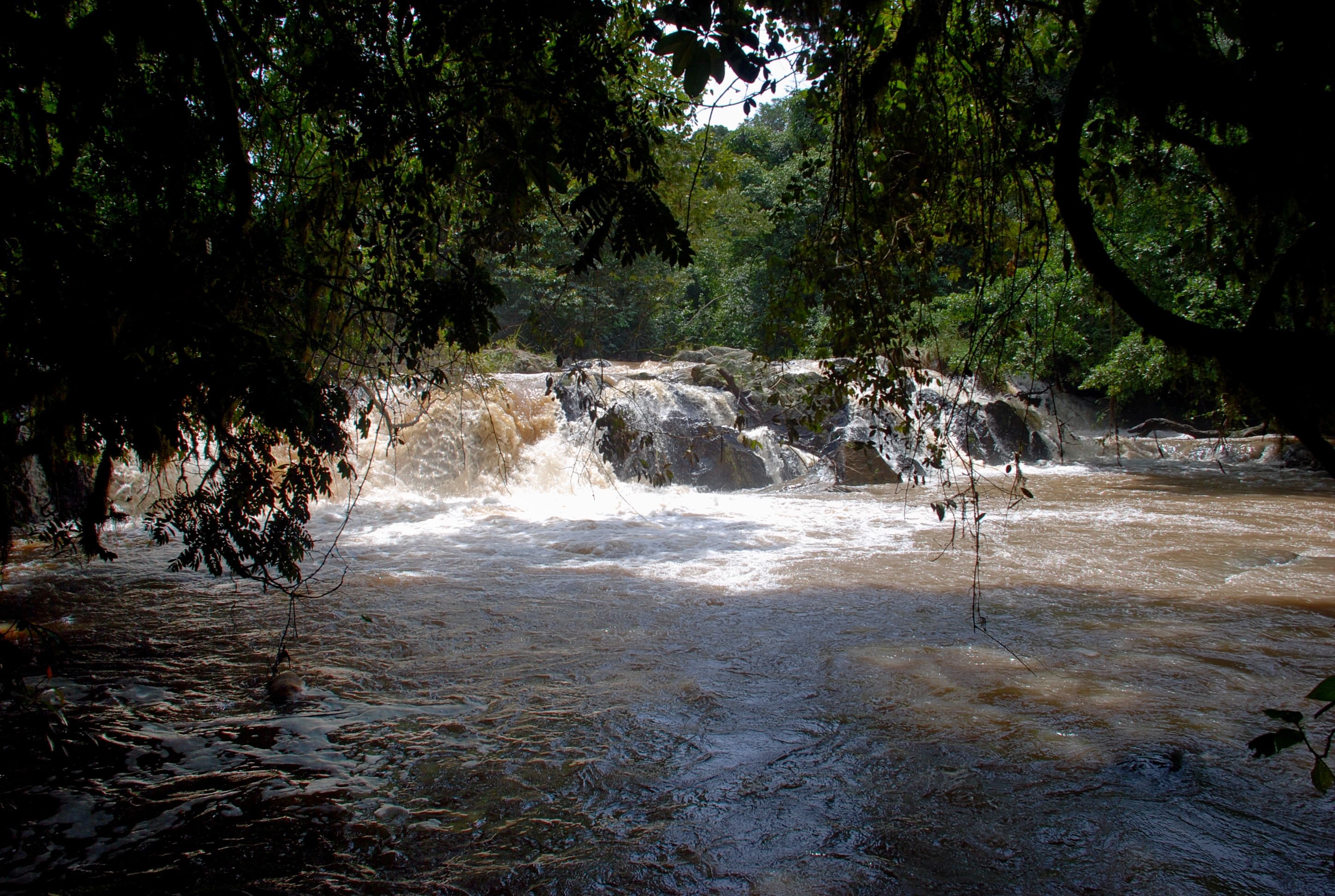
Trails lead beneath a high canopy, through natural glades and alongside streams, with scenic viewpoints and a waterfall within the forest. Kenya Wildlife Service describes gentle forest walks and longer hikes along the streams, and notes that the forest’s silence, broken by bird calls and monkey chatter, is part of its appeal. The towering indigenous trees, more than 380 species in all, are a reason to visit in their own right.
De Brazza’s monkeys and other primates
Rainforest birds
Butterflies
Over 380 tree species
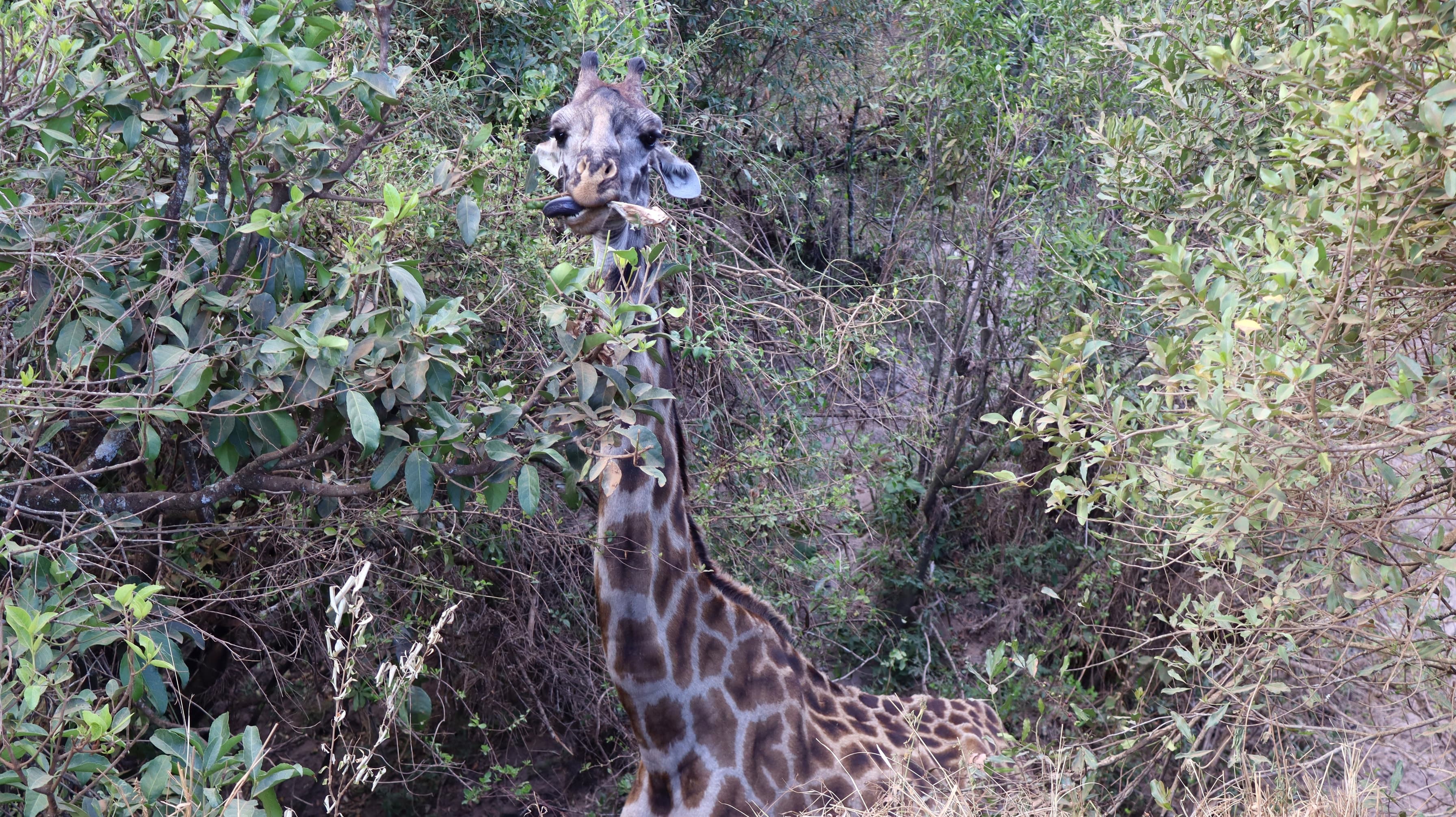
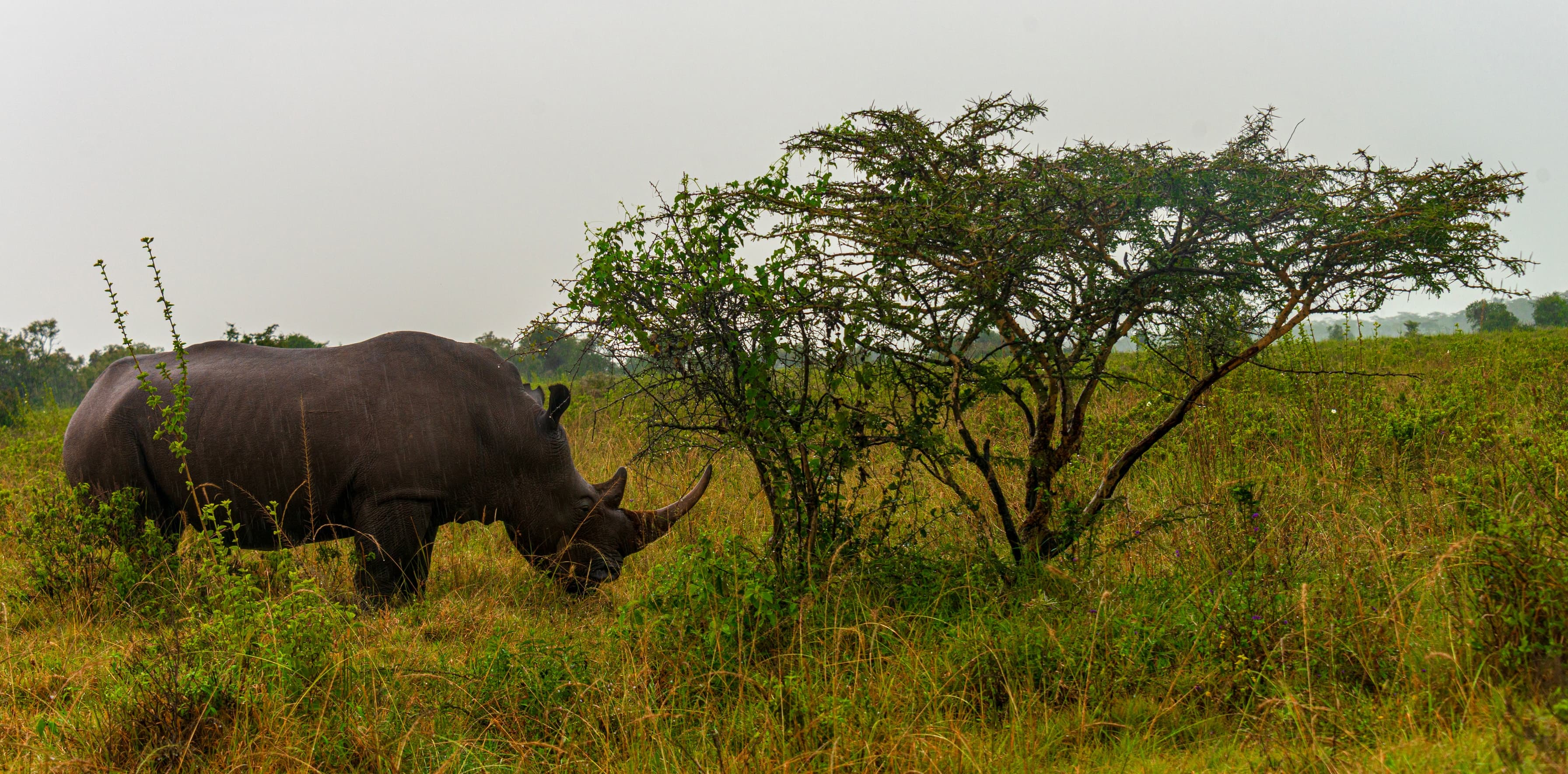
Wildlife moves freely and sightings are never guaranteed.
Photograph: Josep M. Gracia (CC BY-SA 4.0)
When to visit
When to visit Kakamega.
Kenya Wildlife Service notes that its forest and mountain parks are an exception to the dry, warm conditions of most of its parks. It gives July to March as the main season and April to June, the long rains, as the low season, when roads may need four-wheel drive. The Kenya Meteorological Department adds a second rainy season from October to December, so expect trails to be wetter at those times.
Signature experiences
In the forest.
Forest walks
Gentle trails beneath the canopy and along streams.
Birdwatching
An Important Bird Area with hundreds of species.
Getting there
Getting to Kakamega.
From Nairobi the most direct road route runs via Nakuru along the A104 towards Timboroa and then by the C36 to Kapsabet, joining the Kisumu–Kakamega road; from Eldoret, the C39 road via Kapsabet is the shortest way. The reserve lies outside Kakamega town on the road towards Webuye and Eldoret. There are scheduled flights to Kakamega, and visitors can also fly to Kisumu or Eldoret and continue by road.
Safaris that visit Kakamega
One journey to Kakamega.
Every journey here includes Kakamega on its catalogue route.
Facts on this page were checked against these sources in October 2026. Park rules, fees and conditions change, so always check the latest before you travel.
Your journey begins with a conversation
Shape your Kakamega journey.
Tell us when you would like to travel and who is coming, and our team will suggest safaris that include Kakamega.