
Big Time Field NotesNotes from East AfricaKenya, Tanzania & Uganda
A little knowledge. A bigger adventure.
Practical, sourced guidance for planning a safari in Kenya, Tanzania and Uganda: choosing a country, how long to go, seasons and wildlife, entry rules, safari styles and life on safari. Facts are checked against official sources, and each section says where they come from.
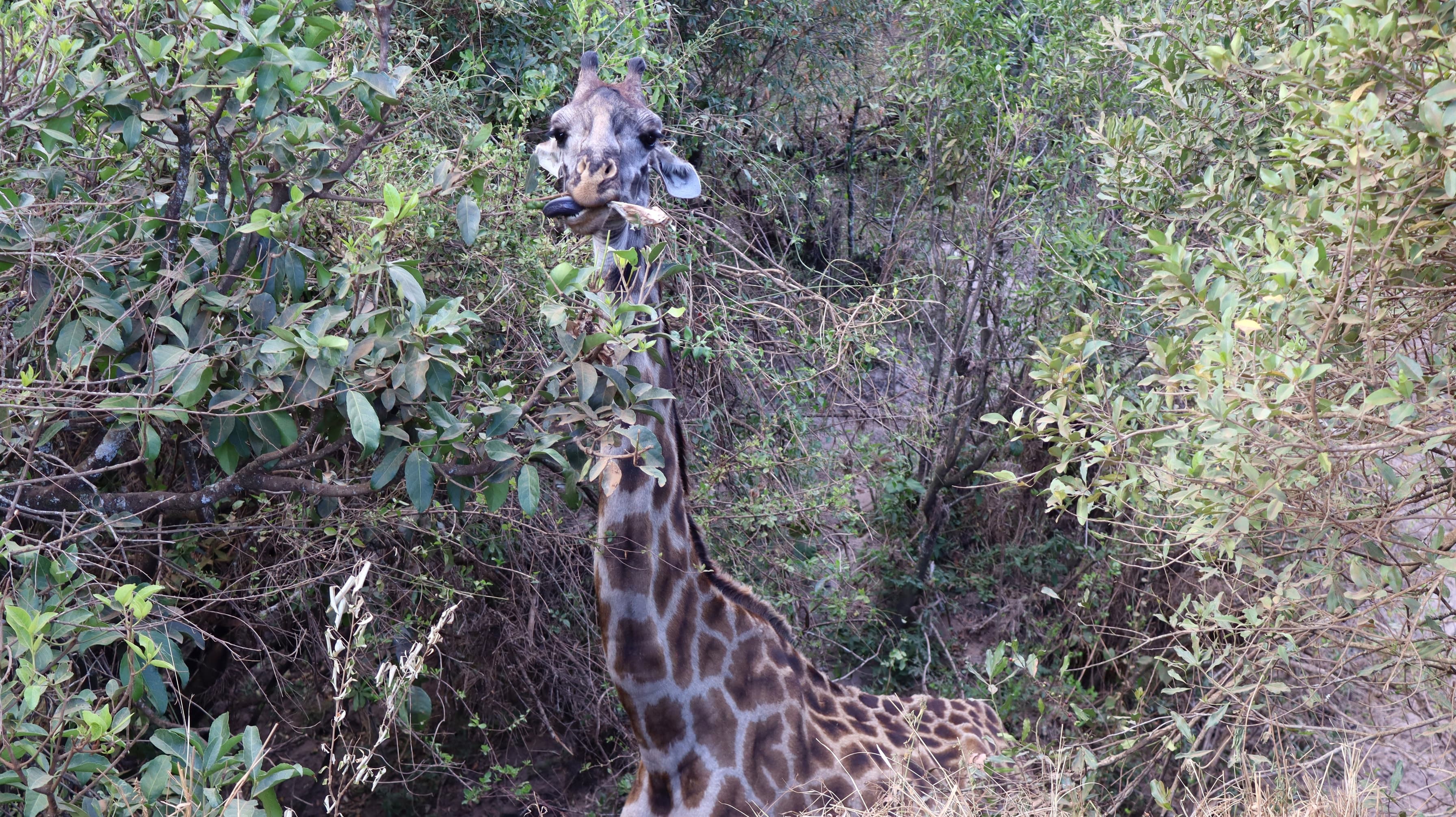
Choosing your African safari.
Most safari decisions come down to four things: what you most want to see, when you can travel, how long you have and how you like to travel. Settle those, and the choice between Kenya, Tanzania and Uganda, and between budget, midrange and luxury, usually makes itself. None of the three countries is best for every traveller; each is best at something.
Kenya and Tanzania share the Serengeti–Mara ecosystem and the great migration, and 20 of our journeys cross between them. Uganda is the country for mountain gorillas and chimpanzees, with savannah parks and the Nile alongside. The table below compares them side by side, and the decision guide underneath walks through a first safari one choice at a time.
| Kenya | Tanzania | Uganda | |
|---|---|---|---|
| Best known for | The Maasai Mara and the migration, usually from around June or July to November; Amboseli’s elephants; rhinos at Lake Nakuru and Ol Pejeta | The Serengeti migration, calving at Ndutu from about late December to April, and the Ngorongoro Crater | Mountain gorillas in Bwindi, chimpanzees in Kibale and the Nile at Murchison Falls |
| Landscapes | Grass plains, Rift Valley lakes, highlands and dry northern country | Vast plains, a volcanic caldera, baobab country and a wilder south | Rainforest, volcano slopes, savannah and the Nile |
| Main gateway | Nairobi: Jomo Kenyatta International and Wilson airports | Kilimanjaro International Airport for the north; Dar es Salaam for the south | Entebbe International Airport |
| Our journeys | 38 in Kenya, safaris from 2 to 10 days | 24 in Tanzania, safaris from 3 to 10 days | 18 in Uganda, from 3 to 15 days |
| A natural first choice if | You want classic plains wildlife, a short trip, or an easy start from Nairobi | You want the migration on its grandest scale, the crater, or Kilimanjaro or Zanzibar alongside | Great apes matter most and you are ready for forest trekking |
| Plan around | The long rains of April to June, Kenya Wildlife Service’s low season | Long drives to the Serengeti, or flights to its airstrips | Minimum ages for primate tracking and long road distances |
20 more journeys combine Kenya and Tanzania. None of our catalogue journeys combines Uganda with another country.
Your first safari in six decisions
Choose what matters most
The migration, gorillas, the Big Five, birds, landscapes or a beach afterwards. One clear priority makes every other choice easier.
Let your dates guide the place
If your dates are fixed, choose the region that is at its best then; if the migration or calving season is the point, choose the dates around it.
Decide how long
Two or three days suit one reserve; a week covers a classic circuit; ten days or more can combine countries. The table below shows real examples.
Choose a comfort level
Budget, midrange or luxury changes where you sleep and how much you pay, not which parks you can visit.
Choose how you travel
Join a group, travel privately, or have a route made for you; drive between parks or fly where airstrips allow.
Ask before you book
What is included, which camps and permits are named, and what happens if plans change. The questions to ask any operator are listed under Before you travel, below.
Safari types, compared
Budget, midrange or luxury
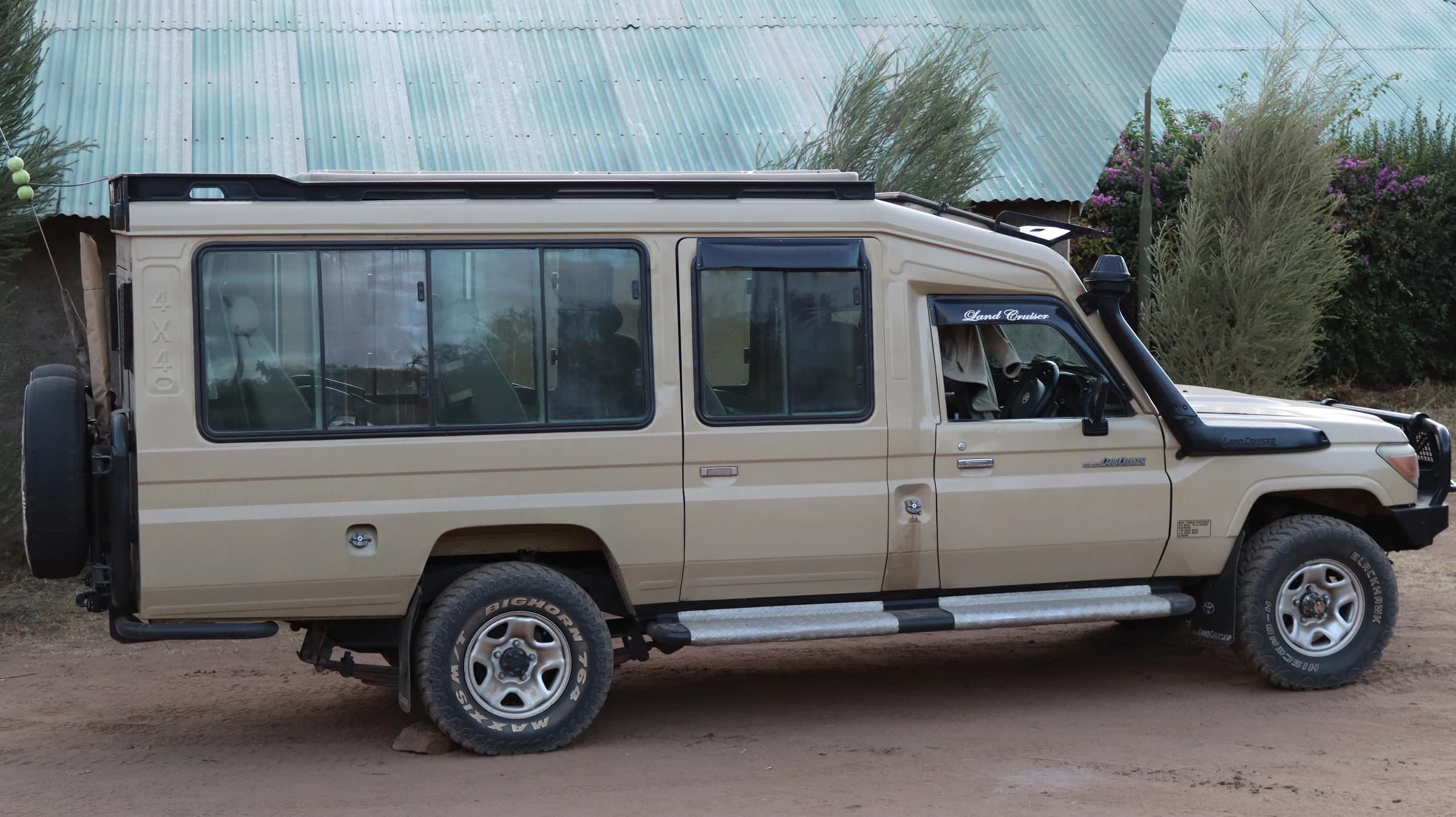
Our catalogue has 51 budget, 34 midrange and 15 luxury journeys. Budget journeys name their camps and campsites; 17 of them publish prices. Road safaris in Kenya and Tanzania use a 4×4 Land Cruiser at every level.
Group-joining, private or tailor-made
Group-joining shares the vehicle and the days in the parks with other travellers; a private safari keeps the vehicle and the pace to your own party; a tailor-made journey is built around your dates and interests. Ask which style a journey can run in.
Road or fly-in
Most of our journeys travel by road. Two are fly-in journeys, including the 3 Days Luxury Fly-In Bwindi Gorilla Safari. Light aircraft use park airstrips such as Seronera in the Serengeti and Kihihi and Kisoro for Bwindi; luggage limits vary by carrier, so ask before you pack.
Wildlife, culture or beach
A safari can be pure wildlife, or woven with Maasai, Batwa or Swahili culture, or finished on a beach: five journeys in our catalogue include Zanzibar.
One country or two
Kenya and Tanzania combine naturally across the Serengeti–Mara ecosystem; 20 of our journeys do so, from 6 to 19 days.
When to book
Early, for peak seasons. TANAPA advises booking well ahead for the Serengeti’s peak migration months and Tarangire’s dry season, the NCAA notes that Ndutu’s camps are in demand in calving season, and UWA’s gorilla and chimpanzee permits are limited.
Sources: Mara Conservancy (Mara Triangle, Maasai Mara National Reserve) (opens in a new tab); Ngorongoro Conservation Area Authority (opens in a new tab); Kenya Wildlife Service (Nairobi National Park (opens in a new tab), What is the weather pattern in Kenya? When is the best time to visit your parks and reserves? (opens in a new tab), Amboseli National Park (opens in a new tab), Lake Nakuru National Park (opens in a new tab)); Kilimanjaro International Airport (opens in a new tab); Uganda Wildlife Authority (Bwindi Impenetrable National Park: gorillas and getting there (opens in a new tab), Revised conservation tariff, taking effect 1 January 2027 and running to June 2028, with gorilla and chimpanzee tracking rules (published October 2026) (opens in a new tab)); Ol Pejeta Conservancy (opens in a new tab)
How many safari days are enough?
Enough days to slow down. Every park takes time to reach, and the best sightings often come from waiting rather than driving, so a shorter route with more time in each place usually beats a long list of parks. The examples below are real journeys from our catalogue, grouped by length, so you can see what each length allows.
Lengths include travel days. Ask us how any journey is paced.
What to check, and what to pack.
Some preparation never changes: a passport with spare pages, insurance that covers remote areas, layers for cold mornings and a power bank. Other rules change often, among them visas and travel authorisations, health requirements, park fees and primate permits. We keep the two apart: the stable advice is below, and the changing rules are in a table that says when we last checked each official source.
Everything in the table was checked against official sources on 20 October 2026. Two rules are new this month: Kenya and Tanzania each now require visitors to hold a government-provided travel insurance policy on arrival, in addition to their own. Rules can change without notice, so check the official source for your nationality before you book flights, and again shortly before you travel. Where official sources disagree, we report both rather than choosing one.
- WHO: Ebola outbreak updates (opens in a new tab)
- US CDC travel health notices (opens in a new tab)
- UK travel advice: Kenya (opens in a new tab)
- UK travel advice: Tanzania (opens in a new tab)
- UK travel advice: Uganda (opens in a new tab)
Sources: World Health Organization (Ebola outbreak 2026 (situation page: outbreak confirmed in the Democratic Republic of the Congo and in Uganda in May 2026) (opens in a new tab), Epidemic of Ebola disease caused by Bundibugyo virus in the Democratic Republic of the Congo and Uganda determined a public health emergency of international concern (statement, 17 May 2026) (opens in a new tab)); World Health Organization, Regional Office for Africa (opens in a new tab); UK Foreign, Commonwealth & Development Office (Kenya travel advice: entry requirements (including mandatory travel health insurance from 5 October 2026, and health screening) (opens in a new tab), Tanzania travel advice: entry requirements (mandatory inbound travel insurance; health screening announced 17 October 2026) (opens in a new tab), Uganda travel advice (updated 8 October 2026: yellow fever certificate requirement removed) (opens in a new tab))
Rules that change: check before you go
| Kenya | Tanzania | Uganda | |
|---|---|---|---|
| Permission to enter | An Electronic Travel Authorisation (eTA) unless exempt; citizens of East African Community partner states and listed countries are exempt for set periods | A visa unless exempt: apply online only through the official immigration website, or get a single-entry visa on arrival at the main ports of entry; one visa covers the mainland and Zanzibar | A tourist visa, applied for online; an East African Tourist Visa covers Uganda, Kenya and Rwanda |
| When to apply | At least two weeks before travel; processing usually takes three working days | Online applications are processed within ten days, except referral cases | Approval is valid for 90 days from the day it is granted |
| Passport | At least six months’ validity. Kenya’s eTA site asks for one blank page and the UK’s travel advice says two, so allow two | At least six months’ validity and one unused visa page; a return or onward ticket on arrival | At least six months’ validity |
| Government travel insurance (new) | From 5 October 2026: Inbound Travel Health Insurance, sold on Kenya’s eCitizen portal with the eTA, or on its own if you need no eTA. The portal says non-Kenyan visitors staying under three months generally need it (the law it cites covers stays under 12 months); exempt groups include Kenyan citizens and residents and citizens of East African Community partner states | From 1 October 2026: one policy per journey, from the insurer for your first point of entry, the National Insurance Corporation (NIC) for the mainland or the Zanzibar Insurance Corporation (ZIC) for Zanzibar. Qualifying East African Community and SADC travellers are exempt from the mainland requirement, but ZIC says not automatically in Zanzibar | Not part of Uganda’s entry rules in the UK’s travel advice |
| Yellow fever: to enter | Proof of vaccination from age one if you arrive from a country WHO lists as a yellow fever risk, which includes Uganda | Proof from age one if you arrive from a WHO risk country, which includes Kenya and Uganda, or after an airport transit of more than 12 hours in one | No longer mandatory (Uganda immigration notice of 2 October 2026); the CDC’s entry table, last updated in April 2025, still lists it |
| Yellow fever: medical advice (CDC) | Vaccine recommended from nine months, except for travel limited to Nairobi, the north-east or most of the coast | Vaccine generally not recommended | Vaccine recommended from nine months |
| Malaria (CDC) | Prevention recommended in all areas below 2,500 metres, including the game parks | Prevention recommended in all areas below 1,800 metres | Prevention recommended for travellers to Uganda |
| Park fees and permits | Set by Kenya Wildlife Service, the reserves and conservancies; on a package tour the operator includes park entry fees in the total cost | Set by TANAPA and the NCAA; TANAPA advises checking its current fee schedule | Set by UWA. Its 2024–2026 tariff period has ended and a revised tariff starts on 1 January 2027, so confirm the rate for your dates; gorilla and chimpanzee permits are booked through licensed tour operators |
Official sources: etakenya.go.ke and insurance.ecitizen.go.ke (Kenya), visa.immigration.go.tz, inbound.nicinsurance.co.tz and zic.co.tz (Tanzania), immigration.go.ug (Uganda), the WHO yellow fever country list, the CDC’s country pages, the UK’s travel advice and each park authority. The government insurance schemes cover medical emergencies; neither replaces your own travel insurance. Ask a travel-health professional about vaccines and malaria at least a month before you go.
What to ask before you book
- Is the safari group-joining or private, and how many other travellers could share the vehicle?
- Which camps or lodges are named for each night, and are they inside or outside the park?
- What does the price include, and what does it leave out: park fees, primate permits, meals, drinks, tips, and the government travel insurance that Kenya and Tanzania now require? Ask for the answer in writing.
- For gorilla or chimpanzee trekking: is the permit secured for your date, and does every traveller meet UWA’s minimum age?
- What happens if rain affects the roads, a flight changes or a permit date moves?
- Is the operator a member of a recognised association? Kenya Wildlife Service names the Kenya Association of Tour Operators (KATO) and the Tour Operators Society of Kenya (TOSK).
Stable planning advice
Passport and documents
Check your passport’s expiry and blank pages first, because both Kenya and Tanzania set minimums. Every traveller needs their own authorisation or visa, children included, so keep copies of each one with your passport.
Travel insurance
Buy your own policy when you book, so cancellation cover starts at once. Parks can be far from a hospital: check it covers medical treatment and evacuation from remote areas, and activities such as gorilla trekking or a mountain climb. Kenya’s and Tanzania’s new government schemes are separate: each traveller needs one for each of the two countries they enter, and the UK’s travel advice for both says to hold your own cover as well.
Health
See a travel-health professional at least a month before you go. The CDC recommends routine vaccines, including measles, and malaria prevention for most safari areas in all three countries.
Packing and luggage
Kenya Wildlife Service suggests layers, loose long sleeves, a hat, sunglasses, binoculars, a torch and insect repellent, in neutral colours. If you fly between parks, ask about luggage limits: they vary by carrier.
Money, tips and payments
Ask what your price includes (park fees, permits, meals, drinks) and what it does not, and whether tips for guides and camp staff are customary or included. In Uganda’s parks, UWA accepts mobile money, card machines and bank transfers for its own services.
Phones, internet and charging
Remote camps do not always have mains power or constant connectivity. Bring a power bank, download maps and entertainment before you leave the city, and tell us when you enquire if charging or Wi-Fi matters to you.
Diet, health and mobility needs
Tell us about dietary requirements, allergies, medication and mobility when you enquire. Camps and lodges vary, and remote ones need notice to plan meals and arrangements.
Responsible preparation
Leave single-use plastic at home: Kenya’s national parks are plastic-free. Drones need prior written permission in Tanzania’s parks. Plan to ask before photographing people, and respect the answer.
Sources: Republic of Kenya, Directorate of Immigration Services (Electronic Travel Authorisation: general information and exemptions (opens in a new tab), Electronic Travel Authorisation: how to apply (opens in a new tab)); Insurance Regulatory Authority of Kenya, on eCitizen (opens in a new tab); UK Foreign, Commonwealth & Development Office (Kenya travel advice: entry requirements (including mandatory travel health insurance from 5 October 2026, and health screening) (opens in a new tab), Tanzania travel advice: entry requirements (mandatory inbound travel insurance; health screening announced 17 October 2026) (opens in a new tab), Uganda travel advice: entry requirements (opens in a new tab)); Tanzania Immigration Services Department (opens in a new tab); United Republic of Tanzania, Ministry of Finance (public notice published by the Embassy of Tanzania in Rome, 27 September 2026) (opens in a new tab); National Insurance Corporation of Tanzania (NIC) (opens in a new tab); Zanzibar Insurance Corporation (ZIC) (opens in a new tab); Uganda Directorate of Citizenship and Immigration Control (Uganda Tourist Visa: single entry (opens in a new tab), East African Tourist Visa (opens in a new tab), Official notice: Yellow Fever Vaccination Certificate no longer mandatory for entry (posted 2 October 2026) (opens in a new tab)); World Health Organization (opens in a new tab); US Centers for Disease Control and Prevention (Kenya: traveler view (page reviewed 25 August 2026; yellow fever table updated 23 April 2025) (opens in a new tab), Tanzania: traveler view (page reviewed 25 August 2026; yellow fever and malaria sections updated 23 April 2025) (opens in a new tab), Uganda: traveler view (page reviewed 25 August 2026; yellow fever section updated 23 April 2025) (opens in a new tab)); Kenya Wildlife Service (opens in a new tab); Tanzania National Parks (opens in a new tab); Uganda Wildlife Authority (Conservation tariff July 2024 – June 2026, with park, gorilla and chimpanzee tracking rules (re-published on UWA’s website on 12 October 2026) (opens in a new tab), Revised conservation tariff, taking effect 1 January 2027 and running to June 2028, with gorilla and chimpanzee tracking rules (published October 2026) (opens in a new tab))
What you may see, and when.
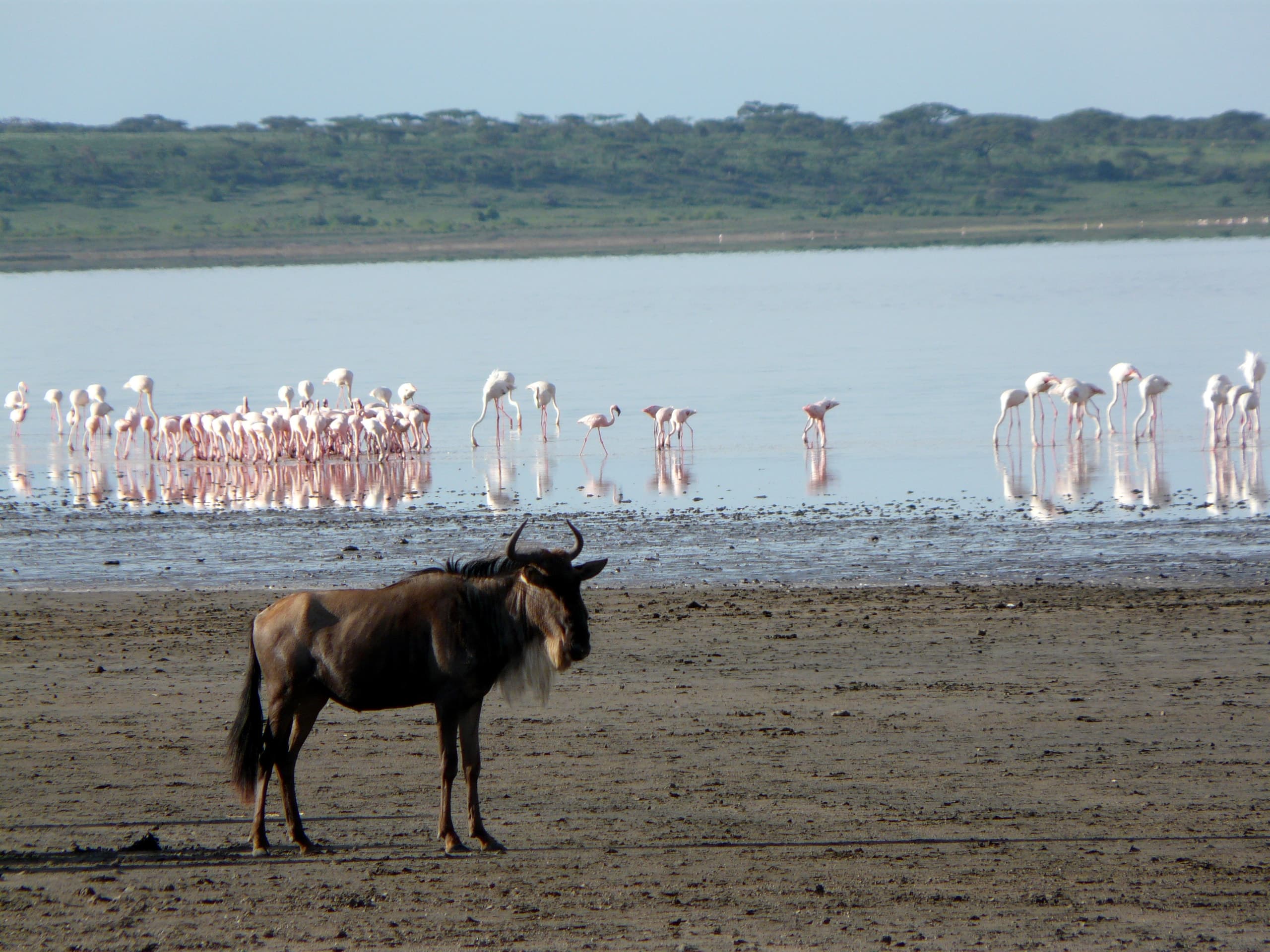
East Africa’s wildlife is wild: it moves with water, grass and the rains, and no park, guide or operator can promise a sighting or a date. What park authorities do describe is the broad pattern of the year, and that is enough to plan well. The table below brings the three countries together, from the migration herds to Kenya’s rains and Uganda’s low-season permit months.
Outside the migration, resident wildlife stays all year. The Mara Conservancy describes elephants, giraffes, topi and lions before the herds arrive; TANAPA says the Serengeti is remarkable in any month; and the Ngorongoro Crater is accessible all year with wildlife present in every season. A safari in a quieter month is a different safari, not a lesser one.
The year across East Africa
| Months | The migration herds | Kenya (KMD weather; KWS season) | Uganda (UWA permits) |
|---|---|---|---|
| January–February | Around Ndutu, where they calve; TANAPA gives January–February for calving | Not described in the KMD statements we used; KWS high season | Standard rates |
| March | On the southern plains | The long rains begin: the main rainy season | Standard rates |
| April–May | Begin moving north in April, says the NCAA | The long rains; KWS low season, roads may need four-wheel drive | Discounted low-season permits |
| June | The Serengeti’s dry season begins | Dry over most of Kenya and cool; still KWS low season | Standard rates |
| July–October | The Serengeti in the dry season; the Maasai Mara from around June or July | Dry and cool to August; the short rains begin in October; KWS high season | Standard rates |
| November | Usually still in the Mara until about November | The short rains | Discounted low-season permits |
| December | Arriving at Ndutu from the end of December | The short rains | Standard rates |
Herd positions follow the rain and shift every year. Uganda’s parks publish no seasons of their own beyond Kidepo’s dry-season note.
Where to look for the Big Five and more
| Kenya | Tanzania | Uganda | |
|---|---|---|---|
| Rhino | Lake Nakuru, Ol Pejeta, Nairobi National Park | The Ngorongoro Crater floor and the Serengeti | Ziwa Rhino Sanctuary, which UWA names as an overnight stop on the road to Kidepo |
| Elephant | Amboseli, Tsavo, Samburu | Tarangire, with more than 3,000 | Murchison Falls, Kidepo, Queen Elizabeth |
| Lion | The Maasai Mara and Nairobi National Park | The Serengeti, Ndutu and the crater | Ishasha in Queen Elizabeth, where lions rest in fig trees |
| Great apes | Chimpanzees only in Ol Pejeta’s care | Not on our routes | Mountain gorillas in Bwindi and Mgahinga; chimpanzees in Kibale |
| Birds | Around 450 species at Lake Nakuru; more than 500 in Tsavo East | More than 500 in the Serengeti; 574 in Ruaha | Over 600 in Queen Elizabeth; the shoebill at Murchison Falls |
Dry season or green season?
The dry season
Wildlife gathers at water and grass is shorter, which makes animals easier to see; demand is highest, so book early.
- Tarangire, Ruaha and Mikumi peak from June to October (TANAPA)
- The Serengeti’s suggested migration months are June to October
- Kidepo’s Narus Valley is at its best in the dry months (UWA)
The green season
Greener landscapes, newborn animals and dramatic skies, with muddy roads in places and some lower prices.
- Calving at Ndutu from about late December to April (NCAA)
- Mikumi’s green season brings great birding (TANAPA)
- UWA’s discounted primate permits in April, May and November
Sources: Mara Conservancy (Mara Triangle, Maasai Mara National Reserve) (opens in a new tab); Tanzania National Parks (Serengeti National Park (opens in a new tab), Tarangire National Park (opens in a new tab), Tarangire visitor guide (opens in a new tab), Ruaha National Park (opens in a new tab), Ruaha visitor guide (opens in a new tab), Mikumi National Park (opens in a new tab)); Ngorongoro Conservation Area Authority (Ngorongoro Crater (opens in a new tab), Ndutu Plains (opens in a new tab)); Uganda Wildlife Authority (Kidepo Valley National Park (opens in a new tab), Notice to stakeholders, 26 February 2026: low-season gorilla and chimpanzee permit rates and revised tariff (opens in a new tab), Kidepo Valley National Park (opens in a new tab), Murchison Falls National Park (opens in a new tab), Queen Elizabeth National Park (opens in a new tab), Bwindi Impenetrable National Park (opens in a new tab), Mgahinga Gorilla National Park (opens in a new tab), Kibale National Park (opens in a new tab)); Kenya Meteorological Department (Climate outlook for the March–May 2026 “Long Rains” (NCOF12 statement), including the 1991–2020 climatology (opens in a new tab), June–July–August 2026 seasonal forecast, including the 1991–2020 rainfall and temperature climatology (opens in a new tab), October–November–December 2026 seasonal outlook, including the 1991–2020 rainfall climatology (opens in a new tab)); Kenya Wildlife Service (What is the weather pattern in Kenya? When is the best time to visit your parks and reserves? (opens in a new tab), Lake Nakuru National Park (opens in a new tab), Nairobi National Park (opens in a new tab), Amboseli National Park (opens in a new tab), Tsavo East National Park (opens in a new tab)); Ol Pejeta Conservancy (opens in a new tab); County Government of Samburu (opens in a new tab)
A safari for the way you travel.
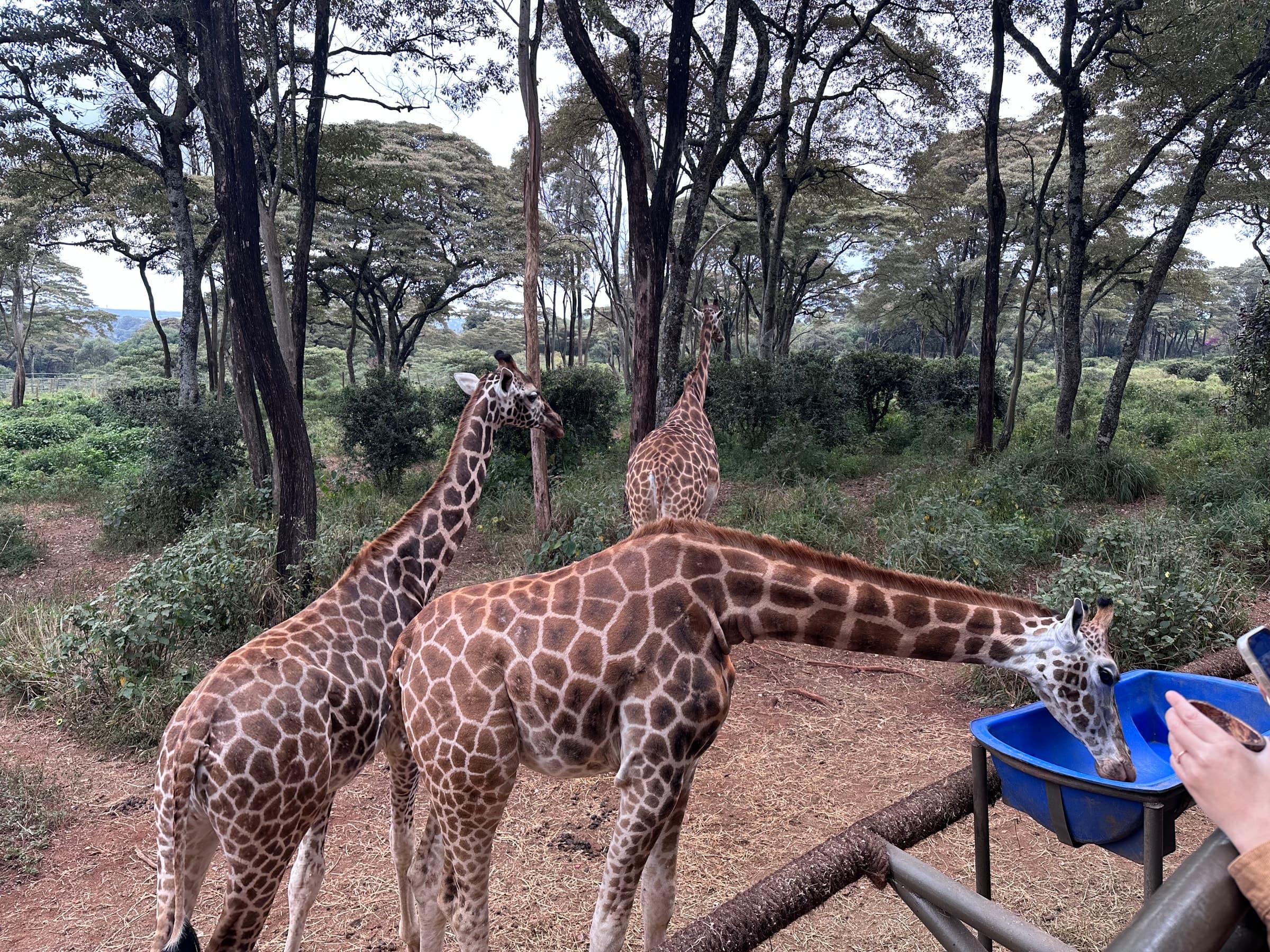
The right safari depends on who is travelling as much as on where. A honeymoon, a family with young children and a photographer with long lenses want different paces, different camps and sometimes different countries. These pathways are honest about what suits whom, including where our catalogue has gaps, and each leads to the journeys and guides worth reading next.
Pathways by traveller
First-time safari travellers
Choose one famous reserve and one contrasting place, with time in each: the Mara and a Rift Valley lake, or a short northern Tanzania circuit.
Couples and honeymooners
Our one honeymoon journey is in Uganda; elsewhere, couples compare our 15 luxury journeys or finish on Zanzibar.
Families with children
Gentle starts in Nairobi, shorter drives and compact parks suit children best. Gorilla trekking has a minimum age of 15, so primate journeys suit teenagers.
Multi-generational groups
A private safari lets the pace suit the oldest and youngest together, and a single crater day or a compact park packs in a lot without long drives.
Solo travellers
Group-joining safaris share the vehicle and the days in the parks with other travellers. Ask about departures, room sharing and any single supplement before you book.
Wildlife photographers
Light, patience and a vehicle that can wait. The 4 Days Maasai Mara Photography Luxury Safari is built around the reserve; Ndutu in calving season and the crater give very different subjects.
Birdwatchers
Lake Nakuru, Amboseli and Kakamega in Kenya; Ruaha’s 574 recorded species in Tanzania; Albertine Rift endemics and the shoebill in Uganda.
Repeat visitors
Samburu’s northern species, southern Tanzania’s rivers and wild dogs, or Uganda’s primates show a different East Africa from the classic circuit.
Adventure travellers
Cycle Hell’s Gate, hike Mount Longonot, walk in Ruaha or climb Kilimanjaro: our catalogue includes six Kilimanjaro treks and four on Mount Kenya.
Accessible travel
Game drives are seated and can suit many travellers with limited mobility, but vehicles, camps and paths vary, and forest treks are steep. Tell us your needs early so we can be honest about what is realistic.
Cultural experiences
Maasai communities around the Mara and Amboseli, the Endorois at Lake Bogoria, the Batwa near Bwindi and Mgahinga, and Nairobi’s Karen Blixen Museum. Always arranged with, and paced by, the community.
Beach and safari
Five journeys finish on Zanzibar. None of our catalogue journeys includes the Kenyan coast yet; ask about a tailor-made extension.
How East Africa’s safari routes fit together.
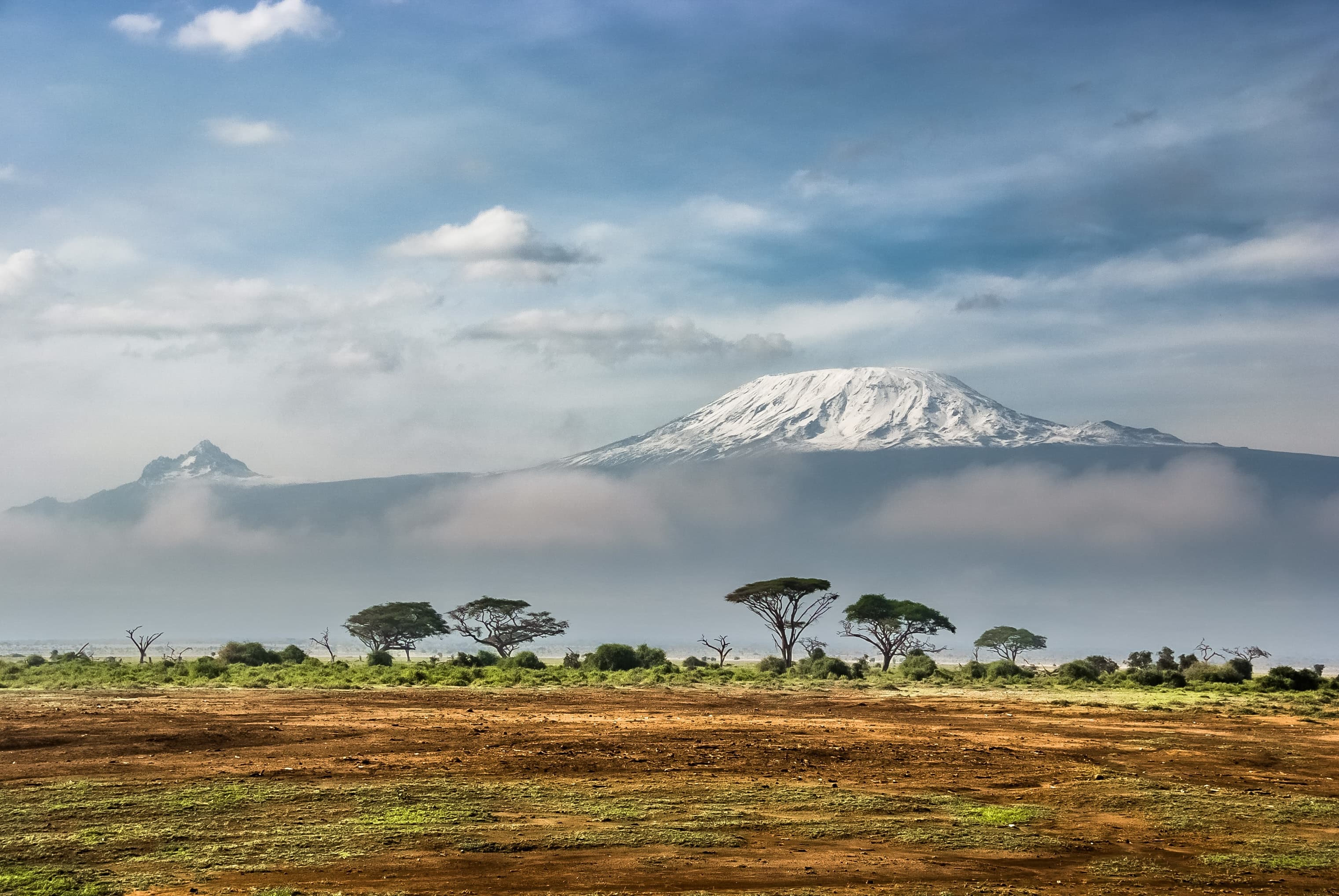
Each country has a few natural circuits, and most journeys follow one of them from a gateway city: Nairobi for Kenya, Arusha and Kilimanjaro International Airport for northern Tanzania, Dar es Salaam for the south, and Entebbe for Uganda. Knowing the circuits shows why certain parks are always paired, and why some combinations need a flight rather than another long drive.
Gateways
| Gateway | Serves | Good to know |
|---|---|---|
| Nairobi | Kenya’s parks, and Kenya–Tanzania journeys | Jomo Kenyatta International and Wilson airports are both close to Nairobi National Park |
| Arusha and Kilimanjaro International Airport | Northern Tanzania and Kilimanjaro | The airport lies about 40 km east of Arusha and describes itself as the northern circuit’s main gateway |
| Dar es Salaam | Southern Tanzania | Mikumi lies on the A7 highway from Dar es Salaam; Nyerere is reached through Kibiti and Utete |
| Entebbe | Uganda | Scheduled flights link Entebbe with Kisoro and Kihihi airstrips for Bwindi |
Combining destinations
Kenya and Tanzania
One ecosystem across a border: 20 of our journeys combine them, from 6 to 19 days.
Safari and Zanzibar
Five journeys add Zanzibar; one Tanzanian visa covers the mainland and the islands.
Safari and the Kenyan coast
Kenya Wildlife Service manages marine parks from Watamu to Kisite-Mpunguti; our catalogue has no coast journey yet, so ask.
Uganda with Kenya or Tanzania
No catalogue journey combines them; Uganda’s East African Tourist Visa covers Uganda, Kenya and Rwanda, so ask about a tailor-made route.
Know where you’re going.
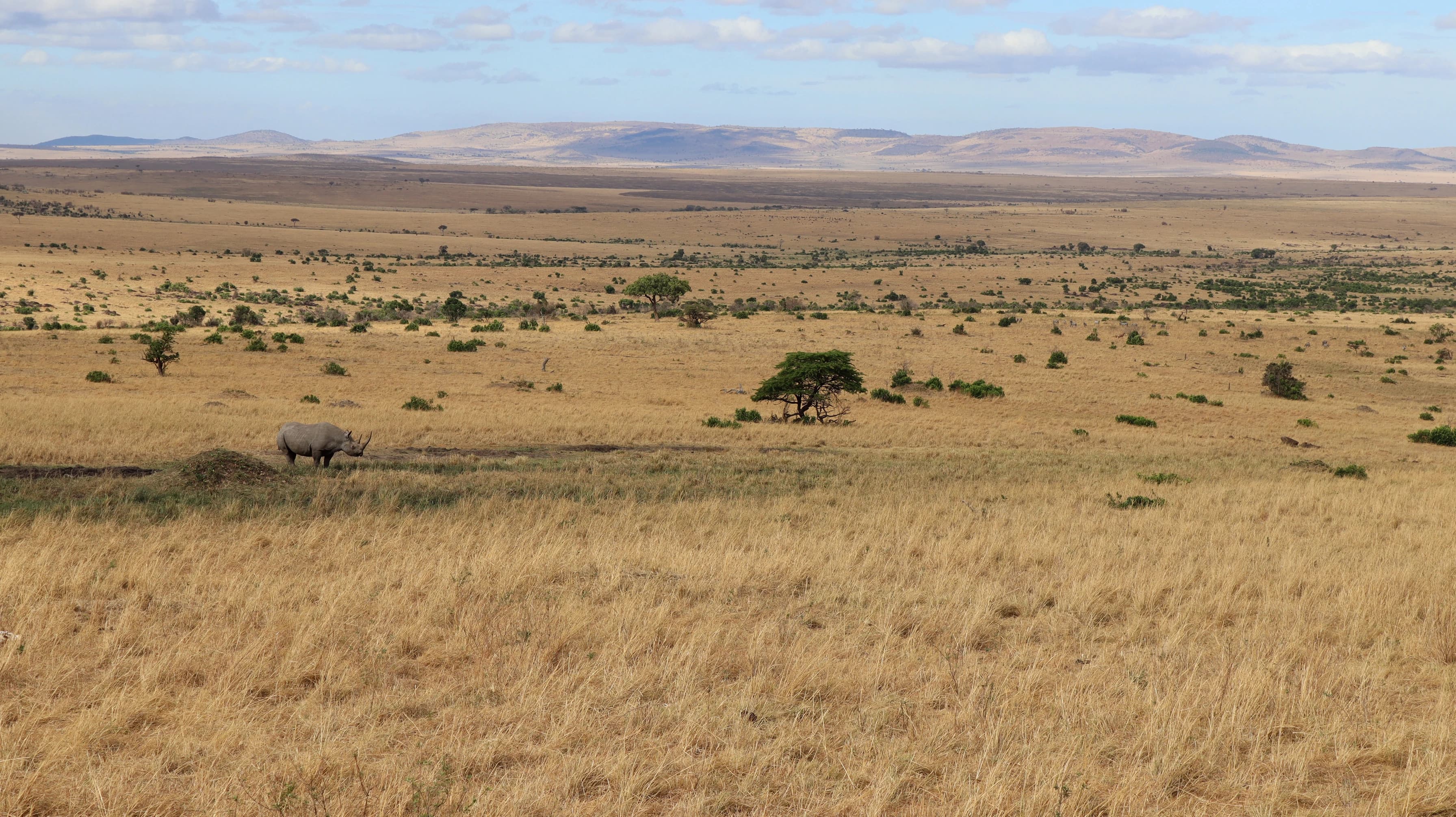
Kenya safari guide
Kenya Wildlife Service treats its parks as year-round destinations, from Amboseli’s elephant herds beneath Kilimanjaro to the rhinos and birdlife of Lake Nakuru.
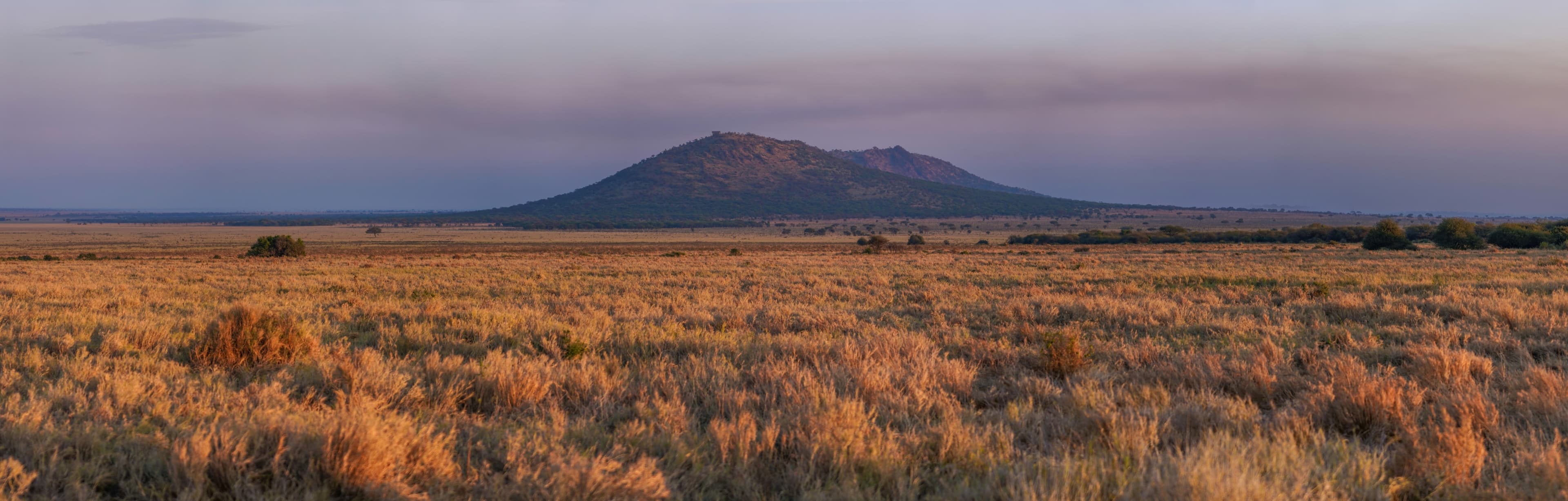
Tanzania safari guide
Serengeti National Park protects the ecosystem behind the Great Migration, and the herds calve on the Ndutu plains of the Ngorongoro Conservation Area.
Uganda safari guide
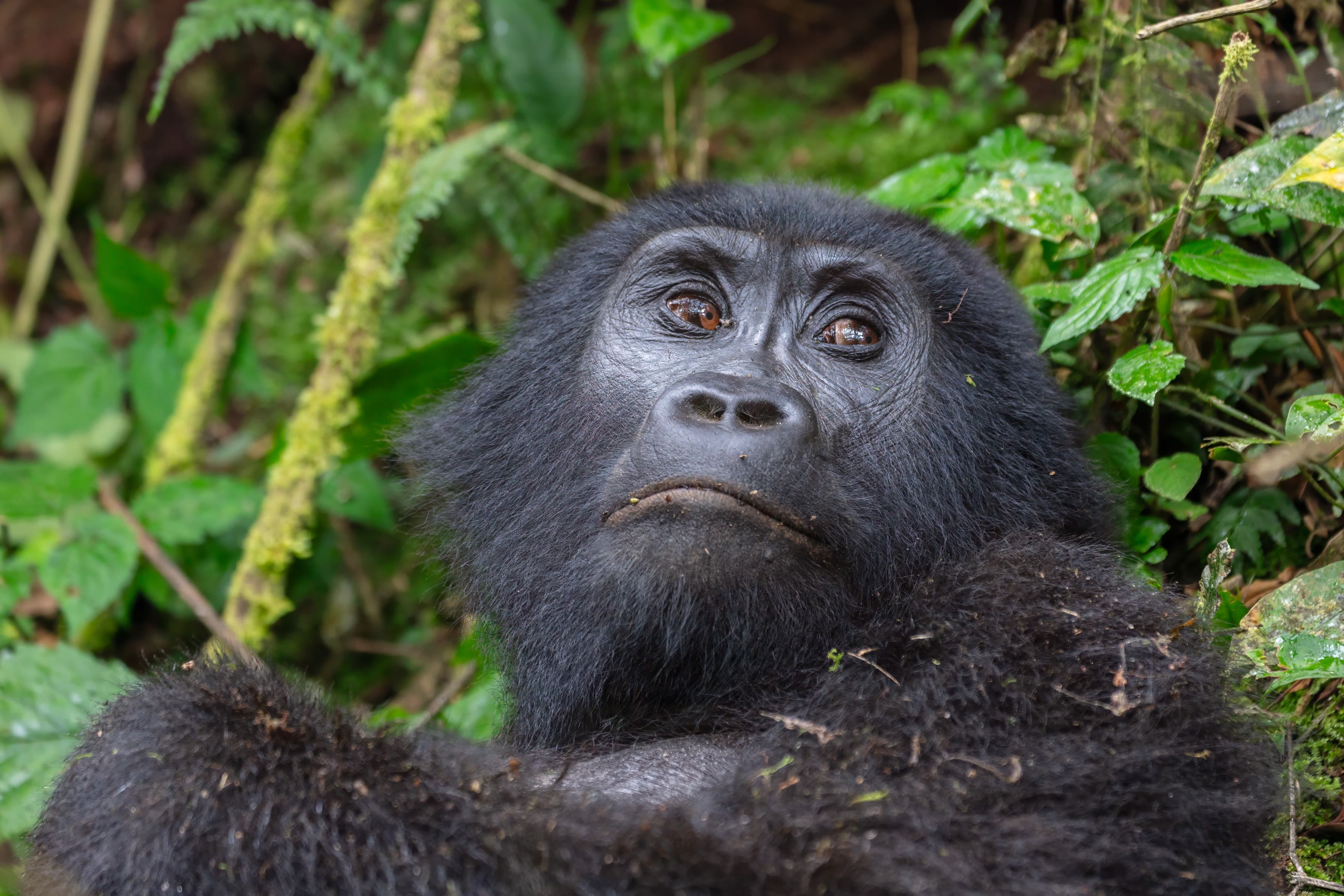
Bwindi protects about 459 mountain gorillas, almost half of those left in the world. Our Uganda guide also covers Mgahinga, Kibale’s chimpanzees, Queen Elizabeth, Murchison Falls and Kidepo, from Uganda Wildlife Authority sources.
Sources: Kenya Wildlife Service (What is the weather pattern in Kenya? When is the best time to visit your parks and reserves? (opens in a new tab), Amboseli National Park (opens in a new tab), Lake Nakuru National Park (opens in a new tab)); Tanzania National Parks (opens in a new tab); Ngorongoro Conservation Area Authority (opens in a new tab); Uganda Wildlife Authority (Bwindi Impenetrable National Park (opens in a new tab), Mgahinga Gorilla National Park (opens in a new tab), Kibale National Park (opens in a new tab), Queen Elizabeth National Park (opens in a new tab), Murchison Falls National Park (opens in a new tab), Kidepo Valley National Park (opens in a new tab))
Sources: Kenya Wildlife Service (Nairobi National Park (opens in a new tab), Watamu Marine National Park & Reserve (opens in a new tab), Kisite Mpunguti Marine National Park (opens in a new tab)); Kilimanjaro International Airport (opens in a new tab); Tanzania National Parks (Mikumi visitor guide (opens in a new tab), Nyerere visitor guide (opens in a new tab)); Uganda Wildlife Authority (opens in a new tab); Tanzania Immigration Services Department (opens in a new tab); Uganda Directorate of Citizenship and Immigration Control (opens in a new tab)
Life on safari, and travelling responsibly.
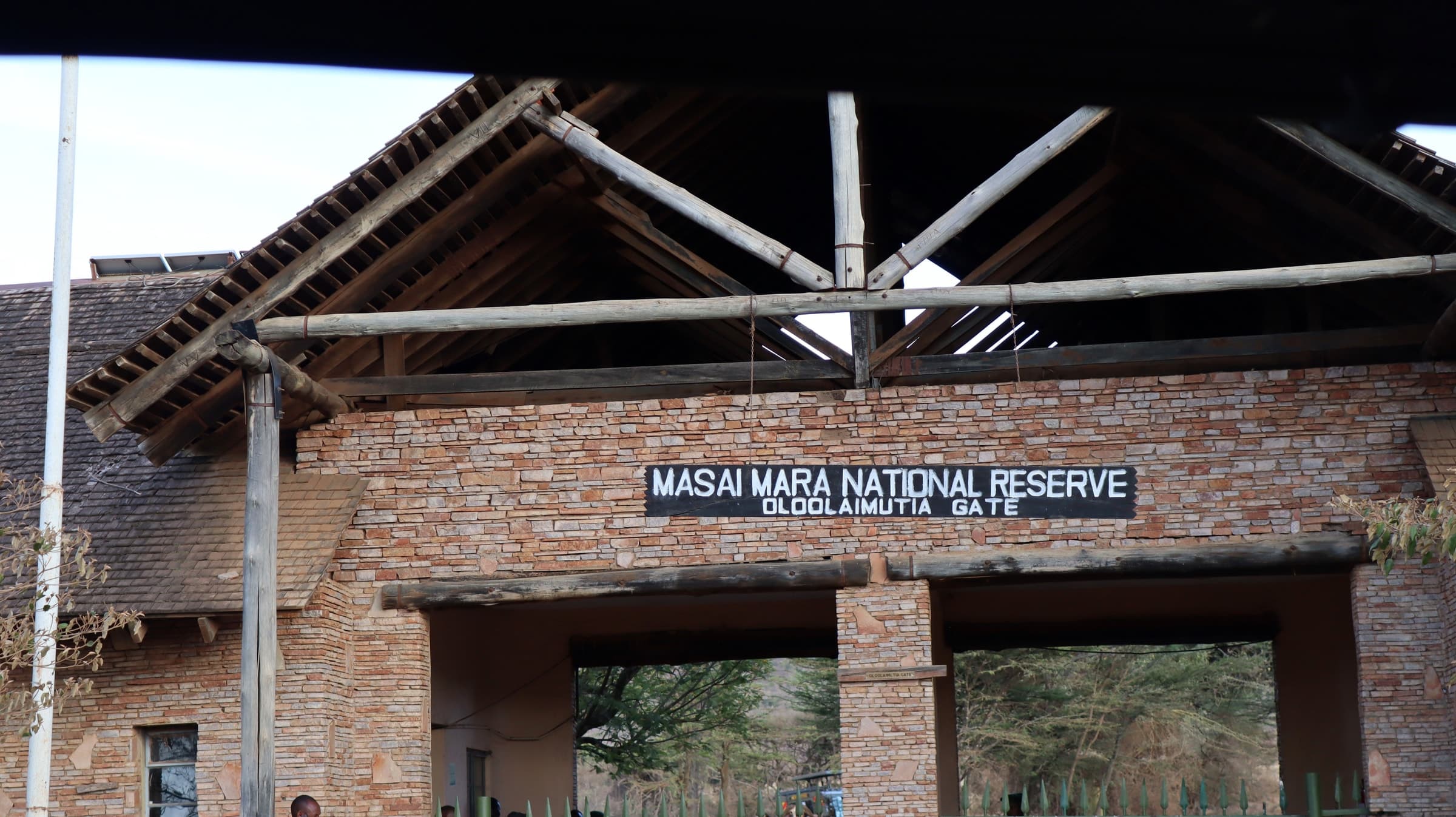
A safari day follows the light. Drives usually start early, when the air is cool and the light is soft, and resume in the late afternoon; the middle of the day is for lunch, rest or a picnic in the park. Park gates set the limits: Kenya Wildlife Service sets gate times from early morning to early evening for parks such as Amboseli and Lake Nakuru, unless you stay inside.
Responsible travel is mostly a matter of respect: for wildlife, for the rules that protect it and for the people whose land surrounds the parks. The park authorities’ rules are short and clear, and they apply to everyone. Kenya Wildlife Service asks visitors to keep at least 20 metres from wildlife; Uganda’s gorilla and chimpanzee rules require 10 metres and no flash; and Tanzania’s parks require written permission for drones.
Practicalities
Morning and afternoon drives
Early and late drives catch the cooler hours and the softest light; full-day drives with a picnic suit large parks. TANAPA notes that the best light in Nyerere comes early and late.
Your vehicle and guide
Our road safaris in Kenya and Tanzania use a 4×4 Land Cruiser. Ask about window seats and group size before you book; in Tanzania’s parks, guides must be certified.
Where you sleep
From public campsites and budget camps to tented camps and lodges. Each of our journeys names its accommodation where the catalogue confirms it.
Park conduct
Stay on the roads, keep your distance, never feed wildlife and stay in the vehicle except where allowed. In the Maasai Mara, standing on the roof or sitting in the window is not allowed.
Respectful photography
Ask before photographing people and accept a no. Never use flash with primates, and never ask a driver to approach or block wildlife for a picture.
Communities and conservation
Around the Mara, conservancies on community land bring together more than 15,000 landowners, who receive lease fees; in Uganda, gorilla permit rates include a community development contribution.
Health and emergencies
Parks can be far from a hospital: carry insurance with medical evacuation, keep your medication in your hand luggage, and do not trek to primates if you are unwell.
Children and mobility
Shorter drives and compact parks suit young children; primate trekking has minimum ages. Tell us about mobility needs early, because forest treks are steep and camps vary.
Sources: Kenya Wildlife Service (Amboseli National Park (opens in a new tab), Lake Nakuru National Park (opens in a new tab)); Uganda Wildlife Authority (opens in a new tab); Tanzania National Parks (opens in a new tab)
Questions travellers ask us.
Short, honest answers to the questions we hear most, grouped by stage of planning. Prices and conditions are always confirmed for your dates, and where a rule changes often we say when we last checked it. Each answer links to the page or guide with more detail, so you can read as much or as little as you need.
Choosing
Kenya or Tanzania for a first safari?
There is no wrong answer: the Maasai Mara and the Serengeti are one ecosystem, so your dates often decide. The Mara Conservancy says the herds are usually in the Mara from around June or July to November, and the NCAA puts the calving season at Ndutu from about late December to April. 20 of our journeys visit both countries.
Sources: Mara Conservancy (Mara Triangle, Maasai Mara National Reserve) (opens in a new tab); Ngorongoro Conservation Area Authority (opens in a new tab)
Which country is best for gorillas?
In our catalogue, Uganda. Bwindi protects about 459 mountain gorillas, almost half of those left in the world, and Mgahinga has one habituated group.
Sources: Uganda Wildlife Authority (Bwindi Impenetrable National Park (opens in a new tab), Mgahinga Gorilla National Park (opens in a new tab))
Can I combine Uganda with Kenya or Tanzania?
None of our catalogue journeys does, but you can ask us about a tailor-made route. Uganda’s immigration service describes an East African Tourist Visa covering Uganda, Kenya and Rwanda; check whether it suits a route that includes Kenya, which now runs its own eTA. Kenya and Tanzania both ask for a yellow fever certificate from travellers arriving from Uganda.
Sources: Uganda Directorate of Citizenship and Immigration Control (opens in a new tab); World Health Organization (opens in a new tab)
Can I go on safari without a tour operator?
In some parks, but check first. TANAPA’s Serengeti visitor guide tells visitors to travel with a guide or tour operator and says guides must be certified, and UWA sells gorilla and chimpanzee permits to foreign non-residents only through licensed tour operators. Rules differ from park to park, so ask the park authority before you plan an independent trip.
Sources: Tanzania National Parks (opens in a new tab); Uganda Wildlife Authority (opens in a new tab)
Is a private safari worth it?
If you want to set the pace, wait longer at a sighting or travel with children or a group of friends, often yes. A group-joining safari is shared with other travellers instead.
Seasons and wildlife
When is the best month for the Maasai Mara?
The Mara is worth visiting all year: before the herds arrive, the Mara Conservancy describes elephants, giraffes, topi and lions. If the migration matters most, the herds usually arrive around June or July and stay until about November. No river crossing can be promised.
Sources: Mara Conservancy (Mara Triangle, Maasai Mara National Reserve) (opens in a new tab)
When is calving season?
TANAPA gives January to February for calving in the Serengeti, and the NCAA says the herds are around Ndutu from about late December to April.
Sources: Tanzania National Parks (opens in a new tab); Ngorongoro Conservation Area Authority (opens in a new tab)
Will I see the Big Five?
Many safaris look for all five, but no one can promise them. Rhinos are the hardest; rhino sanctuaries such as Lake Nakuru and Ol Pejeta, and the Ngorongoro Crater, where the NCAA lists all five, give the best chance.
Sources: Kenya Wildlife Service (opens in a new tab); Ol Pejeta Conservancy (opens in a new tab); Ngorongoro Conservation Area Authority (opens in a new tab)
Is the rainy season a bad time to go?
Not necessarily. Kenya Wildlife Service calls April to June its low season, when some roads may need four-wheel drive, but calving at Ndutu happens in the rains and TANAPA says Mikumi’s green season is good for birds.
Sources: Kenya Wildlife Service (opens in a new tab); Ngorongoro Conservation Area Authority (opens in a new tab); Tanzania National Parks (opens in a new tab)
Costs and booking
How much should I budget?
17 of our journeys publish prices, all budget safaris, shown per person in US dollars on each journey. Midrange and luxury journeys are quoted for your dates, group size and comfort level.
Are park fees included?
Kenya Wildlife Service says that on a package tour the operator includes park entry fees in the total cost. Ask us to confirm what each quotation includes, including any gorilla or chimpanzee permits.
How far ahead should I book?
For peak months, early. TANAPA advises booking well ahead for the Serengeti’s migration season, the NCAA notes demand for Ndutu’s camps in calving season, and UWA’s primate permits are limited.
Sources: Tanzania National Parks (opens in a new tab); Ngorongoro Conservation Area Authority (opens in a new tab); Uganda Wildlife Authority (opens in a new tab)
Are gorilla permits included?
It depends on the journey, so ask. UWA says permits for foreign non-residents are booked only through licensed tour operators, and since February 2026 it has offered discounted low-season permits for April, May and November. The rate for your dates is confirmed with UWA when the permit is booked.
Sources: Uganda Wildlife Authority (Revised conservation tariff, taking effect 1 January 2027 and running to June 2028, with gorilla and chimpanzee tracking rules (published October 2026) (opens in a new tab), Notice to stakeholders, 26 February 2026: low-season gorilla and chimpanzee permit rates and revised tariff (opens in a new tab))
Entry, health and safety
Do I need a visa?
Usually some form of permission: Kenya’s eTA, a Tanzanian visa or a Ugandan tourist visa, unless you are exempt. Apply only through the official government websites, and check them for your nationality (checked 20 October 2026).
Sources: Republic of Kenya, Directorate of Immigration Services (opens in a new tab); Tanzania Immigration Services Department (opens in a new tab); Uganda Directorate of Citizenship and Immigration Control (opens in a new tab)
Do I need a yellow fever vaccination?
It depends on your route as much as your destination. Kenya and Tanzania ask for proof, from age one, from travellers arriving from a country WHO lists as a yellow fever risk, so a journey from Kenya into Tanzania, or from Uganda into either, needs a certificate. Uganda no longer requires one for entry (immigration notice of 2 October 2026). As medical advice, the CDC recommends the vaccine for most travel in Kenya and Uganda, but generally not for Tanzania. A travel-health professional can advise you.
Sources: World Health Organization (opens in a new tab); Uganda Directorate of Citizenship and Immigration Control (opens in a new tab); US Centers for Disease Control and Prevention (Kenya: traveler view (page reviewed 25 August 2026; yellow fever table updated 23 April 2025) (opens in a new tab), Tanzania: traveler view (page reviewed 25 August 2026; yellow fever and malaria sections updated 23 April 2025) (opens in a new tab), Uganda: traveler view (page reviewed 25 August 2026; yellow fever section updated 23 April 2025) (opens in a new tab))
Do I need malaria tablets?
The CDC recommends malaria prevention for most safari areas: in Kenya below 2,500 metres, in Tanzania below 1,800 metres, and for travellers to Uganda. A travel-health professional will advise on the right medicine.
Sources: US Centers for Disease Control and Prevention (Kenya: traveler view (page reviewed 25 August 2026; yellow fever table updated 23 April 2025) (opens in a new tab), Tanzania: traveler view (page reviewed 25 August 2026; yellow fever and malaria sections updated 23 April 2025) (opens in a new tab), Uganda: traveler view (page reviewed 25 August 2026; yellow fever section updated 23 April 2025) (opens in a new tab))
Do I need special travel insurance for Kenya or Tanzania?
Yes, as well as your own. Kenya (from 5 October 2026) and Tanzania (from 1 October 2026) each require most visitors to hold a government-provided policy. Kenya’s is sold on its eCitizen portal, with the eTA or on its own; Tanzania’s comes from the National Insurance Corporation if you first arrive on the mainland, or the Zanzibar Insurance Corporation if you arrive in Zanzibar, and one policy covers both. Exemptions differ: East African Community citizens are exempt in Kenya, and qualifying EAC and SADC travellers from the mainland scheme, though not automatically in Zanzibar. Both cover emergencies, not cancellation (checked 20 October 2026).
Sources: Insurance Regulatory Authority of Kenya, on eCitizen (opens in a new tab); UK Foreign, Commonwealth & Development Office (Kenya travel advice: entry requirements (including mandatory travel health insurance from 5 October 2026, and health screening) (opens in a new tab), Tanzania travel advice: entry requirements (mandatory inbound travel insurance; health screening announced 17 October 2026) (opens in a new tab)); United Republic of Tanzania, Ministry of Finance (public notice published by the Embassy of Tanzania in Rome, 27 September 2026) (opens in a new tab); National Insurance Corporation of Tanzania (NIC) (opens in a new tab); Zanzibar Insurance Corporation (ZIC) (opens in a new tab)
Is it safe to go on safari in East Africa?
No trip is free of risk, so read your own government’s travel advice before you book. The UK’s, for example, advises against travel to some border and northern coastal areas of Kenya and to land within 20 kilometres of Tanzania’s border with Mozambique’s Cabo Delgado province, and has no such warning for Uganda (checked 20 October 2026). The parks and reserves on our journeys lie outside those areas. Health advice changes faster: read our dated travel-health note.
Sources: UK Foreign, Commonwealth & Development Office (Kenya travel advice (updated 16 October 2026) (opens in a new tab), Tanzania travel advice (updated 20 October 2026) (opens in a new tab), Uganda travel advice (updated 8 October 2026: yellow fever certificate requirement removed) (opens in a new tab))
What should travel insurance cover?
Medical treatment and evacuation from remote areas, cancellation from the day you book, and any activity you plan, such as gorilla trekking or a mountain climb. Kenya’s and Tanzania’s government schemes cover medical emergencies only, so your own policy still matters.
On safari
How many safari days do I need?
Our Kenya safaris run from 2 to 10 days, our Tanzania safaris from 3 to 10 days, our Kenya and Tanzania journeys from 6 to 19 days and our Uganda journeys from 3 to 15 days. Fewer parks with more time in each makes for a calmer trip.
What is a game drive like?
A slow drive on the park’s roads, stopping to watch and photograph. Most days have an early drive and an afternoon drive, with a rest in between; large parks may have full-day drives with a picnic.
Can I charge my phone and camera?
Usually, but not always everywhere: remote camps may have limited power or connectivity. Bring a power bank, and tell us when you enquire if charging or Wi-Fi matters to you.
Is group joining suitable for solo travellers?
Yes. Group-joining safaris are an option for solo travellers. Departure availability, room sharing and any single supplement should be confirmed with our team before you book.
Families and access
What is the minimum age for gorilla trekking?
Fifteen for gorillas, under the Uganda Wildlife Authority’s published rules. For chimpanzee tracking, UWA’s tariff rules say 12 and its Kibale page says 16. Travellers aged 16 or over meet both; for anyone aged 12 to 15, ask us to confirm eligibility with UWA before a permit is booked.
Sources: Uganda Wildlife Authority (Revised conservation tariff, taking effect 1 January 2027 and running to June 2028, with gorilla and chimpanzee tracking rules (published October 2026) (opens in a new tab), Kibale National Park: chimpanzee tracking (opens in a new tab))
Are safaris suitable for young children?
Many are, with the right pace: shorter drives, compact parks and a gentle start in Nairobi. Ask about minimum ages and child prices for each journey when you enquire.
Can travellers with limited mobility go on safari?
Often, yes: game drives are seated. Vehicles, camps and paths vary, and primate treks are steep, so tell us your needs early and we will be honest about what is realistic.
Every guide, numbered.
Our in-depth Field Notes are in editorial review.
Each guide is published only after its facts have been checked against official sources and Big Time has approved it. In the meantime, the planning pathways above and our country and destination guides cover the questions travellers ask most.
Ready to turn notes into a journey?
Tell us when you can travel, who is coming and what you hope to see. Our team will suggest the safaris that fit.