
Kidepo
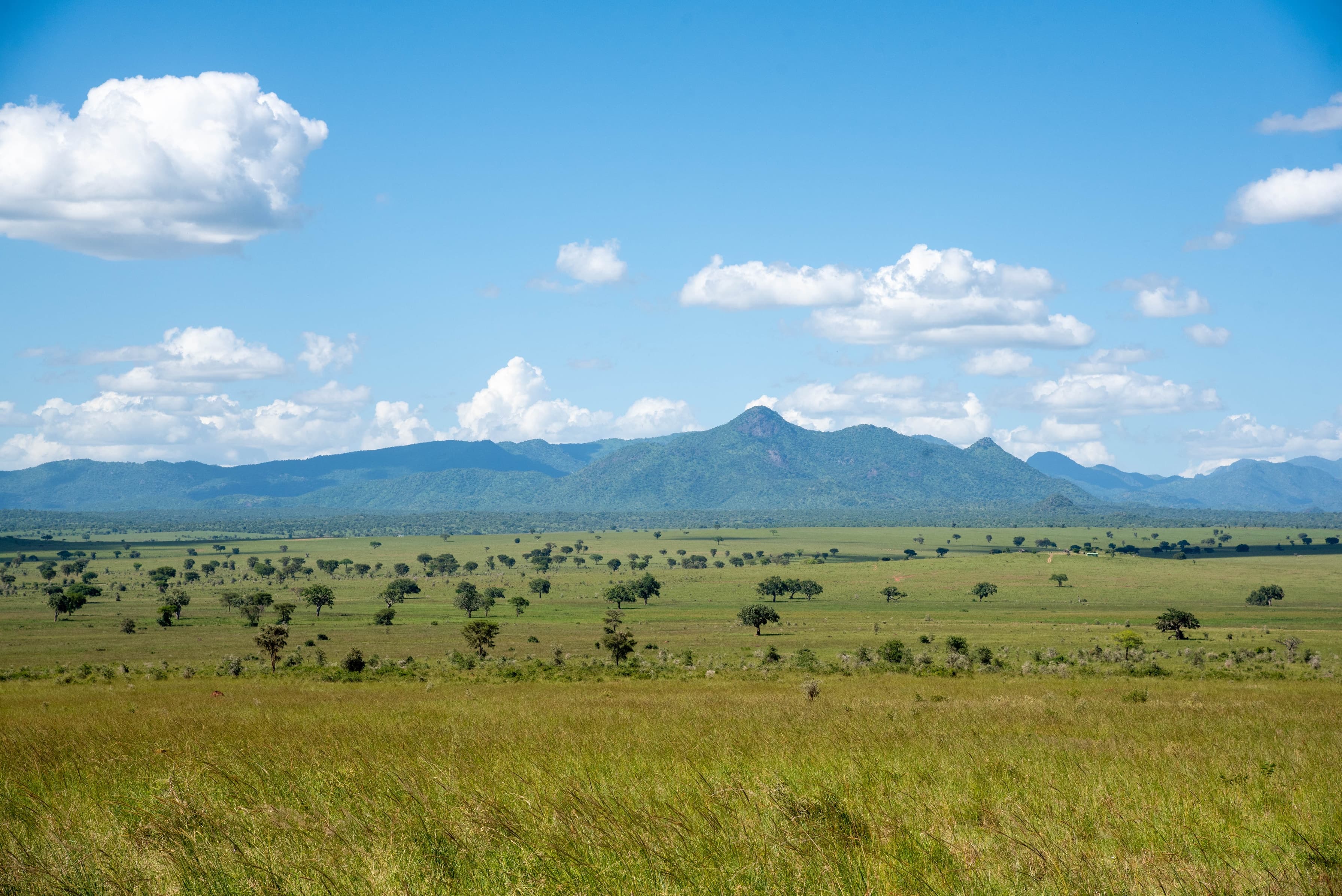
Uganda’s most remote park: golden savannah in the semi-arid valleys of Karamoja, ringed by distant mountains.
- Country
- Uganda
- Managed by
- Uganda Wildlife Authority
- Gazetted
- 1962
- Setting
- Karamoja, bordering South Sudan, with Kenya just to the east
- Wildlife
- Over 77 mammal and 476 bird species
- Our journeys here
- 1 journey in the catalogue
Is Kidepo right for you?
Who it suits.
- Best for
- Experienced travellers who want wilderness and solitude, and those with time for a long journey north.
- How it connects
- The Uganda Wildlife Authority recommends flying from Entebbe; by road (about 571 km in its tariff) the most direct route runs through Gulu to Lokumoit Gate.
Kidepo in our Uganda guide, with the places around it.
Why visit Kidepo
True wilderness.
Kidepo Valley is Uganda’s most remote and least explored national park, yet the Uganda Wildlife Authority calls it one of Africa’s most breathtaking wilderness areas. Gazetted in 1962, it lies in the semi-arid valleys of Karamoja, bordering South Sudan to the north-west with Kenya just to the east, and it is home to more than 77 mammal species and a bird checklist of over 476, including several found in no other Ugandan park.
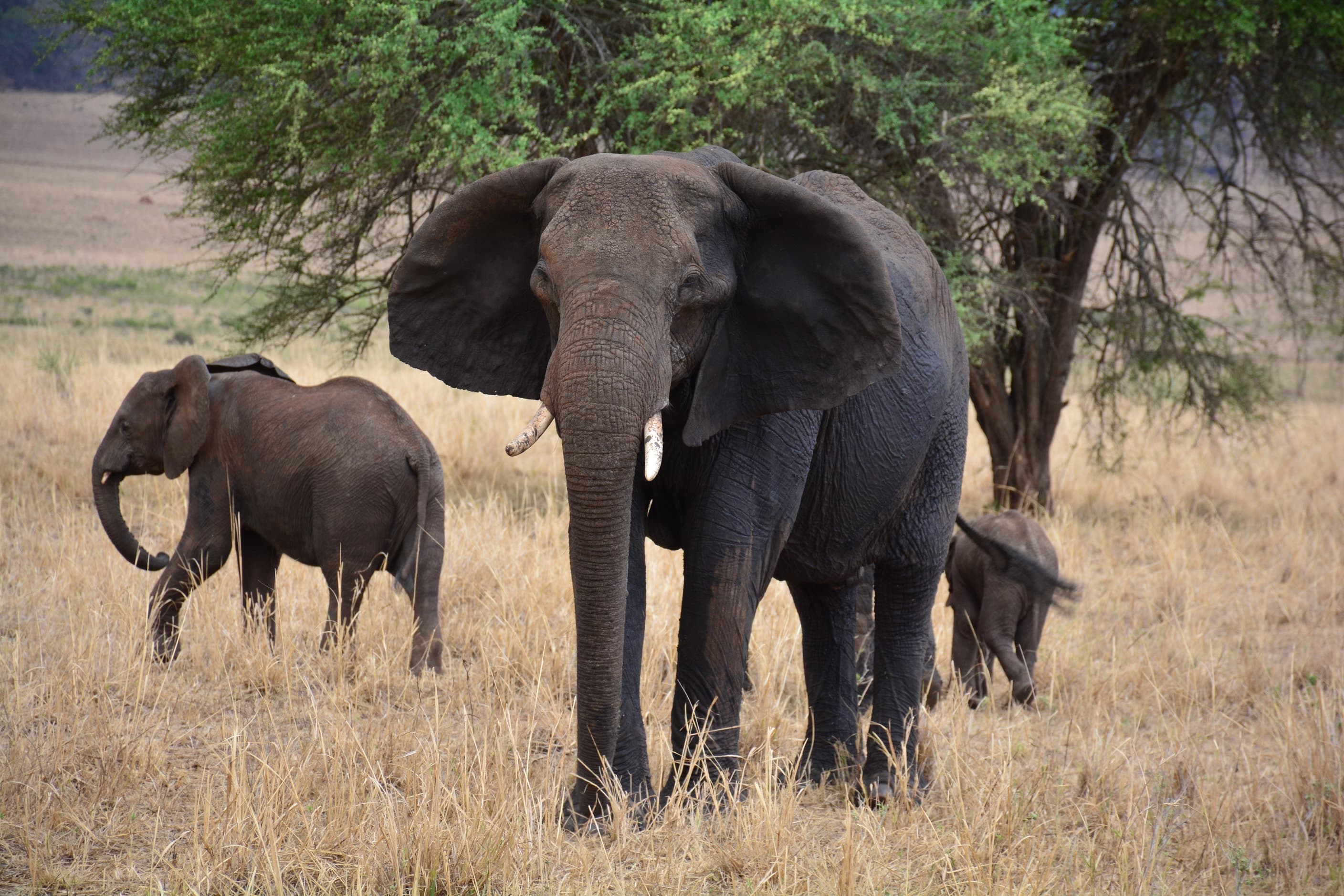
Its wildlife is recovering strongly. Elephant numbers have grown from about 200 in the 1990s to between 650 and 1,000 today, and the park is one of the best places to see Rothschild’s giraffes, which recovered from just three individuals in the mid-1990s to more than 50 thanks to breeding and translocation. Nearby live the Karamojong, semi-nomadic cattle-keepers, and the Ik, a small community in the mountains bordering Kenya.
Landscapes & wildlife
Valleys and dry rivers.
From Apoka, at the heart of the park, a vast golden savannah stretches far beyond the protected area, framed by distant mountain ranges that dominate the horizon. The park’s two main rivers, the Kidepo and the Narus, dry up in the harsh dry season, leaving scattered pools that become lifelines for wildlife, which is why the landscape changes so markedly between the seasons.
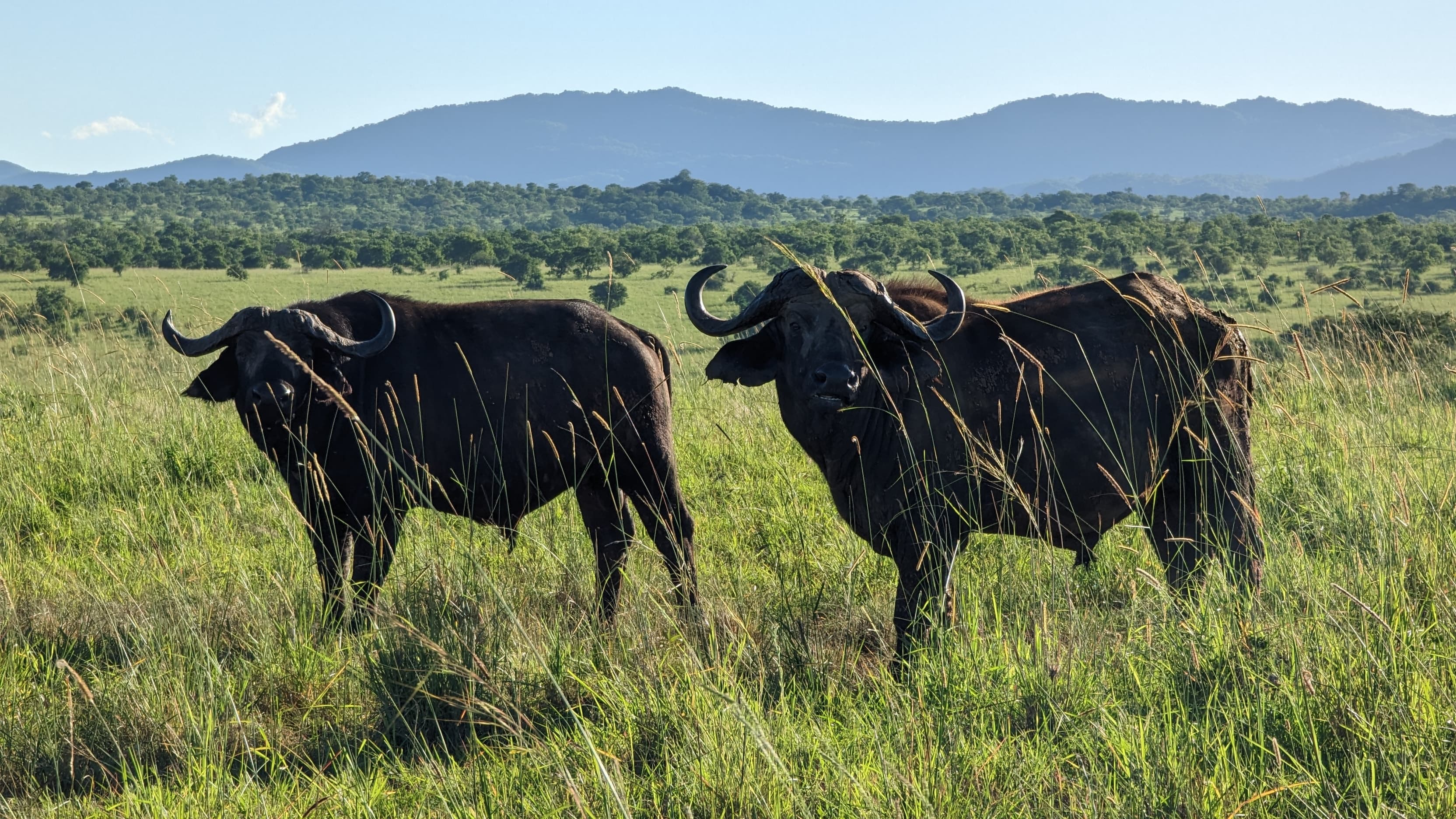
- Large buffalo herds
- Elephants and Rothschild’s giraffes
- 476 bird species
- The Narus Valley
Wildlife moves freely and sightings are never guaranteed.
When to visit
The dry months.
In the dry months the Narus Valley, with its reliable water, is the park’s prime game-viewing area, drawing large concentrations of buffalo and elephants as the Kidepo and Narus rivers shrink to scattered pools. That concentration of wildlife around water is what makes the dry season so rewarding here, though the remote location means any visit needs careful planning with an operator, whether by air or by road.
Signature experiences
In Kidepo.
Narus Valley game drives
The park’s richest wildlife area in the dry months.
Community visits
Meeting the Karamojong pastoralists and the Ik people of the mountains.
Birdwatching
Species found nowhere else in Uganda’s parks.
Getting there
Getting to Kidepo.
The Uganda Wildlife Authority recommends flying, as the park is far from Kampala, and flights between parks are usually arranged by tour operators from Entebbe International Airport. Driving is possible: the most direct route runs through Gulu to Lokumoit Gate, and can be broken with an overnight stop at Ziwa Rhino Sanctuary, Gulu or Kitgum, while two longer routes cross the Karamoja subregion to Nataba Gate.
Safaris that visit Kidepo
Filter these journeysOne journey to Kidepo.
Every journey here includes Kidepo on its catalogue route.
Sources
- Uganda Wildlife Authority: Kidepo Valley National Park (opens in a new tab)
- Uganda Wildlife Authority: Revised conservation tariff, taking effect 1 January 2027 and running to June 2028, with gorilla and chimpanzee tracking rules (published October 2026) (opens in a new tab)
Facts on this page were checked against these sources in October 2026. Park rules, fees and conditions change, so always check the latest before you travel.
Your journey begins with a conversation
Shape your Kidepo journey.
Tell us when you would like to travel and who is coming, and our team will suggest safaris that include Kidepo.