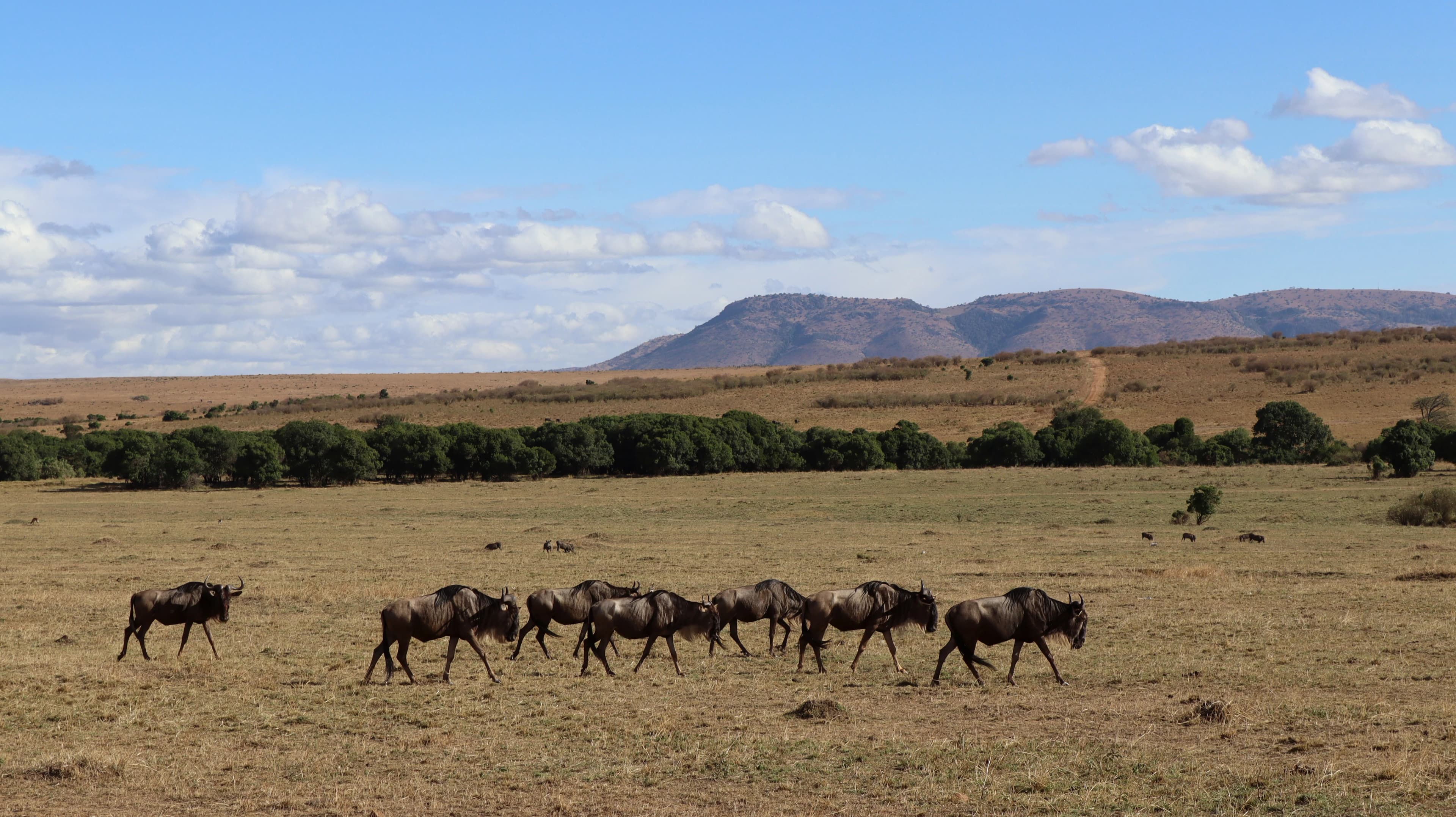
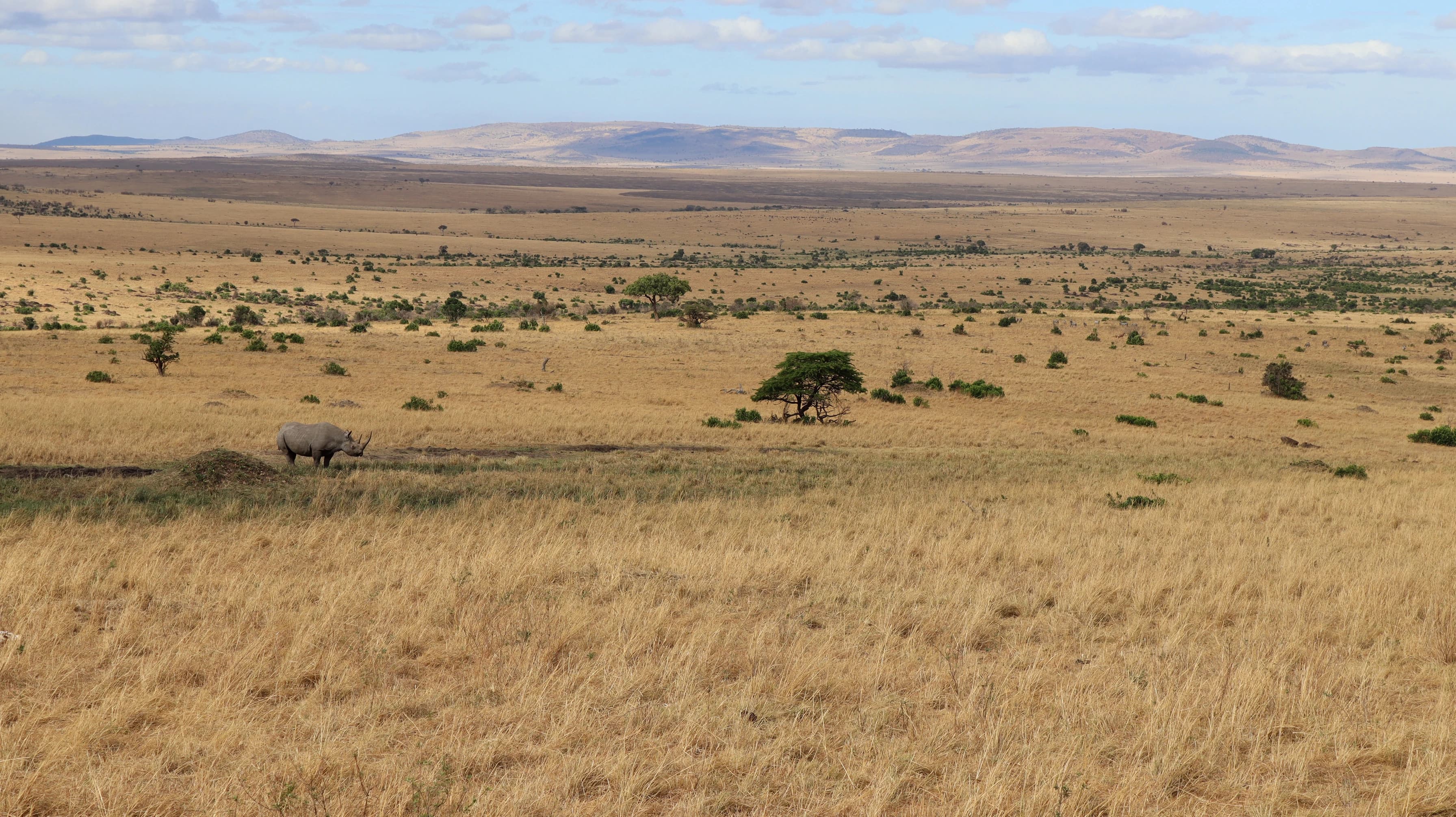
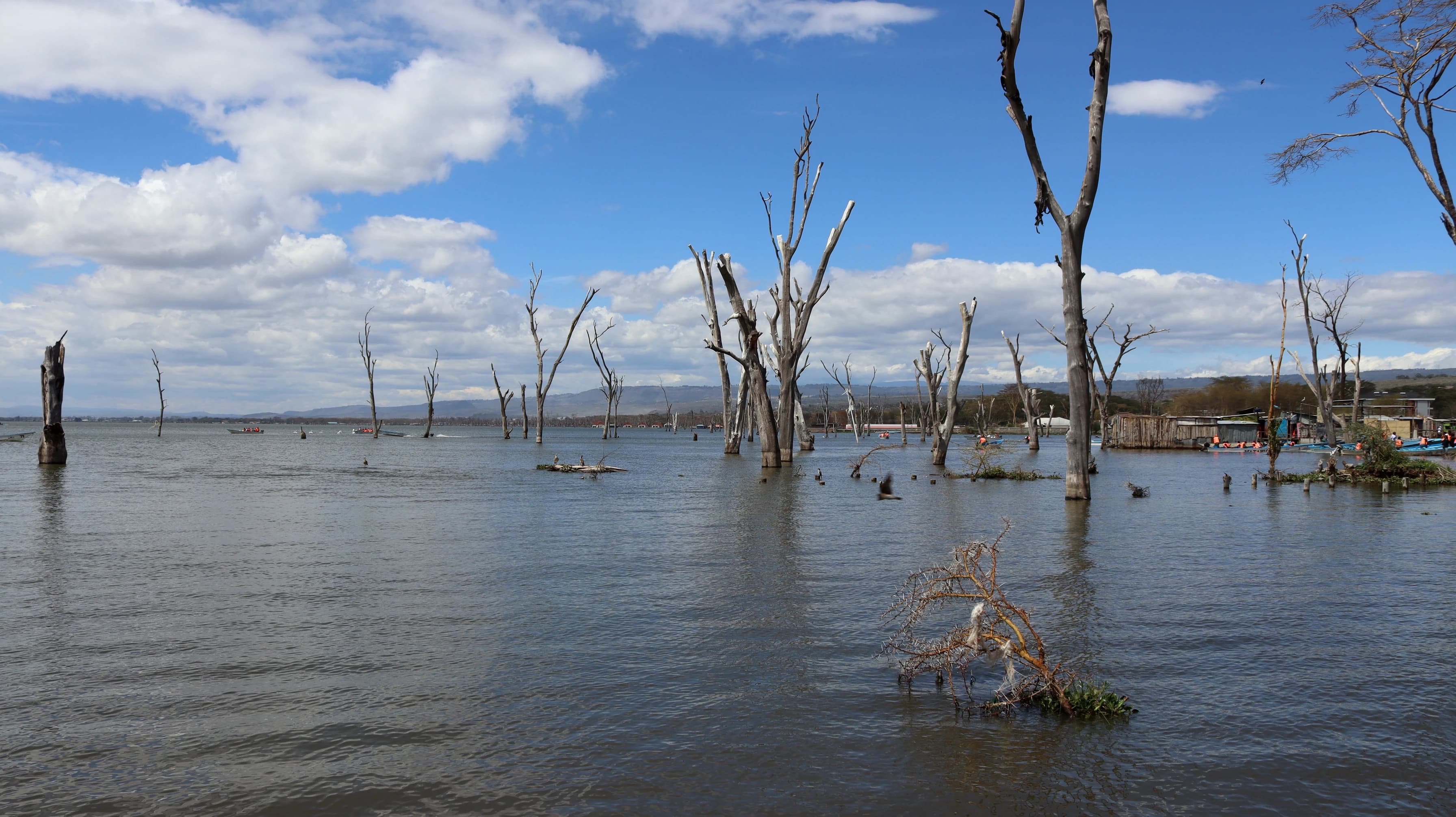
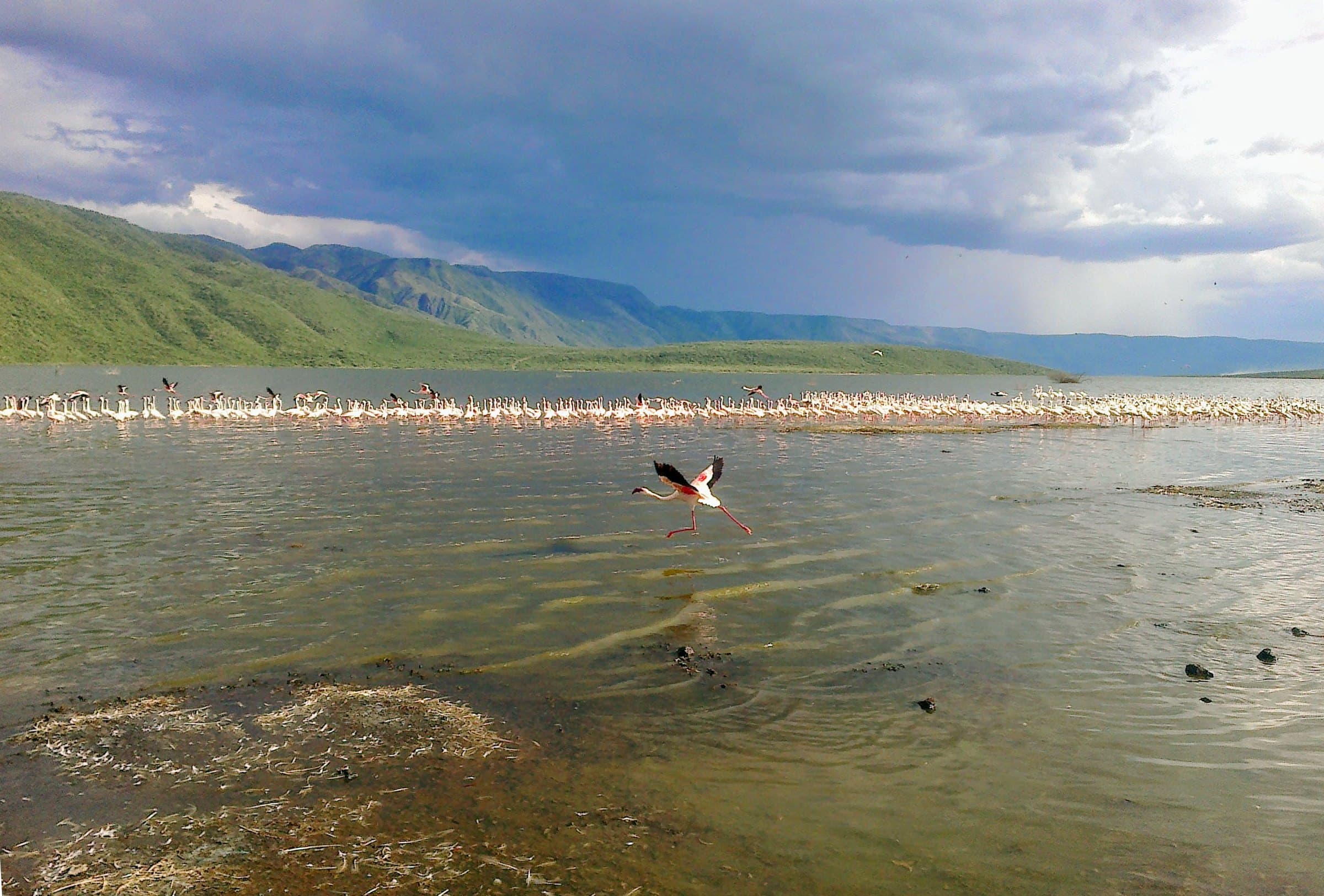
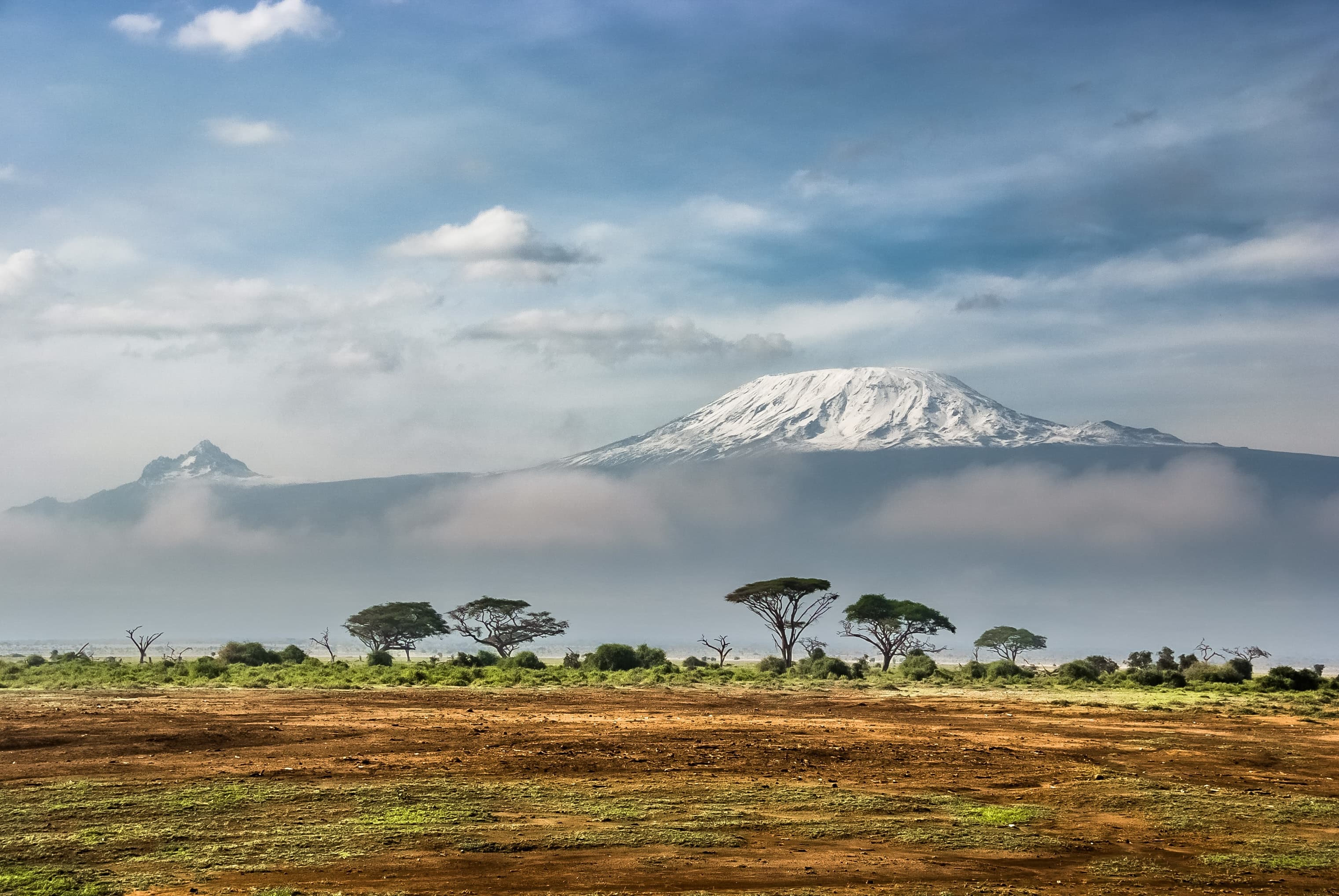
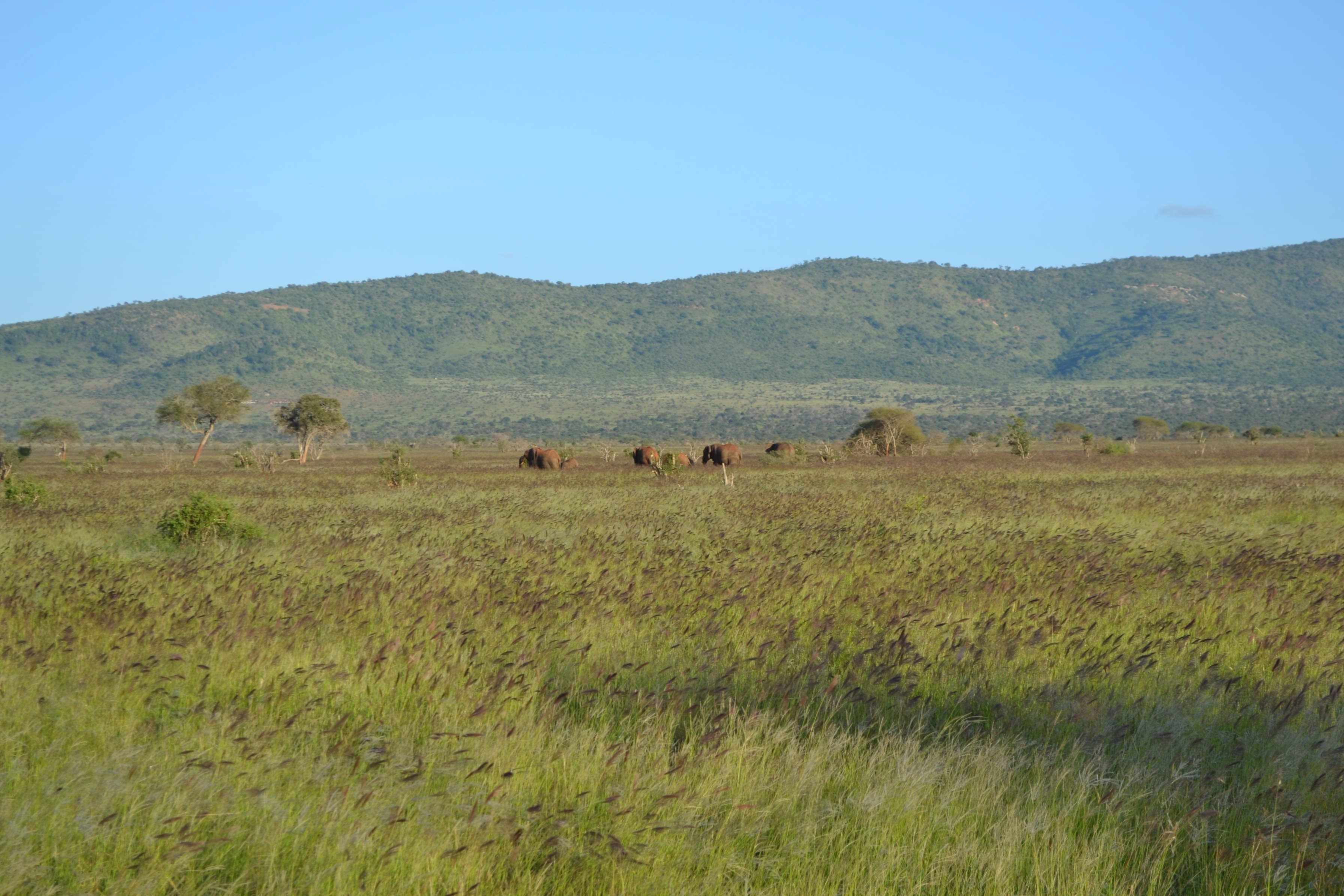
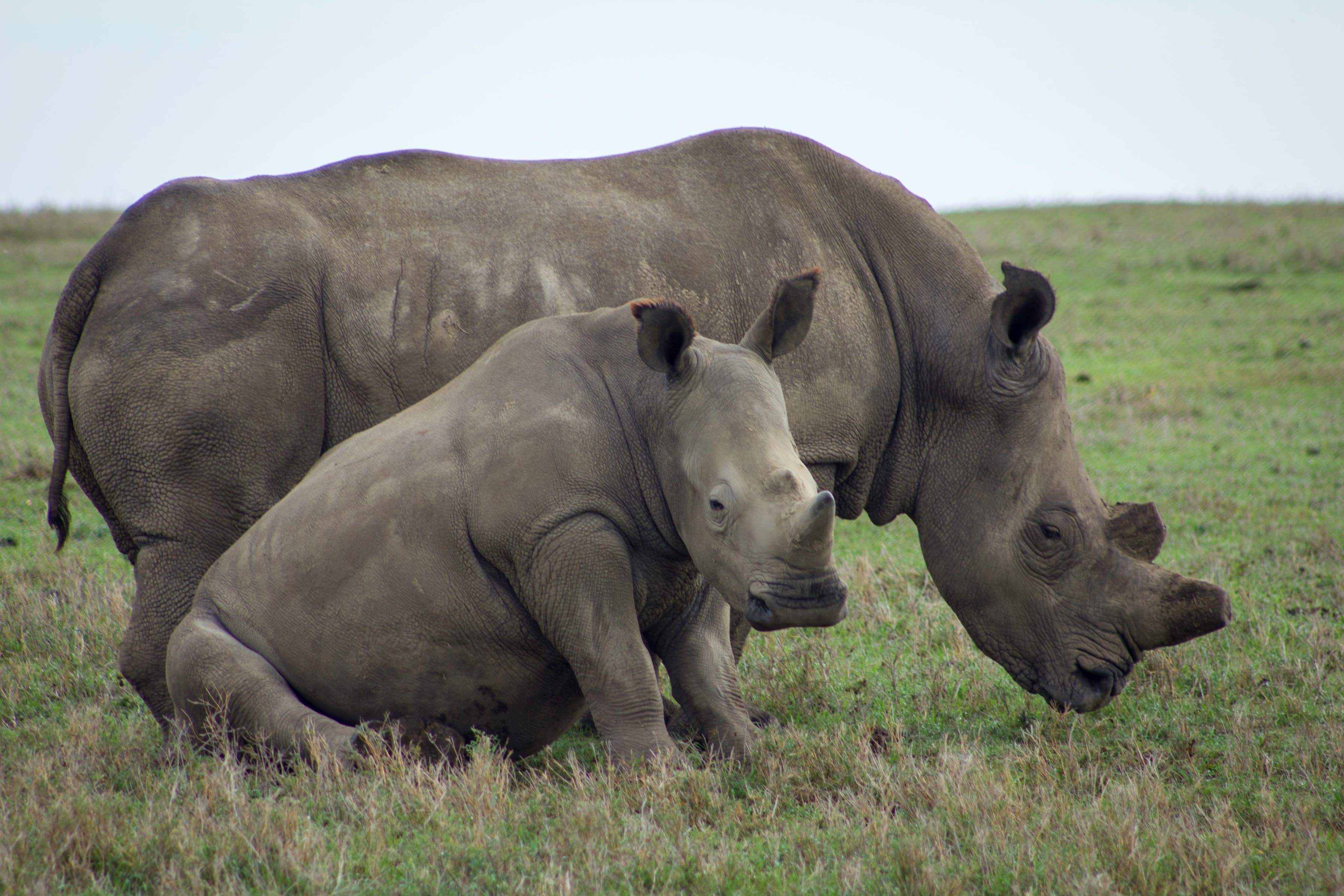
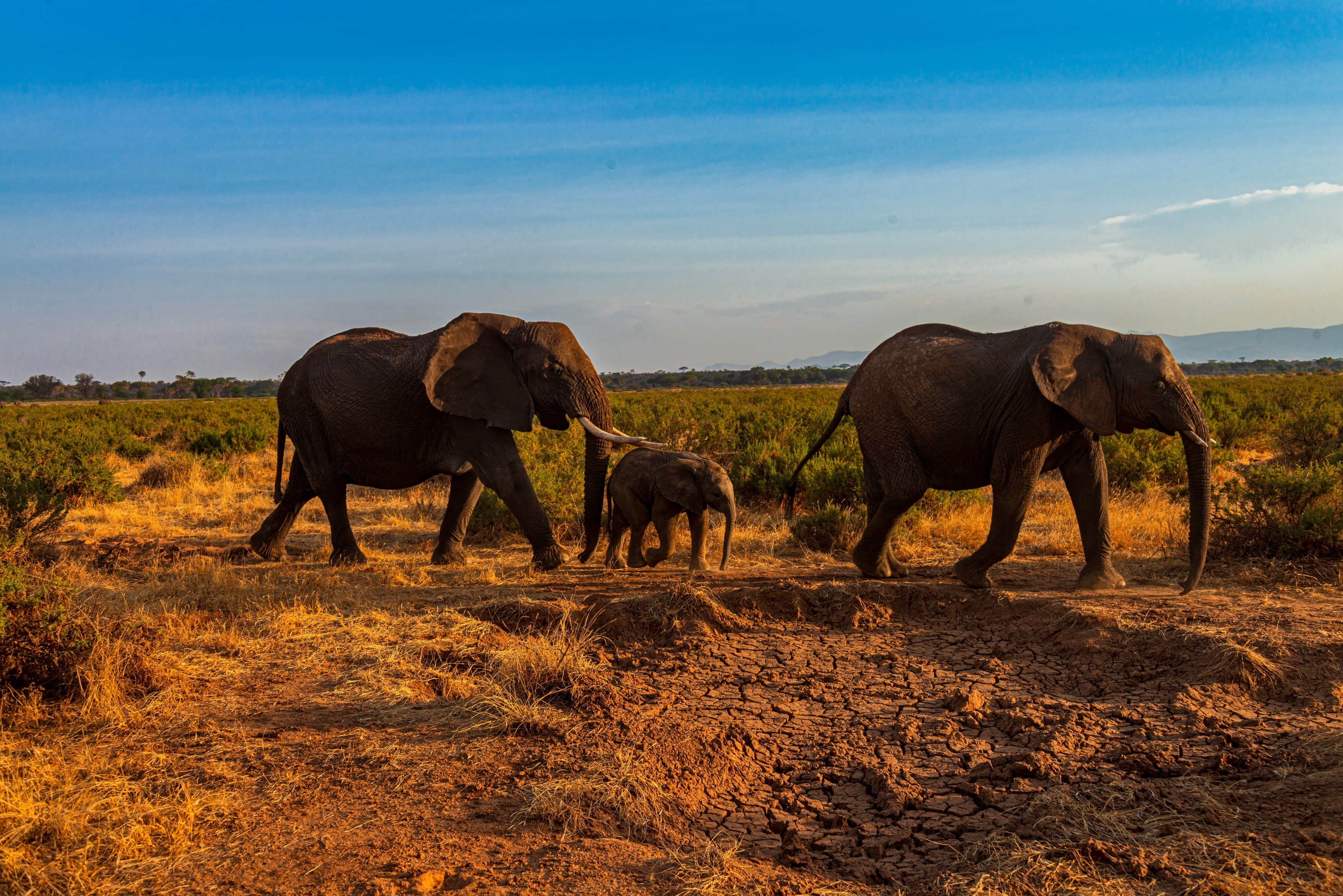
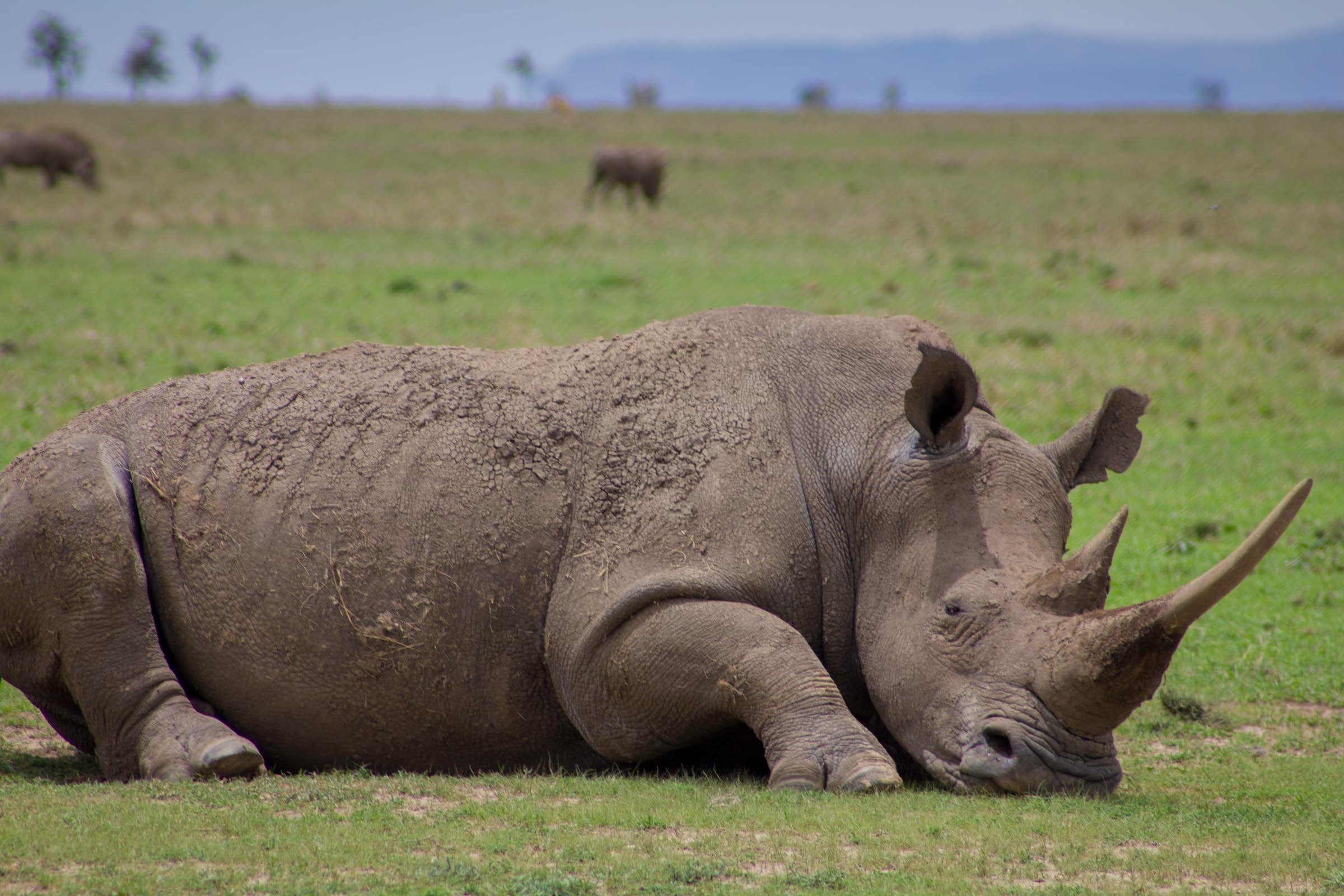
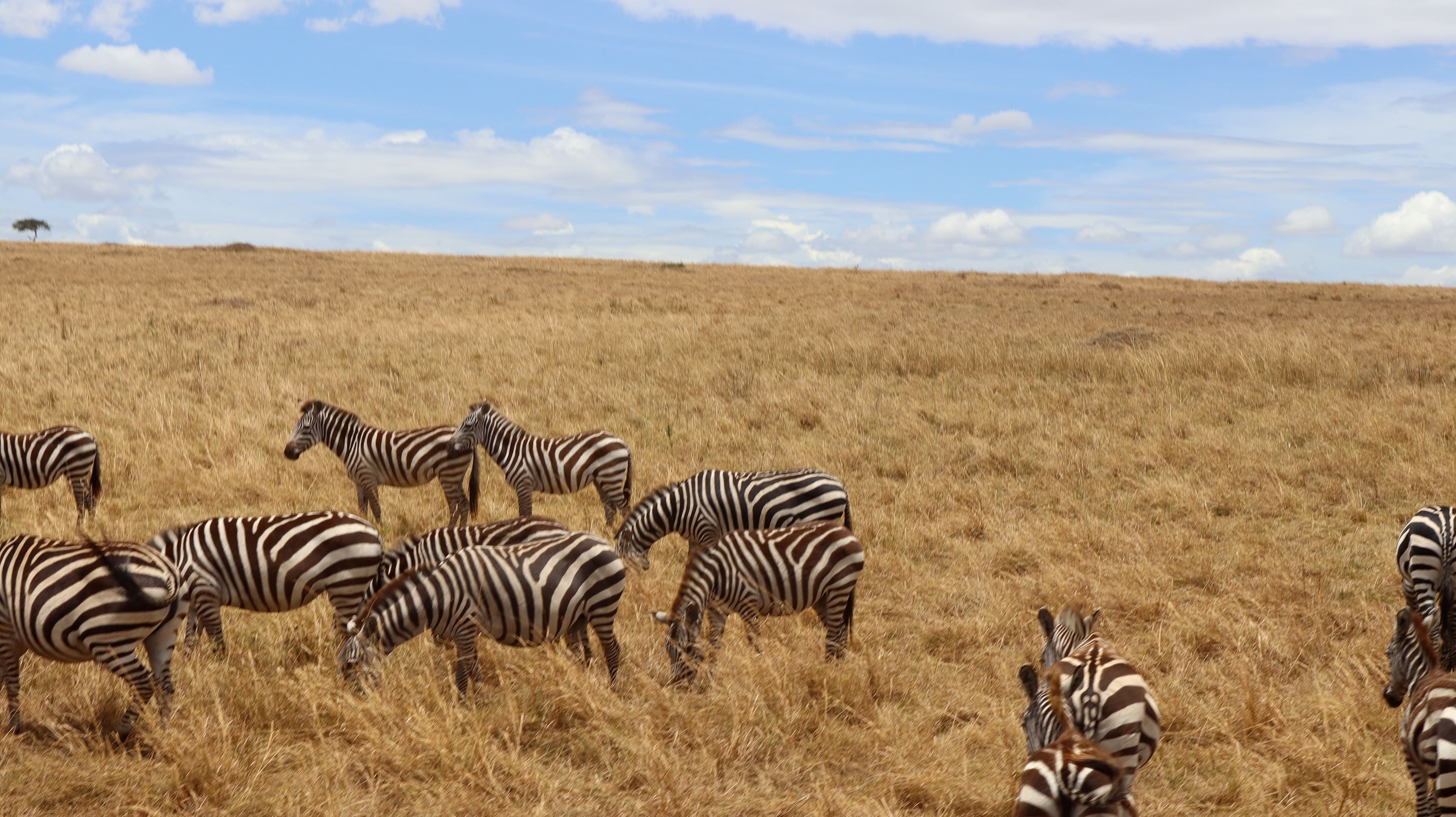
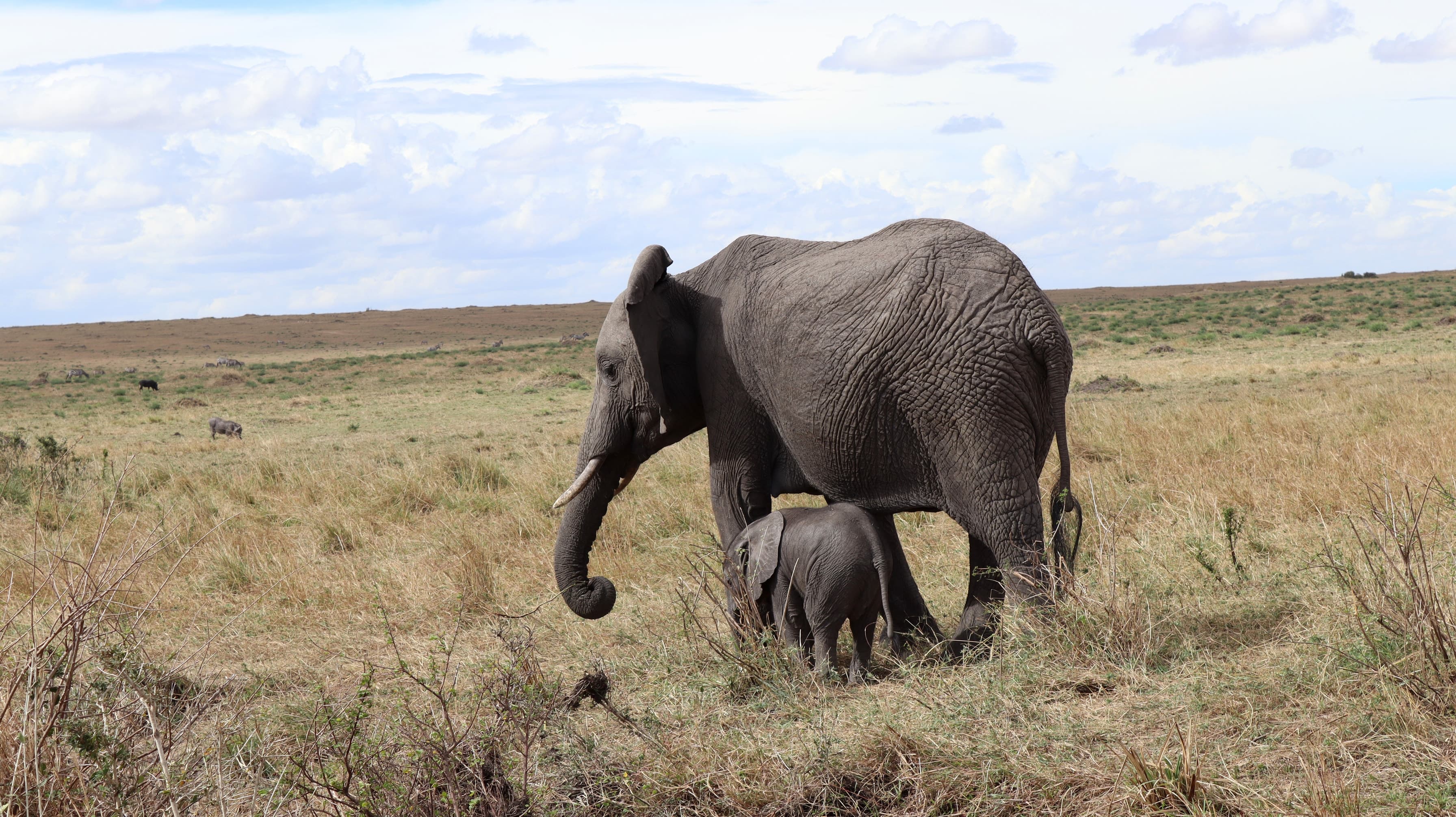
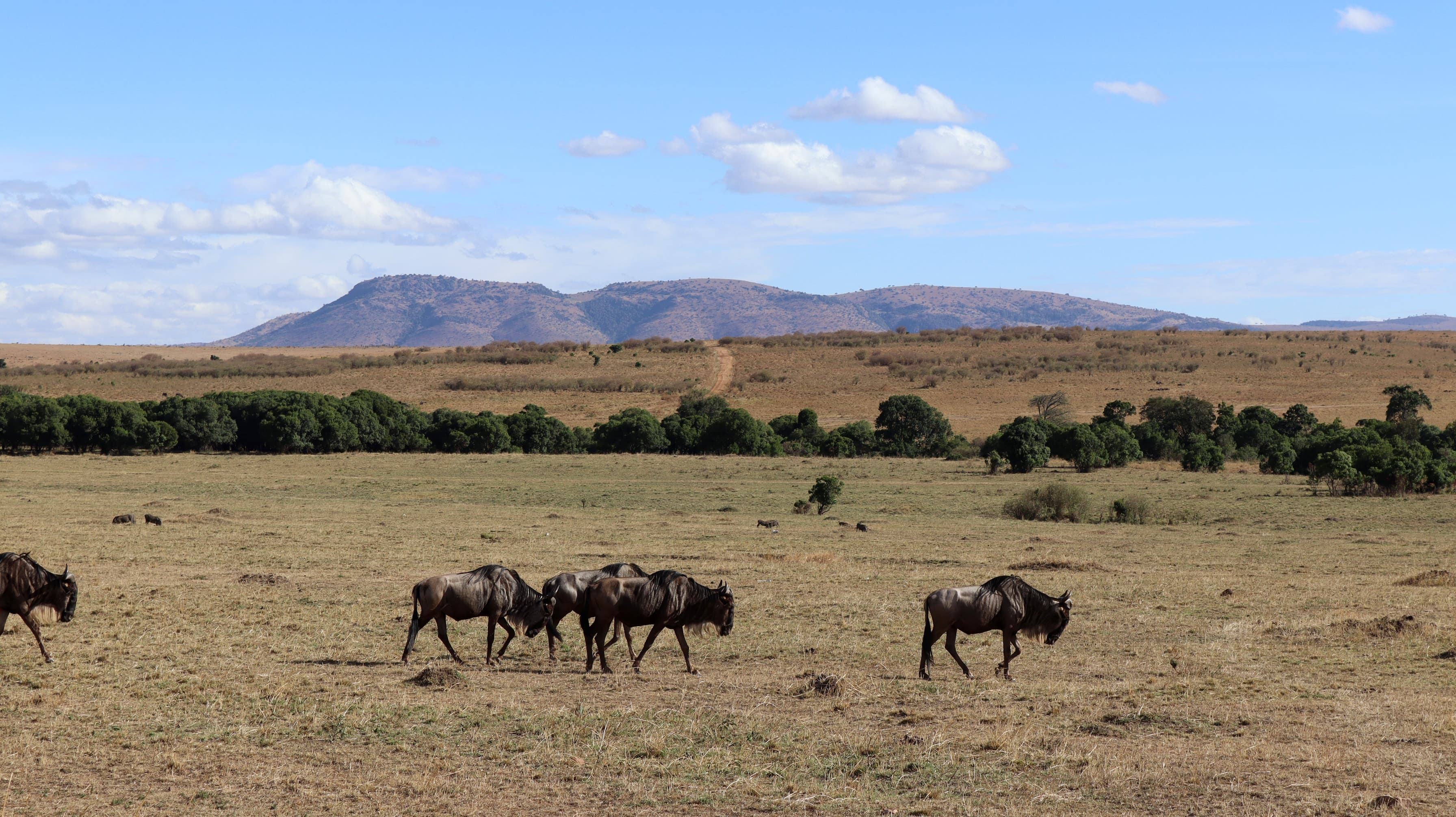
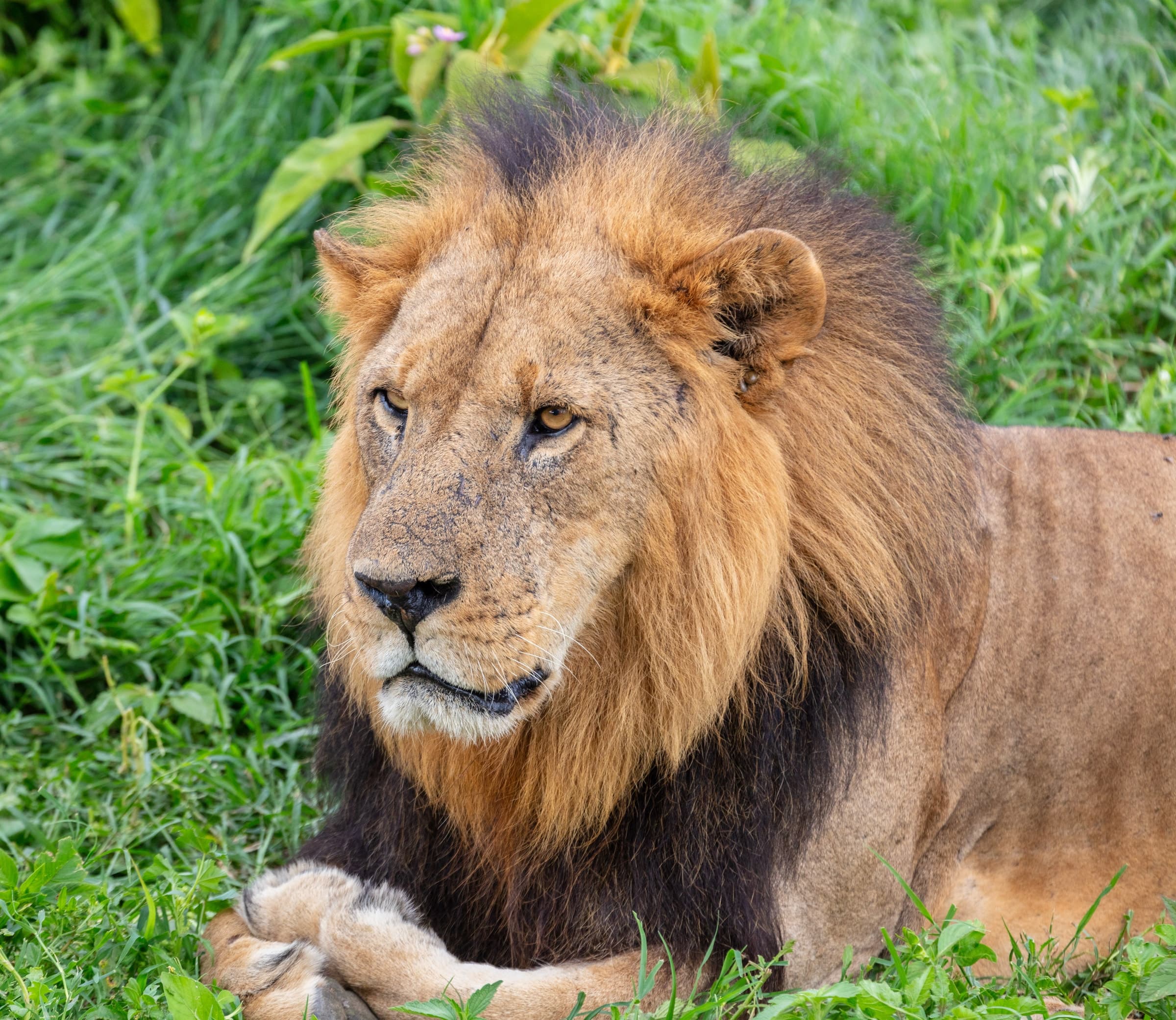
Kenya’s safari country changes character from region to region. In the Maasai Mara, the wildebeest migration from Tanzania usually arrives around June or July and stays until about November. In Amboseli, large elephant herds graze beneath Kilimanjaro. Lake Nakuru, a Rift Valley lake inside a fenced park, became Kenya’s first government-managed rhino sanctuary in 1987.
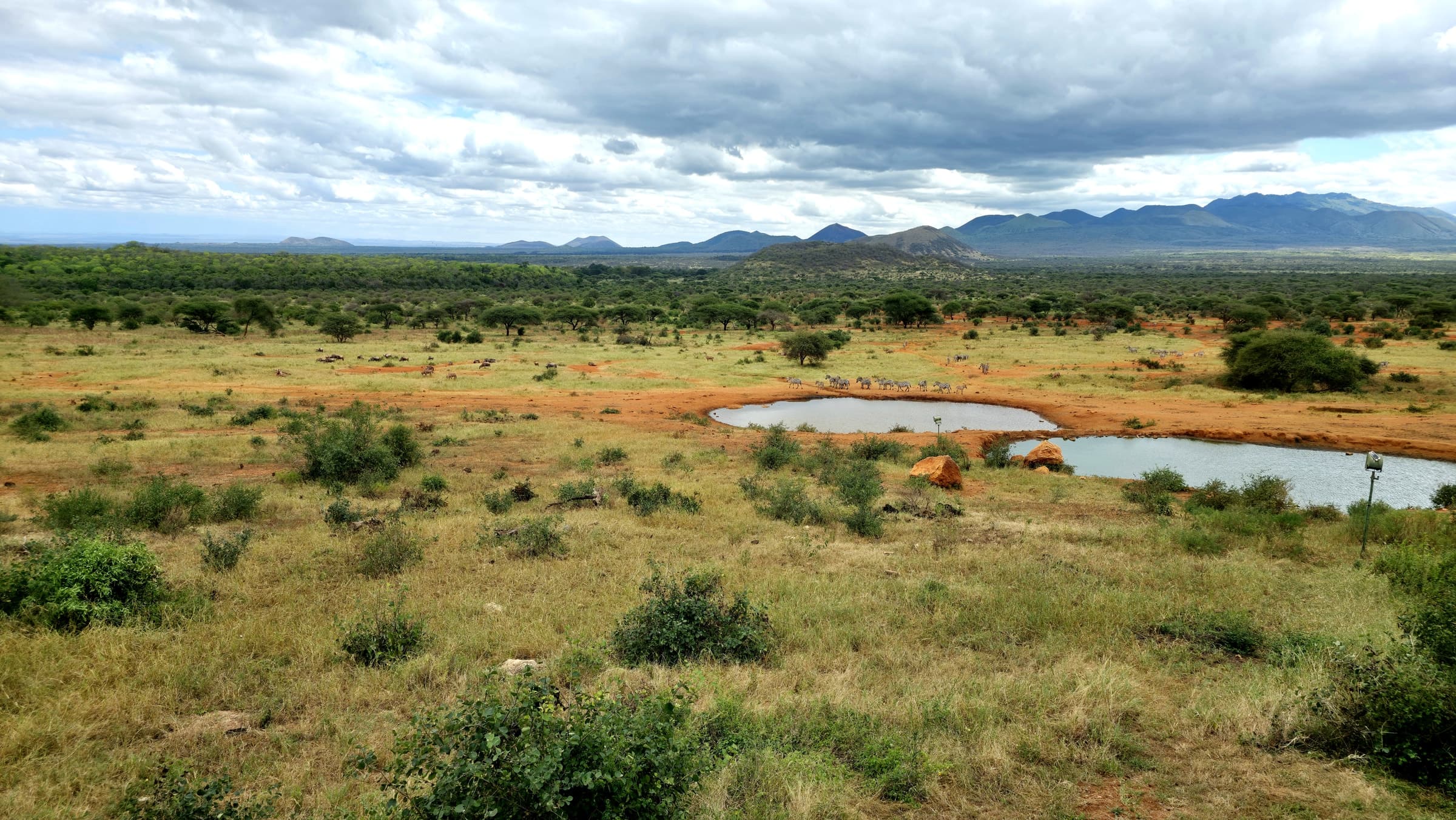
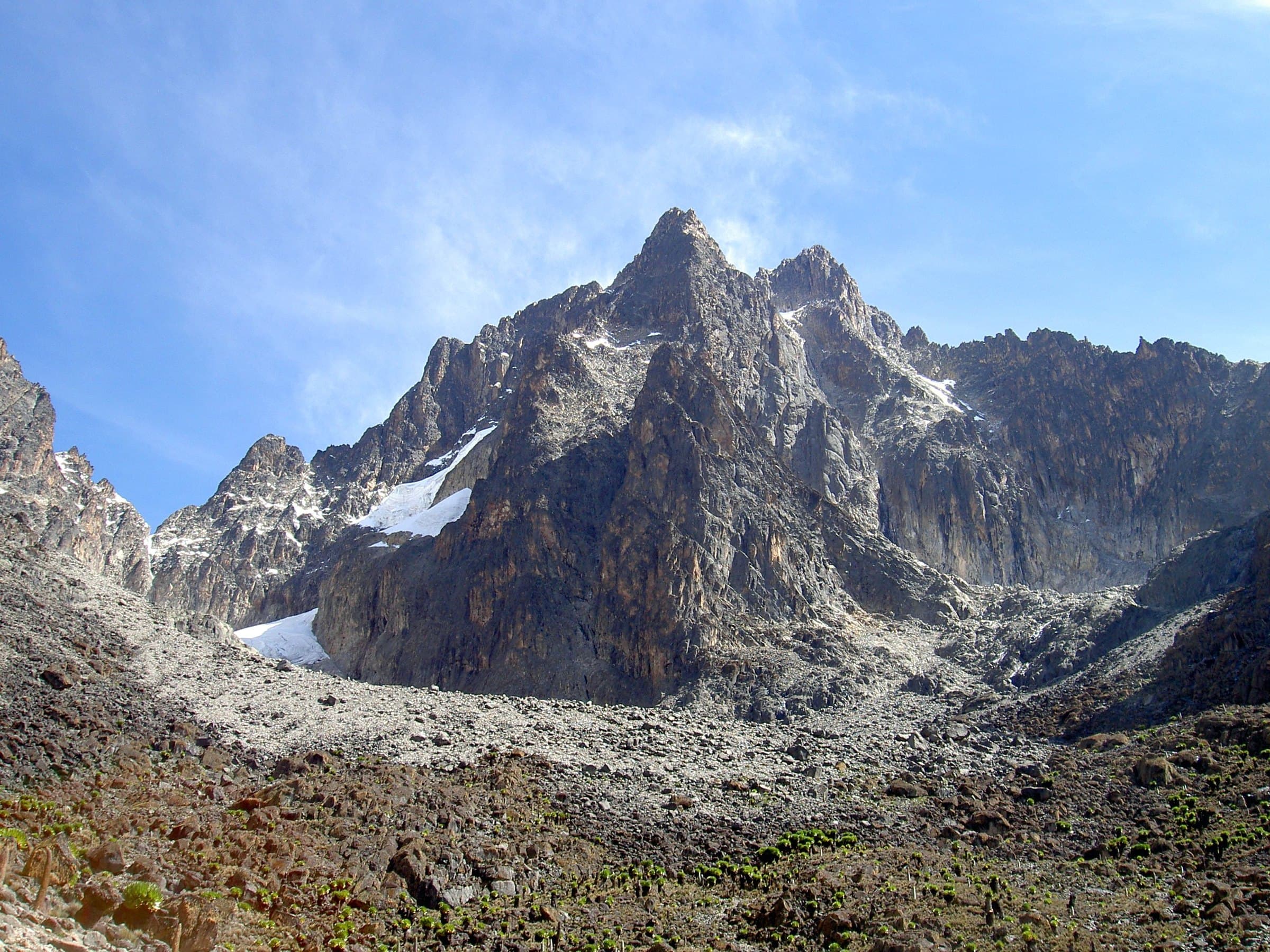
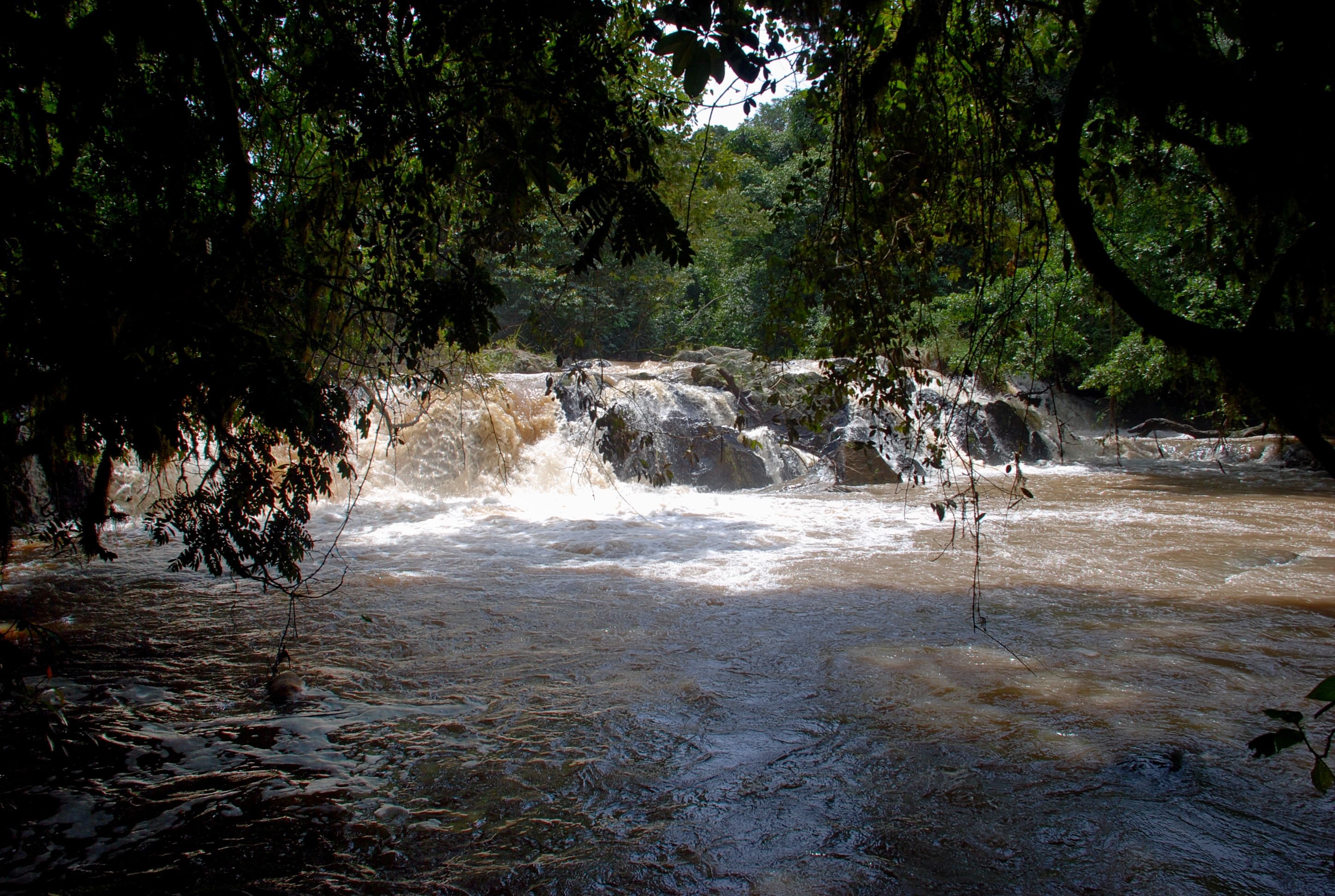
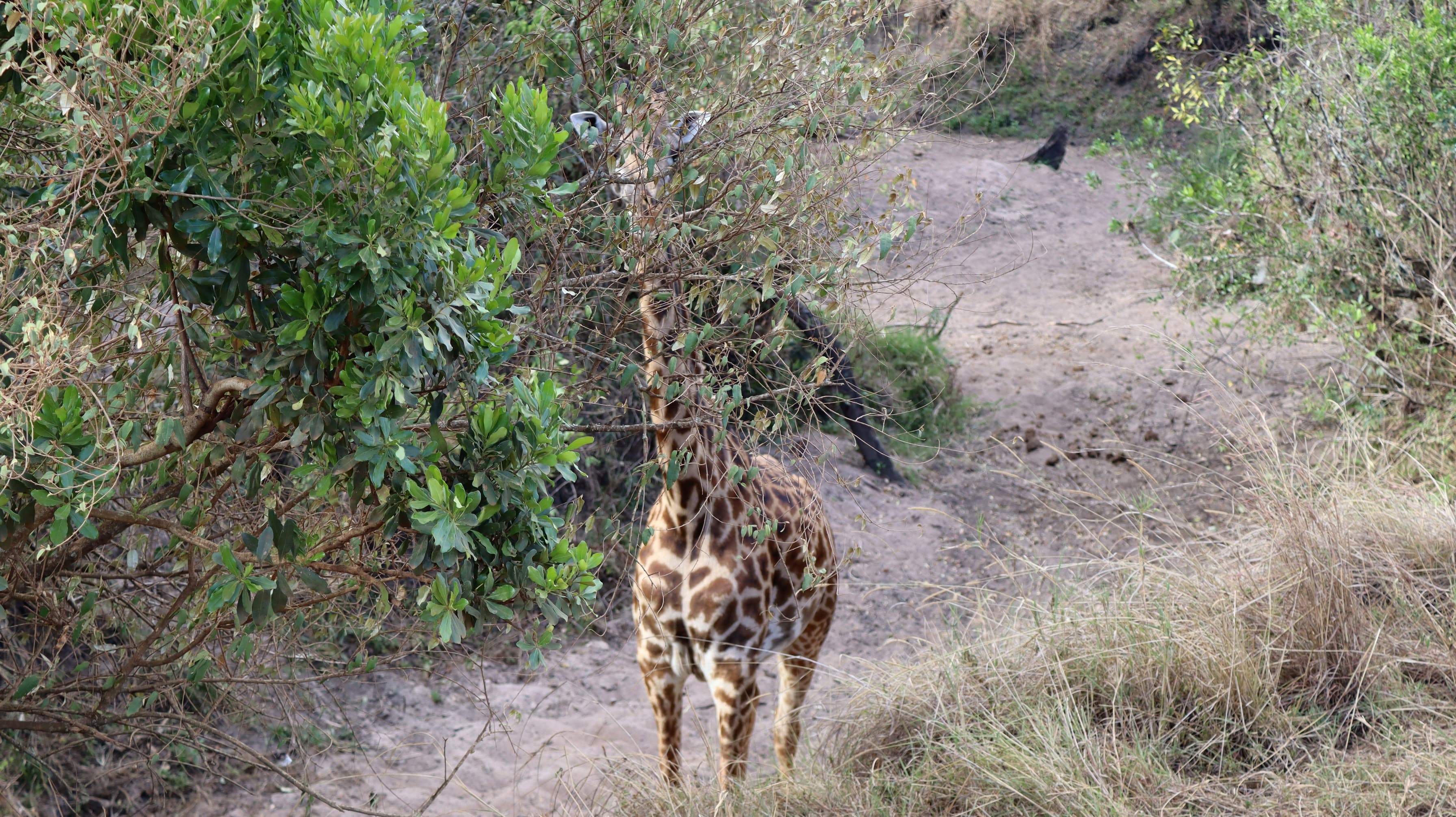
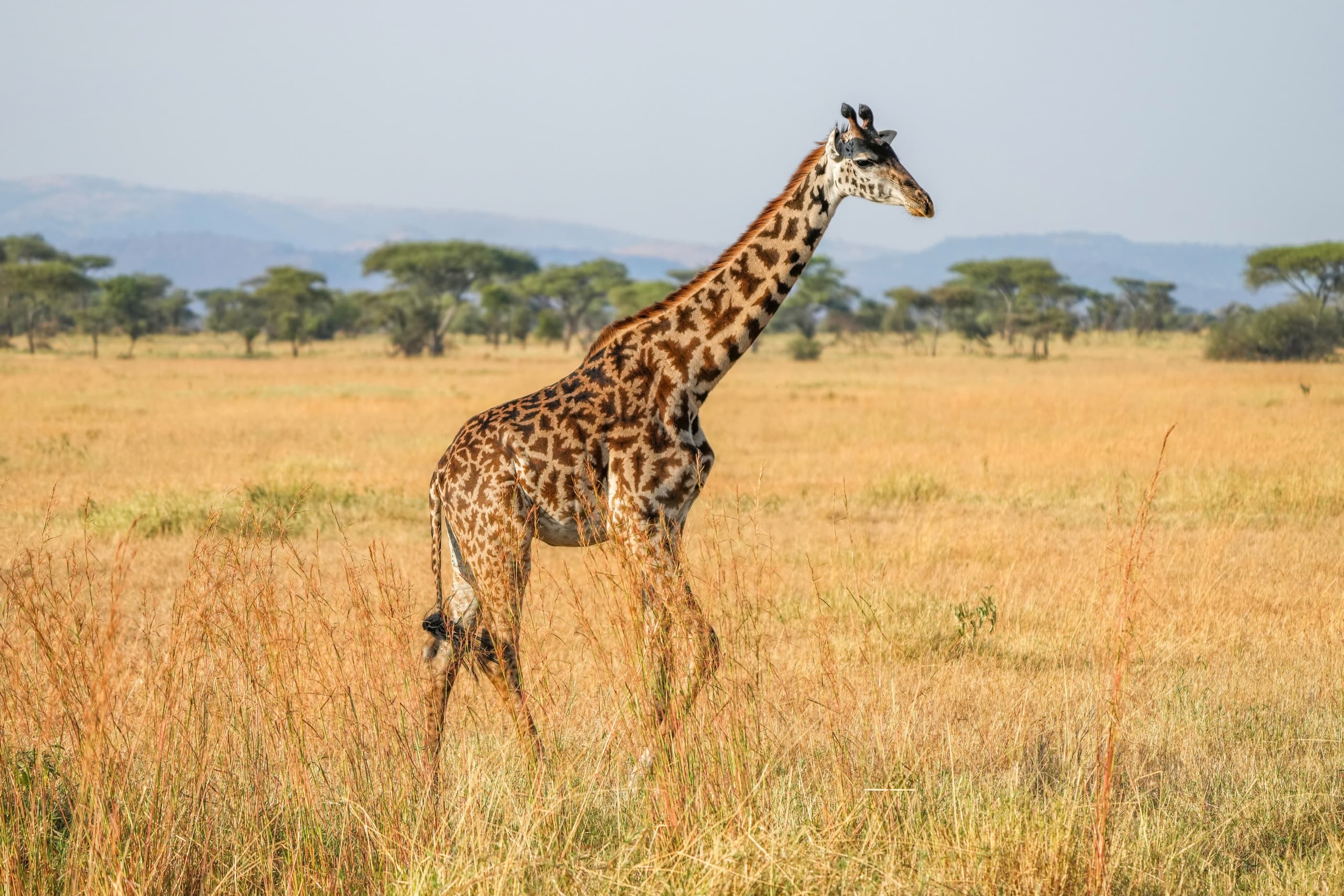
Further north, Samburu’s dry country holds the rare dryland species of northern Kenya — the Beisa oryx, reticulated giraffe, gerenuk, Grevy’s zebra and Somali ostrich. Mount Kenya, Africa’s second-highest mountain, rises to glaciers and moorland, the Aberdares add misty highland forest, and in the west Kakamega preserves Kenya’s only tropical rainforest. To the south-east, the two Tsavo parks together cover around 22,000 square kilometres of semi-arid country.
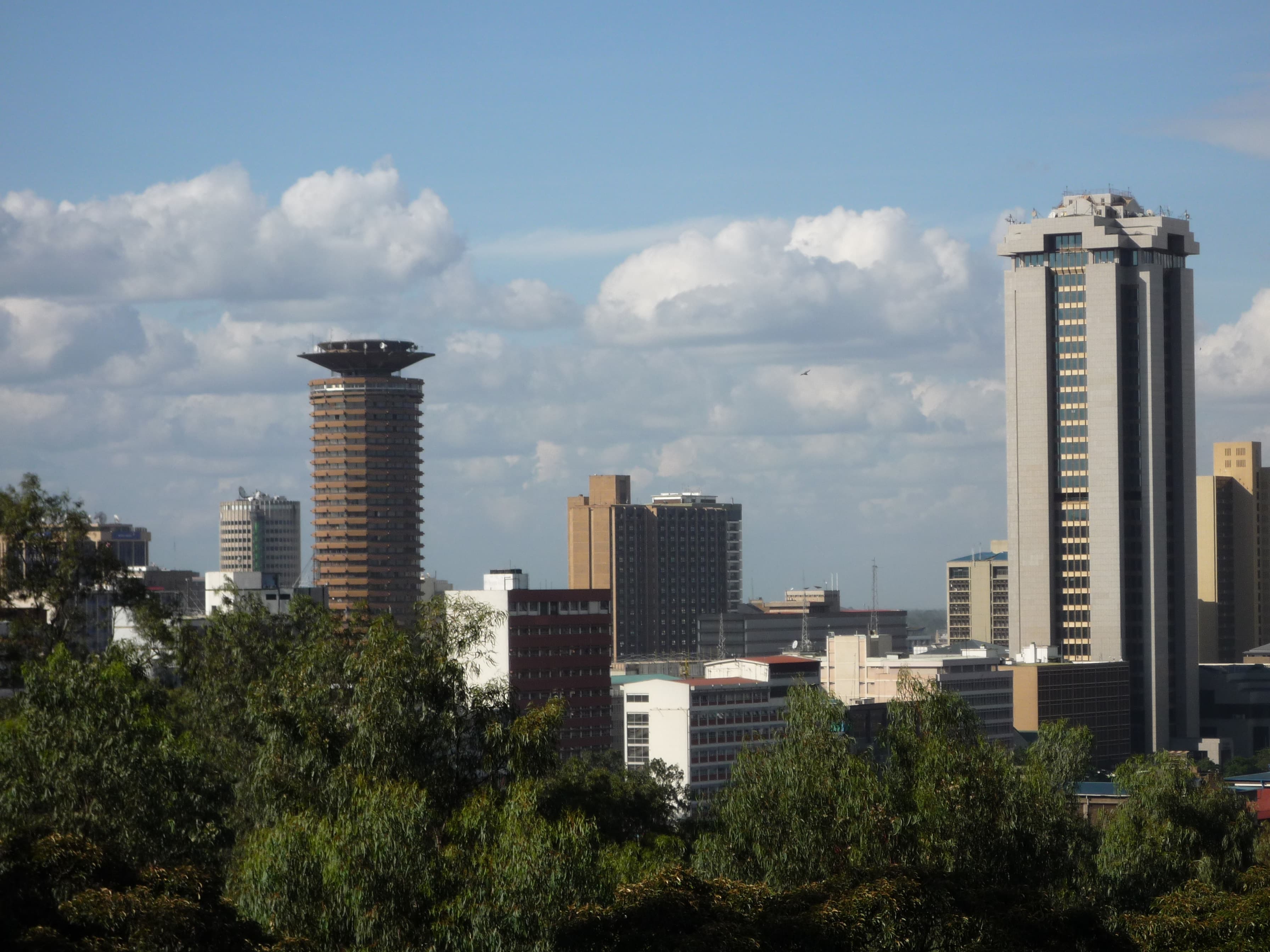
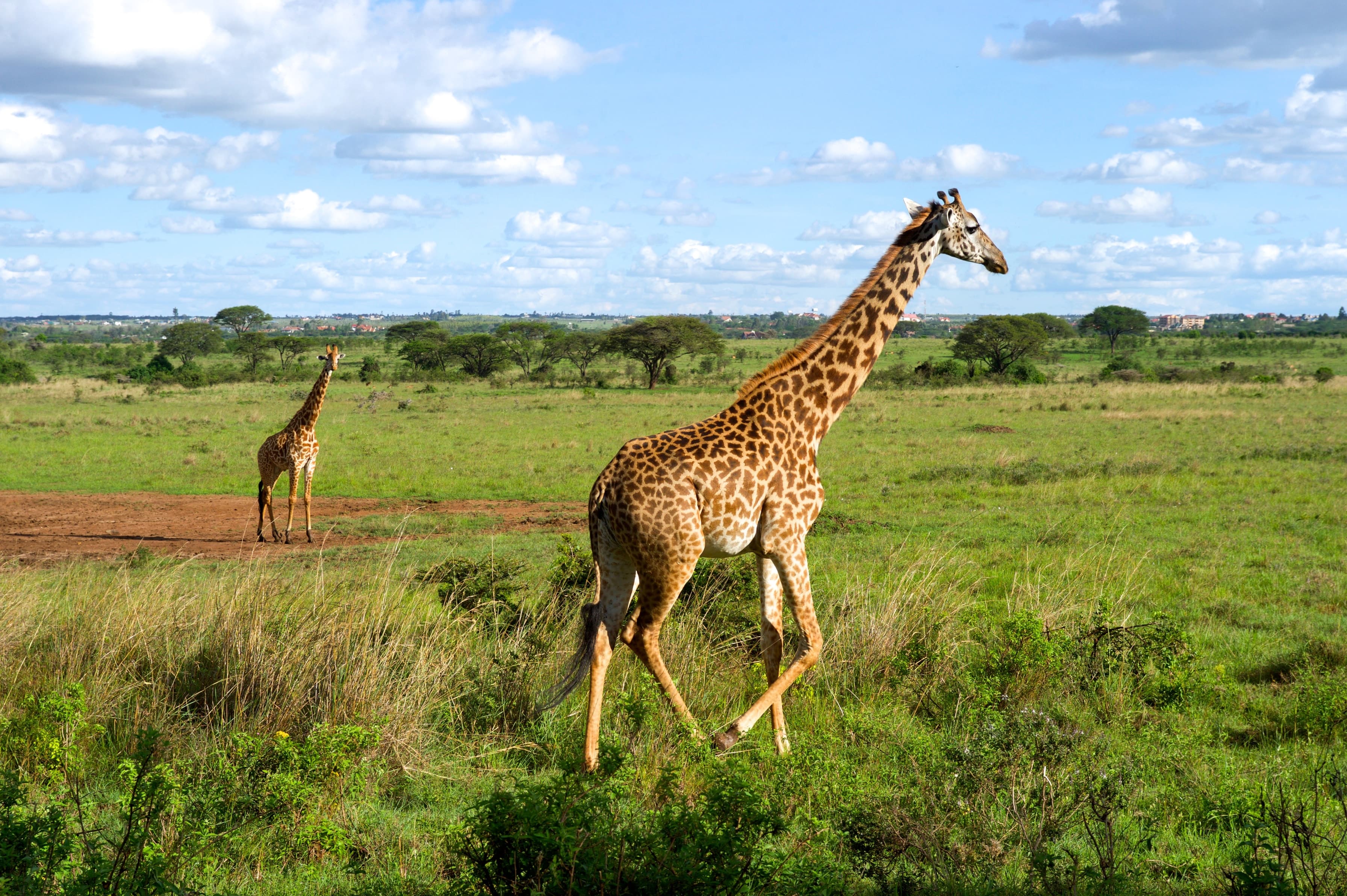
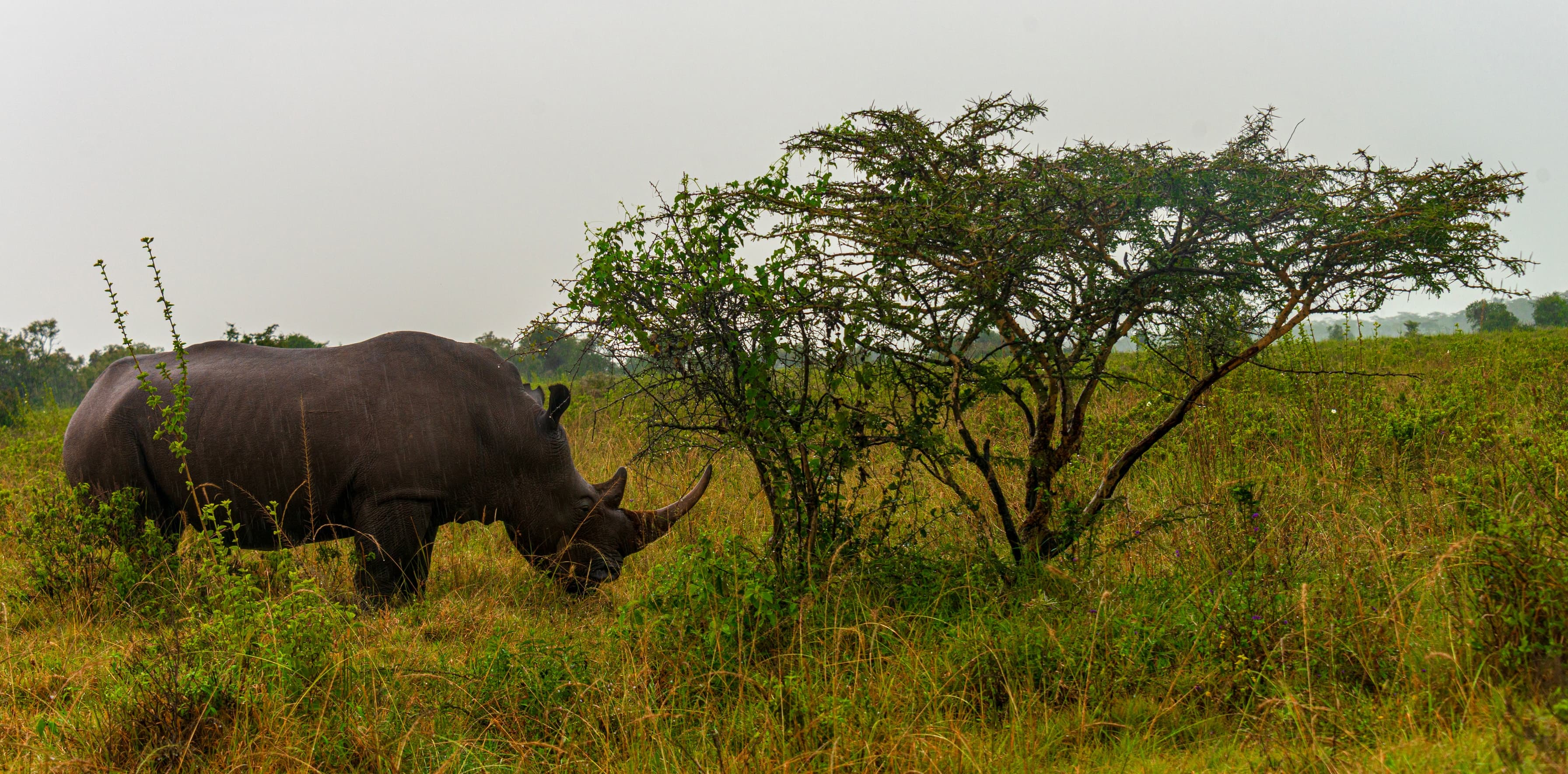
Kenya also protects its wildlife in several different ways, and a safari often passes through more than one. National parks such as Nairobi, gazetted in 1946 as Kenya’s first, are run by Kenya Wildlife Service; Samburu is a county-managed national reserve; the Mara Conservancy manages the Mara Triangle within the Maasai Mara; and Ol Pejeta, a private conservancy on a former cattle ranch, protects more than 165 black rhinos.