
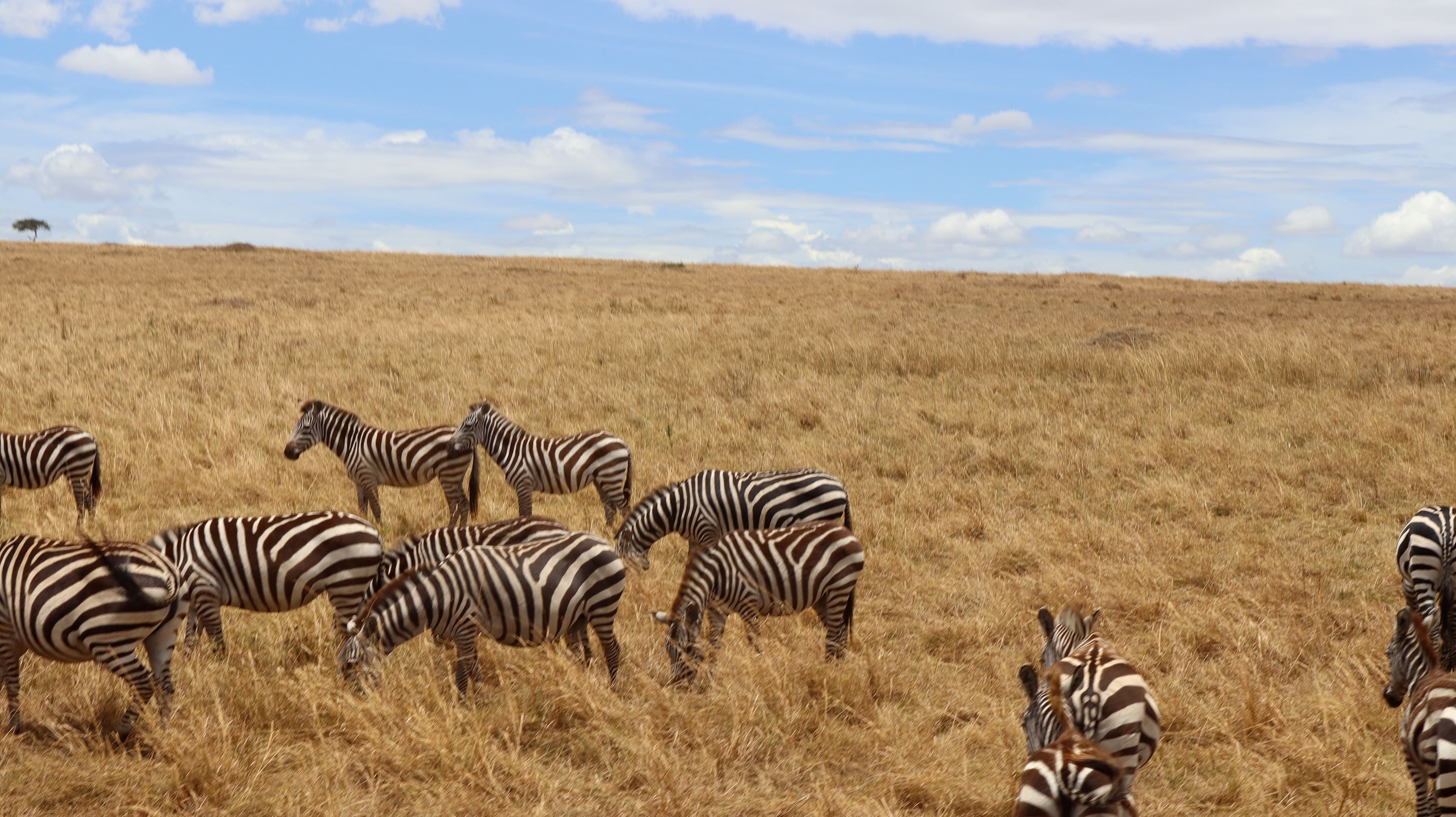
Maasai Mara
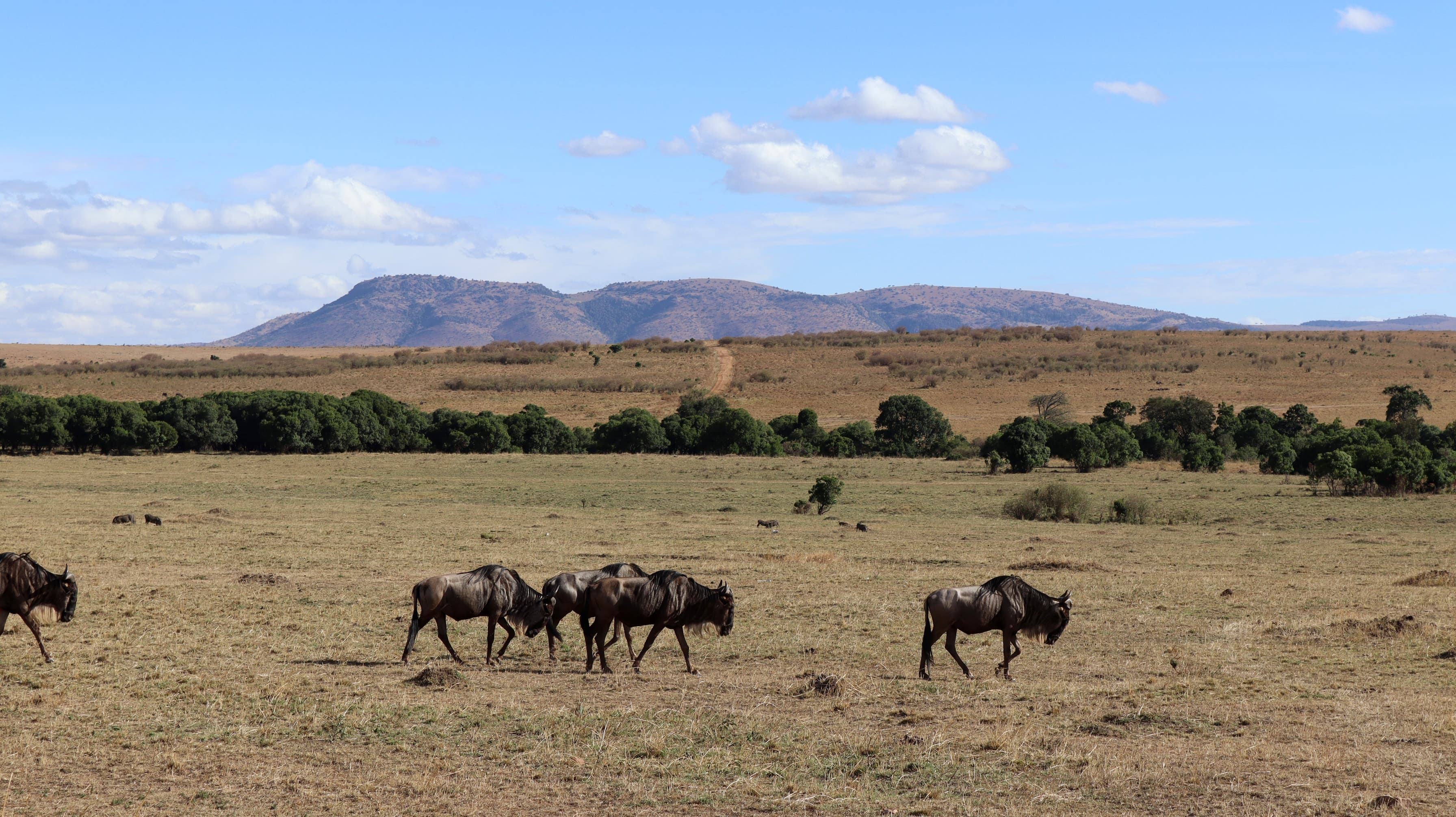
Long grass plains, the Mara River and, in most years, the great wildebeest herds that spill over from Tanzania’s Serengeti.
- Country
- Kenya
- Protected area
- Maasai Mara National Reserve, including the Mara Triangle
- Migration months
- Usually from June–July until November, varying with the rains
- Best known for
- The wildebeest migration and Mara River crossings
- Managed in part by
- The Mara Conservancy, which runs the Mara Triangle
- Our journeys here
- 37 journeys in the catalogue
Is Maasai Mara right for you?
Who it suits.
- Best for
- First-time visitors, photographers and anyone who wants the classic open-plains safari. It suits short trips too: our Mara journeys run from 2 to 10 days in Kenya.
- How it connects
- The migrating herds come from the Serengeti. On our routes the Mara is most often paired with Lake Nakuru, Amboseli and Lake Naivasha, and ten journeys continue into Tanzania.
Maasai Mara in our Kenya guide, with the places around it.
Why visit Maasai Mara
One of the great gatherings of wildlife on earth.
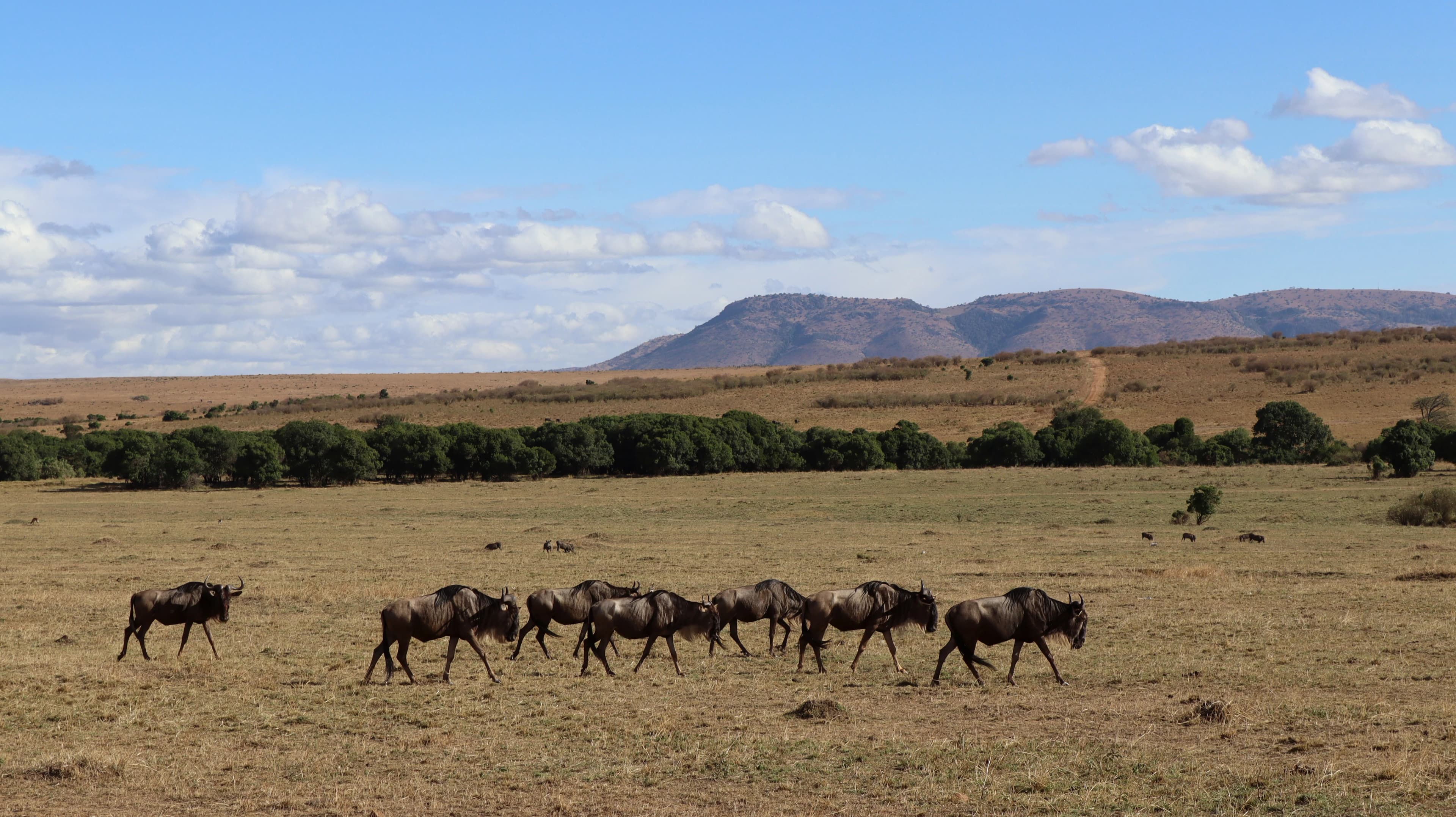
For a few months each year the Mara fills with animals on the move. The Mara Conservancy counts the migration in the hundreds of thousands: around 1.2 million wildebeest travelling with some 200,000 zebra, 18,000 eland and 500,000 Thomson’s gazelle, their columns shifting across valleys and hills. Many visitors come only for the river crossings, but the Conservancy’s own view is that this whole moving landscape is the real spectacle, which is why unhurried days in the reserve are often the most rewarding.
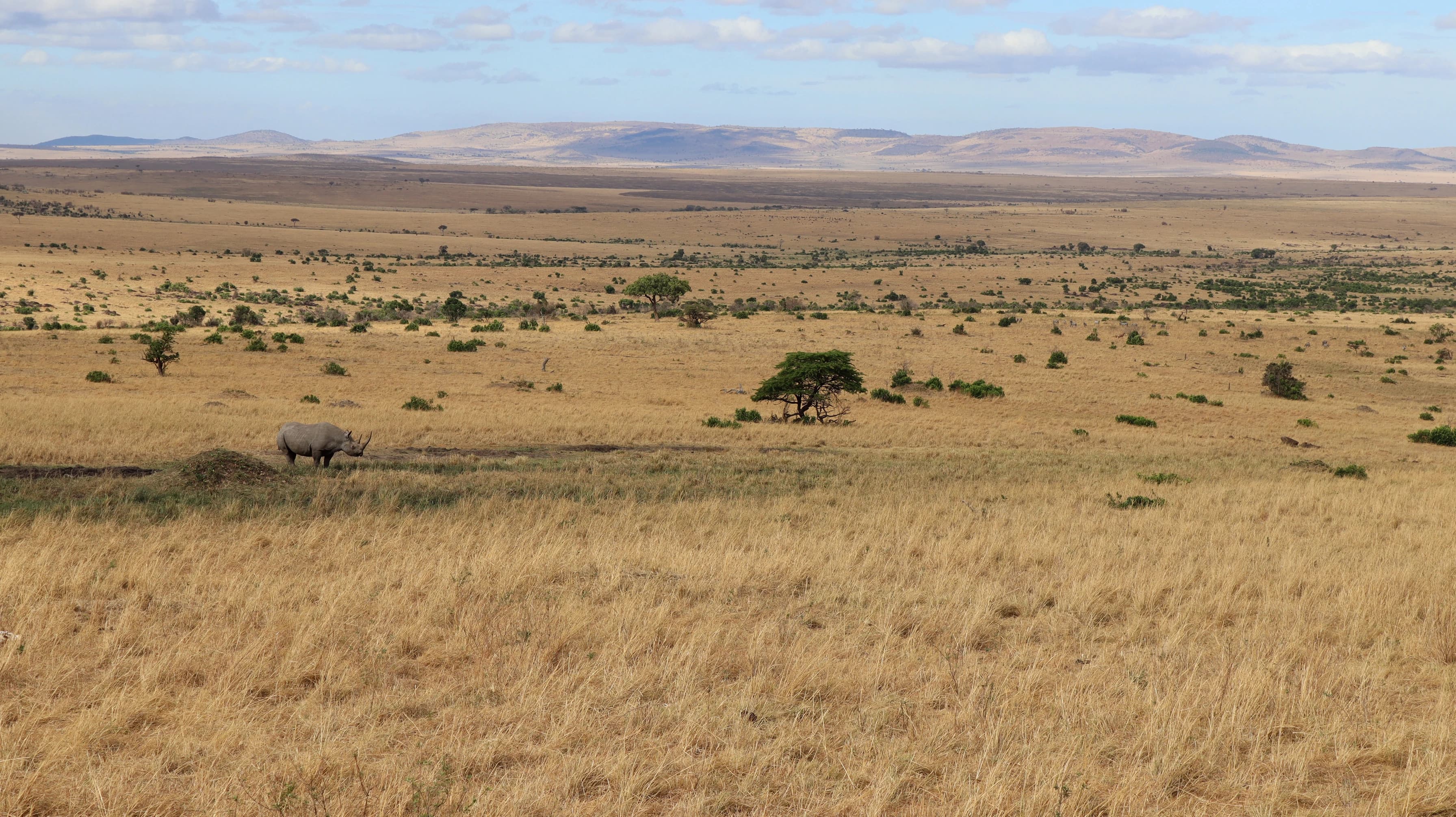
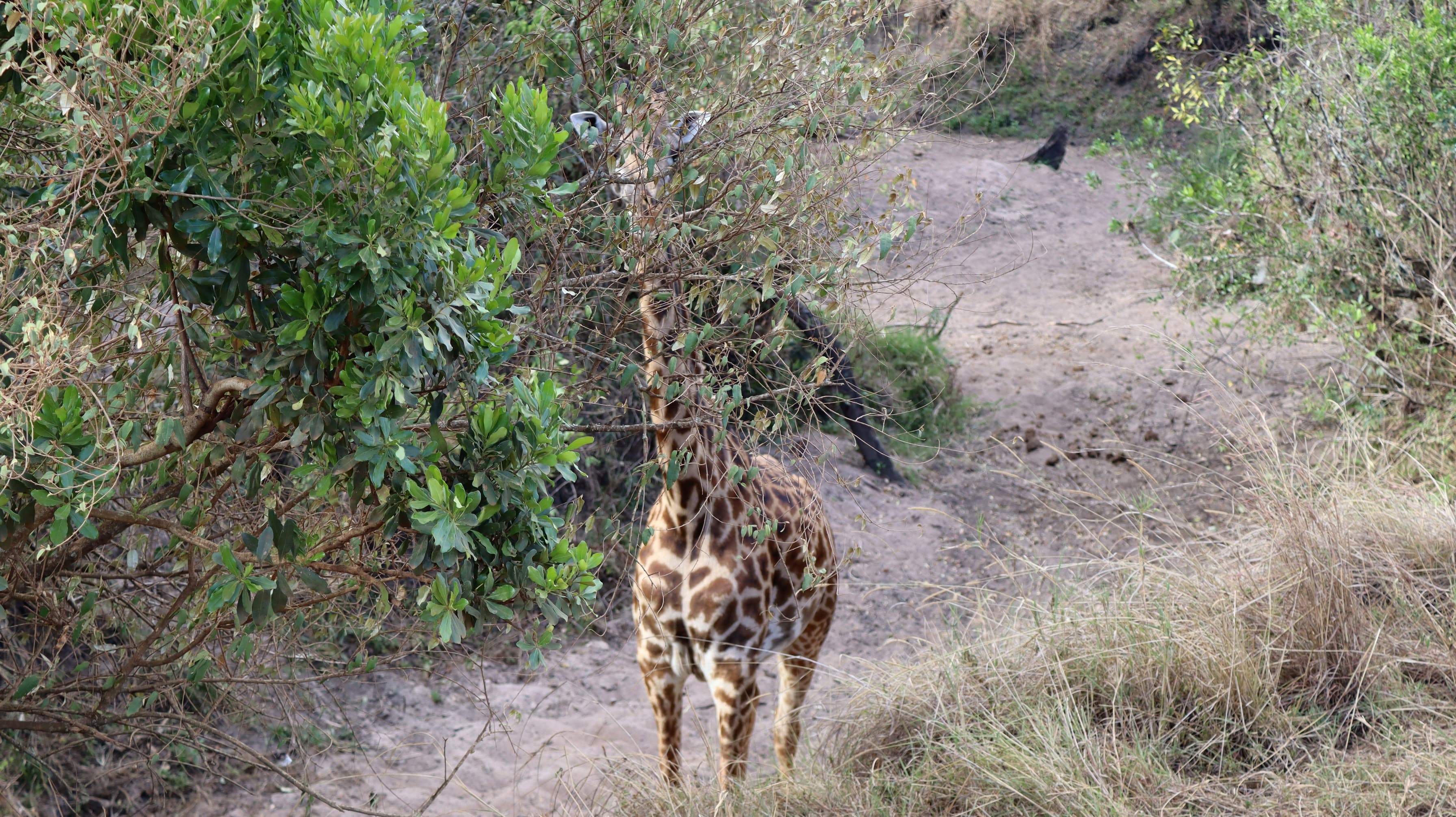
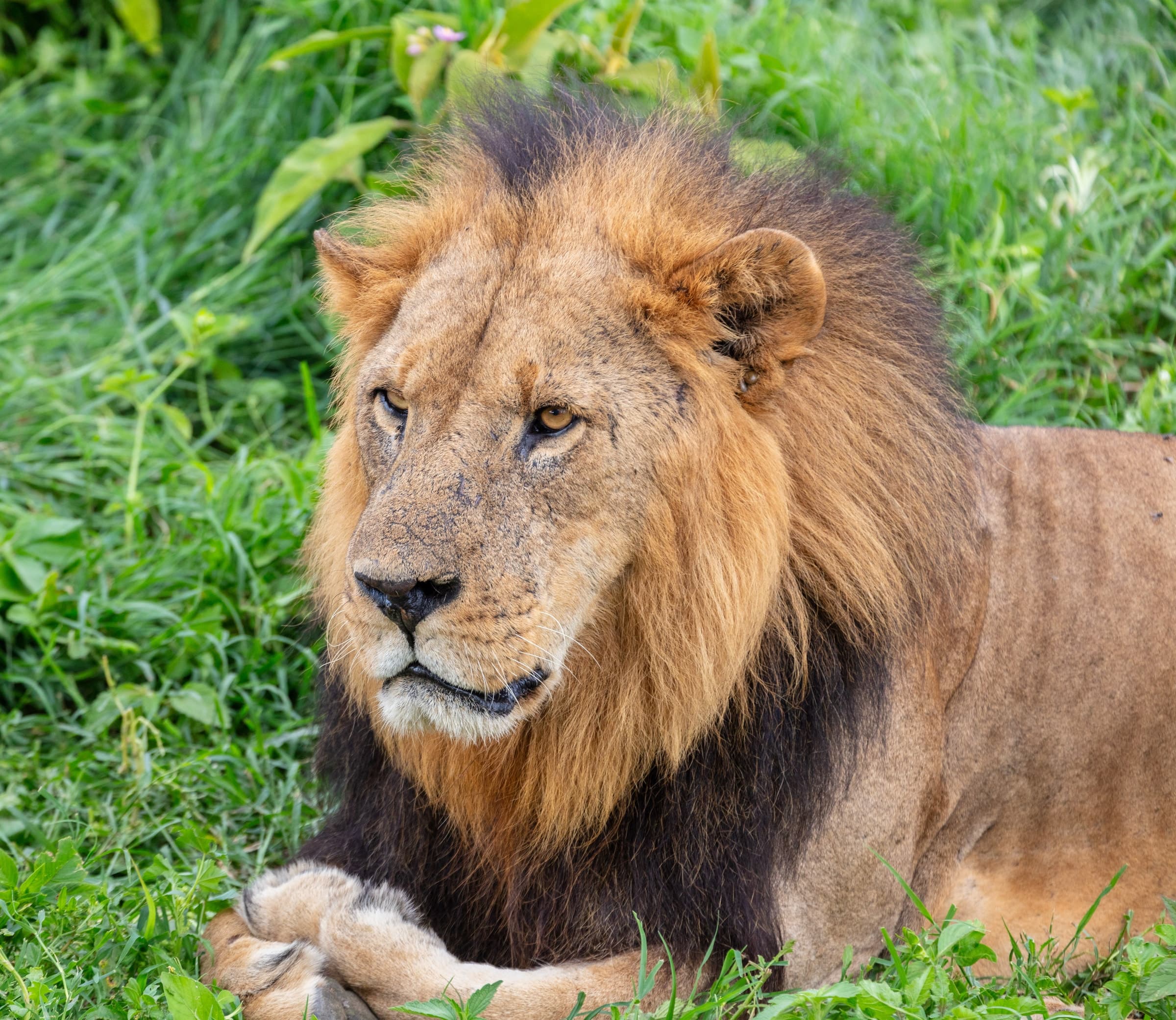
Outside migration season the reserve has a quieter beauty that is easy to overlook. Before the herds arrive in June, the Conservancy describes red oat grass moving in the wind, elephants and giraffes, a lone topi standing on an old termite mound and lions waiting out the heat beneath the acacias. Those residents are here all year, which is why a Mara safari is worthwhile in any month, not only when the herds are in.
Landscapes & wildlife
Grass, rivers and escarpment.
The Conservancy’s account of the migration follows the herds from the Sand River, across towards Look-Out Hill and down to the Mara River, the place most people picture when they think of a crossing. The Conservancy manages the Mara Triangle within the reserve, maintaining its roads and ranger stations, and along the Siria Escarpment it employs community scouts to manage the reserve’s border and reduce conflict between people and wildlife.
Not every wildebeest here is a visitor from Tanzania. The Mara once had its own resident herds that migrated in from the Loita Plains; the Conservancy notes they have declined as farming has narrowed their routes, and many now stay in the conservancies outside the reserve. The great migration itself is recent in its present form: it grew from the early 1970s, when a vaccination campaign in cattle was followed by the disappearance of rinderpest from wildebeest and buffalo, and the herds could multiply.
- Wildebeest, zebra, eland and Thomson’s gazelle in migration season
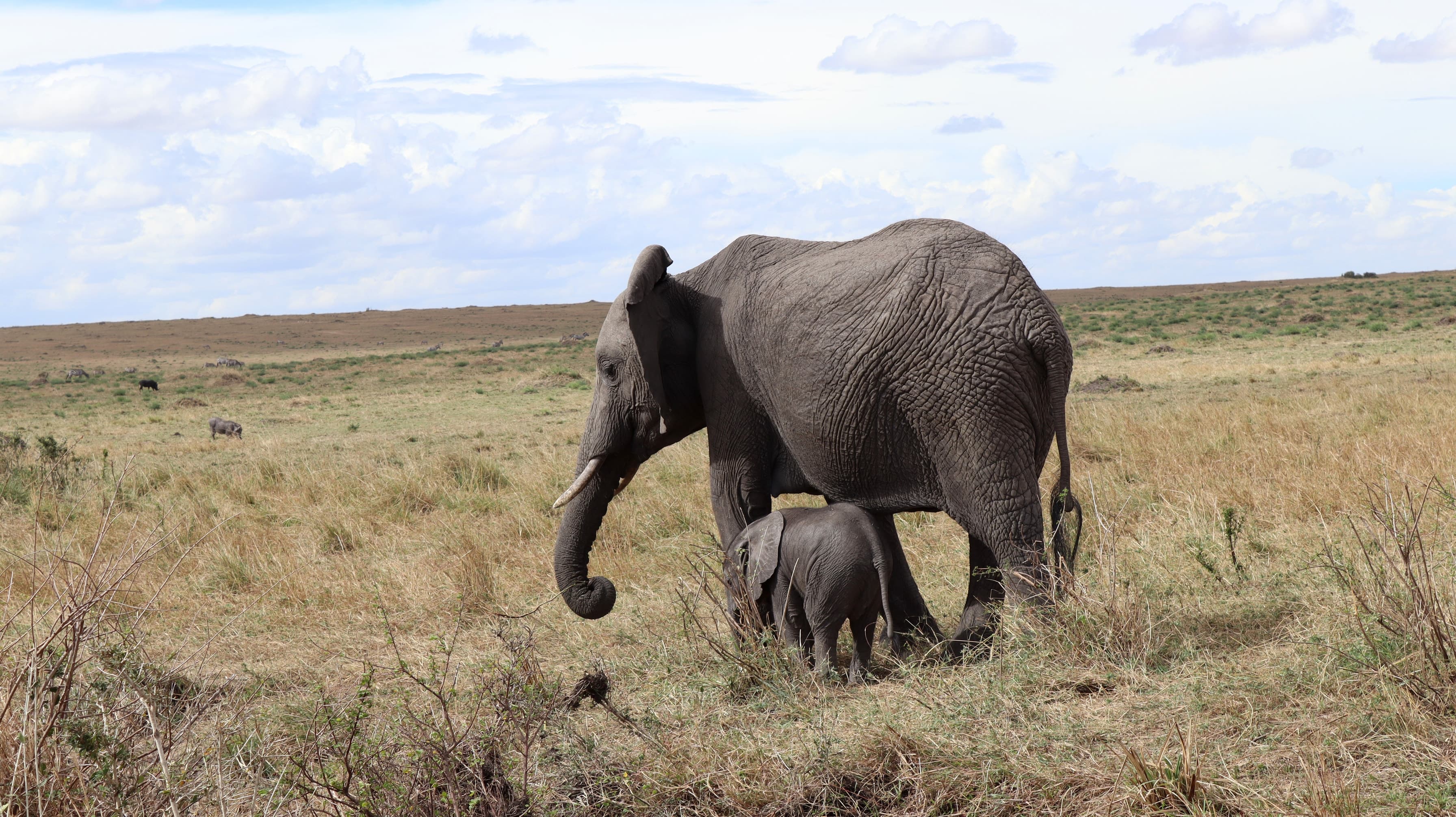
- Lions, elephants and giraffes
- Topi on the open plains
- The Mara and Sand rivers
Wildlife moves freely and sightings are never guaranteed.
When to visit
Timing the migration, honestly.
The Mara Conservancy says the migration usually starts around June or July and continues until November. Herd movements follow the rain, so the timing shifts from year to year and no date can be promised. Crossings happen often in season but are hard to predict: a gathering of agitated wildebeest on the bank is the best sign that one may follow, and patience is usually rewarded more than racing from one rumour to the next.
Kenya’s main rainy seasons are the long rains of March to May and a second season from October to December, according to the Kenya Meteorological Department, though rain varies by region and year. Kenya Wildlife Service describes July to March as the main season for wildlife viewing across its parks, when shorter grass makes animals easier to see, and April to June as the low season, when the long rains can make roads harder going.
- Migration season
- Usually June–July to November. Crossings are frequent but unpredictable.
- Before the herds
- Long grass, elephants, giraffes and resident lions.
- Long rains
- Around March–May: Kenya’s main rainy season. Timing and amounts vary.
- Short rains
- Around October–December; the second rainy season of the year.
Signature experiences
Ways to spend your Mara days.
Migration game drives
Following the herds across the plains in season, with time to stop and watch.
Waiting at the river
Watching from a respectful distance where herds mass on the Mara River banks. A crossing may follow — or may not.
Before the herds arrive
Lions, elephants and giraffes in the long red oat grass.
Where to stay
Named in our Maasai Mara safaris.
Where you stay depends on the safari and comfort level you choose. These properties are named in our catalogue for Maasai Mara:
- Miti Mingi Eco Camp — named on 20 of our budget safaris, including 2 Days Maasai Mara Budget Safari, 3 Days Maasai Mara Budget Safari and 4 Days Maasai Mara & Lake Nakuru Budget Safari (all 20 are in the list below).
- Jambo Mara Safari Lodge — named on our midrange safari, 3 Days Maasai Mara Lodge Safari.
Practical advice
Watching a crossing responsibly.
- Stay inside the vehicle: in the reserve you may only get out at designated points.
- Standing on the roof or sitting in the window to photograph is not allowed.
- Keep quiet and back from the crossing point, and never block moving herds. Herds pushed by vehicles have crossed at unsafe banks, and hundreds of animals have died.
Safaris that visit Maasai Mara
Filter these journeys37 journeys to Maasai Mara.
Every journey here includes Maasai Mara on its catalogue route.
5 Days Maasai Mara, Lake Nakuru & Lake Naivasha Budget Safari
Big Time pick
Maasai Mara · Lake Nakuru · Lake Naivasha
Budget nights at Miti Mingi Eco Camp (Maasai Mara), Buraha Zenoni (Lake Nakuru) and Leisure Apex (Lake Naivasha).
6 Days Maasai Mara, Lake Nakuru & Amboseli Budget Safari
Big Time pick
Maasai Mara · Lake Nakuru · Amboseli
Budget nights at Miti Mingi Eco Camp (Maasai Mara), Buraha Zenoni (Lake Nakuru) and Nyati Safari Camp (Amboseli).
7 Days Maasai Mara, Lake Nakuru, Lake Naivasha & Amboseli Budget Safari
Big Time pick
Maasai Mara · Lake Nakuru · Lake Naivasha · Amboseli
Budget nights at Miti Mingi Eco Camp (Maasai Mara), Buraha Zenoni (Lake Nakuru), Leisure Apex (Lake Naivasha) and Nyati Safari Camp (Amboseli).
Show all 37 journeys to Maasai Mara
- 4 Days Maasai Mara & Lake Nakuru Lodge Safari4 days · Midrange
- 6 Days Sweetwaters, Lake Nakuru, Lake Naivasha & Maasai Mara Luxury Safari6 days · Luxury
- 6 Days Amboseli, Lake Naivasha & Maasai Mara Luxury Safari6 days · Luxury
- 7 Days Samburu, Ol Pejeta, Lake Nakuru & Maasai Mara Midrange Safari7 days · Midrange
- 6 Days Maasai Mara, Serengeti & Ngorongoro Budget Safari6 days · Budget
- 9 Days Maasai Mara, Lake Nakuru, Amboseli, Serengeti & Ngorongoro Safari9 days · Budget
- 11 Days Maasai Mara, Lake Nakuru, Amboseli, Lake Manyara, Serengeti & Ngorongoro Safari11 days · Budget
- 4 Days Maasai Mara & Lake Nakuru Budget Safari4 days · Budget
- 4 Days Maasai Mara & Lake Naivasha Budget Safari4 days · Budget
- 6 Days Maasai Mara, Lake Nakuru & Lake Naivasha Budget Safari6 days · Budget
- 6 Days Maasai Mara, Lake Nakuru & Samburu Budget Safari6 days · Budget
- 8 Days Maasai Mara, Nakuru, Naivasha, Amboseli & Tsavo East Budget Safari8 days · Budget
- 8 Days Samburu, Mt Kenya, Lake Nakuru, Lake Naivasha & Maasai Mara Budget Safari8 days · Budget
- 9 Days Samburu, Nakuru, Bogoria/Baringo, Maasai Mara & Amboseli Budget Safari9 days · Budget
- 9 Days Maasai Mara, Nairobi, Lake Naivasha, Amboseli & Tsavo Safari9 days · Budget
- 5 Days Maasai Mara, Lake Nakuru & Lake Naivasha Lodge Safari5 days · Midrange
- 6 Days Maasai Mara, Lake Nakuru & Amboseli Lodge Safari6 days · Midrange
- 7 Days Maasai Mara, Lake Nakuru, Lake Naivasha & Amboseli Lodge Safari7 days · Midrange
- 8 Days Samburu, Mt Kenya, Lake Nakuru & Maasai Mara Lodge Safari8 days · Midrange
- 6 Days Safe for Women Safari - Maasai Mara, Lake Nakuru & Amboseli6 days · Luxury
- 6 Days Luxury Maasai Mara, Lake Nakuru, Lake Naivasha & Lake Bogoria Safari6 days · Luxury
- 7 Days Luxury Maasai Mara, Lake Naivasha, Lake Nakuru & Amboseli Safari7 days · Luxury
- 4 Days Maasai Mara Photography Luxury Safari4 days · Luxury
- 10 Days Kenya Luxury Safari - Samburu, Ol Pejeta, Lake Nakuru & Maasai Mara10 days · Luxury
- 7 Days Lake Nakuru, Maasai Mara, Serengeti & Ngorongoro Midrange Safari7 days · Midrange
- 7 Days Lake Nakuru, Maasai Mara, Serengeti & Ngorongoro Budget Safari7 days · Budget
- 9 Days Maasai Mara, Lake Nakuru, Arusha, Lake Manyara, Serengeti & Ngorongoro Safari9 days · Budget
- 13 Days Maasai Mara, Nakuru, Naivasha, Amboseli, Manyara, Serengeti, Ngorongoro & Tarangire Safari13 days · Budget
- 13 Days Maasai Mara, Nakuru, Amboseli, Manyara, Serengeti & Ngorongoro Safari13 days · Budget
- 14 Days Samburu, Aberdares, Nakuru, Maasai Mara, Amboseli, Ngorongoro, Serengeti & Manyara Lodge Safari14 days · Midrange
- 19 Days Mt Kenya, Nakuru, Baringo, Kakamega, Lake Victoria, Maasai Mara, Tarangire, Serengeti & Ngorongoro Lodge Safari19 days · Midrange
Questions travellers ask
Maasai Mara, answered.
- When is the wildebeest migration in the Maasai Mara?
- According to the Mara Conservancy it usually begins around June or July and continues until November. The herds follow the rains, so timing varies every year and cannot be guaranteed.
- Will I see a river crossing?
- Crossings happen often during the migration but are difficult to predict. Herds massing on the bank and appearing agitated may cross — or may move on. No one can promise a crossing on a given day.
- Can I get out of the vehicle to photograph a crossing?
- No. In the reserve you may leave the vehicle only at designated points, and standing on the roof or sitting in the window is not allowed.
Often paired with Maasai Mara.
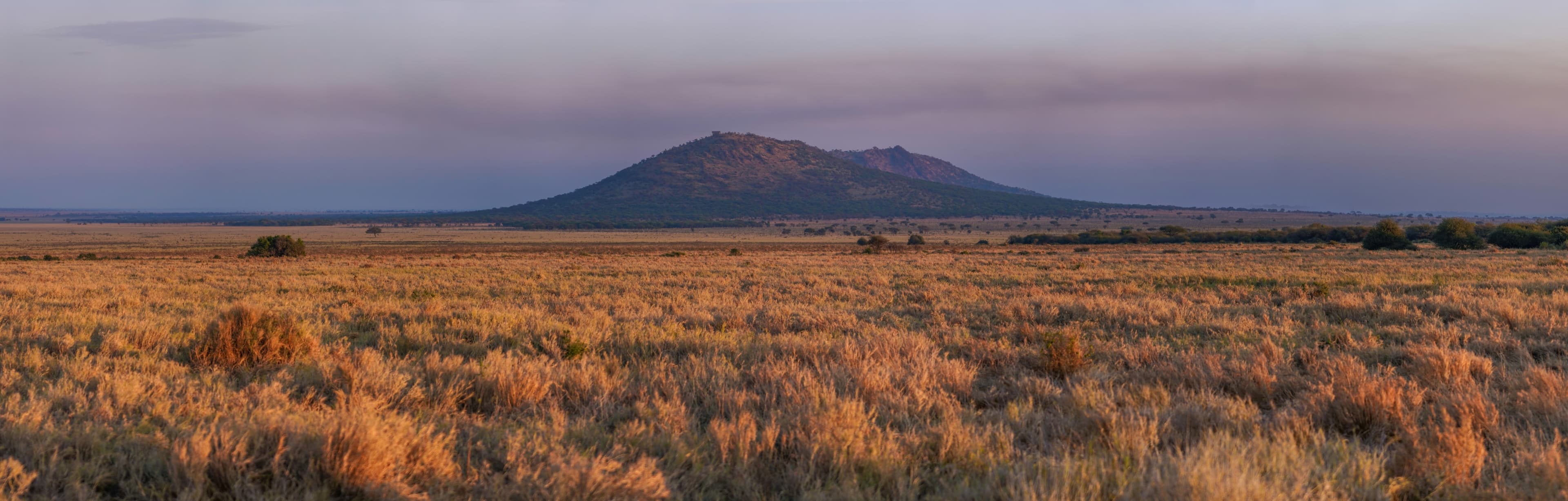
Serengeti
Tanzania
The migrating wildebeest that reach the Mara come from the Serengeti ecosystem in Tanzania.
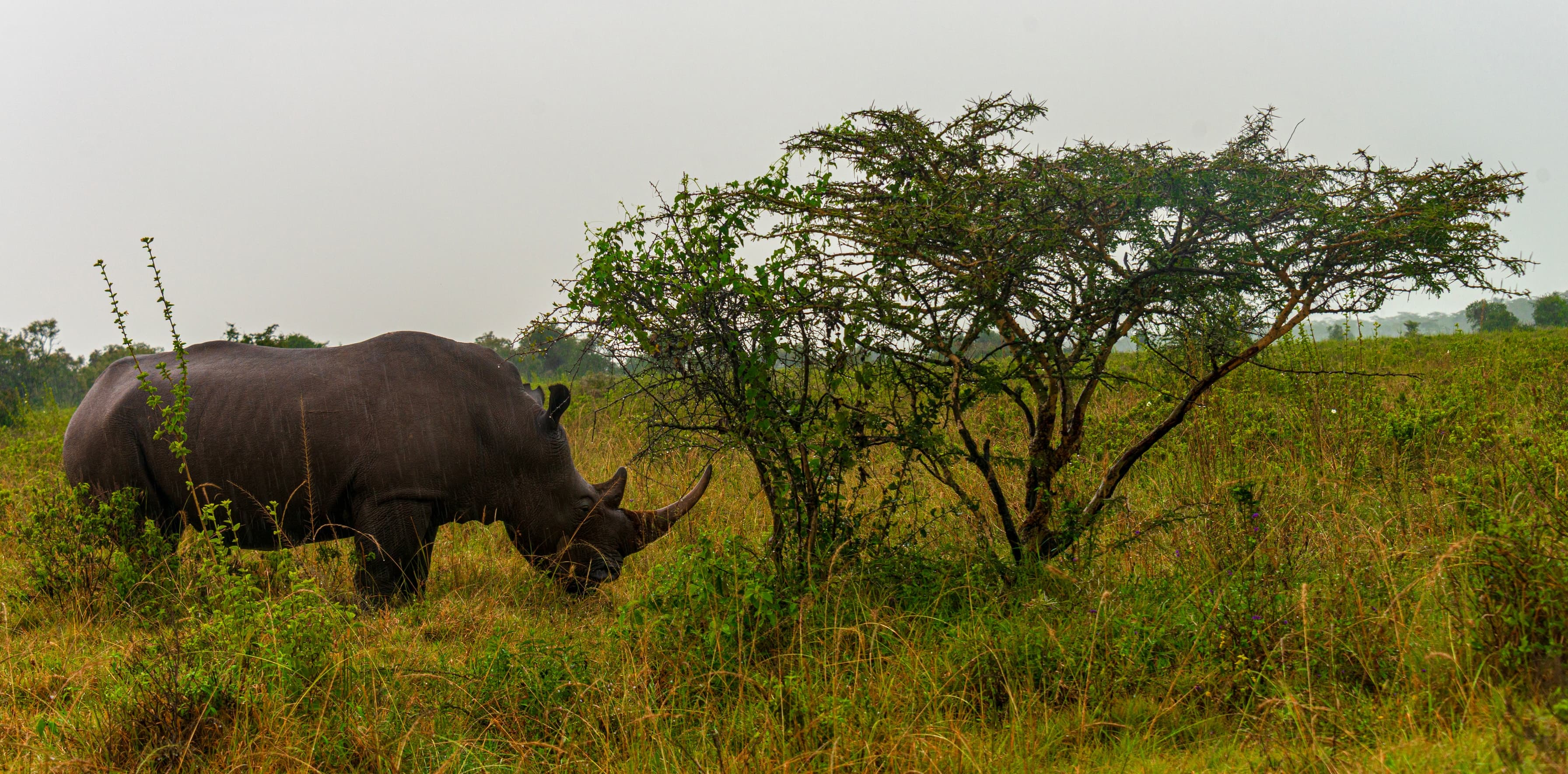
Lake Nakuru
Kenya
Combined with Maasai Mara on 29 of our journeys.
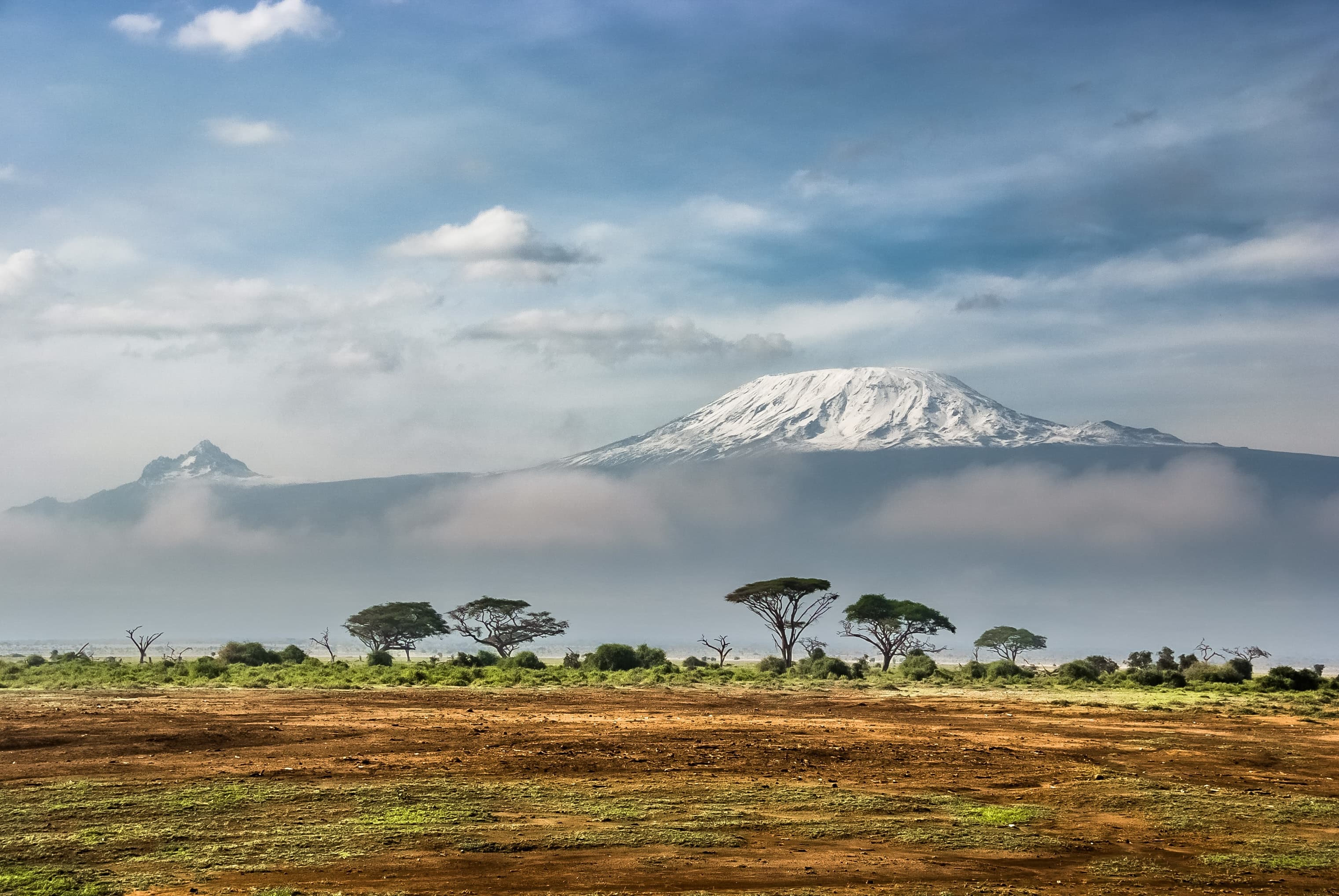
Amboseli
Kenya
Combined with Maasai Mara on 15 of our journeys.
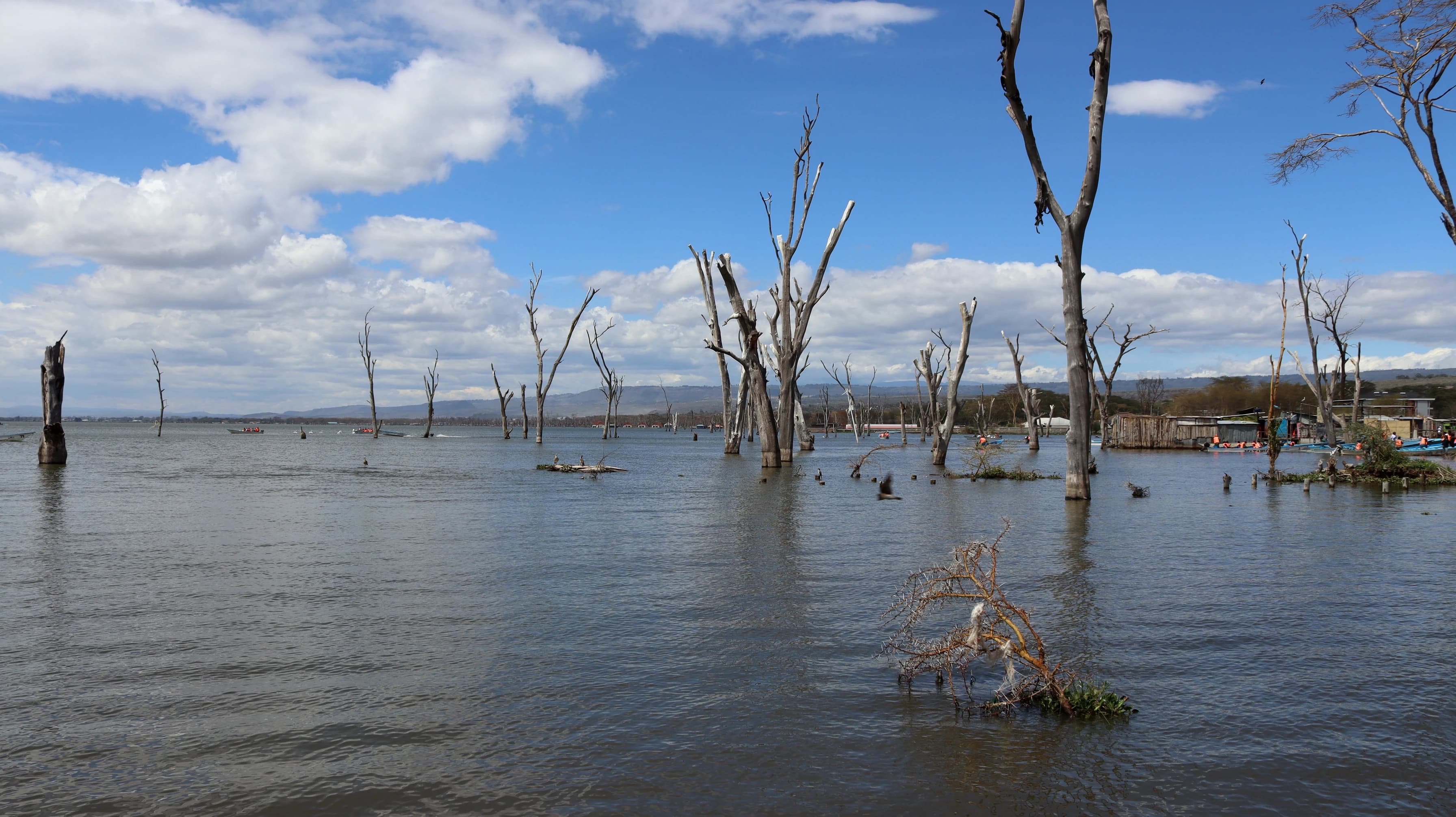
Lake Naivasha
Kenya
Combined with Maasai Mara on 14 of our journeys.
Sources
- Mara Conservancy (Mara Triangle, Maasai Mara National Reserve): The Mara Triangle (opens in a new tab)
- Mara Conservancy (Mara Triangle, Maasai Mara National Reserve): Wildebeest migration (opens in a new tab)
- Kenya Meteorological Department: Seasonal forecast (March–May “Long Rains”; October–December season) (opens in a new tab)
- Kenya Wildlife Service: What is the weather pattern in Kenya? When is the best time to visit your parks and reserves? (opens in a new tab)
Facts on this page were checked against these sources in October 2026. Park rules, fees and conditions change, so always check the latest before you travel.
Your journey begins with a conversation
Shape your Maasai Mara journey.
Tell us when you would like to travel and who is coming, and our team will suggest safaris that include Maasai Mara.