
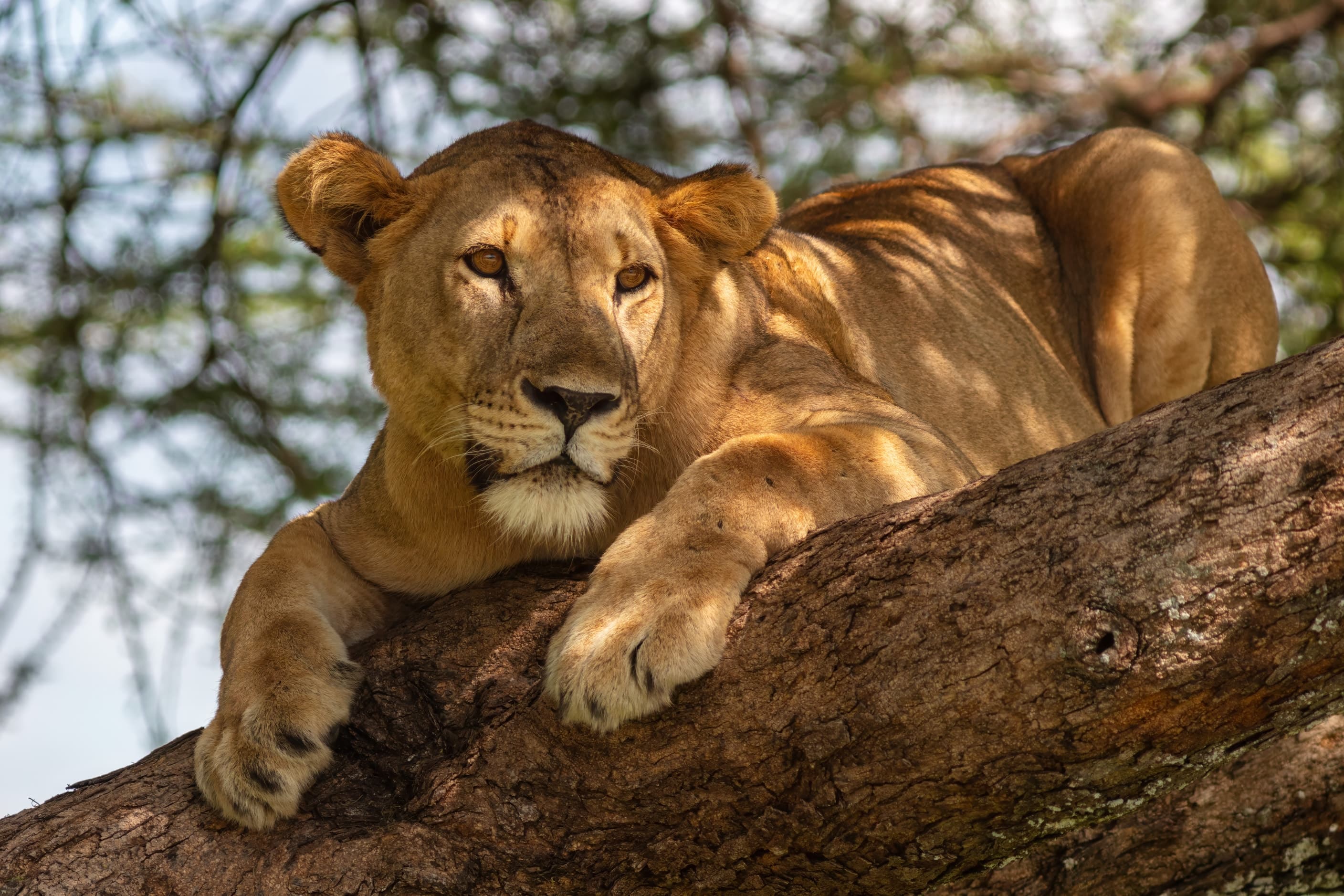
4 Days Tarangire, Ngorongoro, Serengeti & Lake Manyara Safari
Big Time pick
Tarangire · Ngorongoro · Serengeti · Lake Manyara
Stays are in camps or lodges.
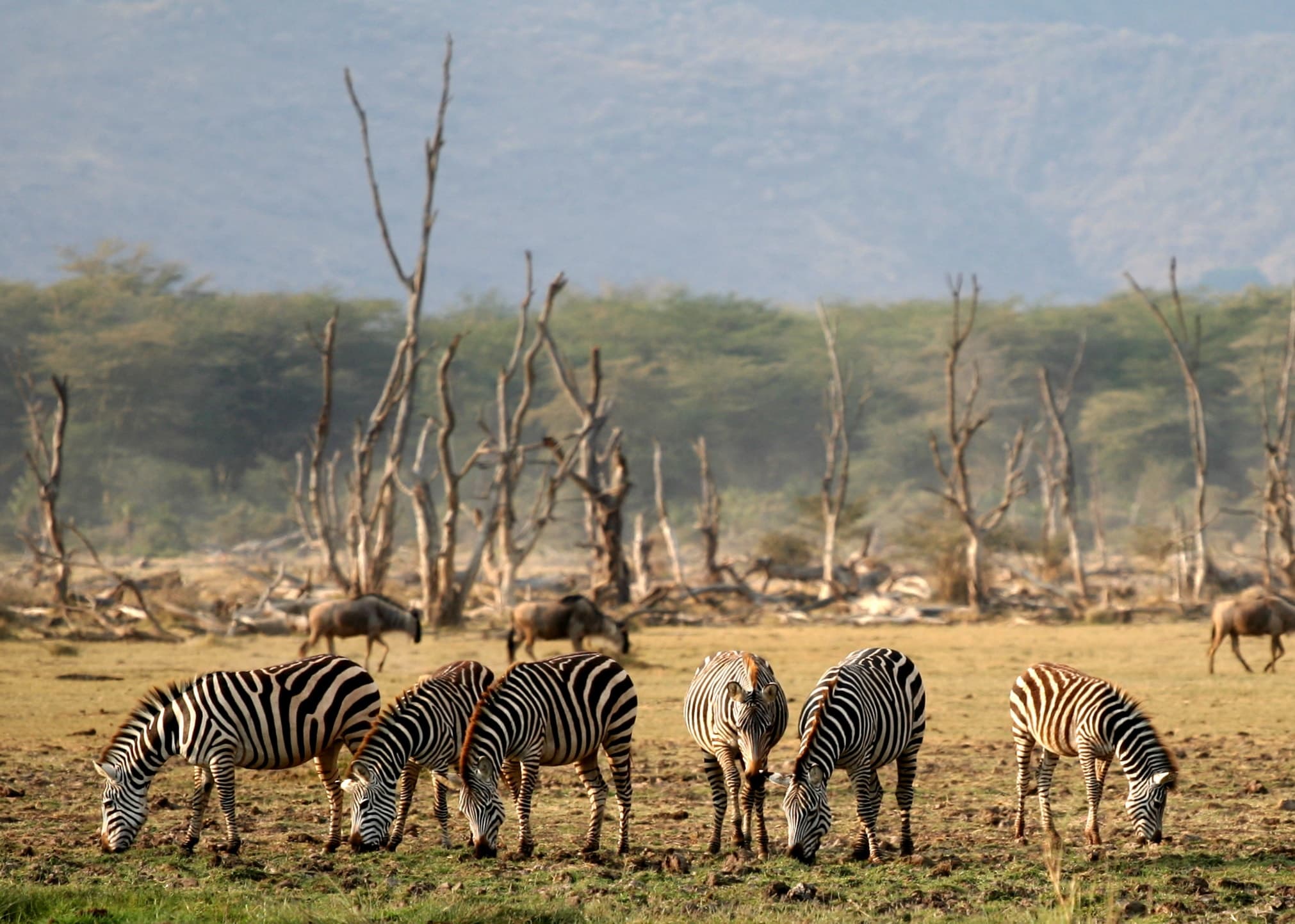
The plains of the great migration: more than a million and a half wildebeest, zebra and the predators that follow them, across one of Africa’s most famous parks.
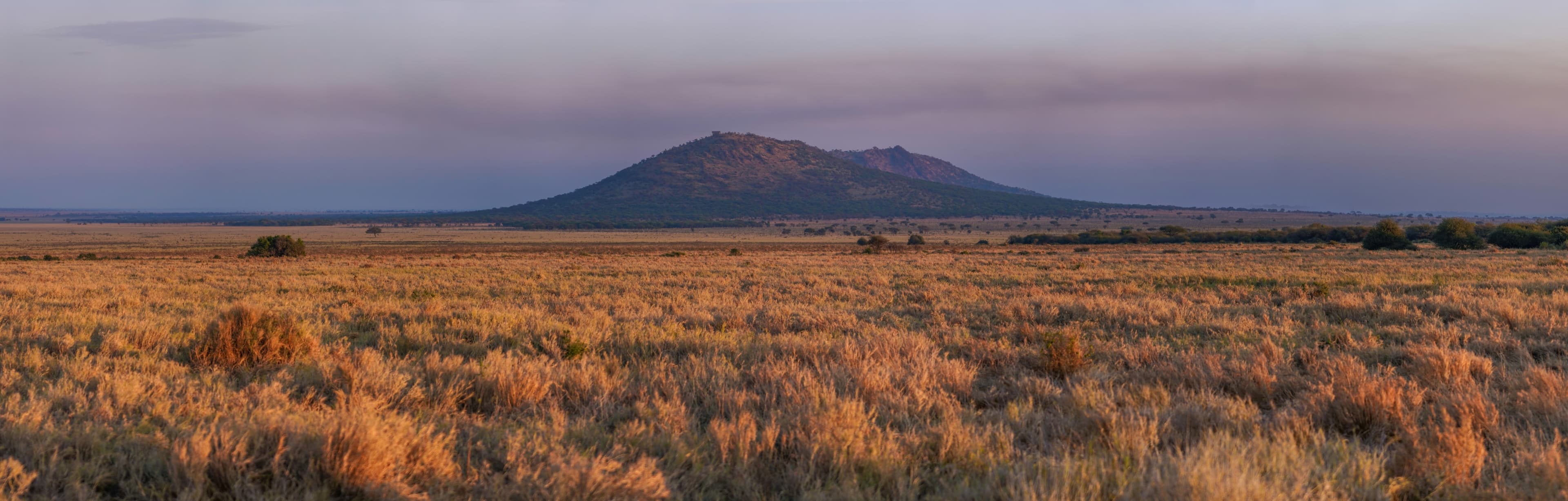
Serengeti in our Tanzania guide, with the places around it.
Tanzania National Parks calls the Serengeti home to the world’s last remaining large-mammal migration: more than a million and a half wildebeest moving with zebra, followed by the predators that depend on them. The park was established in 1951 and has been a UNESCO World Heritage Site since 1981; it protects the plains, rivers and woodlands that the migration needs, and it originally included the land that is now the Ngorongoro Conservation Area.
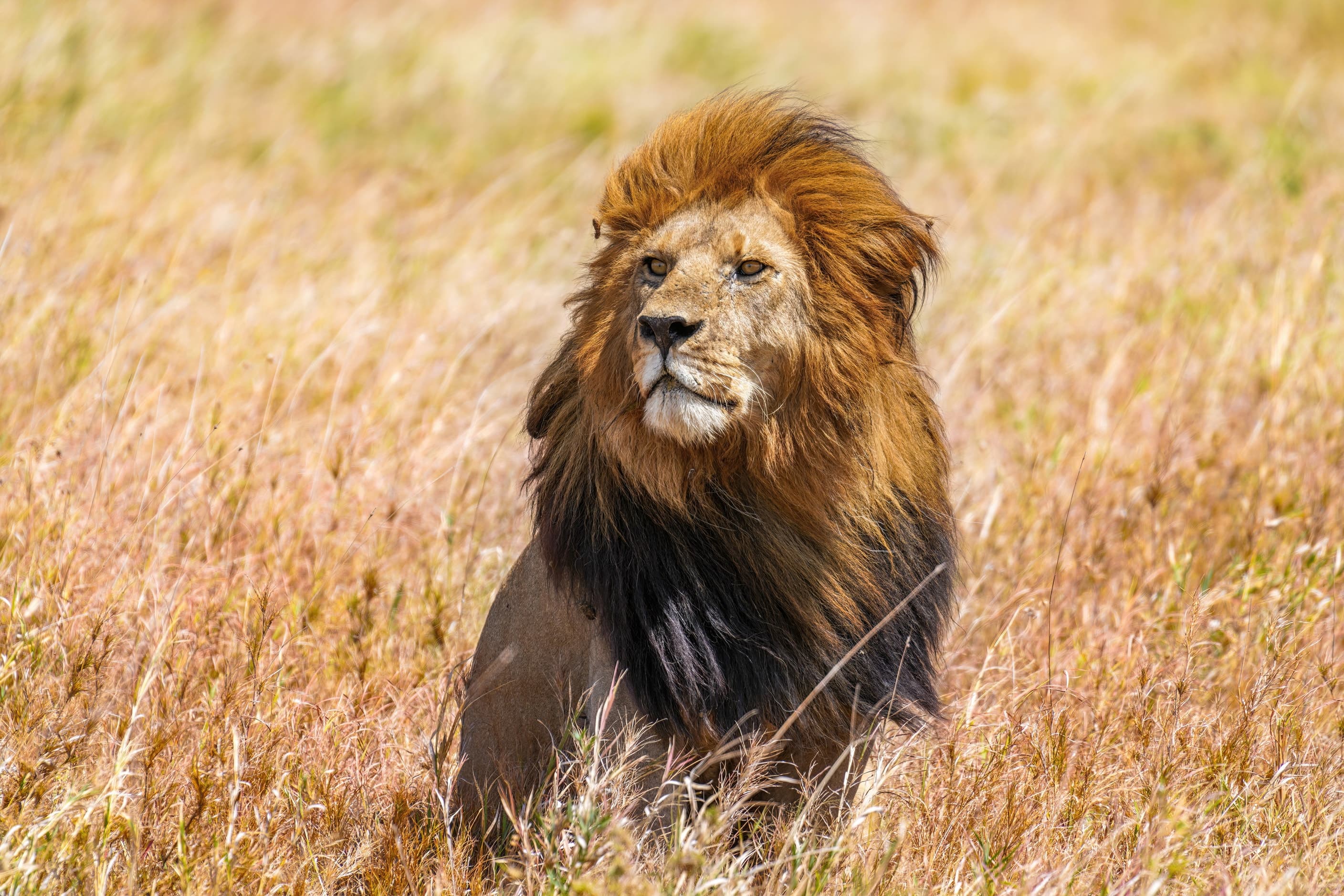
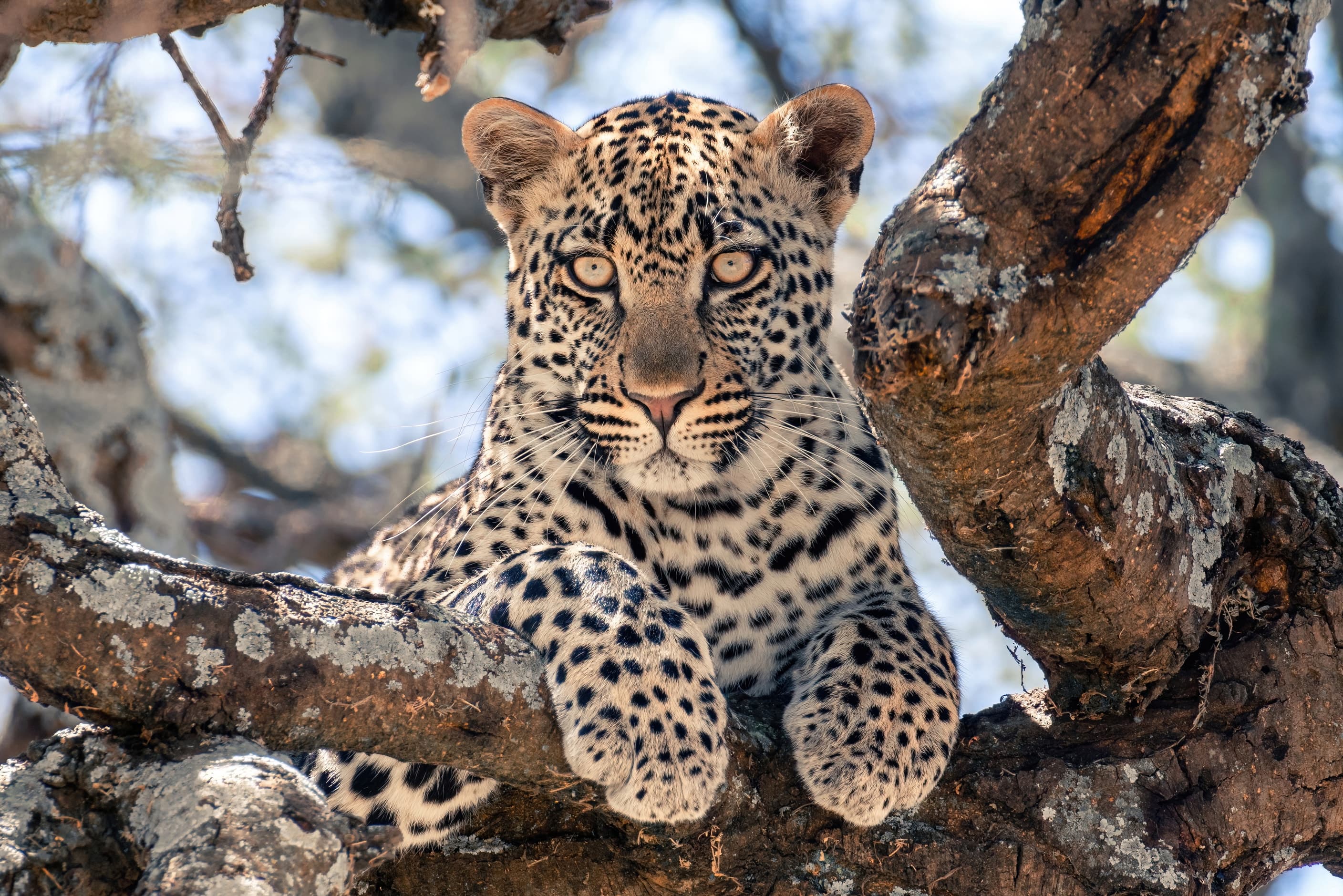
Beyond the herds, the park holds the animals most people dream of seeing on safari, lions, leopards, elephants, buffalo and rhinos, and more than 500 kinds of birds, from ostriches to eagles and flamingos. TANAPA stresses that the Serengeti is remarkable in any month: even when the migration is elsewhere in the ecosystem, the park’s resident wildlife and its endless plains make every visit worthwhile.
Across the Serengeti’s plains, rivers and woodlands, the herds move with the seasons. TANAPA points to the dry months for the migration and to January and February for calving, when the herds give birth around Ndutu on the edge of the southern Serengeti, inside the Ngorongoro Conservation Area. Because the herds follow the rain, the same stretch of plain can be crowded one month and quiet the next, which is why local knowledge matters so much here.
Wildlife moves freely and sightings are never guaranteed.
TANAPA suggests June to October, the dry season, for the migration, and January to February for the calving season. The herds follow the rain, so where they are in any given week varies from year to year, and no sighting can be promised. The park is open all year, and TANAPA advises booking accommodation well in advance for the peak migration months, when lodges and camps fill quickly.
Following the herds and the predators across the plains.
Floating above the plains at sunrise.
Guided walks on foot, offered in the park.
The park is reached by road or by air. Arusha is the most common starting point, with regular flights to Seronera airstrip in the heart of the park, and the nearest major airports are Kilimanjaro International and Arusha. TANAPA describes the road journey from Arusha as long but scenic. TANAPA advises always travelling with a guide or tour operator, and its guides must be certified.
Every journey here includes Serengeti on its catalogue route.
Big Time pick
Tarangire · Ngorongoro · Serengeti · Lake Manyara
Stays are in camps or lodges.
Big Time pick
Lake Manyara · Serengeti · Ngorongoro
Accommodation is in lodges.
Big Time pick
Tarangire · Serengeti · Ngorongoro · Lake Manyara
Accommodation is in lodges.
Big Time pick
Maasai Mara · Serengeti · Ngorongoro
Budget nights at Miti Mingi Eco Camp (Maasai Mara), with camp or lodge stays at the other stops.
Big Time pick
Maasai Mara · Lake Nakuru · Amboseli · Serengeti · Ngorongoro
Budget nights at Miti Mingi Eco Camp (Maasai Mara), Buraha Zenoni (Lake Nakuru) and Nyati Safari Camp (Amboseli), with camp or lodge stays at the other stops.
Big Time pick
Maasai Mara · Lake Nakuru · Amboseli · Lake Manyara · Serengeti · Ngorongoro
Budget nights at Miti Mingi Eco Camp (Maasai Mara), Buraha Zenoni (Lake Nakuru) and Nyati Safari Camp (Amboseli), with camp or lodge stays at the other stops.
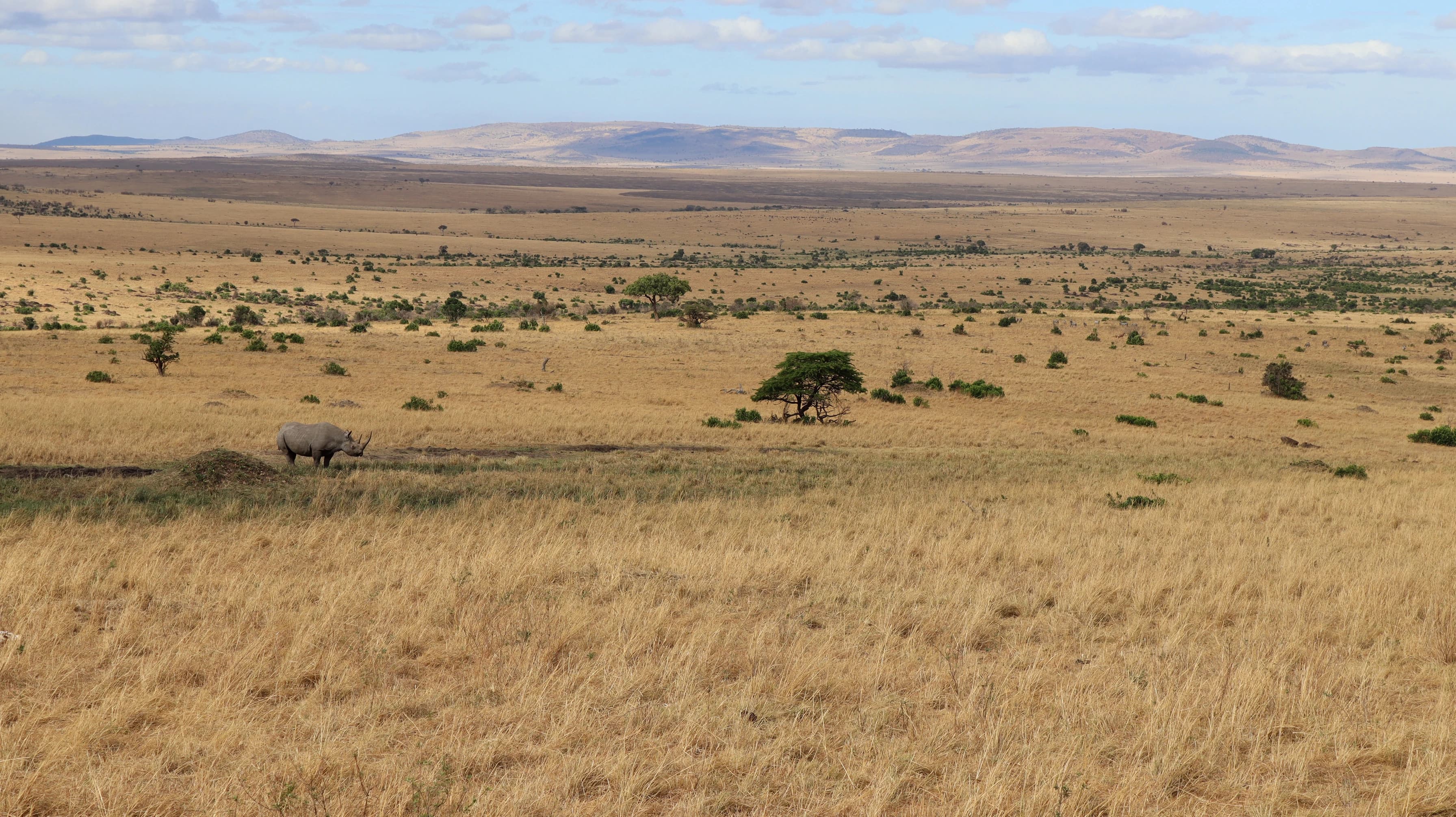
Kenya
In most years the migration spills over from the Serengeti into Kenya’s Maasai Mara.
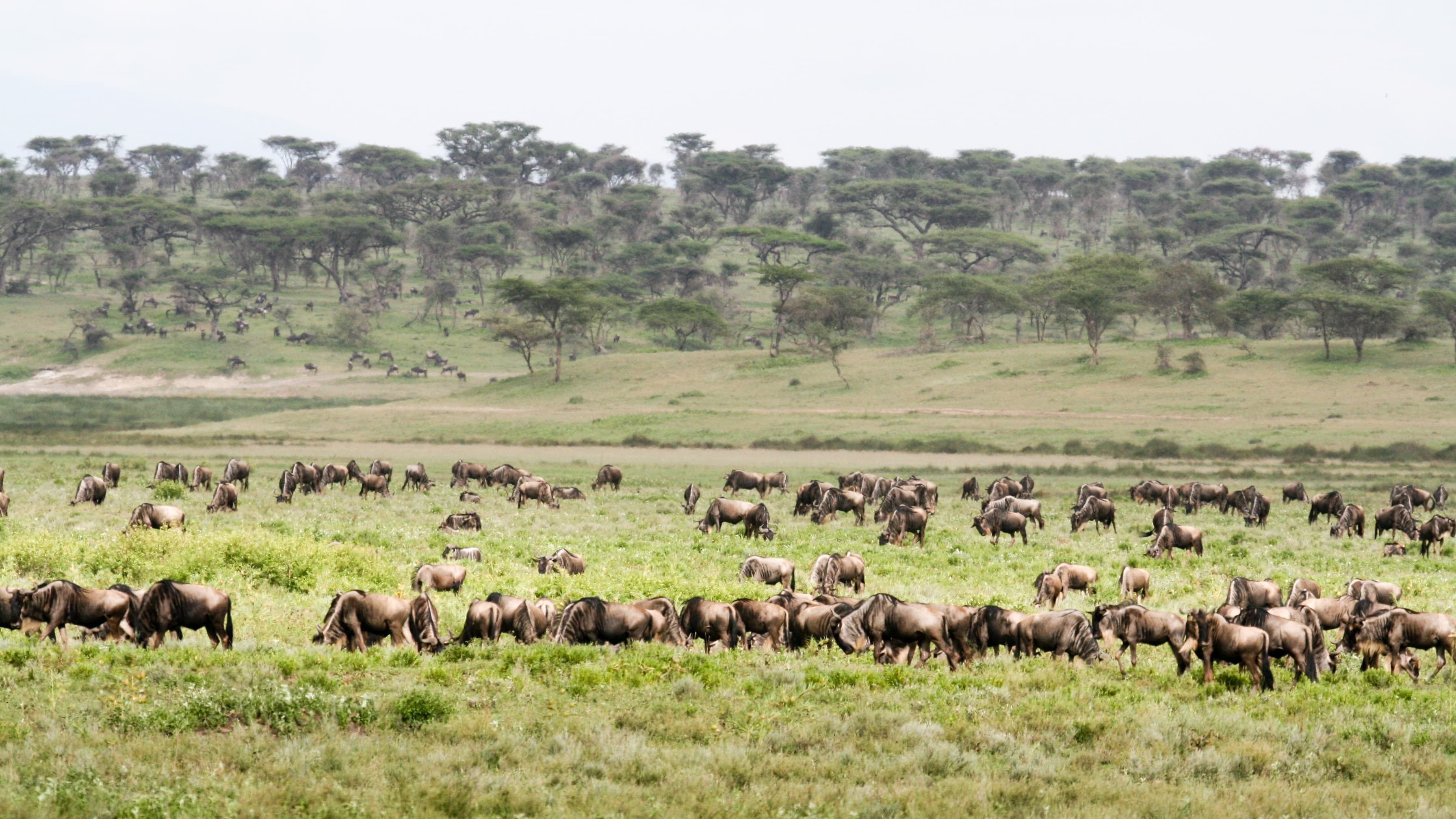
Tanzania
The Ndutu plains lie on the edge of the southern Serengeti, where the herds calve.
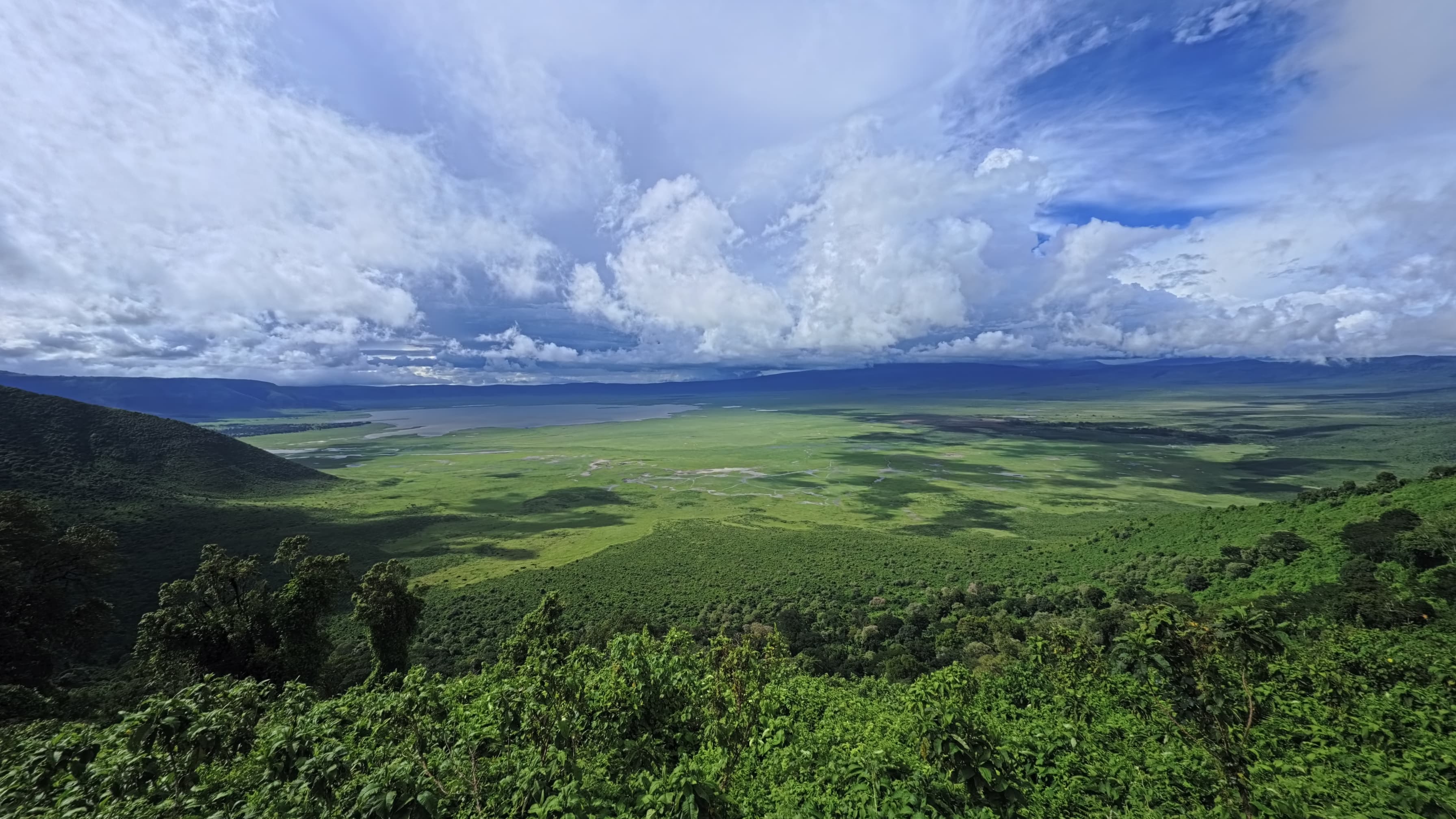
Tanzania
Combined with Serengeti on 16 of our journeys.
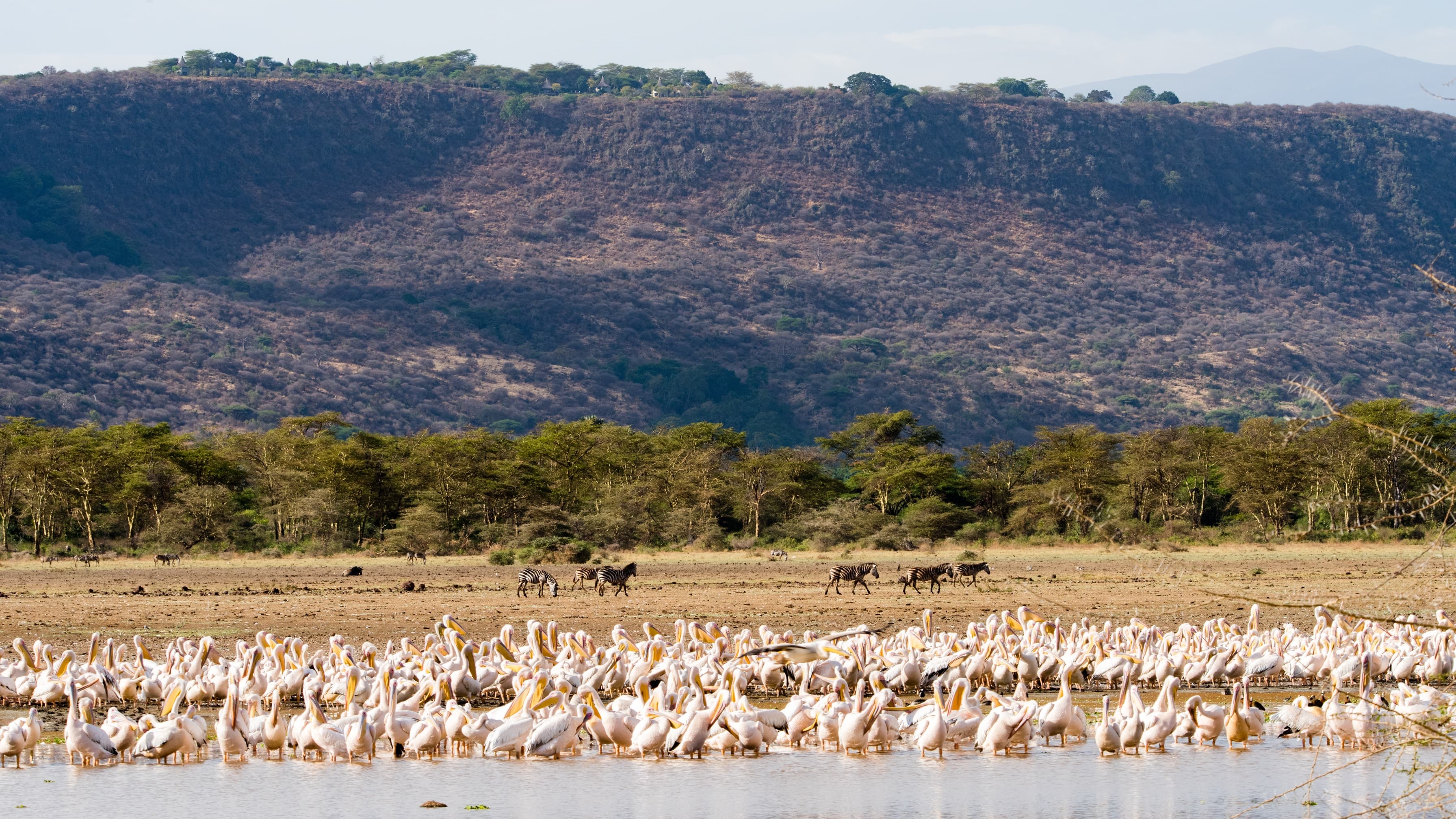
Tanzania
Combined with Serengeti on 10 of our journeys.
Facts on this page were checked against these sources in October 2026. Park rules, fees and conditions change, so always check the latest before you travel.
Tell us when you would like to travel and who is coming, and our team will suggest safaris that include Serengeti.