5 Days Maasai Mara, Lake Nakuru & Lake Naivasha Budget Safari
Big Time pick
Maasai Mara · Lake Nakuru · Lake Naivasha
Budget nights at Miti Mingi Eco Camp (Maasai Mara), Buraha Zenoni (Lake Nakuru) and Leisure Apex (Lake Naivasha).
A Rift Valley lake inside a fenced national park — Kenya’s first government-managed rhino sanctuary, and a long-protected haven for waterbirds.
Lake Nakuru in our Kenya guide, with the places around it.
Lake Nakuru’s story as a protected place began with birds. In 1961 the southern tip of the lake became a sanctuary for its globally significant flamingos and other waterbirds; in 1964 the sanctuary was extended to the whole lake, and in 1968 the lake and its shoreline became a national park. Kenya Wildlife Service still describes the park as a birdwatcher’s paradise, with around 450 recorded species, though flamingo numbers vary greatly.
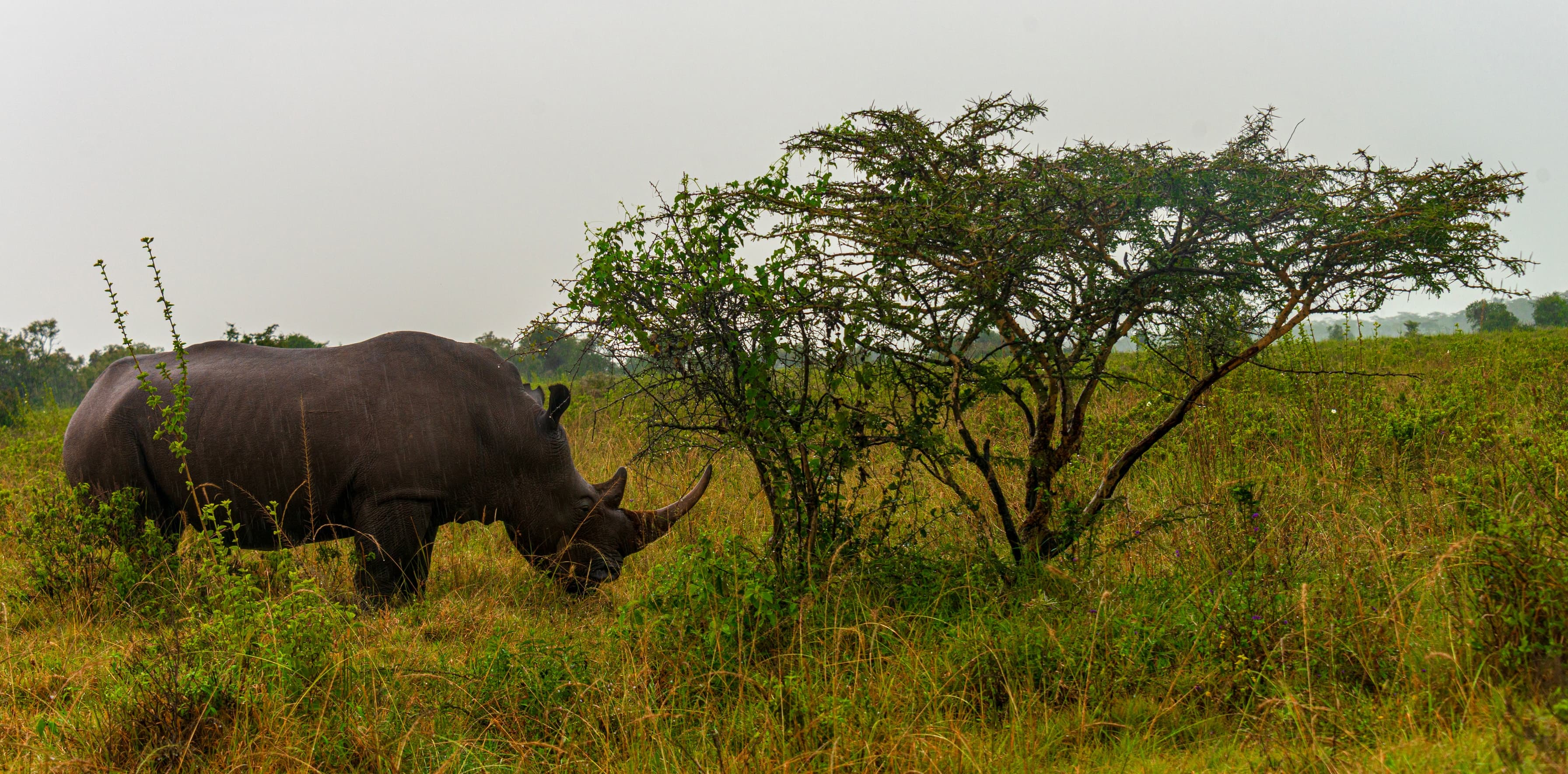
Today it is equally known for rhinos. In 1987 the park became Kenya’s first government-managed rhino sanctuary, and Kenya Wildlife Service describes it as home to one of the country’s largest populations of black rhinos, alongside white rhinos. Its semi-alkaline lake, open skies and changing light also make it a favourite with photographers, and its compact size means a single game drive can cover a remarkable range of scenery.
The park centres on a semi-alkaline lake, but a major expansion in 1974, supported by WWF, brought in grassland, acacia woodland, rocky escarpments and hills, enlarging the park to about 188 square kilometres. As a result, a day here moves between very different habitats, from the lake shore with its waterbirds to the woodland and escarpments where rhinos browse, with scenic viewpoints and picnic sites along the way.
To protect its wildlife and reduce conflict with the farms and city around it, the park was enclosed by an electric perimeter fence in 1986, which Kenya Wildlife Service describes as a landmark conservation intervention in Kenya at the time. The fence is the reason the park could become a rhino sanctuary the following year, and it remains central to how Lake Nakuru is managed today.
Wildlife moves freely and sightings are never guaranteed.
Kenya Wildlife Service describes July to March as the main season for wildlife viewing across its parks, and April to June as the low season of the long rains, when some roads may need four-wheel drive. The Kenya Meteorological Department adds a second, shorter rainy season from October to December. At Lake Nakuru the waterbirds follow conditions on the lake rather than the calendar, so flamingo numbers on any visit cannot be predicted.
Searching the grassland and woodland for black and white rhinos.
A lake first protected for its flamingos and waterbirds.
Rocky heights above the lake and its woodland.
Where you stay depends on the safari and comfort level you choose. These properties are named in our catalogue for Lake Nakuru:
The park lies north-west of Nairobi on the main A104 road and is reached from the Nairobi–Nakuru highway at Lanet Gate, Nderit Gate or the Main Gate close to Nakuru City, which makes it one of the easiest of Kenya’s major parks to reach by road. For those arriving by air, Naishi airstrip, beside Naishi Guest House, serves light aircraft, so the park can also be reached by air.
Every journey here includes Lake Nakuru on its catalogue route.
Big Time pick
Maasai Mara · Lake Nakuru · Lake Naivasha
Budget nights at Miti Mingi Eco Camp (Maasai Mara), Buraha Zenoni (Lake Nakuru) and Leisure Apex (Lake Naivasha).
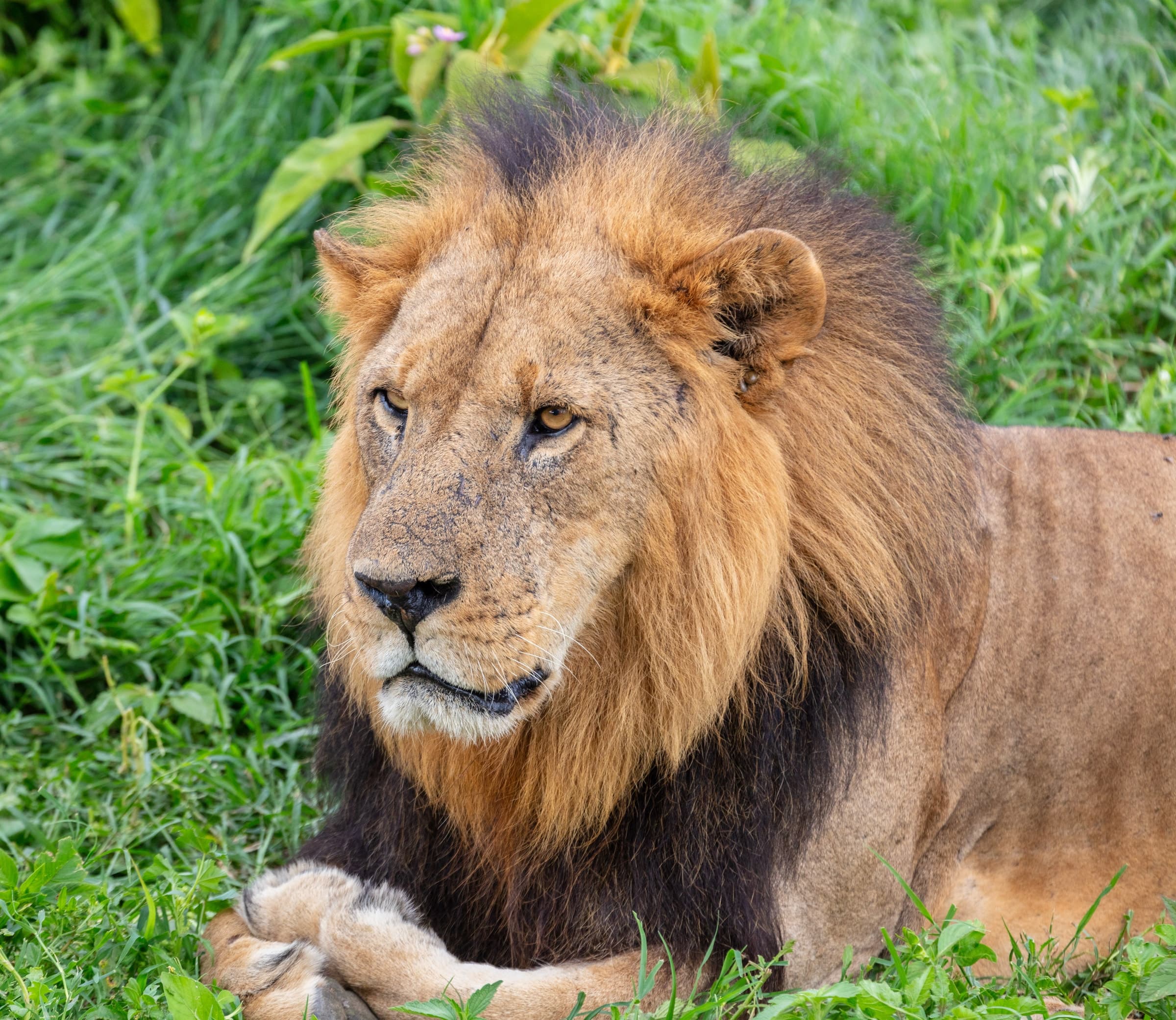
Big Time pick
Maasai Mara · Lake Nakuru · Amboseli
Budget nights at Miti Mingi Eco Camp (Maasai Mara), Buraha Zenoni (Lake Nakuru) and Nyati Safari Camp (Amboseli).
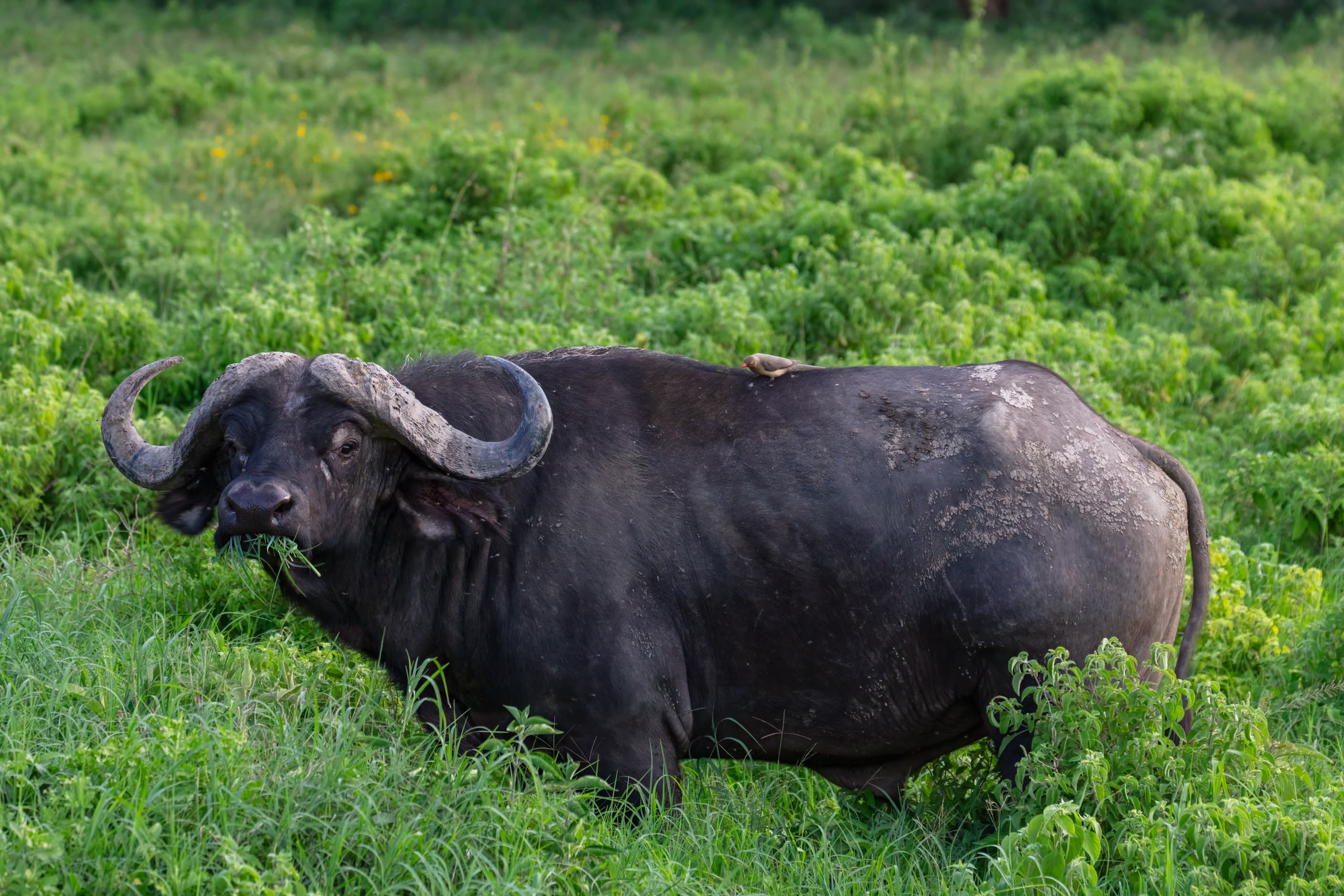
Big Time pick
Maasai Mara · Lake Nakuru · Lake Naivasha · Amboseli
Budget nights at Miti Mingi Eco Camp (Maasai Mara), Buraha Zenoni (Lake Nakuru), Leisure Apex (Lake Naivasha) and Nyati Safari Camp (Amboseli).
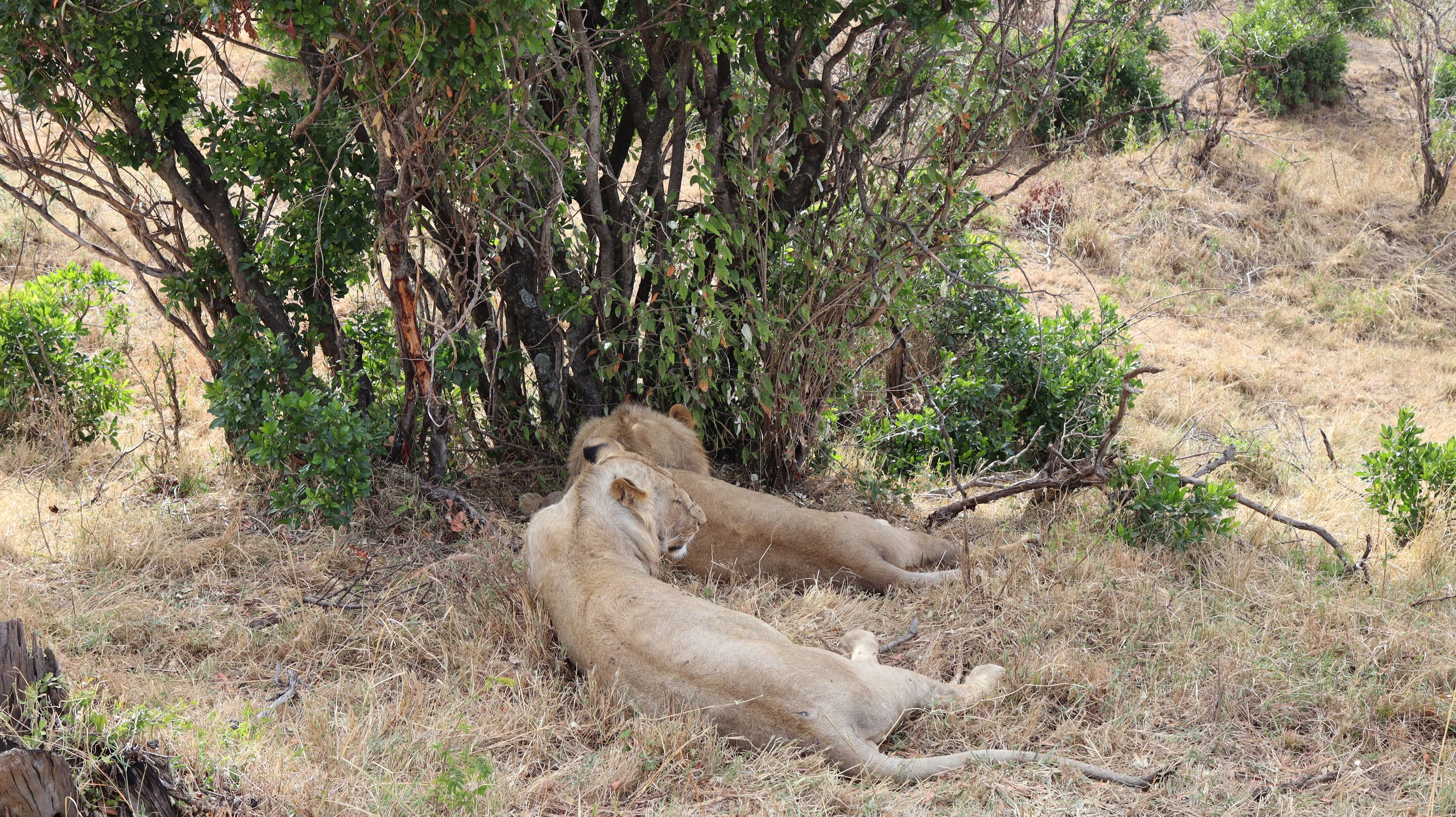
Big Time pick
Maasai Mara · Lake Nakuru
Lodge accommodation, with Buraha Zenoni (Lake Nakuru).
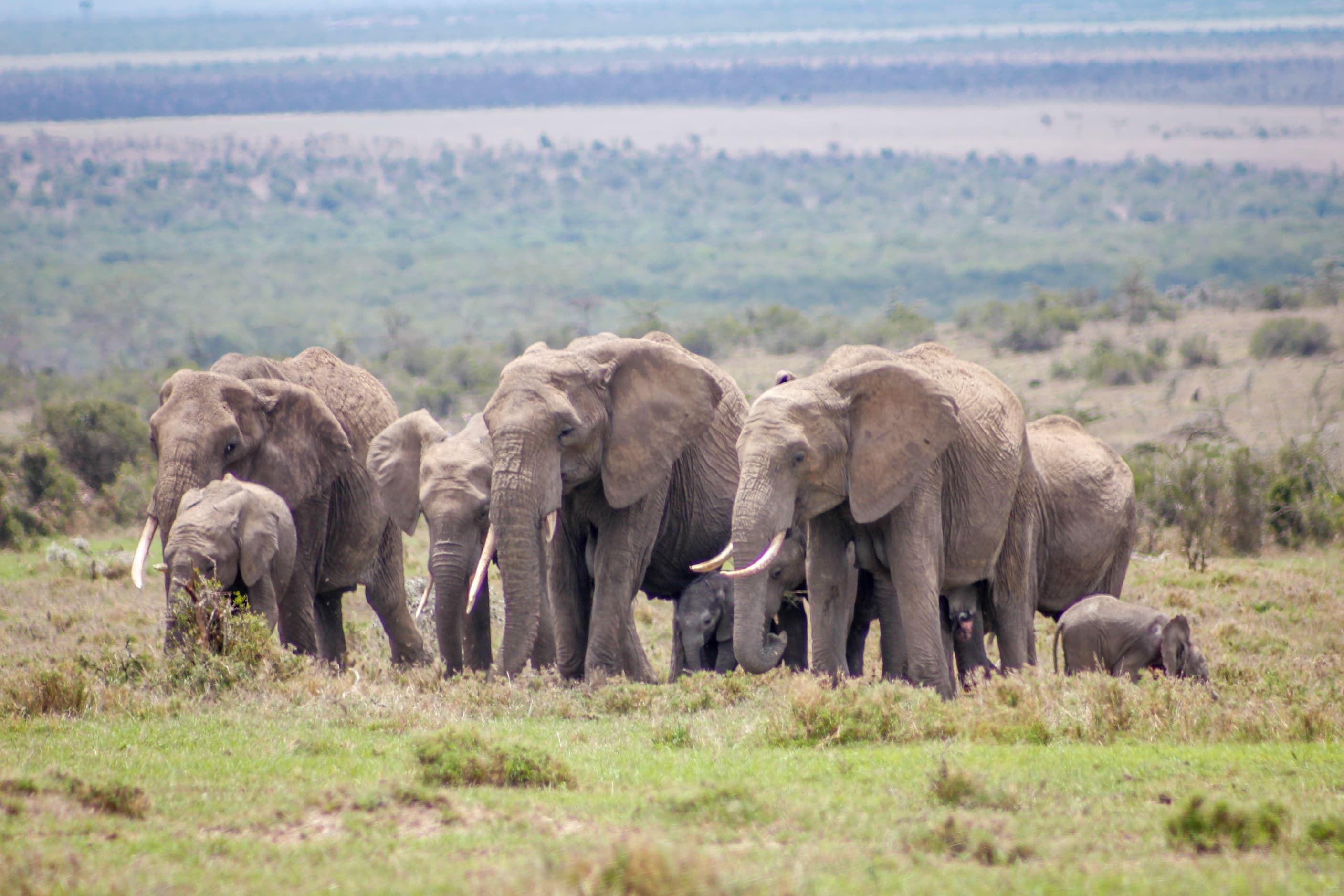
Big Time pick
Sweetwaters · Lake Nakuru · Lake Naivasha · Maasai Mara
Accommodation is in lodges.
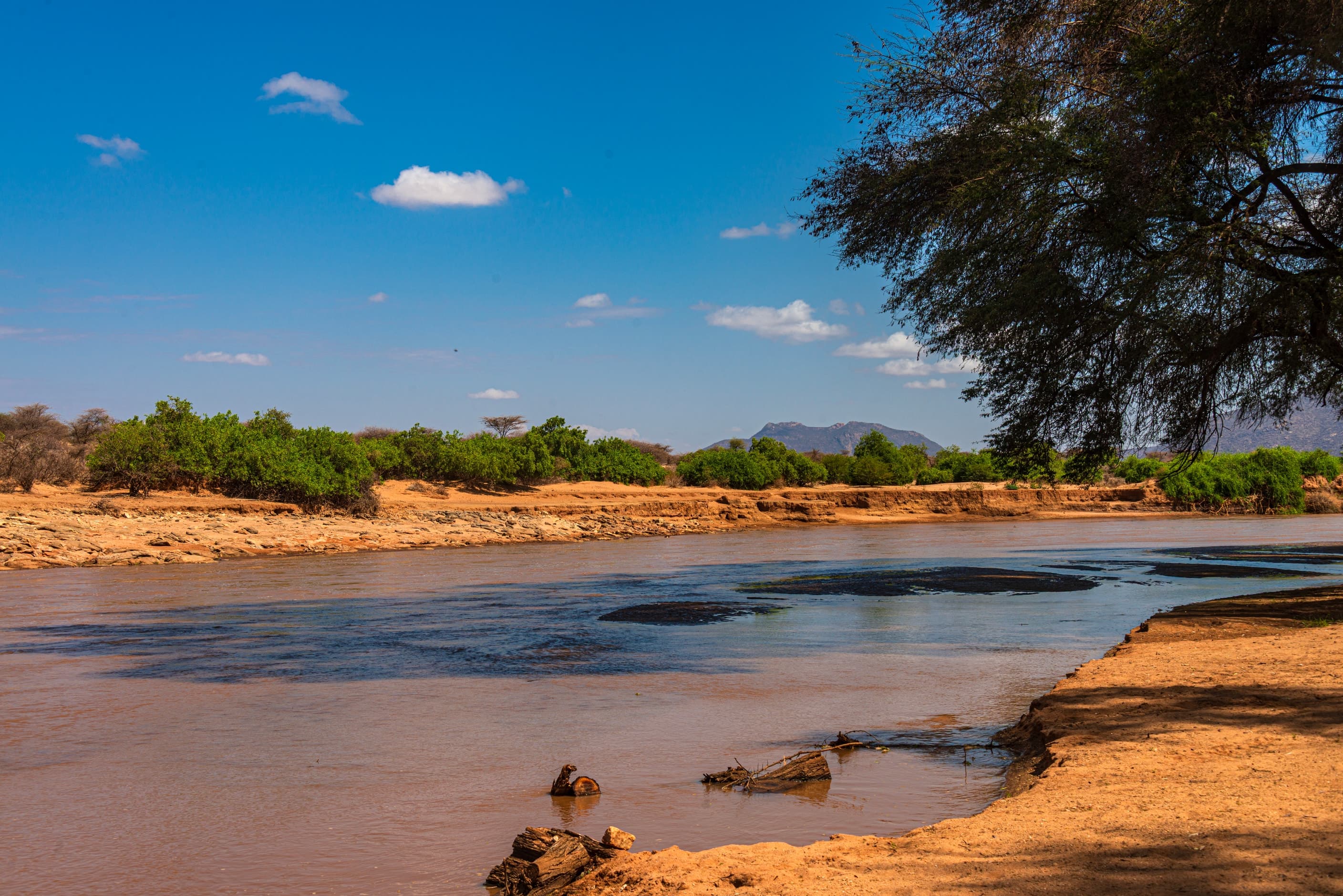
Big Time pick
Samburu · Ol Pejeta · Lake Nakuru · Maasai Mara
Lodge accommodation, with Buraha Zenoni (Lake Nakuru).
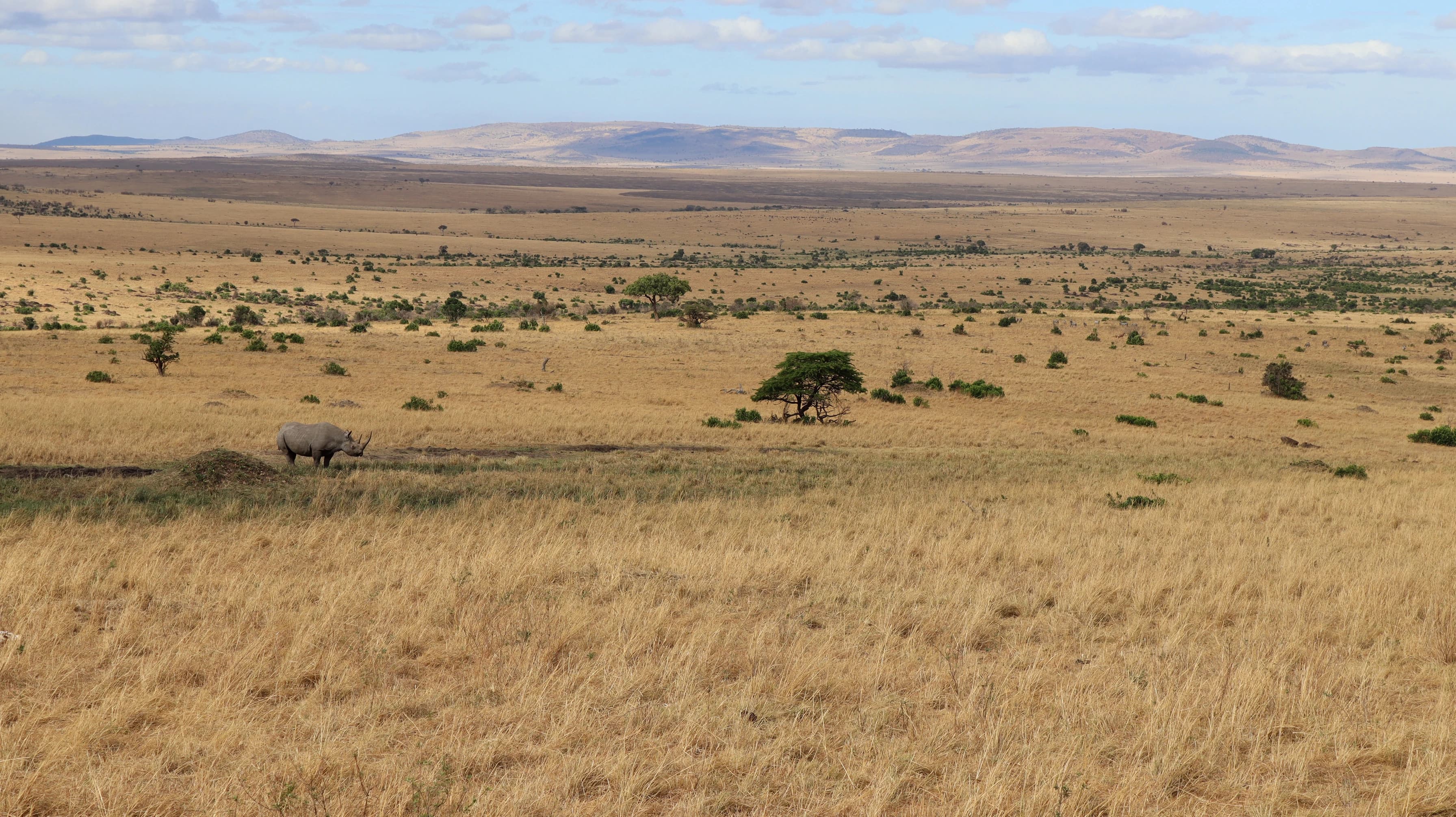
Kenya
Combined with Lake Nakuru on 29 of our journeys.
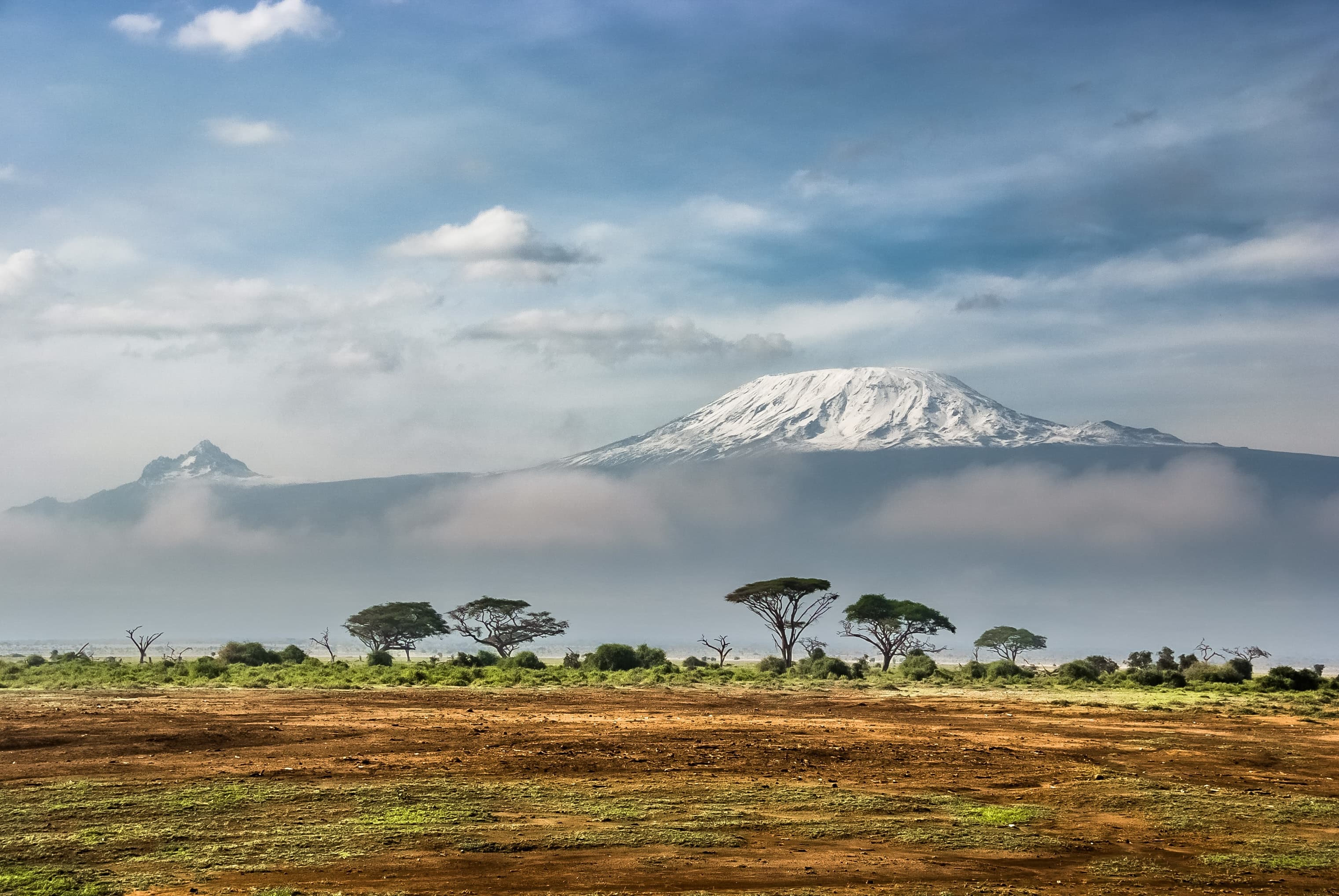
Kenya
Combined with Lake Nakuru on 13 of our journeys.
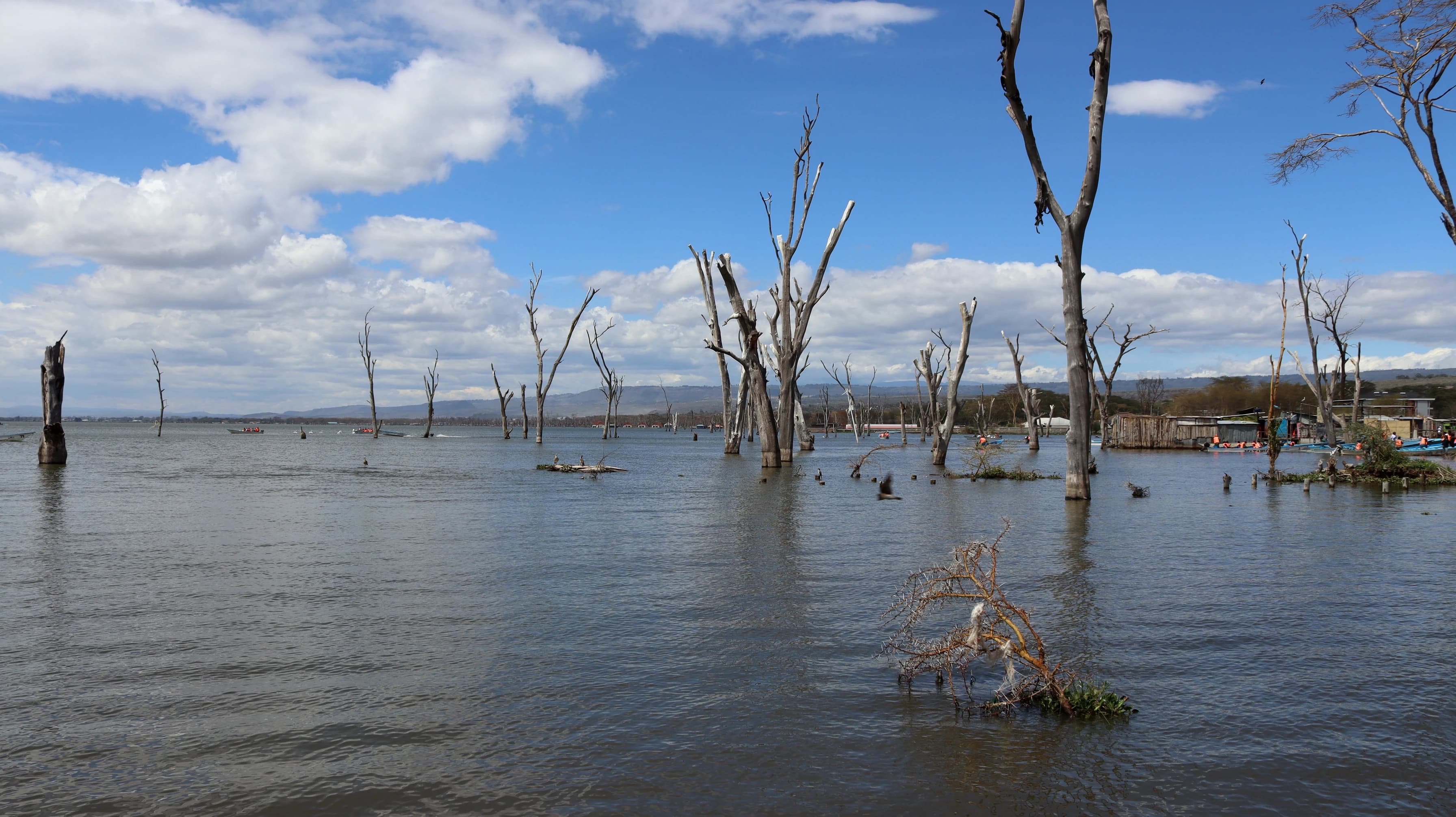
Kenya
Combined with Lake Nakuru on 12 of our journeys.
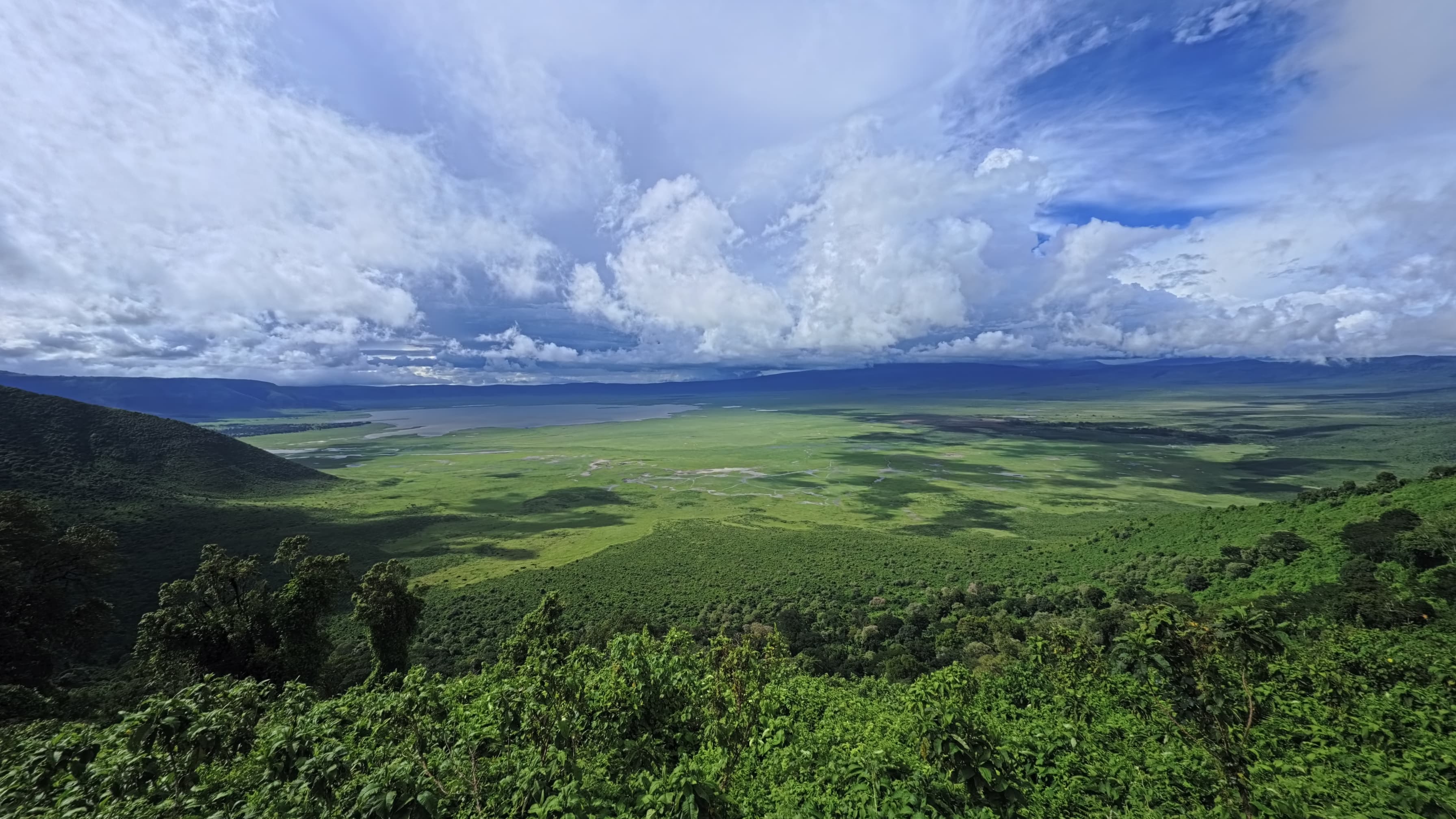
Tanzania
Combined with Lake Nakuru on 9 of our journeys.
Facts on this page were checked against these sources in October 2026. Park rules, fees and conditions change, so always check the latest before you travel.
Tell us when you would like to travel and who is coming, and our team will suggest safaris that include Lake Nakuru.