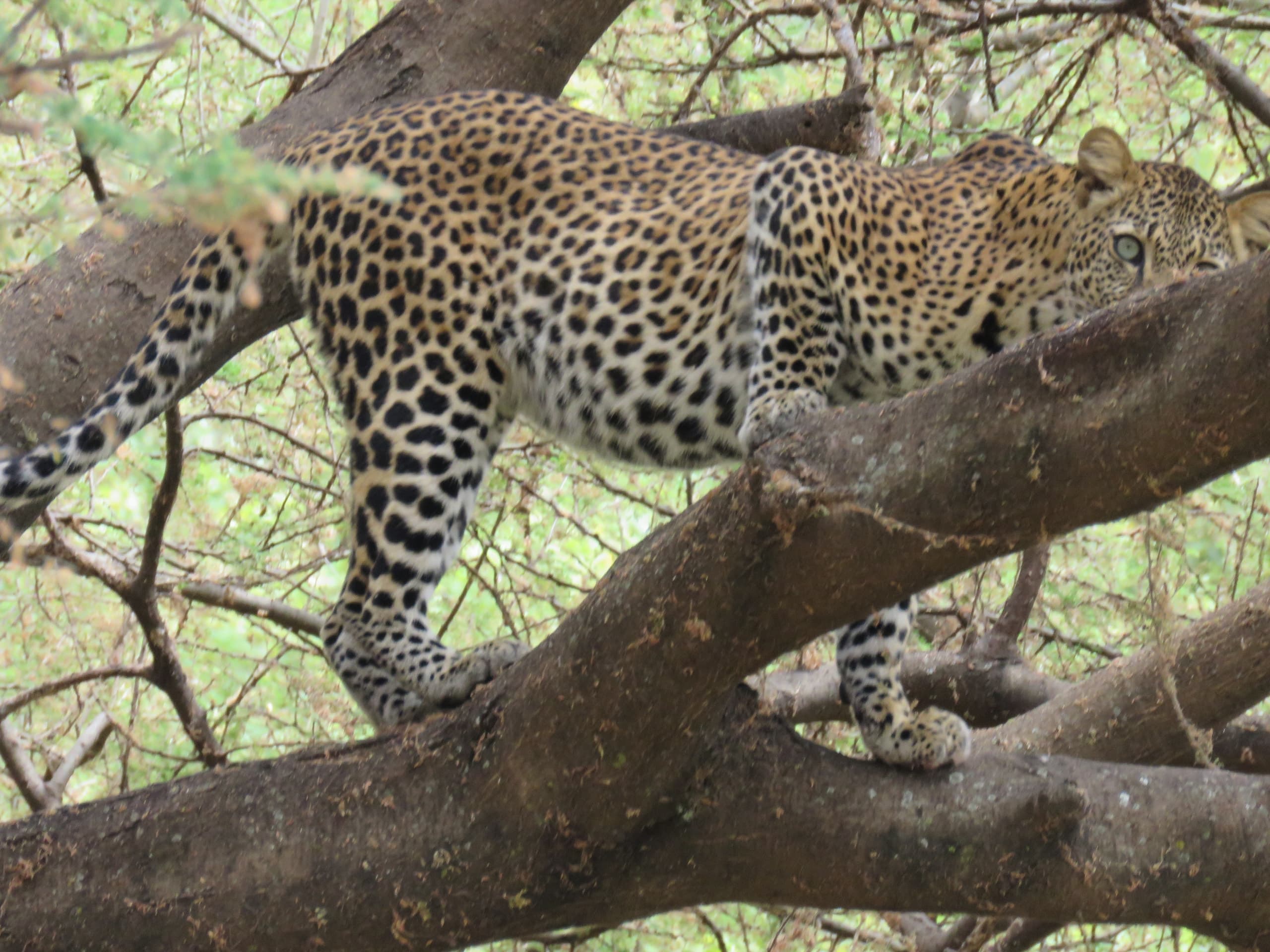
When is the best time for a Tanzania safari?
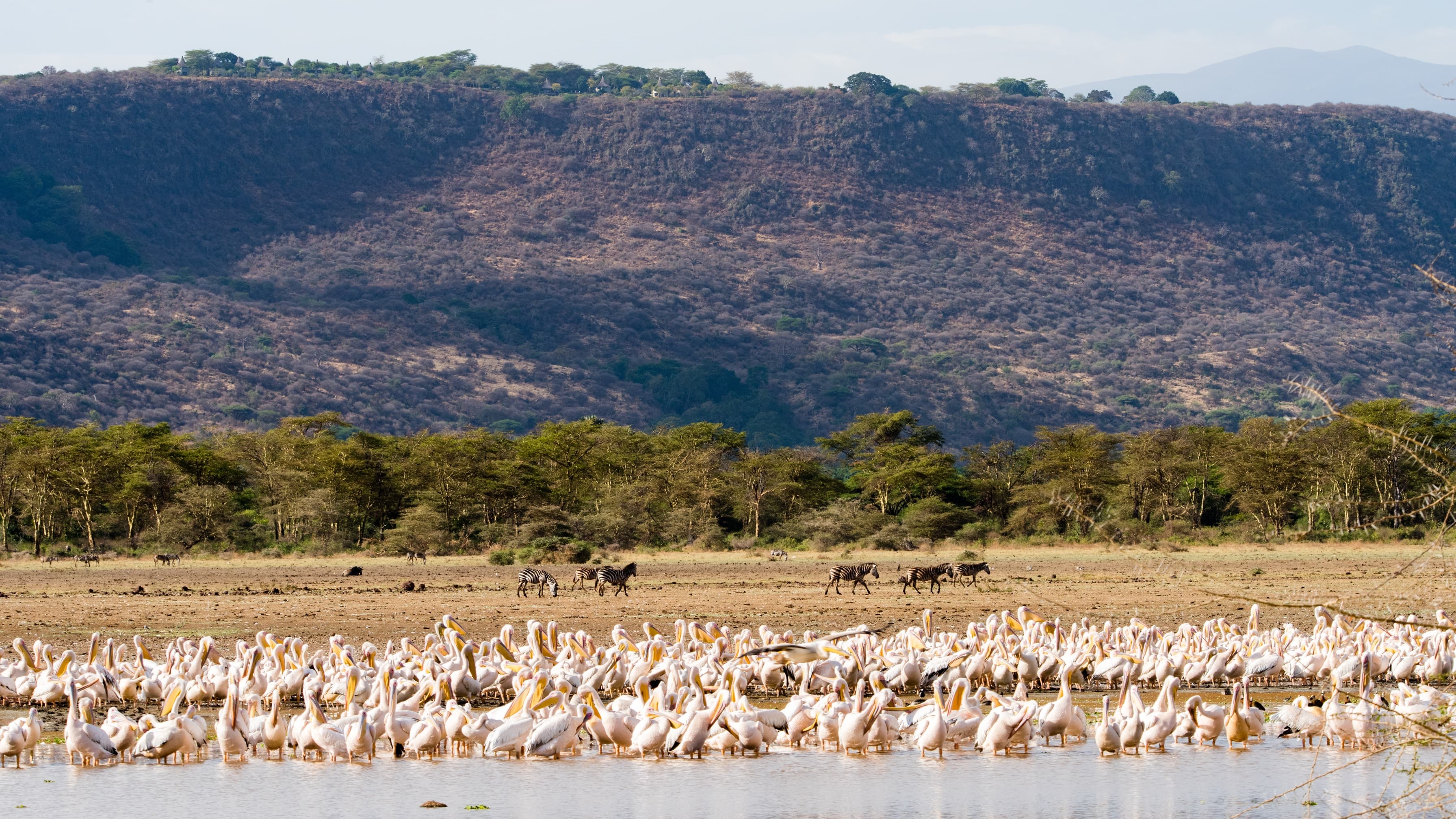
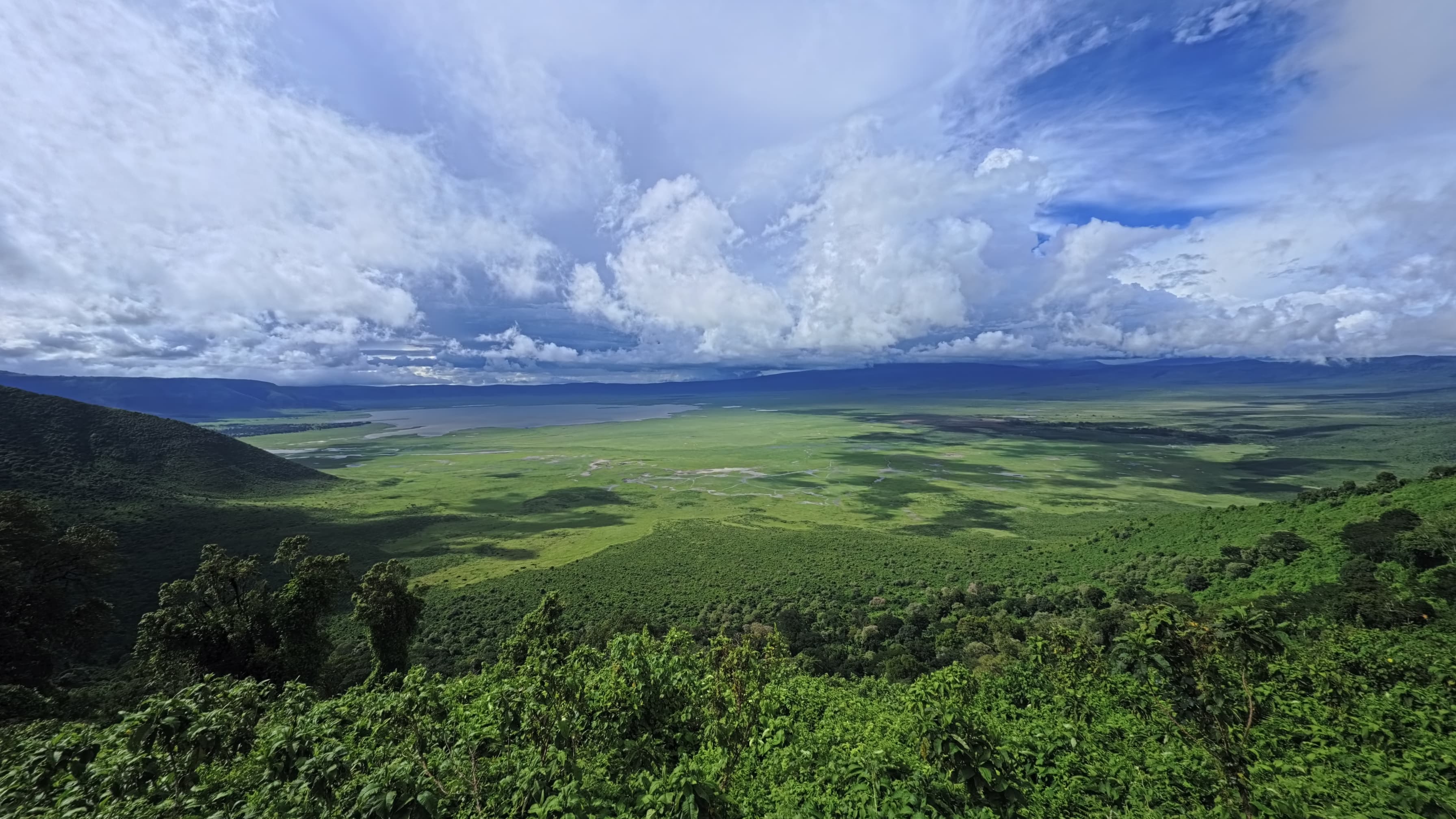
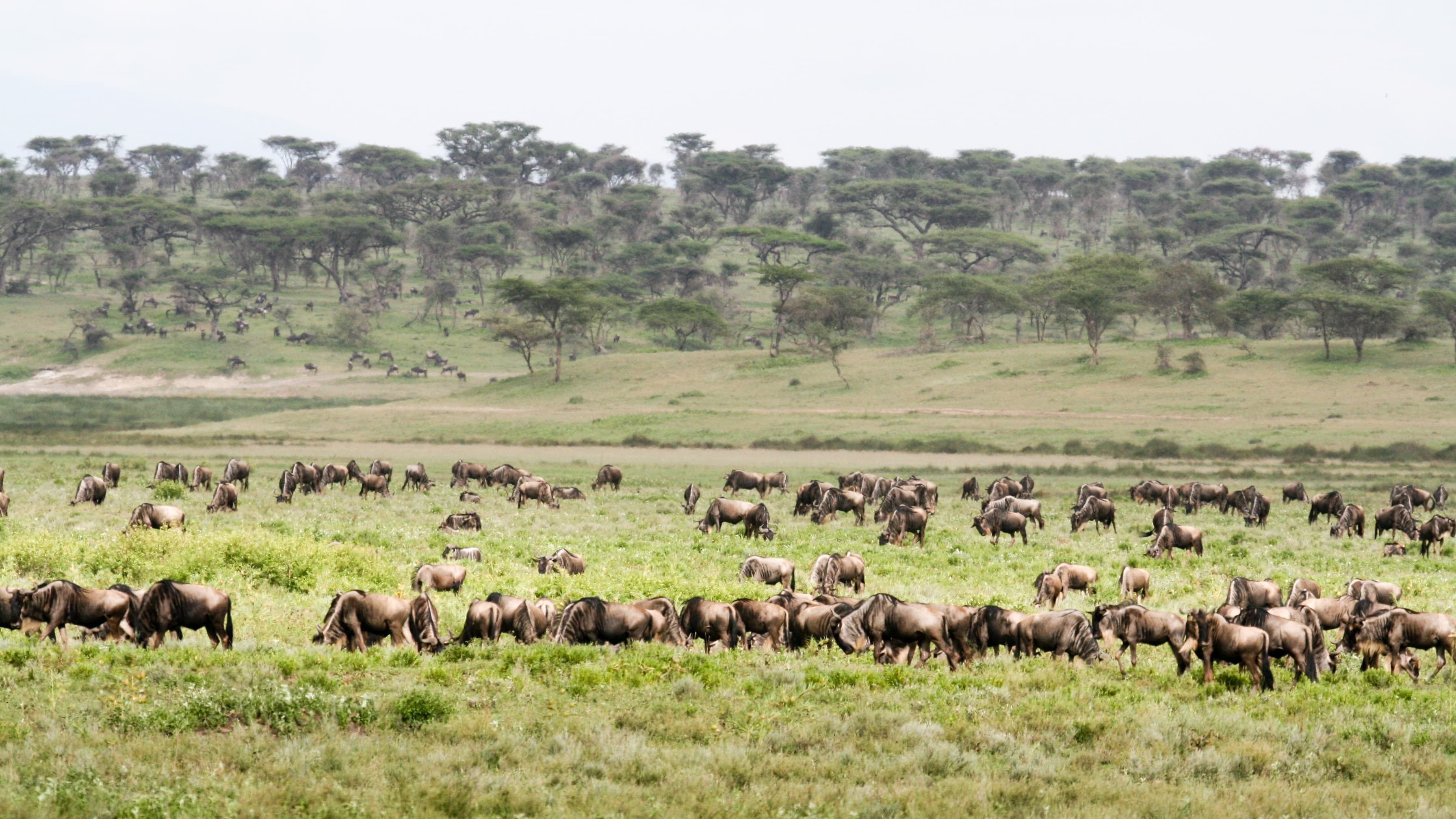
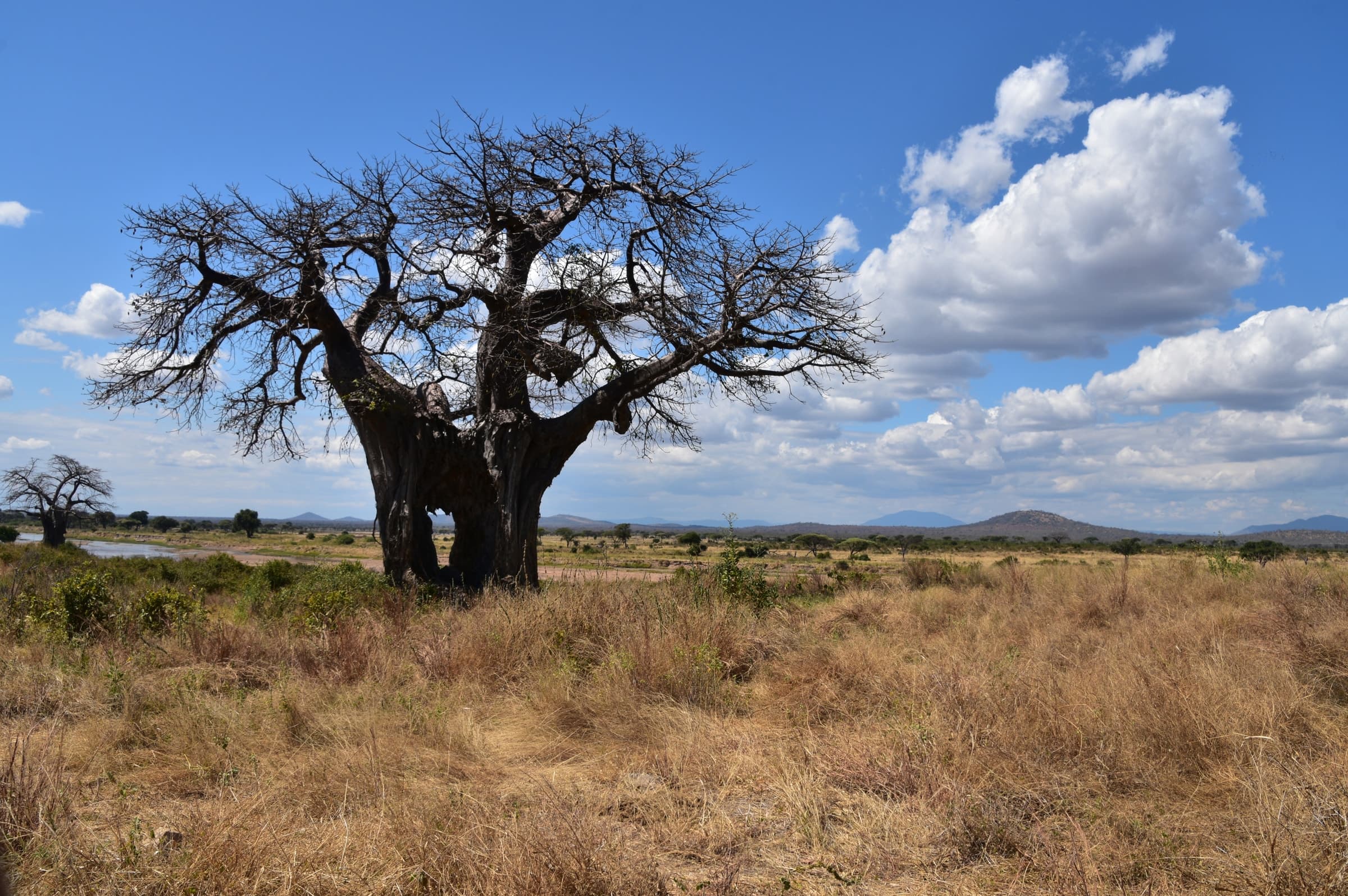
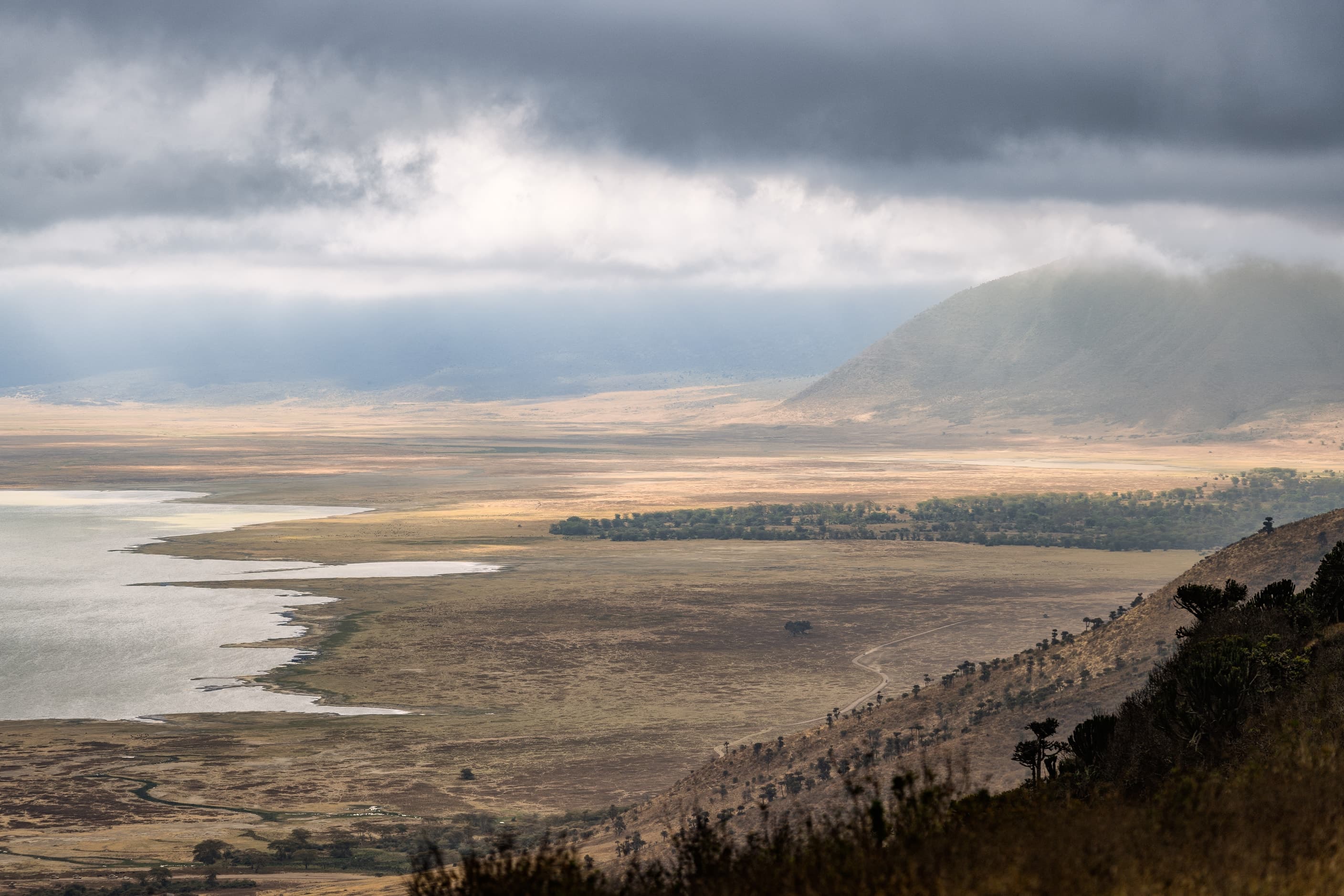
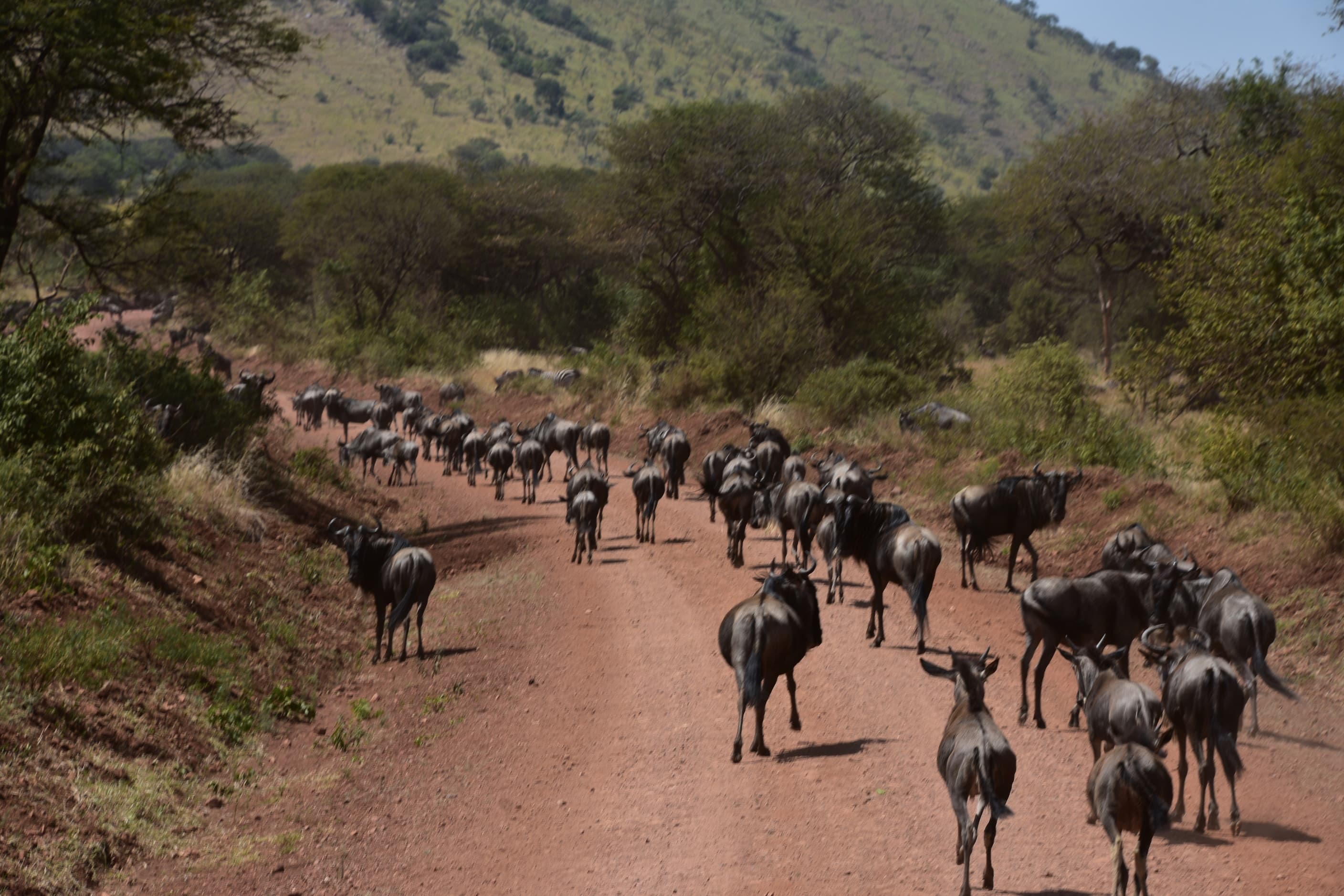
It depends on the park. TANAPA suggests June to October, the dry season, for the Serengeti migration and January to February for calving; the Ngorongoro Conservation Area Authority puts the herds around Ndutu from about late December to April. The Ngorongoro Crater is accessible all year, and Tarangire, Ruaha and Mikumi are at their peak from June to October.
Northern or southern circuit?
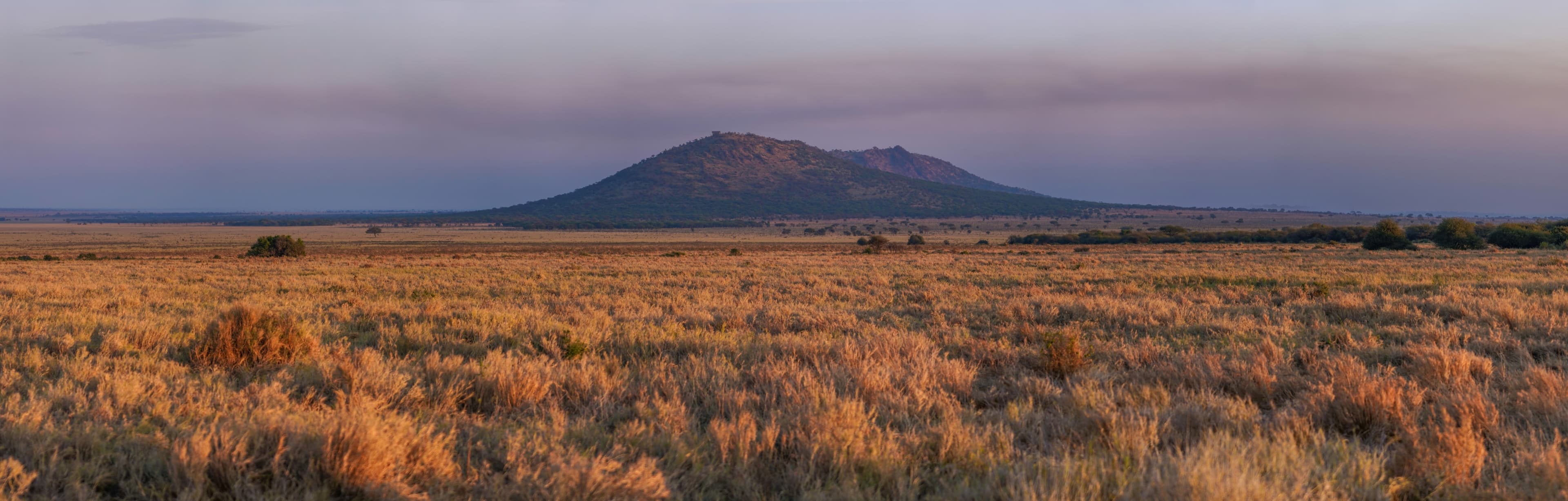
For a first safari, the northern circuit from Arusha brings the Serengeti, the Ngorongoro Crater, Tarangire and Lake Manyara within one route, and seven of our Tanzania safaris name northern parks on their route, against one in the south. The south, reached from Dar es Salaam, is wilder and more remote: Nyerere’s river, Mikumi’s floodplain and Ruaha’s vast wilderness.
How many days do I need for a Tanzania safari?
Our Tanzania safaris run from 3 to 10 days. Four or five days cover the famous northern parks, Tarangire, Lake Manyara, the Ngorongoro Crater and the Serengeti, as on the 4 Days Tarangire, Ngorongoro, Serengeti & Lake Manyara Safari; longer journeys add Ndutu in calving season, the southern parks or Zanzibar. TANAPA puts the Serengeti seven to eight hours from Arusha by road, so fewer parks with more time in each makes for a calmer trip.
Where is the migration each month?
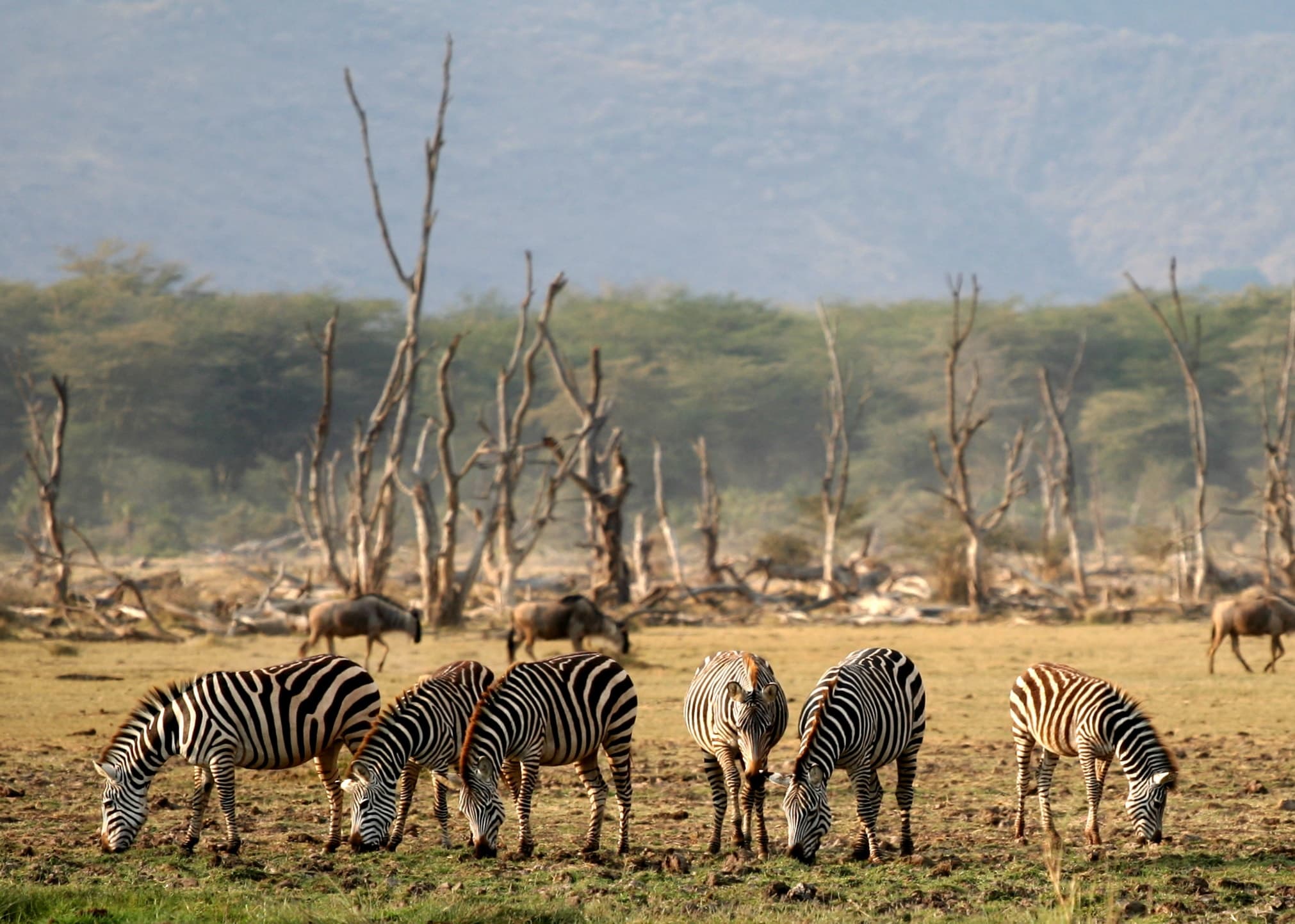
Broadly, around Ndutu and the southern Serengeti from about late December to April, where the herds calve; in the Serengeti through the dry season; and in Kenya’s Maasai Mara from around June or July to November. The herds follow the rain, so their position in any week varies every year.
How do I get to the parks?
Kilimanjaro International Airport, about 40 kilometres east of Arusha, describes itself as the main gateway connecting the northern circuit to the world. Good tarmac leads from Arusha to Tarangire and Lake Manyara; the road to the Serengeti is long, and light aircraft fly to airstrips such as Seronera, Kuro and Manyara.
Do I need a visa for Tanzania?
Visitors who are not exempt need a visa. Tanzania’s immigration service asks applicants to apply online only through its official website, to hold a passport valid for at least six months with an unused visa page, and to show a return ticket on arrival; it processes applications within ten days, except referral cases, and every passport holder, including a child, applies separately. The UK’s travel advice adds that a single-entry visa can also be obtained on arrival at the main ports of entry (checked 20 October 2026).
Do I need Tanzania’s mandatory travel insurance?
Most foreign visitors do, from 1 October 2026. You need one policy for the journey, from the insurer for your first point of entry into Tanzania: the National Insurance Corporation (NIC) if you arrive on the mainland, or the Zanzibar Insurance Corporation (ZIC) if you arrive in Zanzibar. ZIC confirms that a journey including both needs only one policy, valid for up to 92 days with multiple entries, and the UK’s travel advice warns that you may be refused entry without it. Qualifying travellers from East African Community and SADC partner states are exempt from the mainland requirement, but ZIC says that exemption does not automatically apply in Zanzibar. NIC’s cover is for medical emergencies, evacuation or repatriation and lost luggage, not cancellation, so keep your own travel insurance too (checked 20 October 2026).
Can I climb Kilimanjaro and go on safari?
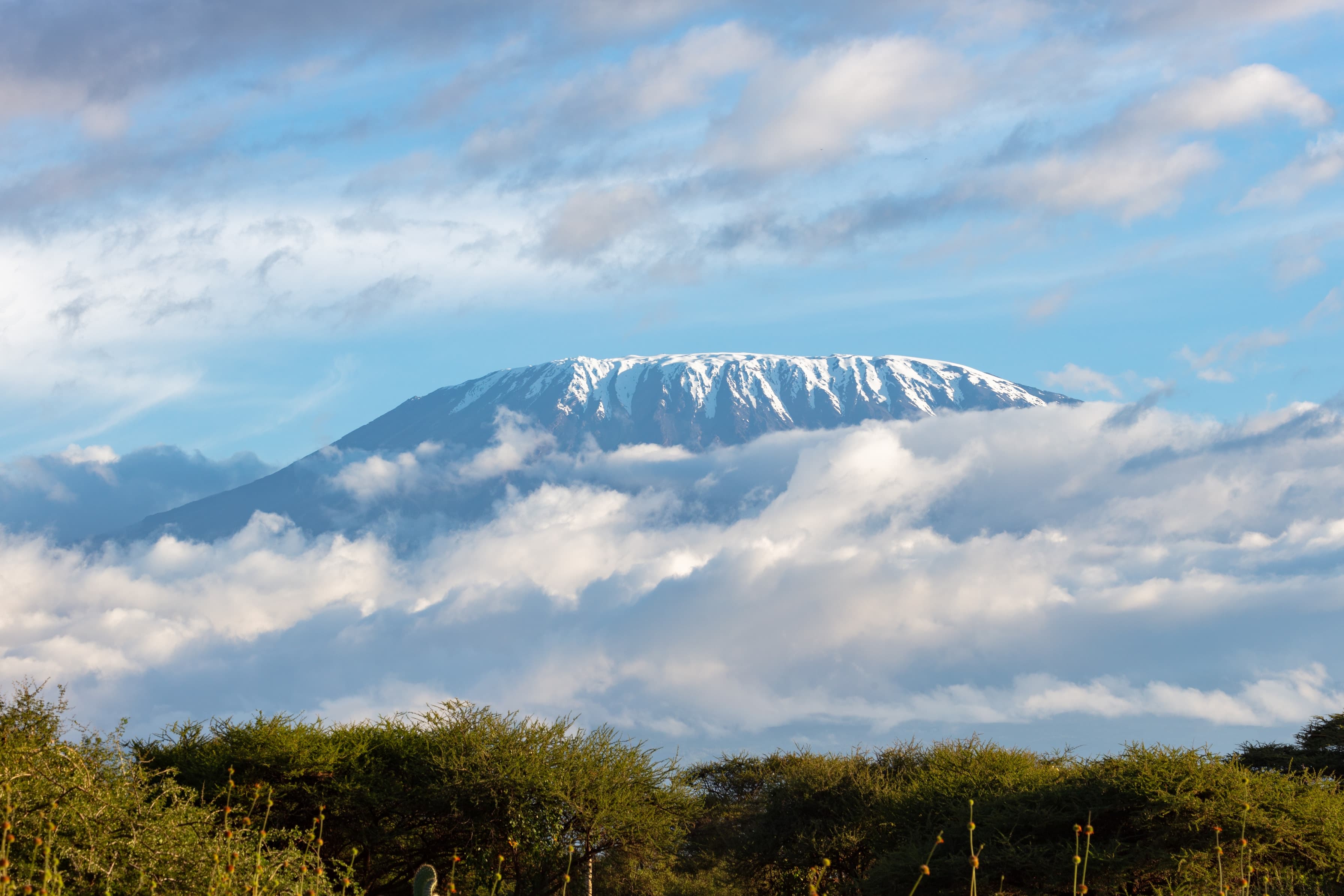
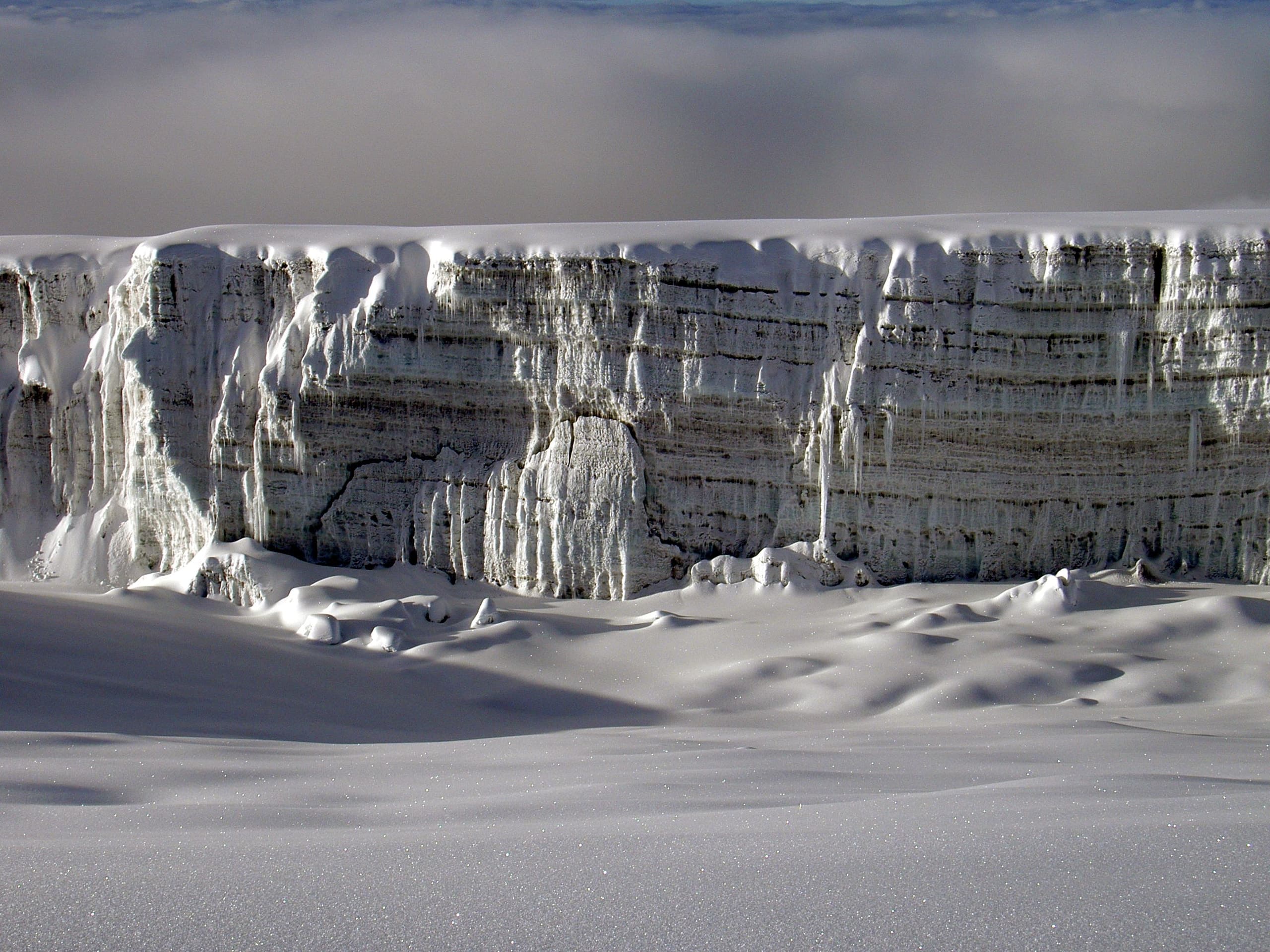
Yes, as separate parts of one trip. Our six Kilimanjaro treks run from 6 to 9 days, and TANAPA advises allowing acclimatisation days rather than the shortest possible ascent.
Can I add Zanzibar to a safari?
Yes: five journeys in our catalogue include Zanzibar. One Tanzanian visa covers both the mainland and Zanzibar. How you travel to the island and how many nights you spend there are confirmed with us for each journey.