
5 Days Upper-Midrange Tarangire, Serengeti, Ngorongoro & Lake Manyara Safari
Big Time pick
Tarangire · Serengeti · Ngorongoro · Lake Manyara
Accommodation is in lodges.
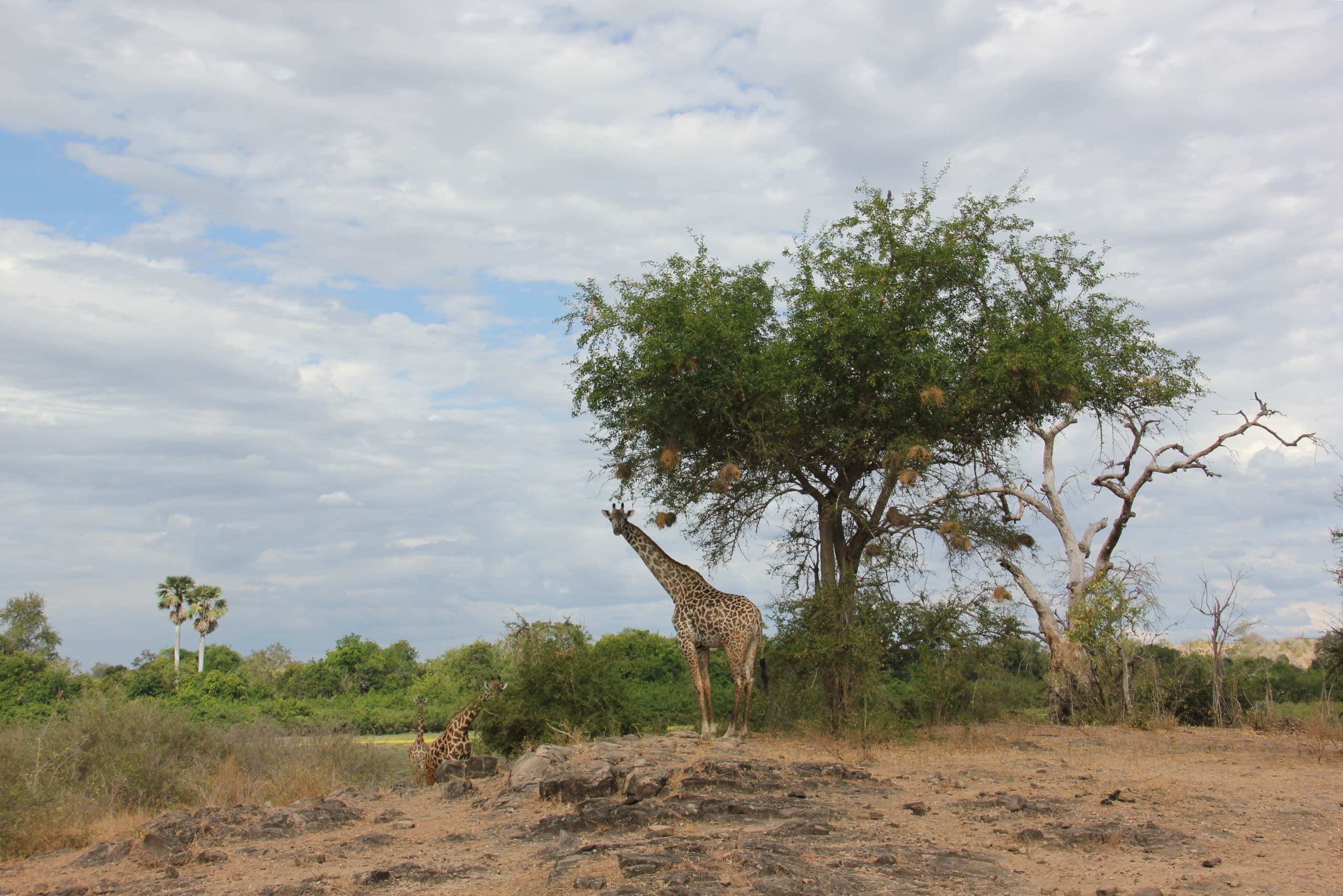
Tanzania · Midrange
A 9-day midrange safari in southern Tanzania through Nyerere, Mikumi and Ruaha. Accommodation is in lodges.
Price
Price on request
Places as named in the journey title. Nights in each are set out in your itinerary.
Starts in Dar es Salaam · finishes in Ruaha National Park
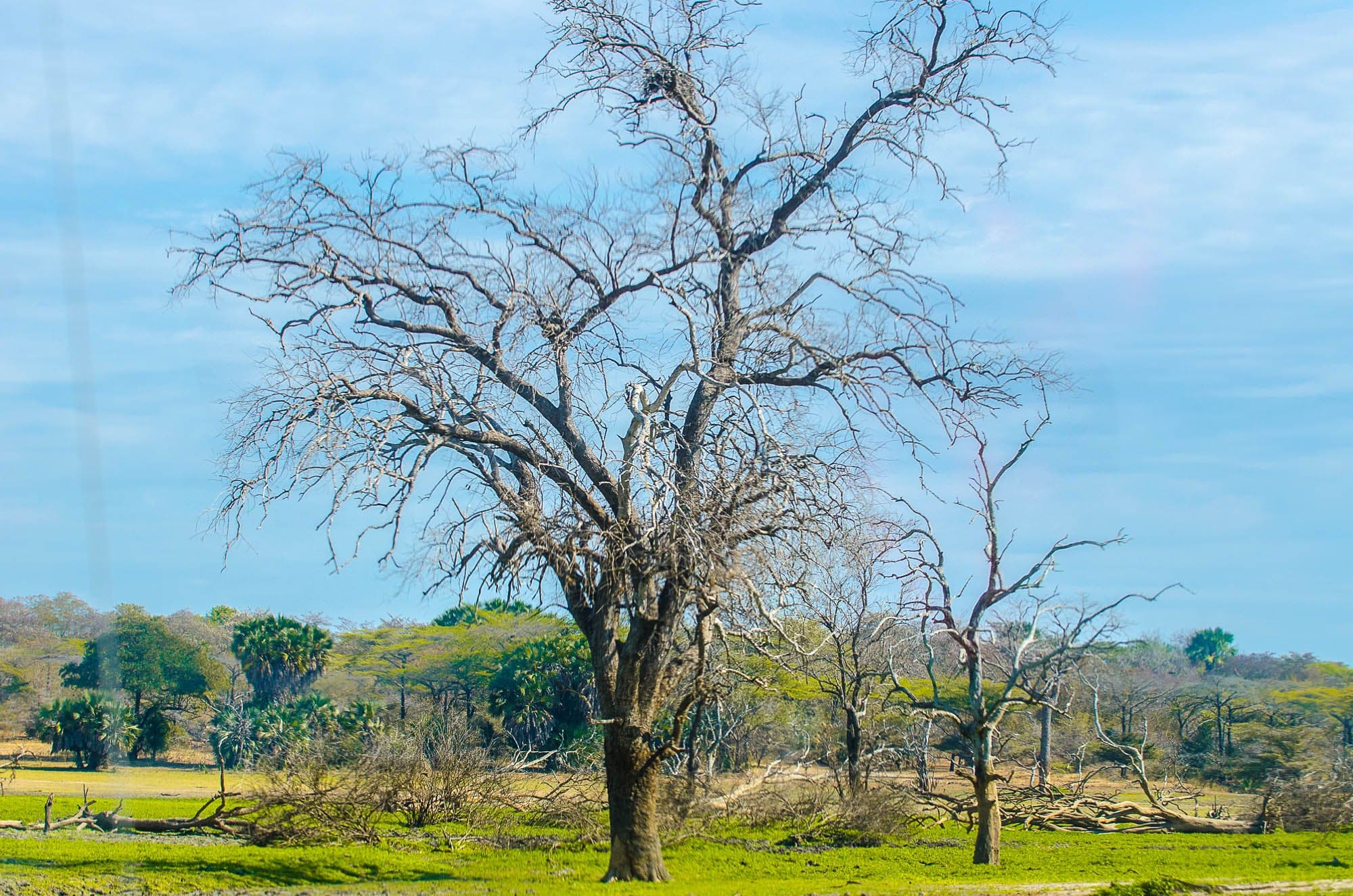
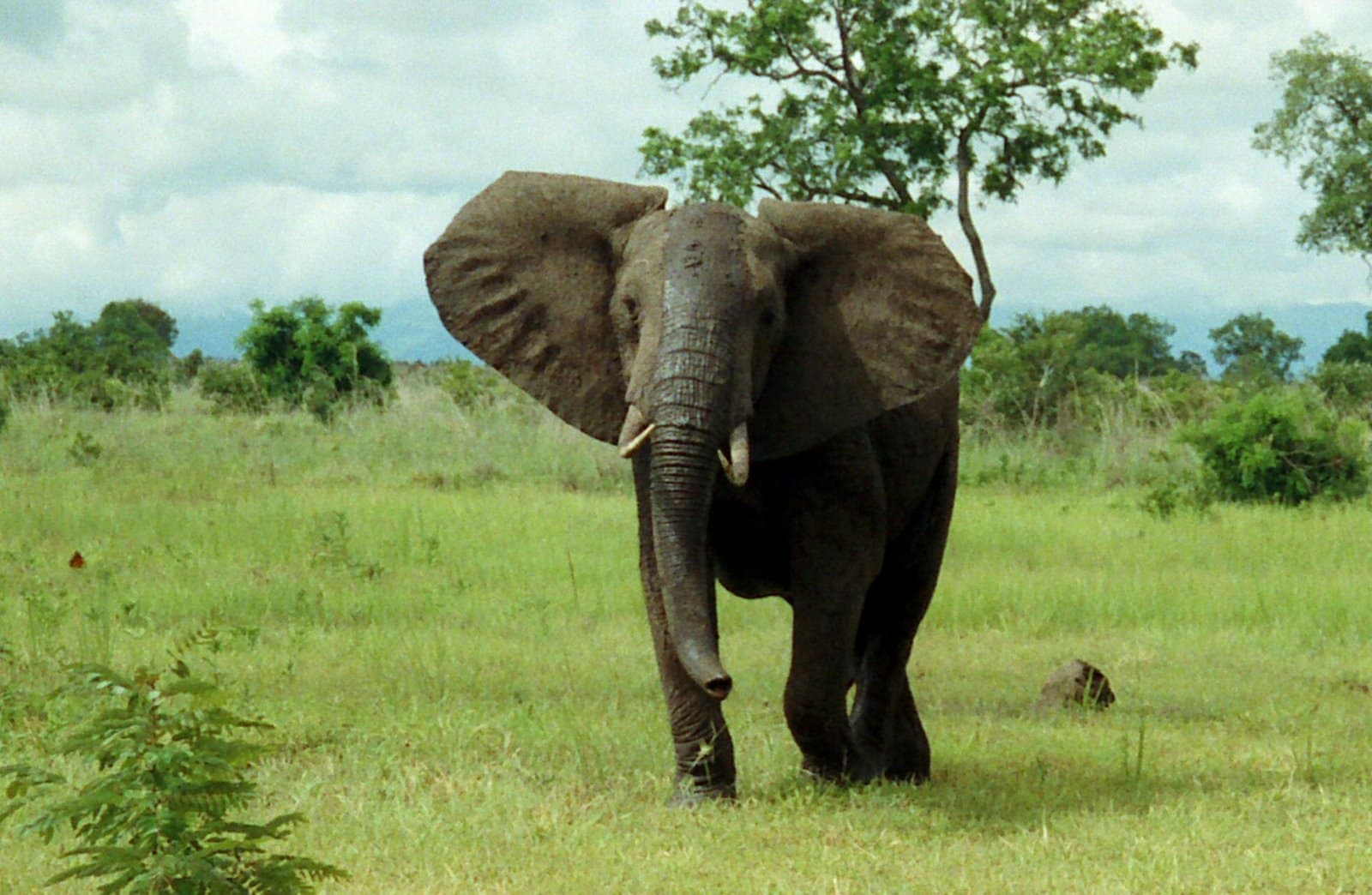
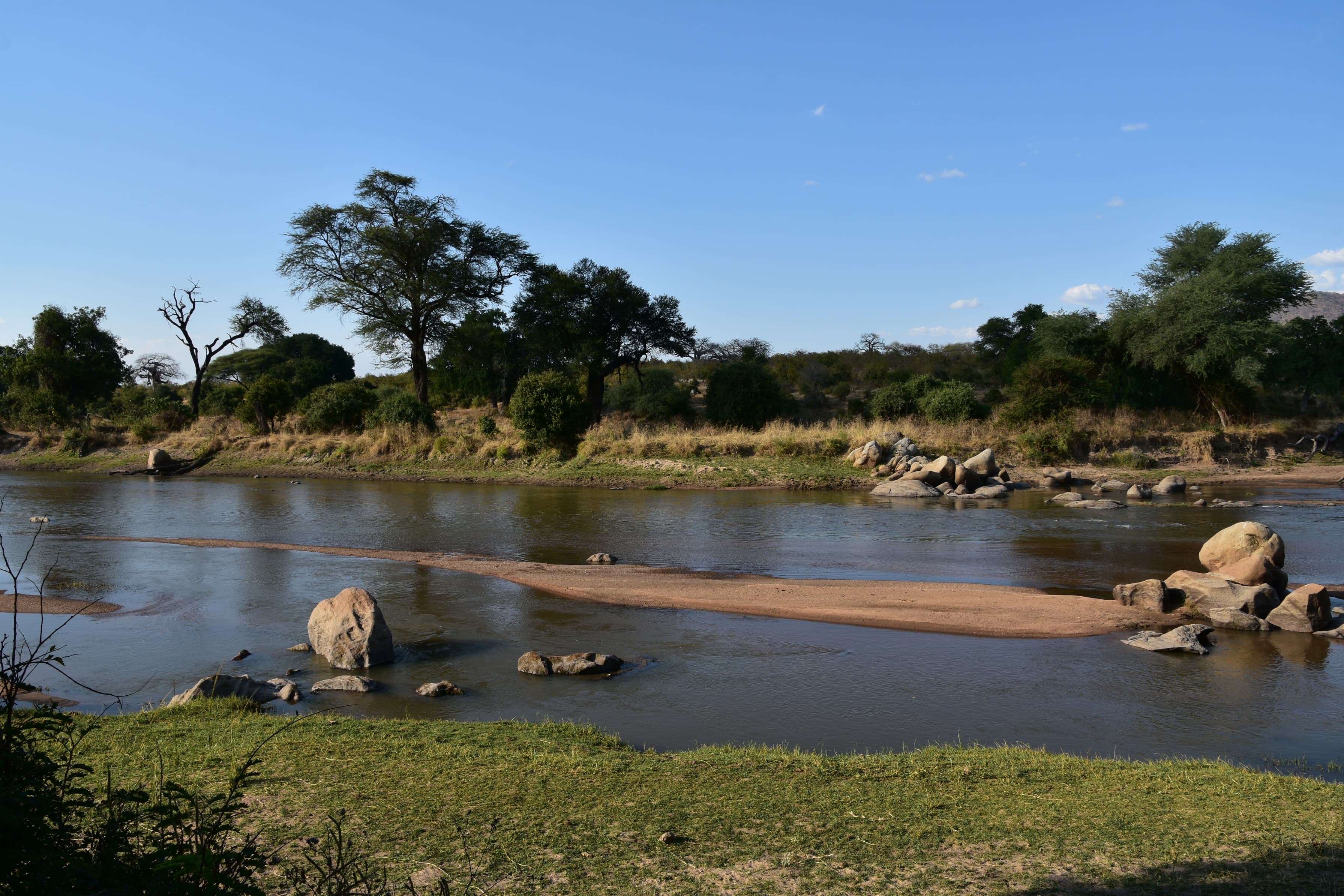
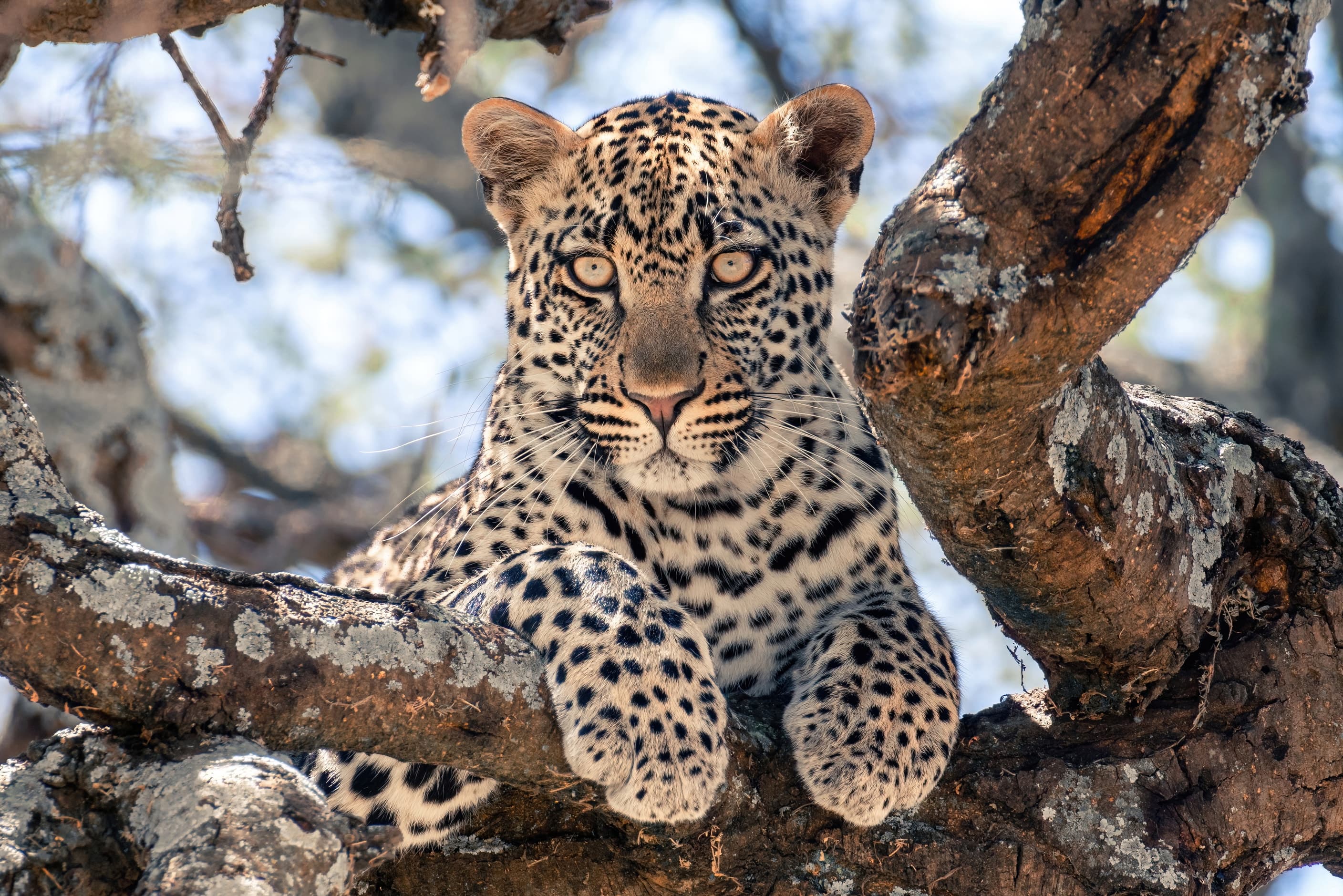
The route, days and named stays are as planned. What is included at each stop, from food, park fees and drinking water to room types, permits and border arrangements, and any camp or lodge not named here, is set out in your written quotation. Game drives on travel days depend on arrival and departure times, timings can change with road and park conditions, and wildlife sightings are never guaranteed. Photographs illustrate each day’s destination; they are not pictures of a particular departure.
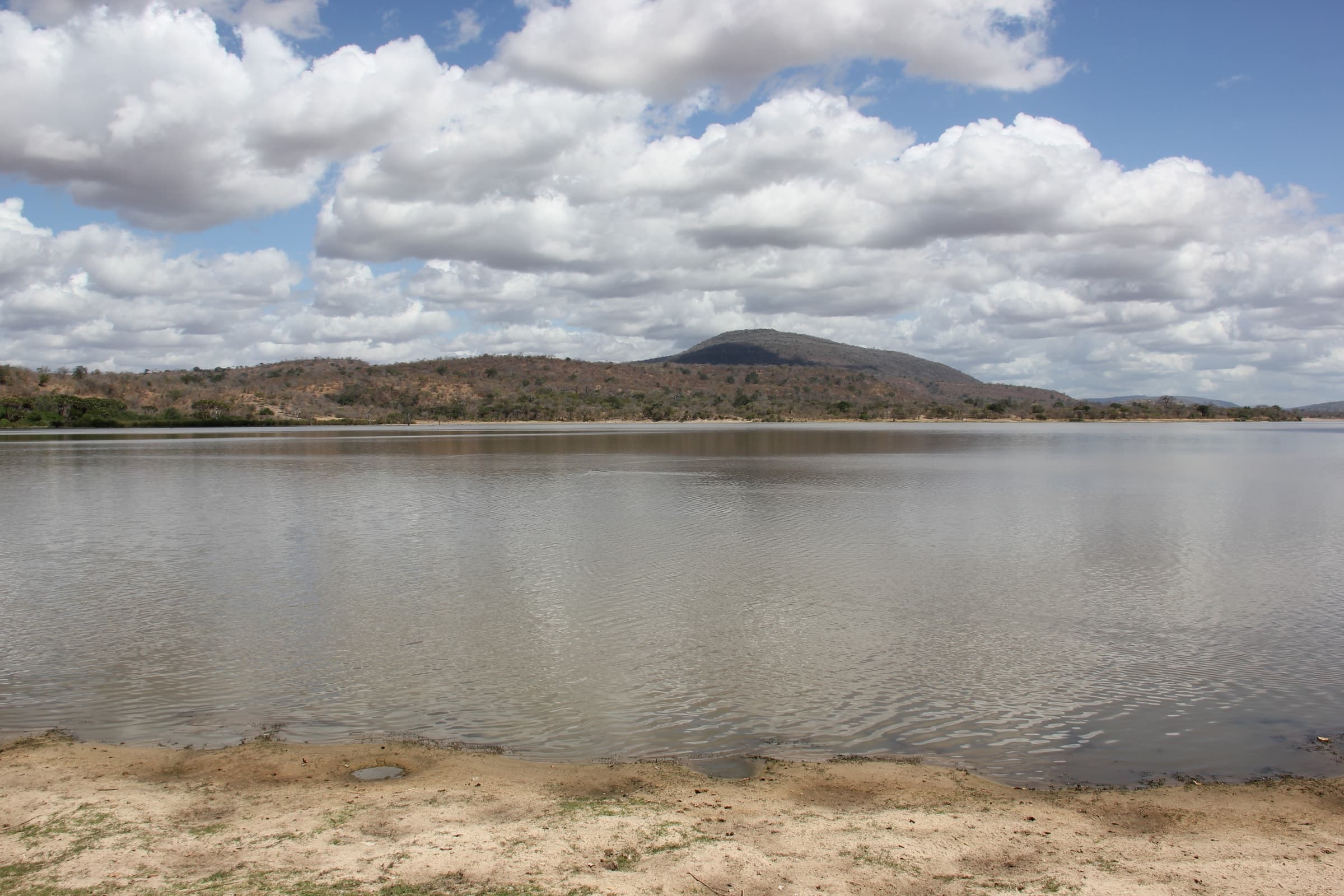
Dar es Salaam → Nyerere
The journey begins with the road from Dar es Salaam to Nyerere National Park, which TANAPA describes as reached through Kibiti and Utete. Nyerere protects immense miombo woodland, floodplains and the braided channels of the Rufiji River, and lions, elephants, buffalo, hippos and crocodiles all thrive here. Arriving in the afternoon, a first drive in the park, where time allows, gives a sense of its scale and of how much of it is water.
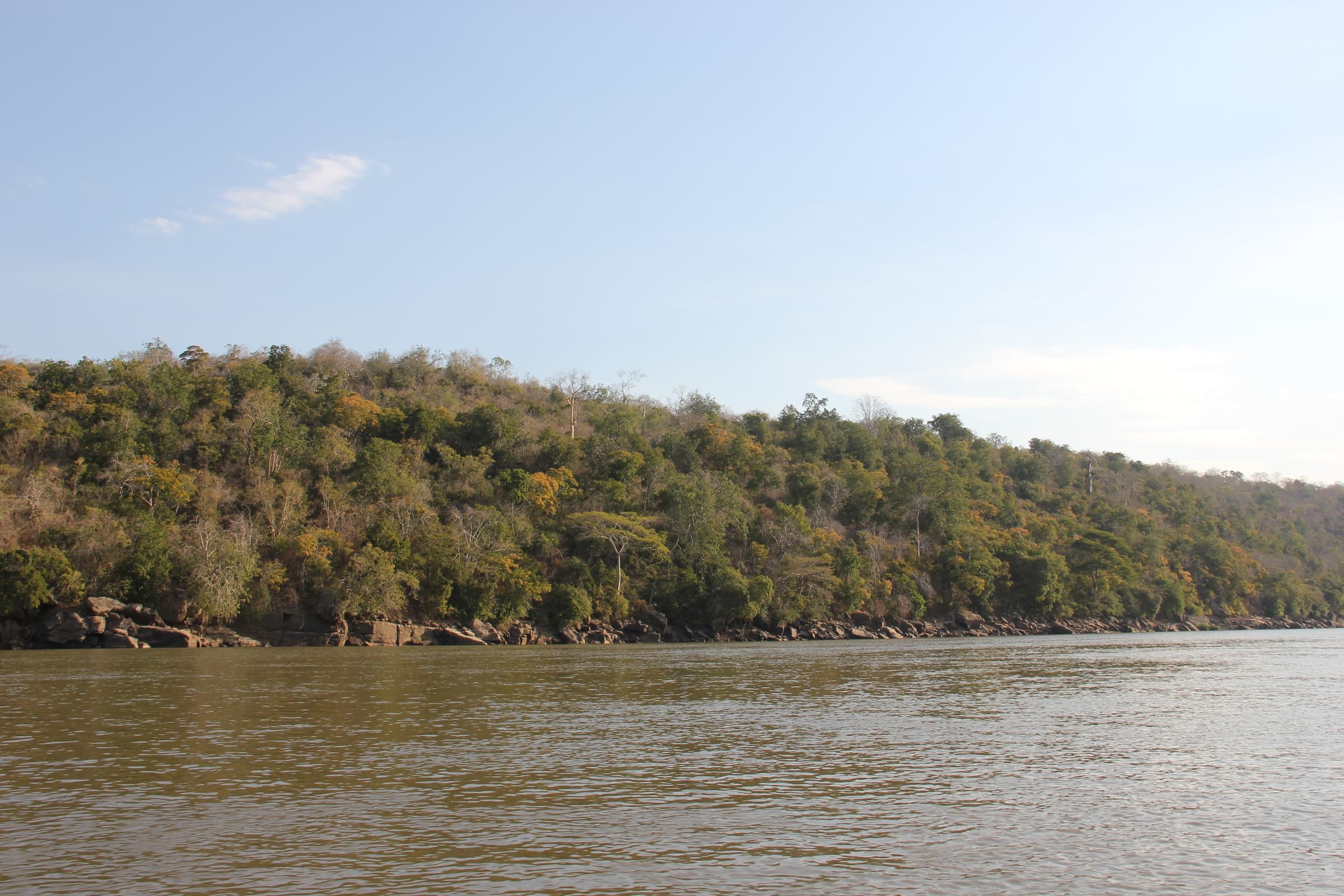
Nyerere
What sets Nyerere apart, says TANAPA, is how it can be explored: by boat along the river, on ranger-escorted walks, and on classic game drives. Whether a boat safari is part of this journey is set out in your quotation; on the river, TANAPA asks visitors to wear a lifejacket and keep their arms inside the boat as they drift past hippos and crocodiles. The river’s lakes and channels host birds all year, from fish eagles and skimmers to bee-eaters and kingfishers.
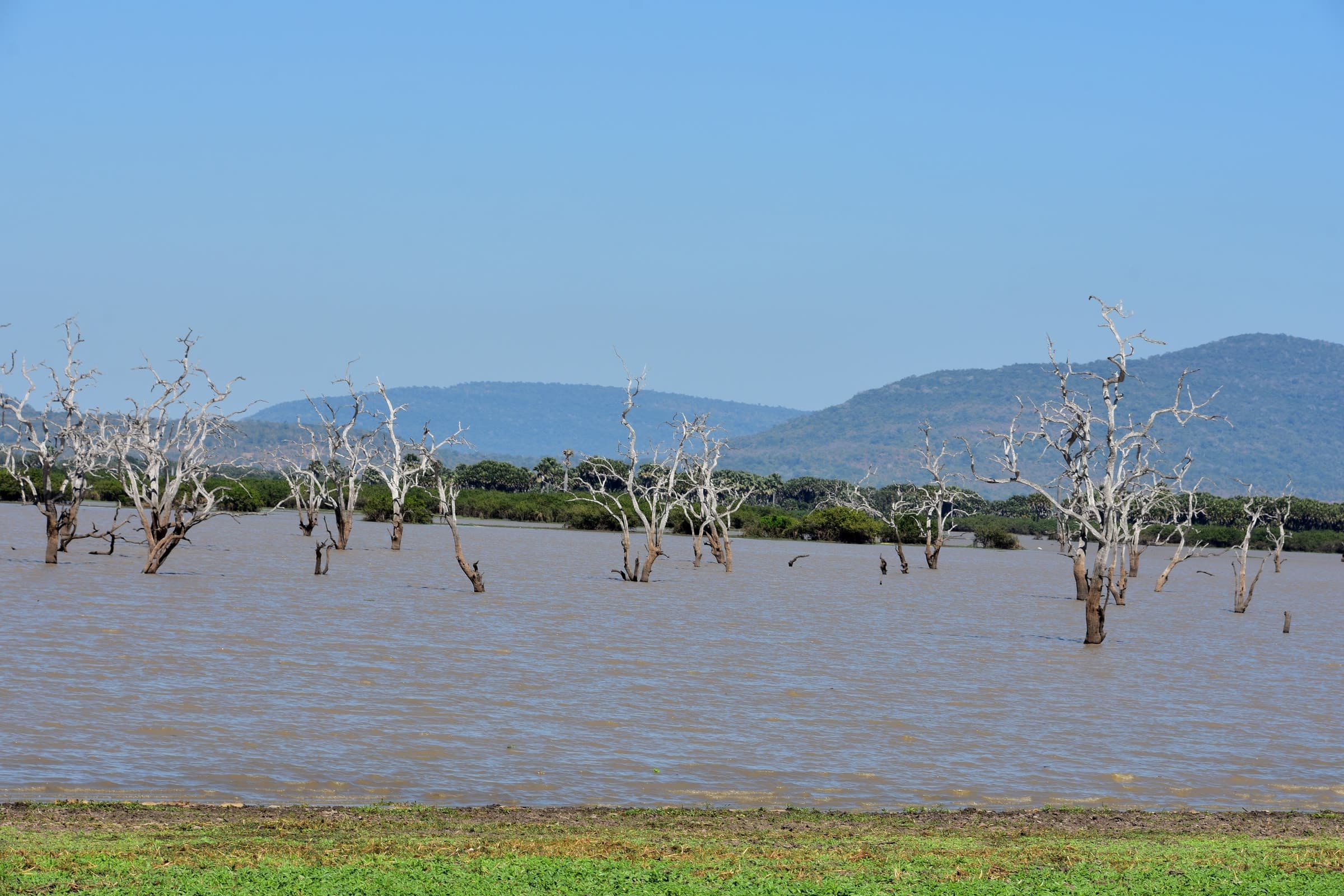
Nyerere
TANAPA counts Nyerere among the best places in Africa to look for African wild dogs, and a full day of drives through the miombo woodland and floodplains gives time to search for them, along with the park’s lions and elephants. Wild dogs range widely and sightings depend on luck, but even without them, a day in this vast park is a chance to see how much ground it covers. In the wet season, check river levels and road conditions.
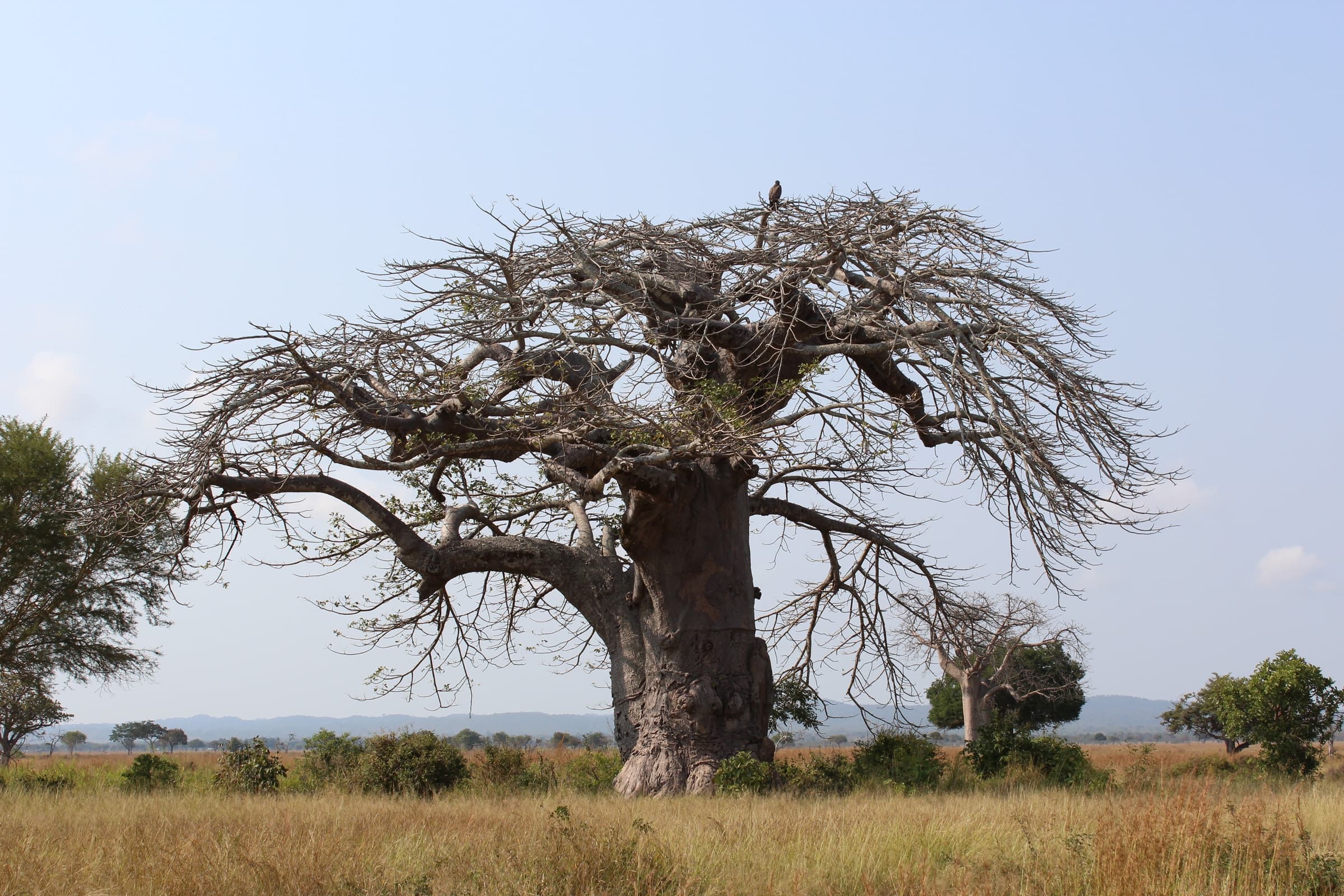
Nyerere → Mikumi
Leaving Nyerere, the journey heads west to Mikumi National Park, which lies on the A7 highway from Dar es Salaam via Morogoro and is one of Tanzania’s most accessible parks. Mikumi is part of the greater Selous–Niassa ecosystem, and its corridors link wildlife across southern Tanzania, so the two parks are connected by more than the road. Arriving in the afternoon, a first drive on the Mkata floodplain may be possible, often with elephants or buffalo in view.
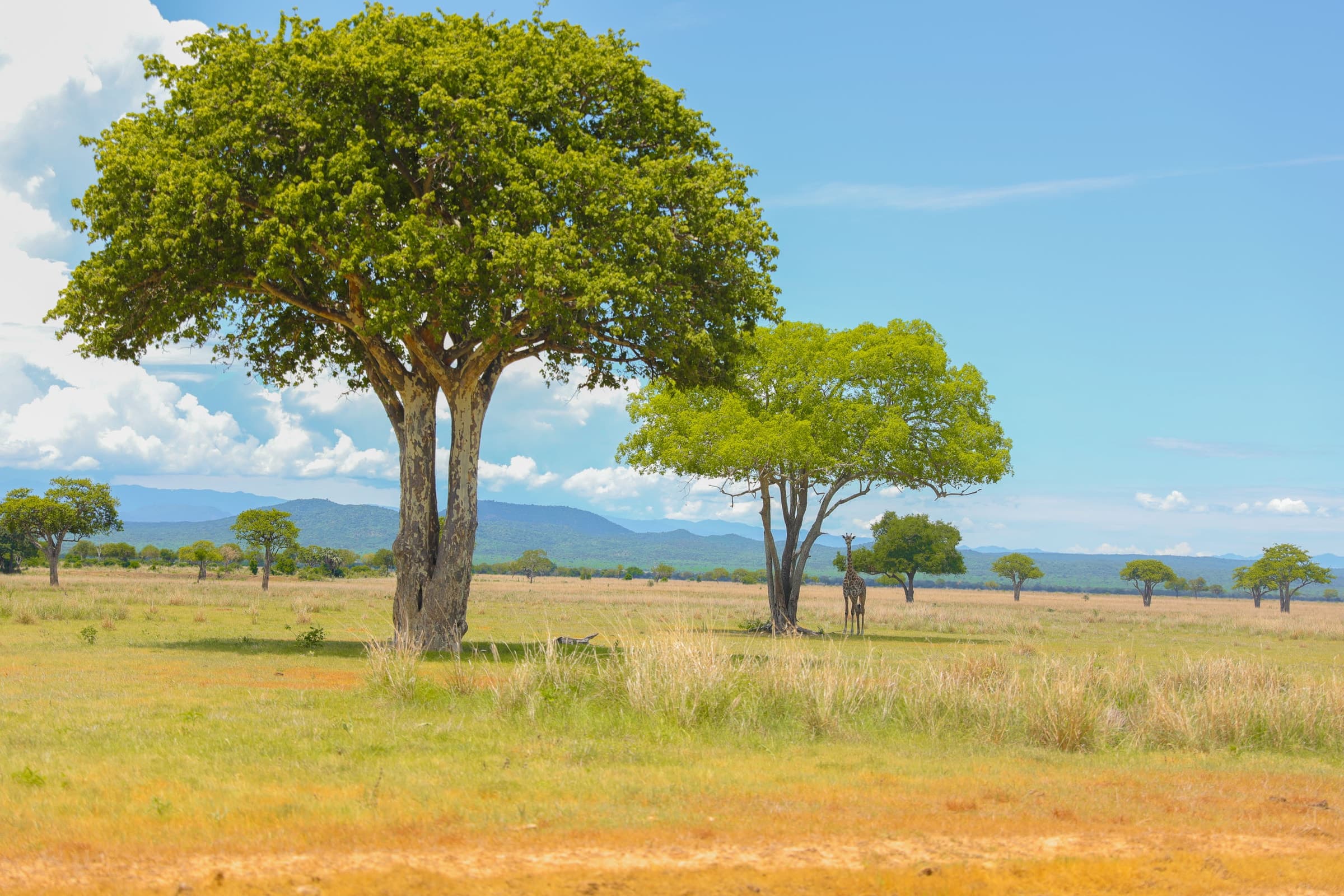
Mikumi
A full day in Mikumi is spent on its wide savannahs and seasonal pans, where elephants, lions, buffalo, zebra, wildebeest, giraffe and hippos are often close to the main circuit. The Mkata floodplain is prime ground for elephants, lions and buffalo, while the acacia woodland and pans host rollers, bee-eaters, hornbills and eagles. In the dry season, June to October, wildlife concentrates on the floodplain; the green season brings dramatic skies and good birding.
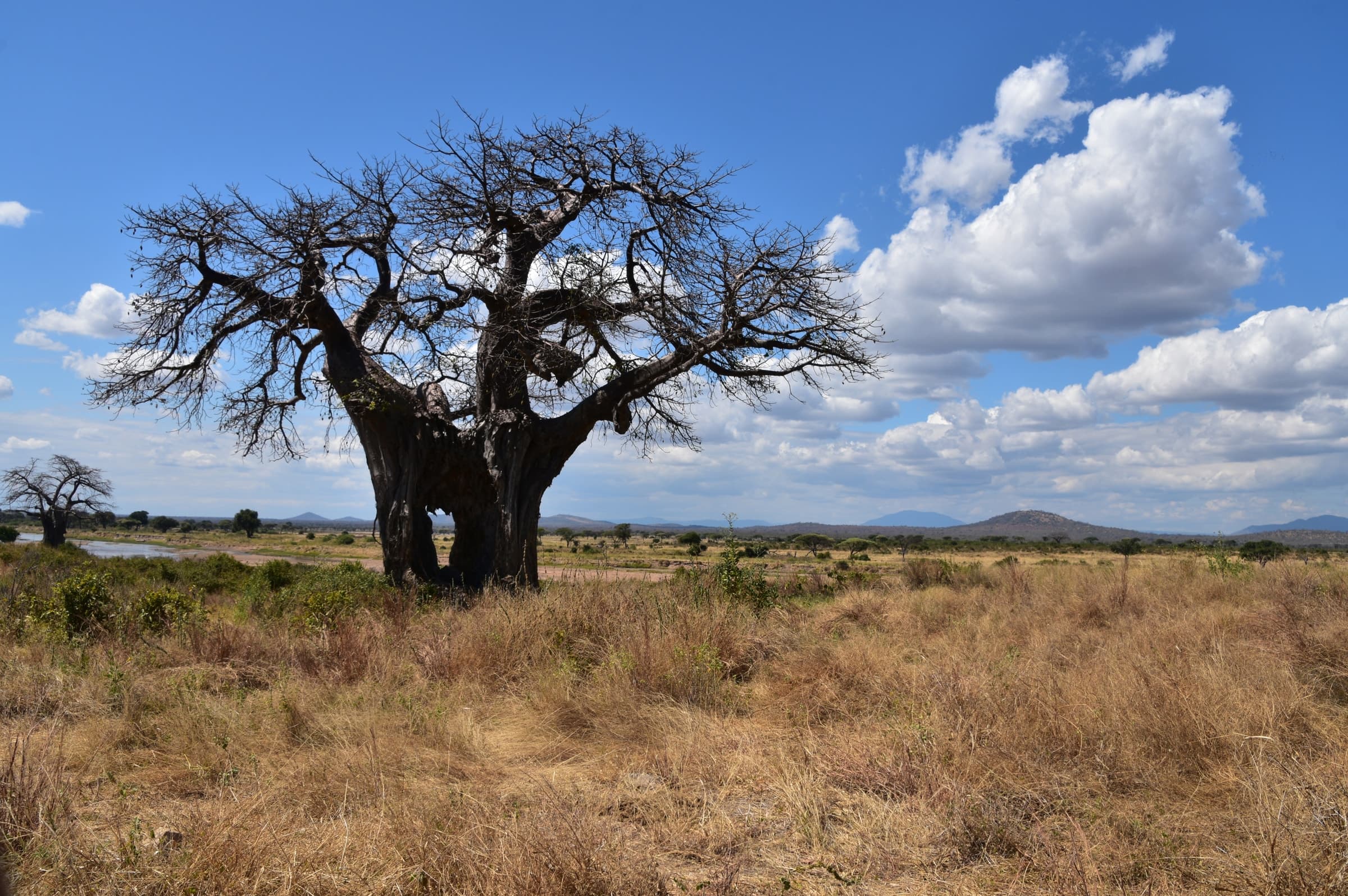
Mikumi → Ruaha
Today is a long travelling day, from Mikumi west through Iringa to Ruaha National Park, which TANAPA describes as reached by road via Tungamalenga. Ruaha is one of Tanzania’s great wilderness areas, and the second-largest national park in the country. Arriving later in the day, the night is spent at a lodge in the park; TANAPA notes that camps and lodges are found around the Mwagusi, Mdonya and Jongomero areas.
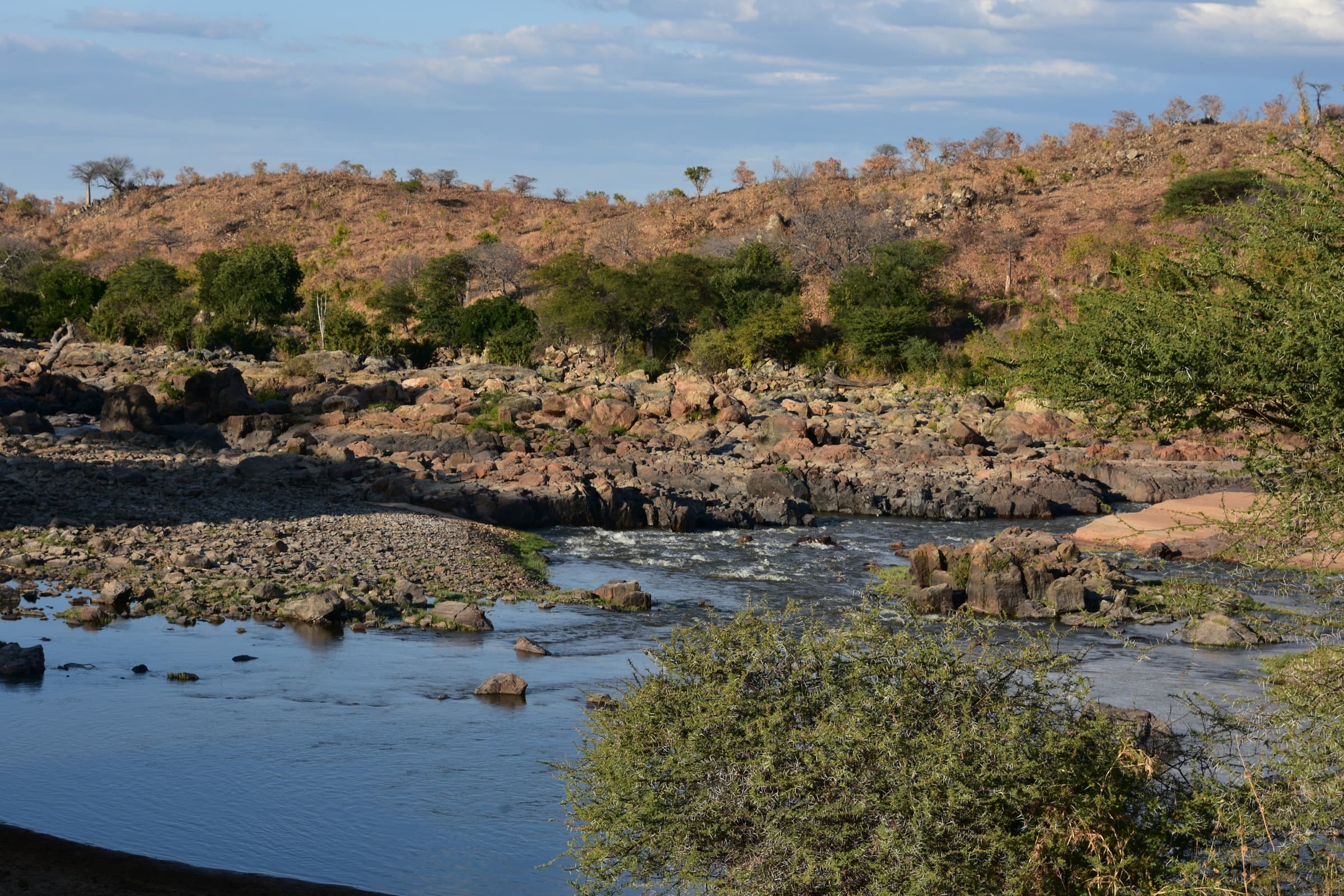
Ruaha
The Great Ruaha River is the life of the park, patrolled by massive crocodiles and drawing animals to drink. A full day of game drives along the river and across the surrounding wilderness looks for Ruaha’s vast buffalo herds and its elephants, lions and leopards. With 574 bird species recorded, birdlife is a constant presence. In the wet season, expect muddy sections and rising rivers, which TANAPA notes make a four-wheel-drive vehicle advisable.
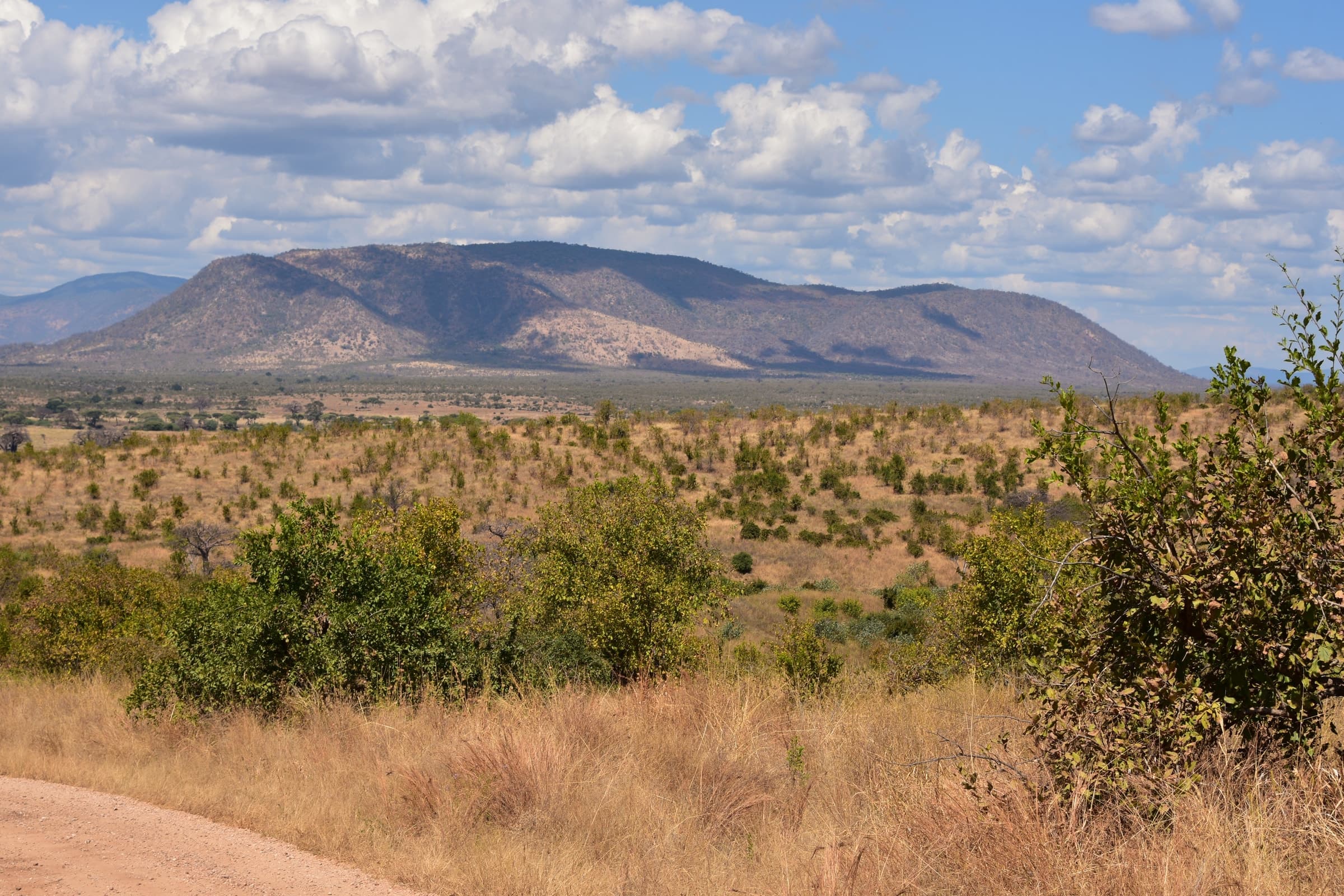
Ruaha
In Ruaha both greater and lesser kudu can be seen, and TANAPA notes that the park marks the southernmost limit of the lesser kudu’s range in Africa. A second full day in the park gives time to look for both, and to explore further from the river. June to October are the peak months here. A long stay in a park this size, one of Tanzania’s great wilderness areas, leaves room to explore well beyond the river.
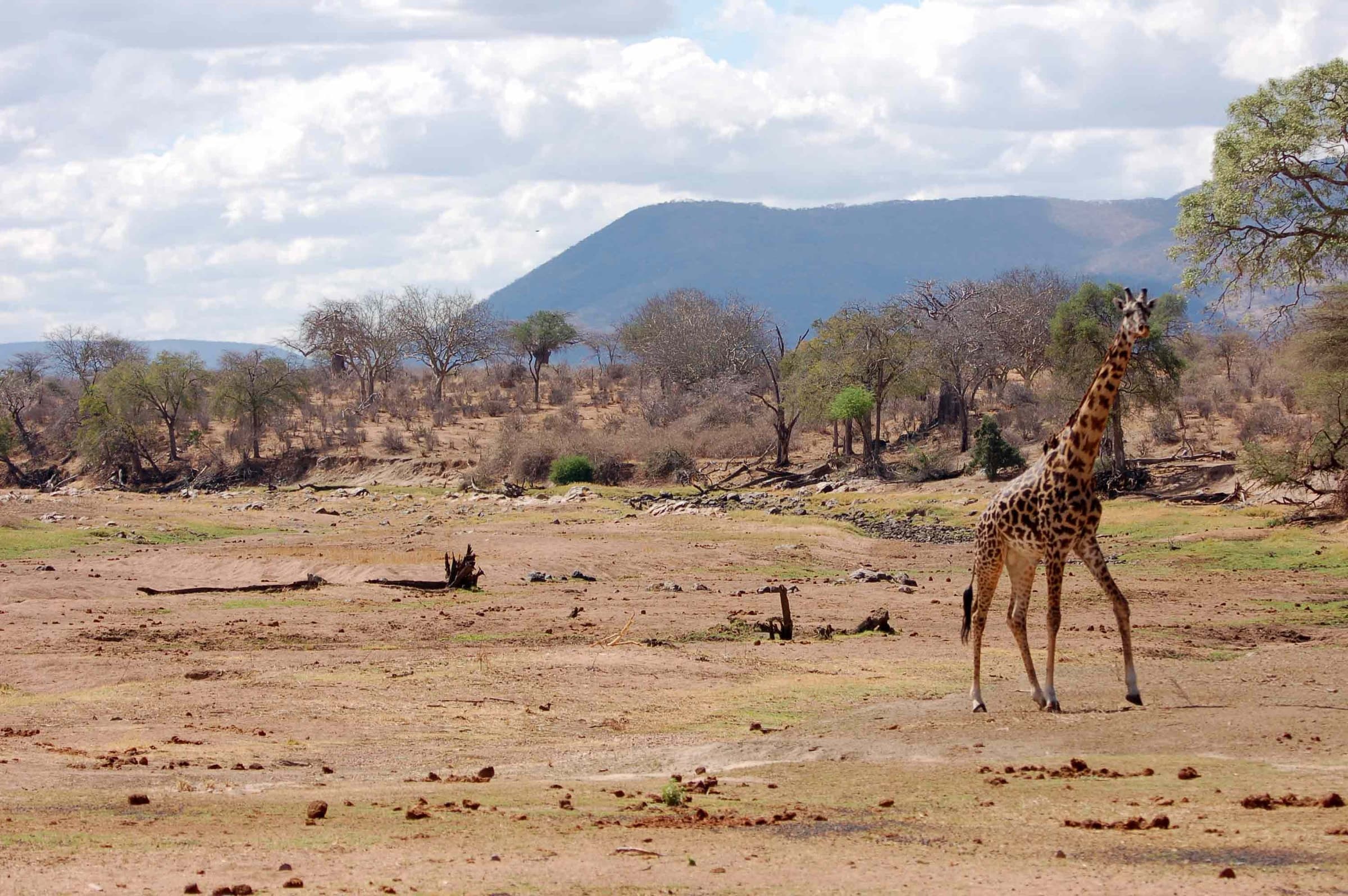
Ruaha
The final day begins with a last morning in Ruaha, where the approved plan for this journey ends. How you travel on from the park has not yet been confirmed: TANAPA notes that Ruaha is served by scheduled and charter flights to Msembe and Jongomero airstrips, and by road via Iringa, and your quotation will set out the onward arrangement. Over nine days the safari has crossed southern Tanzania, from the Rufiji River’s channels and wild dogs to the Mkata floodplain and the crocodiles and kudu of the Great Ruaha.
Like the shape of these days? Tell us your dates and who is travelling, and our team will set out the stays, meals and inclusions in a written quotation.
Overnight at the lodge. The camp or lodge is discussed with you during planning and confirmed with your itinerary, subject to availability. How accommodation works on our safaris
Big Time pick
Tarangire · Serengeti · Ngorongoro · Lake Manyara
Accommodation is in lodges.
Big Time pick
Tanzania
A 7-day midrange safari on the northern Tanzania circuit.
Tell us your dates, who is travelling and anything you would like to change. Our team will tell you what this journey can include.