9 Days Southern Tanzania Safari - Nyerere, Mikumi & Ruaha
Nyerere · Mikumi · Ruaha
Accommodation is in lodges.
Created from part of the great Selous landscape: a park of rivers, lakes and miombo woodland, and one of Africa’s key strongholds for wild dogs.
Nyerere in our Tanzania guide, with the places around it.
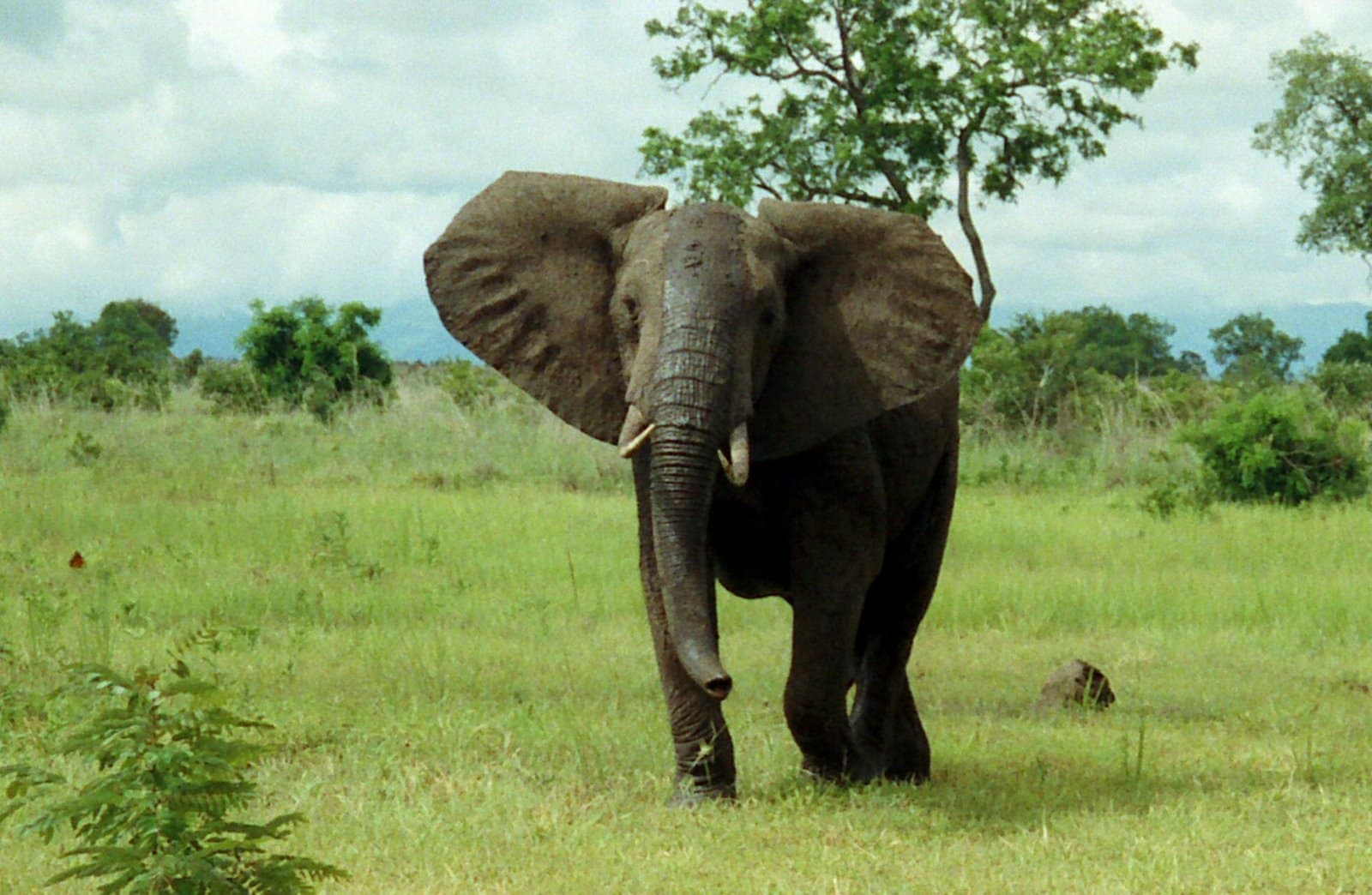
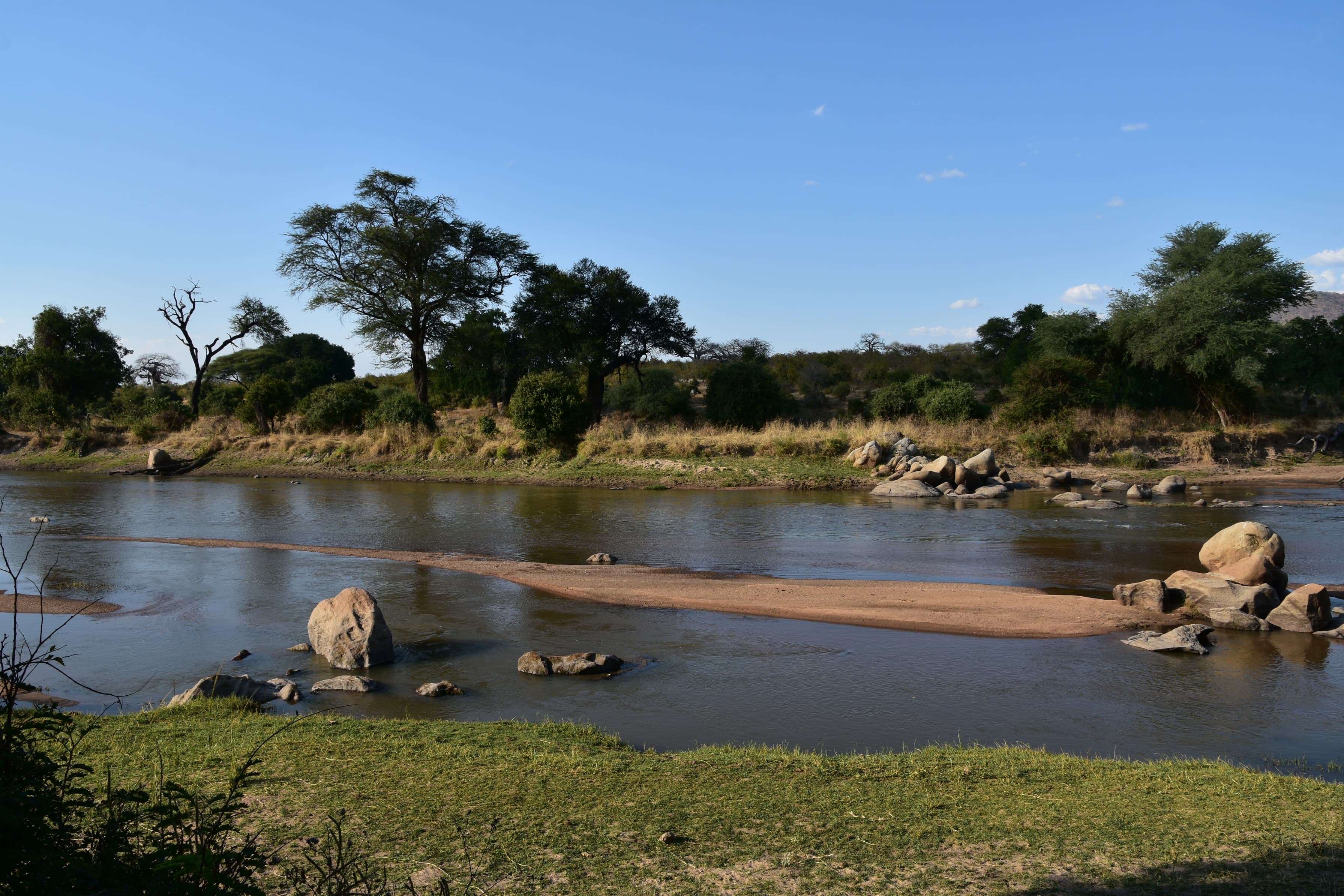
Carved from the legendary Selous landscape, Nyerere protects immense miombo woodland, floodplains and the braided channels of the Rufiji River, which TANAPA calls one of East Africa’s last great wild river systems. Lions, elephants, buffalo, hippos and crocodiles thrive here, often along the riverbanks, and TANAPA counts the park among the best places in Africa to look for African wild dogs, alongside leopards and hyenas.
What sets it apart is how you can explore it: by boat along the river, on foot with an authorised guide, and on classic game drives, with the best light in the early morning and late afternoon. Anti-poaching patrols, collaring and research support the park’s elephants and one of Africa’s key strongholds for wild dogs, and the park works with local communities to share the benefits of tourism.
The Rufiji’s lakes and channels host superb birdlife all year, from fish eagles and skimmers to bee-eaters and kingfishers. TANAPA describes protecting the floodplains, oxbow lakes and channels as vital for fisheries, waterbirds and the livelihoods that depend on them. Boat safaris operate under river-use and safety guidelines: wear a lifejacket and keep your arms and legs inside the boat.
Wildlife moves freely and sightings are never guaranteed.
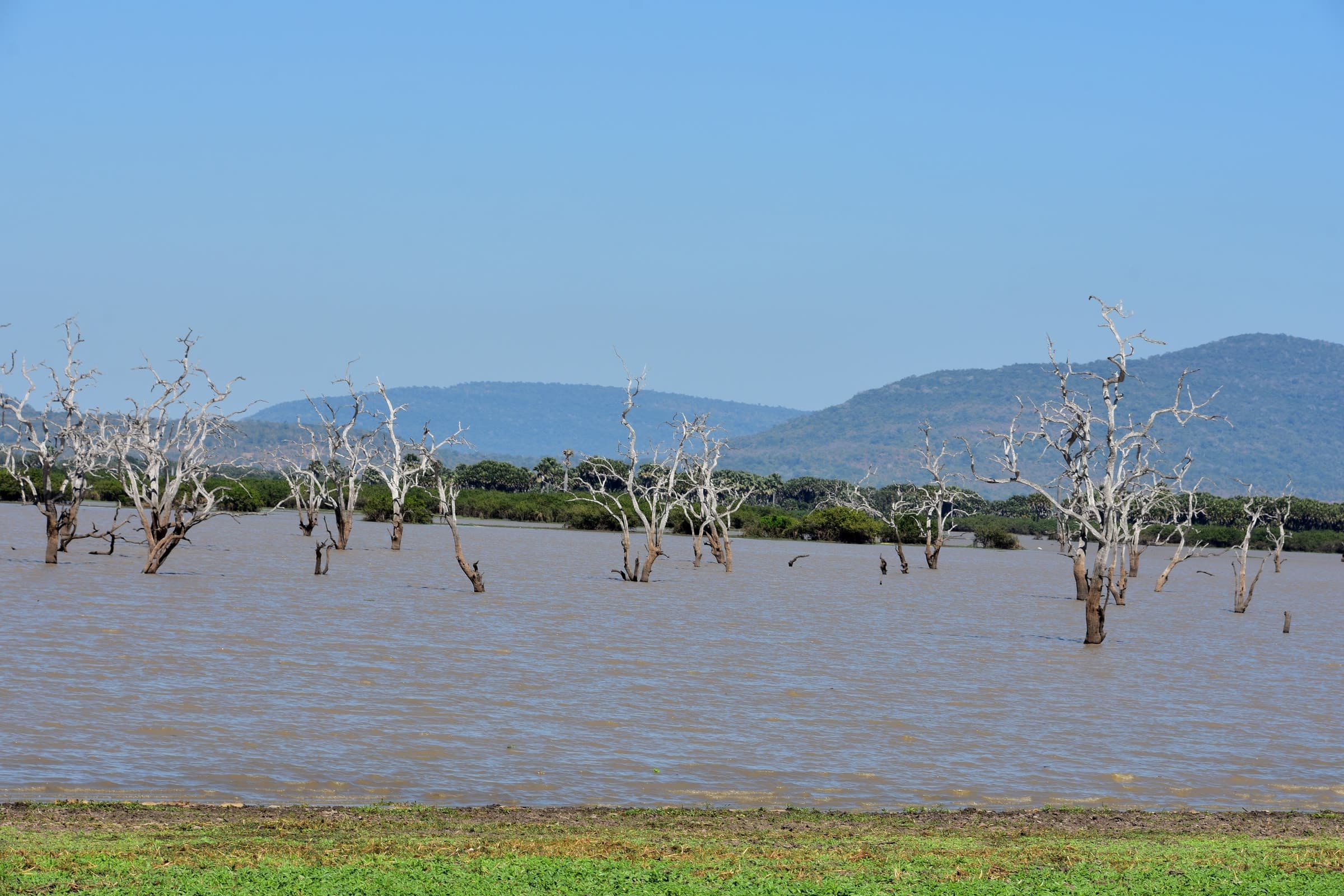
Drifting past hippos and crocodiles on the Rufiji.
On foot through the miombo; pre-booking and permits required.
Plains and woodland at dawn and dusk.
The park is reached by road from Dar es Salaam through Kibiti and Utete, or from Morogoro and Ifakara, depending on the gate, and four-wheel drive is recommended, especially in the rains. Scheduled and charter flights serve airstrips such as Mtemere and Kiba. Accommodation ranges from special and public campsites to partner lodges and tented camps along the Rufiji River, which also coordinate boat and game-drive activities.
Every journey here includes Nyerere on its catalogue route.
Nyerere · Mikumi · Ruaha
Accommodation is in lodges.
Facts on this page were checked against these sources in October 2026. Park rules, fees and conditions change, so always check the latest before you travel.
Tell us when you would like to travel and who is coming, and our team will suggest safaris that include Nyerere.