5 Days Maasai Mara, Lake Nakuru & Lake Naivasha Budget Safari
Big Time pick
Maasai Mara · Lake Nakuru · Lake Naivasha
Budget nights at Miti Mingi Eco Camp (Maasai Mara), Buraha Zenoni (Lake Nakuru) and Leisure Apex (Lake Naivasha).
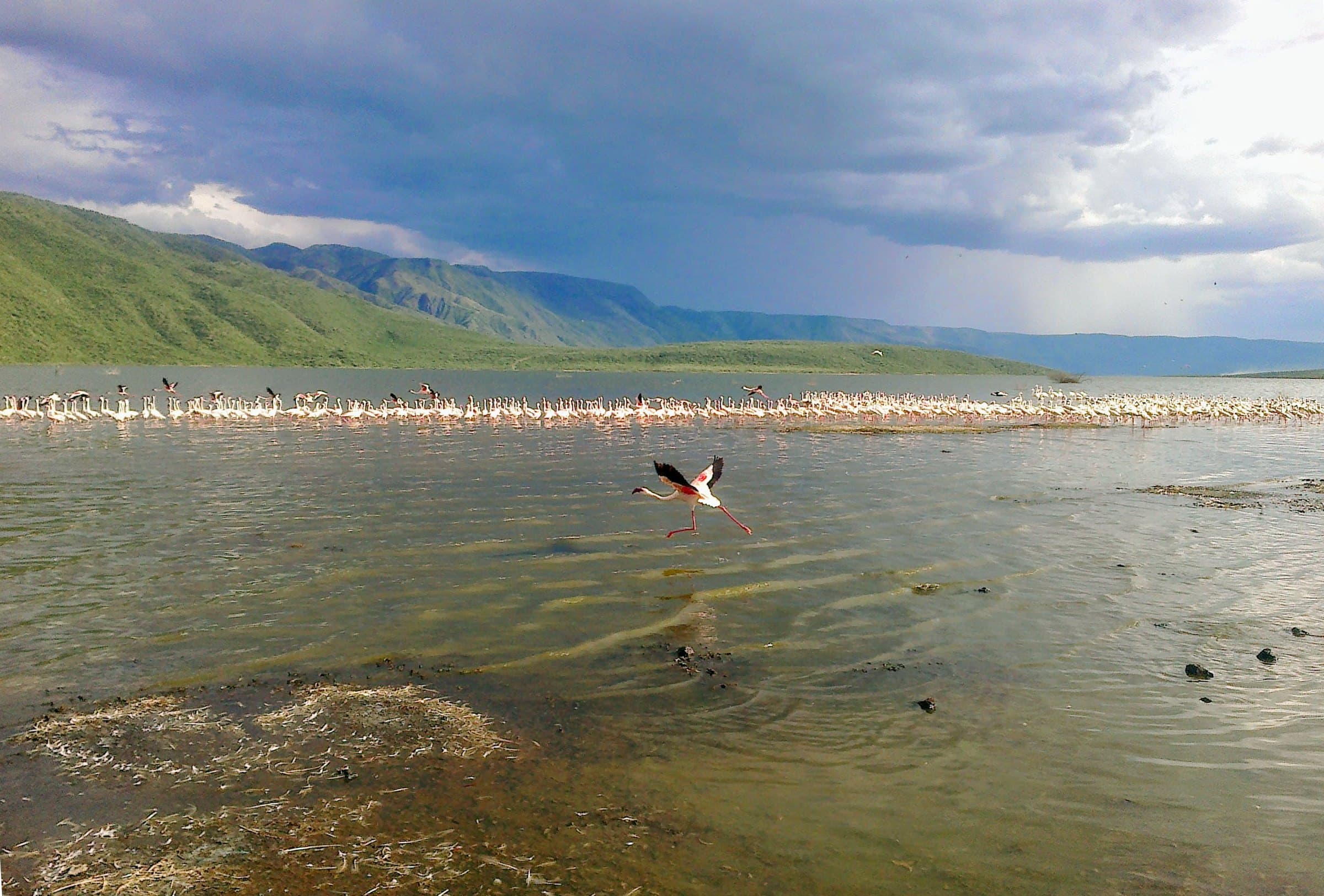
A freshwater Rift Valley lake fringed with papyrus, with hippos on its grassy shores and two Kenya Wildlife Service parks — Hell’s Gate and Mount Longonot — close by.
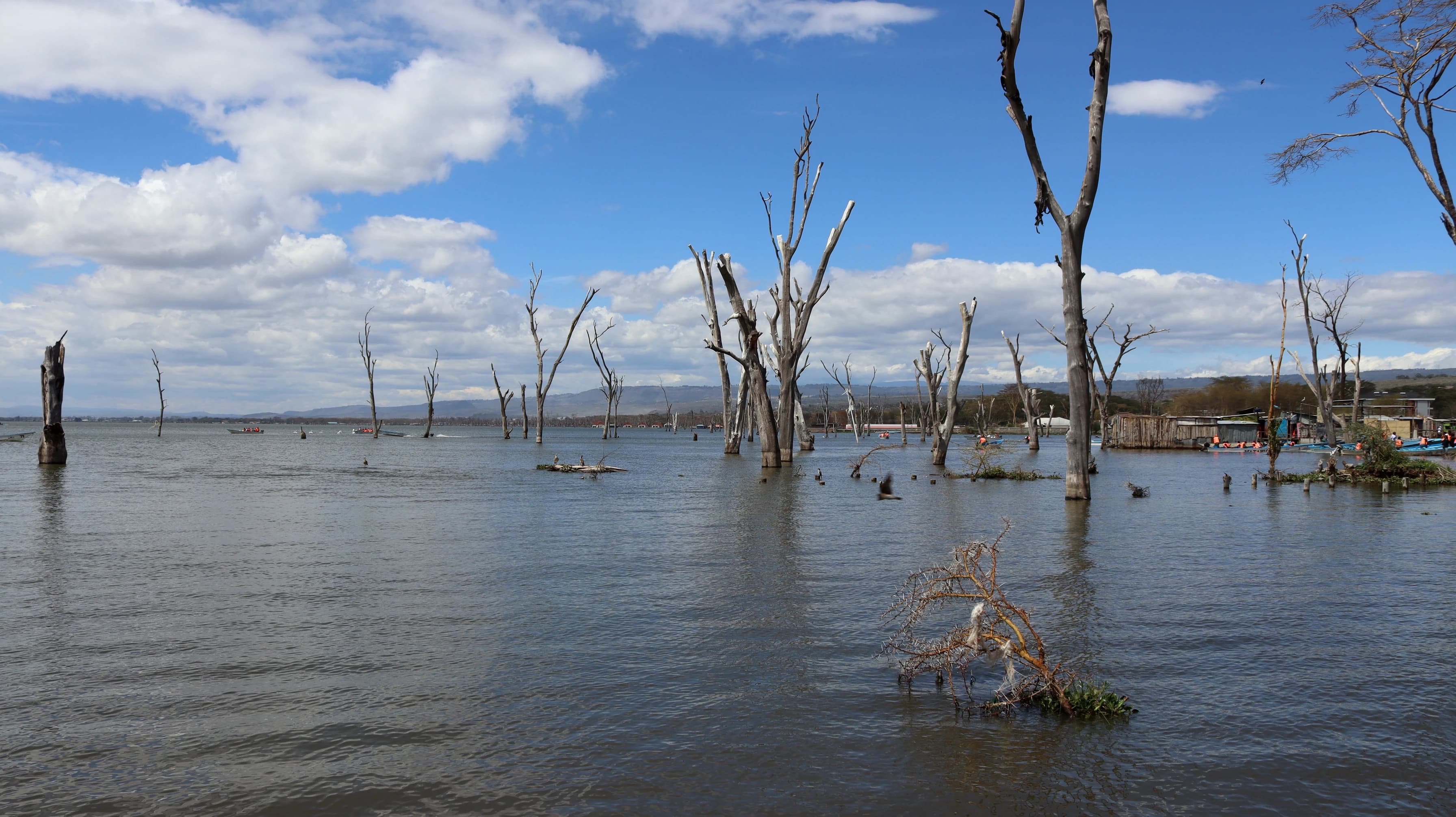
Lake Naivasha in our Kenya guide, with the places around it.
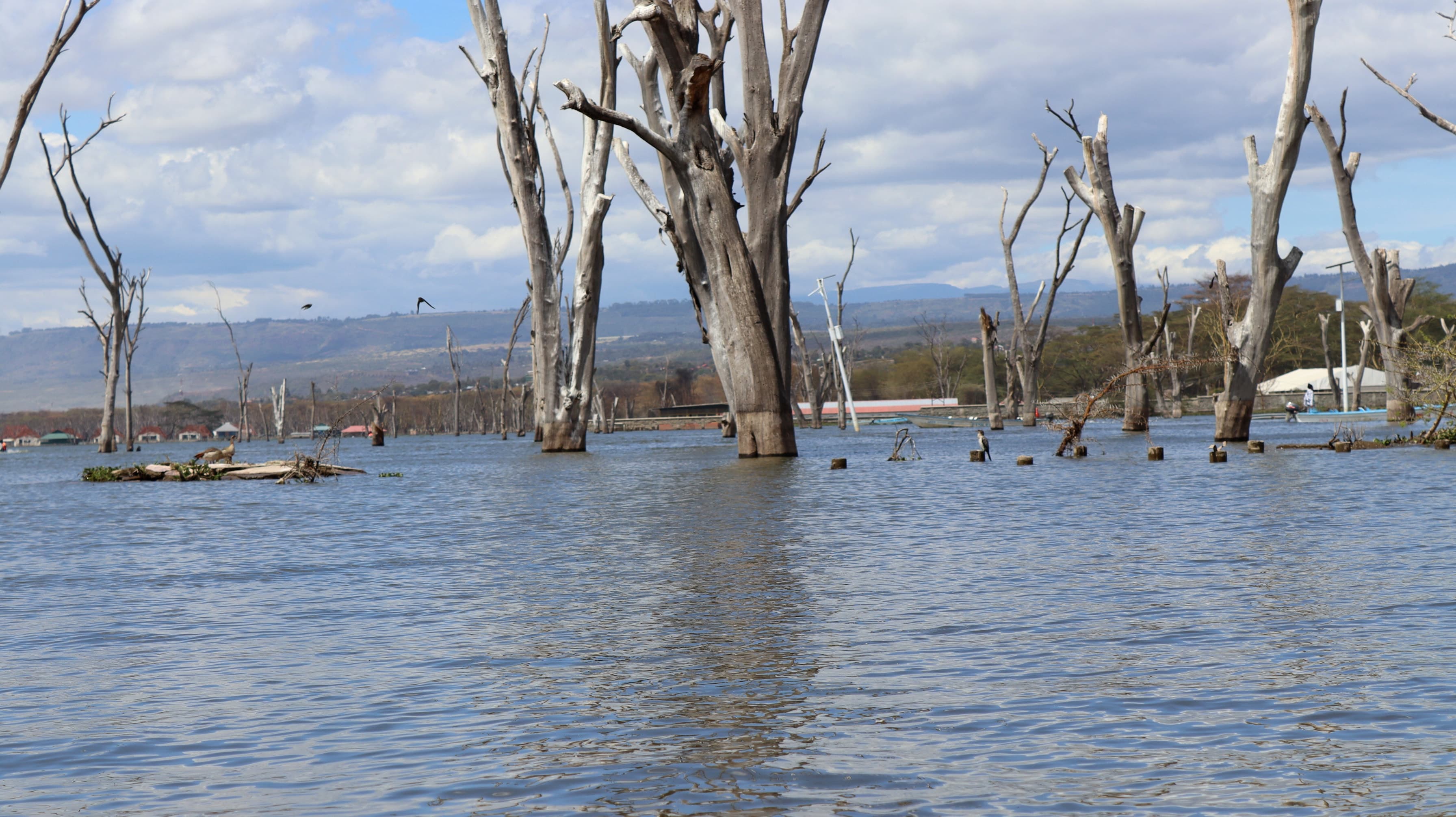
Many Rift Valley lakes are alkaline; Lake Naivasha is fresh water. The Kenya Marine and Fisheries Research Institute, which has run a research station here since 1995, describes it as a Ramsar-designated lake known for exceptional biodiversity and globally significant wetlands. Its papyrus beds, hippos and birdlife make it a gentle contrast to the parks around it, and a natural place to pause on a Rift Valley journey.
It is also the gateway to two very different national parks. Hell’s Gate, gazetted in 1984, has towering cliffs, water-gouged gorges and geothermal features on the floor of the Rift Valley, with Fischer’s Tower a favourite for rock climbing. Mount Longonot, gazetted in 1983, protects a young stratovolcano that last erupted in 1863, with a forest inside its crater and a rim that is a classic hike.
KMFRI singles out two ecosystems as internationally important: the papyrus that fringes the lake and the lakeside grassland grazed by hippos. Its scientists track water levels, papyrus cover, hippo impacts and water quality, including nutrient run-off from farms that can feed algal blooms, as part of Kenya’s obligations under the Ramsar Convention.
The lake is a working landscape too. Its fisheries, largemouth bass and several species of tilapia, are studied at the station, alongside the effects of the intensive horticulture and flower farming that dominate the catchment. That mix of wetland, farmland and wildlife is what makes Naivasha feel different from the national parks nearby, and why its management is watched so closely.
Wildlife moves freely and sightings are never guaranteed.
Kenya Wildlife Service gives July to March as the main season for its parks, Hell’s Gate and Mount Longonot included, and April to June as the low season of the long rains, when roads may need four-wheel drive and trails can be muddy. The Kenya Meteorological Department adds a second rainy season from October to December. For hikes at Hell’s Gate or on Mount Longonot, Kenya Wildlife Service asks visitors to stay on established trails and follow its park rules.
Cliffs, gorges and geothermal features on the Rift Valley floor; Fischer’s Tower is a rock-climbing favourite.
A challenging hike to sweeping views over a forested crater.
Hippos graze the grassland along the shore.
Where you stay depends on the safari and comfort level you choose. These properties are named in our catalogue for Lake Naivasha:
Lake Naivasha lies in the Rift Valley in Nakuru County, north-west of Nairobi. Hell’s Gate is reached along the A104 to Naivasha and then the Moi South Lake Road, which leads around the lake; Elsa Gate lies off that road and public transport serves it. Mount Longonot is on the Nairobi–Nakuru highway, which makes it an easy stop on the way between the capital and the lake.
Every journey here includes Lake Naivasha on its catalogue route.
Big Time pick
Maasai Mara · Lake Nakuru · Lake Naivasha
Budget nights at Miti Mingi Eco Camp (Maasai Mara), Buraha Zenoni (Lake Nakuru) and Leisure Apex (Lake Naivasha).
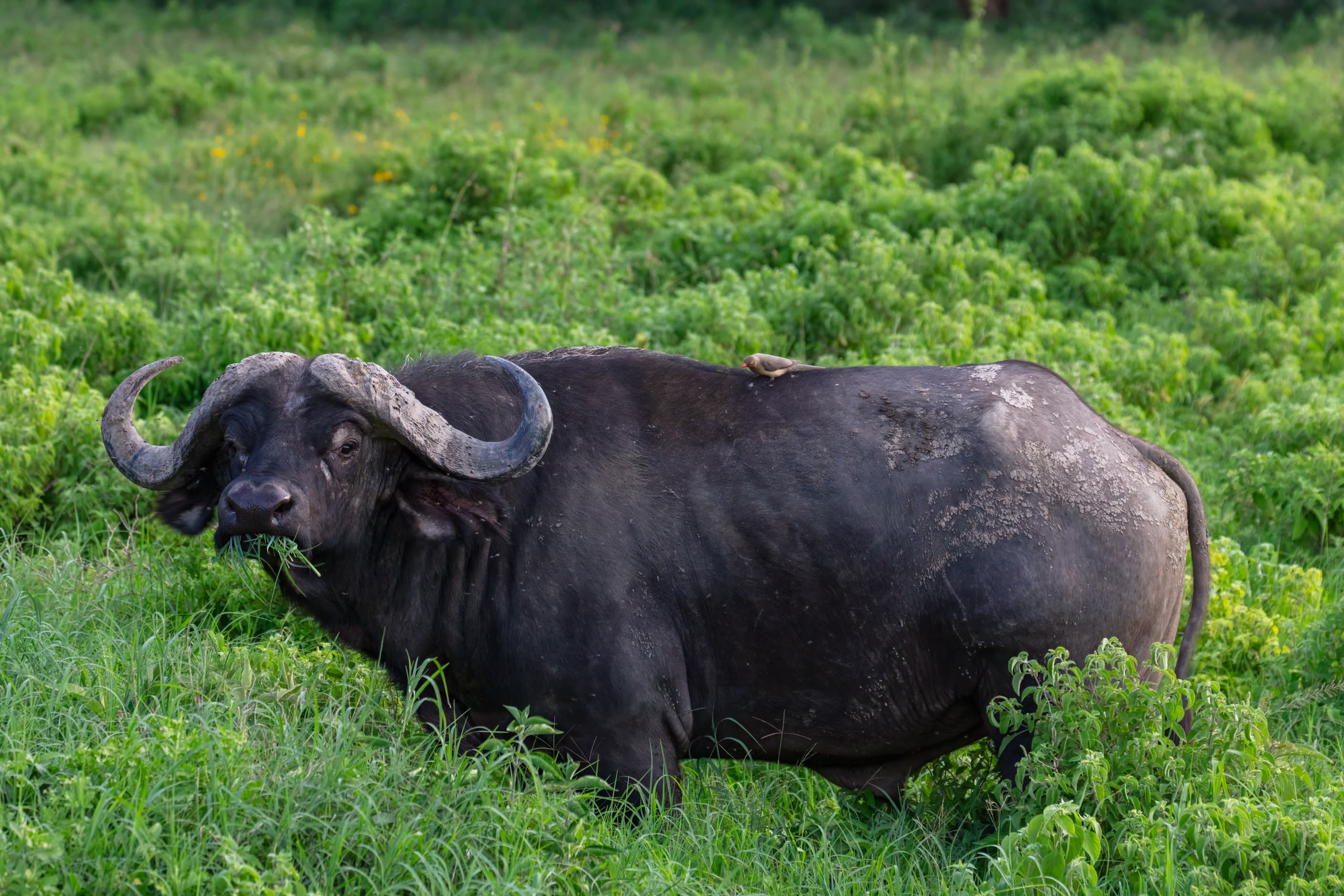
Big Time pick
Maasai Mara · Lake Nakuru · Lake Naivasha · Amboseli
Budget nights at Miti Mingi Eco Camp (Maasai Mara), Buraha Zenoni (Lake Nakuru), Leisure Apex (Lake Naivasha) and Nyati Safari Camp (Amboseli).
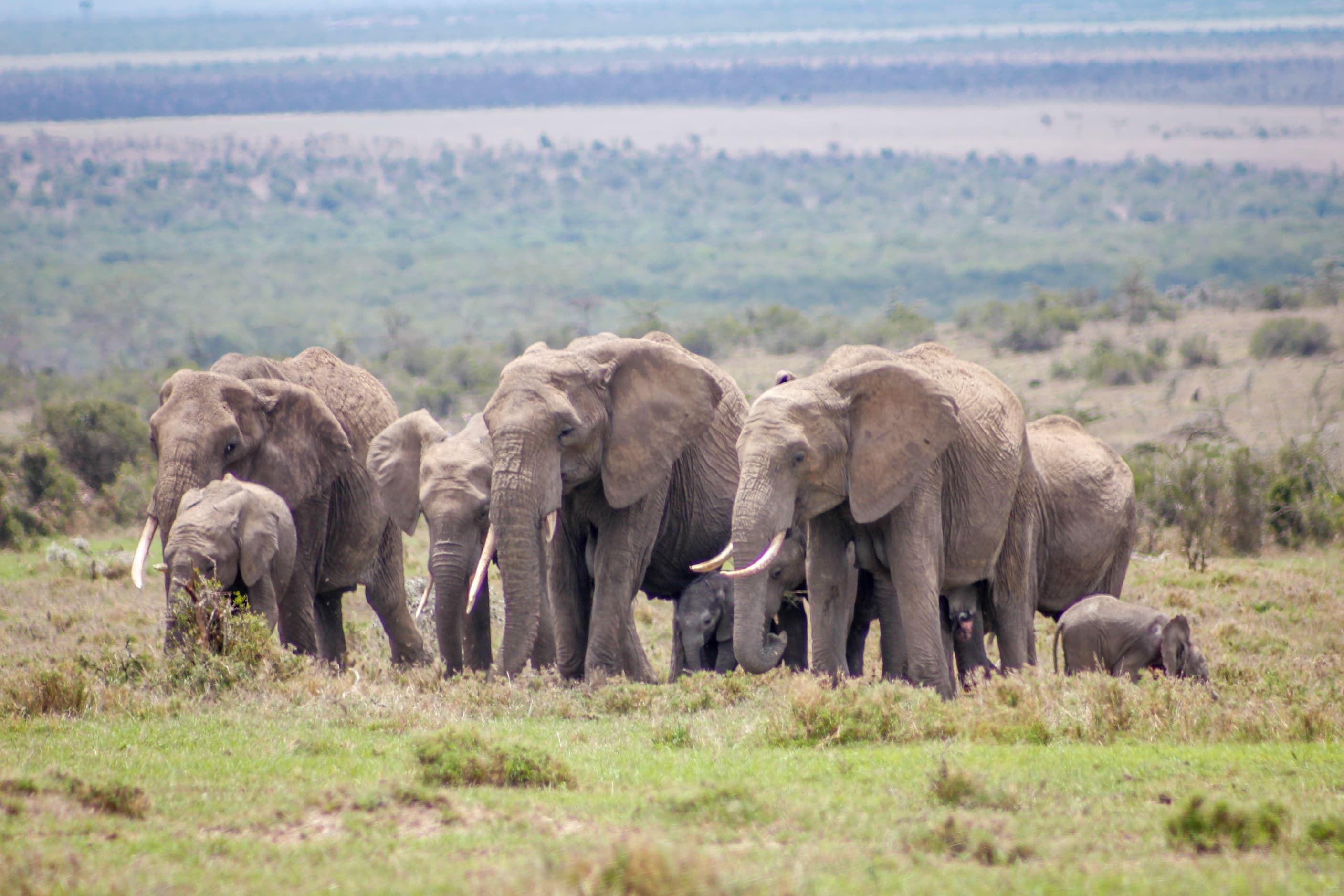
Big Time pick
Sweetwaters · Lake Nakuru · Lake Naivasha · Maasai Mara
Accommodation is in lodges.
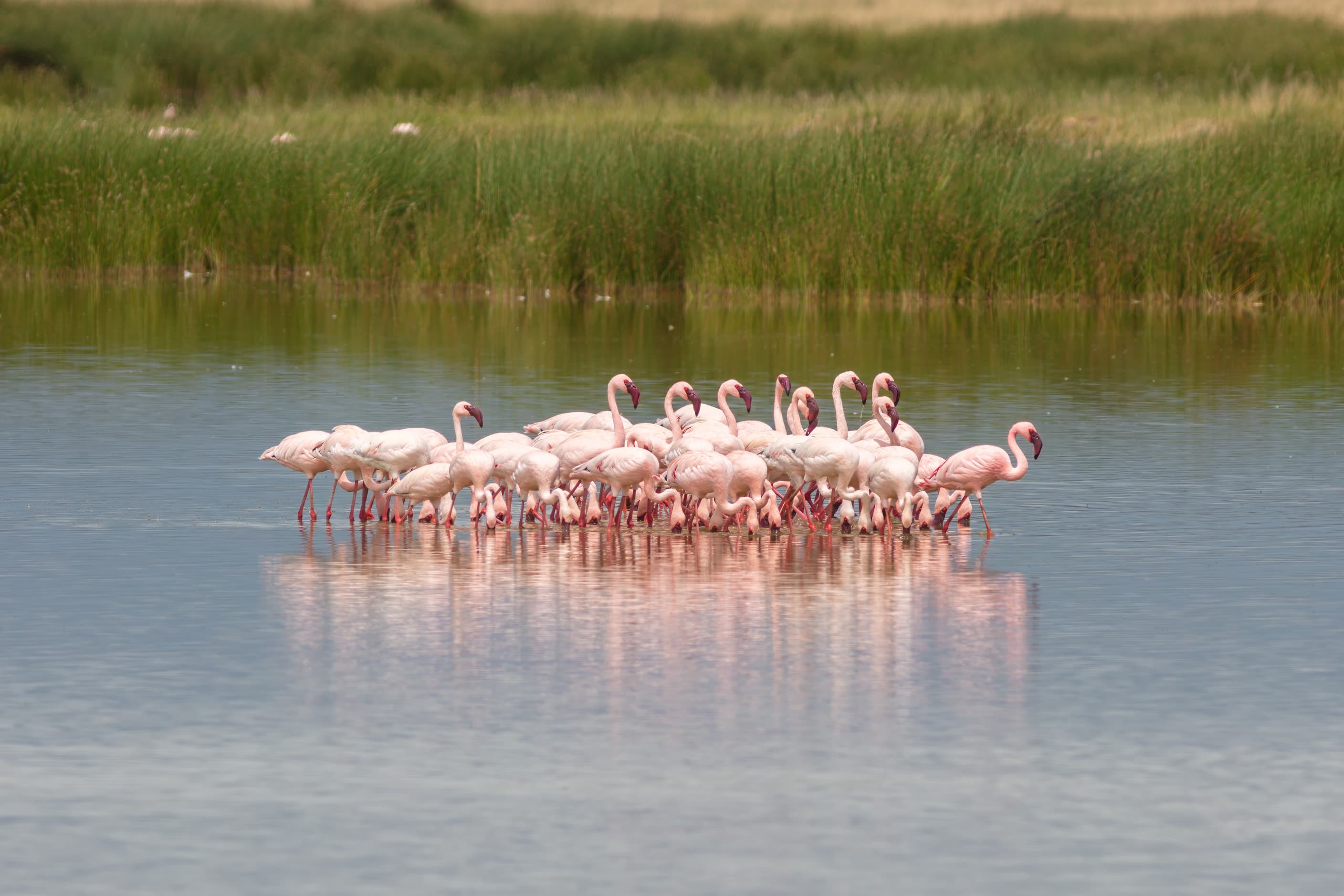
Big Time pick
Amboseli · Lake Naivasha · Maasai Mara
Accommodation is in lodges.
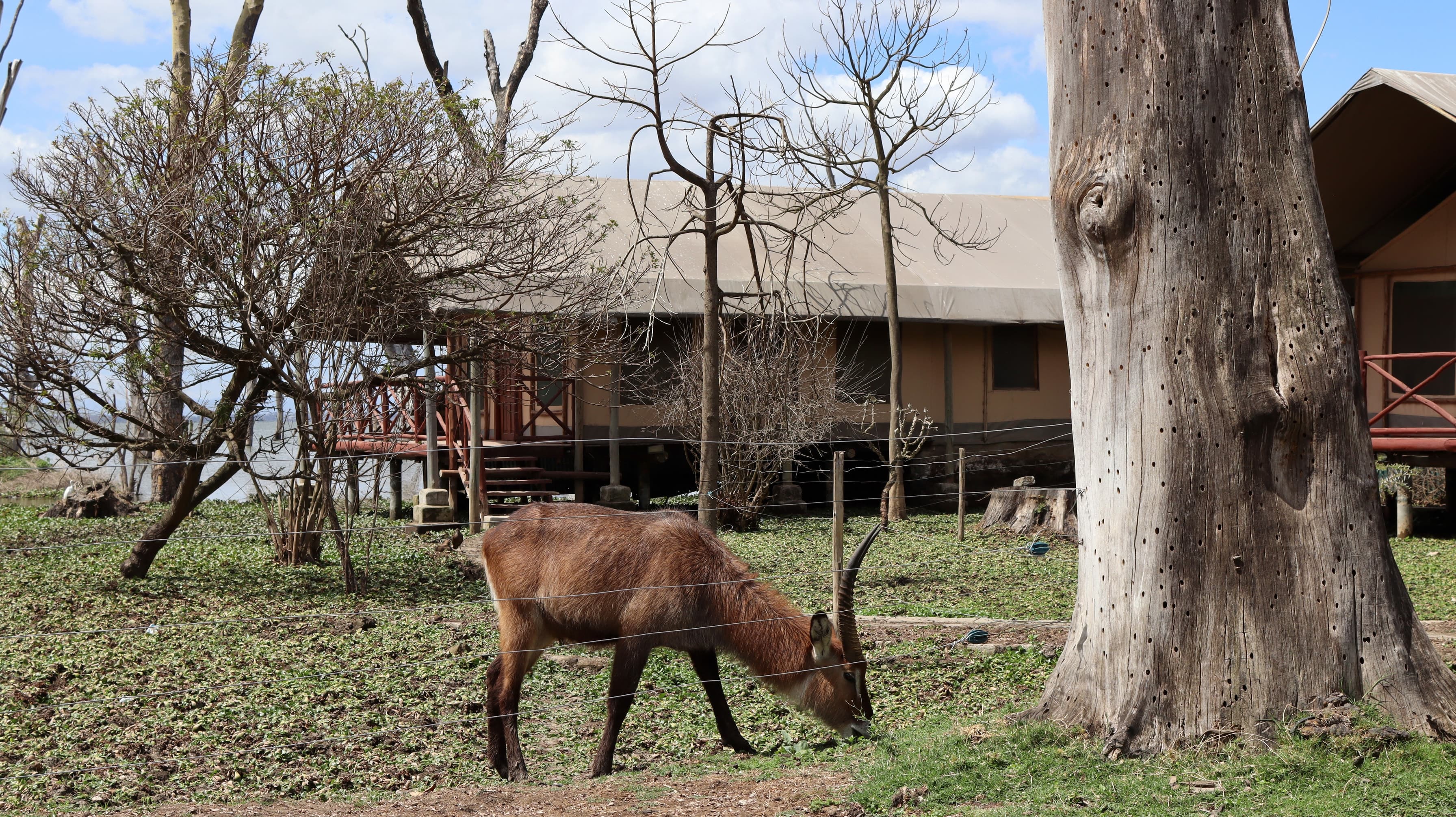
Maasai Mara · Lake Naivasha
Budget nights at Miti Mingi Eco Camp (Maasai Mara) and Leisure Apex (Lake Naivasha).
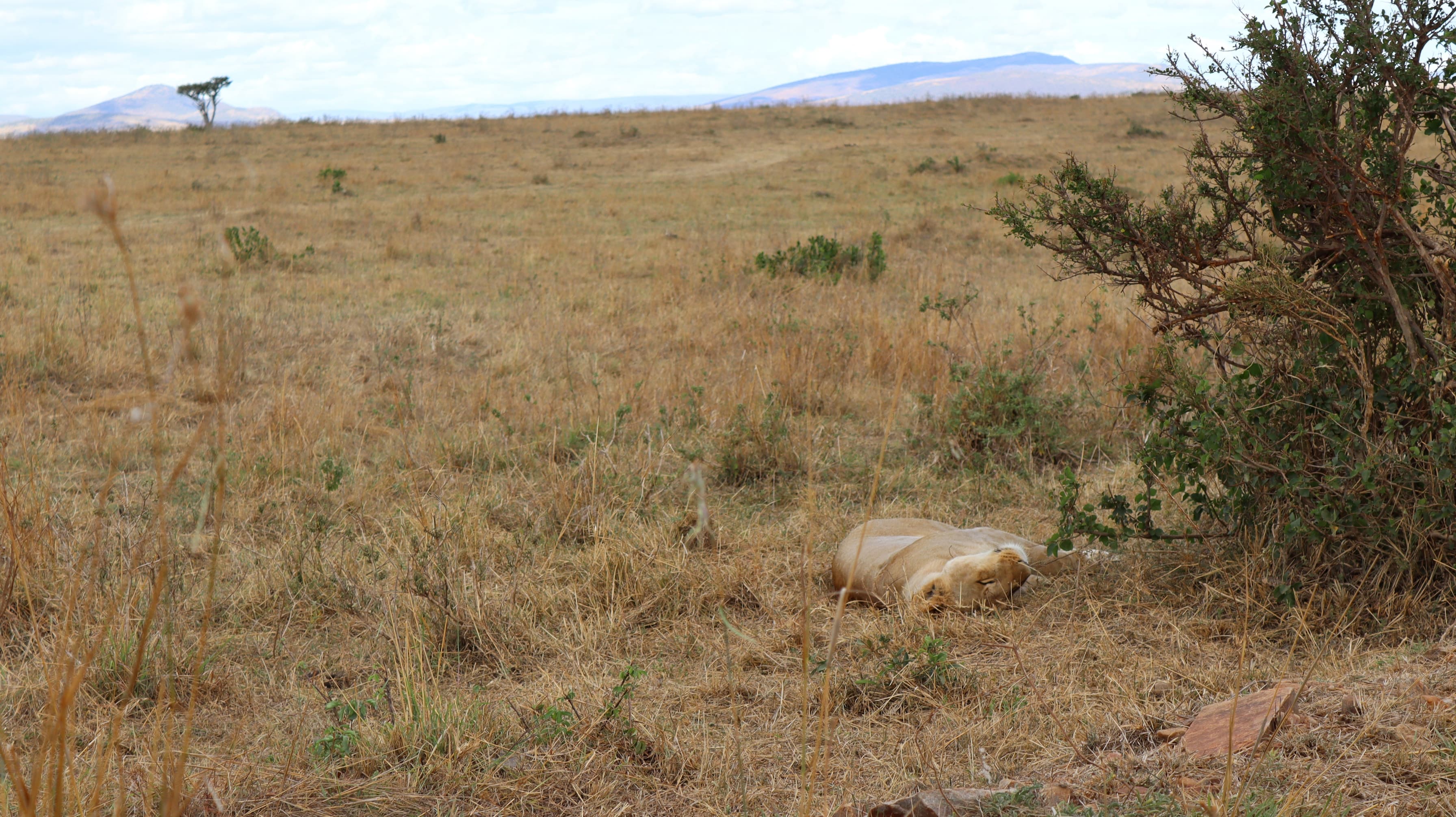
Maasai Mara · Lake Nakuru · Lake Naivasha
Budget nights at Miti Mingi Eco Camp (Maasai Mara), Buraha Zenoni (Lake Nakuru) and Leisure Apex (Lake Naivasha).
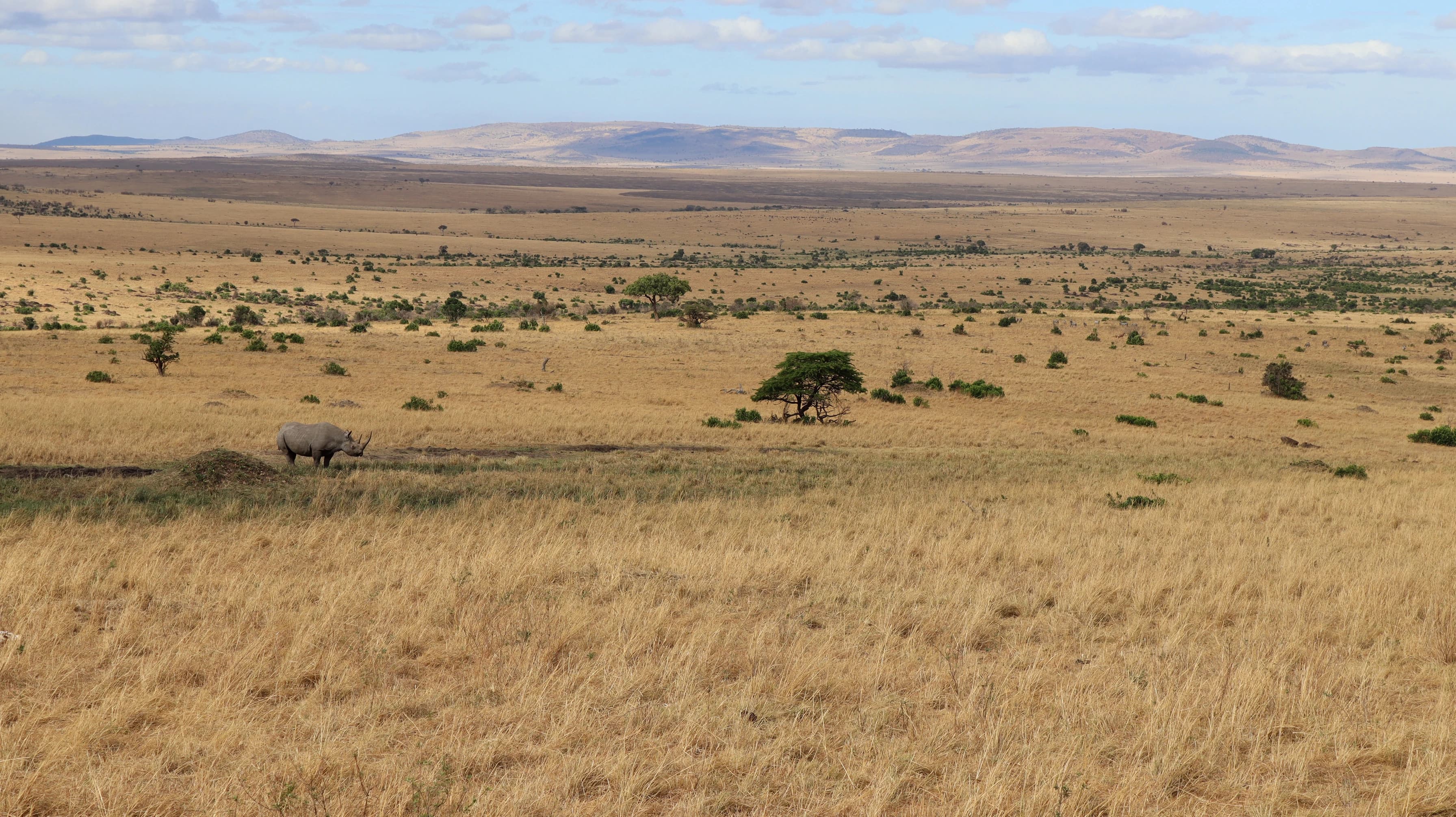
Kenya
Combined with Lake Naivasha on 14 of our journeys.
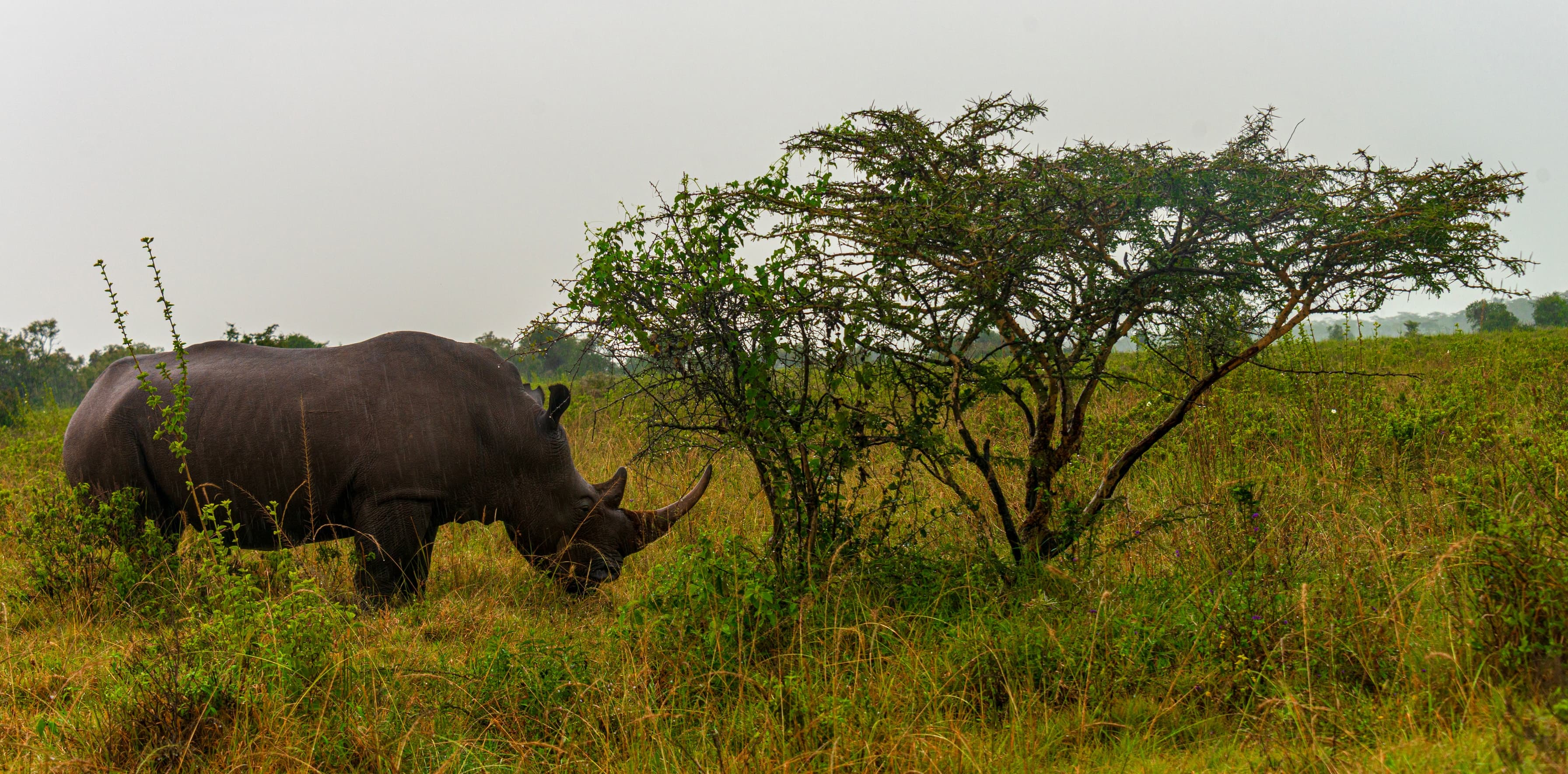
Kenya
Combined with Lake Naivasha on 12 of our journeys.
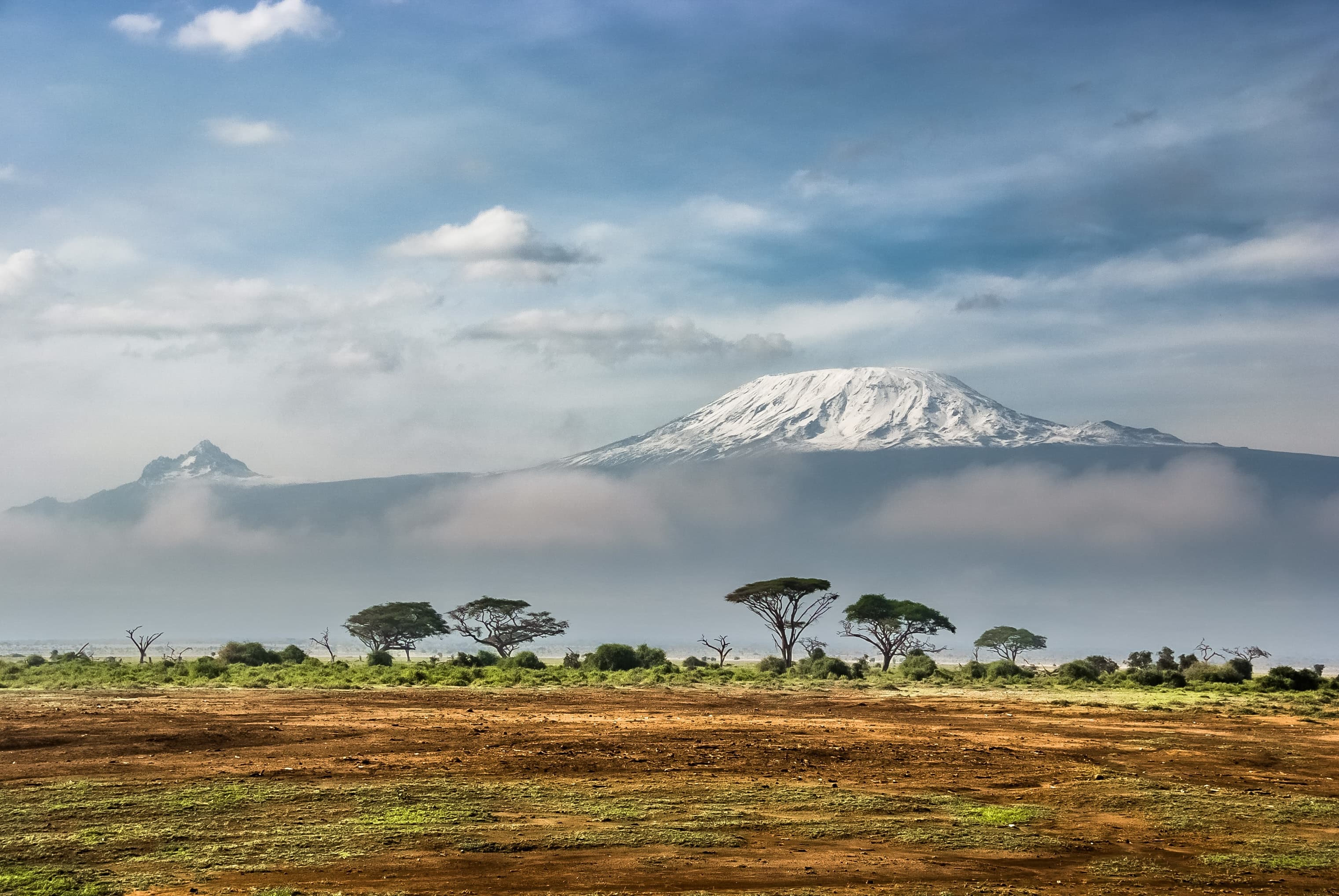
Kenya
Combined with Lake Naivasha on 7 of our journeys.
Kenya
Combined with Lake Naivasha on 2 of our journeys.
Facts on this page were checked against these sources in October 2026. Park rules, fees and conditions change, so always check the latest before you travel.
Tell us when you would like to travel and who is coming, and our team will suggest safaris that include Lake Naivasha.