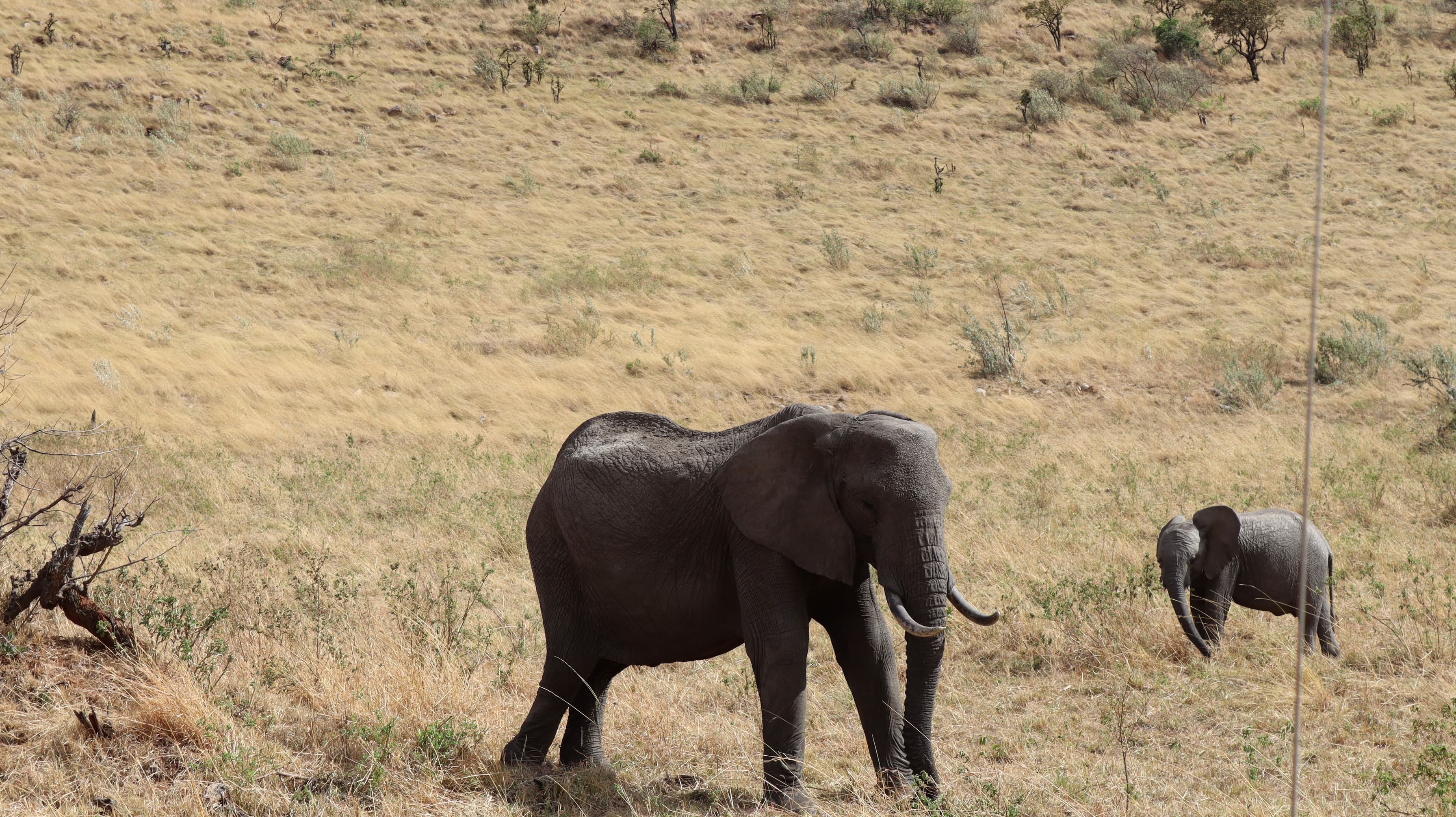
Kenya’s deepest alkaline lake, ringed by hot springs, geysers and the Rift Valley escarpment, where lesser flamingos can gather in their hundreds of thousands.
Travellers who want landscapes found nowhere else on a Kenya safari, birdwatchers and photographers. The springs are not a place for unsupervised children.
How it connects
North of Lake Nakuru in Baringo County, with freshwater Lake Baringo to the north. Loboi Gate, the headquarters, is reached from the Nakuru–Marigat road.
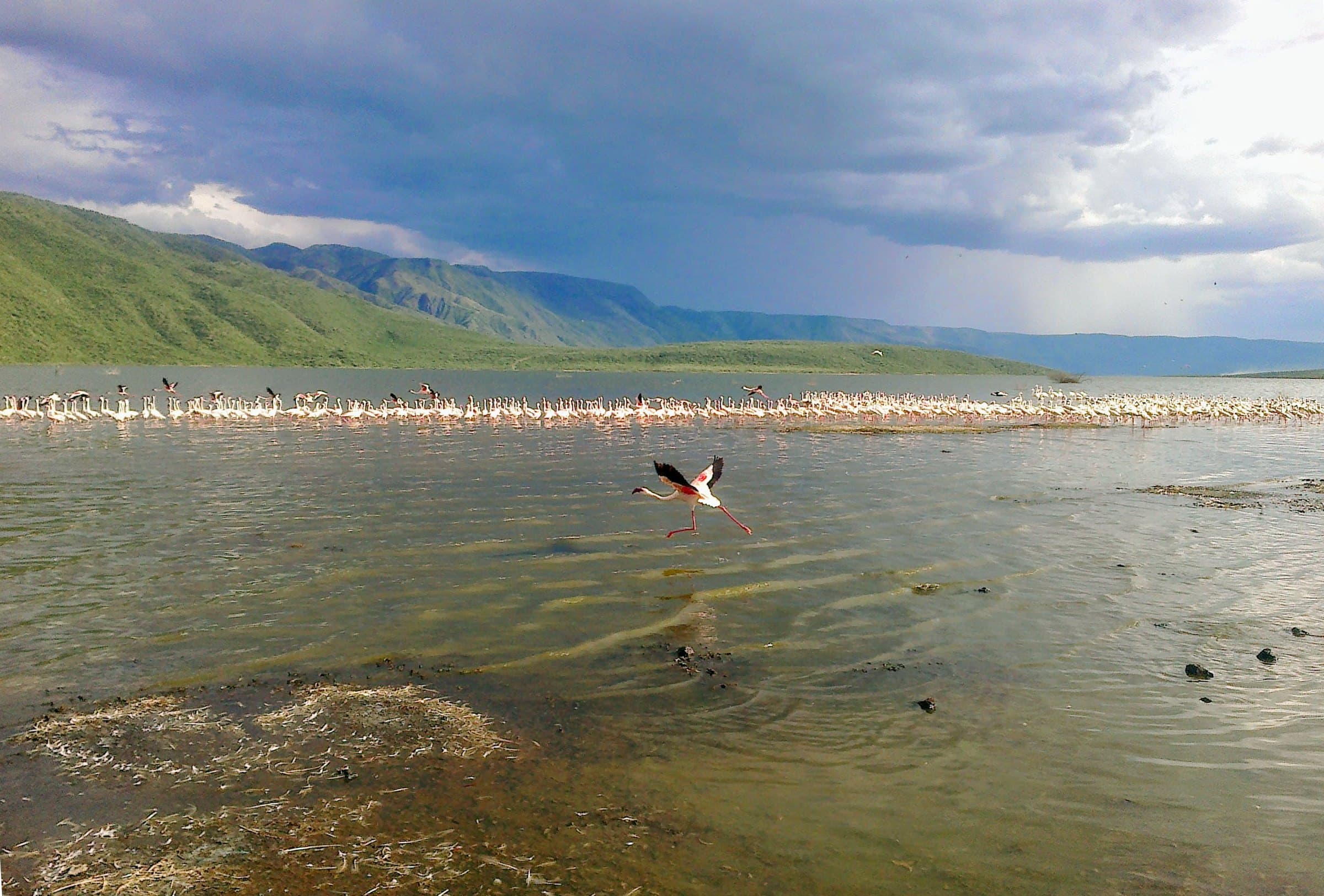
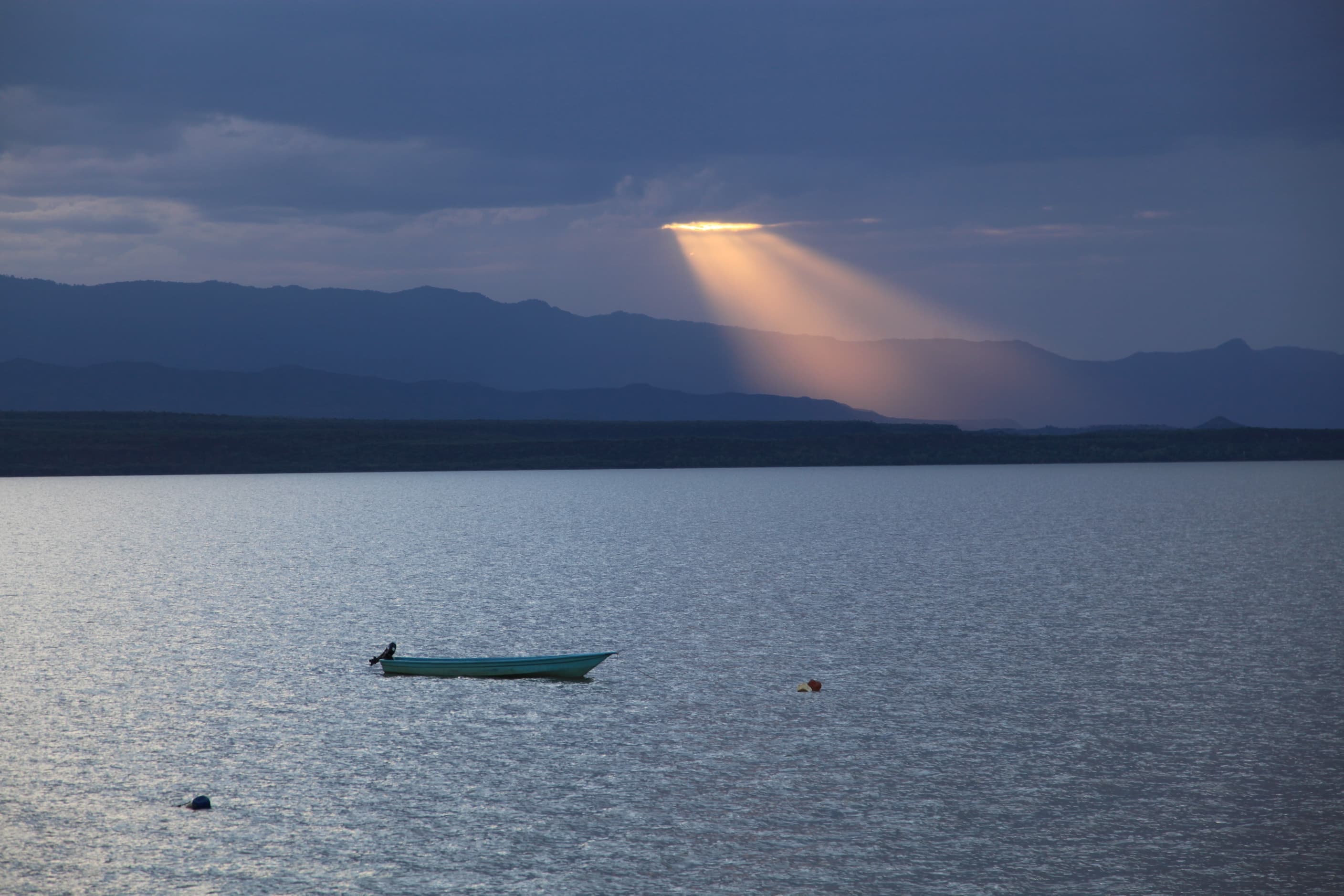
Lake Bogoria feels like nowhere else on a Kenya safari. Steam rises from hot springs and geysers along its shore, and the alkaline water feeds the blue-green algae that draw lesser flamingos, at times, the reserve’s management plan records, more than a million and a half of them. Gazetted as a national reserve in 1970, the lake is a Ramsar site, an Important Bird Area and part of the Kenya Lake System World Heritage Site.
The lake is also sacred ground. For the Endorois, a pastoralist community, Lake Bogoria is the centre of religious and traditional life: the community’s historical prayer sites and ceremonies are around its shores. The County Government of Baringo counts the lake, its hot springs and geysers, its flamingos and its greater kudu among the county’s main attractions, alongside the freshwater Lake Baringo to the north.
Landscapes & wildlife
A lake heated from below.
Though mostly shallow, Bogoria is Kenya’s deepest alkaline lake: its southern basin, a relict volcanic crater, reaches about 14 metres, and the lake has no surface outlet. Hot springs cluster at Loburu, Chemurkeu and Mwanasis, with smaller springs, geysers and fumaroles between them along the shore, and the water at the main springs is close to boiling, so the geothermal shore is best enjoyed from the viewing areas.
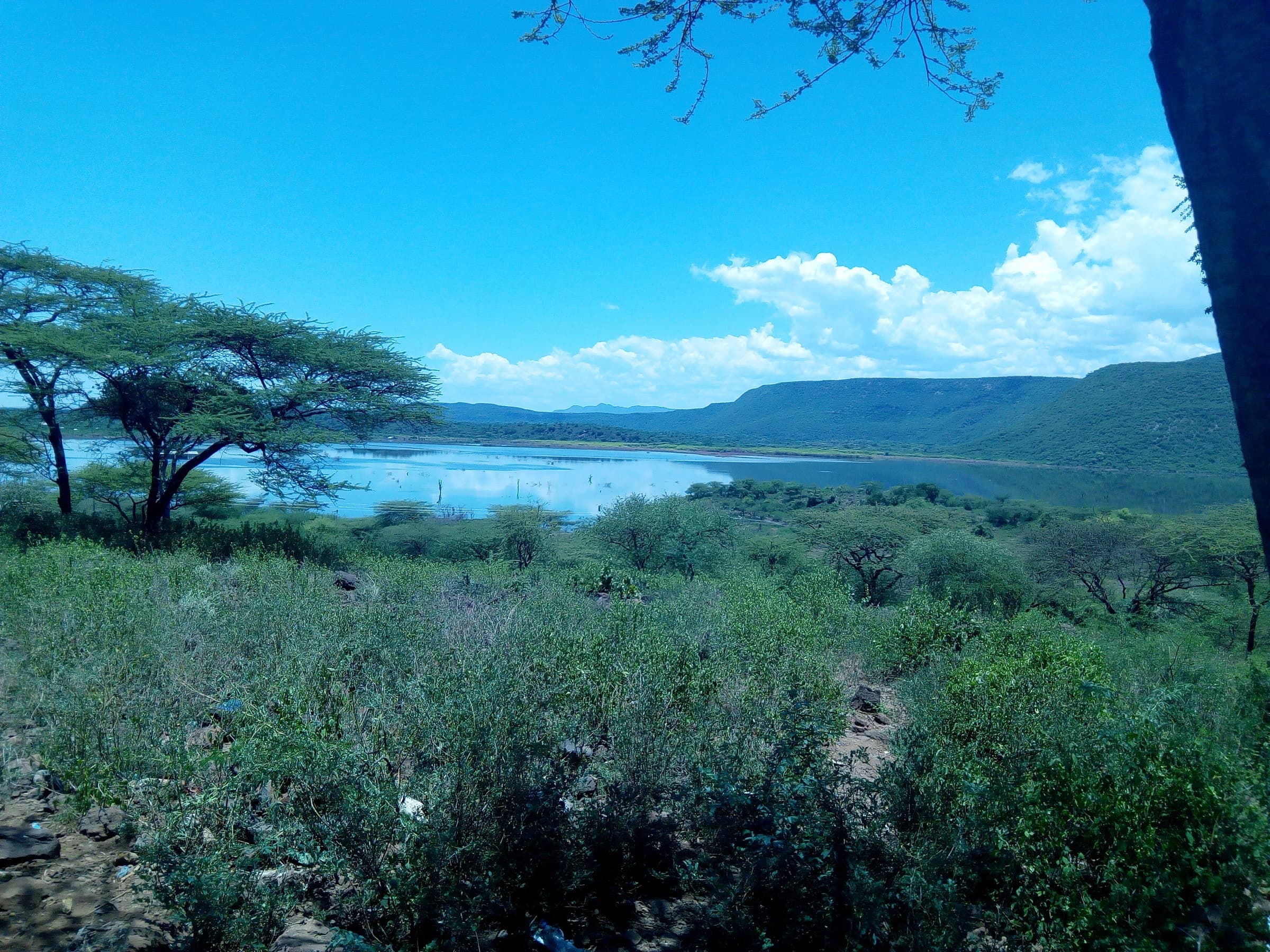
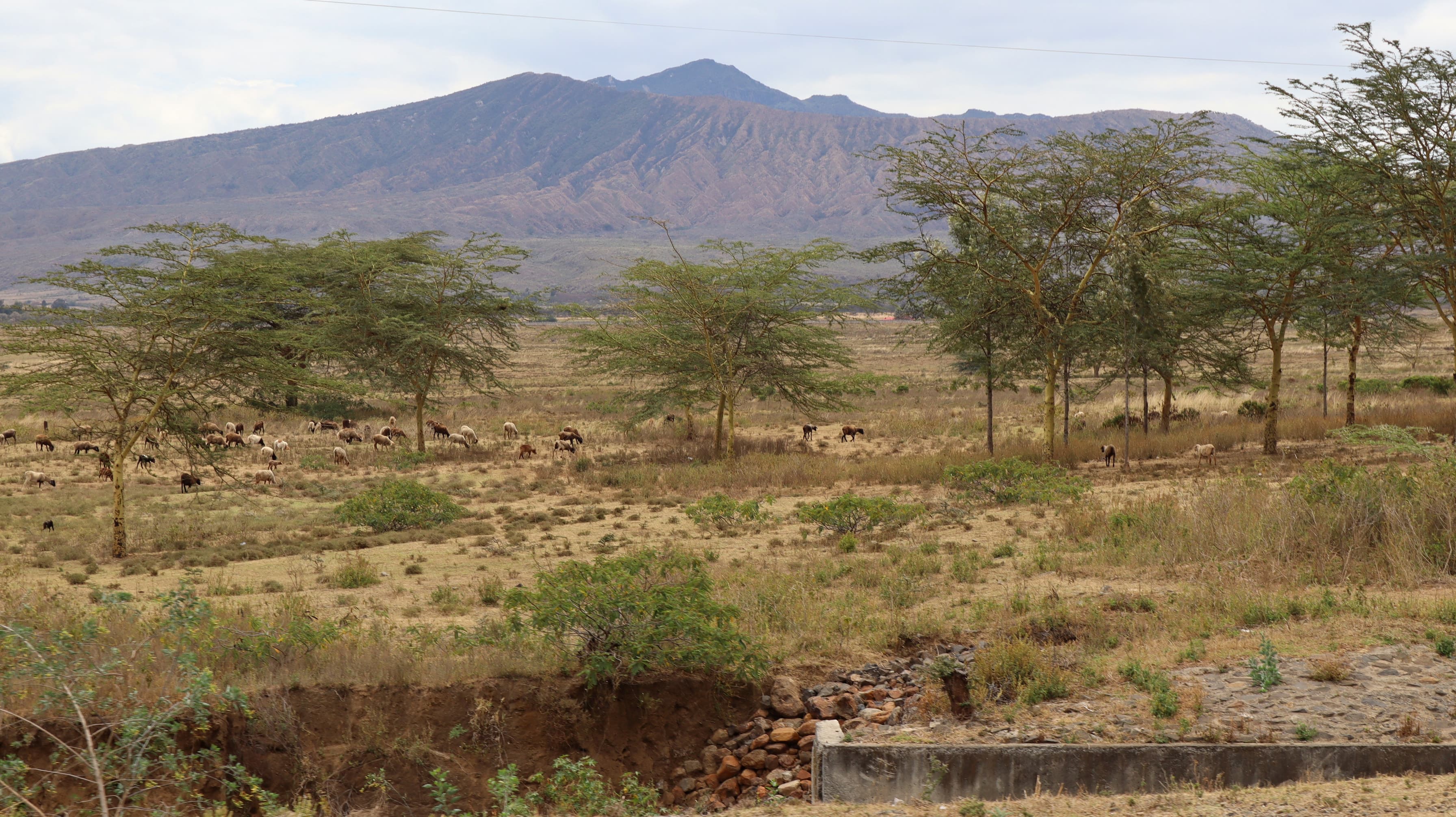
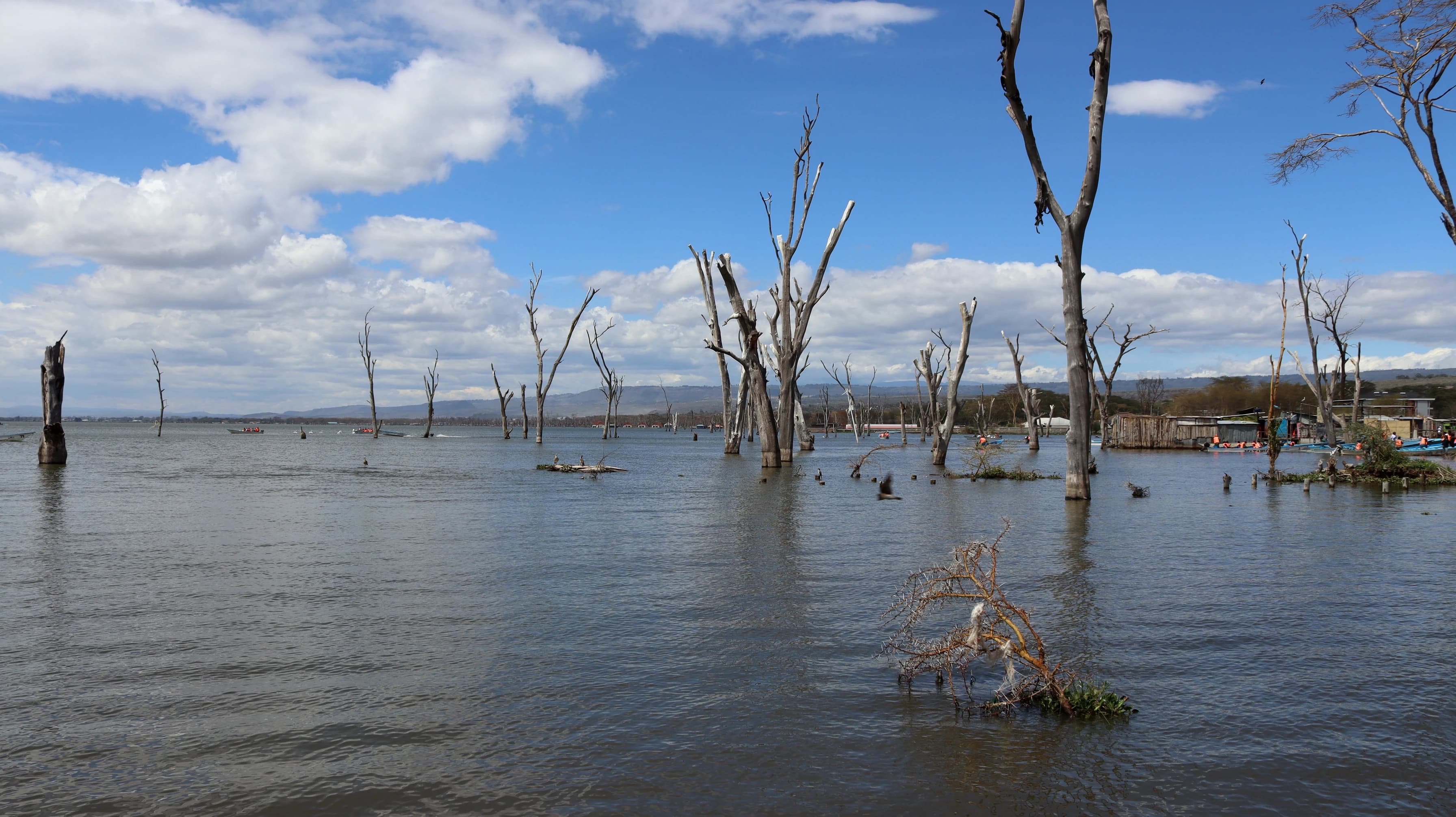
The reserve protects a stretch of the Rift Valley escarpment and a variety of vegetation, home to the greater kudu, and swamps such as Loboi are rich in birds. In recent years the lake has risen, submerging some hot springs, weakening the geysers and changing the water in which the flamingos feed, so the scene at Bogoria changes noticeably from year to year.
Lesser flamingos (numbers vary)
Hot springs, geysers and fumaroles
Greater kudu
The Rift Valley escarpment
Wildlife moves freely and sightings are never guaranteed.
Photograph: Geomurki (CC BY-SA 4.0)
Signature experiences
At Lake Bogoria.
Hot springs and geysers
The geothermal shore at Loburu and Chemurkeu, viewed from a safe distance.
Flamingos and birdwatching
An Important Bird Area with an exceptionally diverse bird fauna.
Greater kudu
The reserve’s best-known antelope, protected in its woodland and escarpment.
Getting there
Getting to Lake Bogoria.
The reserve has four gates: Loboi, Maji Moto, Nyalilpuch and Emsos. The main approach leaves the Nakuru–Marigat road at a junction just before Marigat town and leads to Loboi Gate, the reserve headquarters, while an earth road near Mogotio leads to the other gates. Lake Bogoria lies north of Lake Nakuru in Baringo County, which makes it a natural addition to a Rift Valley journey that includes Nakuru or Lake Baringo.
Practical advice
Good to know about Lake Bogoria.
The hot springs are close to boiling — about 100°C at Loburu and Chemurkeu, with a deeper source near 170°C in the south. Keep to viewing areas and keep children close.
Flamingo numbers rise and fall: the management plan notes that recent swelling of the lake has changed the water and the birds’ feeding habitat.
Safaris that visit Lake Bogoria
3 journeys to Lake Bogoria.
Every journey here includes Lake Bogoria on its catalogue route.
Samburu · Nakuru · Bogoria/Baringo · Maasai Mara · Amboseli
Budget nights at Miti Mingi Eco Camp (Maasai Mara), Buraha Zenoni (Lake Nakuru) and Nyati Safari Camp (Amboseli), with camp or lodge stays at the other stops.
Maasai Mara · Lake Nakuru · Lake Naivasha · Lake Bogoria
Accommodation is in lodges.
Luxury
Questions travellers ask
Lake Bogoria, answered.
Can you swim in Lake Bogoria’s hot springs?
No. The reserve’s management plan measures the springs at about 100°C, with a deeper southern source near 170°C. They are for looking at from a safe distance.
Will there be flamingos?
Often, but numbers vary greatly. The lake has held more than 1.5 million lesser flamingos at times, and recent rises in its level have changed their feeding habitat. Sightings cannot be guaranteed.
Facts on this page were checked against these sources in October 2026. Park rules, fees and conditions change, so always check the latest before you travel.
Your journey begins with a conversation
Shape your Lake Bogoria journey.
Tell us when you would like to travel and who is coming, and our team will suggest safaris that include Lake Bogoria.