
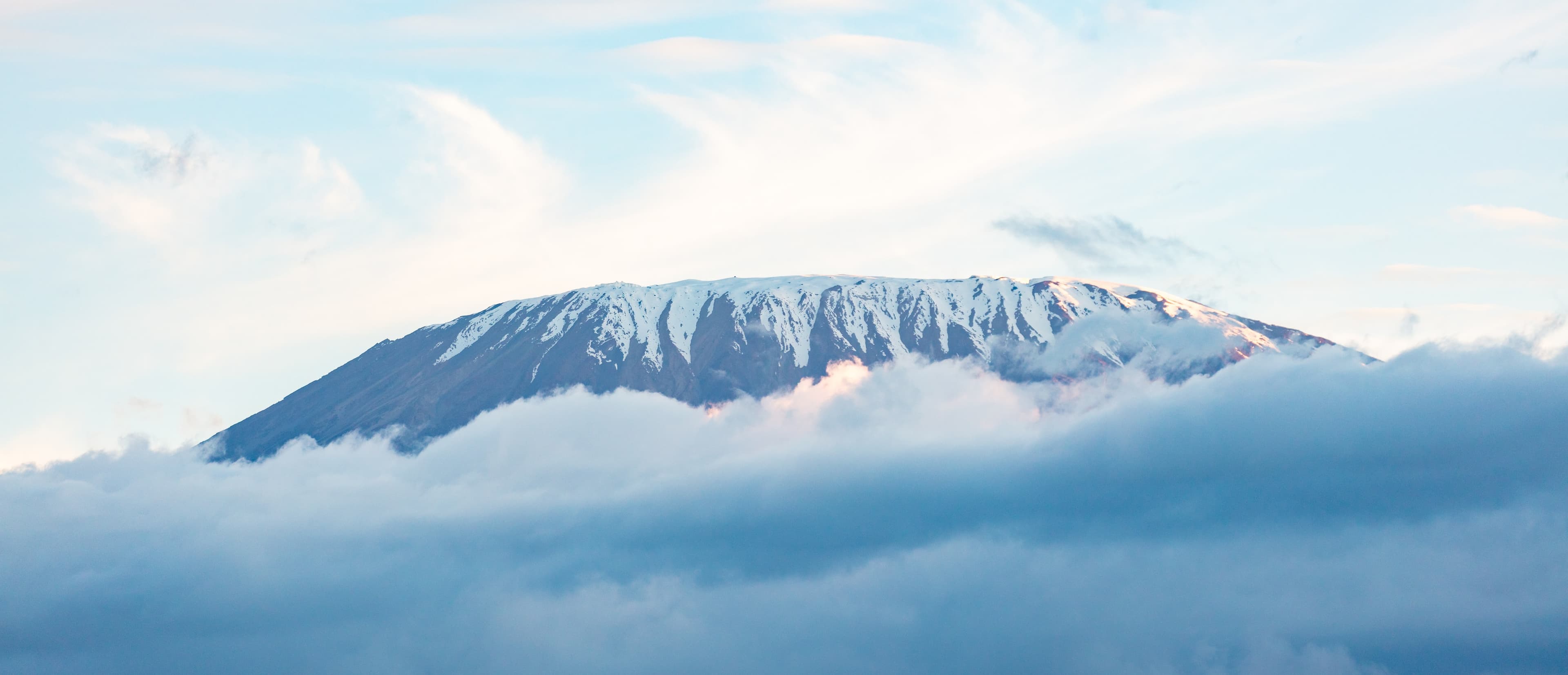
6 Days Mount Kilimanjaro - Machame Route
Mount Kilimanjaro
Nights are spent in mountain huts or camps.
Africa’s highest mountain and the world’s tallest free-standing peak — a climb of five to eight days, depending on the route.
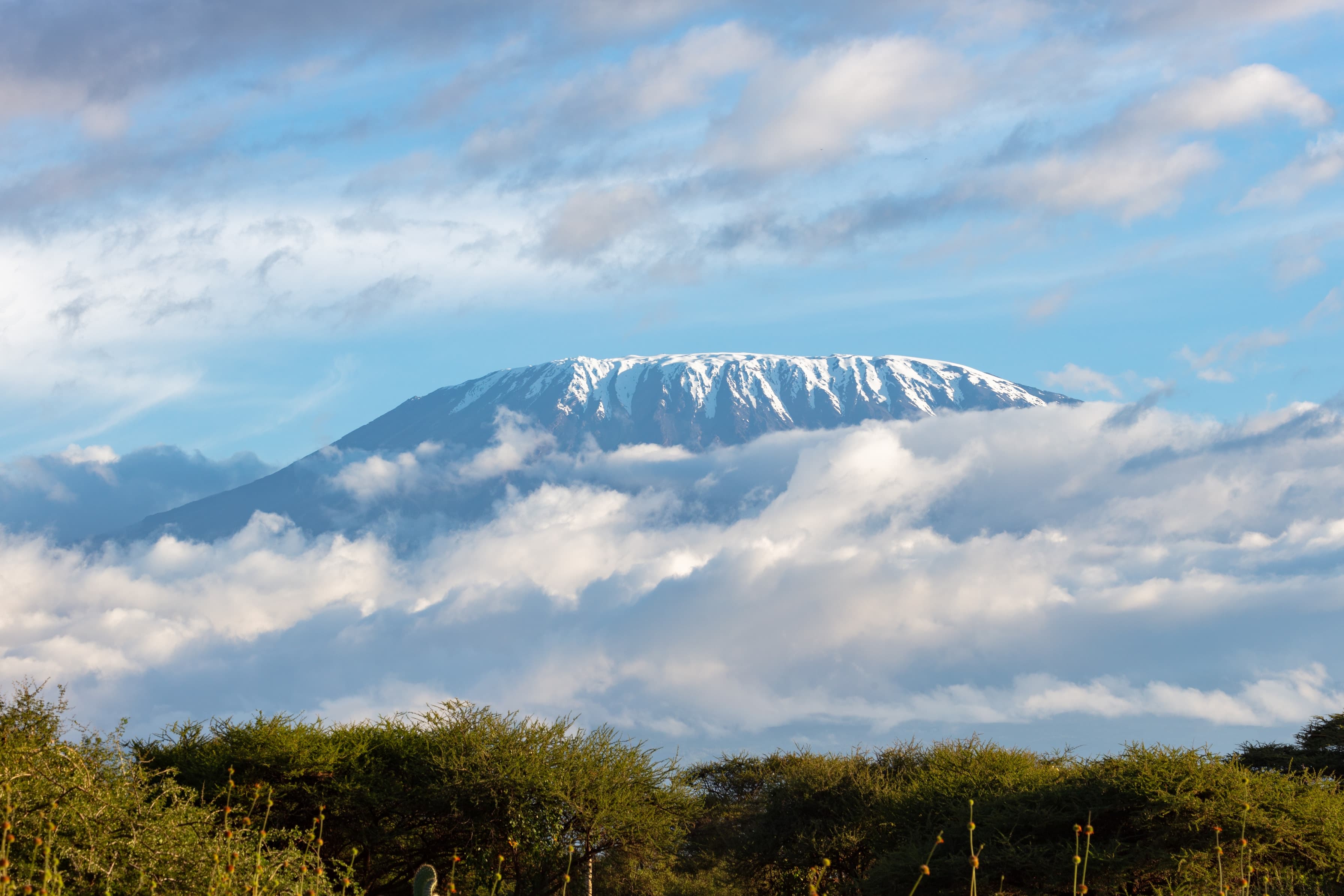
Mount Kilimanjaro in our Tanzania guide, with the places around it.
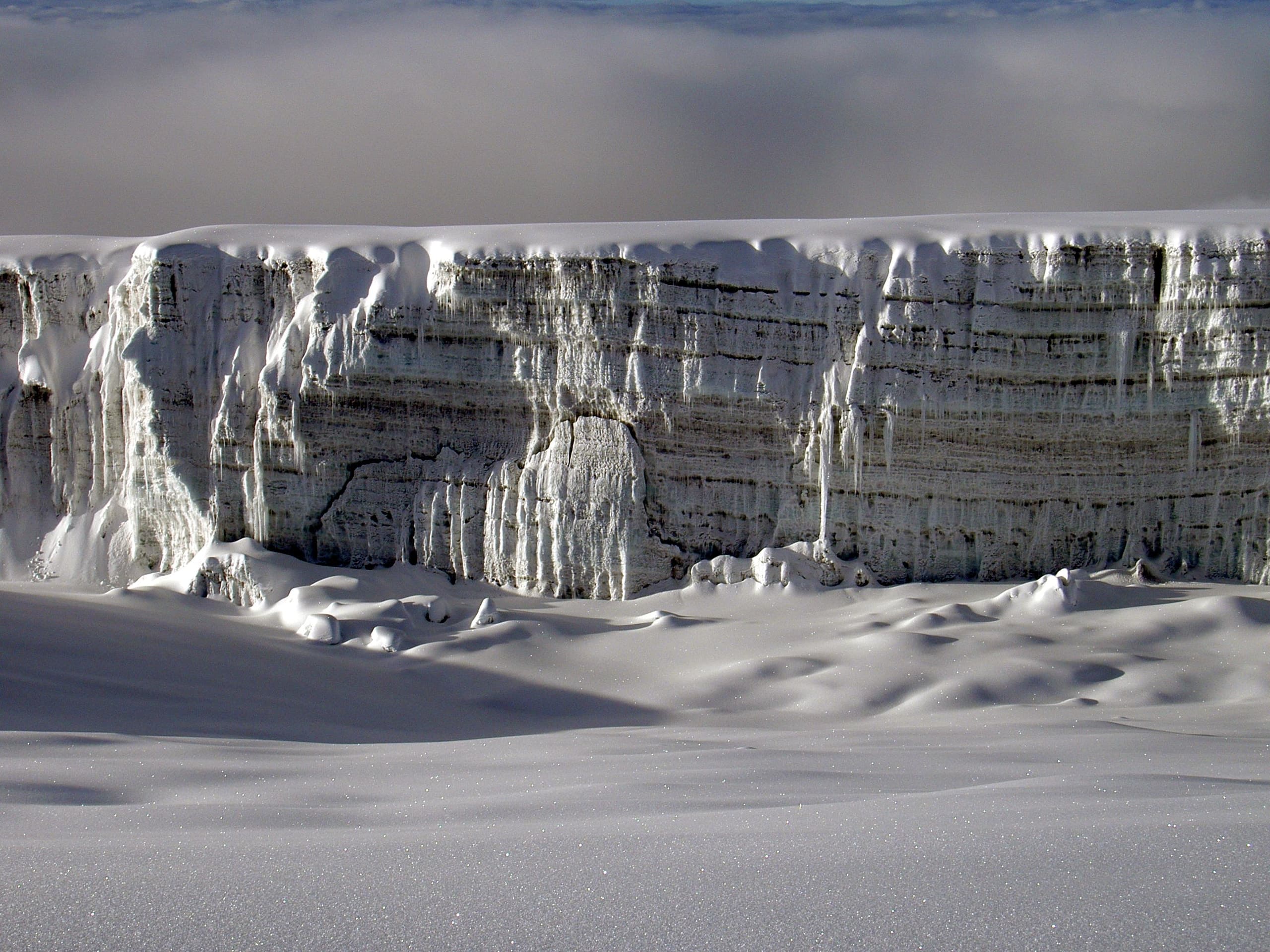
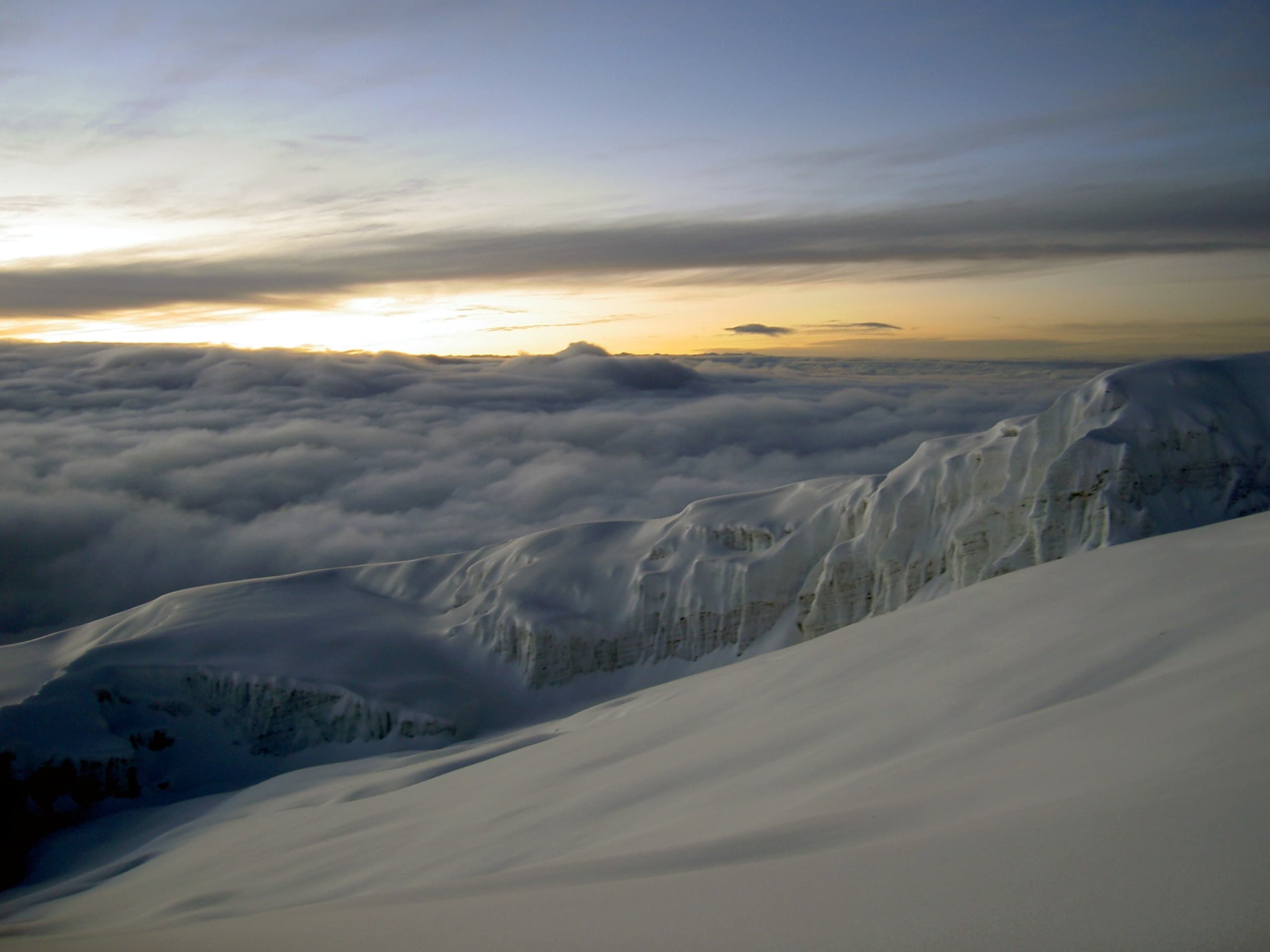
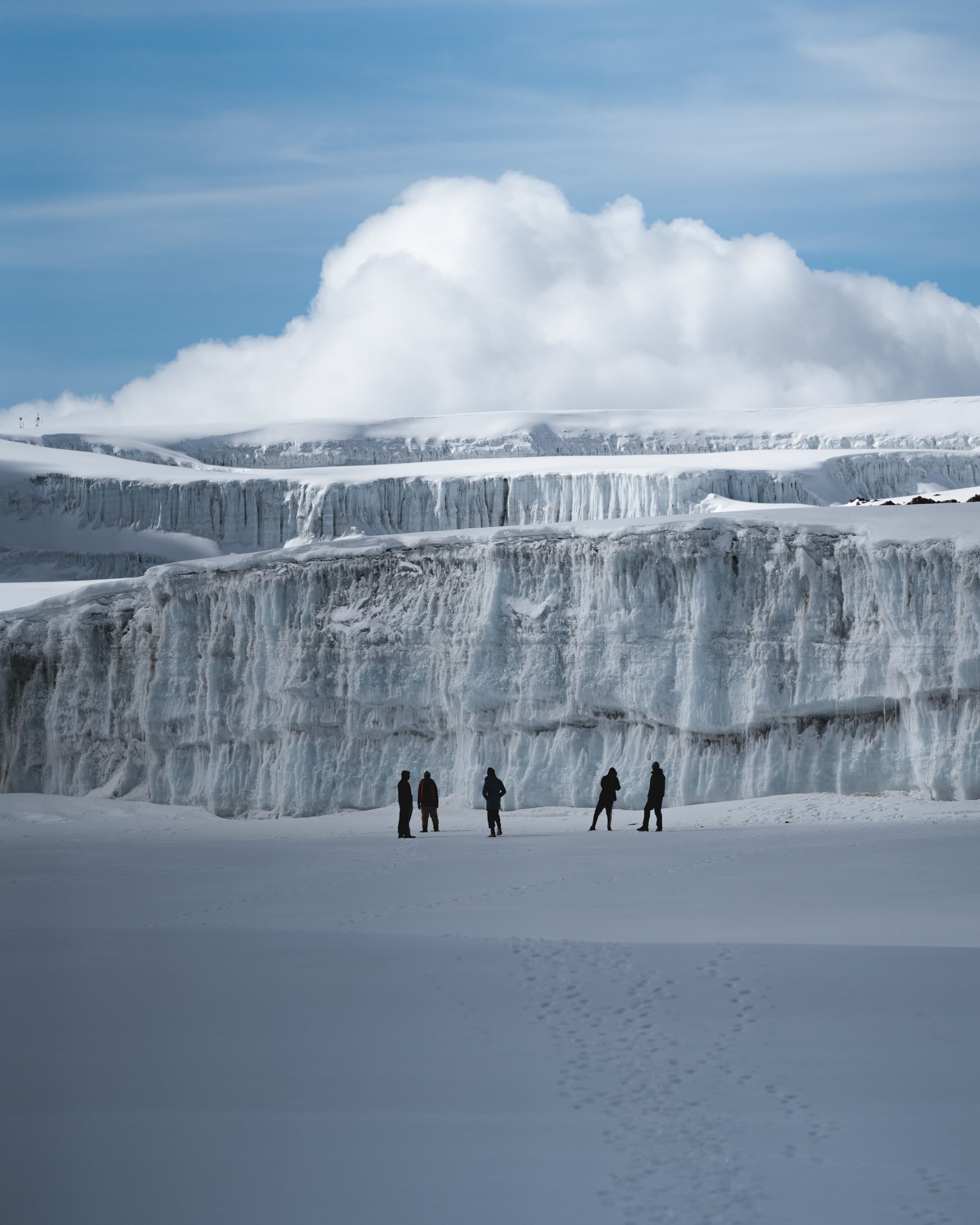
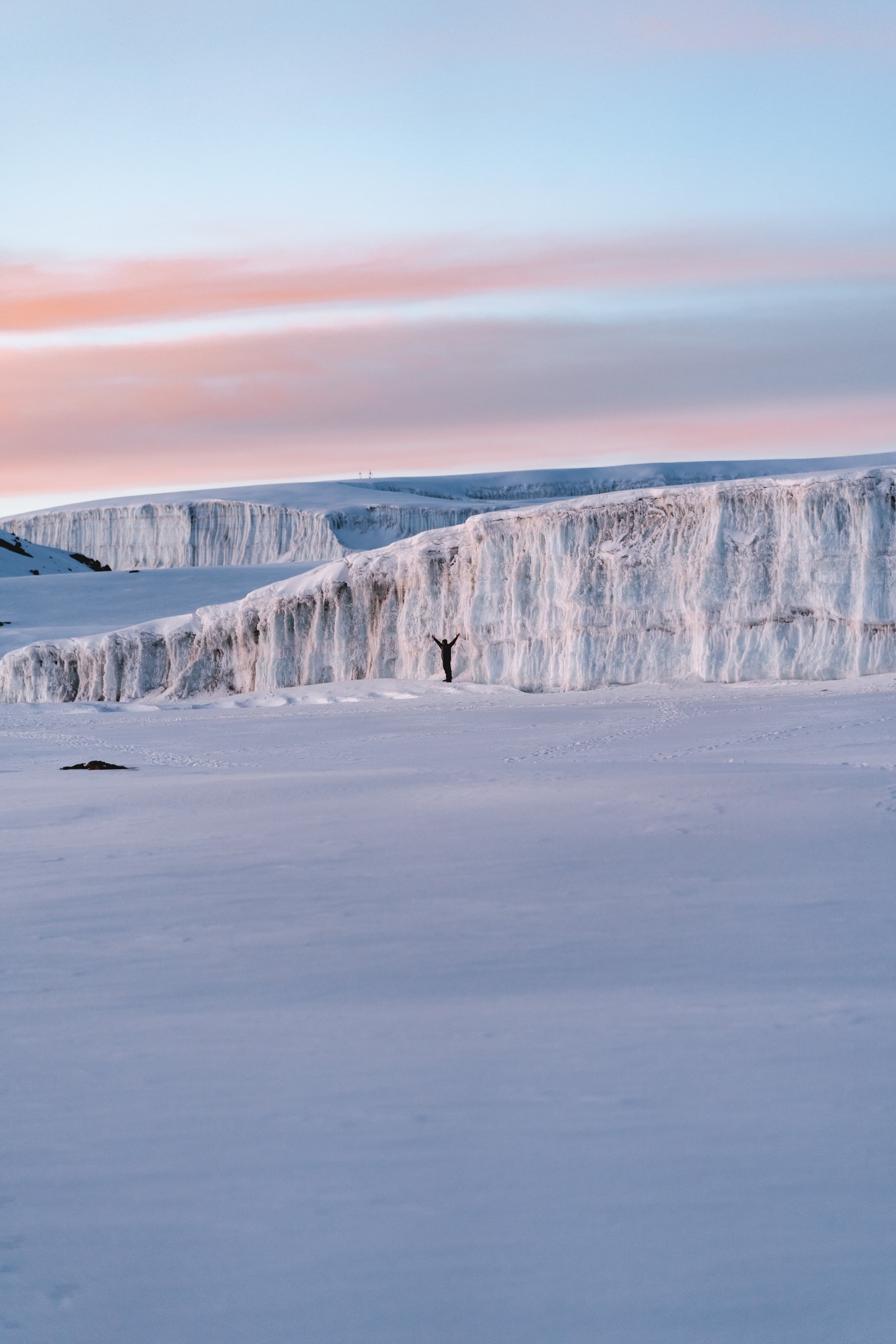
At 5,895 metres, Kibo is the highest point in Africa, and TANAPA describes Kilimanjaro as the tallest free-standing mountain in the world, its summit covered in snow all year despite lying close to the equator. Reaching the top is a serious undertaking that rewards time: TANAPA advises choosing an itinerary with acclimatisation days, ascending slowly and staying hydrated, and notes that the more days you allow, the better your chance of success.
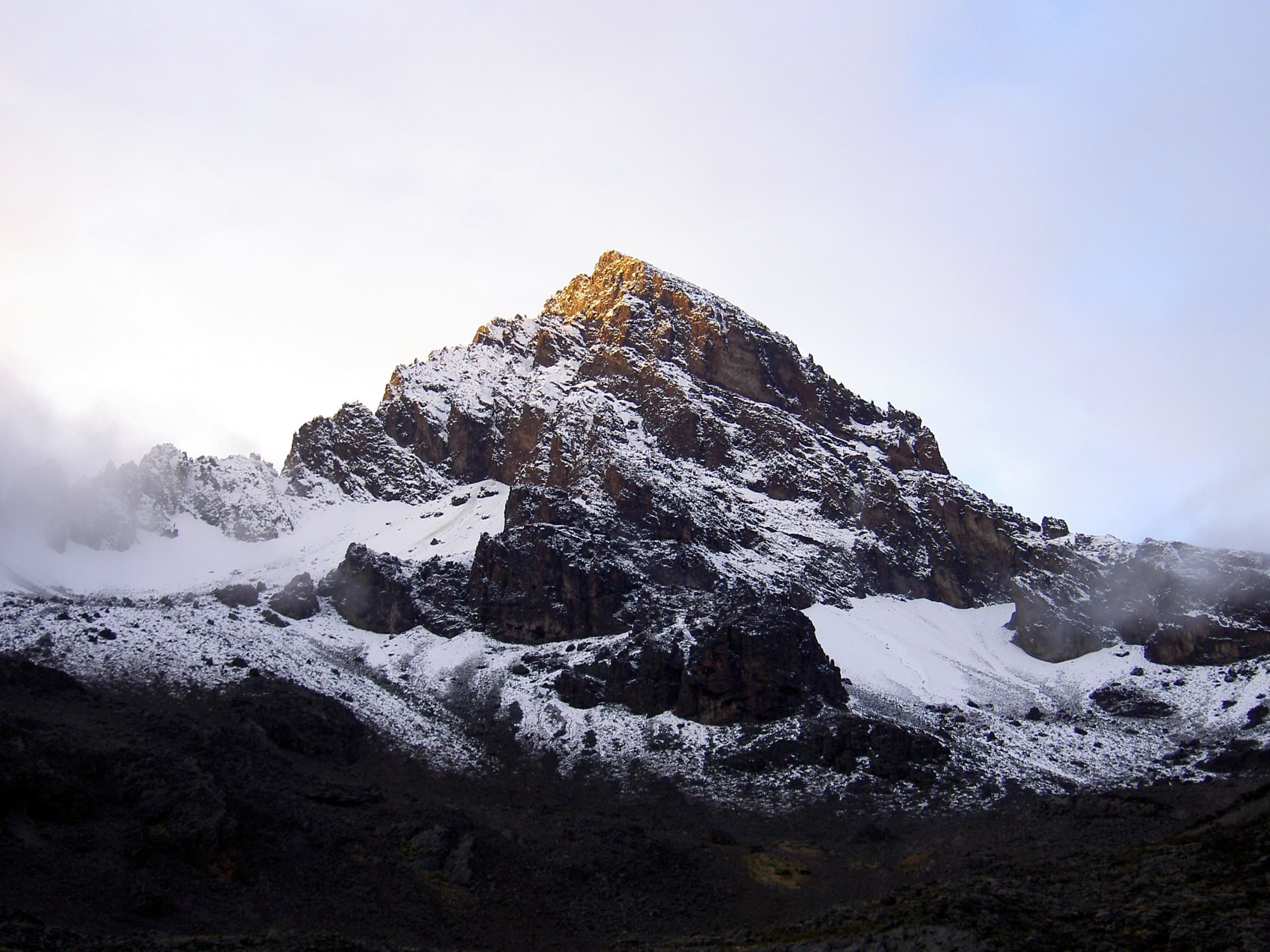
The mountain has three peaks. Kibo is the highest; Mawenzi, at 5,149 metres, is rugged and keeps the marks of glaciation; and Shira, at 3,962 metres the oldest, collapsed long ago to form the scenic Shira Plateau. All climbs must be guided by a licensed operator, as solo trekking is not permitted, and the park preserves distinct climatic zones from the forest to the summit.
Kibo’s snow-capped summit, Mawenzi’s glaciated ridges and the broad Shira Plateau give the mountain three distinct characters, and each route approaches them differently. On the mountain, the Marangu route uses alpine huts at Mandara, Horombo and Kibo, while the other routes are served by designated tented camps run by licensed operators. Conditions change quickly at high altitude, so cold-weather and rain gear are essential on every route.
Wildlife moves freely and sightings are never guaranteed.
Six routes, five to eight days, with huts on Marangu and tented camps on the others.
TANAPA offers two cycling routes in the park.
Most climbers arrive through Kilimanjaro International Airport or Arusha Airport. The park’s gates include Marangu, Machame, Lemosho (reached via Londorossi) and Rongai in the north, with Mweka Gate used for the descent, and licensed operators provide transfers from Moshi or Arusha. Before and after a trek, a wide range of hotels and lodges is available in Moshi and Marangu.
Every journey here includes Mount Kilimanjaro on its catalogue route.
Mount Kilimanjaro
Nights are spent in mountain huts or camps.
Mount Kilimanjaro
Nights are spent in mountain huts or camps.
Mount Kilimanjaro
Nights are spent in mountain huts or camps.
Mount Kilimanjaro
Nights are spent in mountain huts or camps.
Mount Kilimanjaro
Nights are spent in mountain huts or camps.
Mount Kilimanjaro
Nights are spent in mountain huts or camps.
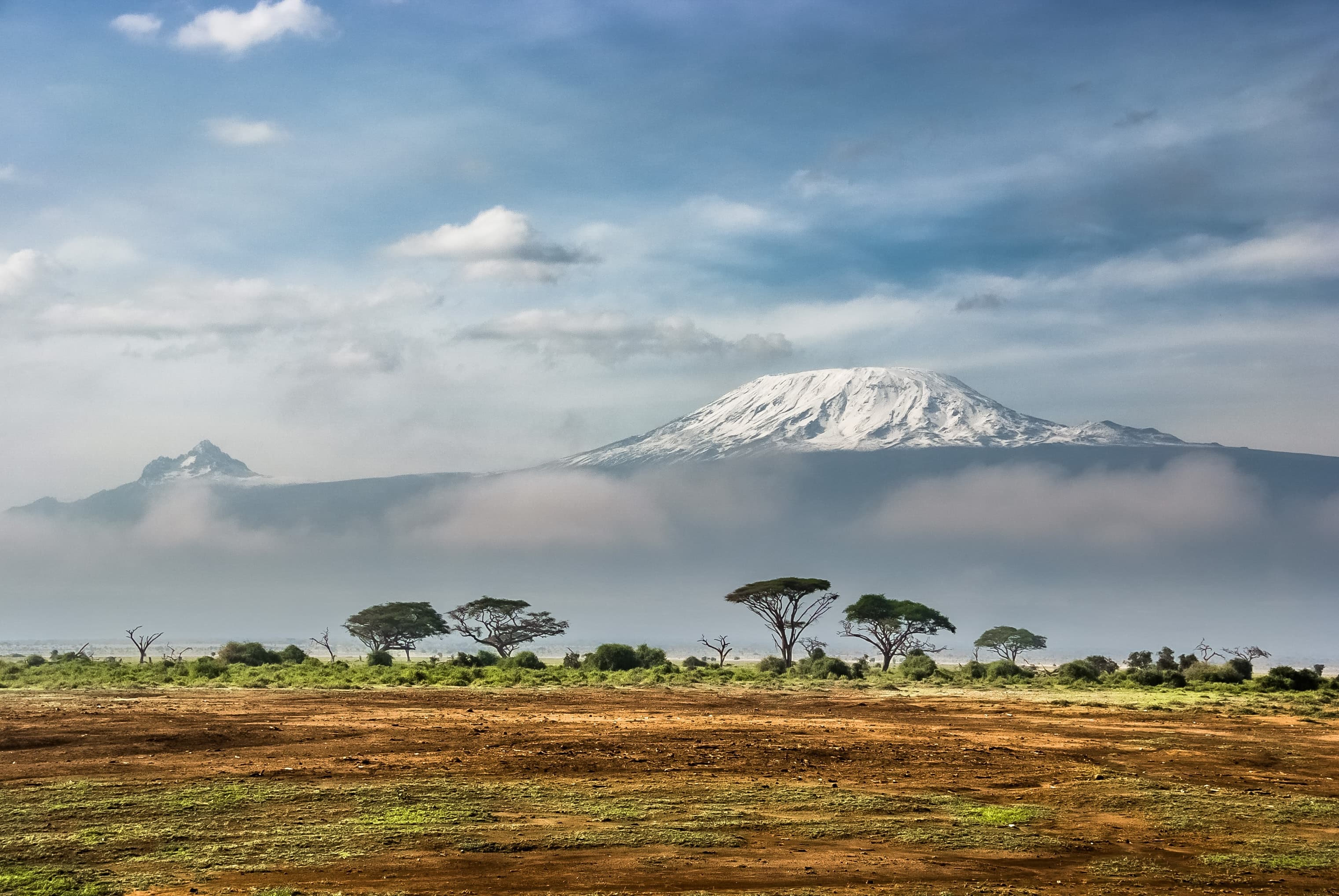
Kenya
Kilimanjaro forms the backdrop to Kenya’s Amboseli National Park.
Facts on this page were checked against these sources in October 2026. Park rules, fees and conditions change, so always check the latest before you travel.
Tell us when you would like to travel and who is coming, and our team will suggest safaris that include Mount Kilimanjaro.