
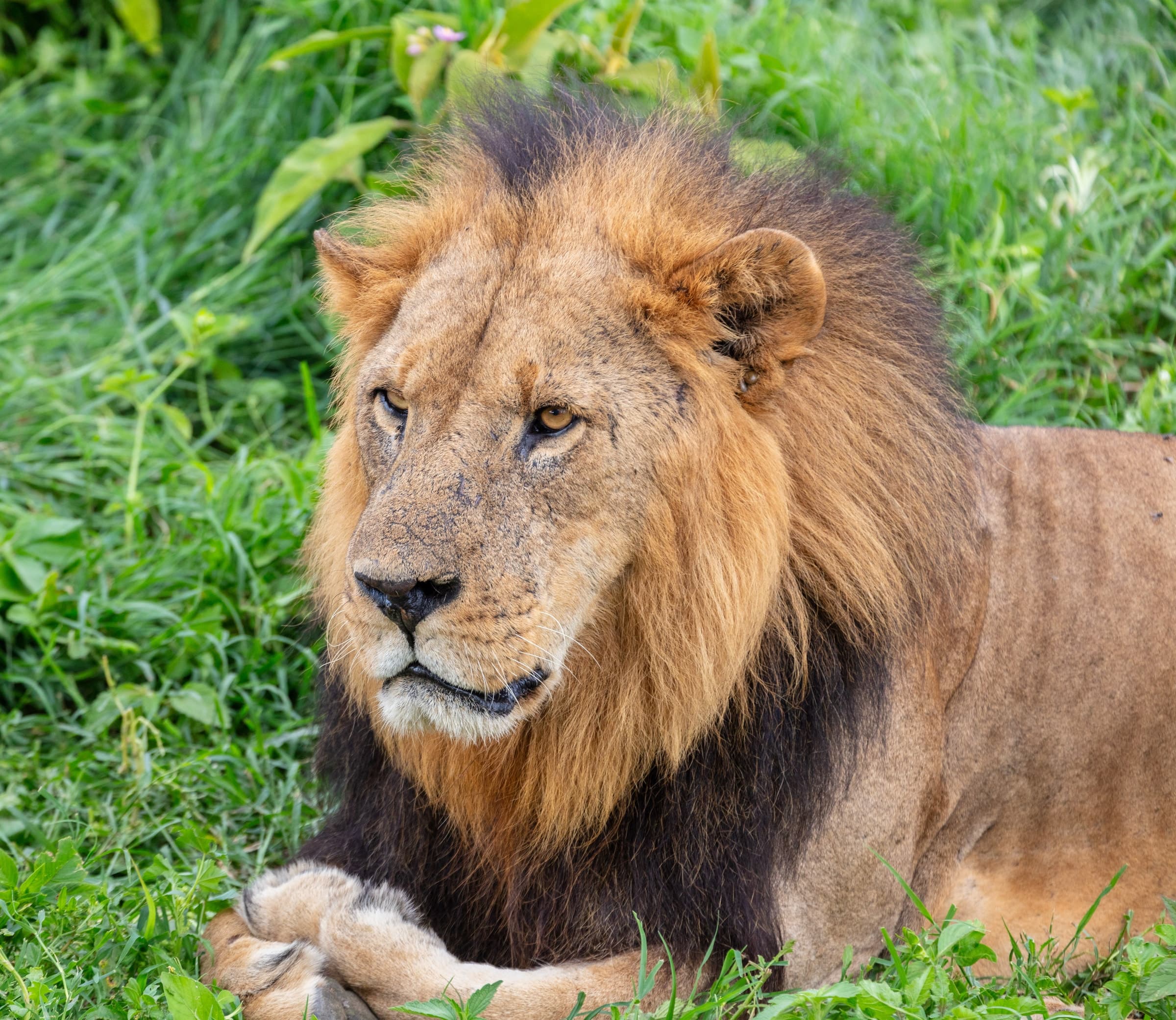
6 Days Maasai Mara, Lake Nakuru & Amboseli Budget Safari
Big Time pick
Maasai Mara · Lake Nakuru · Amboseli
Budget nights at Miti Mingi Eco Camp (Maasai Mara), Buraha Zenoni (Lake Nakuru) and Nyati Safari Camp (Amboseli).
Open plains, swamps and big elephant herds, with Kilimanjaro rising across the border as the backdrop.
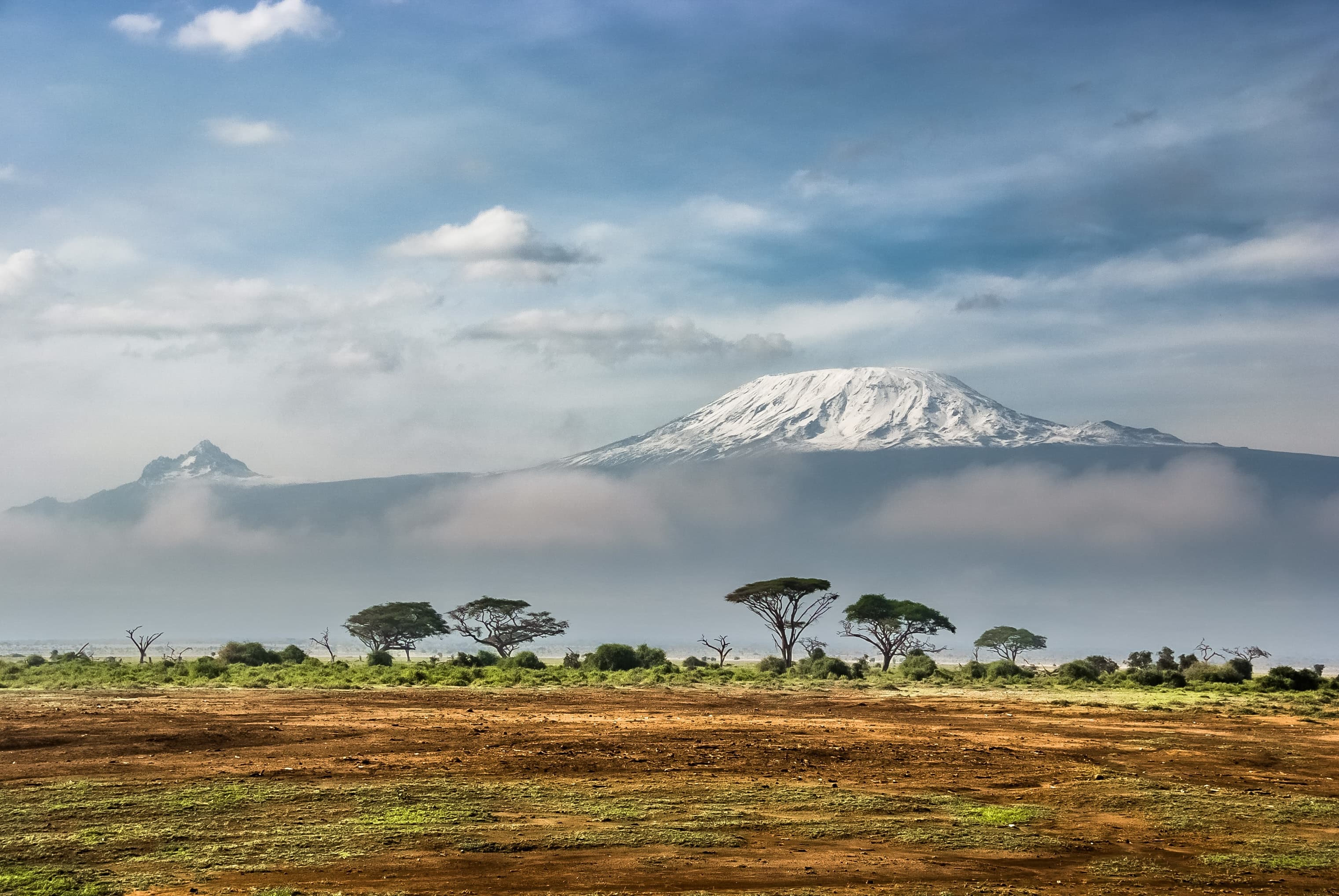
Amboseli in our Kenya guide, with the places around it.
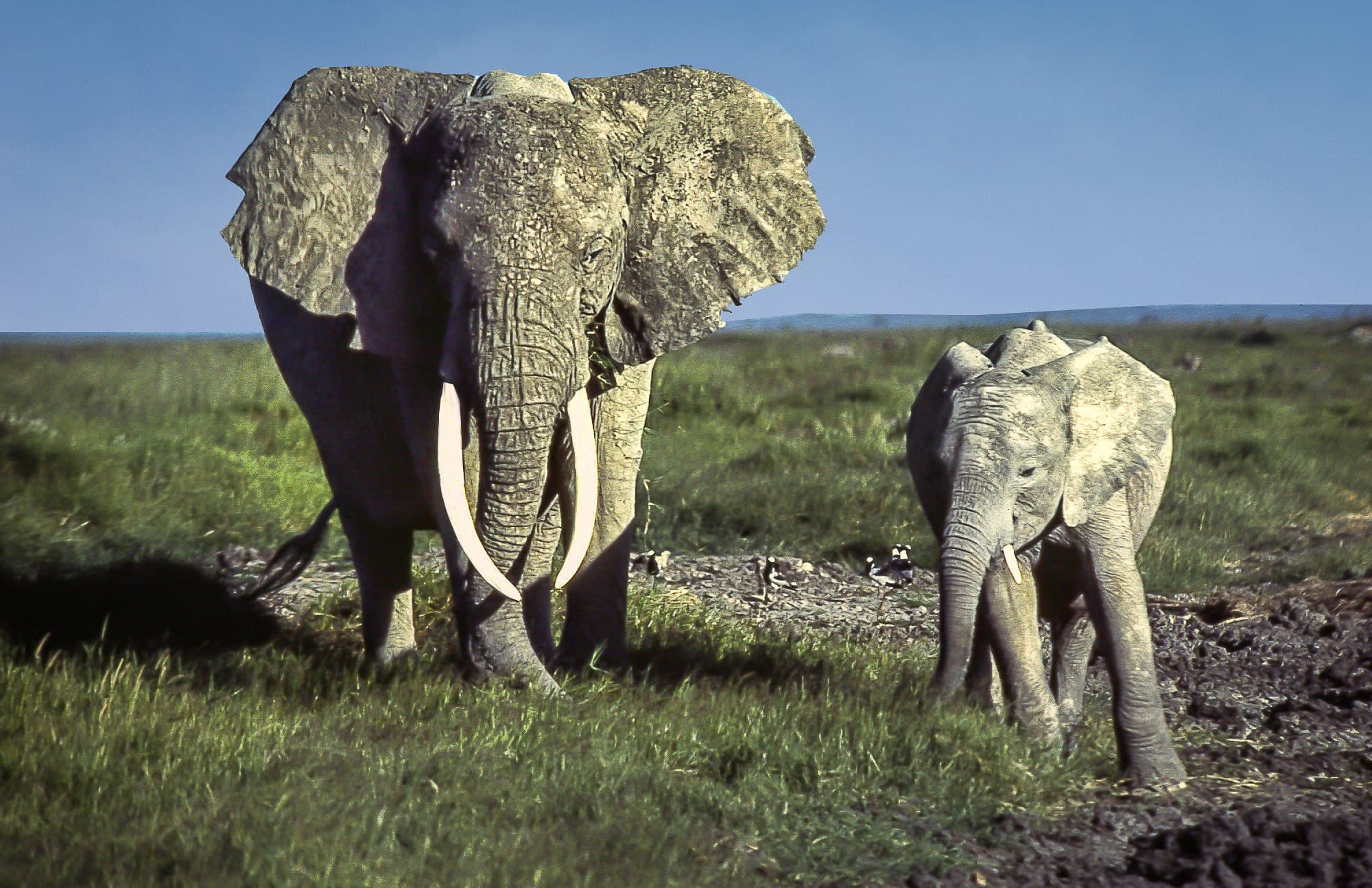
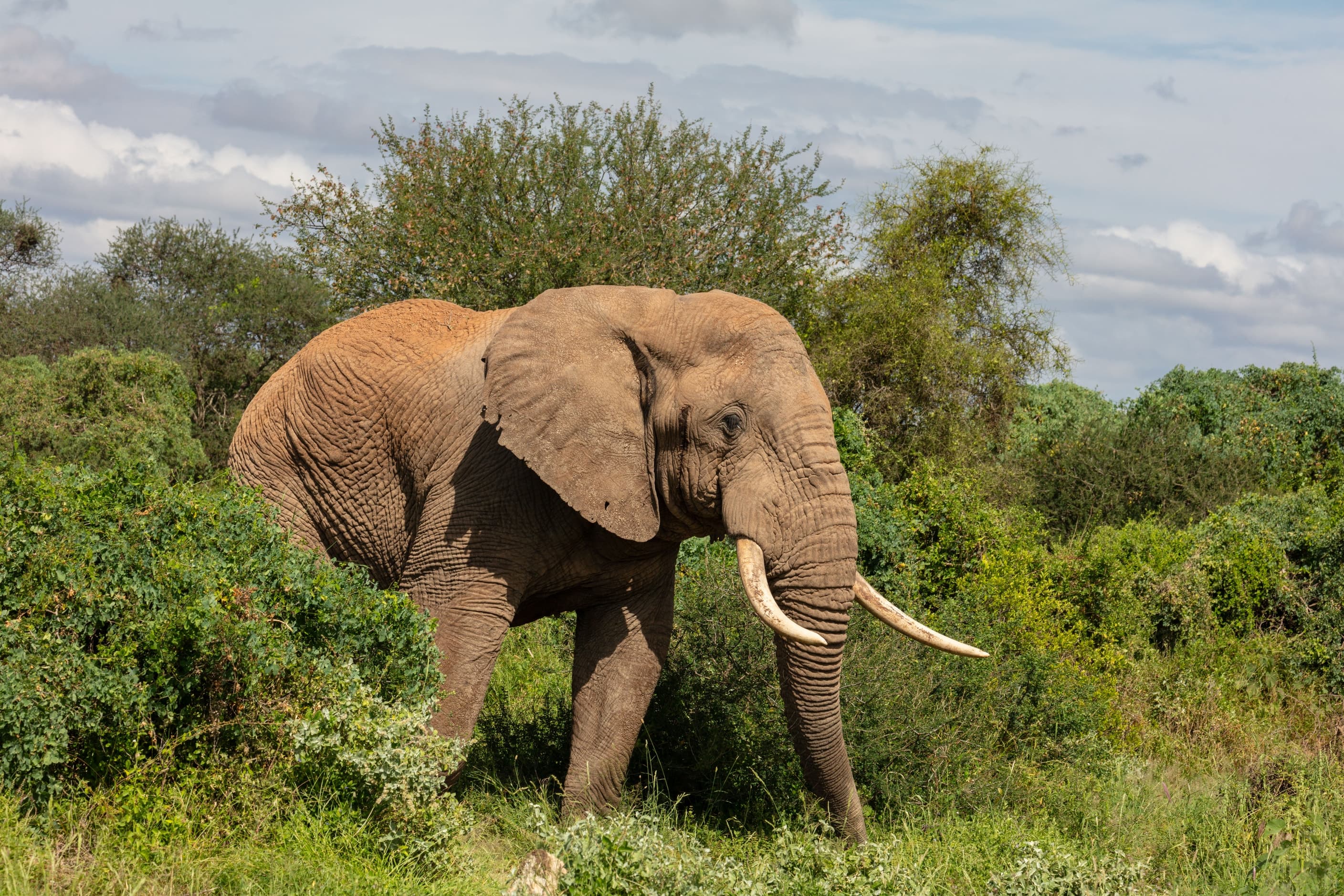
Kenya Wildlife Service calls Amboseli one of Africa’s premier places for close encounters with large elephant herds, and the setting is what makes those encounters unforgettable: Kilimanjaro, across the border in Tanzania, forms the backdrop to the plains. Gazetted in 1974 and recognised as a UNESCO Man and Biosphere reserve, the park is also one of Kenya’s Important Bird Areas, with more than 400 recorded species, including some 40 birds of prey.
Amboseli is Maasai country too. Kenya Wildlife Service points to visits to manyattas and cultural centres that show a pastoral way of life closely connected to conservation, alongside the wildlife viewing in the park itself. Its wide skies and minimal light pollution also make it a fine place to look up after dark, and Kenya Wildlife Service notes that its open, cinematic landscapes make it a favourite for photography and filmmaking.
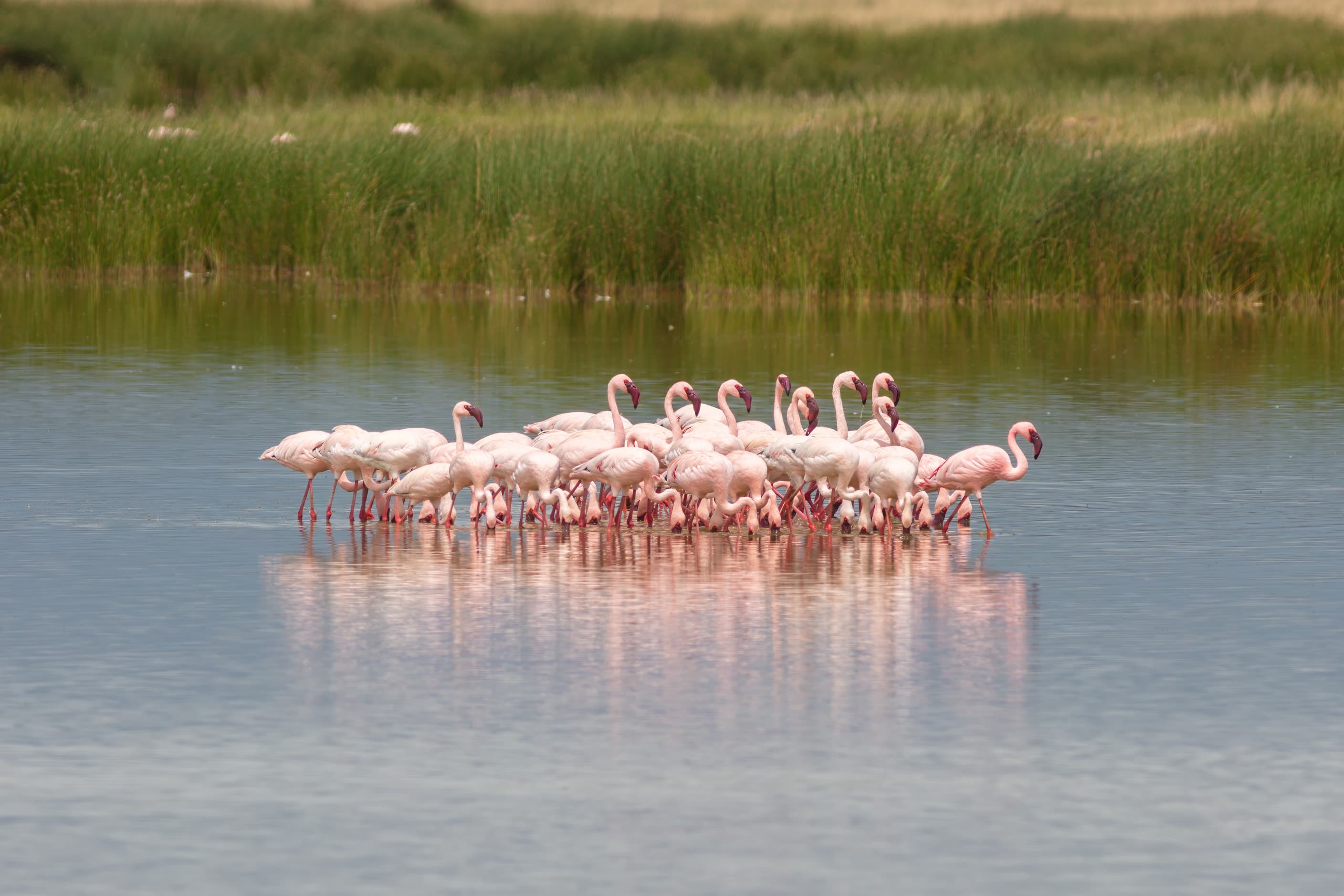
Amboseli mixes open grass plains with acacia woodland, thorny bushland, swamps and marshes, and it is the water that holds the park together. The swamps sustain the elephants and a remarkable variety of birds, while the Amboseli Lake basin can attract flamingos. Moving between these habitats in a single day is part of the pleasure of the park, and each has its own wildlife to look for.
Observation Hill, known locally as Nomatior, gives a panoramic view across the park and carries cultural history linked to the Ndorobo community. From the top you can see how the green swamps sit within the drier plains around them, and on a clear day the view runs south towards Kilimanjaro. It is a reminder that this landscape has a human history as well as its wildlife.
Wildlife moves freely and sightings are never guaranteed.
Kenya Wildlife Service describes July to March as the main season for wildlife viewing across its parks, when short grass and sunny weather make animals easier to find, and April to June as the low season of the long rains, when park roads may need four-wheel drive. The Kenya Meteorological Department adds a second rainy season from October to December. In Amboseli, whether Kilimanjaro shows itself on a given day depends on the cloud, in any season.
Time with the herds on the open plains and around the swamps.
A viewpoint over the park, with stories of the Ndorobo community.
Manyattas and cultural centres near the park.
More than 400 recorded species in one of Kenya’s Important Bird Areas.
Where you stay depends on the safari and comfort level you choose. These properties are named in our catalogue for Amboseli:
Kenya Wildlife Service lists two main road approaches from Nairobi: via Emali on the Nairobi–Mombasa road to Iremito Gate, or via Namanga to Meshanani Gate, with tarmac as far as Namanga and an earth road beyond. From Emali, the Loitokitok road also leads to Kimana Gate, and a road links Amboseli with Tsavo West through the same gate, which makes the two parks an easy combination.
Light aircraft use the tarmac Kimana airstrip, and there are other airstrips near Kilimanjaro Buffalo Lodge and at Namanga town. Inside the park, Kenya Wildlife Service asks visitors to stay on established roads and trails, keep at least 20 metres from wildlife, remain in their vehicles except in designated areas and move slowly and quietly, since startled animals can react dangerously.
Every journey here includes Amboseli on its catalogue route.
Big Time pick
Maasai Mara · Lake Nakuru · Amboseli
Budget nights at Miti Mingi Eco Camp (Maasai Mara), Buraha Zenoni (Lake Nakuru) and Nyati Safari Camp (Amboseli).
Big Time pick
Maasai Mara · Lake Nakuru · Lake Naivasha · Amboseli
Budget nights at Miti Mingi Eco Camp (Maasai Mara), Buraha Zenoni (Lake Nakuru), Leisure Apex (Lake Naivasha) and Nyati Safari Camp (Amboseli).
Big Time pick
Amboseli · Lake Naivasha · Maasai Mara
Accommodation is in lodges.
Big Time pick
Maasai Mara · Lake Nakuru · Amboseli · Serengeti · Ngorongoro
Budget nights at Miti Mingi Eco Camp (Maasai Mara), Buraha Zenoni (Lake Nakuru) and Nyati Safari Camp (Amboseli), with camp or lodge stays at the other stops.
Big Time pick
Maasai Mara · Lake Nakuru · Amboseli · Lake Manyara · Serengeti · Ngorongoro
Budget nights at Miti Mingi Eco Camp (Maasai Mara), Buraha Zenoni (Lake Nakuru) and Nyati Safari Camp (Amboseli), with camp or lodge stays at the other stops.
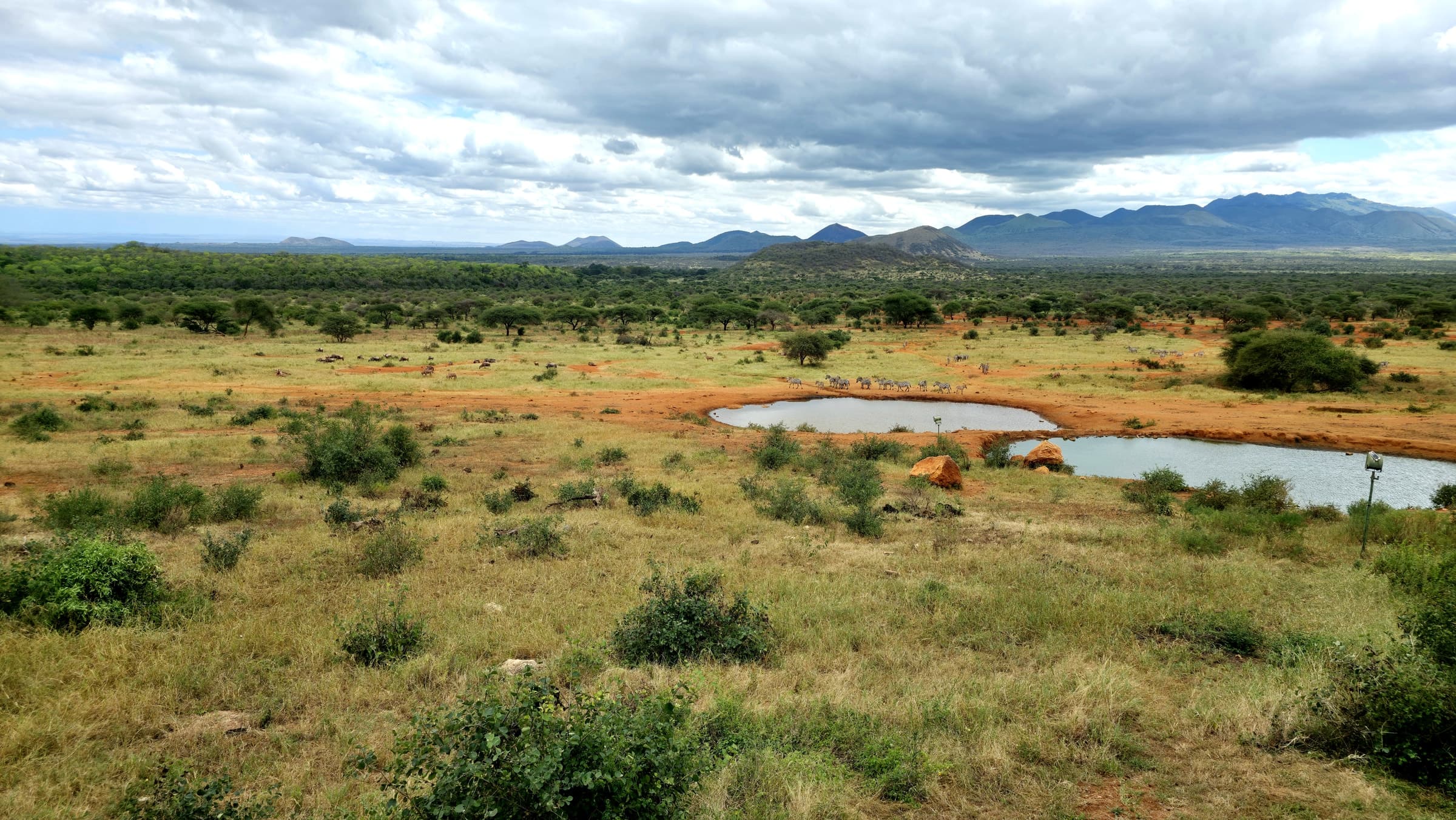
Kenya
A road links Amboseli with Tsavo West through Kimana Gate.
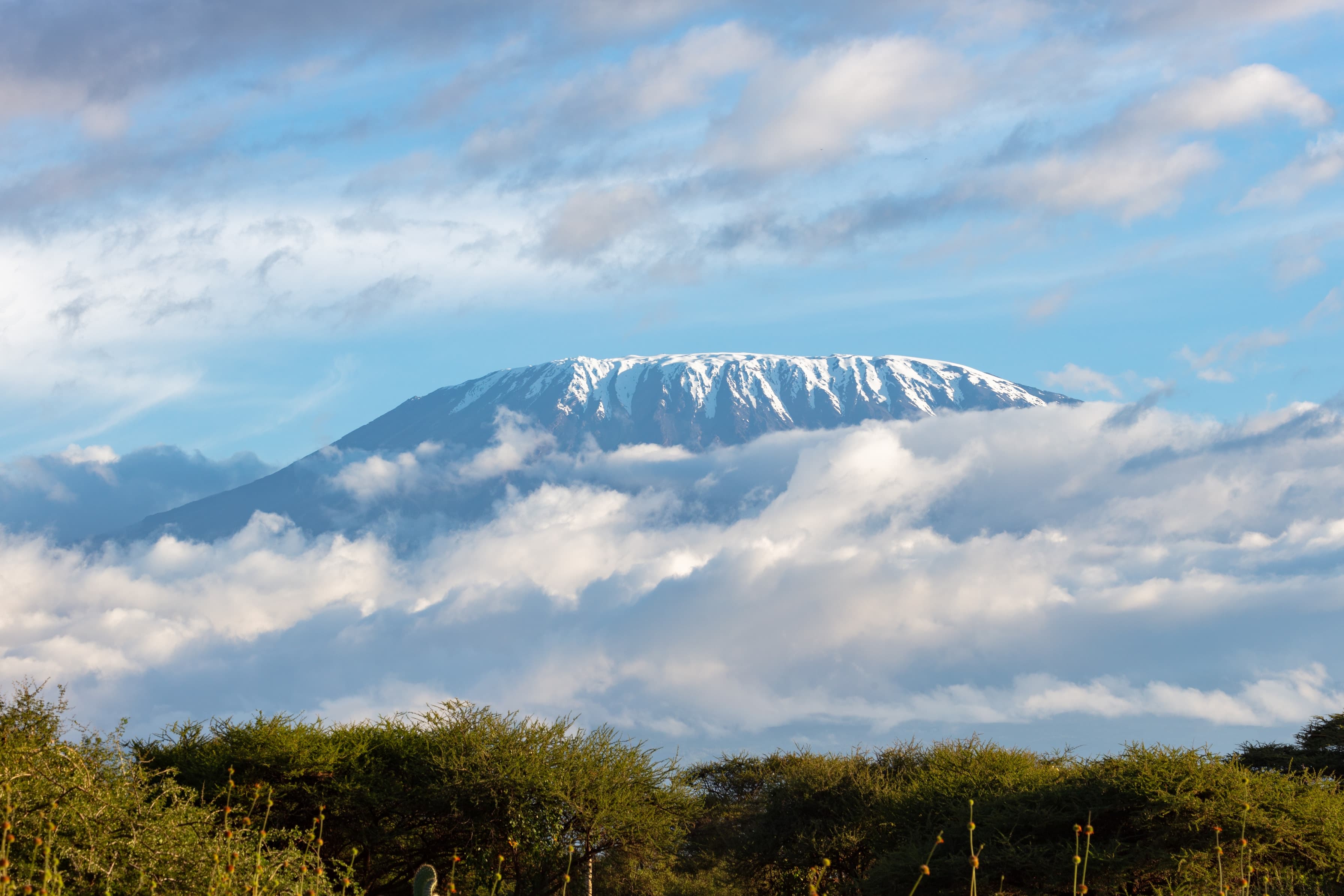
Tanzania
Kilimanjaro rises across the border and forms Amboseli’s backdrop.
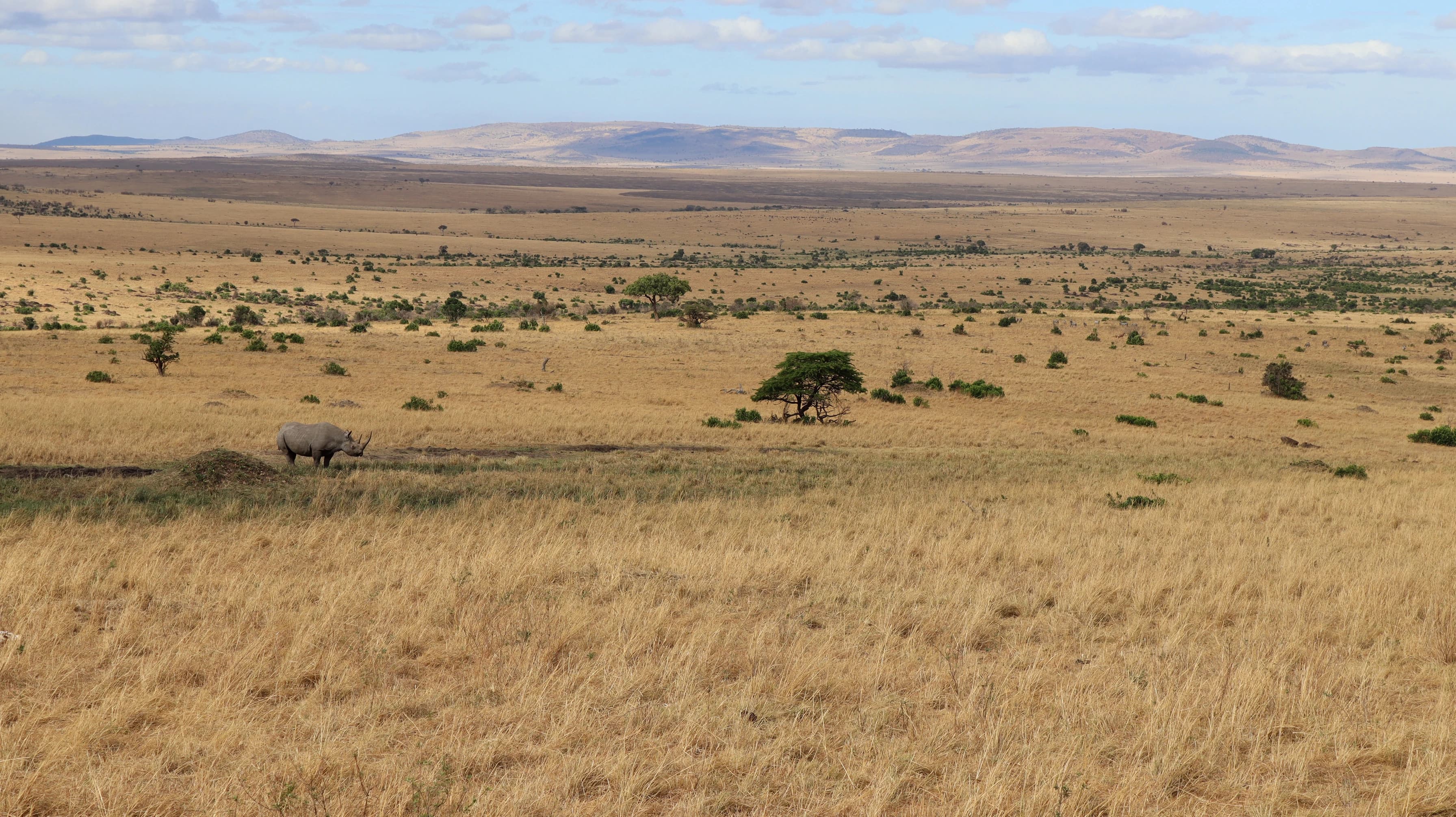
Kenya
Combined with Amboseli on 15 of our journeys.
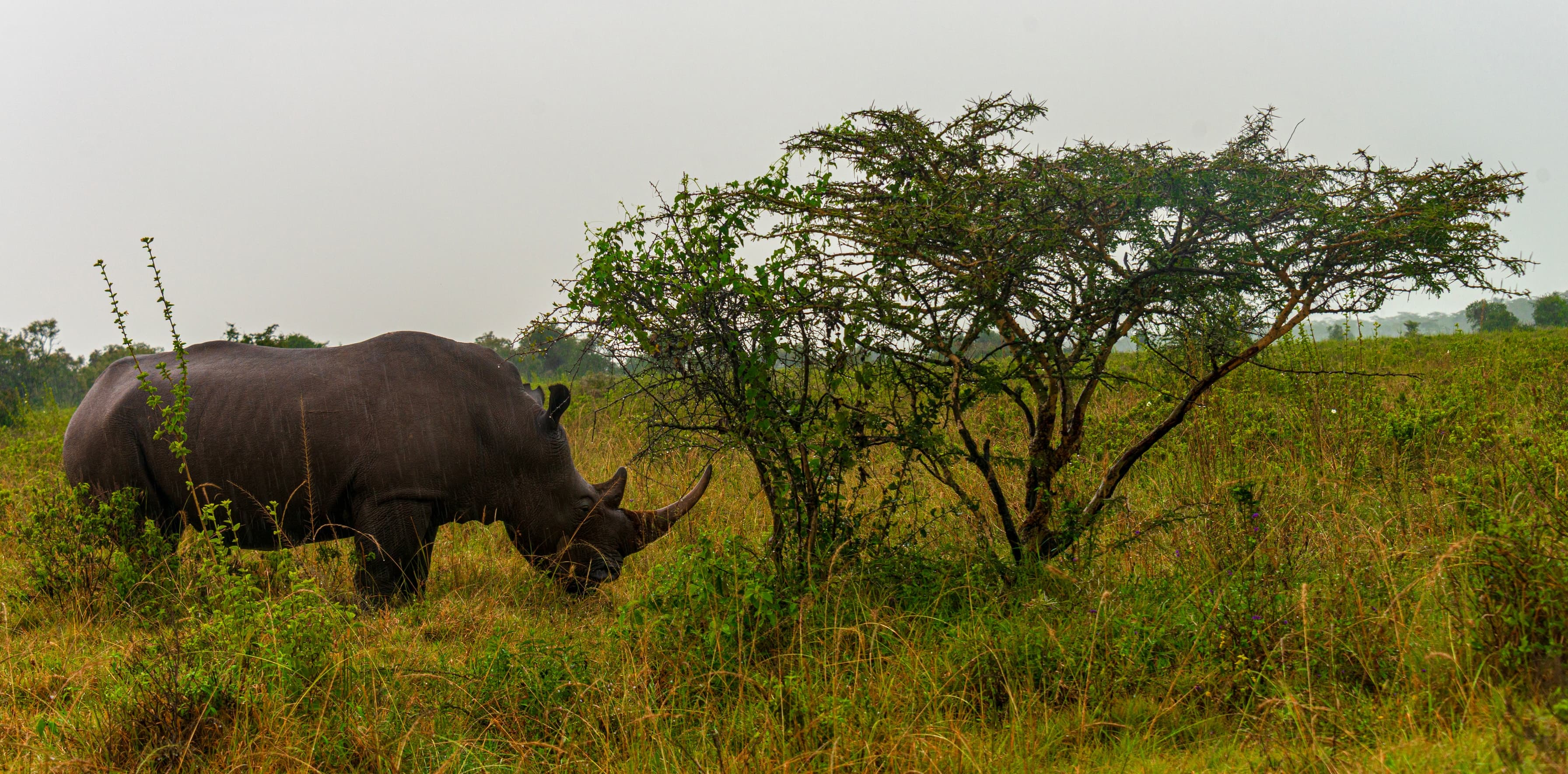
Kenya
Combined with Amboseli on 13 of our journeys.
Facts on this page were checked against these sources in October 2026. Park rules, fees and conditions change, so always check the latest before you travel.
Tell us when you would like to travel and who is coming, and our team will suggest safaris that include Amboseli.