
3 Days Queen Elizabeth National Park Safari
Queen Elizabeth National Park
Stays are in camps or lodges.
Uganda’s most popular savannah park, straddling the equator beneath the Rwenzori Mountains — with the Kazinga Channel and the tree-climbing lions of Ishasha.
Queen Elizabeth National Park in our Uganda guide, with the places around it.
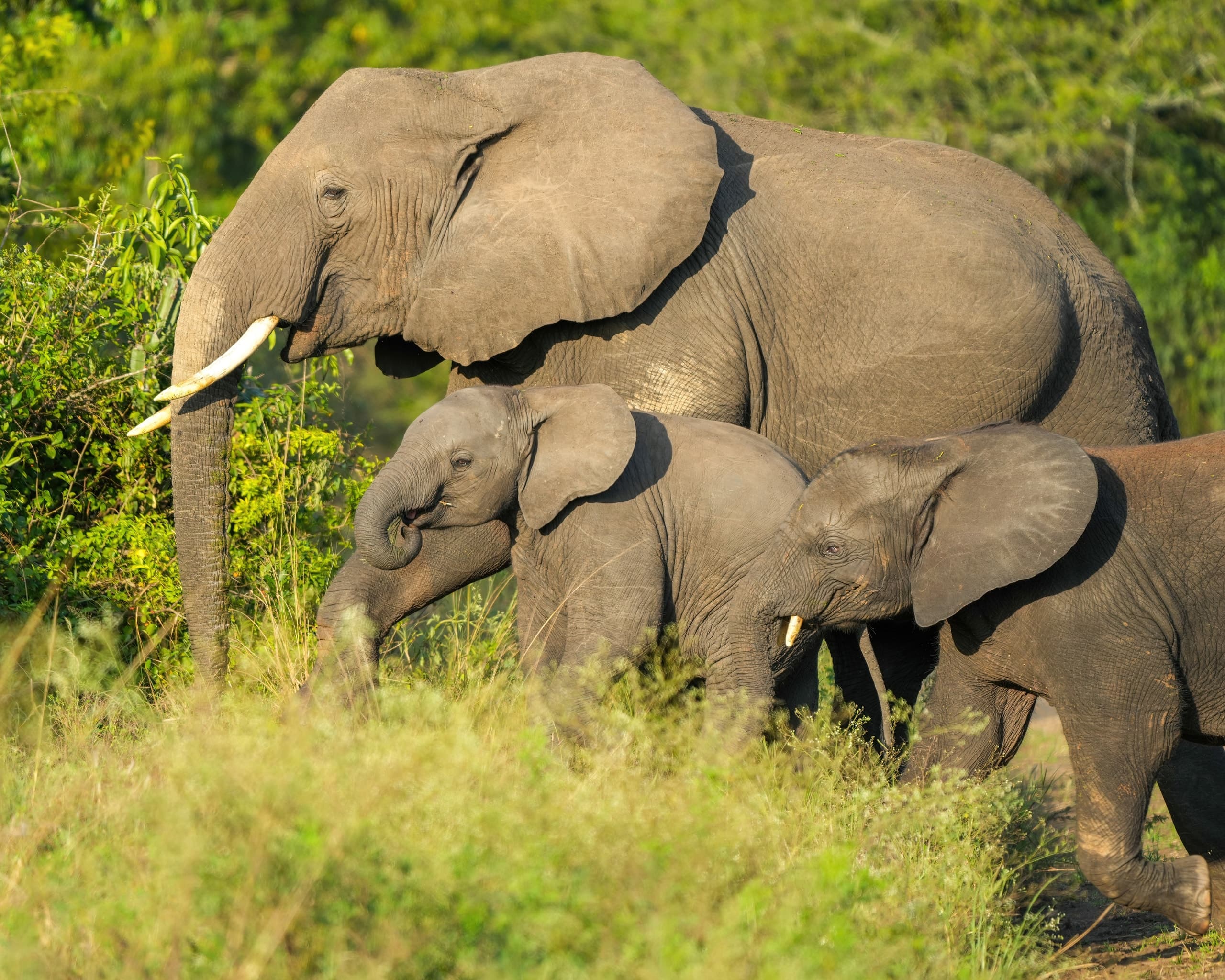
Queen Elizabeth is Uganda’s most popular and most biodiverse safari park, home to more than 95 mammal species and over 600 kinds of birds, among them the African fish eagle, the shoebill, flamingos and the papyrus gonolek. Founded as Kazinga National Park in 1952, it was renamed in 1954 to commemorate a visit by Queen Elizabeth II, and it now stands against the backdrop of the Rwenzori Mountains.
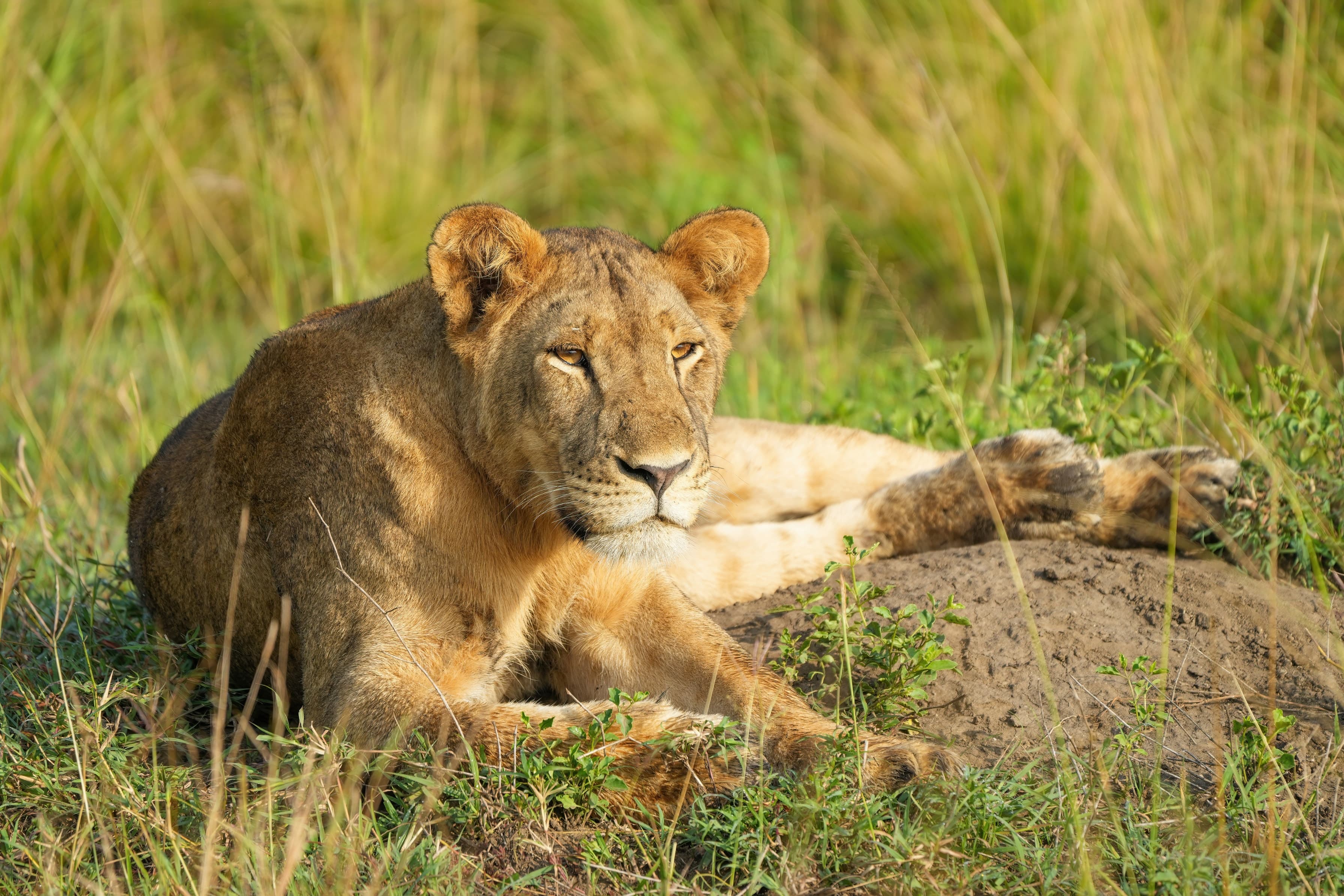
The park straddles the equator, and monuments mark the exact spot where it crosses the line. In the Ishasha sector in the south, lions are known to climb fig trees and rest along the branches, scanning the plains for Uganda kob, behaviour the Uganda Wildlife Authority describes as rare anywhere in the world. Conservation here also supports local communities, who benefit from ecotourism and sustainable use of resources.
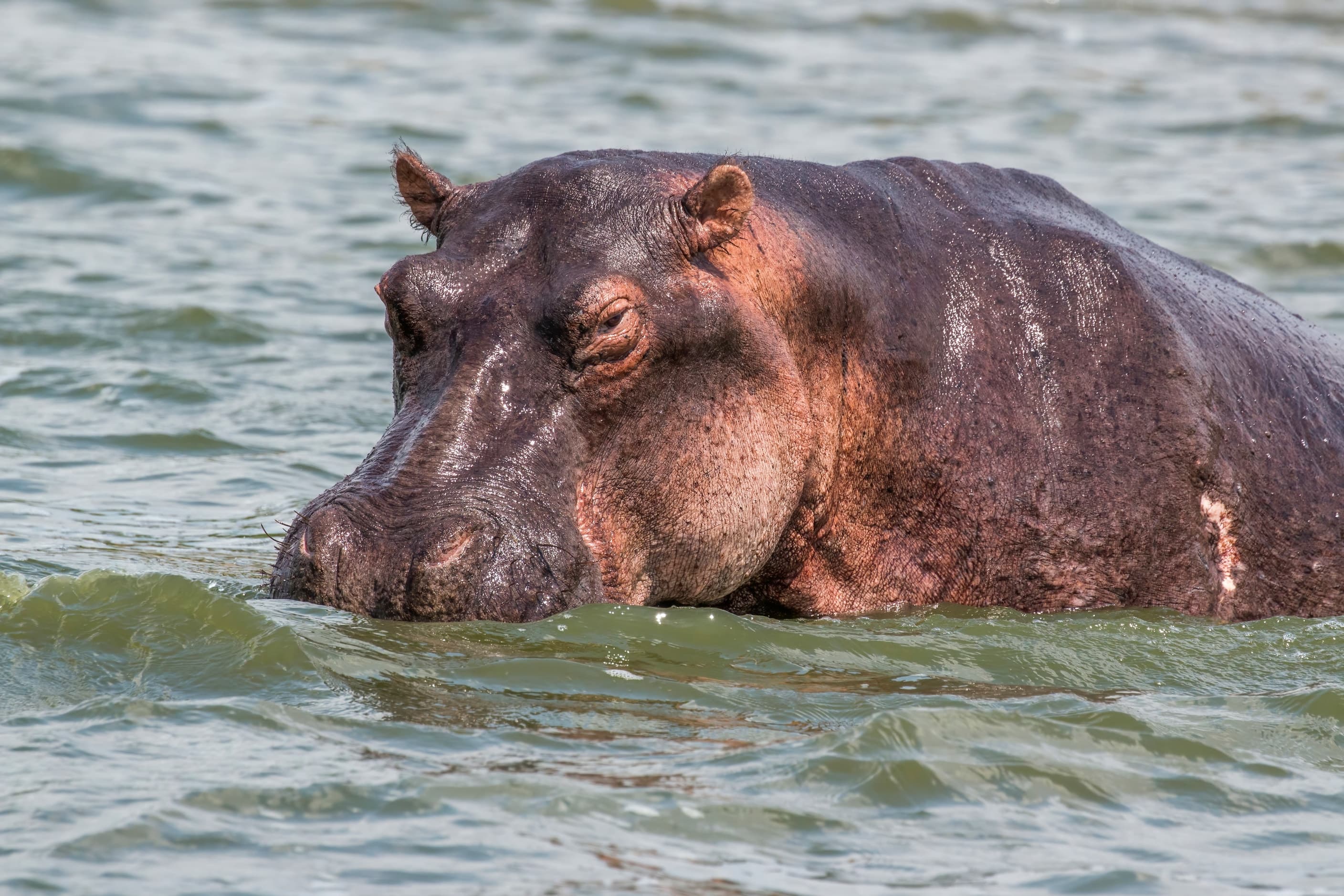
The Kazinga Channel, a natural waterway some 40 kilometres long linking Lake Edward and Lake George, is one of the park’s great attractions, drawing elephants, buffalo and hippos to its banks along with a remarkable range of waterbirds. Away from the water, the Katwe explosion craters rise to the highest point in the park, and the lush, humid forests in parts of the park harbour primates, including chimpanzees, black-and-white colobus and vervet monkeys.
The savannah is mostly open grassland, growing moister and more wooded towards the west, and thorny acacia woodland and dense candelabra shrubs create a distinctive habitat, particularly along the Kazinga Channel and on the Kasenyi Plains. That variety, from crater lakes and forest to grassland and channel shores, is what makes Queen Elizabeth so rich in species.
Wildlife moves freely and sightings are never guaranteed.
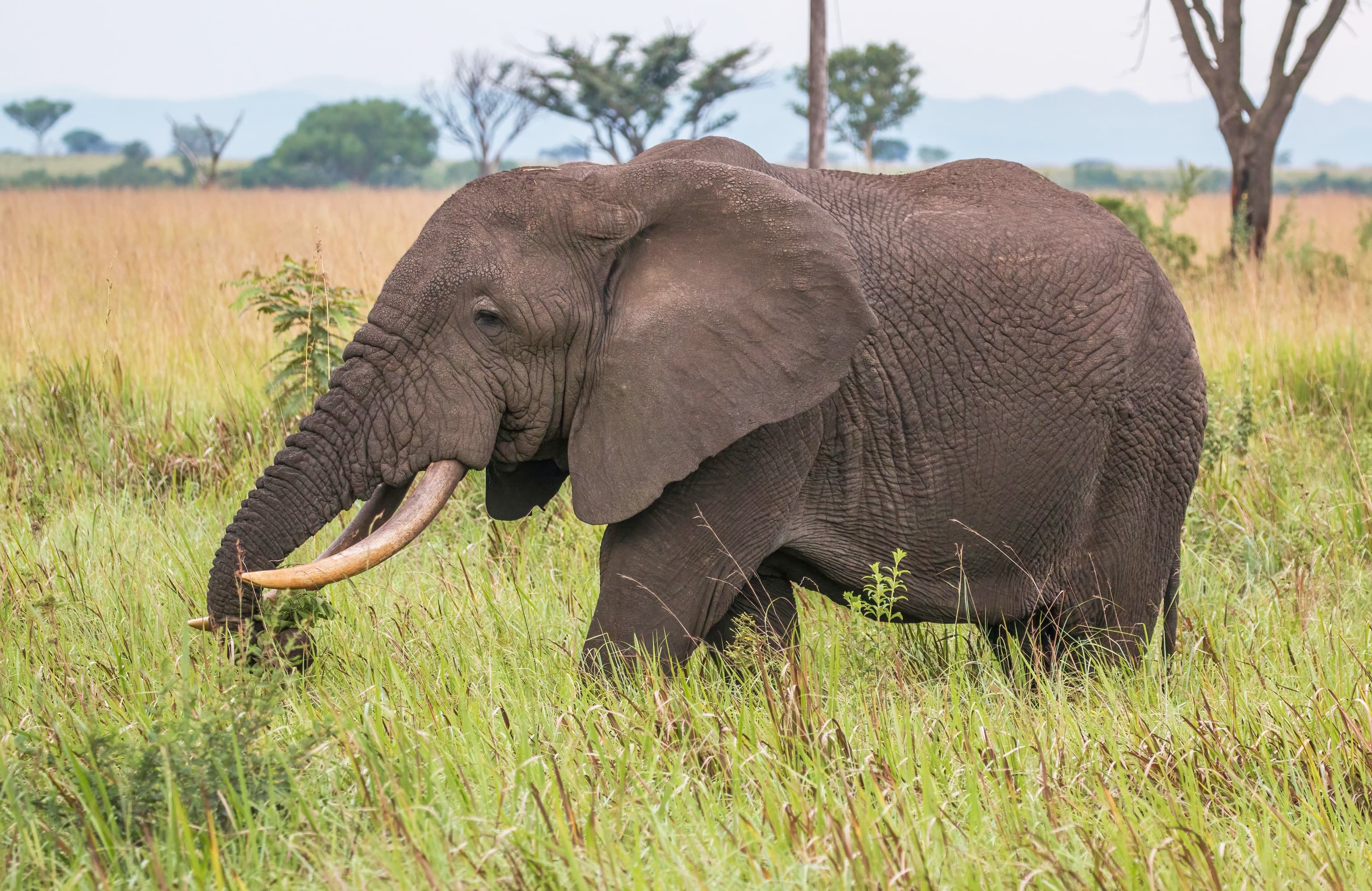
Wildlife along the banks of the channel.
Looking for lions resting in fig trees.
Cultural tours with Bakonzo, Basongora and Banyabindi communities.
The park lies in western Uganda, west of Kampala, and the Uganda Wildlife Authority notes that most road itineraries take in other parks on the way. It is also possible to fly by scheduled or chartered aircraft from Entebbe International Airport or Kajjansi Airfield near Kampala to the nearby airstrips of Kasese, Mweya or Kihihi, the last of which serves the Ishasha sector in the south of the park.
Every journey here includes Queen Elizabeth National Park on its catalogue route.
Queen Elizabeth National Park
Stays are in camps or lodges.
Uganda
A road route to Bwindi passes through the Ishasha sector.
Facts on this page were checked against these sources in October 2026. Park rules, fees and conditions change, so always check the latest before you travel.
Tell us when you would like to travel and who is coming, and our team will suggest safaris that include Queen Elizabeth National Park.