
4 Days Tarangire, Ngorongoro, Serengeti & Lake Manyara Safari
Big Time pick
Tarangire · Ngorongoro · Serengeti · Lake Manyara
Stays are in camps or lodges.
Tanzania · Budget
A 5-day budget safari through Lake Manyara, Ngorongoro and Tarangire. Stays are in camps or lodges.
Price
Price on request
Places as named in the journey title. Nights in each are set out in your itinerary.
Starts in Arusha · finishes in Arusha
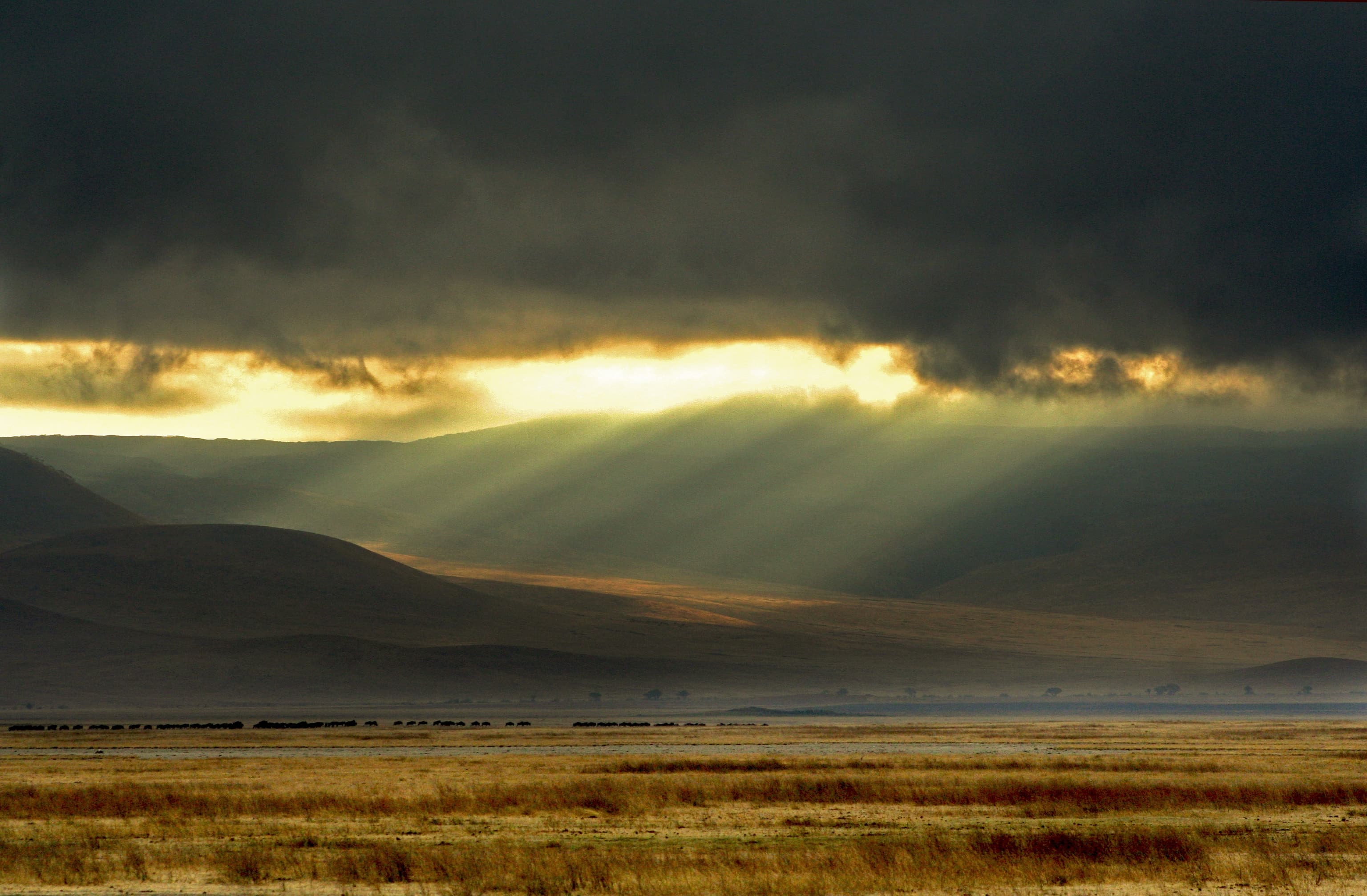
The route, days and named stays are as planned. What is included at each stop, from food, park fees and drinking water to room types, permits and border arrangements, and any camp or lodge not named here, is set out in your written quotation. Game drives on travel days depend on arrival and departure times, timings can change with road and park conditions, and wildlife sightings are never guaranteed. Photographs illustrate each day’s destination; they are not pictures of a particular departure.
Arusha → Lake Manyara
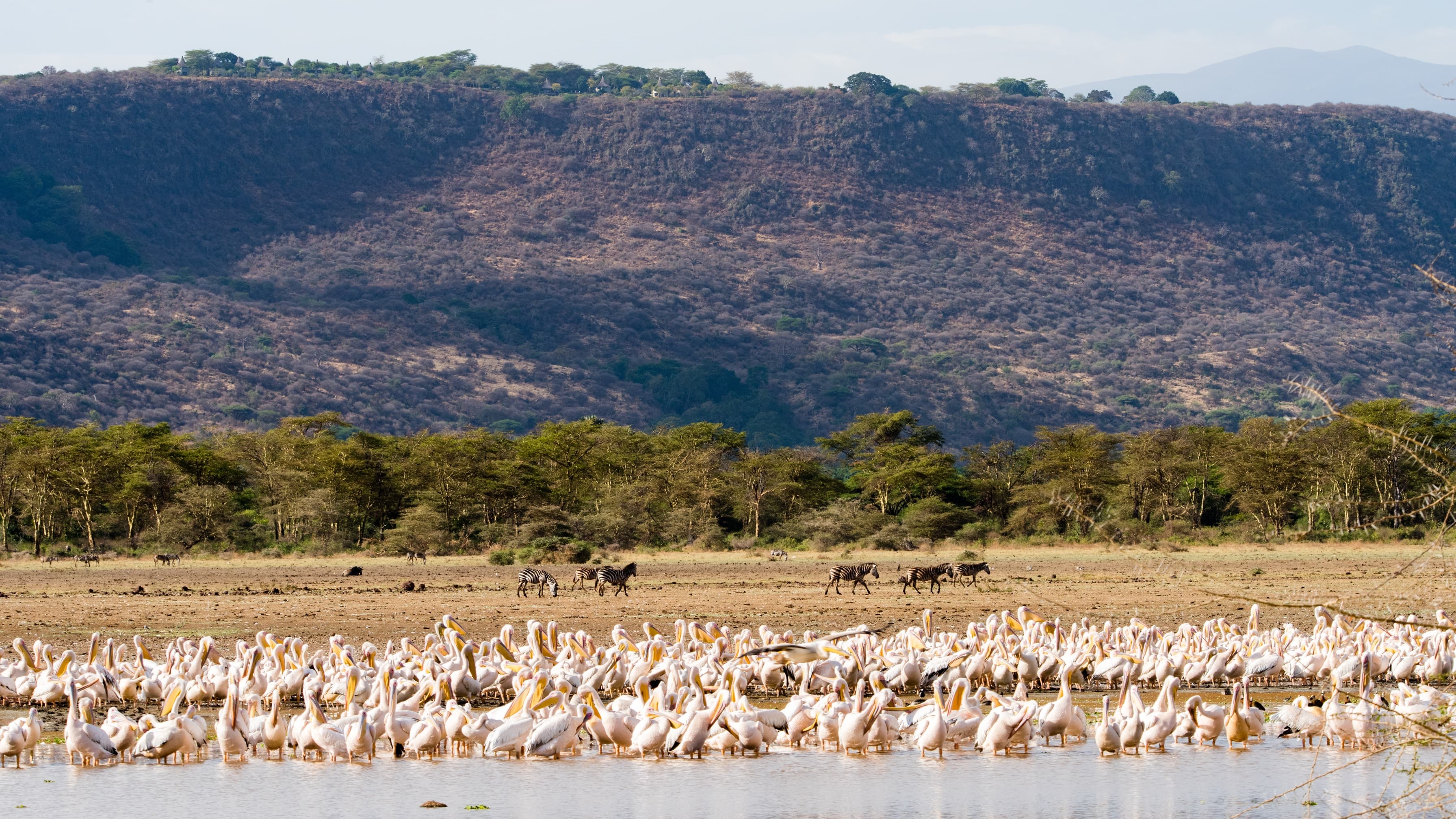
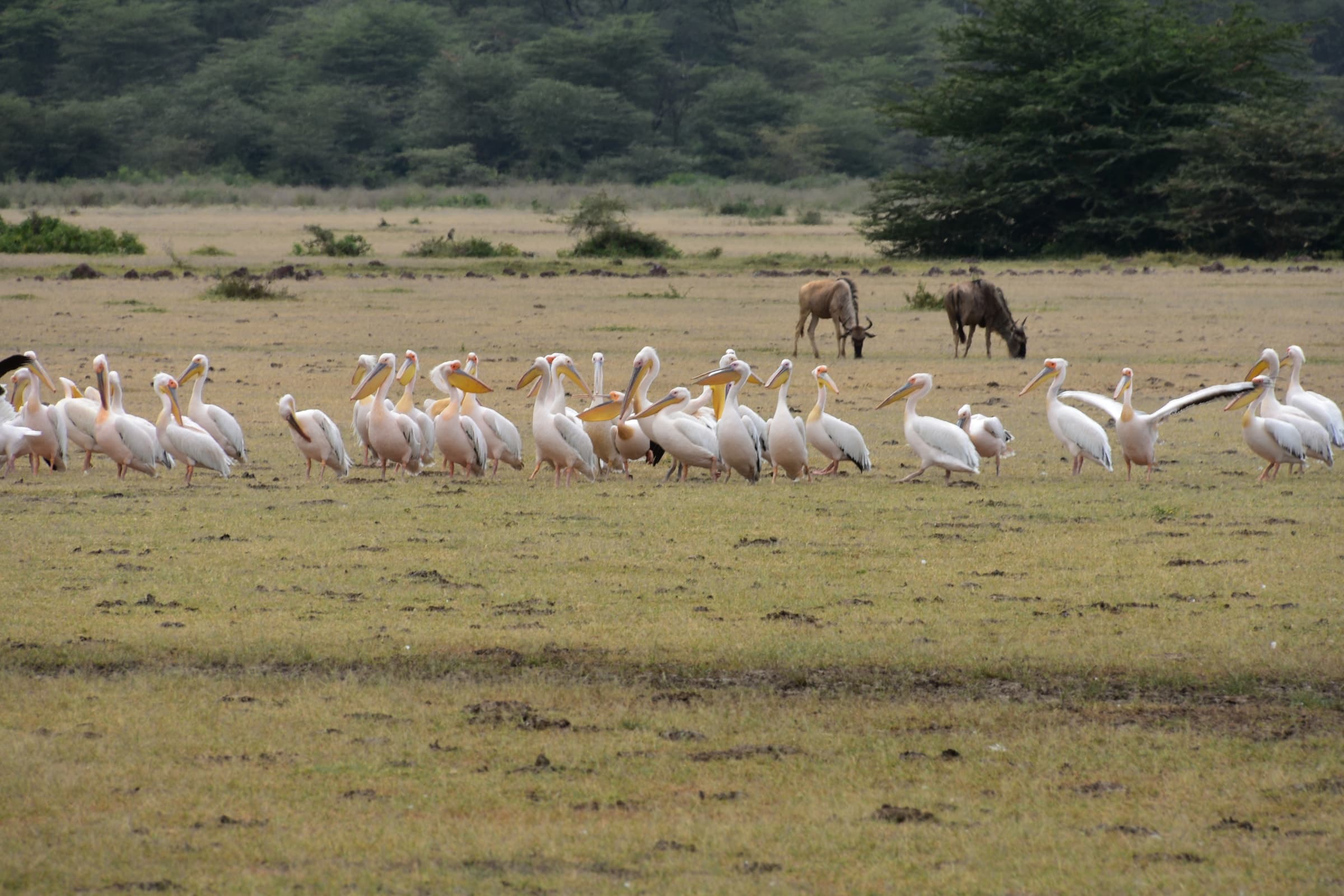
From Arusha, the 4×4 Land Cruiser follows the good tarmac road to Lake Manyara National Park, whose main gate lies near the town of Mto wa Mbu. The park sits at the base of the Great Rift Valley escarpment, and groundwater forest grows at its foot, a surprising green world on the edge of a soda lake. Where arrival time allows, an afternoon drive moves from the forest to the lake shore.
Lake Manyara
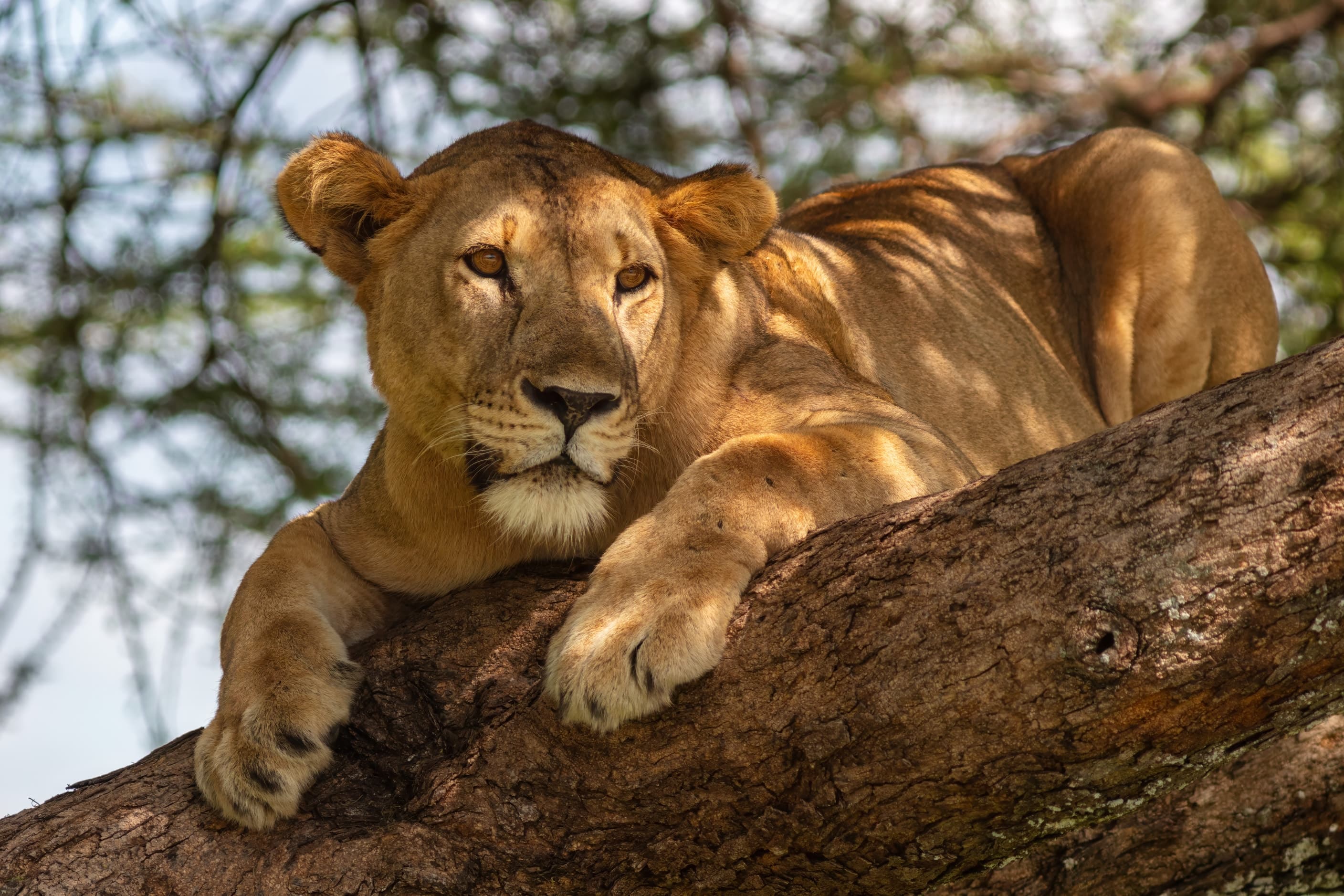
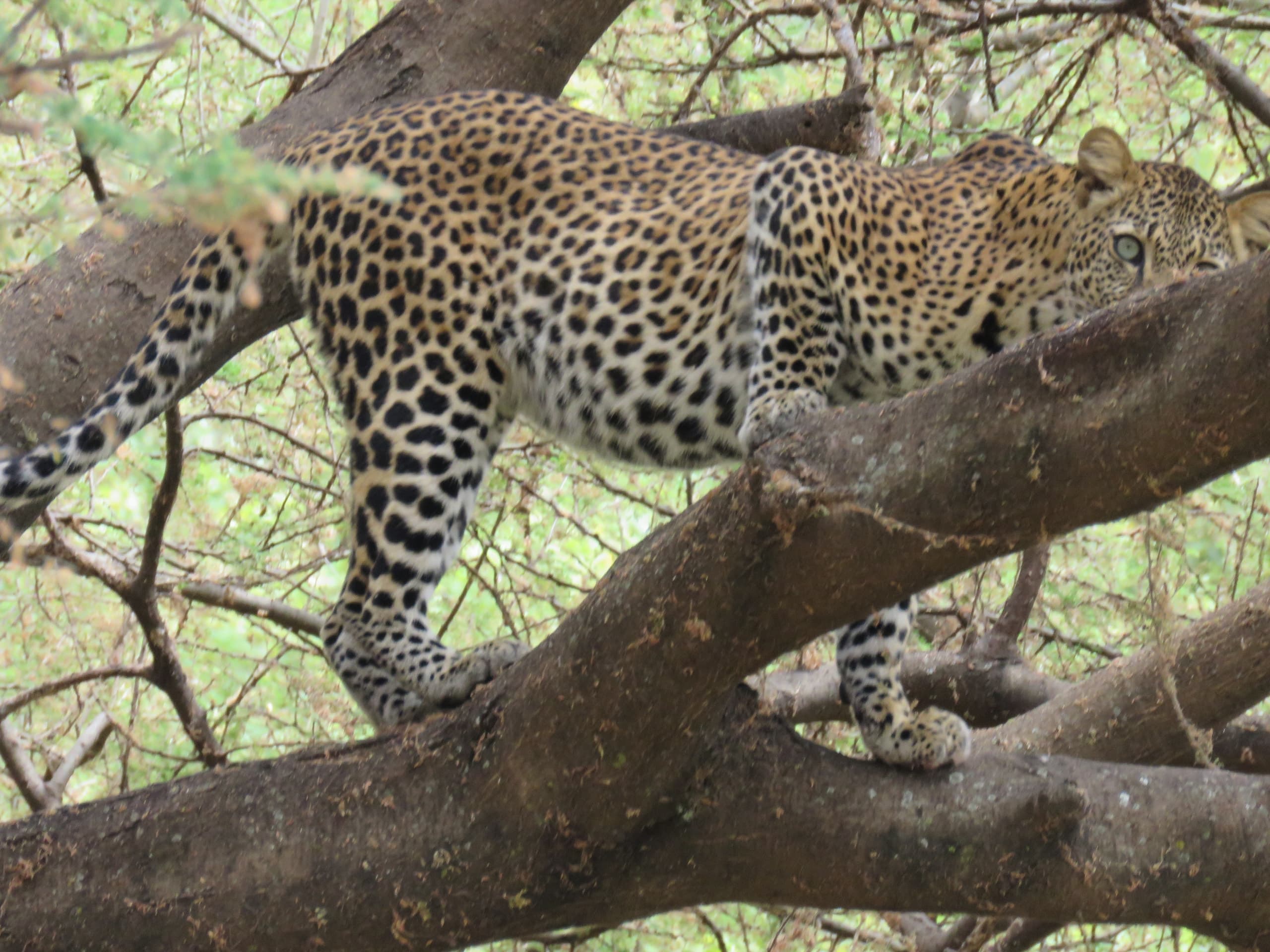
A morning in Lake Manyara National Park is time to look for its blue monkeys and bushbuck in the forest, the lesser flamingos that feed on the lake, and the lions that sometimes rest in the trees. The park also has a canopy walkway, one of the longest in Africa, with viewing decks among the treetops; whether it is included is set out in your quotation. At picnic sites, keep food secure from the baboons and monkeys. Some routes may close in the rains.
Lake Manyara → Ngorongoro Crater
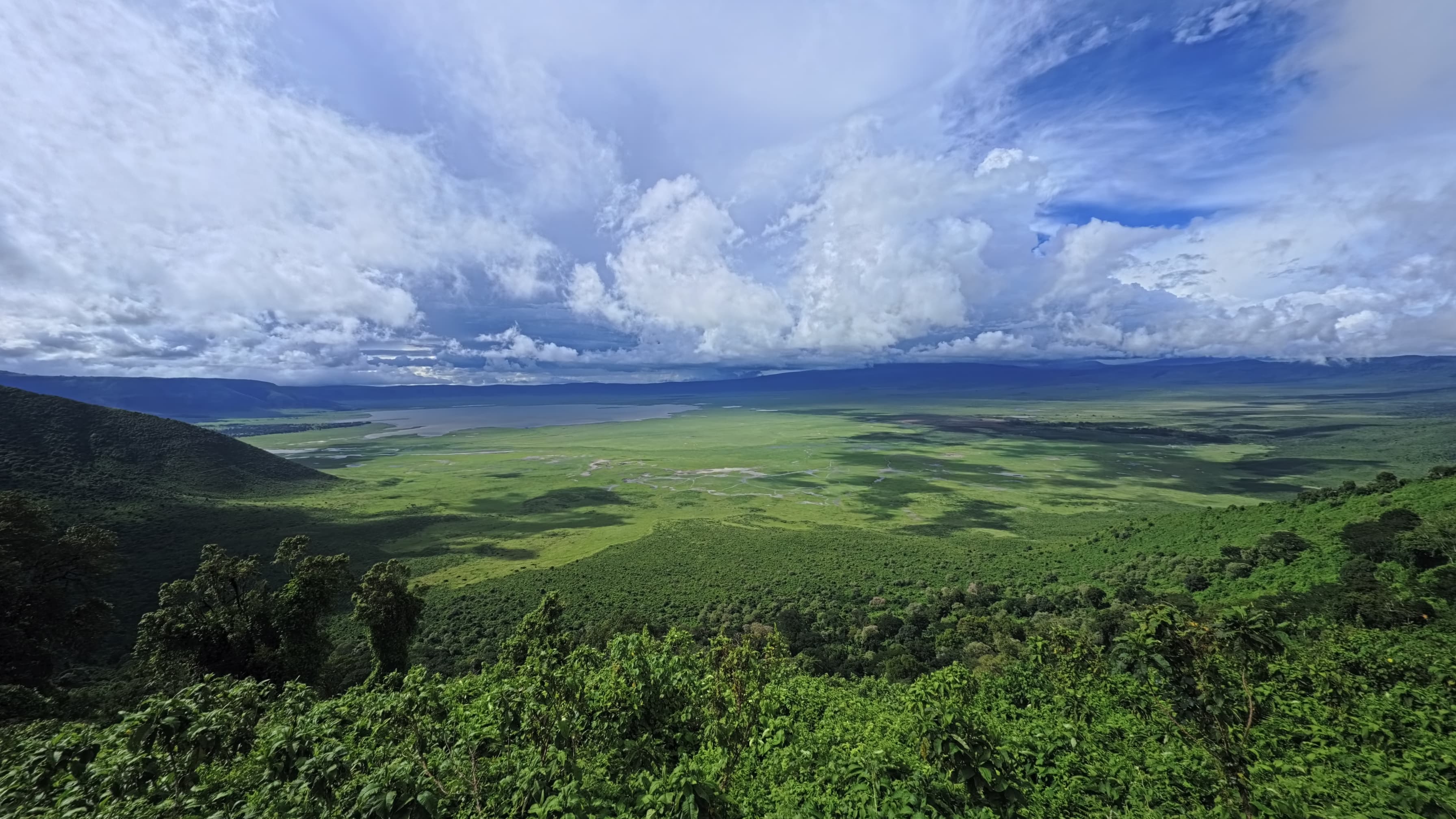
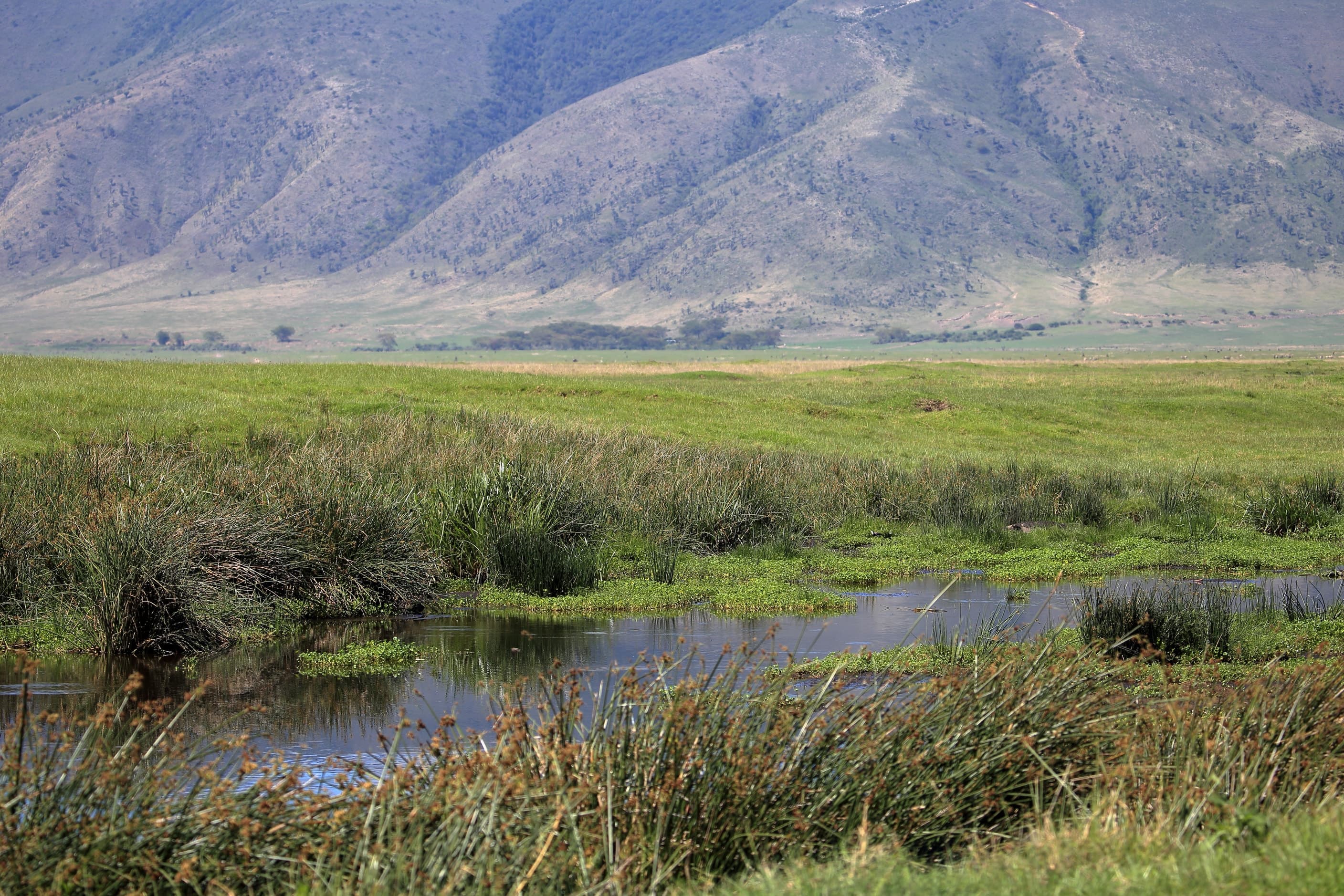
The road climbs from the Rift Valley to the crater highlands, and then descends into the Ngorongoro Crater itself, formed about 2.5 million years ago when a massive volcano collapsed. The NCAA describes grasslands, swamps, rivers and woodland on the crater floor, where animals move freely in and out all year. The name comes from the Maasai phrase “orgirra le kkorongorro”, meaning “big bowl”, and from the floor you can see why, with the walls rising on every side.
Ngorongoro → Tarangire
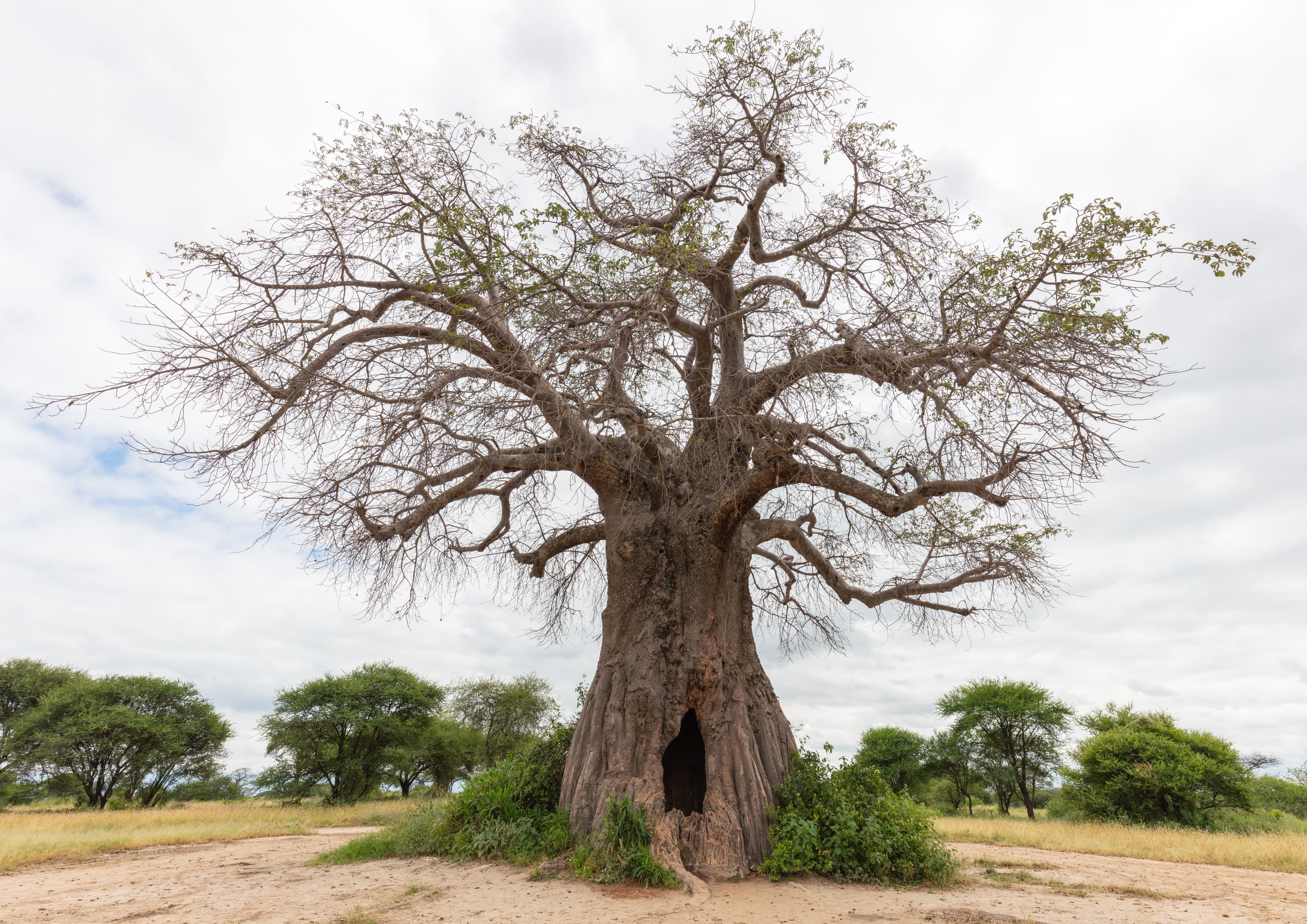
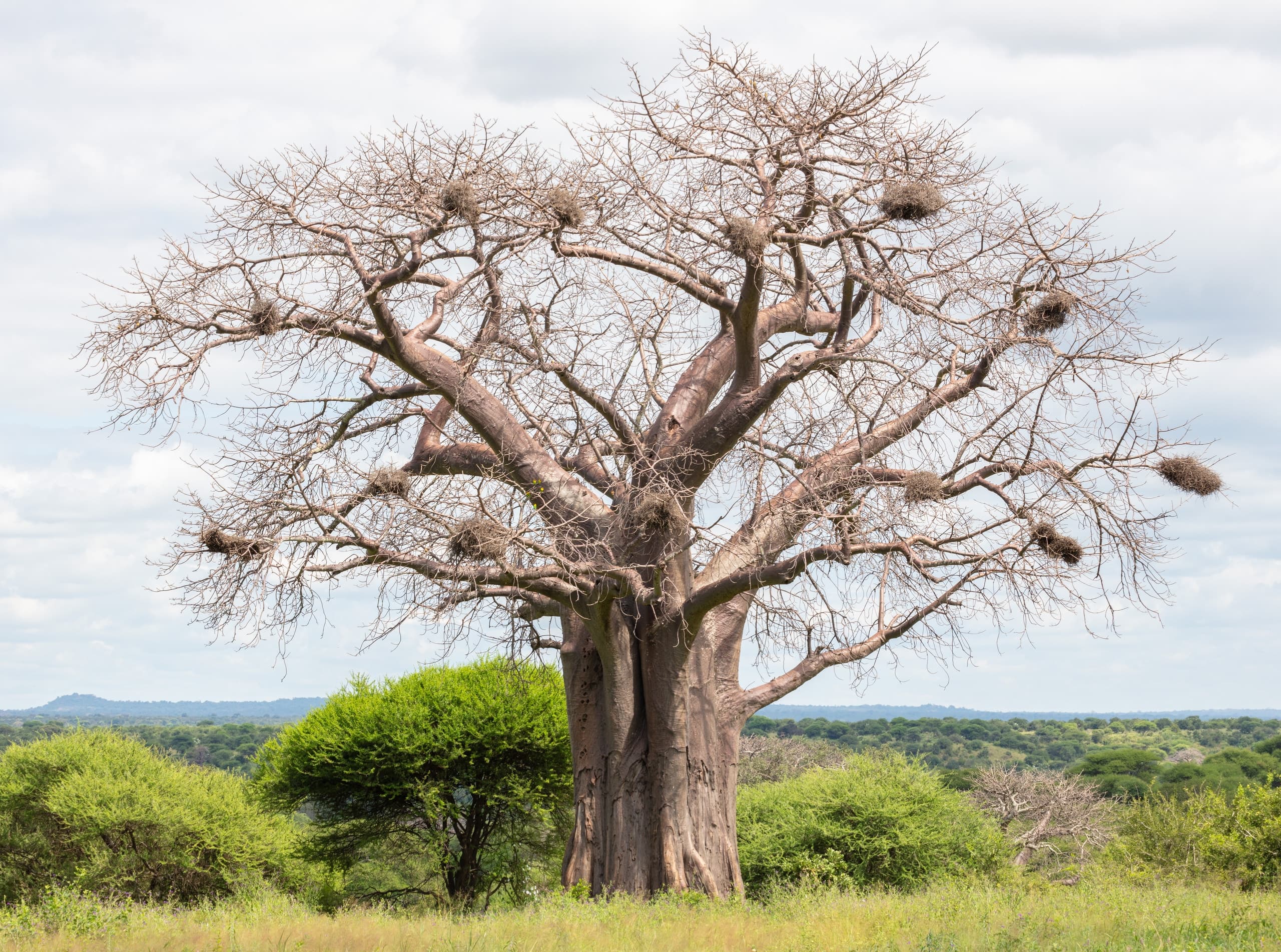
Leaving the highlands, the journey returns east to Tarangire National Park. TANAPA describes baobabs reaching 30 metres tall with trunks over ten metres wide, and old termite mounds that serve as lookouts for lions, cheetahs and mongooses. The park is at its busiest in the dry season, from June to October, when wildlife gathers along the river; from November to May it is wetter and can be muddy. In tsetse areas, keep the windows mostly up at low speed and wear neutral colours.
Tarangire → Arusha
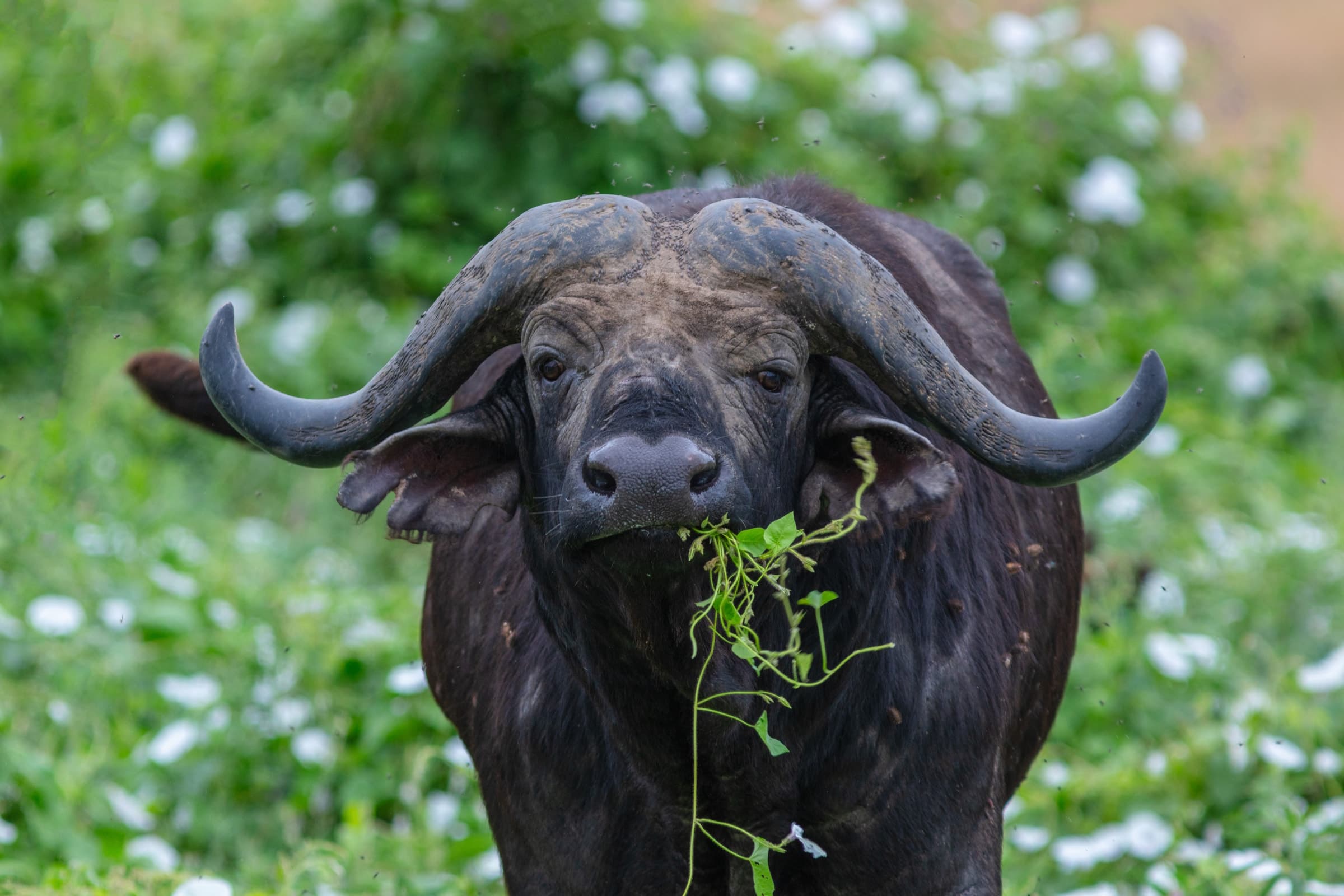
Where time allows, a morning drive in Tarangire, along the river or out towards the Silale Swamp area, is a last chance to spend time with the park’s elephants, which TANAPA counts at more than 3,000. Keep a generous distance from elephants and buffalo, and never block their paths to water, as the park’s guidance asks. The Land Cruiser then returns to Arusha on the tarmac road via Minjingu and Makuyuni, ending a short circuit through three very different parks.
Like the shape of these days? Tell us your dates and who is travelling, and our team will set out the stays, meals and inclusions in a written quotation.
Other stops: overnight at a camp or lodge. The camp or lodge is discussed with you during planning and confirmed with your itinerary, subject to availability. How accommodation works on our safaris
Big Time pick
Tarangire · Ngorongoro · Serengeti · Lake Manyara
Stays are in camps or lodges.
Big Time pick
Tarangire · Serengeti · Ngorongoro · Lake Manyara
Accommodation is in lodges.
Maasai Mara · Nakuru · Naivasha · Amboseli · Manyara · Serengeti · Ngorongoro · Tarangire
Budget nights at Miti Mingi Eco Camp (Maasai Mara), Buraha Zenoni (Lake Nakuru), Leisure Apex (Lake Naivasha) and Nyati Safari Camp (Amboseli), with camp or lodge stays at the other stops.
Tell us your dates, who is travelling and anything you would like to change. Our team will tell you what this journey can include.