
Ndutu
Short-grass plains and soda lakes on the edge of the southern Serengeti, where the migrating herds gather to give birth.
- Country
- Tanzania
- Managed by
- Ngorongoro Conservation Area Authority
- Setting
- The southern edge of the Serengeti plains, with Lake Ndutu and Lake Masek
- Migration herds
- Usually from late December to April
- Our journeys here
- 2 journeys in the catalogue
Is Ndutu right for you?
Who it suits.
- Best for
- Photographers and predator watchers in calving season, and repeat visitors who want to see the migration’s beginning rather than its river crossings.
- How it connects
- Managed by the NCAA alongside the crater, and visited on two of our journeys built around the calving season.
Ndutu in our Tanzania guide, with the places around it.
Why visit Ndutu
The calving grounds.
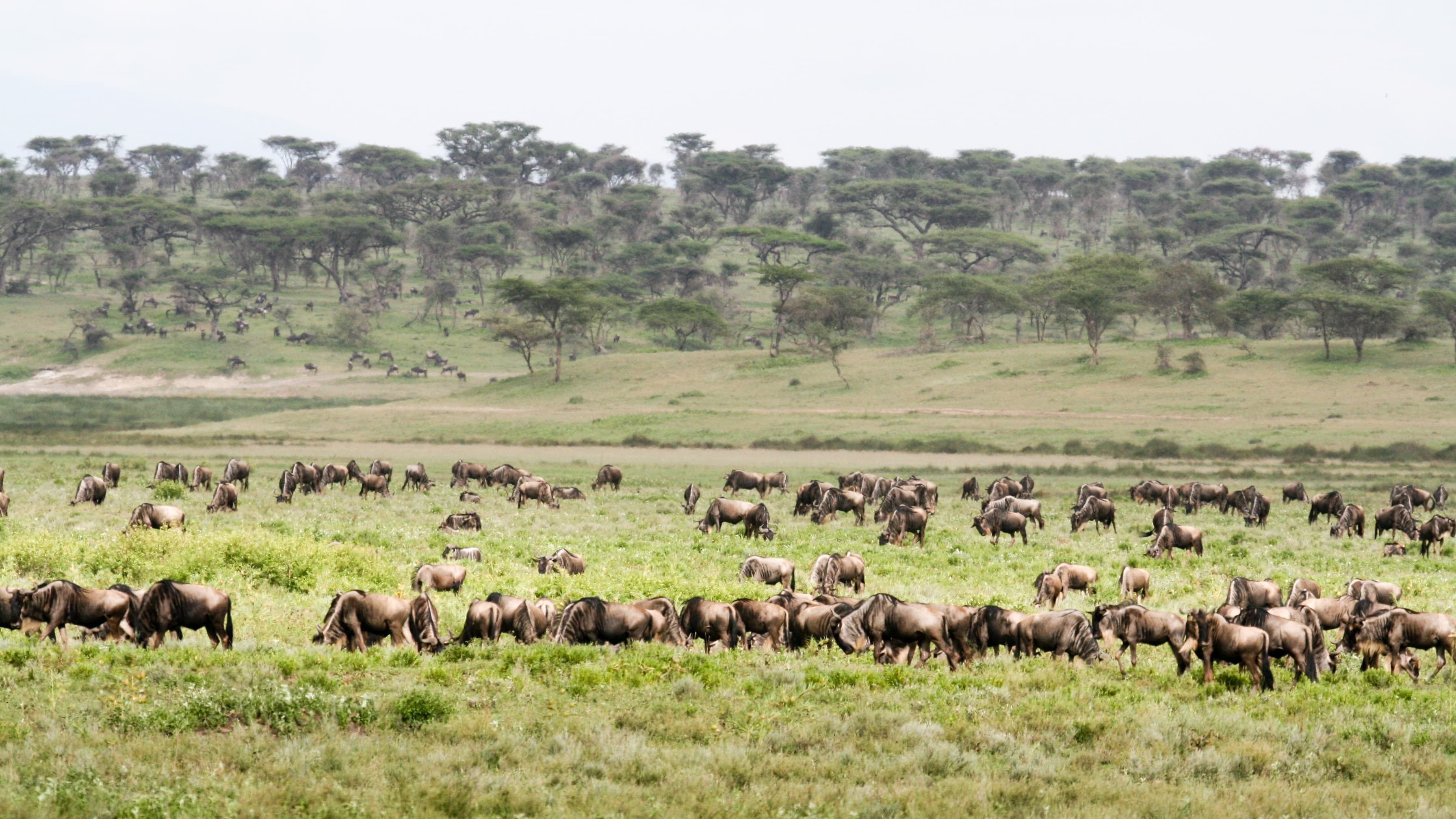
From about the end of December, the great migration herds arrive on the Ndutu plains from the north, and thousands of calves are born here before the wildebeest, zebra and gazelles begin moving north again in April. Standing on these plains in season means being in the middle of the migration’s calving ground, among massive herds of wildebeest and zebra drawn to the short grass by the seasonal rains.
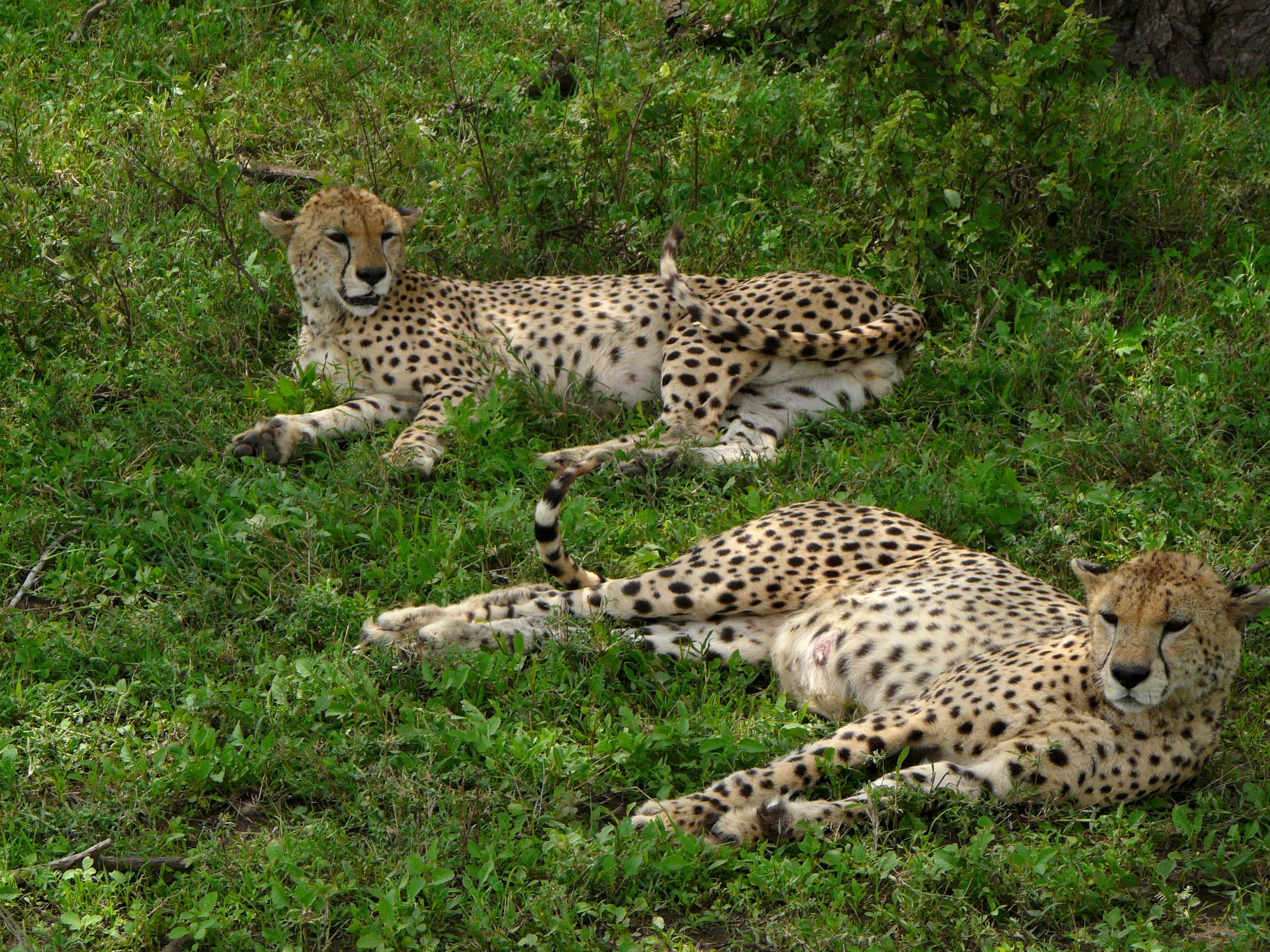
Predators follow the herds, and the NCAA counts Ndutu among the best places in the Ngorongoro Conservation Area to see them, against stunning open landscapes. Even when the migration is elsewhere, the area is excellent for game viewing all year, because its resident wildlife, from elephants and giraffes to lions, cheetahs and hyenas, stays on the plains, marshes and woodland around the lakes.
Landscapes & wildlife
Grass, acacia and soda lakes.
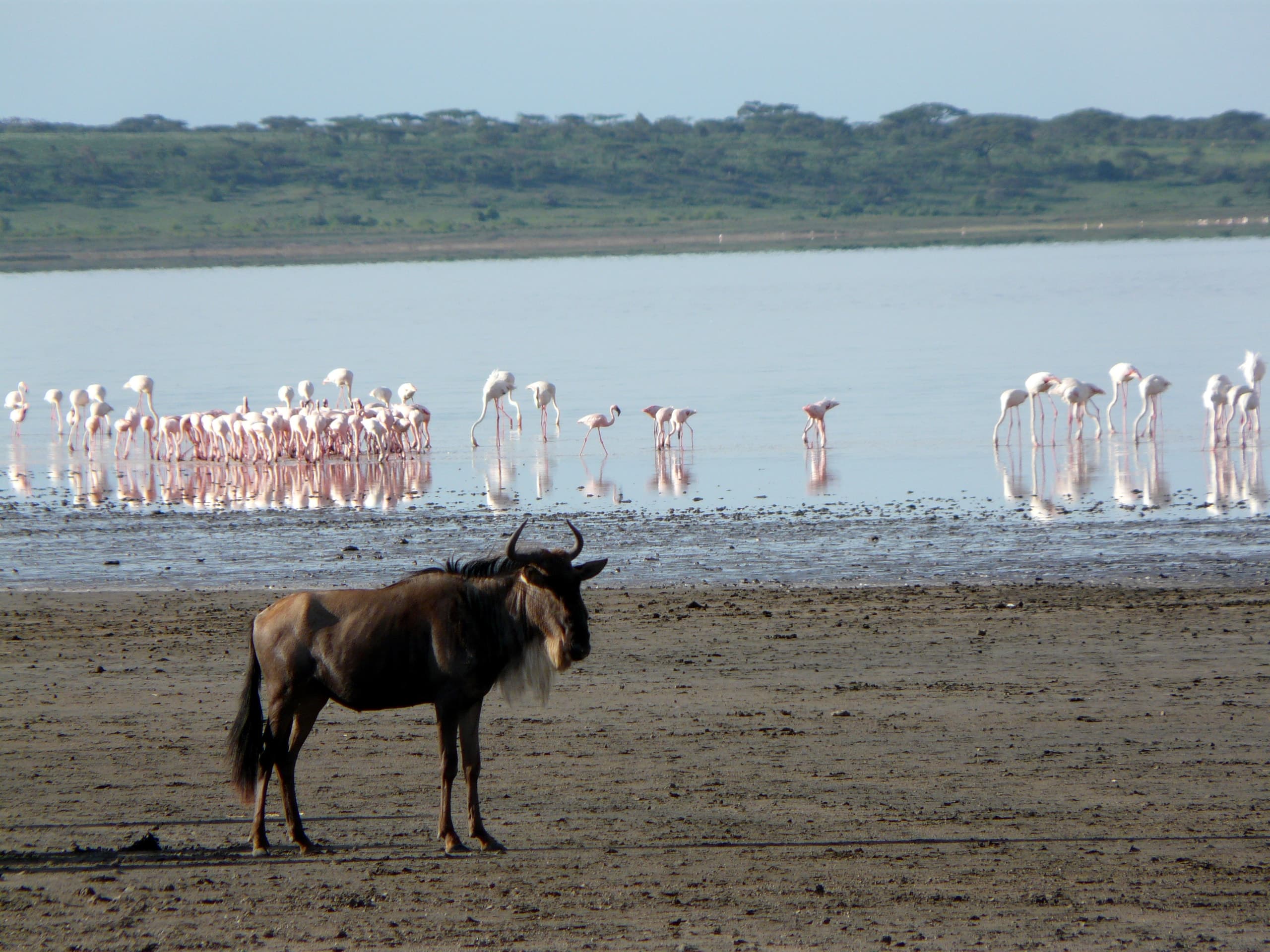
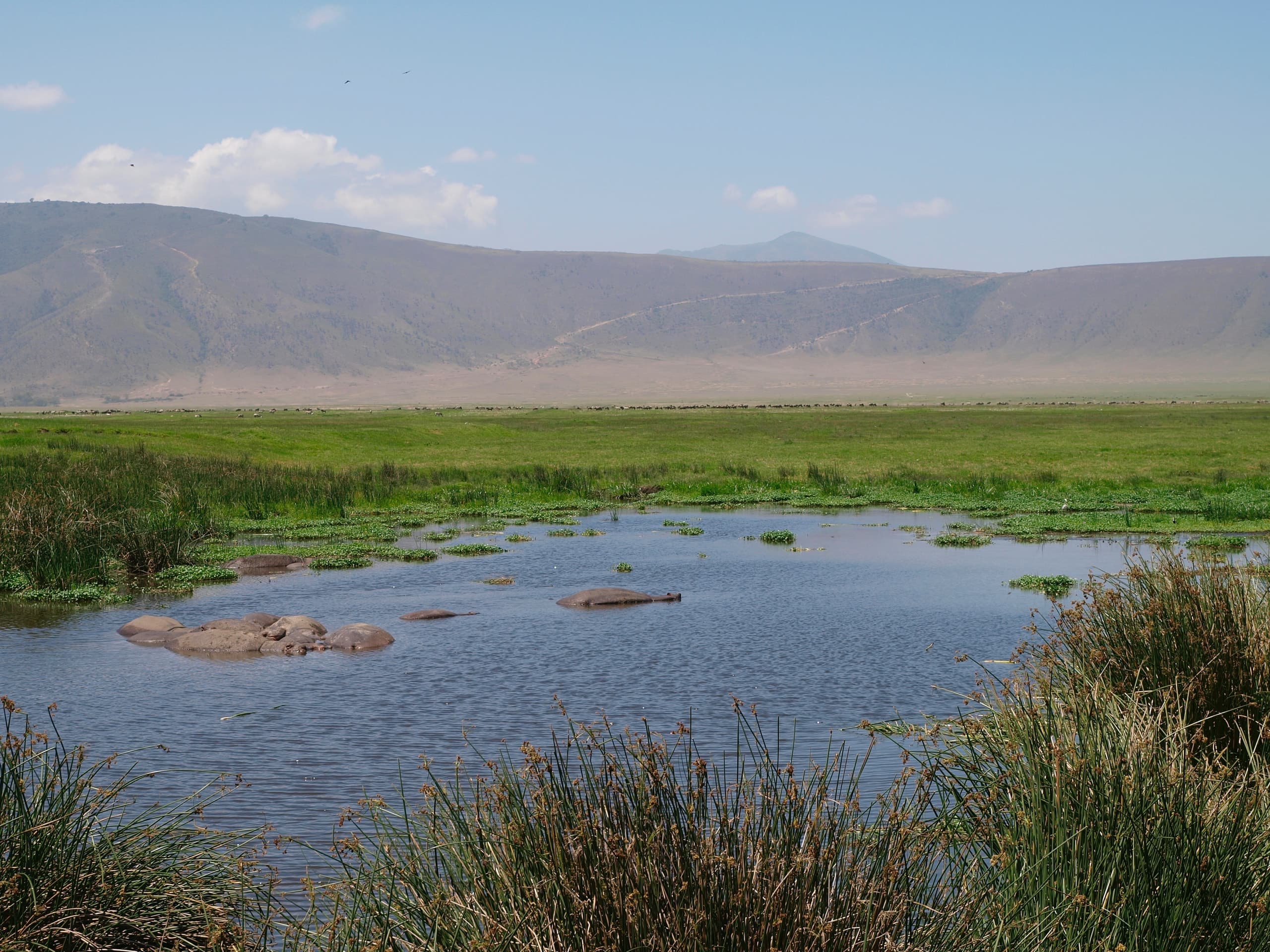
Ndutu lies within the Ngorongoro Conservation Area on the edge of the southern Serengeti plains. It is mostly short grassland, with tall acacia trees, marshes and woodland around Lake Ndutu and the soda lake Masek, and the acacias give panoramic views across both lakes. Giraffe, impala, elephant, dik-dik, lion, cheetah, leopard, hyena, bat-eared fox, genet, jackal and wildcat live here all year, and the mix of plains, marshes and lakes draws many birds.
- Wildebeest and zebra calving
- Cheetahs, lions and hyenas
- Lake Ndutu and Lake Masek
- Year-round resident wildlife
Wildlife moves freely and sightings are never guaranteed.
When to visit
When the herds are here.
The NCAA gives December to April as the best time to experience the migration around Ndutu, from the herds’ arrival at the end of December to their departure north in April, with calving in between. Resident wildlife makes the area worthwhile all year. Because the herds follow the rain, their timing varies from year to year, and the area’s lodges, tented camps and special campsites are in demand during calving season.
- Late December–April
- The migration herds and the calving season.
- Rest of the year
- Resident wildlife, including predators.
Signature experiences
At Ndutu.
Calving-season game drives
Among the herds and their newborn calves.
Predator watching
Lions, cheetahs and hyenas following the herds.
Practical advice
Good to know about Ndutu.
- Lodges, tented camps and special campsites are available in the Ndutu area.
Safaris that visit Ndutu
Filter these journeys2 journeys to Ndutu.
Every journey here includes Ndutu on its catalogue route.
7 Days Ndutu Calving Season, Serengeti & Ngorongoro Midrange Safari
Ndutu · Serengeti · Ngorongoro
Accommodation is in lodges.
Often paired with Ndutu.
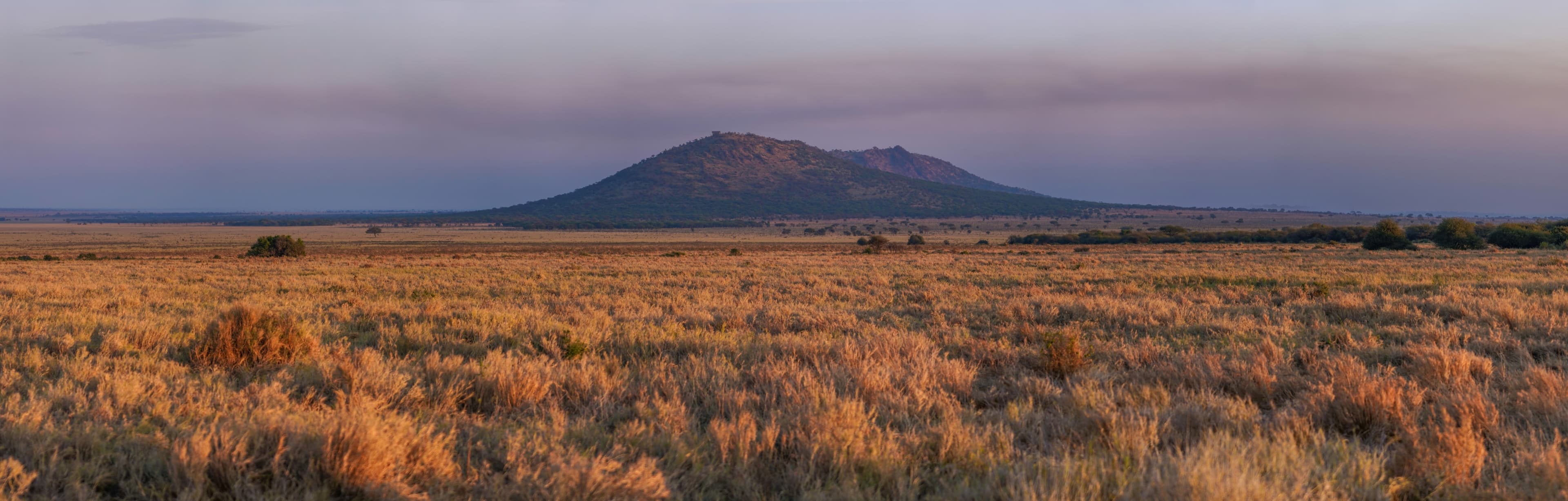
Serengeti
Tanzania
Ndutu lies on the outskirts of the southern Serengeti plains.
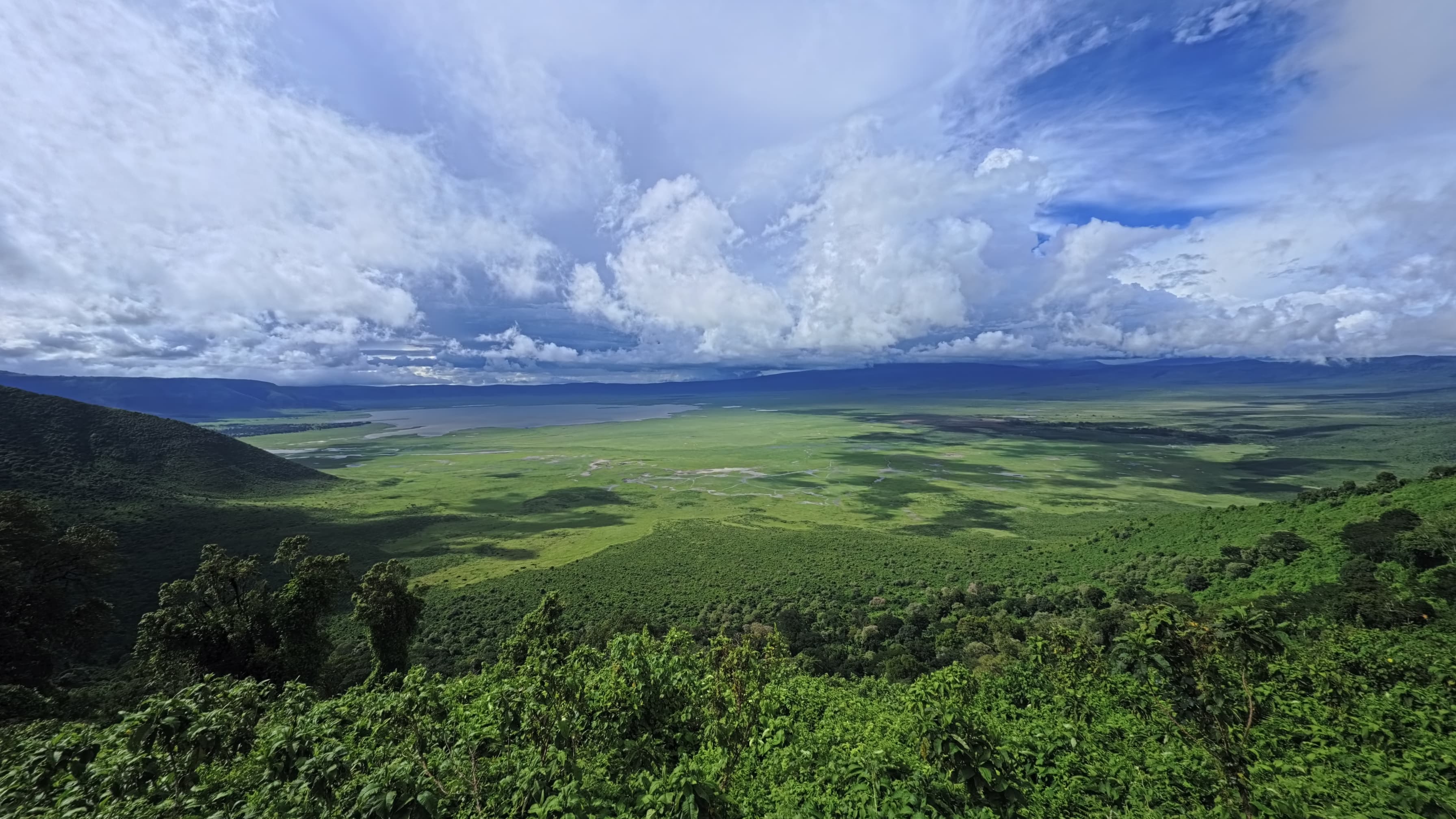
Ngorongoro
Tanzania
Combined with Ndutu on one of our journeys.
Sources
Facts on this page were checked against these sources in October 2026. Park rules, fees and conditions change, so always check the latest before you travel.
Your journey begins with a conversation
Shape your Ndutu journey.
Tell us when you would like to travel and who is coming, and our team will suggest safaris that include Ndutu.