Big Time Field NotesNo. 06Route planning
Combining Kenya and Tanzania in one safari
The Maasai Mara and the Serengeti are two halves of one ecosystem, and Big Time offers twenty journeys that combine Kenya and Tanzania. Here is what a combined safari involves, how long it takes, and what to check before you book.
In brief
- Kenya’s Maasai Mara and Tanzania’s Serengeti share one ecosystem and one migration, so many travellers want to see both.
- Big Time offers 20 Kenya and Tanzania journeys, from 6 to 19 days: 9 budget, 9 midrange and 2 luxury. Three include Zanzibar.
- Both countries’ meteorological services describe October–December rains: across much of Kenya, and in Tanzania’s north-east, northern coast and Lake Victoria Basin.
- Each country has its own entry requirements. Check them with official government sources. We do not summarise them here.
Contents
Why travellers combine the two
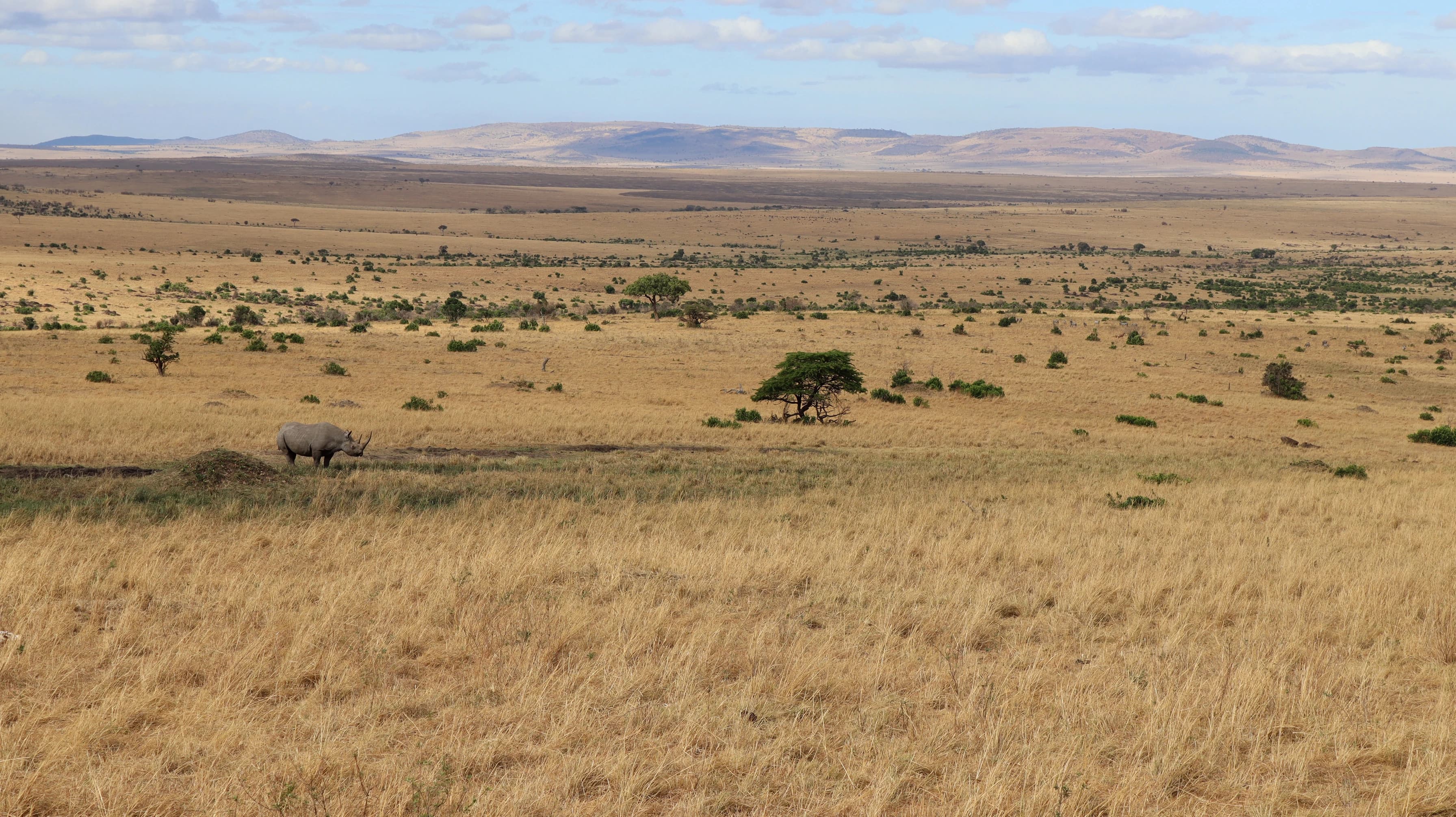
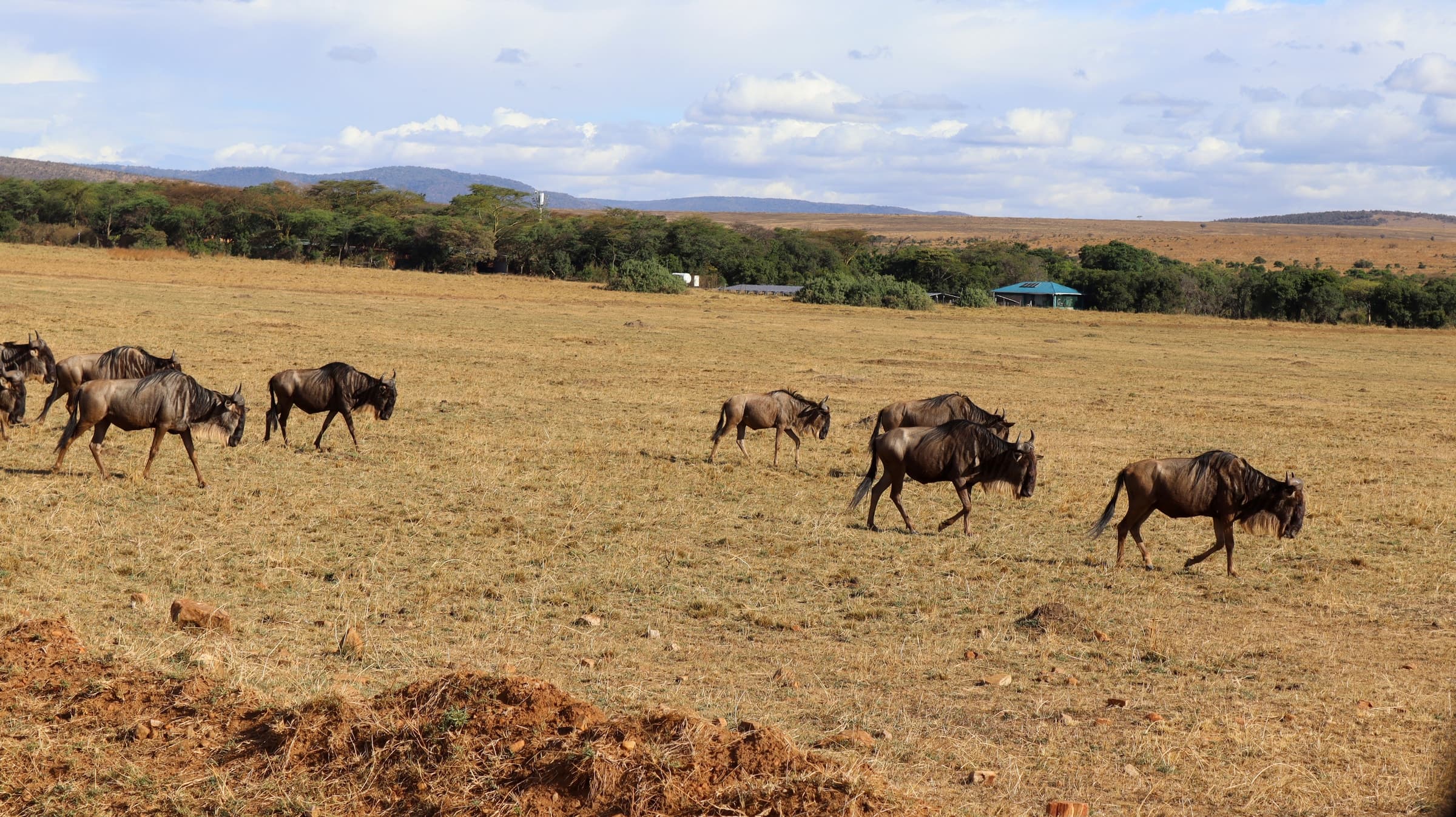
The border between Kenya and Tanzania runs across one of the world’s great wildlife landscapes. The Mara Conservancy describes the Serengeti’s migratory wildebeest spilling over into the Maasai Mara for part of each year. A journey that crosses the border follows the same ecosystem rather than leaving it.
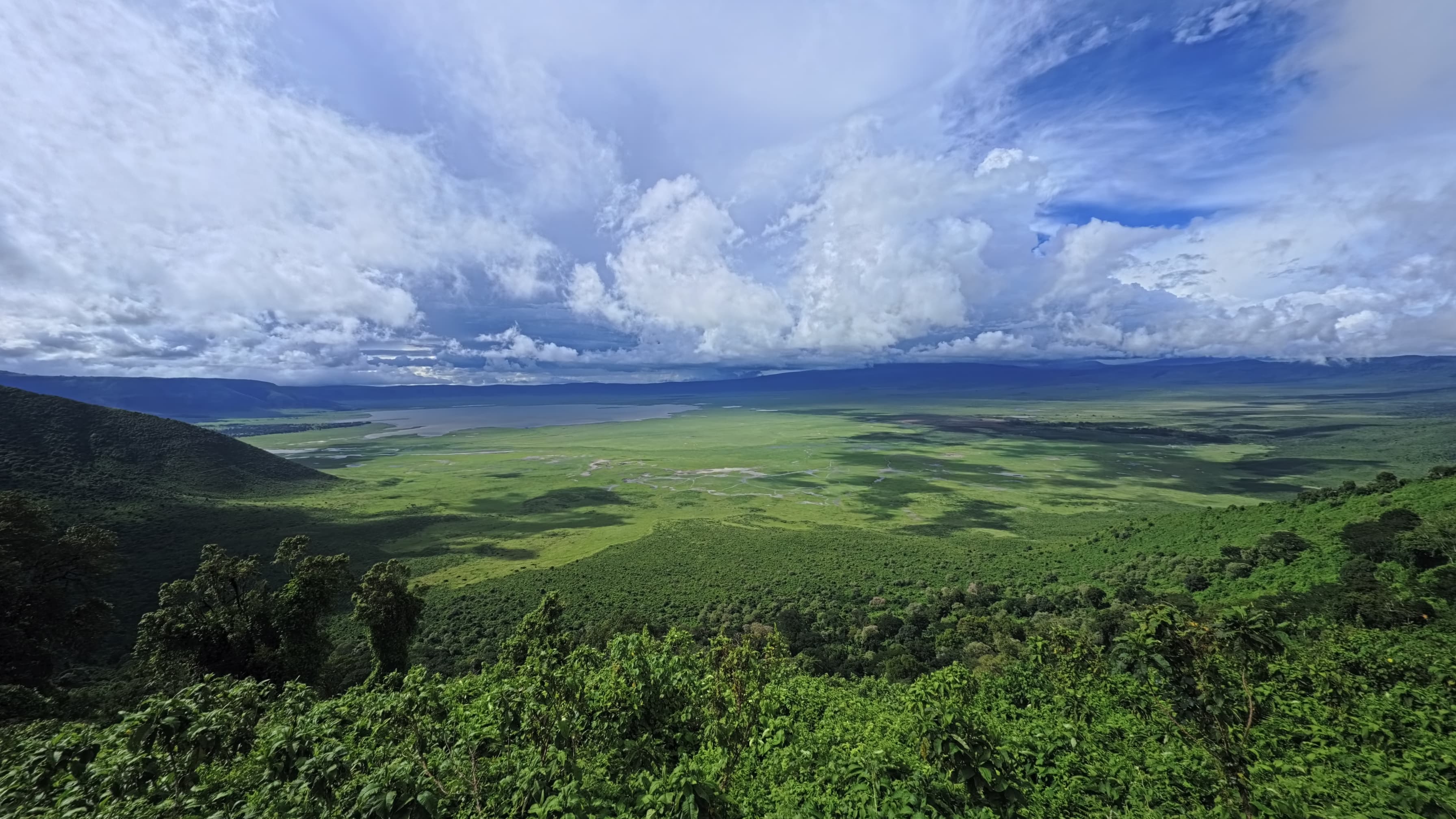
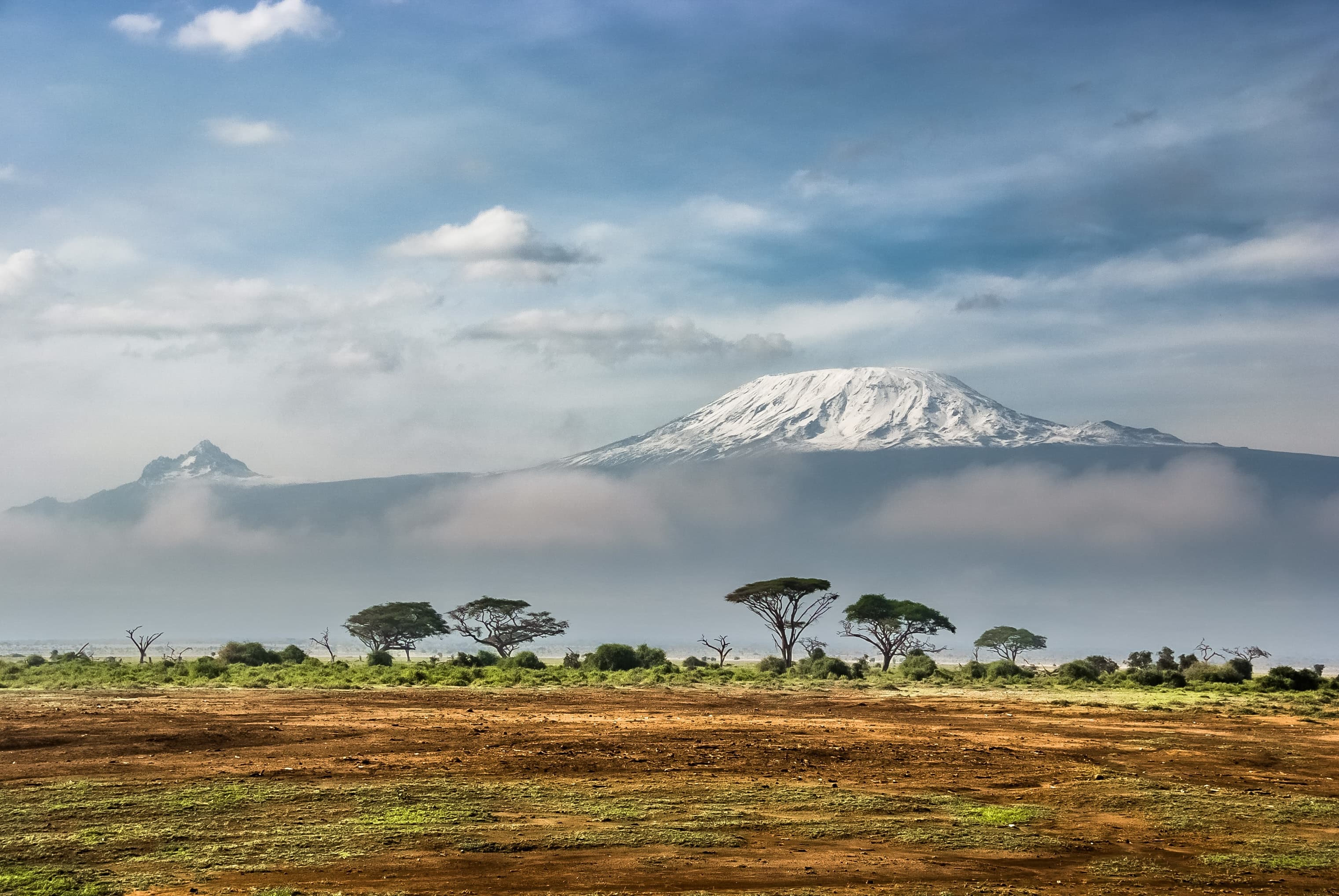
The two countries also add variety to each other. In Kenya, Kenya Wildlife Service describes Amboseli’s elephant herds and swamps beneath Mount Kilimanjaro, which stands on the Tanzanian side. In Tanzania, the Ngorongoro Conservation Area Authority describes the short-grass plains of Ndutu, where the herds calve. Combined, they offer more landscapes than either country alone in the same trip.
Our twenty Kenya and Tanzania journeys
Big Time’s catalogue has 20 journeys that cover both countries. They run from 6 to 19 days. Nine are budget, nine midrange and two luxury. Eleven titles name their safari parks, and ten of those follow a core route through the Maasai Mara, the Serengeti and the Ngorongoro Crater. Longer journeys add parks such as Lake Nakuru, Amboseli, Lake Manyara or Tarangire, and three include Zanzibar.
Some titles name no specific parks; ask for the route when you enquire. Prices are as published.
You can see all twenty, filtered, in the catalogue.
How long a combined safari takes
The core circuit · about a week
Our shortest cross-border journey is 6 days, visiting the Maasai Mara, the Serengeti and the Ngorongoro Crater. Seven-day versions add Lake Nakuru.
The wider circuit · 9 to 14 days
More parks on both sides, such as Amboseli, Lake Manyara and Tarangire, with more time between drives.
The grand journey · up to 19 days
Our longest journey takes in Mount Kenya, Lake Nakuru, Lake Baringo, Kakamega, Lake Victoria and the Maasai Mara, then Tarangire, the Serengeti and Ngorongoro.
Crossing a border adds travel time. We do not publish transfer times here, because they depend on the route and the day. Ask for a day-by-day itinerary to see how the days are divided. If a route feels rushed, add a day before you add a park.
Seasons on both sides of the border
A combined trip meets two calendars. For the migration, the Mara Conservancy says the herds are usually in the Maasai Mara from around June or July until November. The Ngorongoro Conservation Area Authority says Ndutu, on the southern Serengeti plains, is best from the end of December to April, when the herds calve. The two windows do not overlap, so one trip will not normally see both. Our migration guide explains why.
Both countries also describe rains in the same months. The Kenya Meteorological Department calls October–December a major rainfall season in Kenya. The Tanzania Meteorological Authority’s outlook for the same months, the “Vuli” rains, covers the parts of Tanzania that have two rainy seasons a year: the north-eastern highlands, the northern coast, the Lake Victoria Basin and northern Kigoma. It notes that the Vuli rains normally end in December.
Group-joining or private?
Of our cross-border journeys, only the 11-day Maasai Mara, Lake Nakuru, Amboseli, Lake Manyara, Serengeti and Ngorongoro safari is confirmed in our catalogue, as group-joining. For the others, ask how the journey is run and whether a private version is available. A private safari gives your own party its own vehicle and pace.
Where you stay
On our budget cross-border journeys, the catalogue names the camps on the Kenyan side. Miti Mingi Eco Camp is used in the Maasai Mara, Nyati Safari Camp at Amboseli, and Buraha Zenoni and Leisure Apex at the Rift Valley lakes. Tanzanian stops are “overnight at the camp/lodge”; ask which properties your quote includes. Midrange and luxury journeys are “overnight at the lodge” throughout, and several midrange journeys name Buraha Zenoni at Lake Nakuru.
Our guide to budget, midrange and luxury safaris explains how the comfort levels differ.
Adding the coast
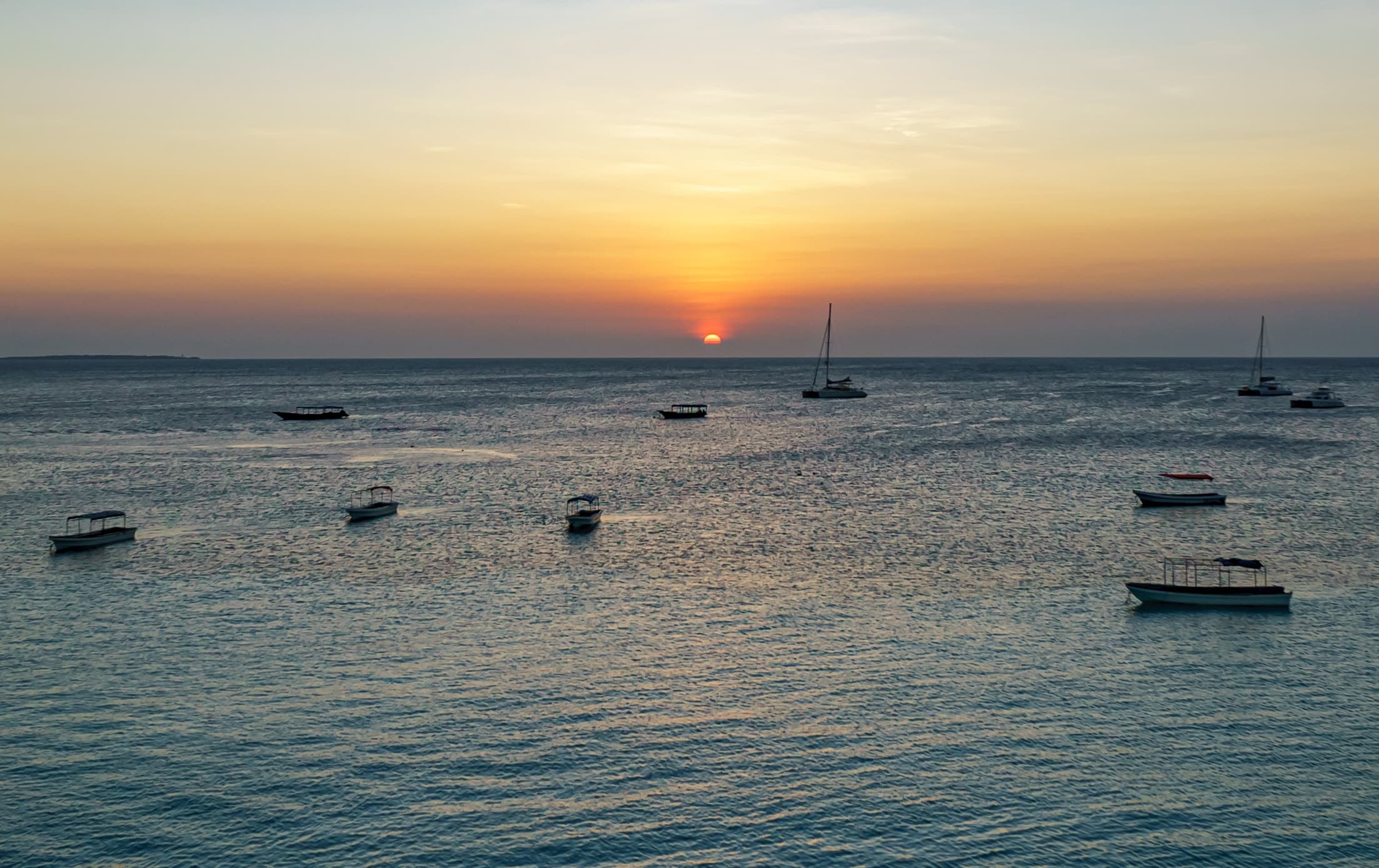
Three of our combined journeys name Zanzibar in their titles: a 13-day and a 15-day midrange journey and a 14-day luxury journey. A fourth, separate journey, a 12-day family safari, adds a beach extension; its title does not say where, so ask. If the coast matters to you, start with these four rather than adding it to a shorter route.
What documents do you need for Kenya and Tanzania together?
Both countries’ requirements apply. Kenya’s official eTA portal says all visitors, including children, need an approved Electronic Travel Authorisation before travelling unless they are exempt; citizens of the East African Partner States, Tanzania among them, are exempt for stays of up to 180 days. Tanzania’s embassy in Washington says foreigners need a passport valid for at least six months and a visa, unless their country has a visa abolition agreement with Tanzania. Since October 2026 each country has also required most visitors to hold its own government-provided travel insurance, so a two-country journey needs both policies as well as your own cover.
Yellow fever is the point most often missed. Tanzania asks for proof of vaccination from travellers aged one or older arriving from countries the World Health Organization lists as a yellow fever risk, and Kenya is one of them, so the rule applies when you cross from Kenya into Tanzania. CDC also recommends the vaccine for most travel in Kenya. Ask a travel-health professional about it, and see our entry requirements guide, checked on 20 October 2026.
Before you book
- Entry requirements for both countries. Kenya’s Electronic Travel Authorisation is issued through the government’s official eTA portal, which explains eligibility and exemptions. Check Tanzania’s current requirements with the Tanzanian government’s official sources. Both countries’ rules can change, so check close to booking.
- Where the journey starts and ends. Ask where your journey begins and finishes, and book flights only after the route is confirmed.
- Border arrangements. Ask where the journey crosses and what you will need at the crossing. We do not publish general border advice.
- Currency, insurance and health. Ask about payments in each country, remember that each country now requires its own government travel insurance on arrival, and get travel-health advice for both.
Ready to plan? Tell us your dates and interests and we will suggest the Kenya and Tanzania journeys that fit.
Sources
- Mara Conservancy (Mara Triangle, Maasai Mara National Reserve): Wildebeest migration (opens in a new tab)
- Ngorongoro Conservation Area Authority: Ndutu Plains (opens in a new tab)
- Kenya Wildlife Service: Amboseli National Park (opens in a new tab)
- Tanzania National Parks: Kilimanjaro visitor guide (opens in a new tab)
- Kenya Meteorological Department: October–November–December 2026 seasonal outlook, including the 1991–2020 rainfall climatology (opens in a new tab)
- Tanzania Meteorological Authority: Mwelekeo wa Mvua za Vuli (Oktoba–Desemba), 2026 [October–December “Vuli” rains outlook, in Swahili] (opens in a new tab)
- Republic of Kenya, Directorate of Immigration Services: Electronic Travel Authorisation: how to apply (opens in a new tab)
- Republic of Kenya, Directorate of Immigration Services: Electronic Travel Authorisation: general information and exemptions (opens in a new tab)
- Embassy of the United Republic of Tanzania, Washington DC: Visa information (opens in a new tab)
- UK Foreign, Commonwealth & Development Office: Kenya travel advice: entry requirements (including mandatory travel health insurance from 5 October 2026, and health screening) (opens in a new tab)
- UK Foreign, Commonwealth & Development Office: Tanzania travel advice: entry requirements (mandatory inbound travel insurance; health screening announced 17 October 2026) (opens in a new tab)
- World Health Organization: International travel and health, Annex 1: countries with risk of yellow fever transmission and countries requiring proof of vaccination (18 November 2022, revised 3 January 2023) (opens in a new tab)
- US Centers for Disease Control and Prevention: Tanzania: traveler view (page reviewed 25 August 2026; yellow fever and malaria sections updated 23 April 2025) (opens in a new tab)
- Republic of Kenya: Electronic Travel Authorisation (eTA) (opens in a new tab)
How this guide was prepared
This guide was researched and drafted with the help of AI tools, working from the official sources listed above and Big Time Safaris’ own catalogue. Its facts were checked against those sources on 20 October 2026, and it was reviewed and approved for publication by the owner of Big Time Safaris on 22 October 2026. It is a planning guide, not a first-hand field report. Seasons, park rules and entry requirements change, so check the latest official information before you travel.