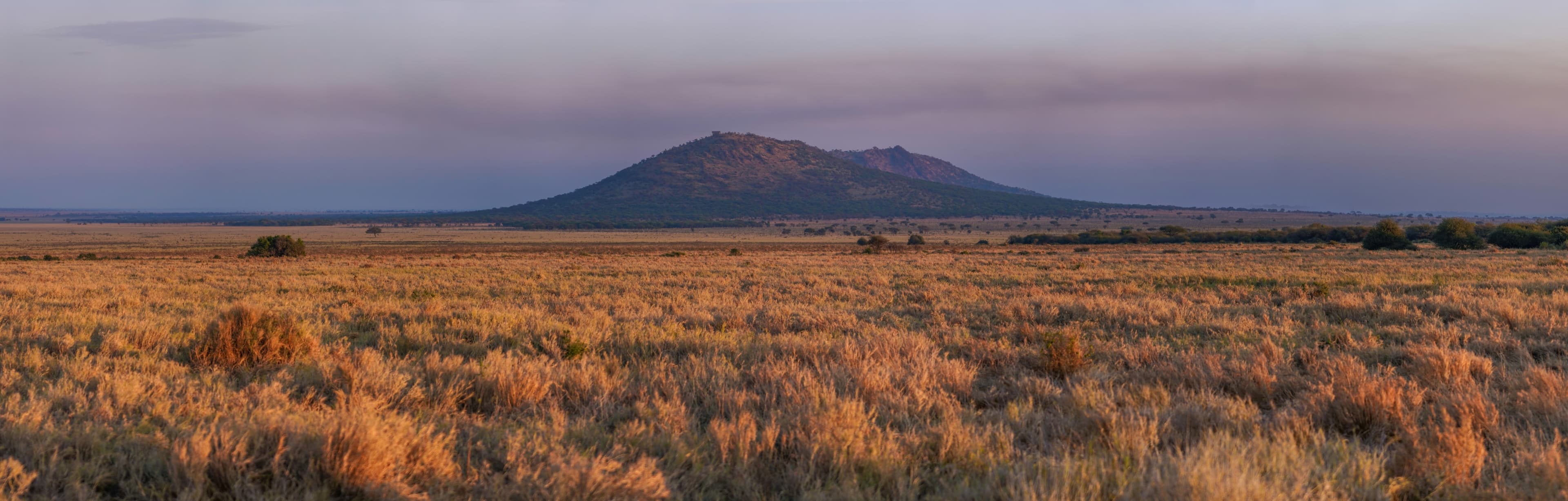
Big Time Field NotesNo. 08Route planning
A Tanzania safari: the northern circuit and the south
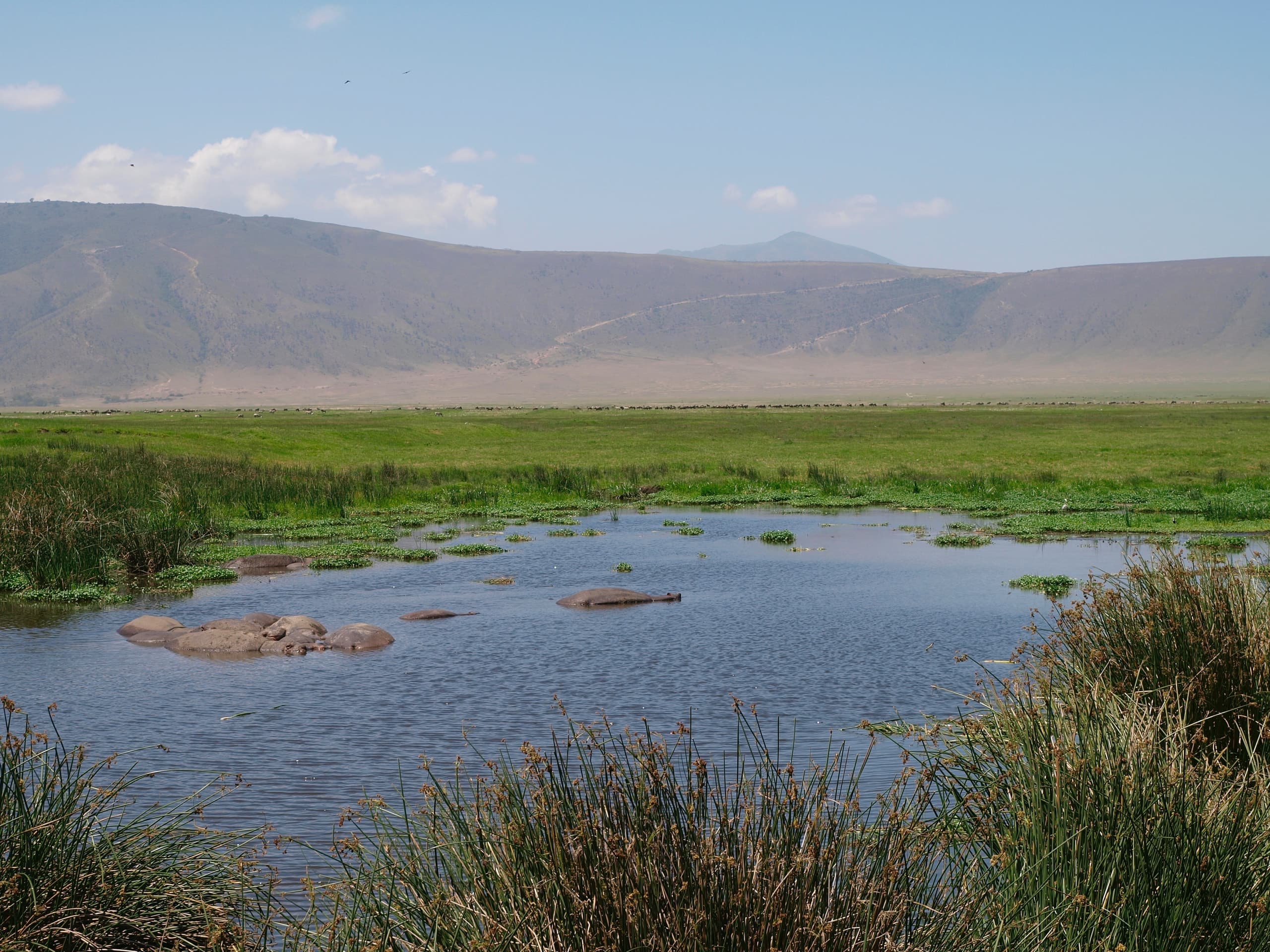
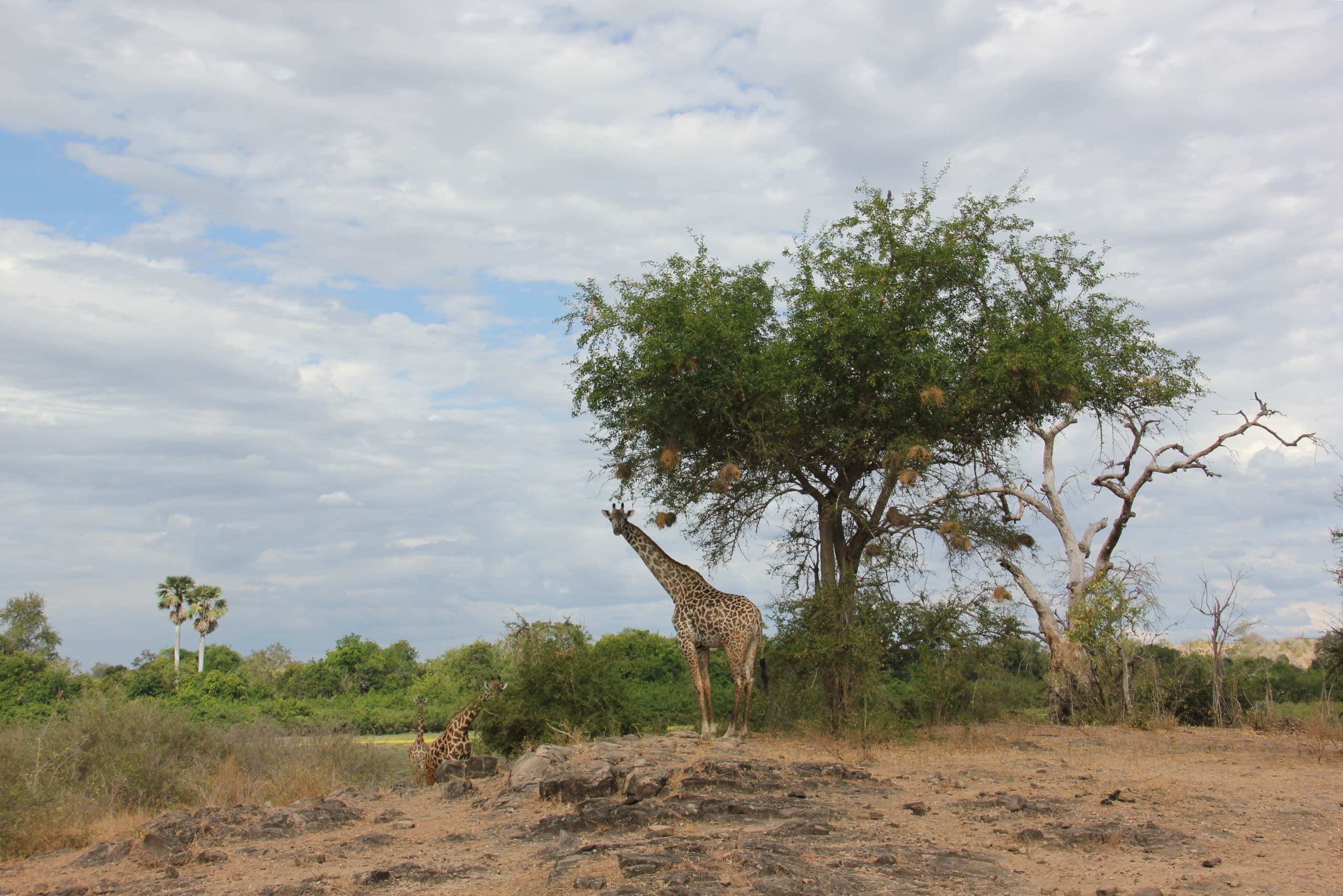
The Serengeti, the Ngorongoro Crater, Tarangire and Lake Manyara form one of Africa’s best-known safari routes, while Nyerere, Mikumi and Ruaha offer a wilder south. This guide explains how they fit together, when to go and how long to allow.
In brief
- Most northern-circuit safaris start in Arusha and link Tarangire, Lake Manyara, the Ngorongoro Crater and the Serengeti by road.
- Tanzania National Parks suggests June to October for the Serengeti migration and January to February for the calving season.
- Only four-wheel-drive vehicles may enter the Ngorongoro Crater, and walking is not allowed on the crater floor.
- Our approved northern-circuit itineraries run from four to seven days; our southern journey visits Nyerere, Mikumi and Ruaha in nine.
Contents
What is the northern safari circuit?
The northern circuit is the group of parks reached from Arusha: Tarangire, Lake Manyara, the Ngorongoro Crater and the Serengeti, with Ndutu on the Serengeti’s southern edge. Tanzania National Parks (TANAPA) names Arusha as the most common starting point for the Serengeti and describes the road from Arusha as long but scenic; Lake Manyara’s main gate lies just south of the town of Mto wa Mbu, reached from Arusha on a good tarmac road.
A typical road route therefore runs west from Arusha through Tarangire or Manyara, climbs to the Ngorongoro highlands and drops onto the Serengeti plains, before returning the same way. Domestic flights arrive at Arusha or Kilimanjaro airports, TANAPA notes, and there are scheduled flights to Seronera airstrip in the heart of the Serengeti.
The four northern parks, compared
| Park | Known for | Managed by |
|---|---|---|
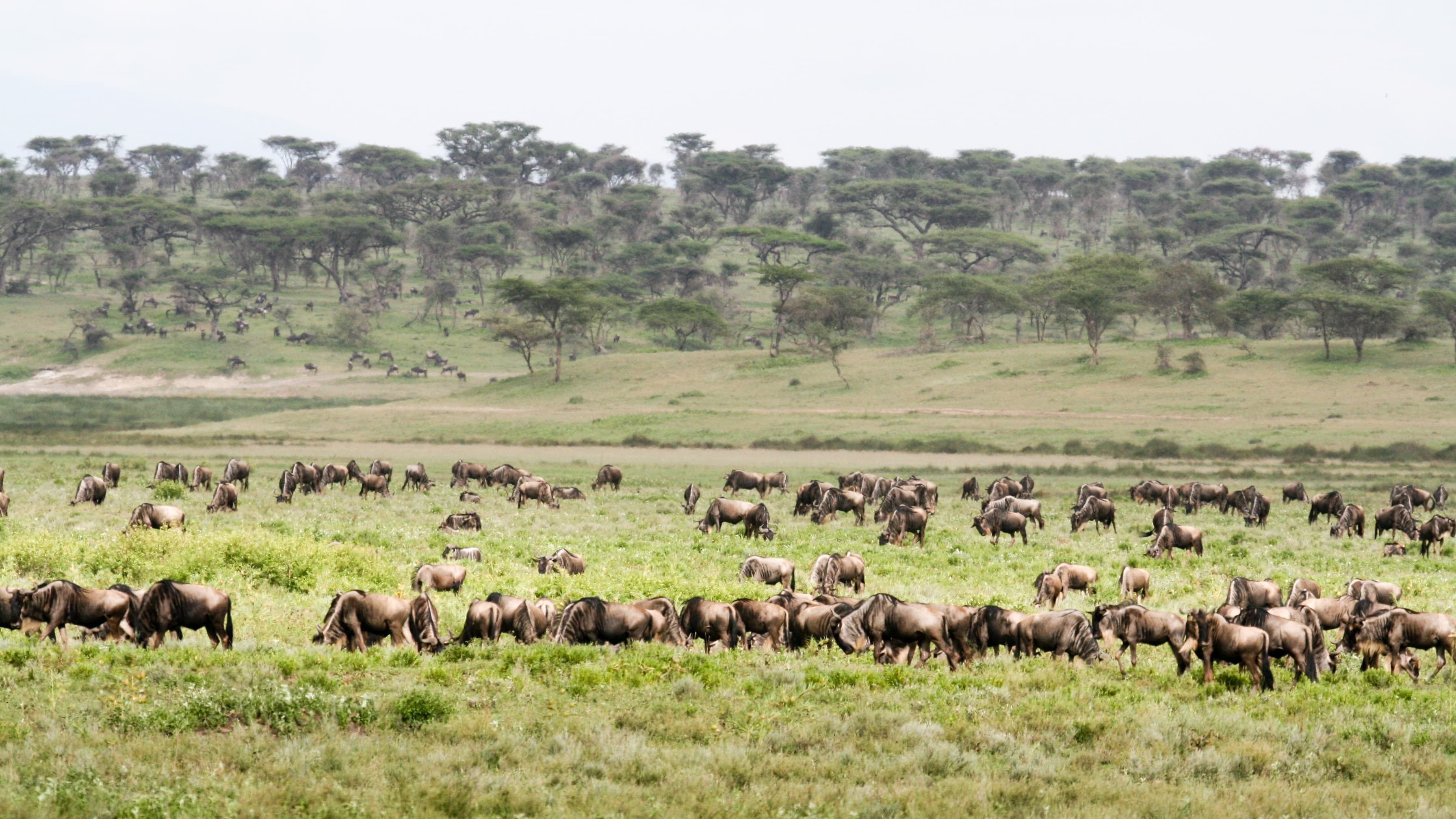
| Serengeti | The migration of more than a million and a half wildebeest, zebra and the predators that follow; more than 500 bird species | Tanzania National Parks |
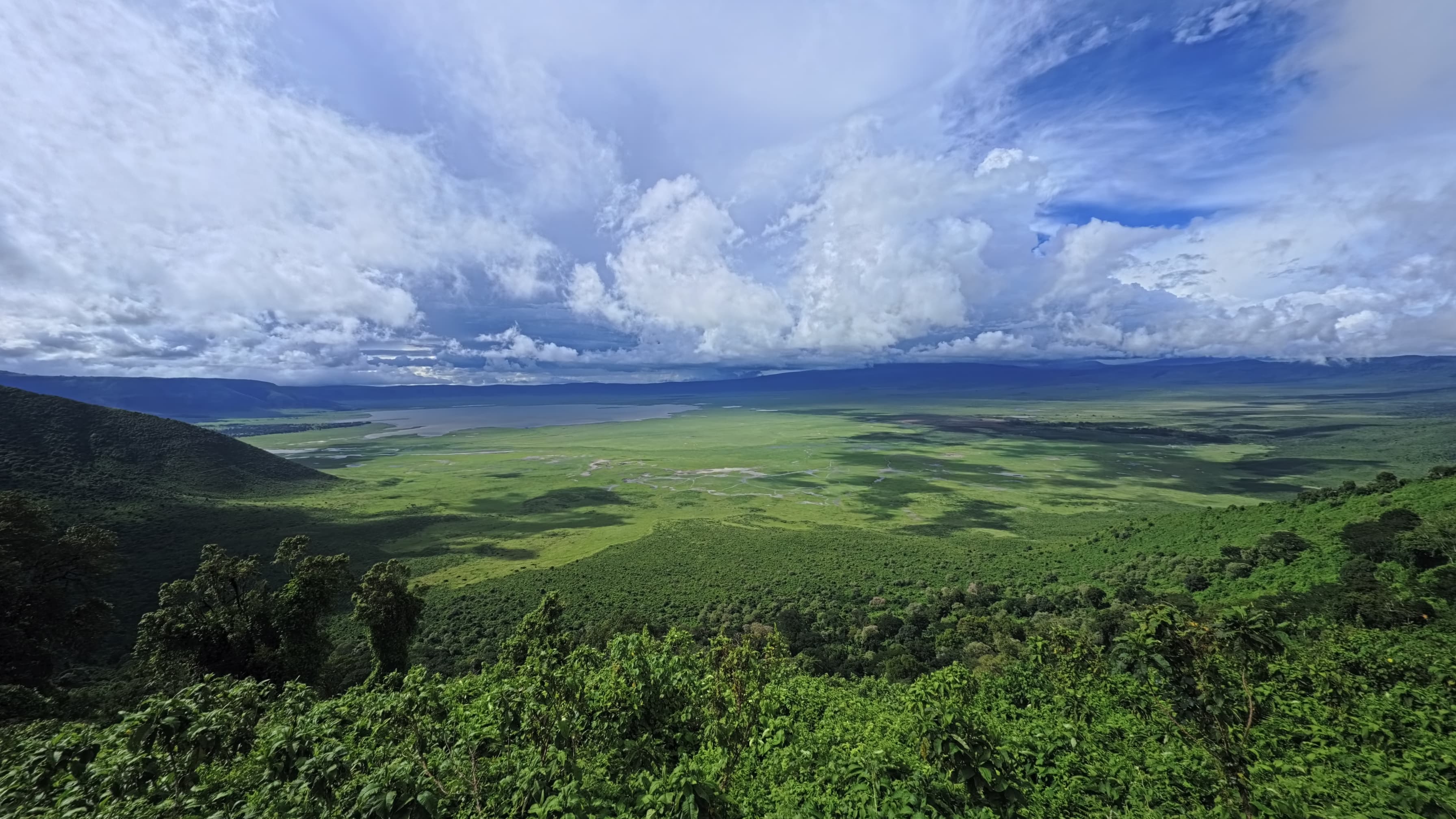
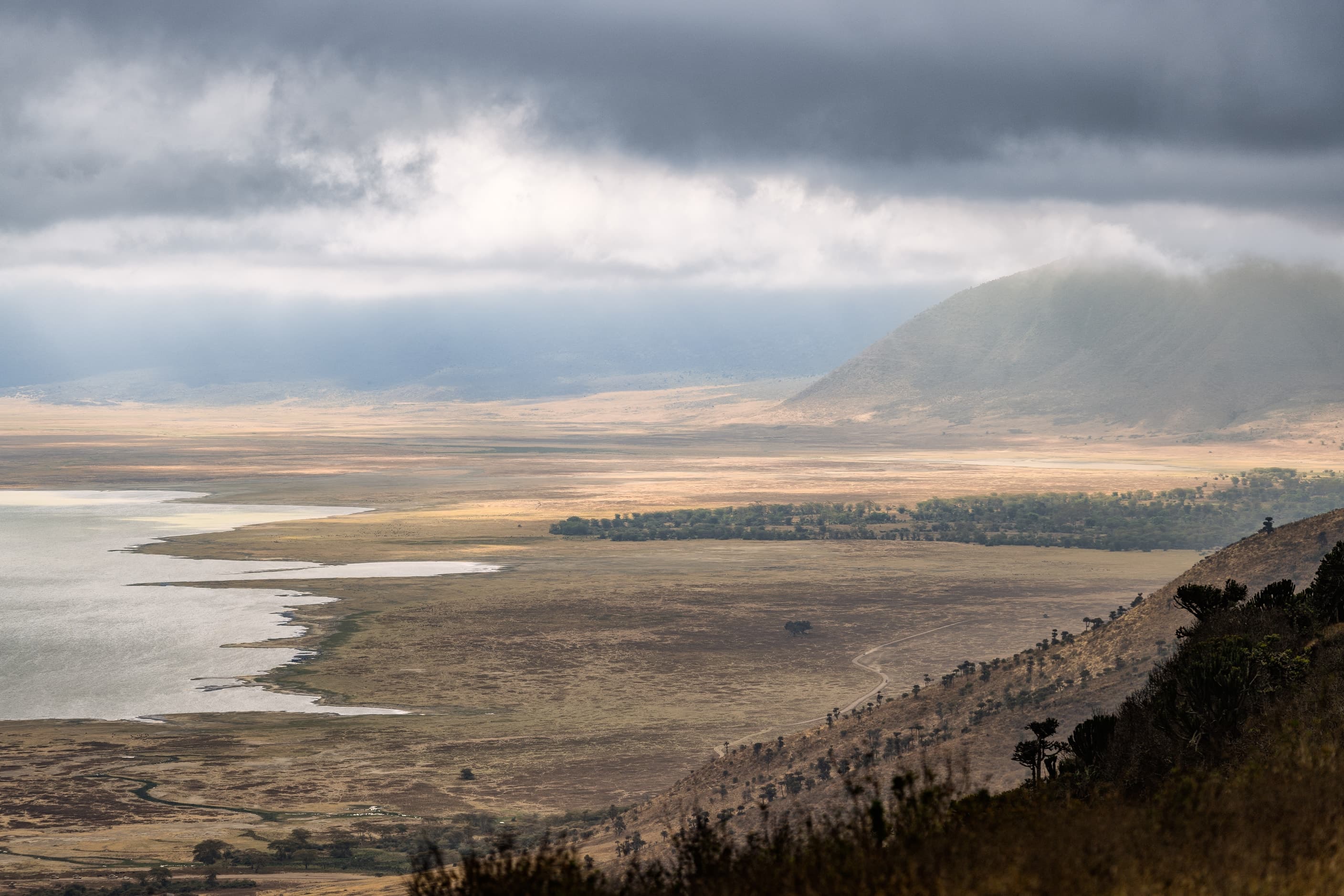
| Ngorongoro Crater | A collapsed volcano about 20 km across whose floor supports more than 25,000 animals, including the Big Five | Ngorongoro Conservation Area Authority |
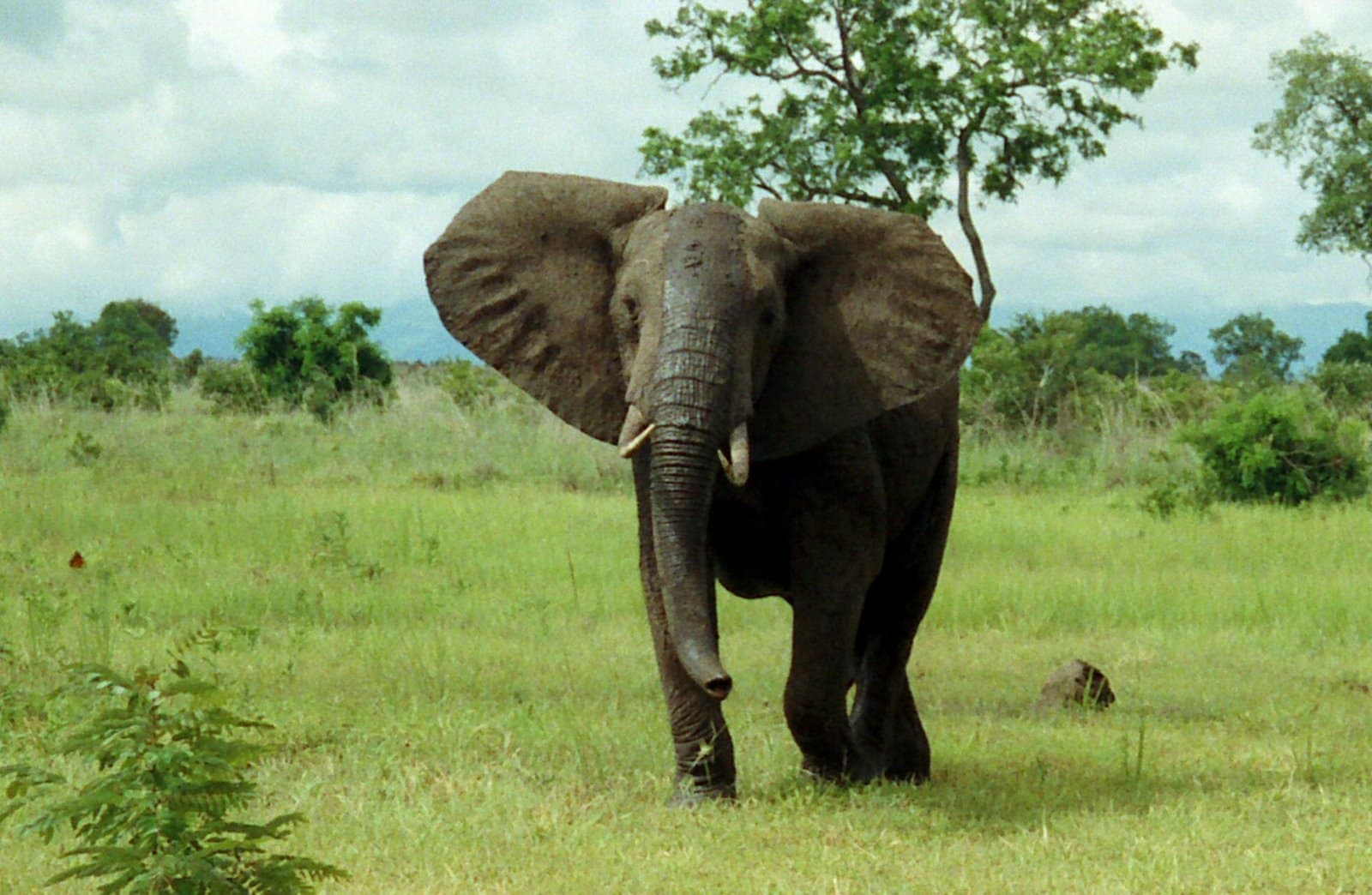
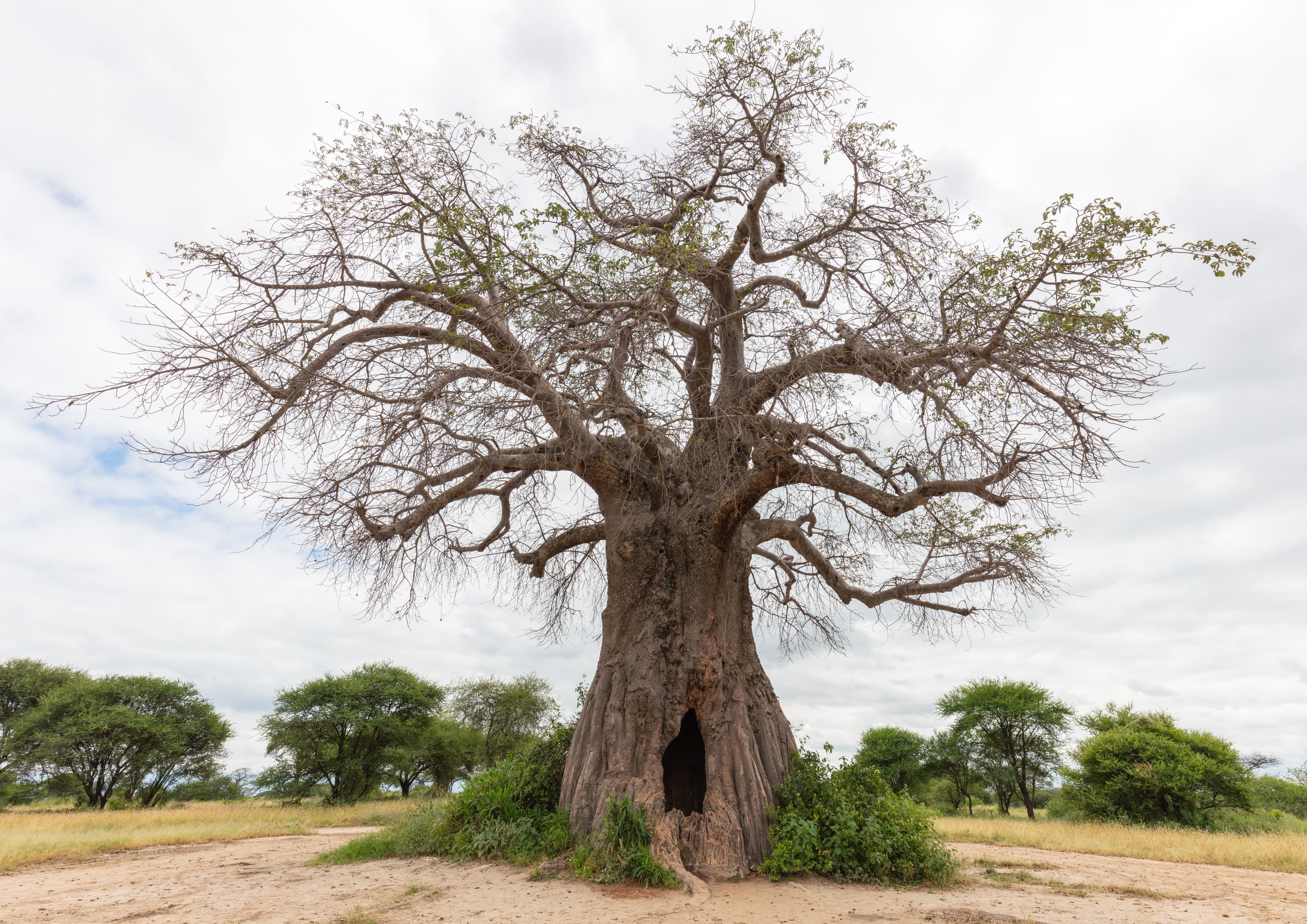
| Tarangire | More than 3,000 elephants, giant baobabs and dry-season herds along the Tarangire River | Tanzania National Parks |
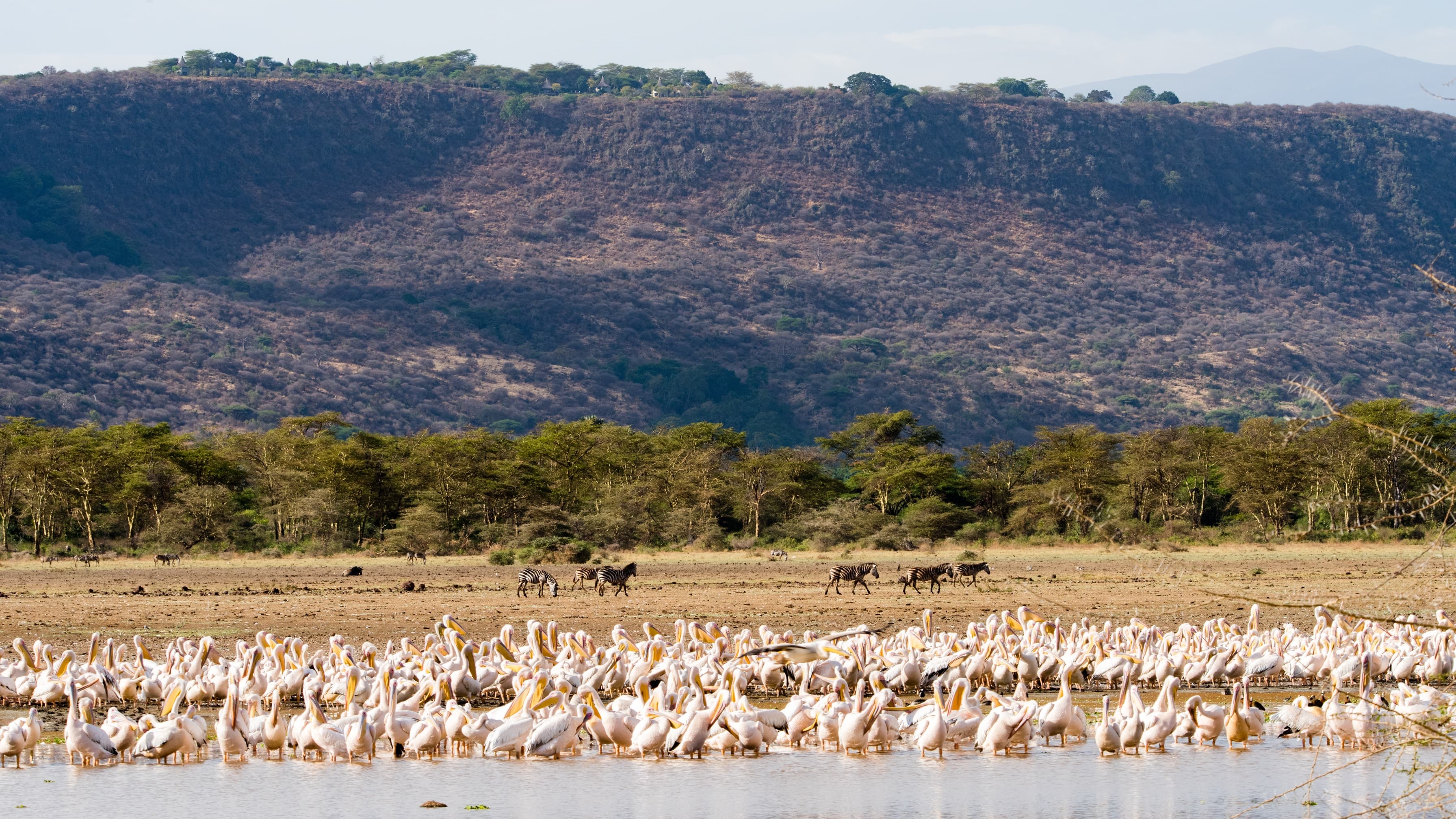
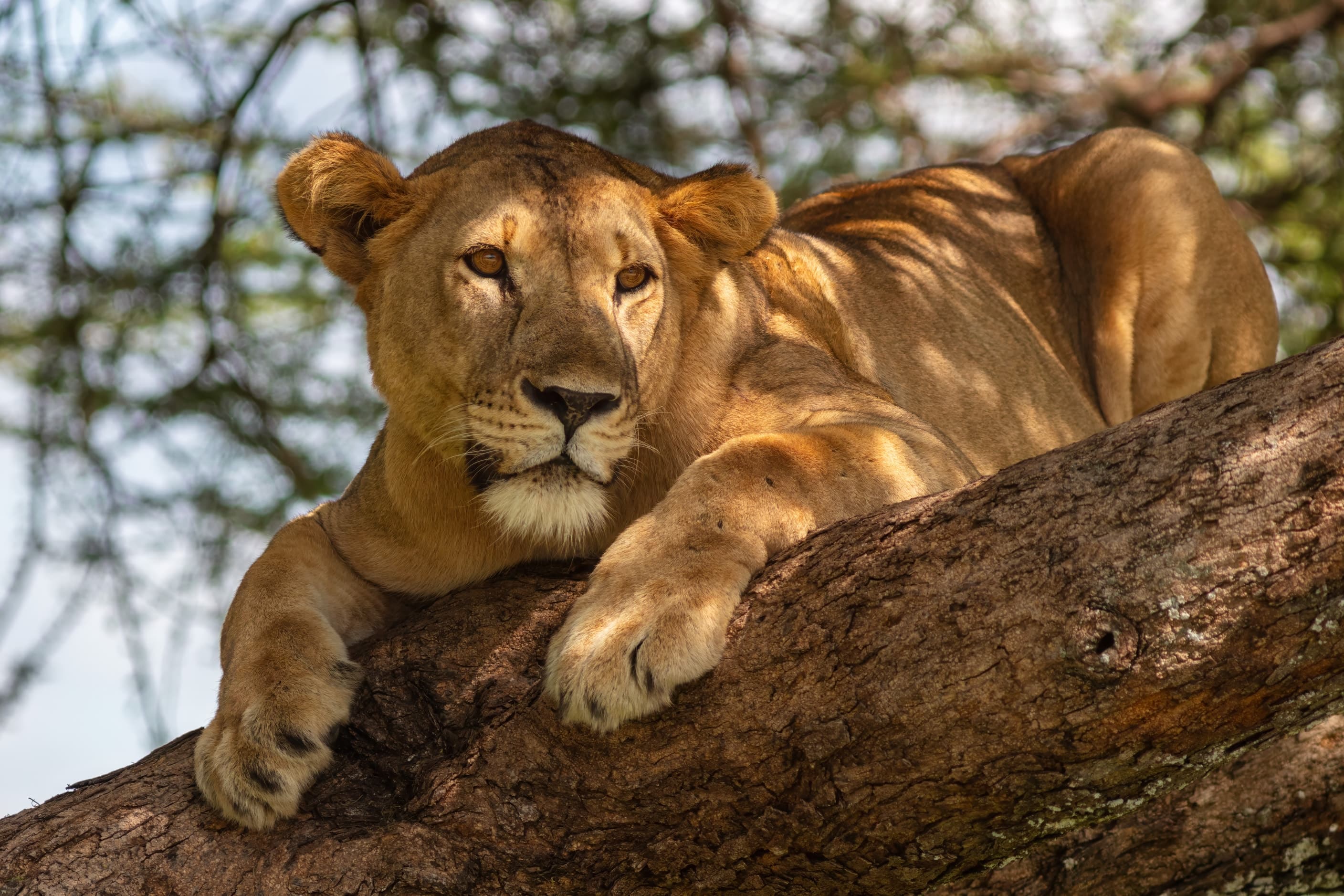
| Lake Manyara | Groundwater forest, a soda lake, flamingos and lions that rest in trees | Tanzania National Parks |
Figures as the park authorities publish them. Wildlife moves freely and no sighting can be guaranteed.
The parks complement each other. The Serengeti’s open plains give space and the migration; the crater concentrates wildlife within its walls; Tarangire is elephant country in the dry season; and Manyara packs forest, lake and escarpment into a compact park that suits a half or full day.
When is the best time for a Tanzania safari?
TANAPA suggests June to October, the dry season, for the migration in the Serengeti, and January to February for the calving season. The Ngorongoro Conservation Area Authority gives late December to April as the time the herds are on the Ndutu plains, with calving in between, before they move north again.
Tarangire is at its busiest in the dry months of June to October, when its elephants are joined by herds of wildebeest, zebra and buffalo; from November to May it is wetter and some sections become muddy. The crater is open all year, the NCAA says, with good roads and wildlife present in every season.
How many days do you need in northern Tanzania?
Four days is the shortest journey in our catalogue that names the northern parks it visits, with a day in each of four; five to seven days allow a full day or more in the Serengeti, where distances are greatest. Our approved itineraries include a four-day budget route through Tarangire, Ngorongoro, the Serengeti and Lake Manyara, five-day budget and upper-midrange routes, and a six-day Ndutu journey built around the calving season.
| Journey | Length | Comfort | Price per person |
|---|---|---|---|
| 4 Days Tarangire, Ngorongoro, Serengeti & Lake Manyara Safari | 4 days | Budget | Per person: USD 830 |
| 5 Days Lake Manyara, Ngorongoro & Tarangire Budget Safari | 5 days | Budget | Price on request |
| 5 Days Lake Manyara, Serengeti & Ngorongoro Budget Safari | 5 days | Budget | Price on request |
| 4 Days Luxury Lake Manyara, Serengeti & Ngorongoro Safari | 4 days | Luxury | Price on request |
| 5 Days Upper-Midrange Tarangire, Serengeti, Ngorongoro & Lake Manyara Safari | 5 days | Midrange | Price on request |
| 6 Days Great Migration Ndutu Safari | 6 days | Midrange | Price on request |
| 7 Days Ndutu Calving Season, Serengeti & Ngorongoro Midrange Safari | 7 days | Midrange | Price on request |
Southern Tanzania: Nyerere, Mikumi and Ruaha
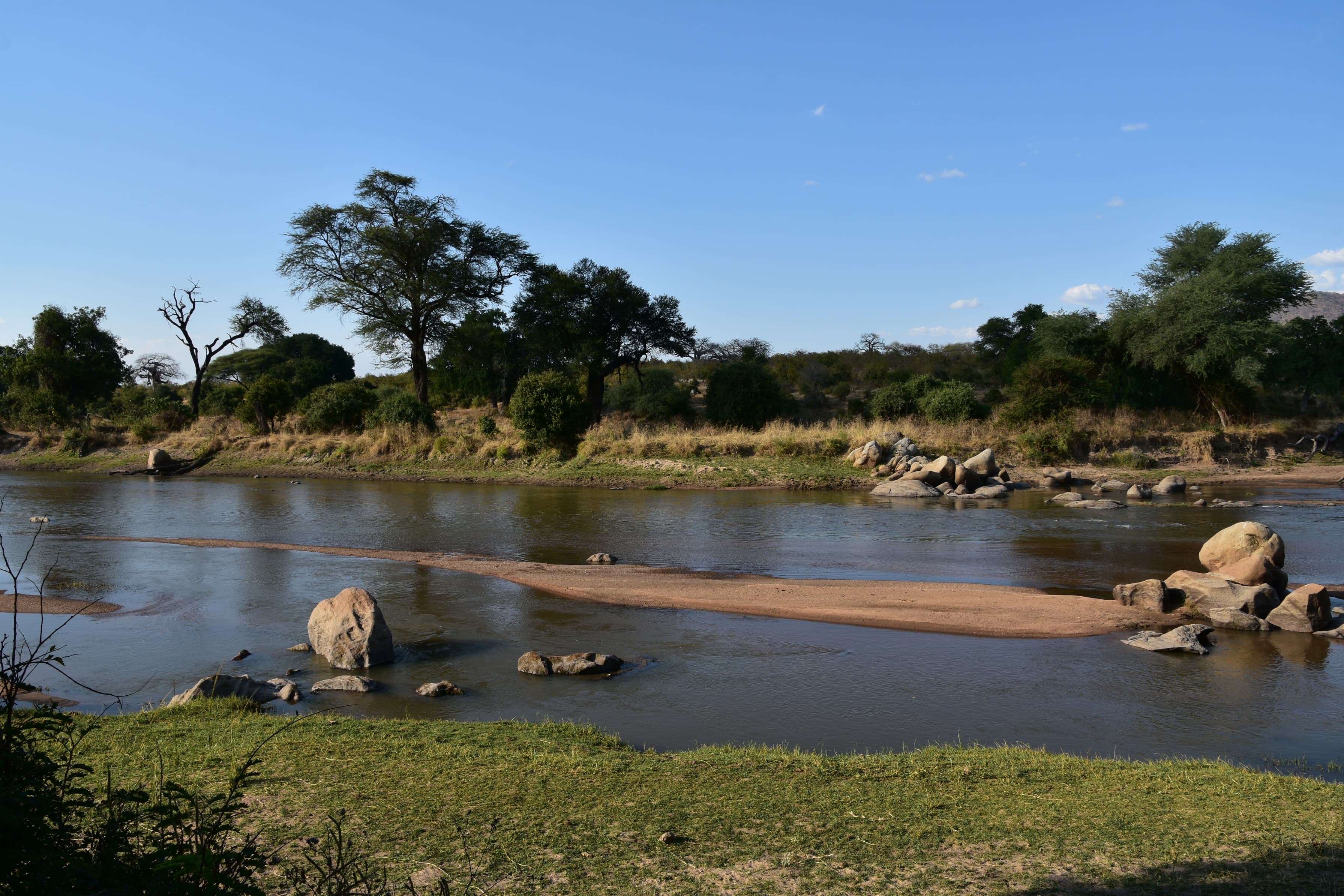
The south is quieter and wilder. TANAPA describes Nyerere, carved from the former Selous landscape, as protecting the braided channels of the Rufiji River, explored by boat as well as on game drives, and among the best places in Africa to look for African wild dogs. Mikumi sits on the A7 highway and is described by TANAPA as a gateway to Ruaha and Nyerere. Ruaha, at 20,226 square kilometres, is Tanzania’s second-largest national park, known for its buffalo herds and for greater and lesser kudu.
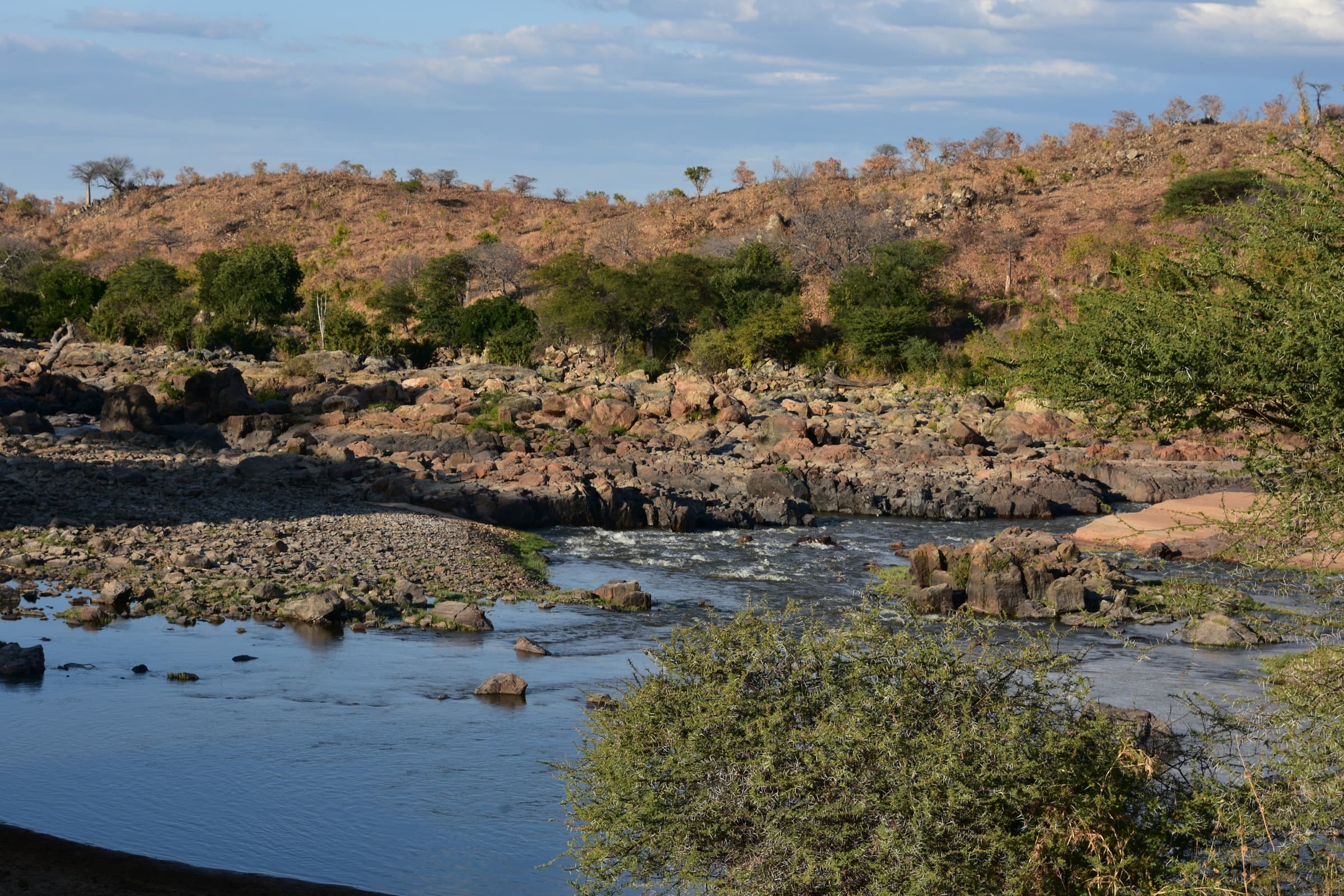
TANAPA gives June to October as Ruaha’s peak months and expects muddy sections and rising rivers in the wet season. Our 9 Days Southern Tanzania Safari visits all three parks and ends at Ruaha; onward travel from Ruaha is arranged separately.
Where you stay in Tanzania
Stays on the northern circuit range from public campsites to lodges. The NCAA notes lodges, special campsites and the public Simba campsite on and near the crater rim; TANAPA describes Lake Manyara stays from limited lakeside camps inside the park to lodges and guesthouses in Mto wa Mbu and Karatu; and TANAPA manages public camping at Seronera in the central Serengeti, where guests bring their own tents and equipment.
Our accommodation pages include Simba Public Campsite, Seronera Public Campsites, Fanaka Campsite and Lodge in Mto wa Mbu and The Charity Hotel in Arusha. None is named on our approved Tanzania packages; the stays on your journey are confirmed in your written quotation.
Before you go
- Tanzania’s embassy in Washington says foreigners need a passport valid for at least six months and a visa unless their country has a visa abolition agreement with Tanzania. See our entry requirements guide.
- Since 1 October 2026, foreign visitors also need Tanzania’s government inbound travel insurance, bought for their first point of entry: from the National Insurance Corporation for the mainland, or the Zanzibar Insurance Corporation for Zanzibar. It does not replace your own travel insurance.
- CDC lists proof of yellow fever vaccination as an entry requirement for travellers aged one or older arriving from countries with risk of yellow fever, including some long airport transits. This matters if you arrive from Kenya or Uganda; see our safari health guide.
- Only four-wheel-drive vehicles may enter the Ngorongoro Crater, and walking safaris are not allowed on the crater floor.
- TANAPA prohibits drones in the Serengeti without special permission, and its guides must be certified.
Sources
- Tanzania National Parks: Serengeti visitor guide (opens in a new tab)
- Tanzania National Parks: Lake Manyara visitor guide (opens in a new tab)
- Tanzania National Parks: Arusha visitor guide (opens in a new tab)
- Tanzania National Parks: Serengeti National Park (opens in a new tab)
- Ngorongoro Conservation Area Authority: Ngorongoro Crater (opens in a new tab)
- Tanzania National Parks: Tarangire National Park (opens in a new tab)
- Tanzania National Parks: Lake Manyara National Park (opens in a new tab)
- Ngorongoro Conservation Area Authority: Ndutu Plains (opens in a new tab)
- Tanzania National Parks: Tarangire visitor guide (opens in a new tab)
- Tanzania National Parks: Nyerere National Park (opens in a new tab)
- Tanzania National Parks: Mikumi National Park (opens in a new tab)
- Tanzania National Parks: Ruaha National Park (opens in a new tab)
- Tanzania National Parks: Ruaha visitor guide (opens in a new tab)
- Tanzania National Parks: Tanzania National Parks — accommodation information (opens in a new tab)
- The Charity Hotel: The Charity Hotel — accommodation information (opens in a new tab)
- Embassy of the United Republic of Tanzania, Washington DC: Visa information (opens in a new tab)
- United Republic of Tanzania, Ministry of Finance (public notice published by the Embassy of Tanzania in Rome, 27 September 2026): Inbound travel insurance for foreign visitors entering Mainland Tanzania (Government Notice No. 256 of 2026), in force from 1 October 2026 (opens in a new tab)
- UK Foreign, Commonwealth & Development Office: Tanzania travel advice: entry requirements (mandatory inbound travel insurance; health screening announced 17 October 2026) (opens in a new tab)
- US Centers for Disease Control and Prevention: Tanzania: traveler view (page reviewed 25 August 2026; yellow fever and malaria sections updated 23 April 2025) (opens in a new tab)
How this guide was prepared
This guide was researched and drafted with the help of AI tools, working from the official sources listed above and Big Time Safaris’ own catalogue. Its facts were checked against those sources on 20 October 2026, and it was reviewed and approved for publication by the owner of Big Time Safaris on 22 October 2026. It is a planning guide, not a first-hand field report. Seasons, park rules and entry requirements change, so check the latest official information before you travel.