Big Time Field NotesNo. 11Packing & preparation
Safari health, safety and travel insurance
Malaria, yellow fever, routine vaccines, safety in the parks and the insurance questions worth asking before an East African safari, from CDC and the park authorities. General information only: your own health advice comes from a professional.
In brief
- CDC advises seeing a doctor at least a month before you travel, to allow time for vaccines and medicines.
- CDC recommends malaria prevention medicine for Uganda, for Kenya below 2,500 metres (including the game parks) and for Tanzania below 1,800 metres.
- Yellow fever rules depend on your route; see our entry requirements guide.
- Choose travel insurance that covers medical treatment and evacuation from remote areas, and any activity you plan, such as gorilla trekking or a mountain climb.
- Kenya and Tanzania now also require a government-provided policy on arrival; it covers emergencies during your stay and does not replace your own insurance.
Contents
Start with a travel-health appointment
This guide summarises public health guidance; it is not medical advice. CDC advises visiting a doctor at least a month before your trip to get any vaccines or medicines you may need, and Kenya Wildlife Service’s visitor questions point travellers to professional advice on vaccinations and malaria prevention. Some vaccines need a course of doses, so earlier is better.
Take your itinerary to the appointment. Advice can differ between a city stop, a lowland park and a mountain, and between Kenya, Tanzania and Uganda, so the clinician needs to know exactly where you are going and when.
Do I need malaria tablets for a safari?
For most safari routes, CDC recommends prescription medicine to prevent malaria. Depending on the medicine, you start taking it several days before the trip and continue during and after it, so discuss the choice with your doctor.
| Country | Areas where CDC recommends prevention |
|---|---|
| Kenya | All areas, including the game parks, below 2,500 m; CDC notes only rare cases in the highly urbanised centre of Nairobi |
| Tanzania | All areas below 1,800 m |
| Uganda | CDC recommends prevention for travellers to Uganda |
Source: CDC destination pages for Kenya, Tanzania and Uganda. Ask your clinician which medicine suits you.
Medicine is only part of it. CDC advises an appropriate insect repellent, and for protection lasting several hours against mosquitoes and ticks it suggests one containing 20 per cent or more DEET. Long sleeves and trousers in the evening, and a mosquito net where your camp provides one, help too.
Which vaccines should I think about?
- Make sure your routine vaccines are up to date before every trip.
- CDC says all international travellers should be fully vaccinated against measles, including an early dose for infants aged 6–11 months.
- Yellow fever: CDC recommends the vaccine for most travel in Kenya and for Uganda, but generally not for Tanzania. Border rules depend on your route, as our entry requirements guide explains.
- Rabies: CDC notes that dogs infected with rabies are commonly found in Kenya and that rabies is present in some wildlife. Never approach or feed animals.
Staying safe in the parks
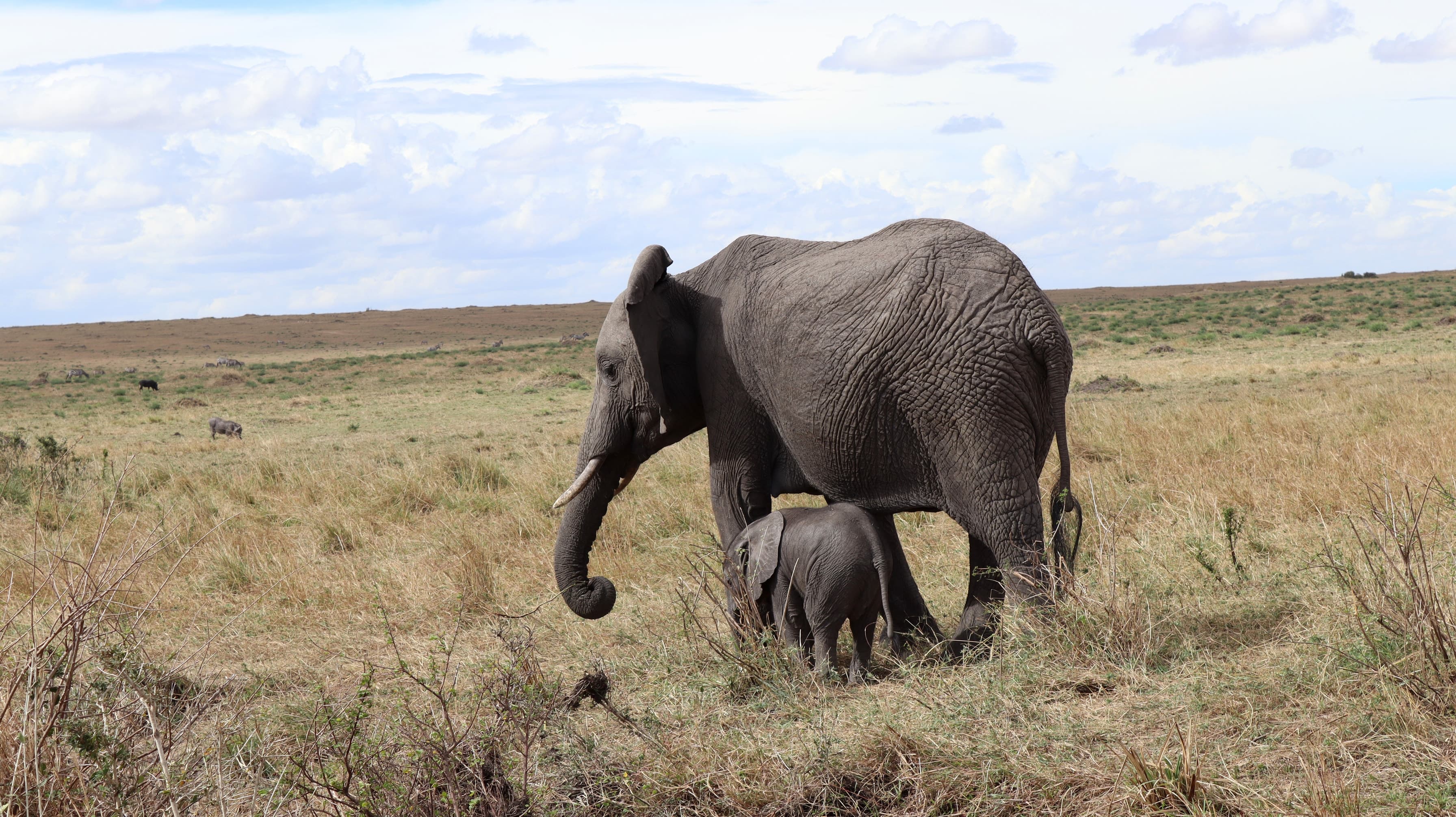
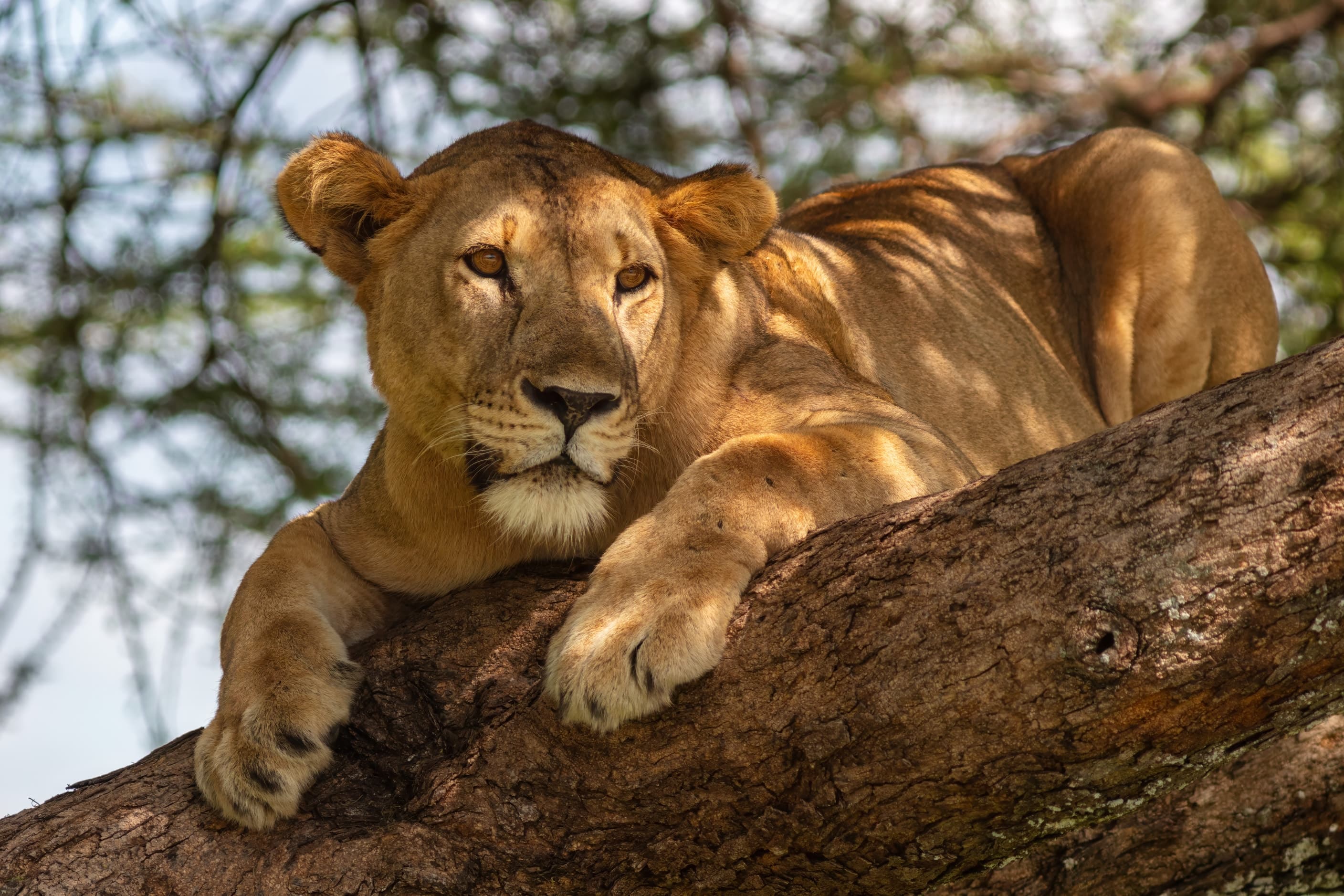
Most safety rules are about wildlife. Kenya Wildlife Service asks visitors to remain in their vehicles except in designated areas, to keep at least 20 metres from wildlife and to move slowly and quietly, because startled animals can react dangerously. The Mara Conservancy allows visitors out of the vehicle only at designated points, and Tanzania National Parks stresses that Ruaha’s wildlife is truly wild and should be given a safe distance.
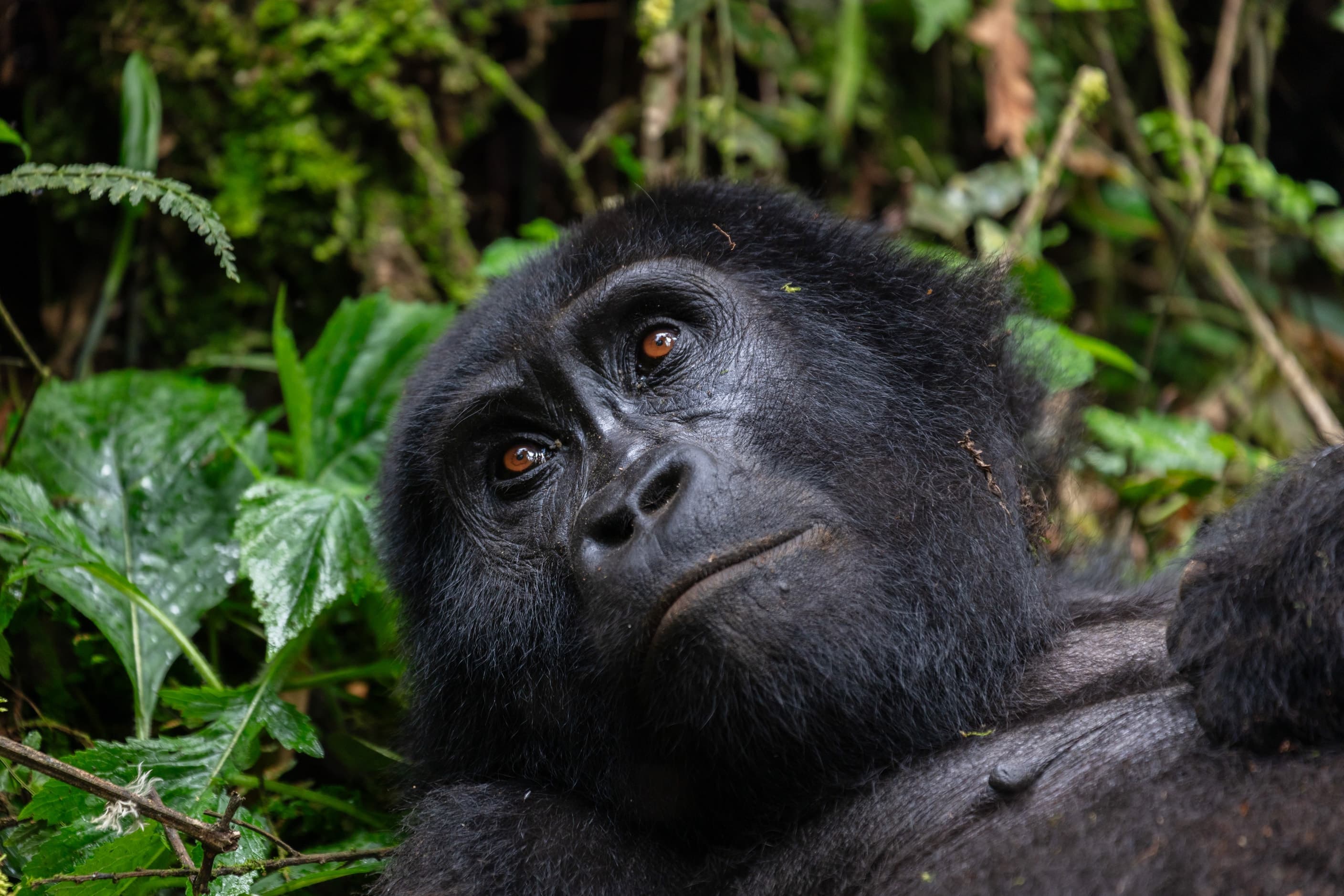
On foot, the rules are stricter. The Uganda Wildlife Authority asks gorilla and chimpanzee trackers to keep 10 metres from the animals and not to track if they are unwell, because primates catch human infections. Our responsible wildlife viewing guide collects these rules by country.
Altitude, sun and long days
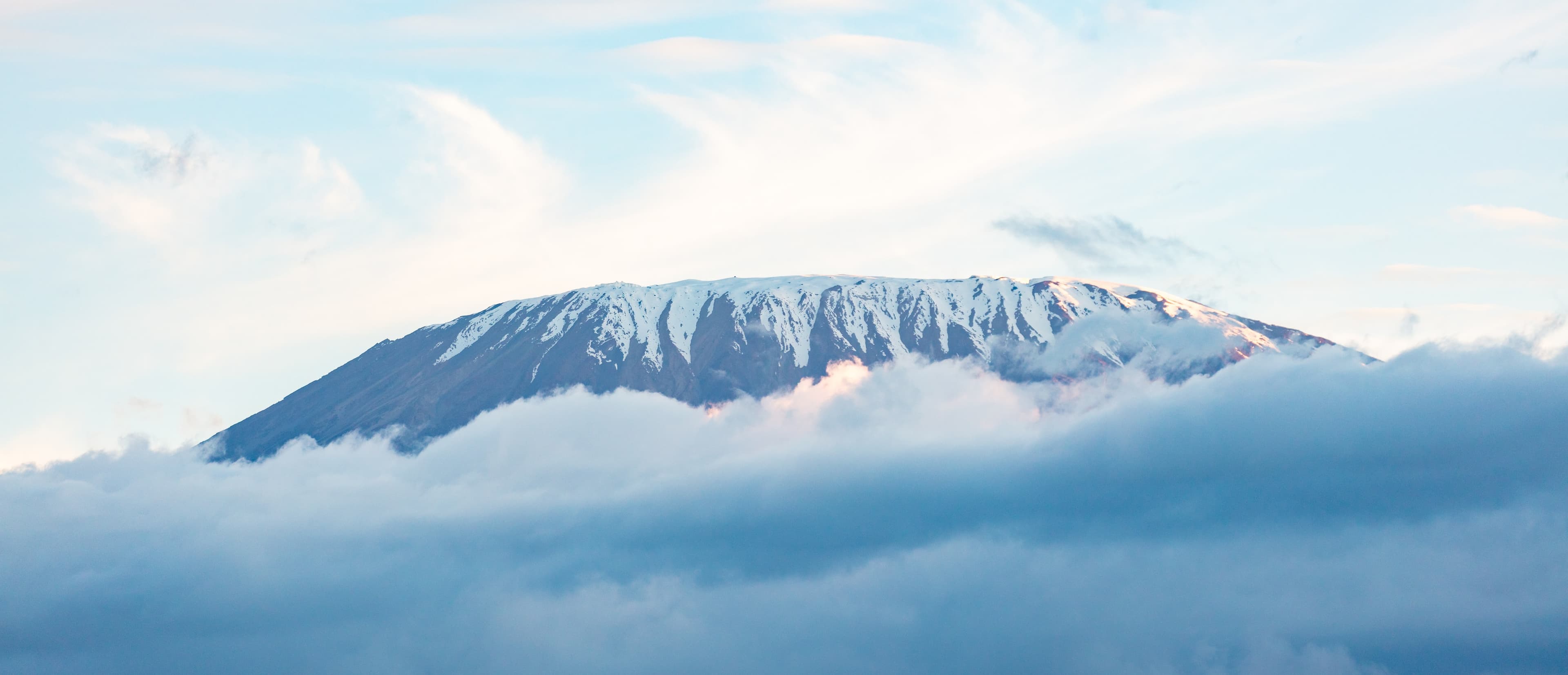
On Kilimanjaro, Tanzania National Parks advises choosing an itinerary with acclimatisation days, ascending slowly and staying hydrated, and notes that more days improve the chance of reaching the summit. On ordinary game drives the sun and long hours in a vehicle matter more: Kenya Wildlife Service suggests a hat, sunglasses and layers you can add and remove.
What should safari travel insurance cover?
Buy insurance when you book, so cancellation cover applies from the start. Safari parks can be far from a hospital, so check the policy covers medical treatment and evacuation from remote areas, and that it covers what you plan to do: gorilla or chimpanzee trekking, walking safaris, a balloon flight or a mountain climb may need to be named or added.
- Does the policy cover emergency medical evacuation from a national park, and to which hospital or country?
- Are the activities on your itinerary covered, and is there an altitude limit for a climb?
- What is the excess, and does the policy cover cancellation for the reasons that matter to you?
- Does it cover cameras, binoculars and other valuables while you travel?
- Is there a 24-hour assistance number you can call from East Africa?
Keep the policy number and assistance line with your travel documents, and share them with someone at home. Your written quotation from us sets out what our safari itself includes.
Everyday health on the road
- Keep prescribed medicines in your hand luggage, in their original packaging, with a copy of the prescription.
- Pack a small first-aid kit: plasters, antiseptic, pain relief, rehydration salts and anything your clinician suggests.
- Drink plenty of water during long, dry game drives, and ask each stay whether its tap water is safe to drink.
- Wash or sanitise your hands before eating, especially on travel days with roadside stops.
- Wear a hat and sunscreen even when it feels cool: the sun is strong near the equator and at altitude.
If you feel unwell during the trip, tell your guide straight away, and keep your insurer’s assistance number with you. A fever during or after travel in a malaria area needs prompt medical attention, so mention your travel to any doctor you see after you return.
Sources
- US Centers for Disease Control and Prevention: Kenya: traveler view (page reviewed 25 August 2026; yellow fever table updated 23 April 2025) (opens in a new tab)
- Kenya Wildlife Service: Frequently asked questions (costs, accommodation, tour operators, park fees) (opens in a new tab)
- US Centers for Disease Control and Prevention: Tanzania: traveler view (page reviewed 25 August 2026; yellow fever and malaria sections updated 23 April 2025) (opens in a new tab)
- US Centers for Disease Control and Prevention: Uganda: traveler view (page reviewed 25 August 2026; yellow fever section updated 23 April 2025) (opens in a new tab)
- Kenya Wildlife Service: Amboseli National Park (opens in a new tab)
- Mara Conservancy (Mara Triangle, Maasai Mara National Reserve): Wildebeest migration (opens in a new tab)
- Tanzania National Parks: Ruaha National Park (opens in a new tab)
- Uganda Wildlife Authority: Conservation tariff July 2024 – June 2026, with park, gorilla and chimpanzee tracking rules (re-published on UWA’s website on 12 October 2026) (opens in a new tab)
- Tanzania National Parks: Kilimanjaro National Park (opens in a new tab)
- Kenya Wildlife Service: What do I need to bring along for a safari to KWS parks and reserves? (opens in a new tab)
- UK Foreign, Commonwealth & Development Office: Kenya travel advice: entry requirements (including mandatory travel health insurance from 5 October 2026, and health screening) (opens in a new tab)
- UK Foreign, Commonwealth & Development Office: Tanzania travel advice: entry requirements (mandatory inbound travel insurance; health screening announced 17 October 2026) (opens in a new tab)
- United Republic of Tanzania, Ministry of Finance (public notice published by the Embassy of Tanzania in Rome, 27 September 2026): Inbound travel insurance for foreign visitors entering Mainland Tanzania (Government Notice No. 256 of 2026), in force from 1 October 2026 (opens in a new tab)
How this guide was prepared
This guide was researched and drafted with the help of AI tools, working from the official sources listed above and Big Time Safaris’ own catalogue. Its facts were checked against those sources on 20 October 2026, and it was reviewed and approved for publication by the owner of Big Time Safaris on 22 October 2026. It is a planning guide, not a first-hand field report. Seasons, park rules and entry requirements change, so check the latest official information before you travel.