Big Time Field NotesNo. 05Packing & preparation
What to pack for an East African safari
Warm afternoons, cold mornings, dust, sun and the odd downpour: a safari asks a lot of a small bag. This list is built from park authorities’ own advice, with notes for mountains, the coast and the rains.
In brief
- Pack layers. Kenya Wildlife Service says many parks have warm-to-hot days and cool-to-cold nights.
- Choose loose, neutral or earth-toned clothing, lace-up shoes, a hat and sunglasses, as KWS and Tanzania National Parks recommend.
- Bring binoculars, a torch, insect repellent and a small kit of basic medicines. Get personal health advice from a professional.
- Kenya Wildlife Service says its national parks are plastic-free, and Tanzania National Parks restricts drones in the Serengeti and on Kilimanjaro.
Contents
Start with the weather, not the wardrobe
Safari days change temperature quickly. Kenya Wildlife Service (KWS) says many of its parks sit at low altitude, with warm-to-hot days and cool-to-cold nights, and that visitors meet different weather depending on the season. June to August is Kenya’s coolest season, according to the Kenya Meteorological Department, with mean temperatures from about 16°C in the highlands east of the Rift Valley.
That is why the advice that matters most is about layers, not individual items. KWS suggests starting the day well covered and taking layers off as it warms up. Early starts can feel cold, even when the afternoon is hot.
Clothing
| What to pack | Why | Recommended by |
|---|---|---|
| Layers you can add and remove | Cool mornings and evenings, warm middays. | KWS |
| Loose-fitting long trousers and shirts or T-shirts | Comfortable in a vehicle all day, and they cover your skin. | KWS |
| Natural, earth-toned, khaki or neutral colours | Both authorities recommend neutral colours. | KWS; Tanzania National Parks |
| A hat and sunglasses | Sun protection. | KWS |
KWS adds that safari clothing can also be bought at shops near the parks.
Beyond these, pack a warm fleece or light jacket for early drives and a light waterproof for the rains. Bring clothes you do not mind getting dusty. A few well-chosen layers do more than a full suitcase.
Footwear
KWS recommends lace-up shoes. On a mountain trek the footwear question becomes a gear question. Tanzania National Parks tells Kilimanjaro climbers to carry proper cold-weather and rain gear, so ask your operator for the full trekking kit list well before you travel.
Sun, insects and a small medical kit
- Sun. A hat and sunglasses are on KWS’s list. Add a sunscreen you trust.
- Insects. KWS and Tanzania National Parks both recommend insect repellent.
- A small medical kit. KWS suggests a few basics, such as antacids, painkillers, antihistamines and cold remedies. A pharmacist or travel-health professional can tell you which suit you.
- Personal health advice. KWS’s FAQs cover vaccinations and malaria prevention, and warn that some vaccinations need a course of injections. Ask a travel-health professional what you need, in good time, and pack any prescribed medicine in your hand luggage.
Binoculars, a torch and field guides
KWS lists binoculars and a torch (flashlight) among its safari essentials. If you are travelling as a couple or a family, more than one pair of binoculars saves a lot of passing back and forth. KWS also suggests a bird guide, a mammal guide and a map of Kenya, all of which it sells in its own gift shops.
Cameras, chargers and drones
Bring spare batteries and memory cards, and ask your operator how and when you can charge devices. Do not assume charging is available in every vehicle or room. A soft cloth and a bag to keep dust out of the camera are worth their space.
Leave the single-use plastic at home
Kenya Wildlife Service states that national parks are plastic-free and that single-use plastic is prohibited. A refillable water bottle and a cloth bag replace most of what you might otherwise carry. KWS also prohibits feeding wildlife, so keep snacks for yourself and inside the vehicle.
Luggage
A safari moves often, so pack for packing up. Fewer, softer bags are easier to load and unload each day. If your journey includes a flight in a light aircraft, ask for the luggage allowance and the type of bag allowed before you pack, because allowances vary by airline and aircraft. Keep valuables, medicines and a change of clothes in your hand luggage.
Adjusting for where you go
| If your trip includes… | Add | Why |
|---|---|---|
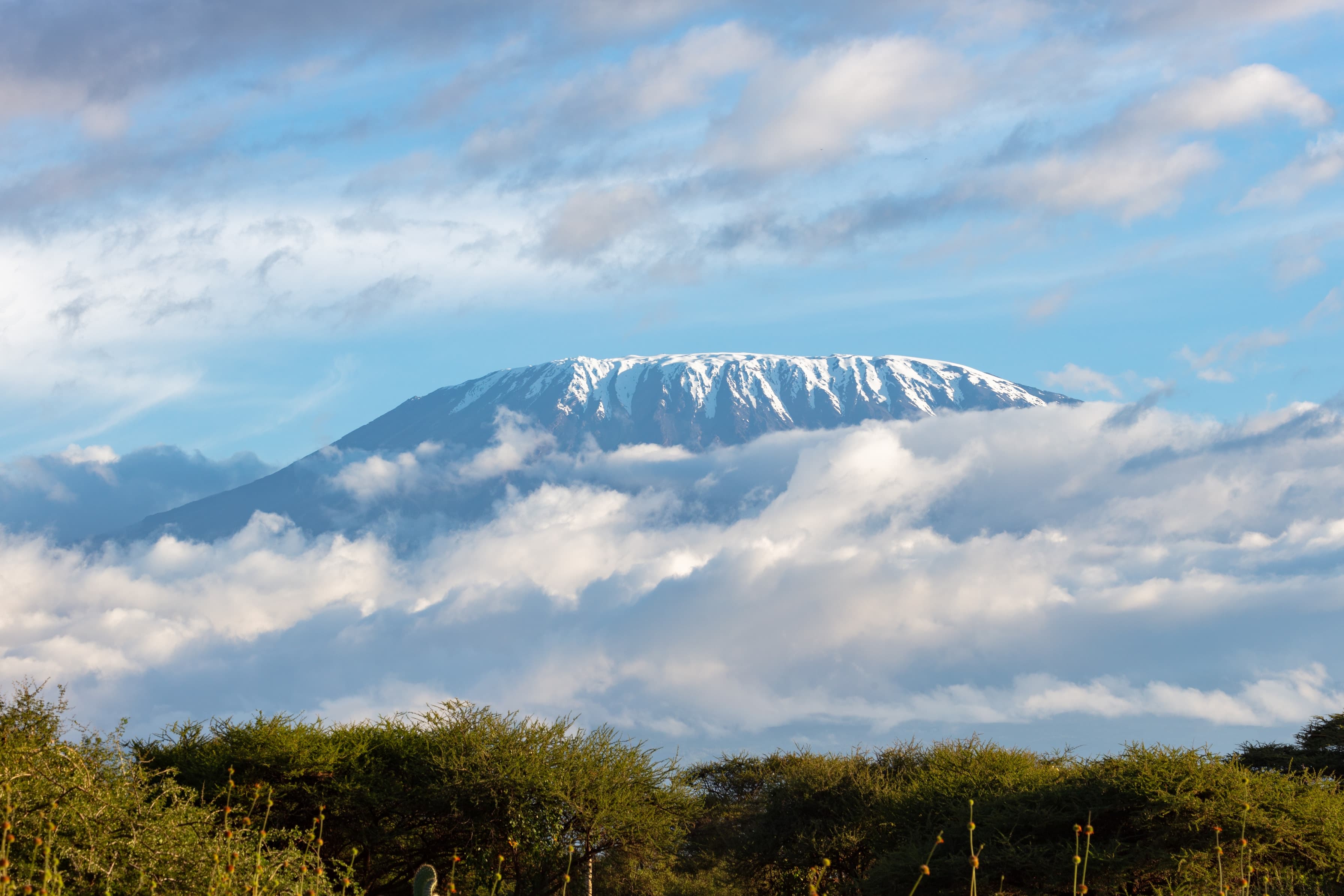
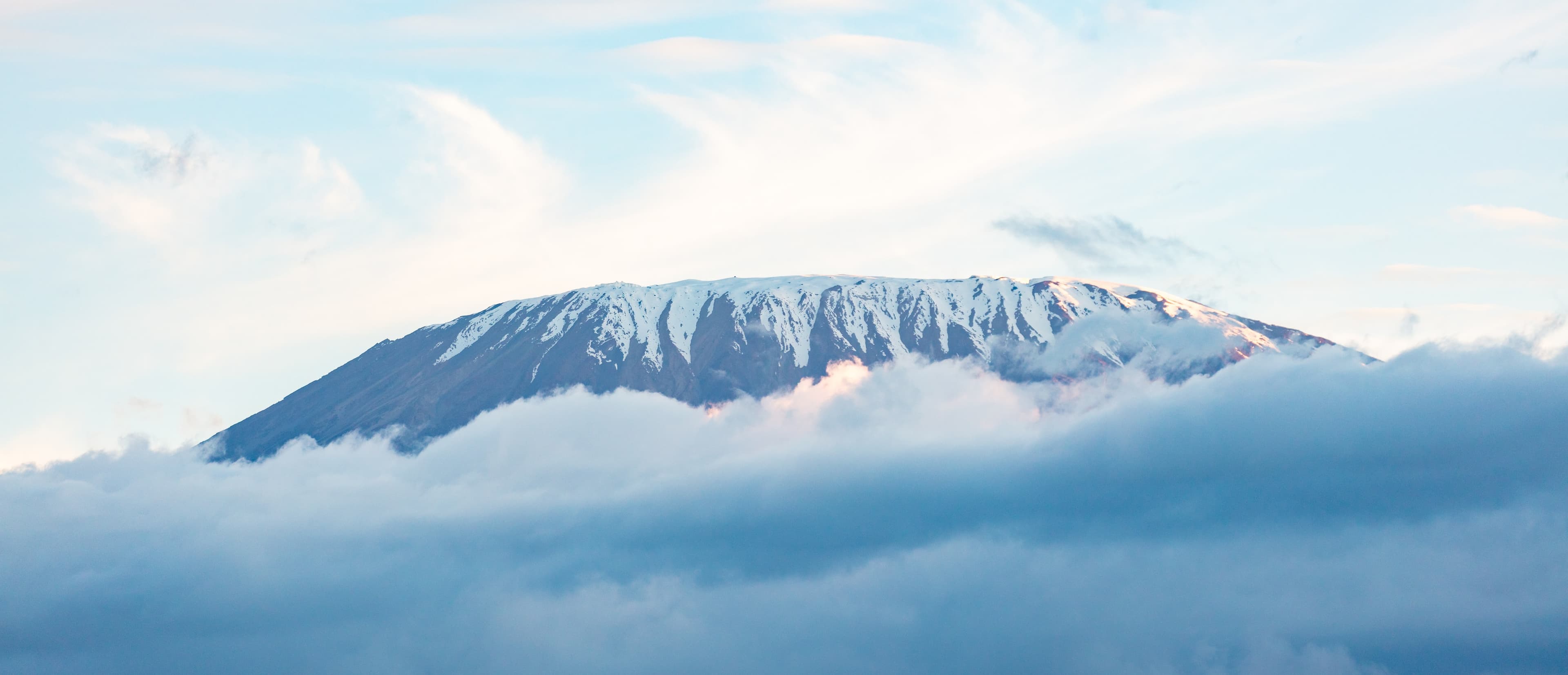
| Kilimanjaro | Cold-weather and rain gear, a headlamp, personal medicines | Tanzania National Parks lists these for Kilimanjaro and warns that conditions change quickly at altitude. |
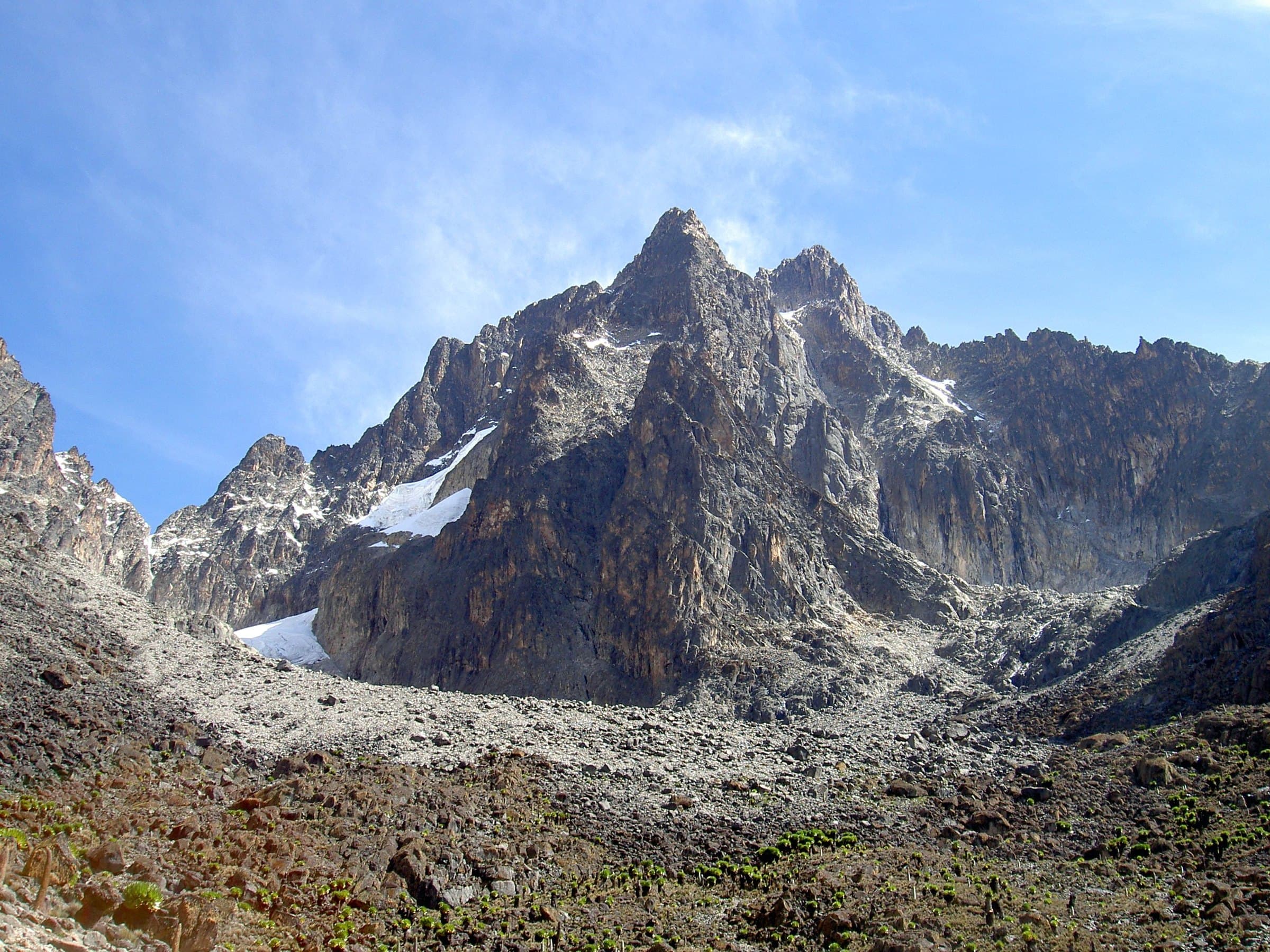
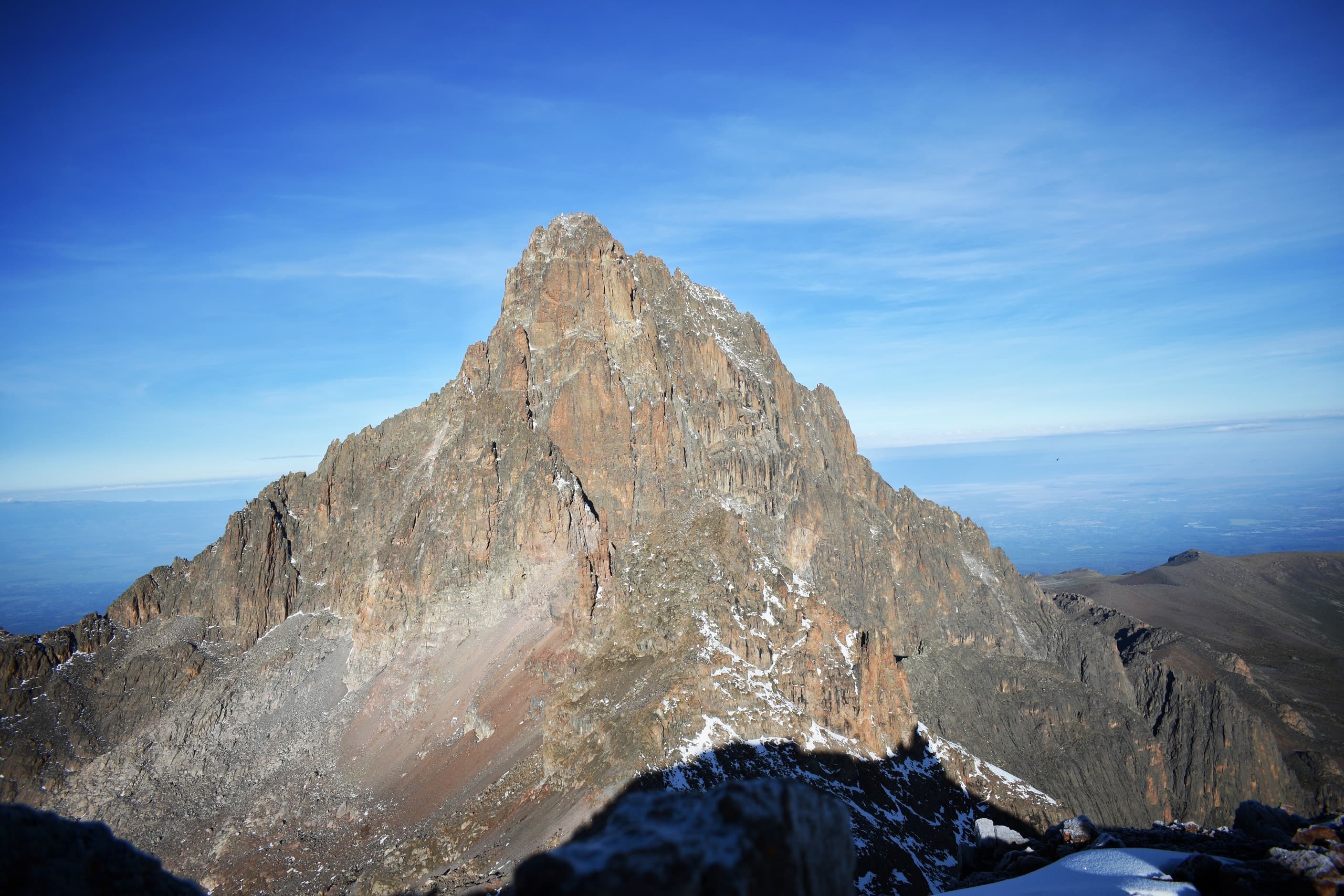
| Mount Kenya, highland or forest parks | Warmer layers and a waterproof | KWS singles out mountain and forest parks as exceptions to Kenya’s generally dry, warm parks. |
| Kenya’s coast | Light, breathable clothing | KWS describes Kenya’s coast as warm and humid. |
| Travel in the rainy seasons | A waterproof layer and quick-drying clothes | KWS’s low season, April–June, is the long rains, when most park roads may need four-wheel-drive vehicles. |
A simple checklist
- Layers in neutral colours: long trousers, shirts, a warm fleece or jacket
- A light waterproof
- Lace-up shoes
- Hat, sunglasses and sunscreen
- Insect repellent
- Binoculars and a torch
- Camera, spare batteries and memory cards
- A small medical kit and any prescribed medicine
- A refillable water bottle
- Travel documents, with copies kept separately
Not sure what your journey needs? Ask our team and we will tell you what applies to the parks and season you choose.
Sources
- Kenya Wildlife Service: What do I need to bring along for a safari to KWS parks and reserves? (opens in a new tab)
- Kenya Wildlife Service: What is the weather pattern in Kenya? When is the best time to visit your parks and reserves? (opens in a new tab)
- Kenya Meteorological Department: June–July–August 2026 seasonal forecast, including the 1991–2020 rainfall and temperature climatology (opens in a new tab)
- Tanzania National Parks: Serengeti visitor guide (opens in a new tab)
- Tanzania National Parks: Kilimanjaro visitor guide (opens in a new tab)
- Kenya Wildlife Service: Frequently asked questions (costs, accommodation, tour operators, park fees) (opens in a new tab)
- Kenya Wildlife Service: Lake Nakuru National Park (opens in a new tab)
- Kenya Wildlife Service: Amboseli National Park (opens in a new tab)
How this guide was prepared
This guide was researched and drafted with the help of AI tools, working from the official sources listed above and Big Time Safaris’ own catalogue. Its facts were checked against those sources on 15 October 2026, and it was reviewed and approved for publication by the owner of Big Time Safaris on 22 October 2026. It is a planning guide, not a first-hand field report. Seasons, park rules and entry requirements change, so check the latest official information before you travel.