Big Time Field NotesNo. 01When to go
The best time to visit Kenya for a safari
Kenya has no single best month. Its rains, its parks and the great herds each keep their own calendar, and the right time depends on which of them matters most to you.
In brief
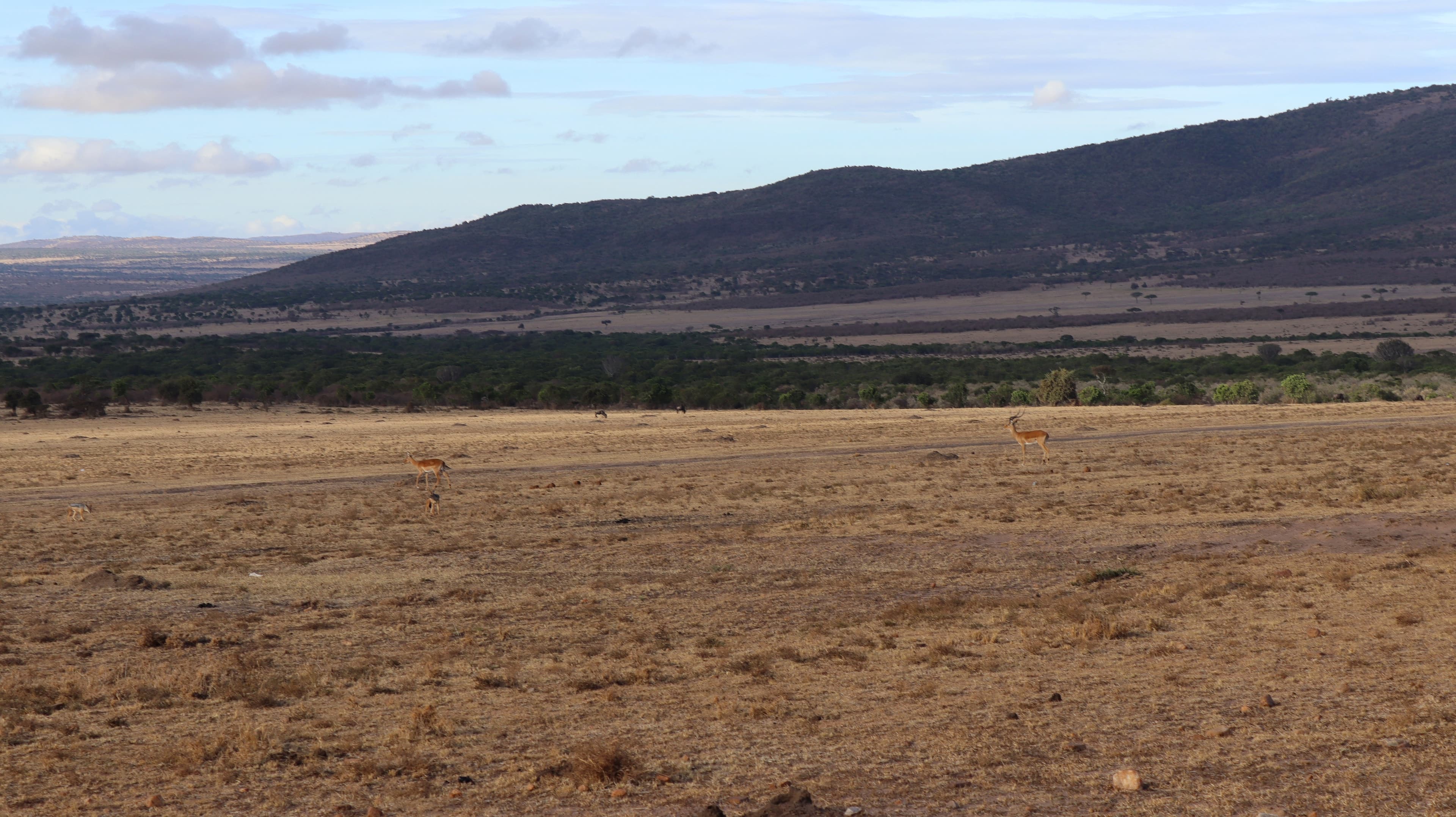
- Kenya Wildlife Service treats its parks as year-round destinations, with a low season from April to June, when the long rains fall.
- The Kenya Meteorological Department describes two main rainy seasons, March–May and October–December, and a June–August period that is dry across most of the country but not all of it.
- In the Maasai Mara, the Mara Conservancy says the migration usually arrives around June or July and stays until November. No date can be promised.
- The Rift Valley, the western highlands and the coast can still see rain in June–August, so one national calendar never fits every park.
Contents
There is no single best month
Ask when to go on safari in Kenya and you will often hear one answer: the dry season. It is a fair starting point, but it hides most of what matters. Kenya Wildlife Service (KWS) describes its parks and reserves as offering attractions all year, and it divides the year into a high season and a low season that broadly follow the rains.
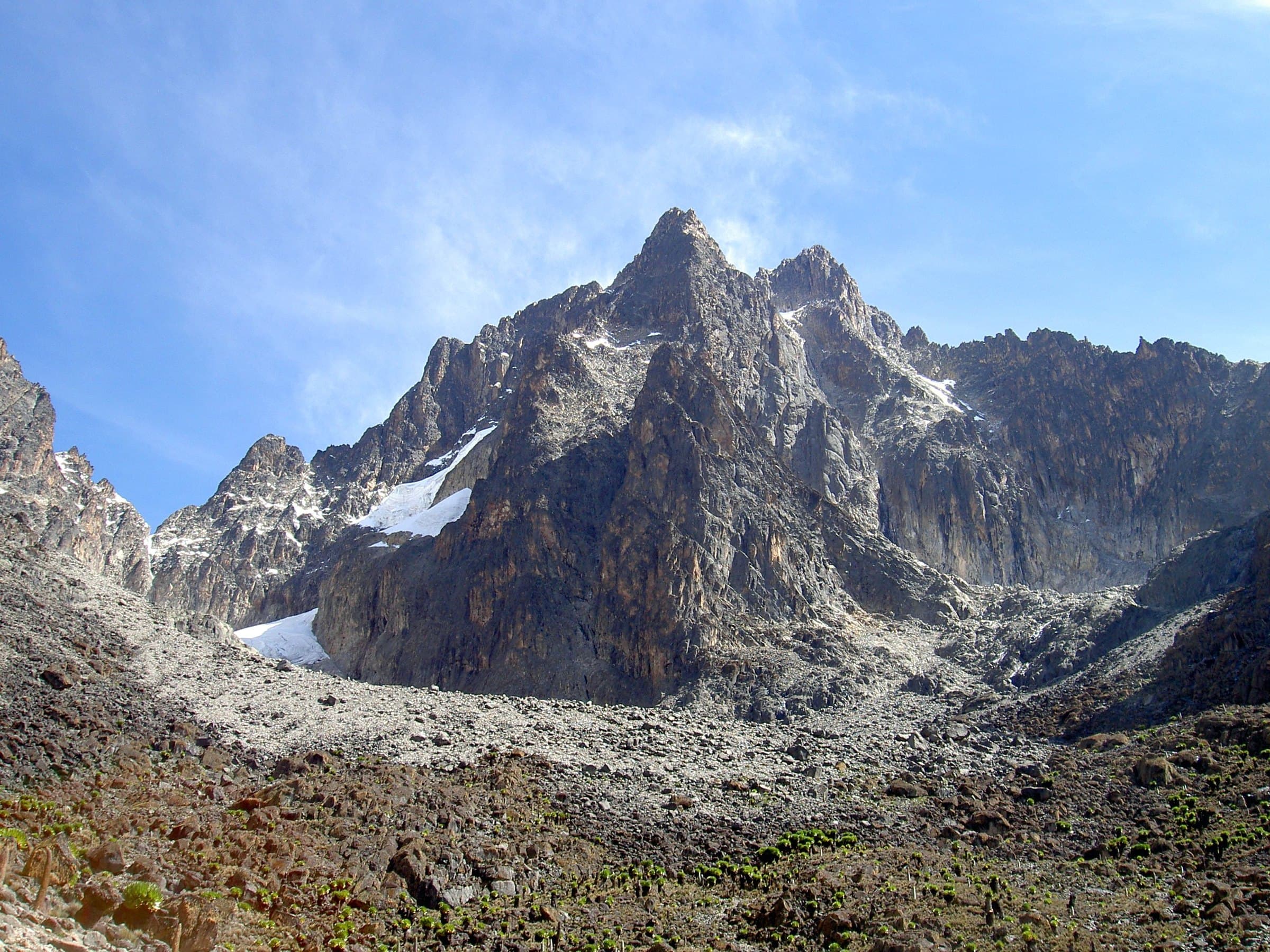
Kenya also has very different climates within one country. KWS describes the coast as warm and humid, the central highlands as cool and humid, and the north and east as hot and dry, and it notes that most of its parks, apart from the mountain and forest parks, lie in areas that are predominantly dry and warm to hot. A month that suits the Maasai Mara may be a wet one on the slopes of Mount Kenya.
So the useful question is not “when is best?” but “best for what?” Choose what matters most to you first, whether that is the migration, quieter months, a particular park or simply the dates you can travel, then read the seasons with that in mind.
Kenya’s seasons, as the meteorologists describe them
The Kenya Meteorological Department (KMD) publishes a forecast before each season, and each forecast opens with the long-term pattern: the 1991–2020 climatology. Those descriptions are the most reliable official guide we have found to how Kenya’s year usually unfolds.
| Period | What KMD describes | What it can mean on safari |
|---|---|---|
| January–February | Not described in the KMD seasonal statements we used. KWS counts these months in its high season. | KWS gives its reasons for the high season: short grass that makes wildlife easier to see, plenty of food for wildlife, and sunny weather. |
| March–May | The “Long Rains”, Kenya’s major rainfall season over most of the country. The highest totals normally fall over the Lake Victoria Basin, the highlands on both sides of the Rift Valley (including Nairobi), the central and southern Rift Valley and the coastal strip. | KWS calls April–June its low season and notes that most park roads may then need four-wheel-drive vehicles. |
| June–August | Not a major rainfall season: most of the country is generally dry. Rain continues in the highlands west of the Rift Valley, the Lake Victoria Basin, the Rift Valley, the coast and north-western Kenya. These are Kenya’s coolest months. | Pack warm layers for early mornings, especially in the highlands. Allow for showers in the Rift Valley and the west. |
| September | Falls between the June–August and October–December statements we used, so neither describes it. KWS counts it in its high season. | Check the October–December forecast if you travel late in the month. |
| October–December | A major rainfall season. In several counties, including Nairobi, Laikipia, Taita-Taveta and Mombasa, it brings more than 30% of the year’s rain. | KWS still counts these months in its high season. Plan for rain, and check the season’s forecast before you travel. |
Seasons shift from year to year. KMD issues a forecast before each season; read the current one rather than relying on averages.
Two things follow from this. First, the second half of the year is not one long dry season: KMD describes June–August as dry across most of the country, but October–December as a major rainy season. Second, the rains are regional: KMD’s descriptions name different areas for each season, which is why the parks below are worth reading one by one.
High season and low season
KWS describes two tourist seasons that “generally correspond to local climatic conditions”. Its high season runs from July to March, which it describes as the best months for wildlife viewing. Its low season is April to June, during the long rains.
High season · July to March
KWS gives three reasons: short grass that makes wildlife easier to see, plenty of food for the animals, and good sunny weather.
Low season · April to June
The long rains fall in these months. KWS warns that most park roads may need four-wheel-drive vehicles at this time of year.
The Maasai Mara: the migration window
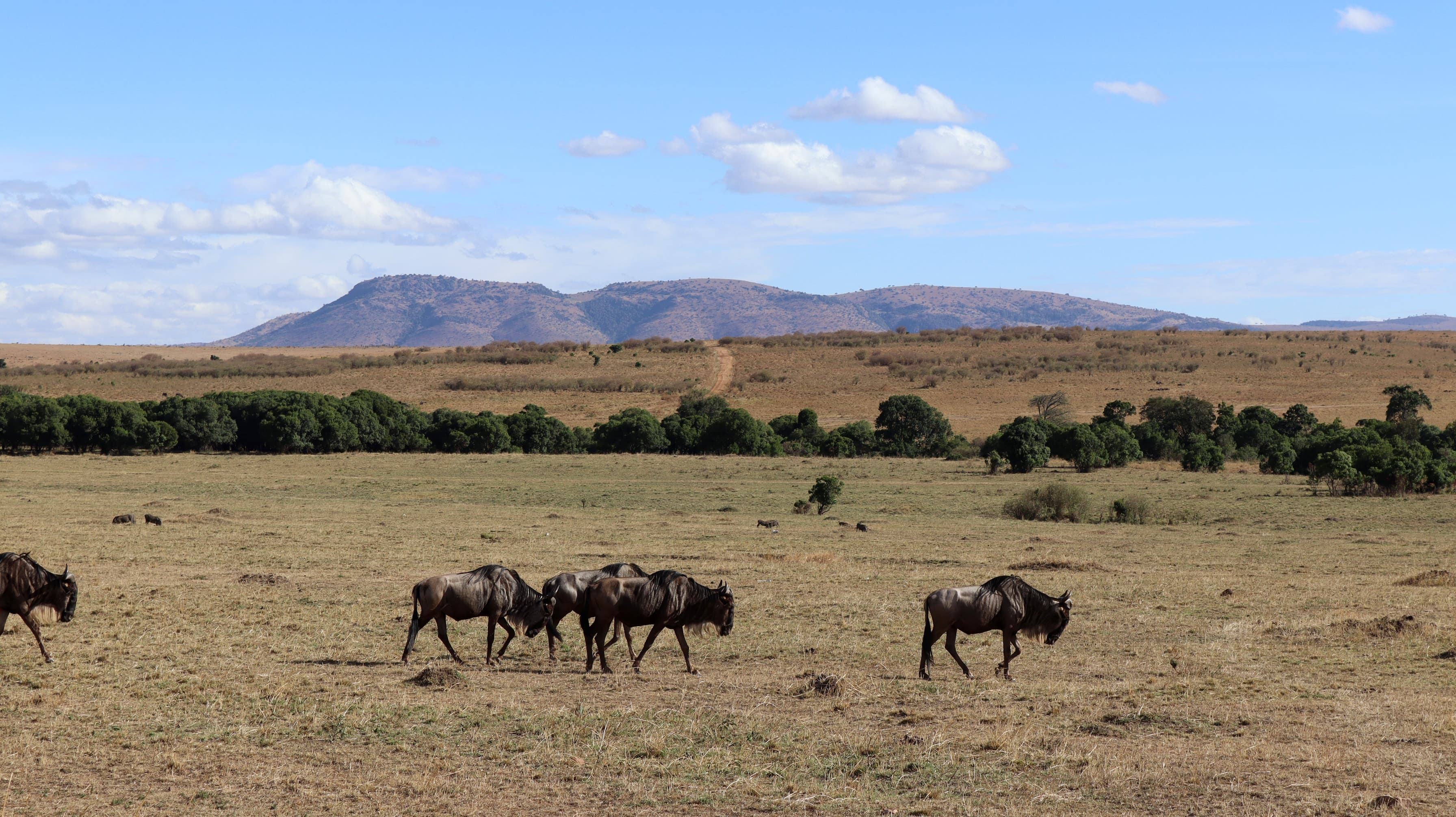
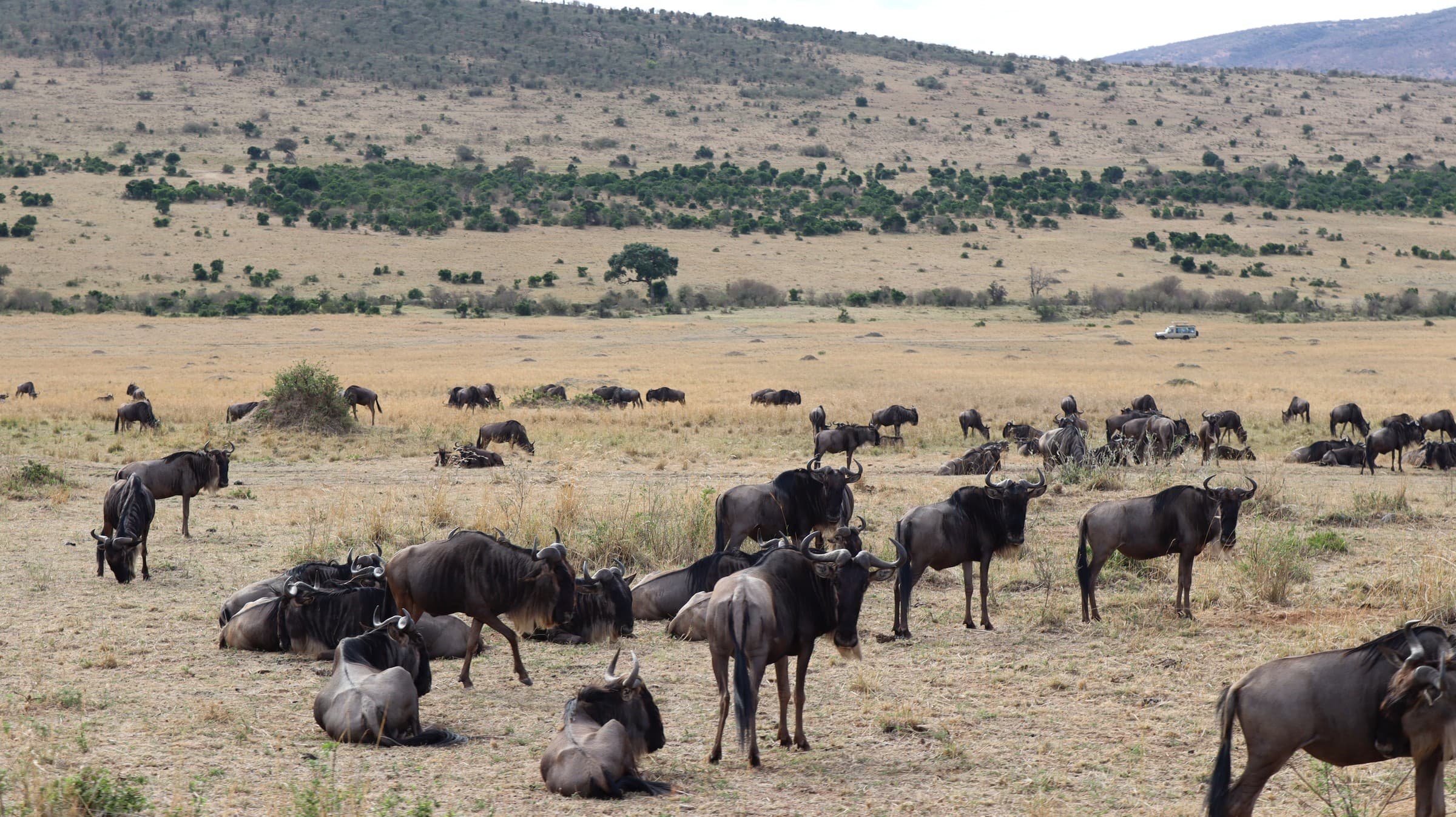
For many travellers the Maasai Mara decides the dates. The Mara Conservancy, which manages the Mara Triangle within the Maasai Mara National Reserve, says the wildebeest migration usually starts somewhere in June or July and continues until November.
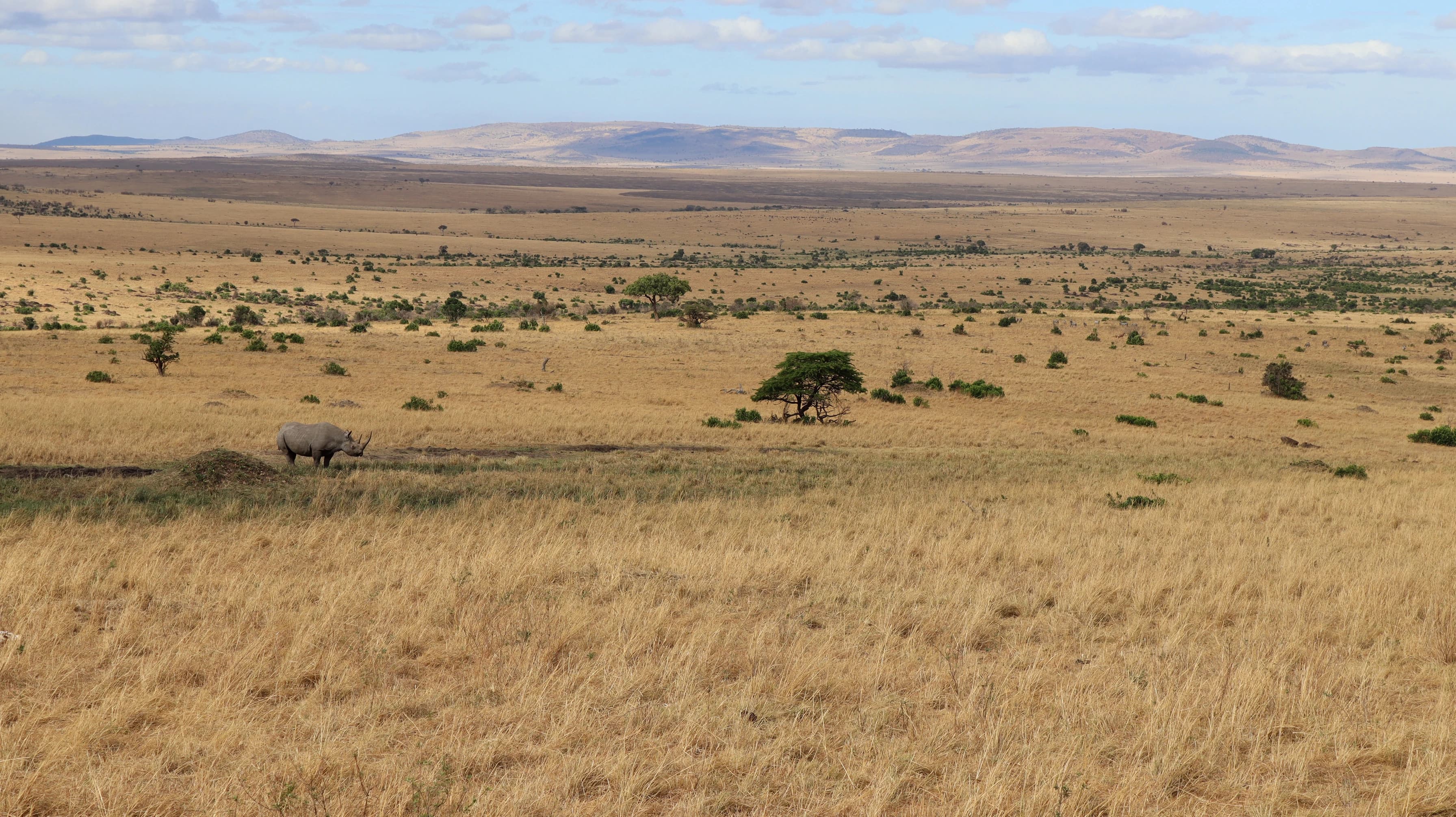
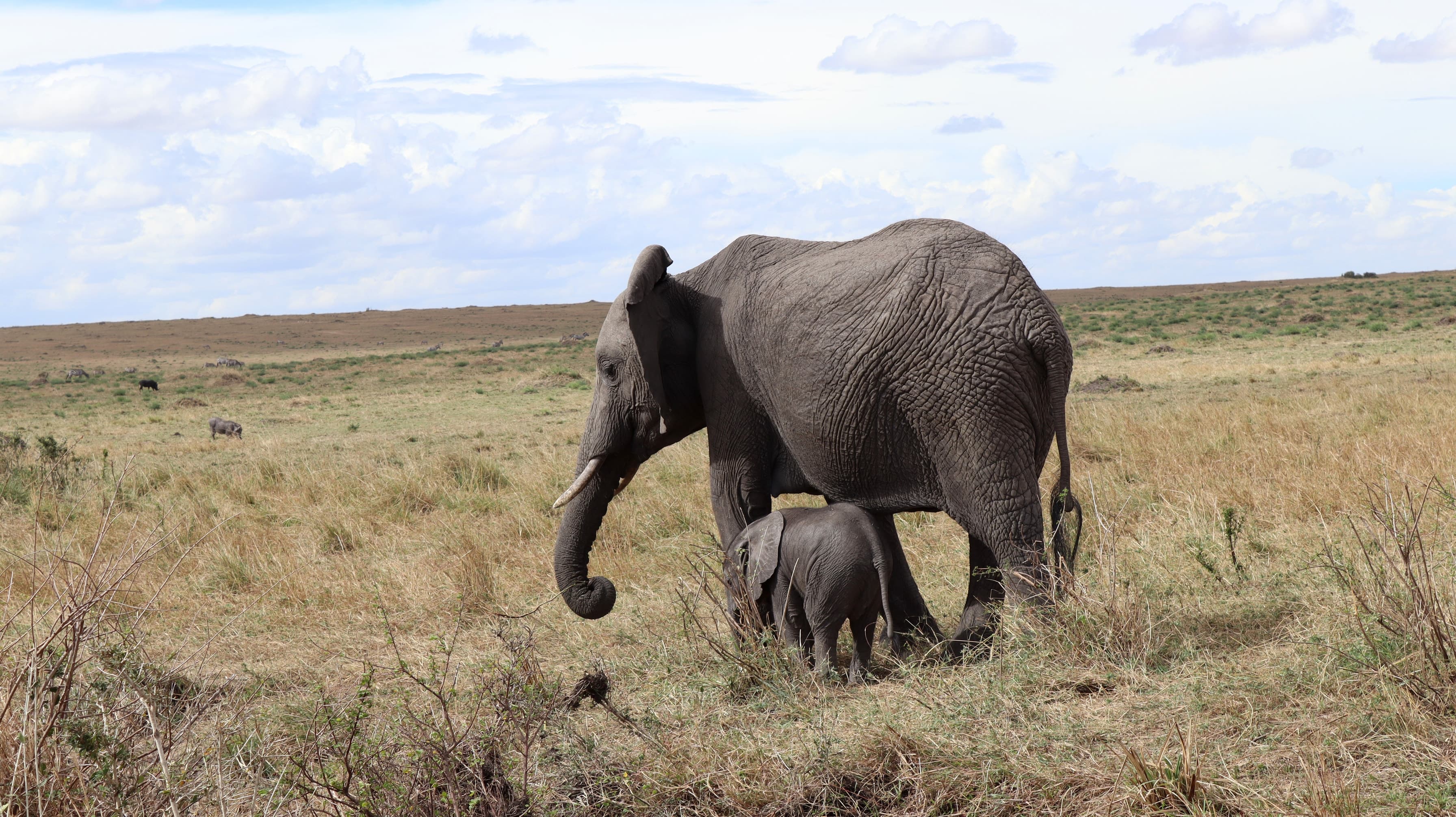
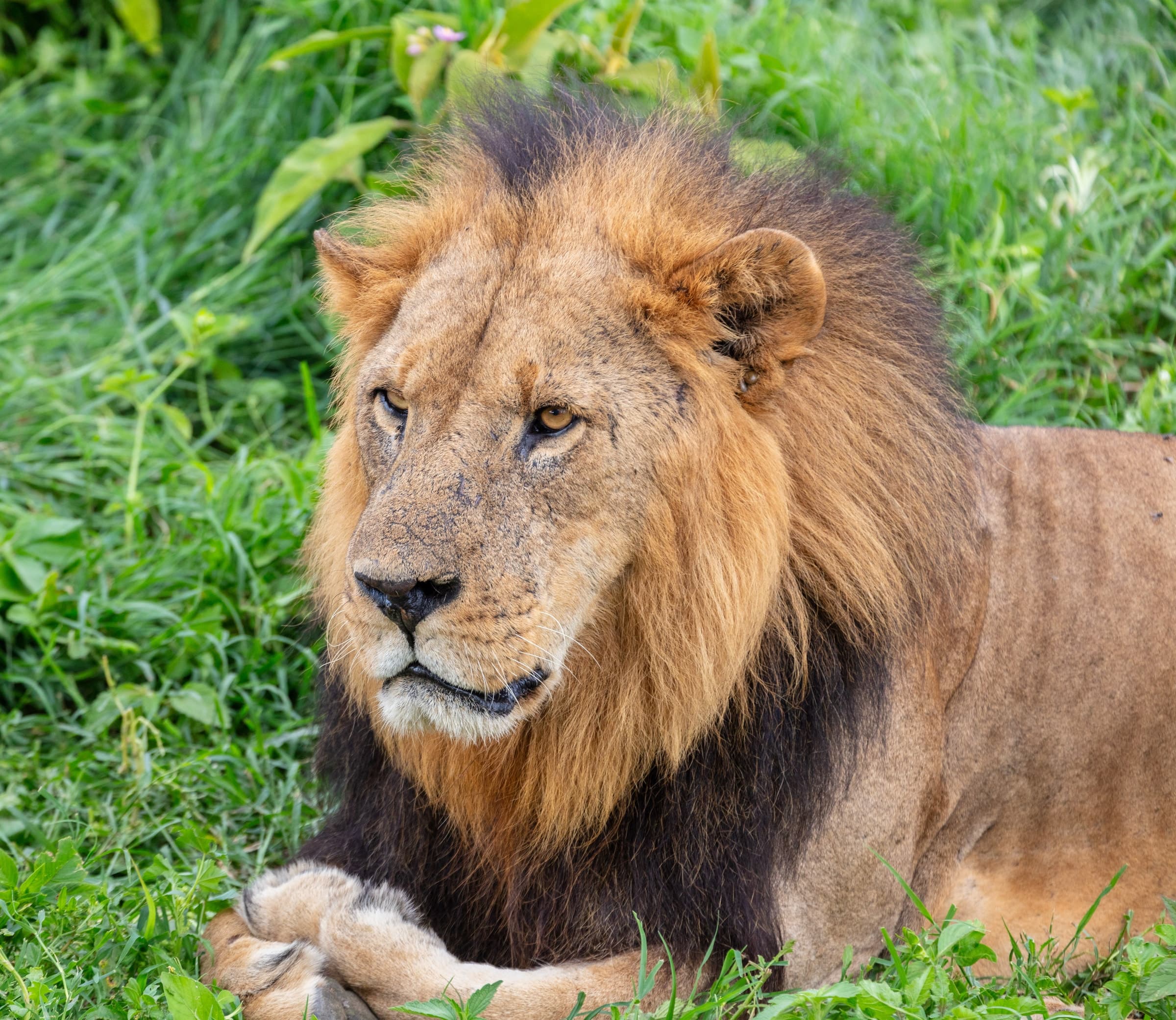
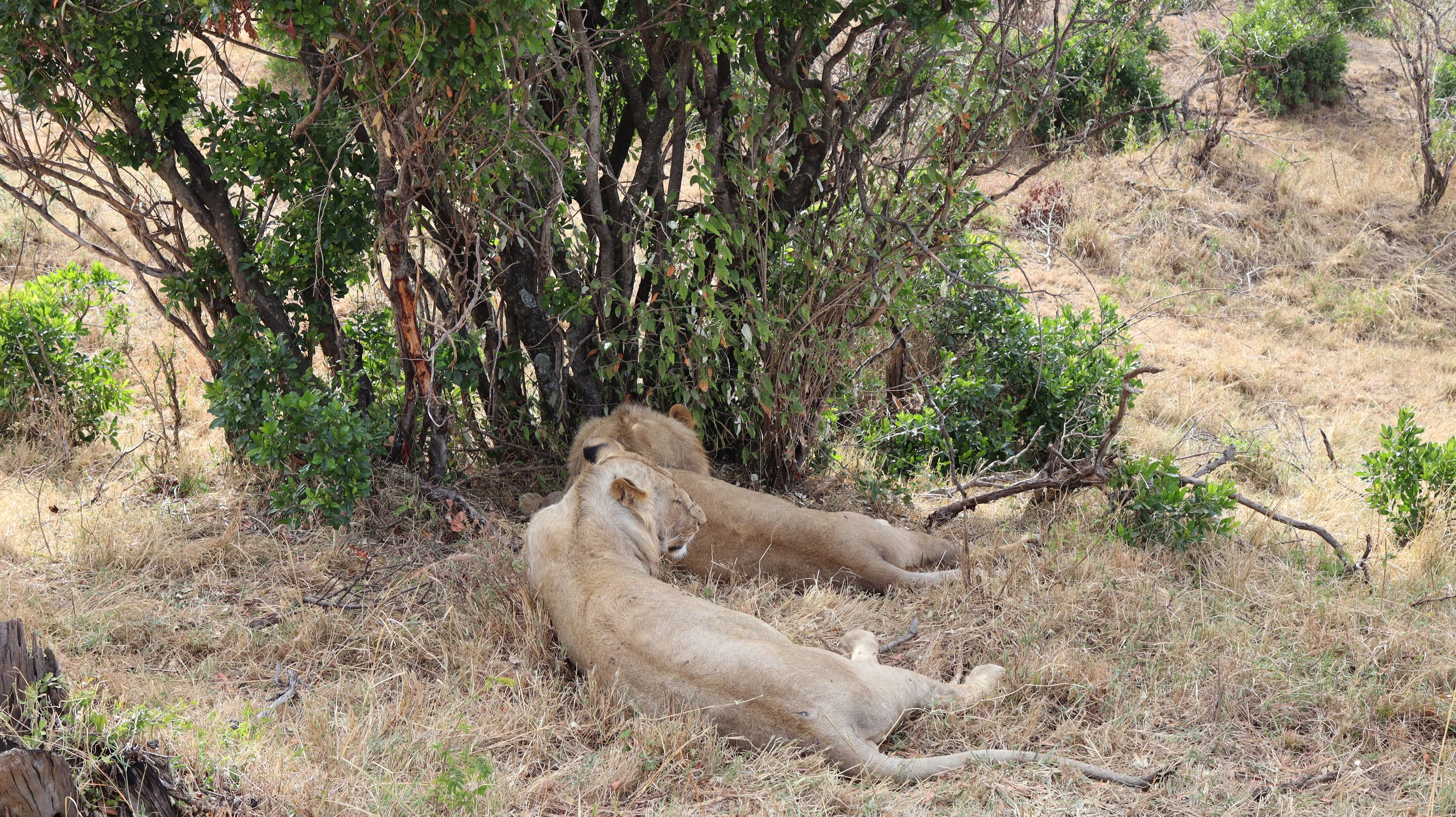
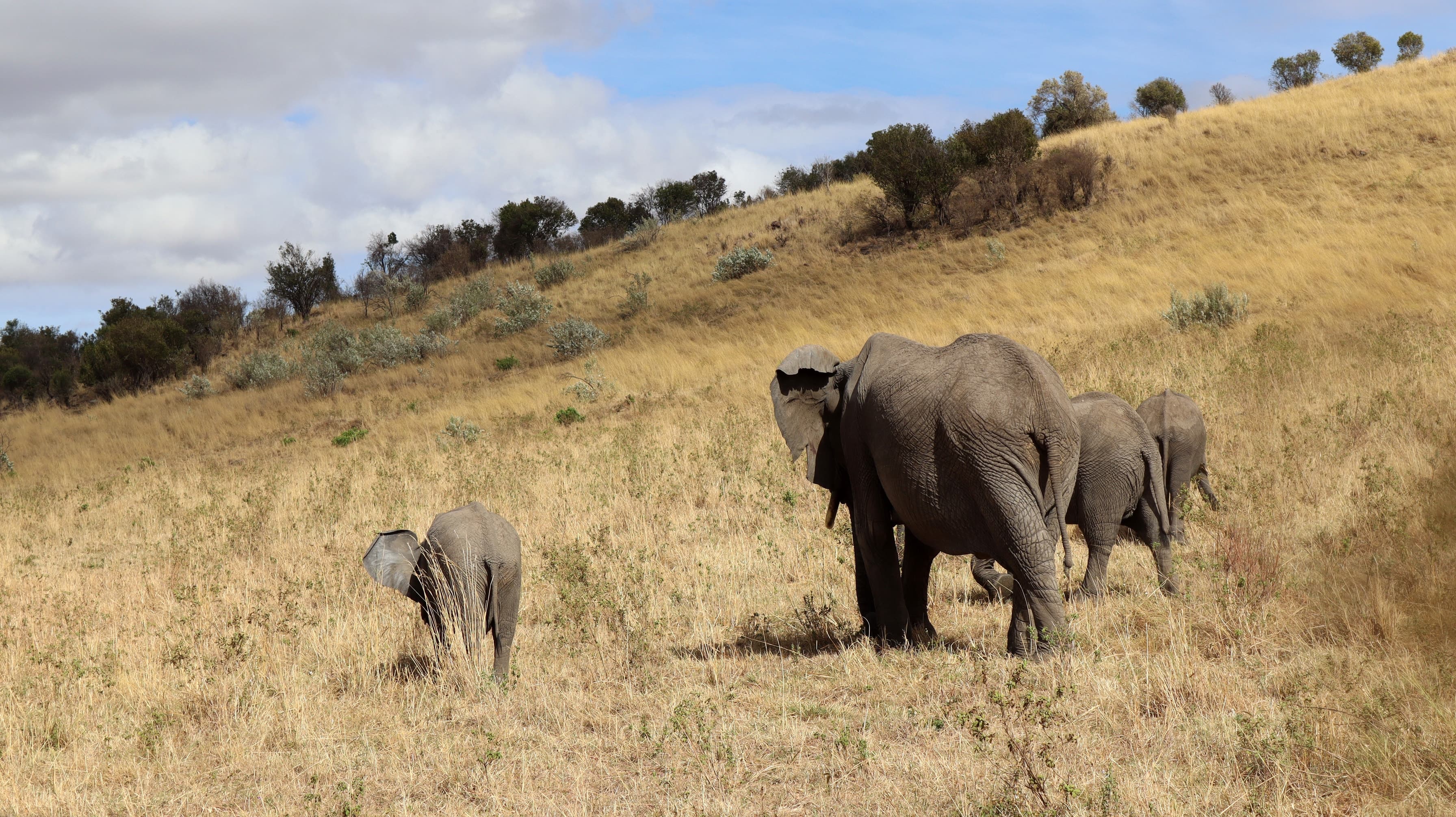
The Conservancy also describes the reserve before the herds arrive. In June, it writes, the red oat grass stands tall, and the animals easiest to see are elephants and giraffes, a lone topi on a termite mound, and lions resting in the shade. So the Mara has wildlife of its own, not only the migration herds. The migration adds to the reserve, but it is not the only reason to go.
River crossings are what many visitors hope for. The Conservancy says crossings happen frequently during the migration but are difficult to predict. Our guide to the Great Migration explains why, and how to watch a crossing without disturbing it.
Amboseli: plan by the national pattern
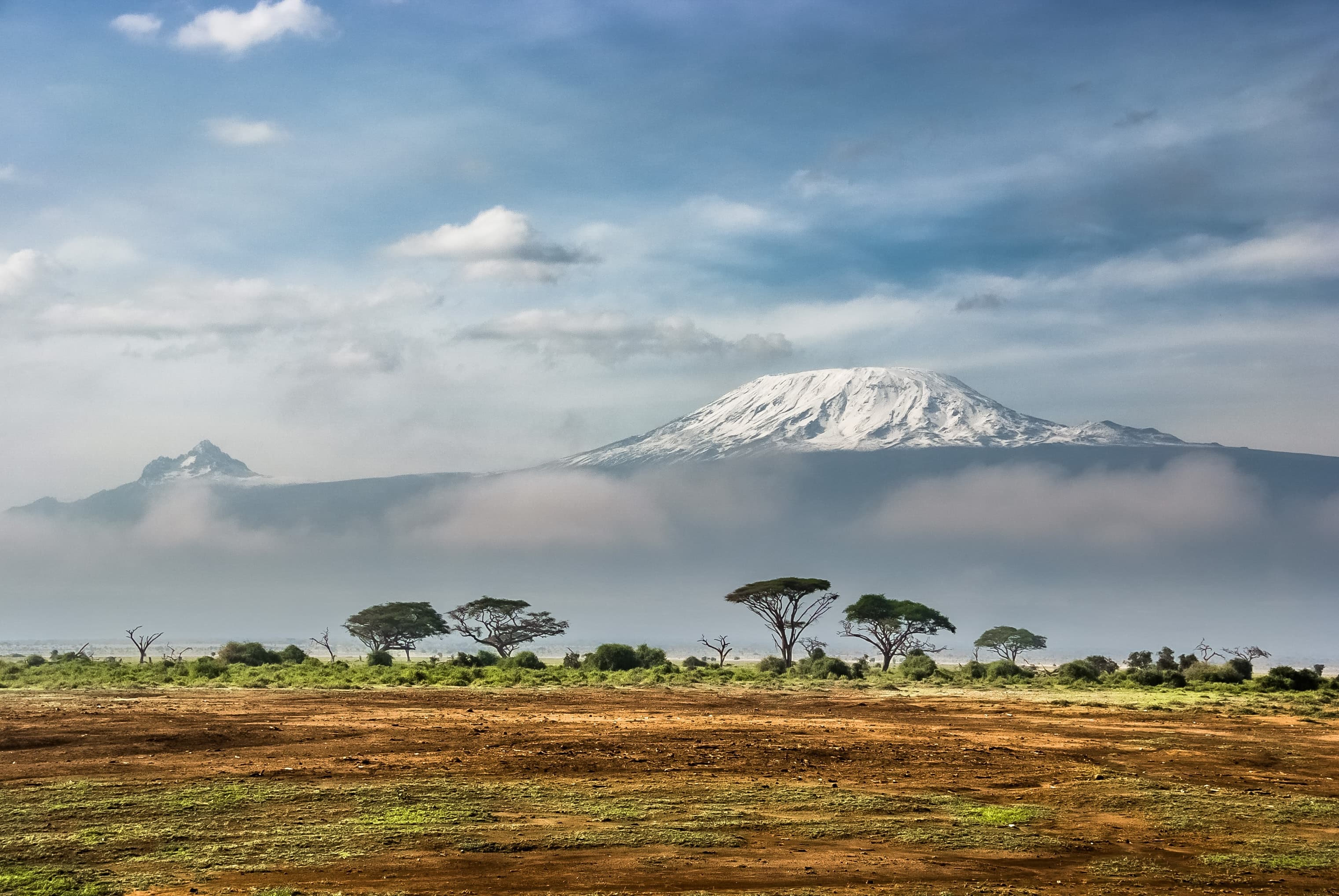
KWS describes Amboseli National Park as one of Africa’s premier places for close encounters with large elephant herds. Its open grass plains, acacia woodland, thorny bushland, swamps and marshes sit beneath Mount Kilimanjaro. Amboseli is also one of Kenya’s Important Bird Areas, with more than 400 bird species.
We have not found an official month-by-month guide for Amboseli, so we do not publish one. Plan with KWS’s national seasons and allow for the rains of March–May and October–December. Before you travel, ask about recent conditions rather than relying on a calendar.
The Rift Valley lakes
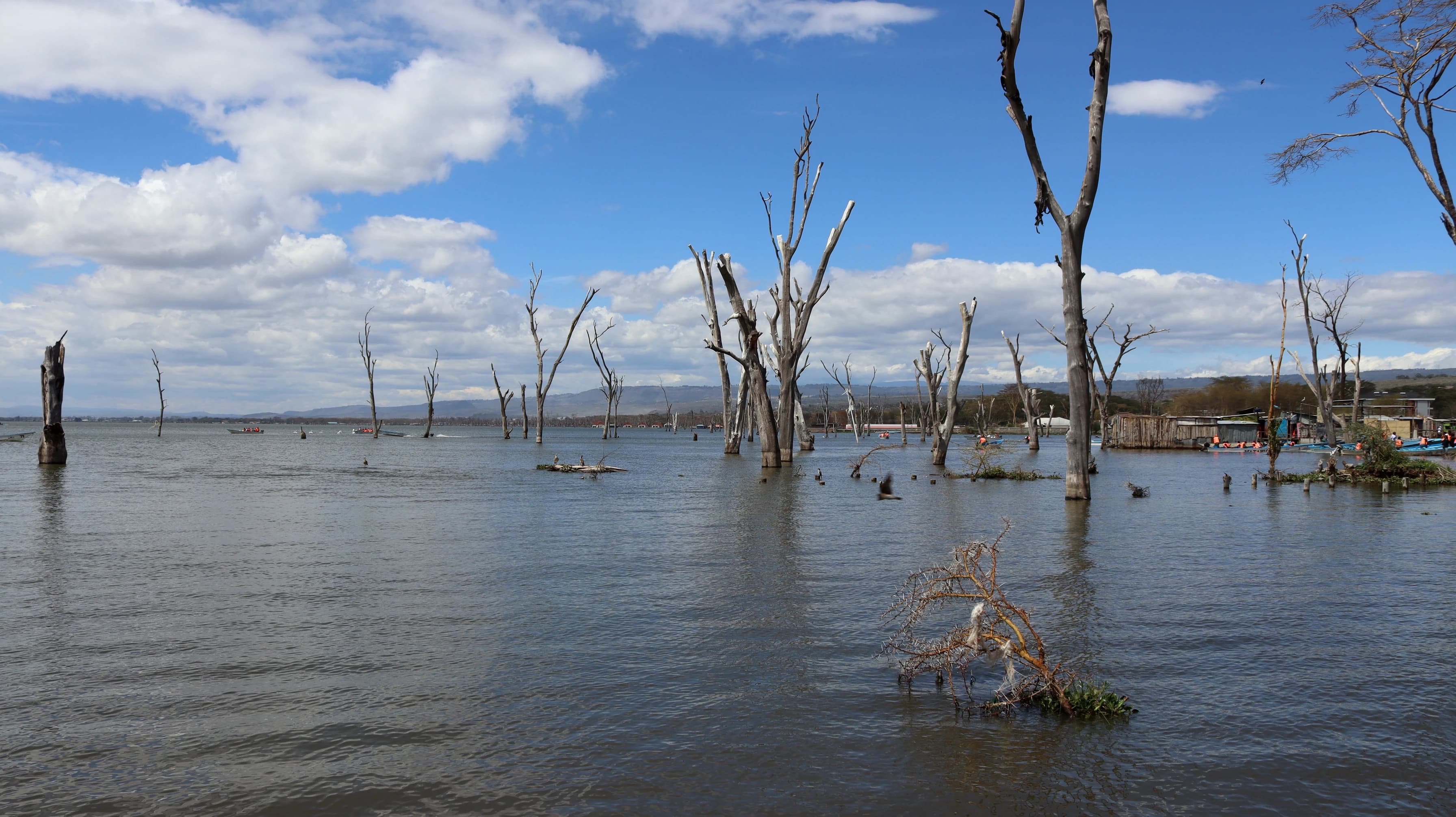
The Rift Valley shows best why one national calendar is not enough. KMD lists the central and southern Rift Valley among the areas that normally receive the most rain from March to May. It also lists the Rift Valley among the regions where rain continues through June to August, when most of Kenya is dry.
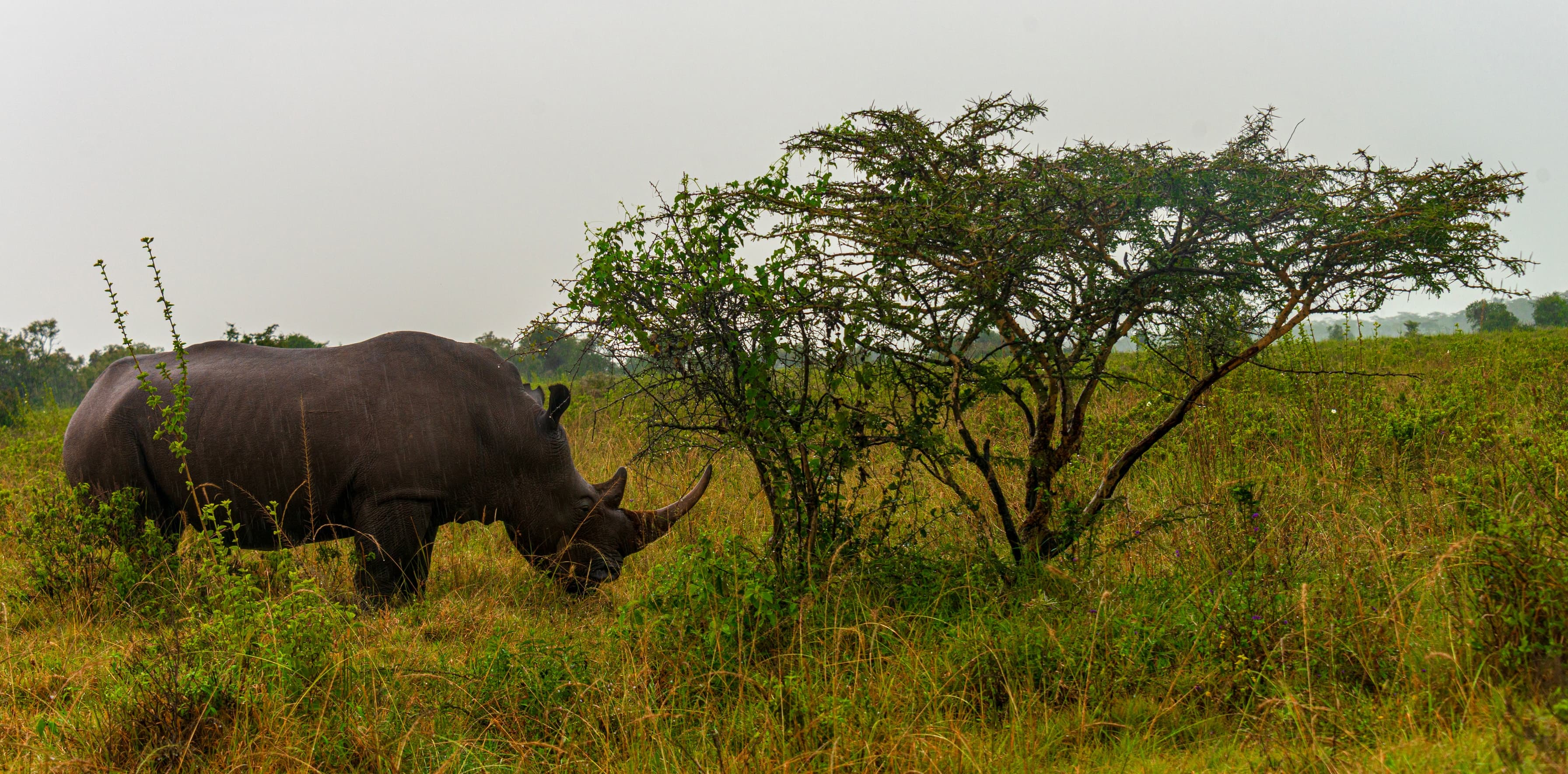
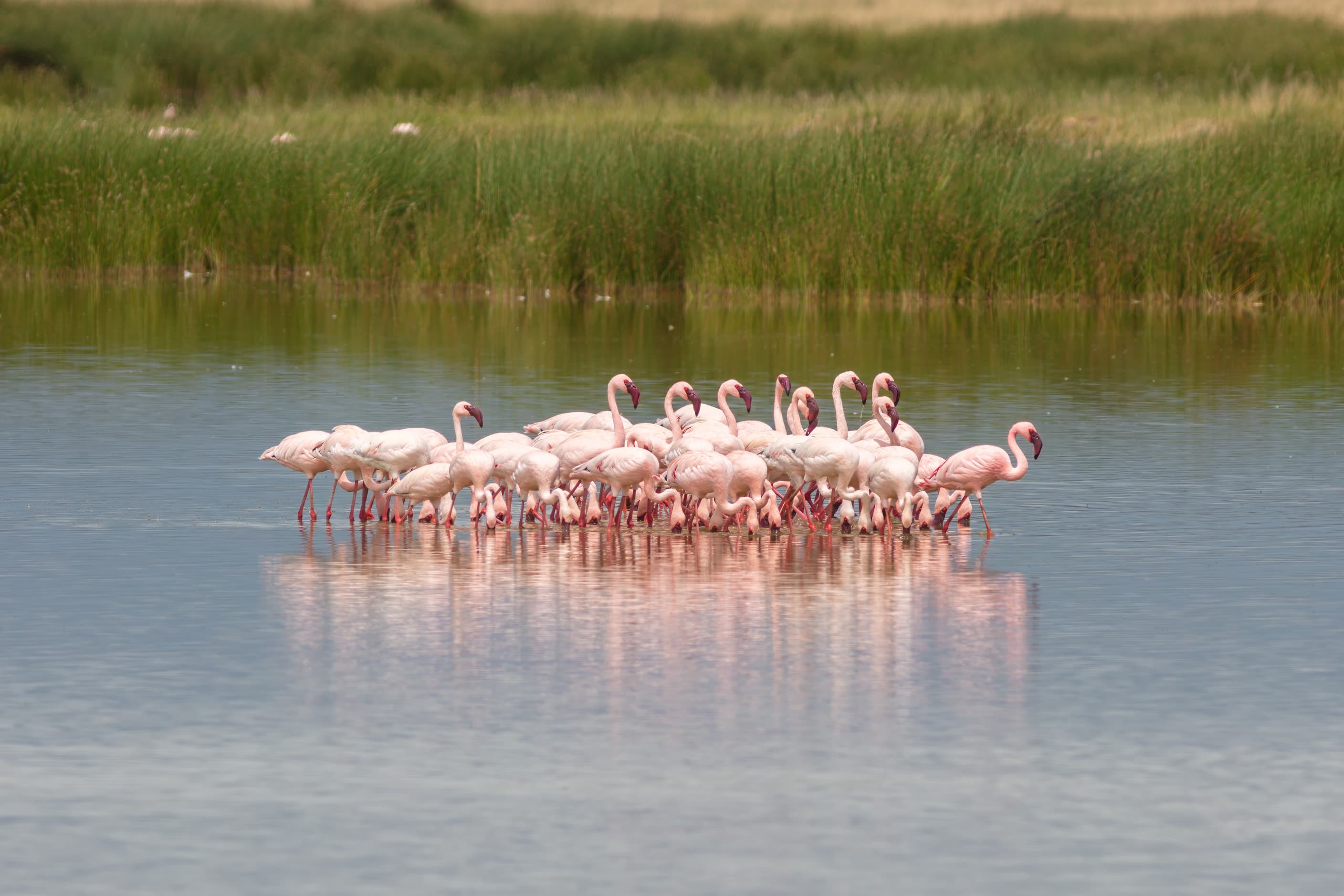
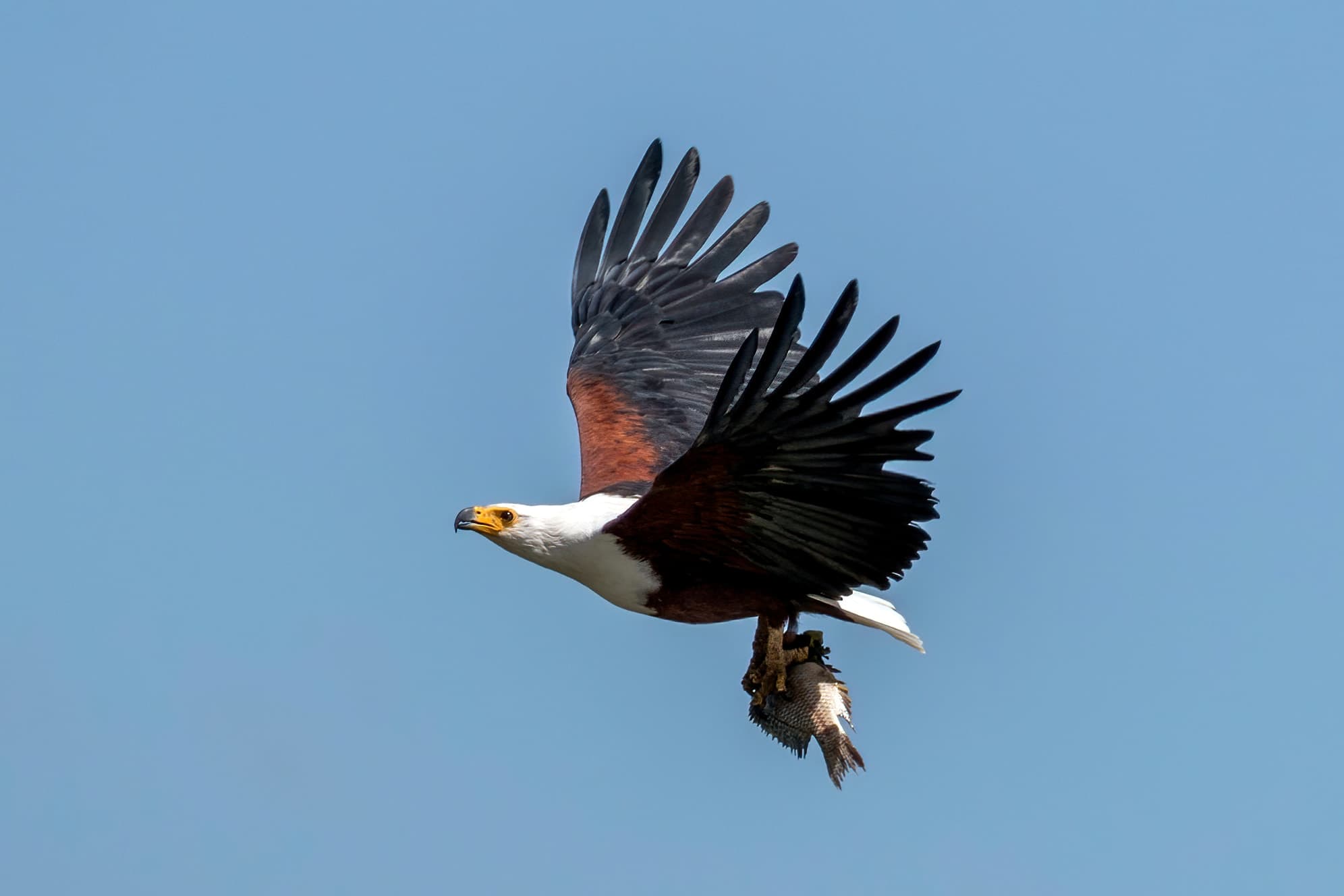
Its lakes are among the most frequent stops on our Kenya routes. KWS describes Lake Nakuru National Park as an ornithological paradise of about 450 bird species and Kenya’s first rhino sanctuary, protecting both black and white rhinos. Lake Naivasha, by contrast, is a freshwater lake, according to the Kenya Marine and Fisheries Research Institute.
Mountains and forests keep their own weather
KWS singles out its mountain and forest parks as the exception to Kenya’s generally dry, warm safari country. KMD’s climatology explains why. June to August is Kenya’s coolest season, with mean temperatures from about 16°C in the highlands east of the Rift Valley to about 30°C in the north-west. The mountains add further cooling. The highlands on both sides of the Rift Valley are also among the wettest areas from March to May.
If your journey includes Mount Kenya or the forests of the west, plan for cold mornings and for rain in most seasons. Our packing guide covers layers and rain gear.
How the season affects the price
Several of Big Time’s budget Kenya journeys publish two prices: a low-season rate and a high-season rate, both per person in US dollars. The difference can be a meaningful part of the cost. The catalogue does not state which dates each rate covers, so ask when you request a quote.
| Journey | Length | Comfort | Price per person |
|---|---|---|---|
| 3 Days Maasai Mara Budget Safari | 3 days | Budget | Low season: USD 420High season: USD 620 |
| 4 Days Maasai Mara & Lake Nakuru Budget Safari | 4 days | Budget | Low season: USD 580High season: USD 780 |
| 6 Days Maasai Mara, Lake Nakuru & Amboseli Budget Safari | 6 days | Budget | Low season: USD 830High season: USD 1,030 |
| 7 Days Maasai Mara, Lake Nakuru, Lake Naivasha & Amboseli Budget Safari | 7 days | Budget | Low season: USD 950High season: USD 1,150 |
Prices exactly as published in our catalogue, per person. Most of our journeys are priced on request for your dates.
Choosing your dates
- Is the migration the main reason for your trip? Then look at the Maasai Mara’s usual window of June or July to November, keep your dates flexible if you can, and accept that no crossing can be promised.
- Are you combining several parks? Check the season for each, especially the Rift Valley lakes and any mountain or forest park.
- Is price your priority? Ask how the low and high seasons apply to the journey you are considering.
- Can you only travel in the rains? KWS treats its parks as year-round destinations. Allow for wetter roads and changing plans.
If you would like help matching your dates to a route, tell us when you can travel and we will suggest journeys that suit the season.
Sources
- Kenya Wildlife Service: What is the weather pattern in Kenya? When is the best time to visit your parks and reserves? (opens in a new tab)
- Kenya Meteorological Department: Climate outlook for the March–May 2026 “Long Rains” (NCOF12 statement), including the 1991–2020 climatology (opens in a new tab)
- Kenya Meteorological Department: June–July–August 2026 seasonal forecast, including the 1991–2020 rainfall and temperature climatology (opens in a new tab)
- Kenya Meteorological Department: October–November–December 2026 seasonal outlook, including the 1991–2020 rainfall climatology (opens in a new tab)
- Mara Conservancy (Mara Triangle, Maasai Mara National Reserve): Wildebeest migration (opens in a new tab)
- Kenya Wildlife Service: Amboseli National Park (opens in a new tab)
- Kenya Wildlife Service: Lake Nakuru National Park (opens in a new tab)
- Kenya Marine and Fisheries Research Institute: Naivasha Research Station (opens in a new tab)
How this guide was prepared
This guide was researched and drafted with the help of AI tools, working from the official sources listed above and Big Time Safaris’ own catalogue. Its facts were checked against those sources on 15 October 2026, and it was reviewed and approved for publication by the owner of Big Time Safaris on 22 October 2026. It is a planning guide, not a first-hand field report. Seasons, park rules and entry requirements change, so check the latest official information before you travel.