Big Time Field NotesNo. 03Your first safari
Your first African safari: how it works
What a safari day looks like, how group-joining and private safaris differ, how long to go for, and the questions to ask before you book.
In brief
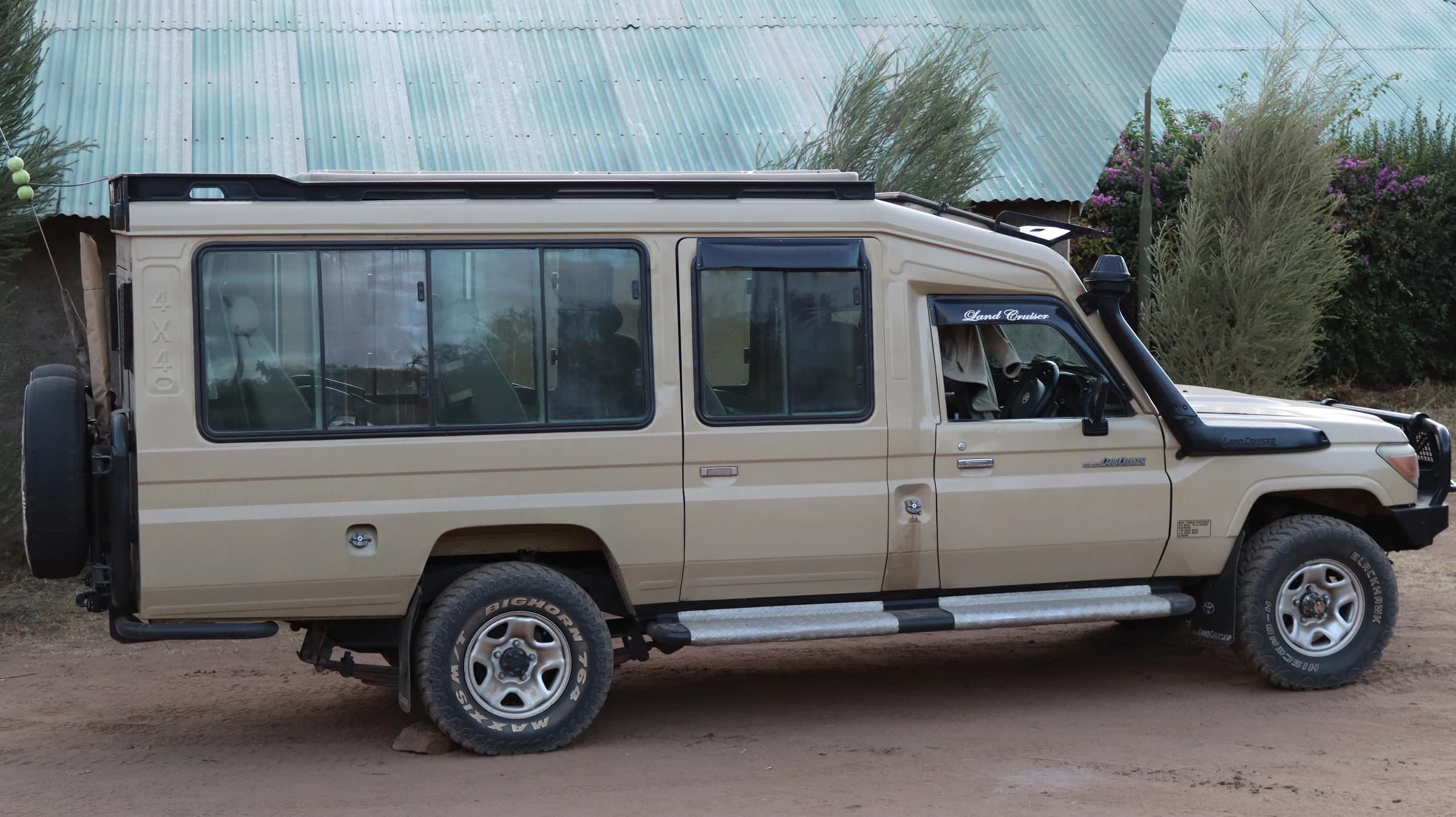
- A road safari moves between parks by vehicle. On Big Time’s Kenya and Tanzania road safaris, that vehicle is a 4×4 Land Cruiser.
- Group-joining safaris share the vehicle and the journey with other travellers. Private safaris travel with your own party, at your own pace.
- Big Time’s journeys run from day tours to 19 days. More parks means more time on the road, so choose a pace before you choose a route.
- Park rules exist to protect the wildlife and you: stay in the vehicle, stay on the tracks, keep noise down and never feed animals.
Contents
How a safari works
On a road safari you travel between parks and reserves by vehicle, spend your days exploring them, and stay at camps or lodges in or near each one. On every Big Time road safari in Kenya and Tanzania, the safari vehicle is a 4×4 Land Cruiser. For mountain treks, day tours, fly-in journeys and our Uganda journeys, the catalogue does not state the vehicle, so ask when you enquire.
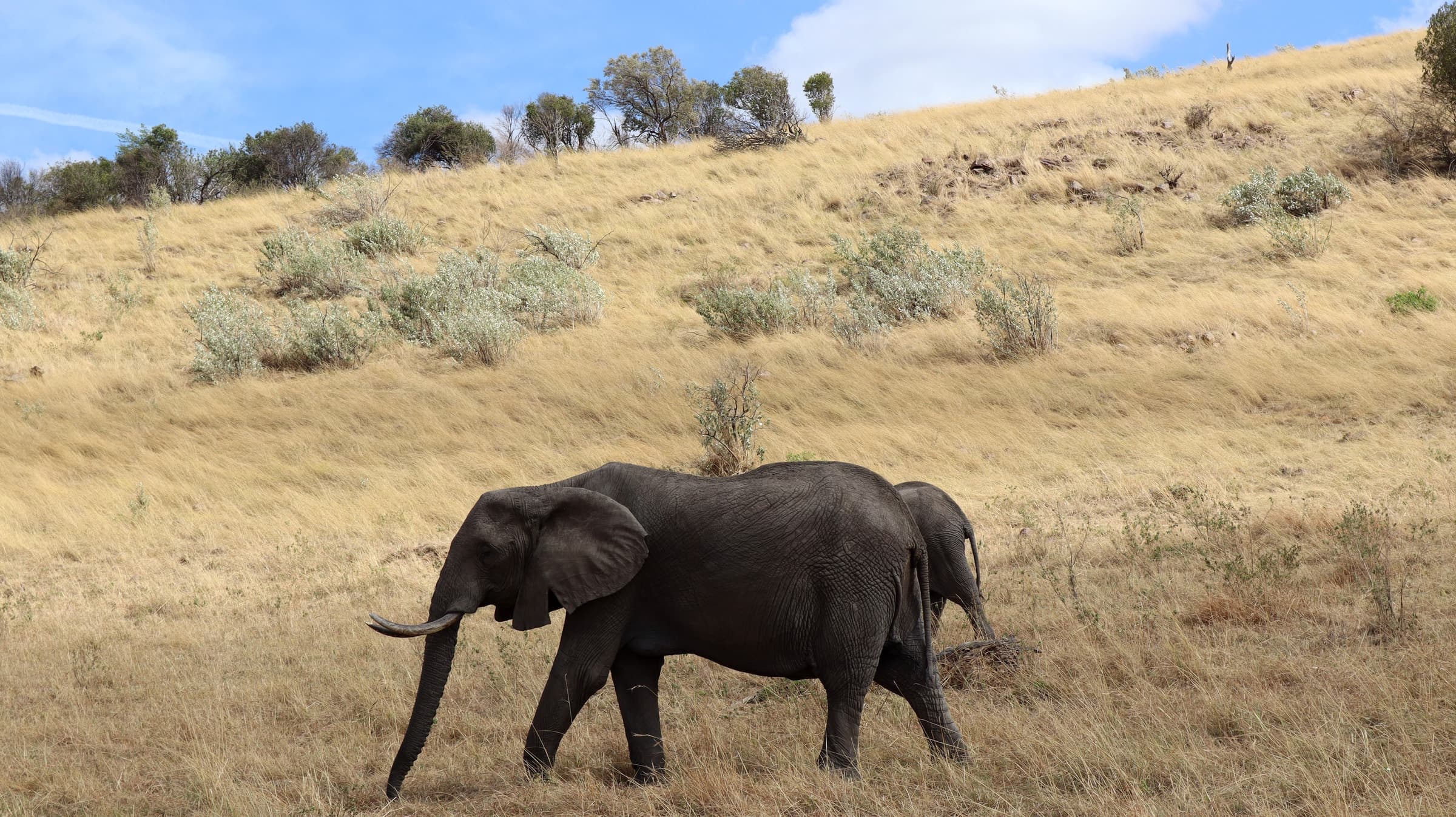
Time in the parks is spent on game drives, where you look for wildlife from the vehicle along the park’s roads and tracks. How many drives a day, and when they start, depends on the itinerary and the park. We do not yet publish day-by-day plans for our journeys, so ask for one when you enquire.
Group-joining or private?
This choice shapes your trip more than almost any other. Big Time plans three styles of safari:
Group-joining
You share the vehicle, and the journey, with other travellers. It is a natural fit for solo travellers.
Private safari
You travel with your own party in your own vehicle, at your own pace. It is an option for families and couples.
Tailor-made
A journey shaped around your interests from the first day, with your choice of comfort and pace, planned directly with our team.
Our catalogue confirms the style of only two journeys, both group-joining. When you enquire, ask how your journey is run, and whether a private version is possible.
Choosing your parks
These four parks are among those that appear most often in our catalogue. Each has a complete guide on our site, and each is very different from the others:
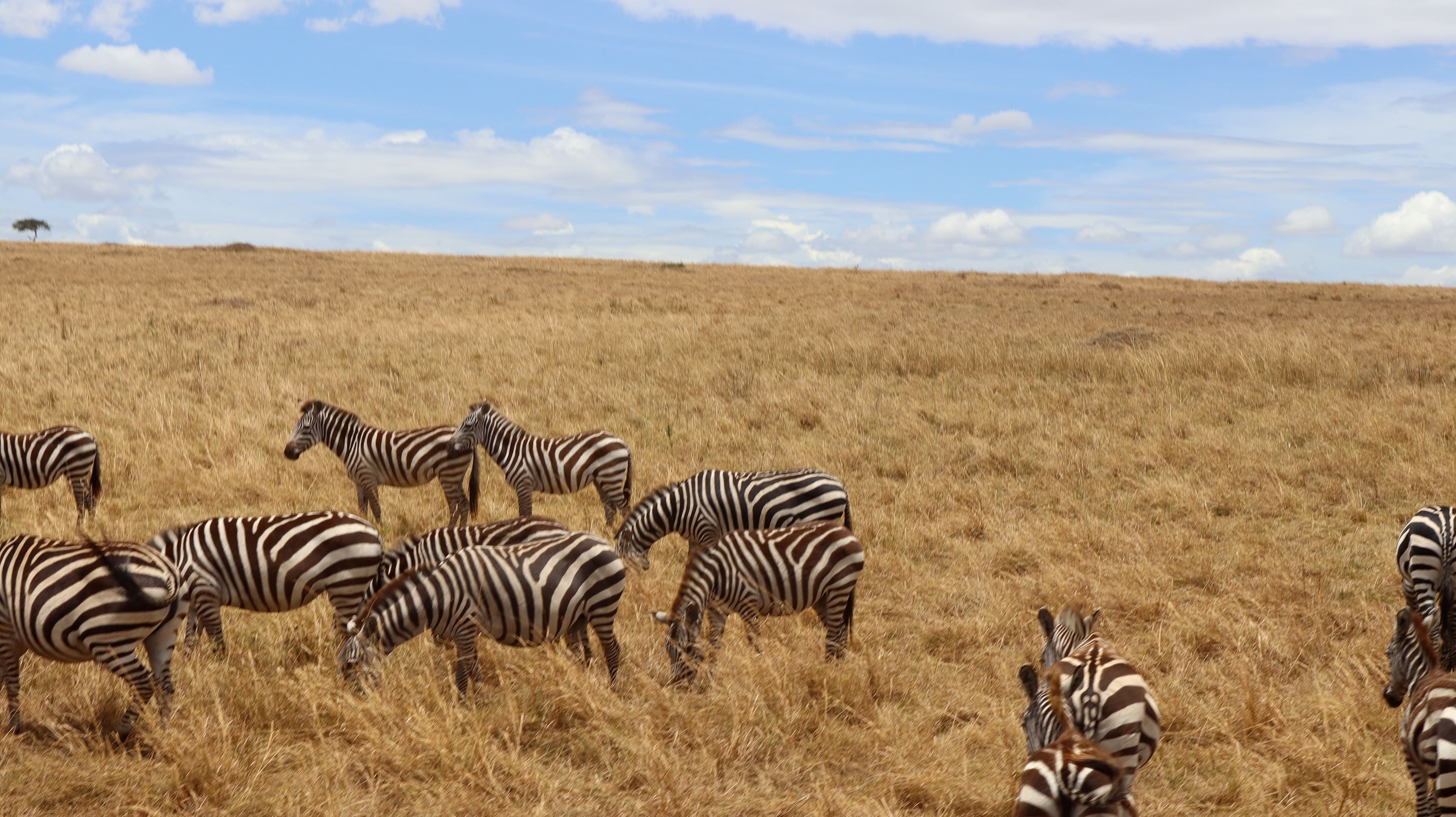
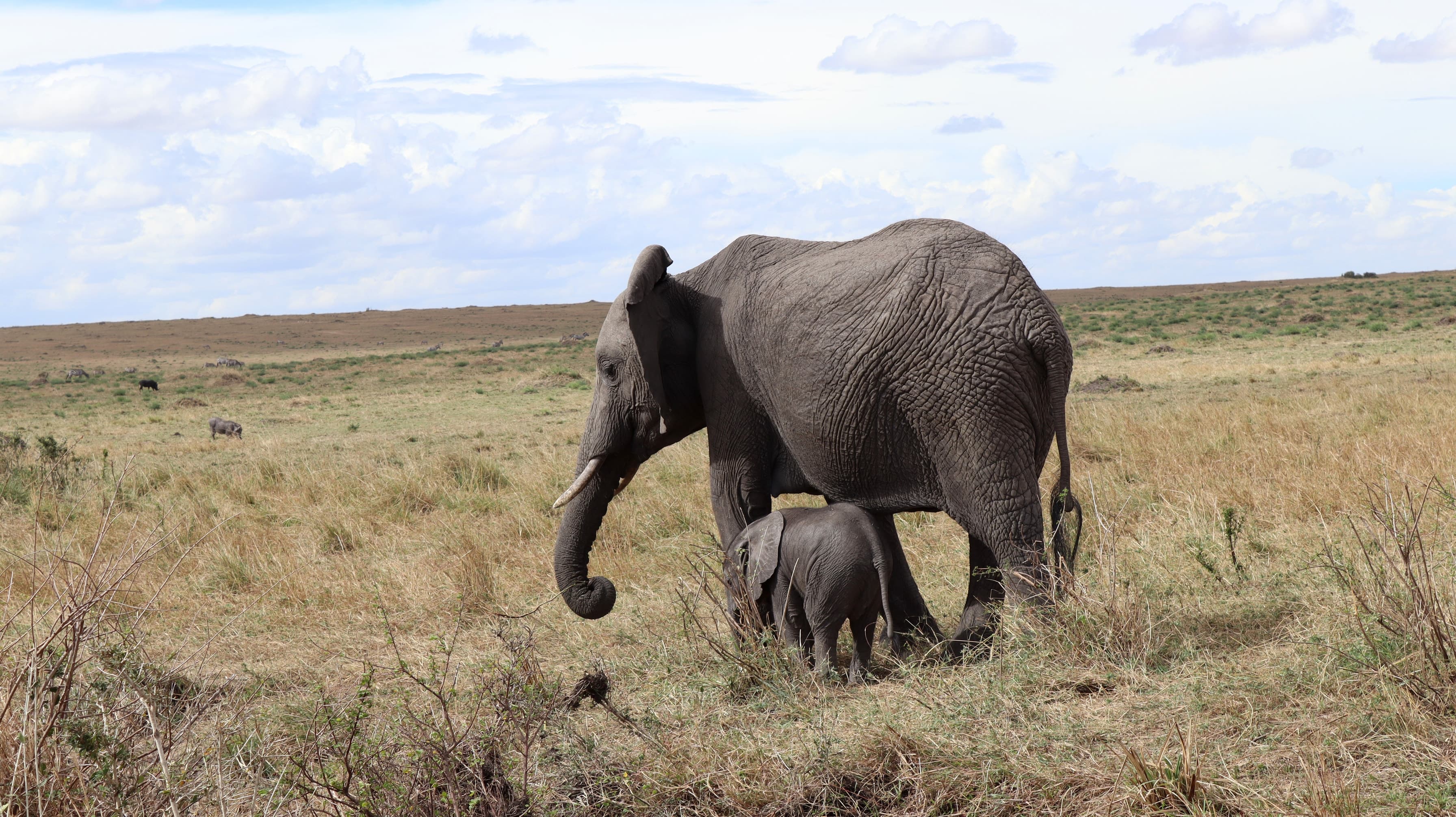
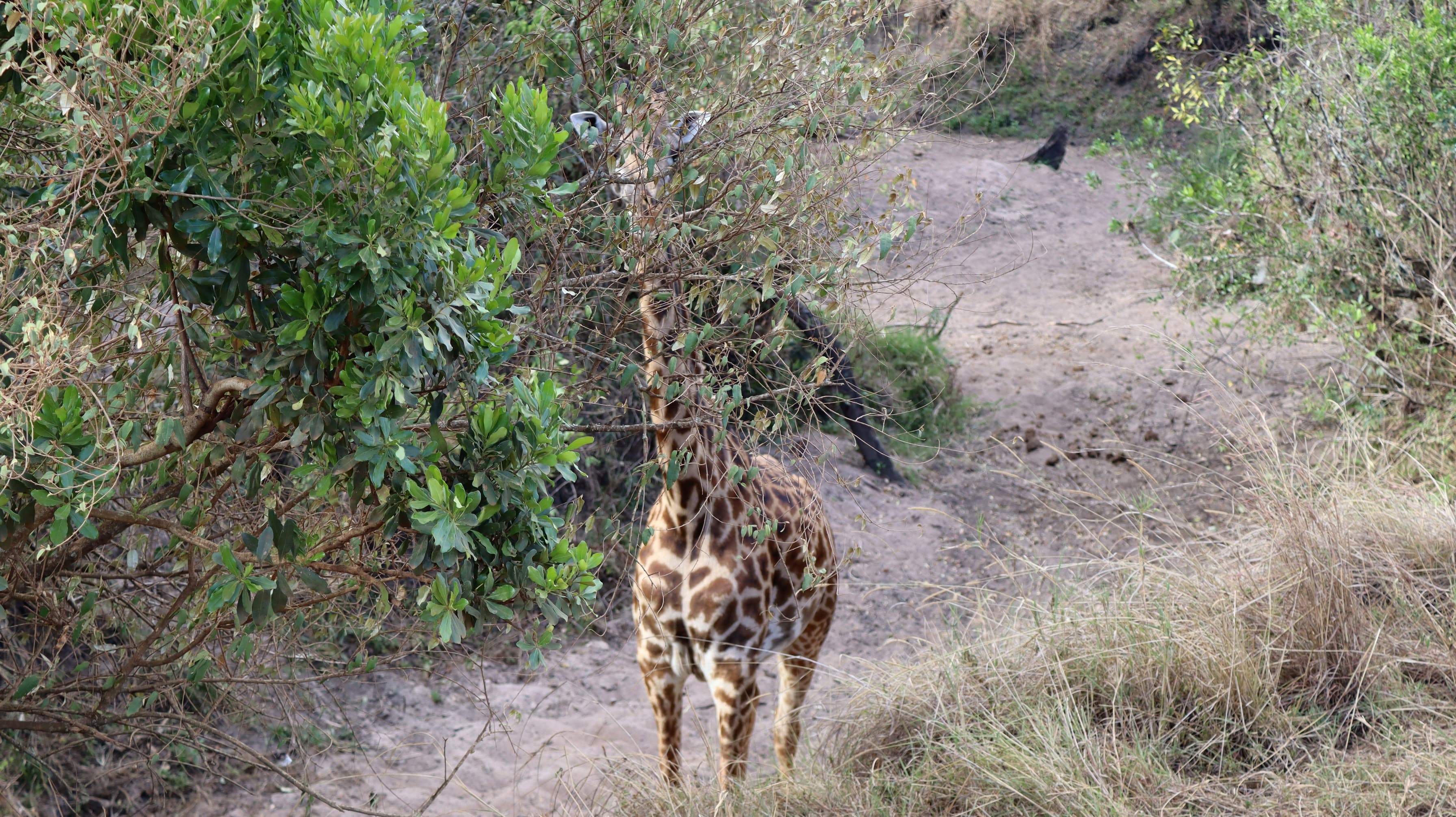
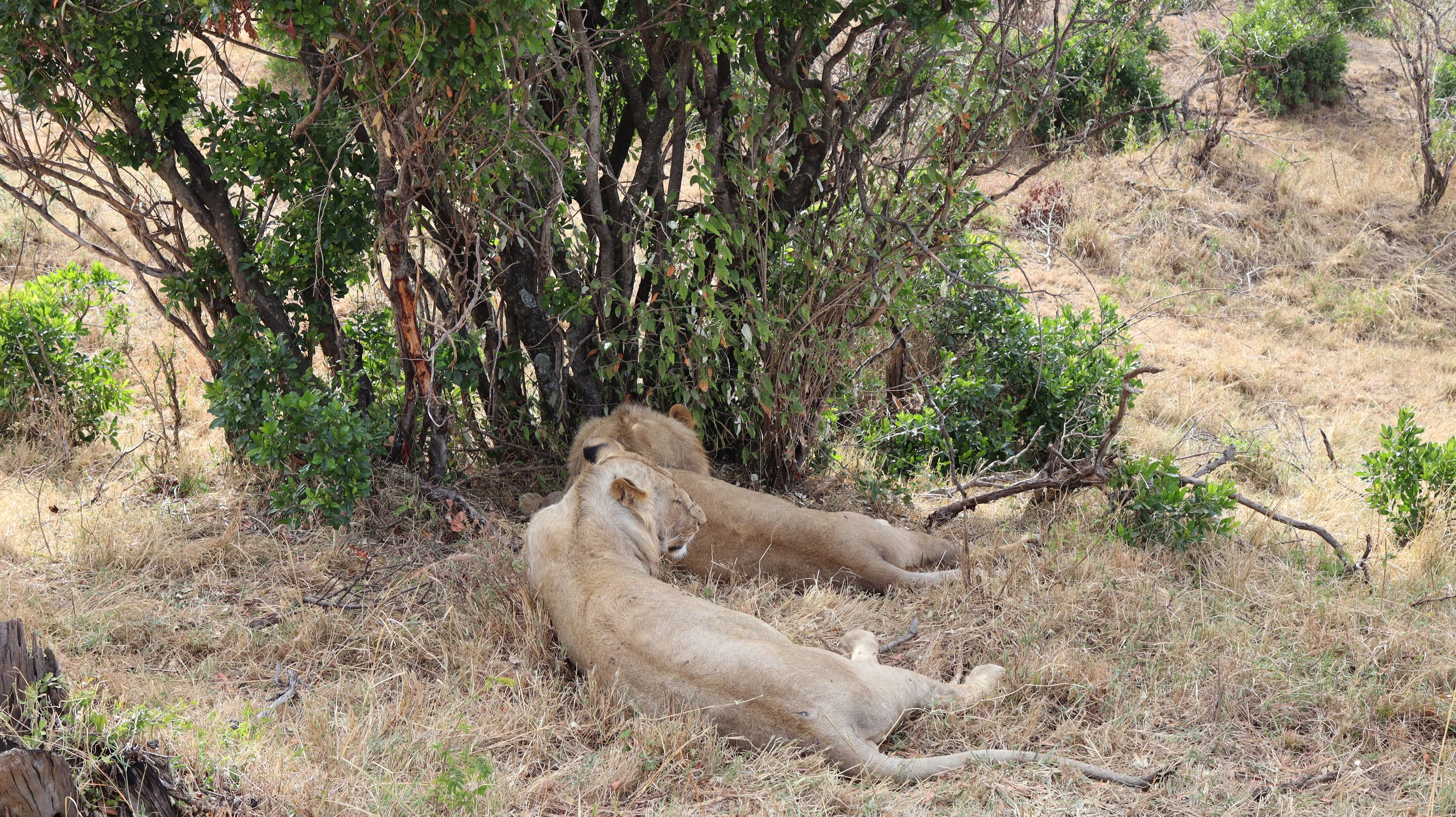
- [Maasai Mara](/destinations/kenya/masai-mara), Kenya. Even before the migration arrives, the Mara Conservancy describes elephants, giraffes, topi and lions on its grasslands. The herds usually arrive around June or July and stay until November.
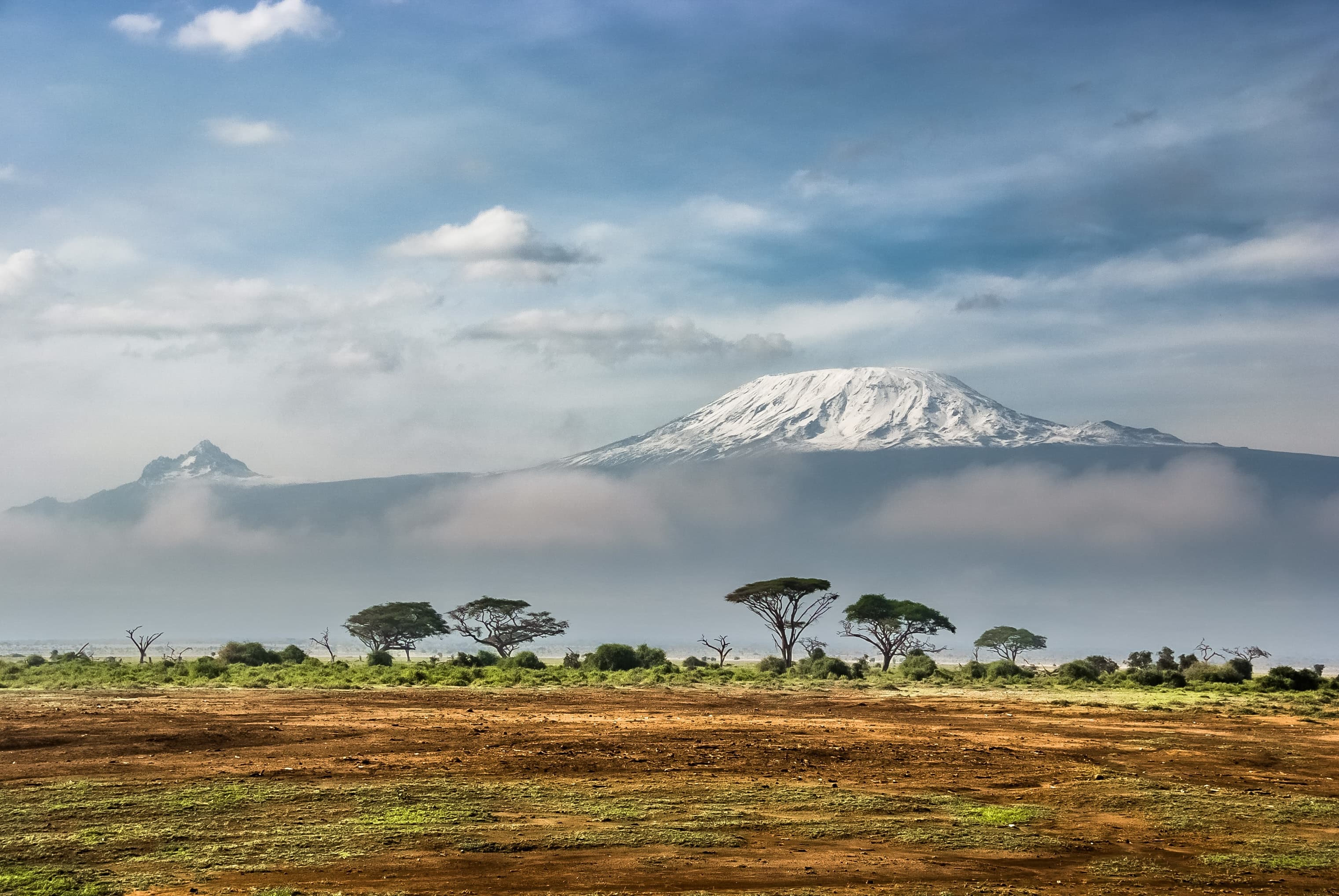
- [Amboseli](/destinations/kenya/amboseli), Kenya. Kenya Wildlife Service describes large elephant herds, swamps and marshes beneath Mount Kilimanjaro, and more than 400 bird species.
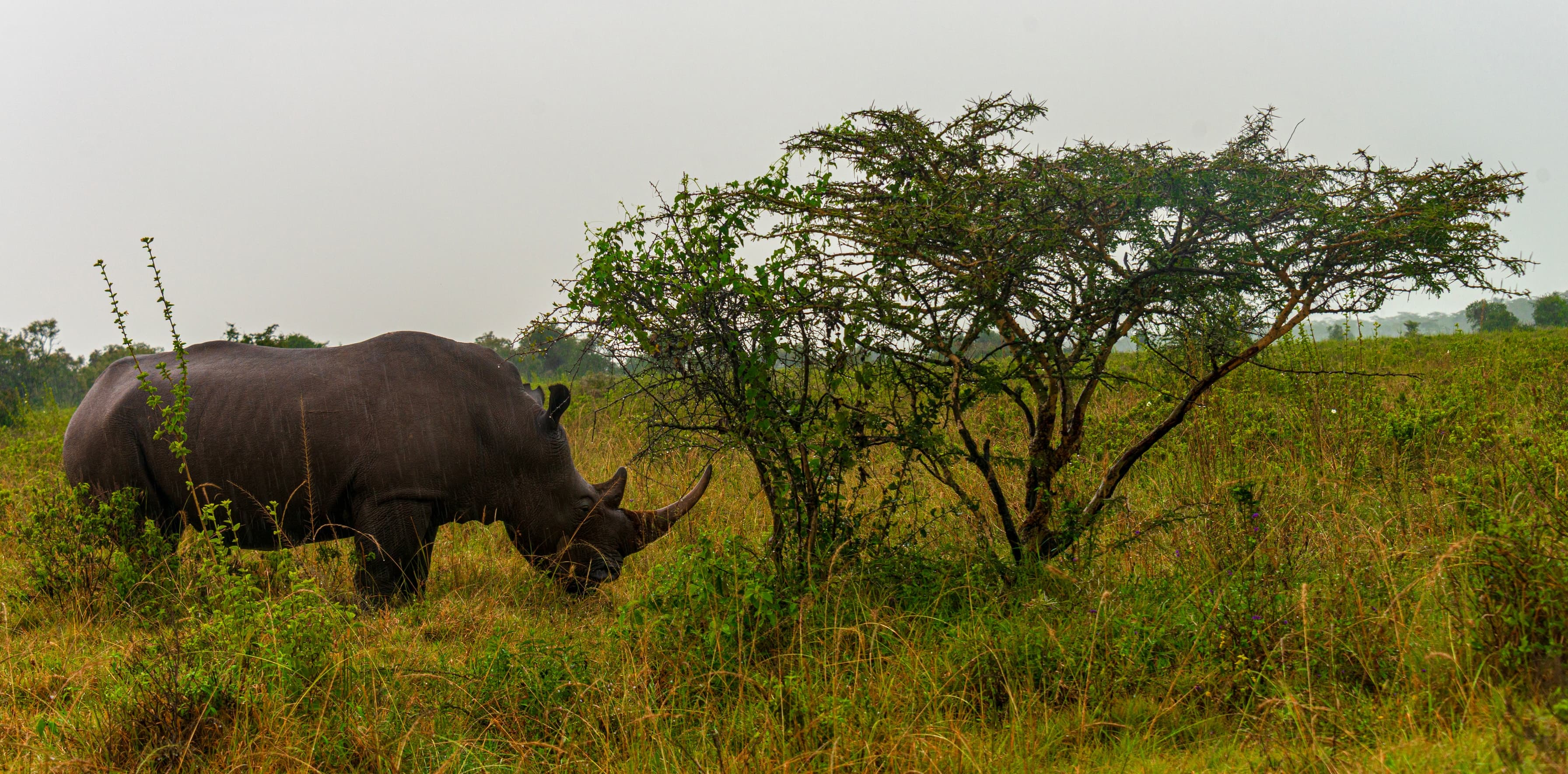
- [Lake Nakuru](/destinations/kenya/lake-nakuru), Kenya. KWS calls it Kenya’s first rhino sanctuary, home to black and white rhinos, with about 450 bird species.
- [Serengeti](/destinations/tanzania/serengeti), Tanzania. Tanzania National Parks describes lions, leopards, elephants, buffaloes and rhinos, and the migration.
If you are torn between countries, our guide to combining Kenya and Tanzania explains how the two fit together.
How long should a first safari be?
Big Time’s catalogue gives a sense of the range. Our Kenya journeys run from Nairobi day tours to 10 days, with Maasai Mara safaris from 2 days. Our Tanzania journeys run from 3 to 10 days, and our Kenya and Tanzania journeys from 6 to 19 days.
The trade-off is simple: every extra park adds variety, and also time spent travelling between parks. For a first safari, fewer places with more time in each usually makes a more relaxed trip. If you can add days, you can either slow down or add a contrasting landscape, such as a lake or a mountain.
| Journey | Length | Comfort | Price per person |
|---|---|---|---|
| 2 Days Maasai Mara Budget Safari | 2 days | Budget | Standard: USD 430Low Budget: USD 350 |
| 3 Days Maasai Mara Budget Safari | 3 days | Budget | Low season: USD 420High season: USD 620 |
| 4 Days Maasai Mara & Lake Nakuru Lodge Safari | 4 days | Midrange | Price on request |
| 4 Days Tarangire, Ngorongoro, Serengeti & Lake Manyara Safari | 4 days | Budget | Per person: USD 830 |
| 5 Days Upper-Midrange Tarangire, Serengeti, Ngorongoro & Lake Manyara Safari | 5 days | Midrange | Price on request |
Where you stay
Kenya Wildlife Service describes a wide range of accommodation in and around its parks: luxury lodges, tented camps, private budget campsites, and simple self-catering bandas run by KWS itself. Your comfort level decides which you stay in.
Big Time’s journeys are graded budget, midrange or luxury. Our guide to budget, midrange and luxury safaris explains what each grade means in our catalogue, and what it does not change.
Park rules, and why they matter
Every park publishes rules for visitors. These are taken from the official pages:
| Rule | Where it is published |
|---|---|
| Remain in the vehicle except in designated areas, and keep the doors closed. | KWS, Amboseli and Lake Nakuru |
| Stay on established roads and tracks. Driving off-road is prohibited. | KWS, Amboseli and Lake Nakuru |
| Keep to the 40 km/h (25 mph) speed limit. | KWS, Amboseli and Lake Nakuru |
| Never feed wildlife. | KWS; Tanzania National Parks, Serengeti |
| No hooting. Use phones and sound devices sparingly. | KWS, Amboseli and Lake Nakuru |
| Enter and leave within gate hours (6:00 am to 6:00 pm) unless you are staying overnight. | KWS, Amboseli and Lake Nakuru |
| Do not stand on the roof or sit in the window, even at a river crossing. | Mara Conservancy, Maasai Mara |
| Drones are prohibited without special permission. | Tanzania National Parks, Serengeti |
Rules differ between parks and change over time. Ask your guide about the rules for each park you visit.
KWS sums up the spirit of these rules: you are in the wildlife’s home, so respect its privacy and right of way.
Before you go
- Entry requirements. Kenya’s Electronic Travel Authorisation is issued through the government’s official eTA portal, which explains eligibility and exemptions. Check the current requirements for every country on your route with its official government sources before you book flights.
- Health. Kenya Wildlife Service’s FAQs cover vaccinations and malaria prevention, and note that some vaccinations need a course of injections. Get personal advice from a travel-health professional well before you leave.
- Packing. KWS recommends layers, hats and sunglasses, binoculars, a torch and insect repellent. Our packing guide has the full list.
Questions to ask any safari operator
Whichever operator you choose, these questions show you what you are actually booking. Kenya Wildlife Service notes that it works with operators and their associations, the Kenya Association of Tour Operators (KATO) and the Tour Operators Society of Kenya (TOSK), to keep professional standards high.
- Is this safari group-joining or private? How many other travellers could share the vehicle?
- Which camps or lodges are named for each night, and are they inside or outside the park?
- What is included, and what is not? KWS says that on a package tour, the operator includes park entry fees in the total cost. Get that confirmed in writing for your quote.
- What vehicle will we use, and will every traveller have a window seat?
- How many game drives are planned each day, and how long is the drive between parks?
- What happens if roads are affected by rain?
- Is the operator a member of a recognised association such as KATO or TOSK?
You can ask us all of these. Send us your questions or start planning your safari.
Sources
- Mara Conservancy (Mara Triangle, Maasai Mara National Reserve): Wildebeest migration (opens in a new tab)
- Kenya Wildlife Service: Amboseli National Park (opens in a new tab)
- Kenya Wildlife Service: Lake Nakuru National Park (opens in a new tab)
- Tanzania National Parks: Serengeti National Park (opens in a new tab)
- Kenya Wildlife Service: Frequently asked questions (costs, accommodation, tour operators, park fees) (opens in a new tab)
- Tanzania National Parks: Serengeti visitor guide (opens in a new tab)
- Republic of Kenya: Electronic Travel Authorisation (eTA) (opens in a new tab)
- Kenya Wildlife Service: What do I need to bring along for a safari to KWS parks and reserves? (opens in a new tab)
How this guide was prepared
This guide was researched and drafted with the help of AI tools, working from the official sources listed above and Big Time Safaris’ own catalogue. Its facts were checked against those sources on 15 October 2026, and it was reviewed and approved for publication by the owner of Big Time Safaris on 22 October 2026. It is a planning guide, not a first-hand field report. Seasons, park rules and entry requirements change, so check the latest official information before you travel.