Big Time Field NotesNo. 18Route planning
Kenya, Tanzania or Uganda: which safari country suits you?
Three countries, three different safaris. Kenya and Tanzania share the great migration; Uganda is the country for mountain gorillas and chimpanzees. This guide compares them honestly, so you can choose by what you want to see rather than by reputation.
In brief
- Choose Kenya for classic plains wildlife, the Maasai Mara and an easy start from Nairobi.
- Choose Tanzania for the migration on its grandest scale, the Ngorongoro Crater, and Kilimanjaro or Zanzibar alongside.
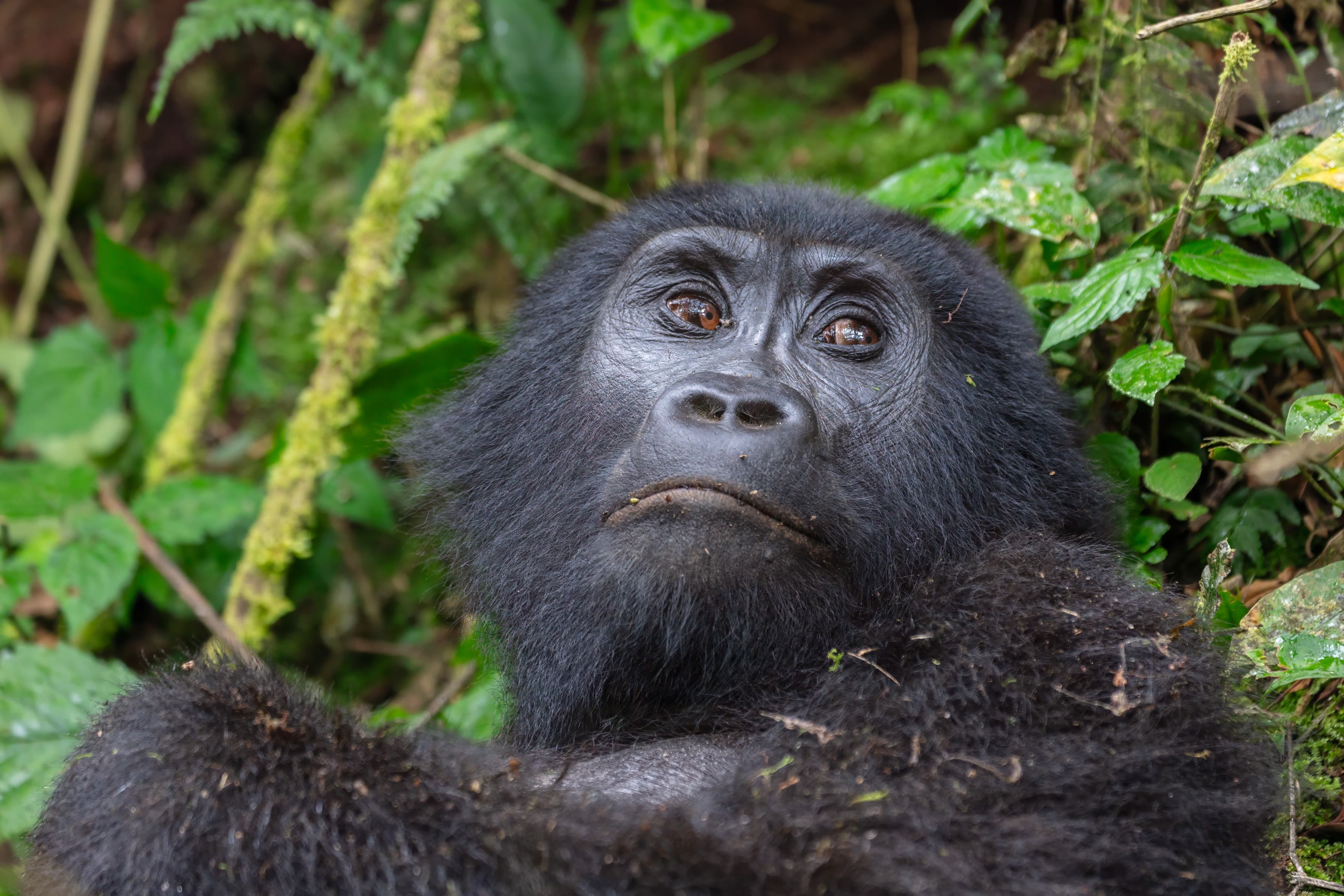
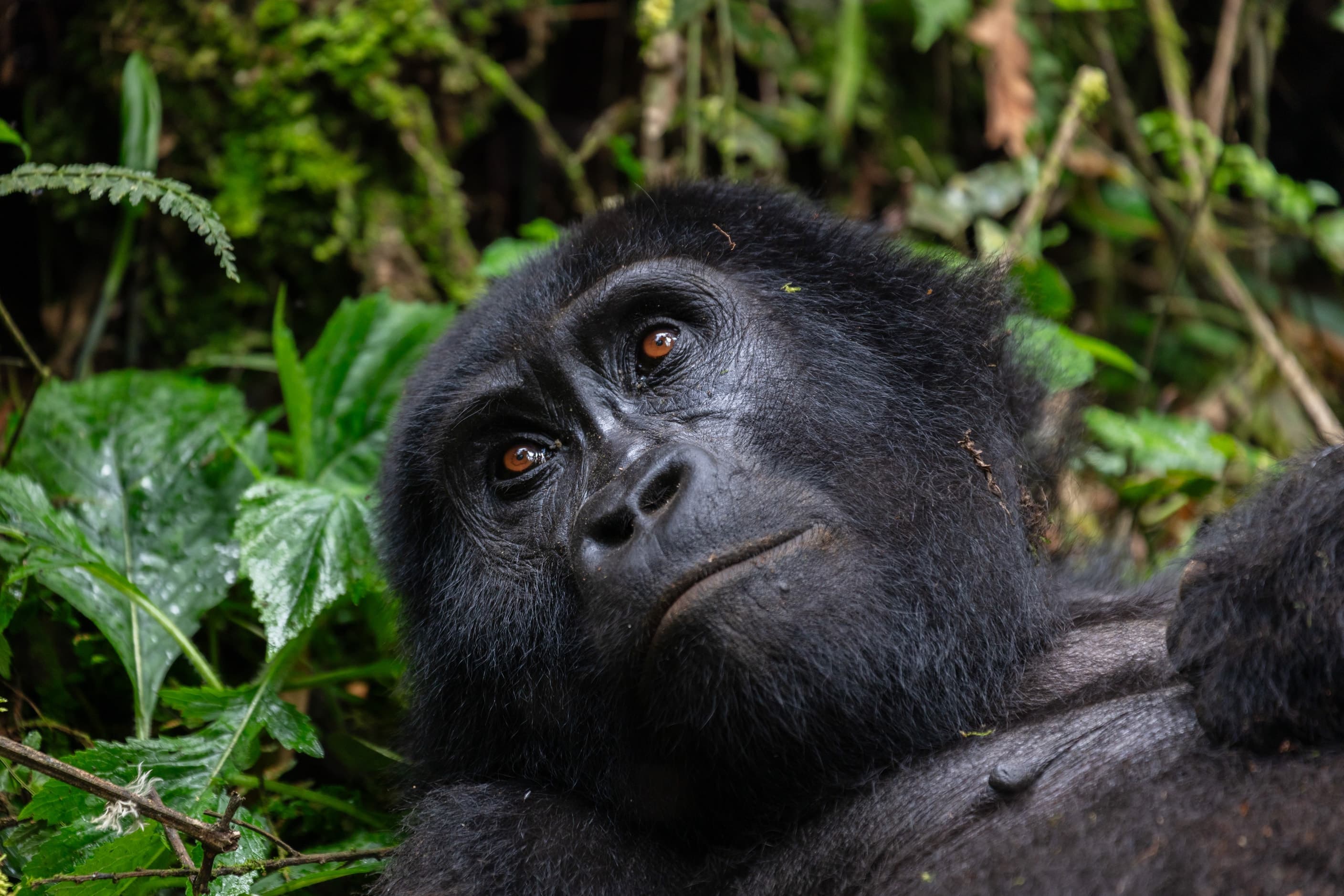
- Choose Uganda first for primates: Bwindi protects about 459 mountain gorillas, almost half of those left in the world.
- Kenya and Tanzania combine naturally: 20 of our journeys cross between them. None combines Uganda with another country.
Contents
The short answer
Start with what you most want to see. If it is the great migration and the open plains, Kenya and Tanzania are your countries: the Mara Conservancy describes the Serengeti’s wildebeest spilling into the Maasai Mara for part of each year, and Tanzania National Parks calls the Serengeti home to the world’s last great large-mammal migration. If it is mountain gorillas, choose Uganda: the Uganda Wildlife Authority says Bwindi protects about 459 of them, almost half of those left in the world.
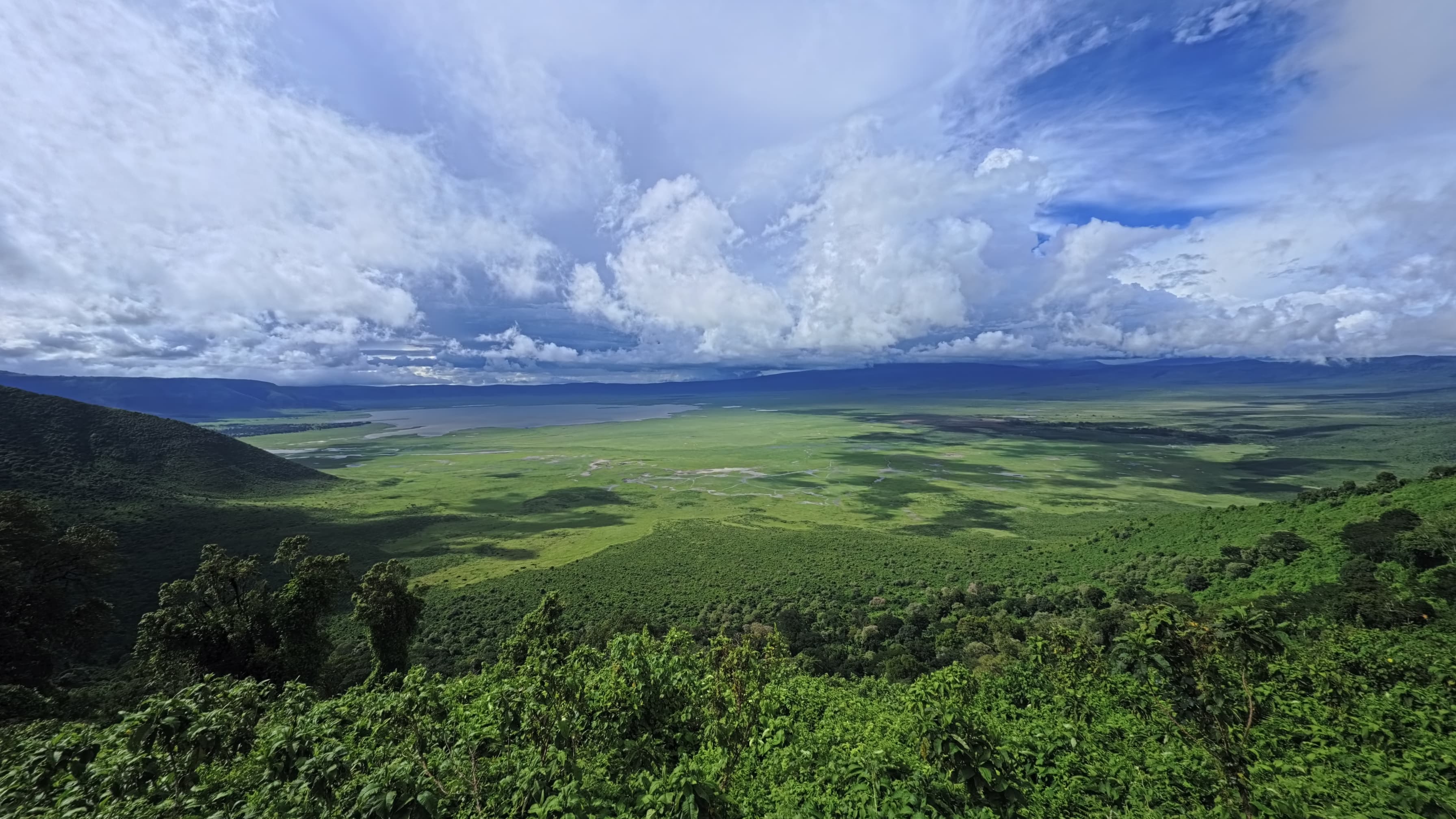
Between Kenya and Tanzania, the choice is subtler. Both offer the Big Five, big cats and the migration in different months. Kenya is easy to begin from Nairobi and suits short trips; Tanzania adds the Ngorongoro Crater, which the Ngorongoro Conservation Area Authority calls the world’s largest intact and unfilled volcanic caldera, and the option of Kilimanjaro or Zanzibar.
Choose by what you want to see, then by when you can travel. The country usually follows.
Choose Kenya if…
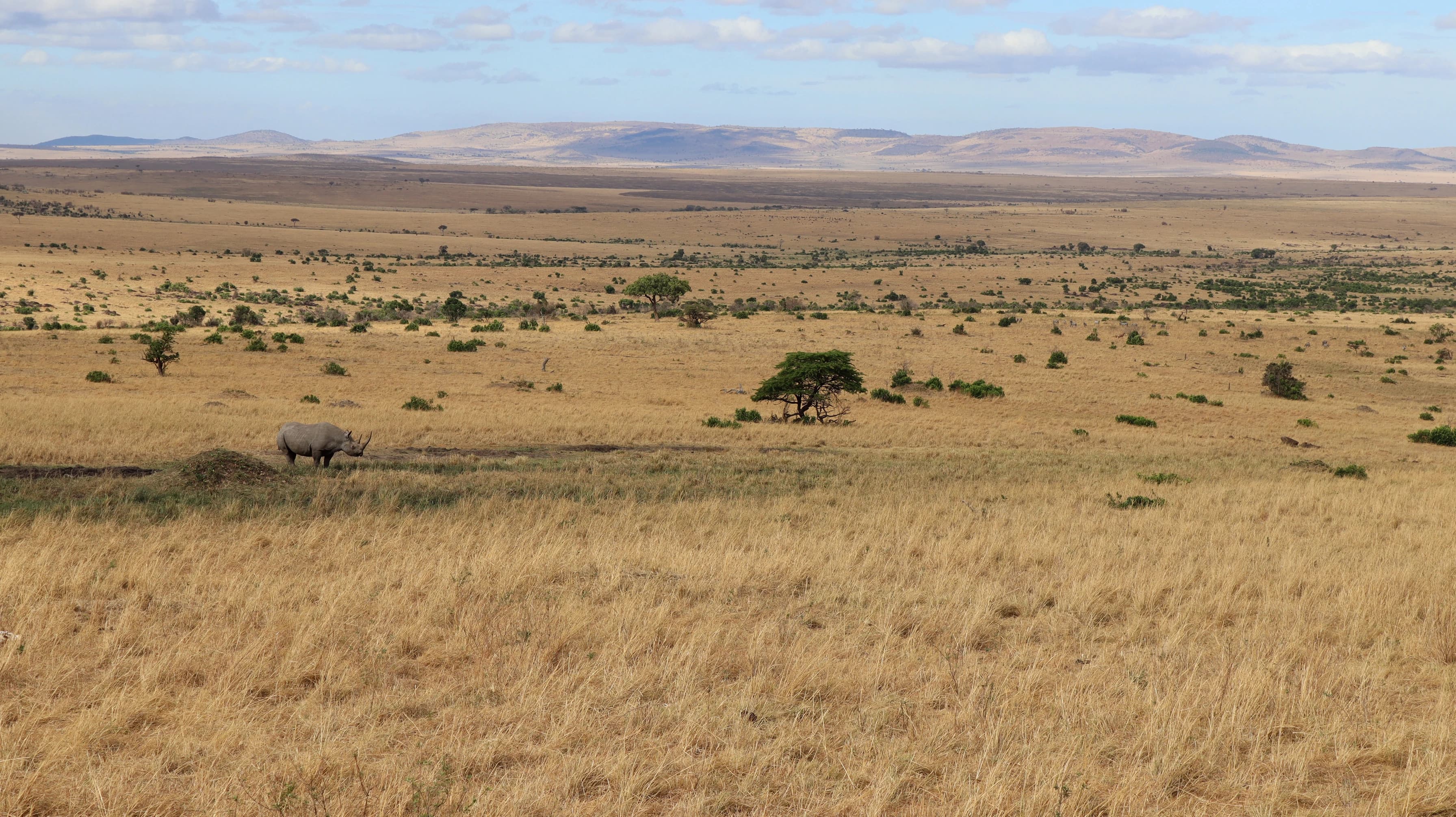
You want the classic savannah safari with an easy start. Nairobi National Park lies about ten kilometres from the city centre, so a first game drive can happen on the day you land, and the Maasai Mara is the heart of most Kenyan routes. The Mara Conservancy says the migration usually reaches the Mara around June or July and stays until about November, and that lions, elephants, giraffes and topi live there all year.
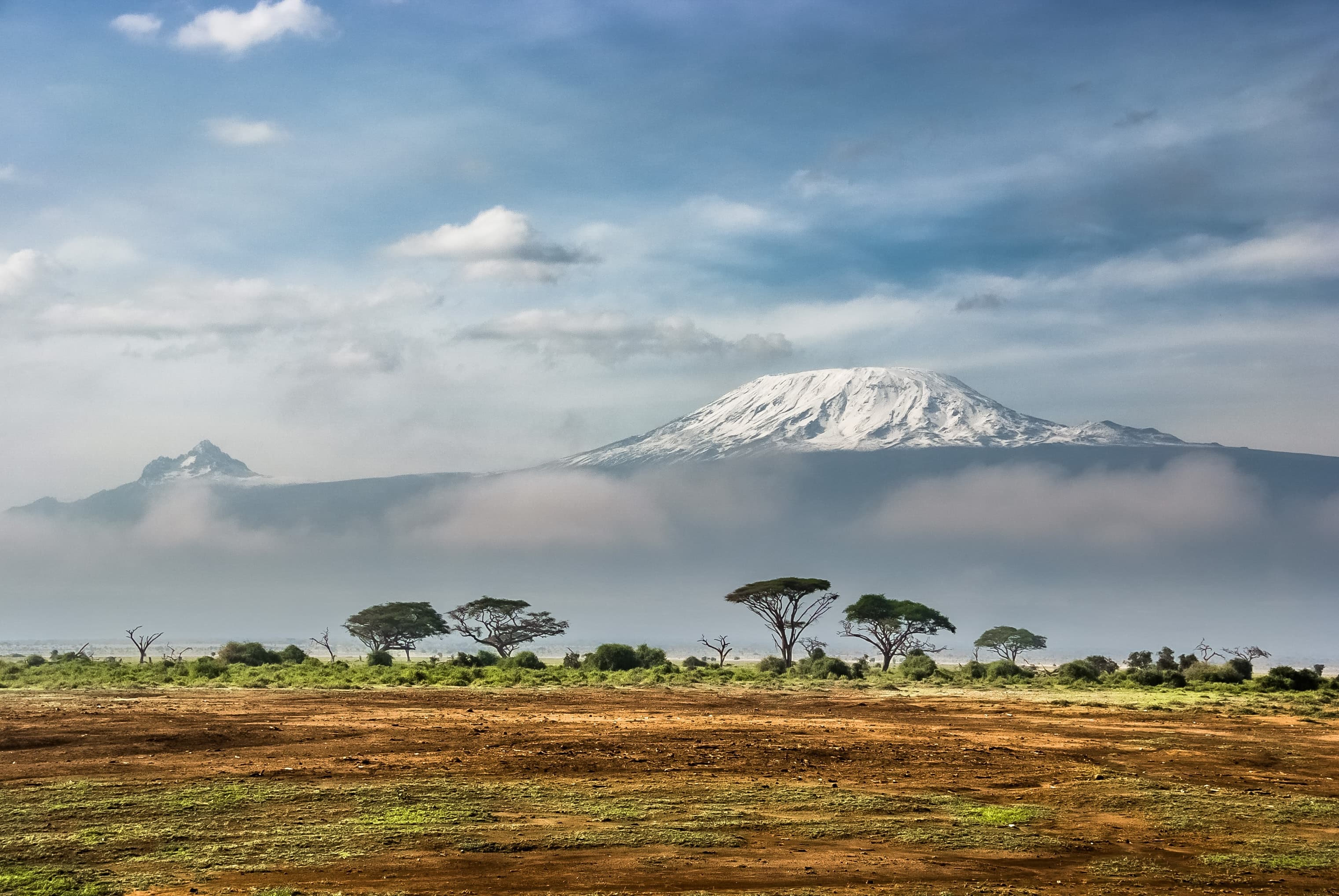
- Elephants beneath Kilimanjaro in Amboseli, which Kenya Wildlife Service calls one of Africa’s premier places for close encounters with large herds.
- Rhinos at Lake Nakuru, Kenya’s first government-managed rhino sanctuary, and at Ol Pejeta, home to more than 165 black rhinos and the last two northern white rhinos.
- Northern specialists in Samburu: Beisa oryx, Somali ostrich, reticulated giraffe, gerenuk and Grevy’s zebra.
- Short trips: our Kenya safaris run from 2 to 10 days.
Choose Tanzania if…
You want the migration on its grandest scale, or its beginning. TANAPA suggests June to October for the migration in the Serengeti and January to February for calving, and the Ngorongoro Conservation Area Authority puts the herds on the Ndutu plains from about late December to April, when thousands of calves are born and predators follow.
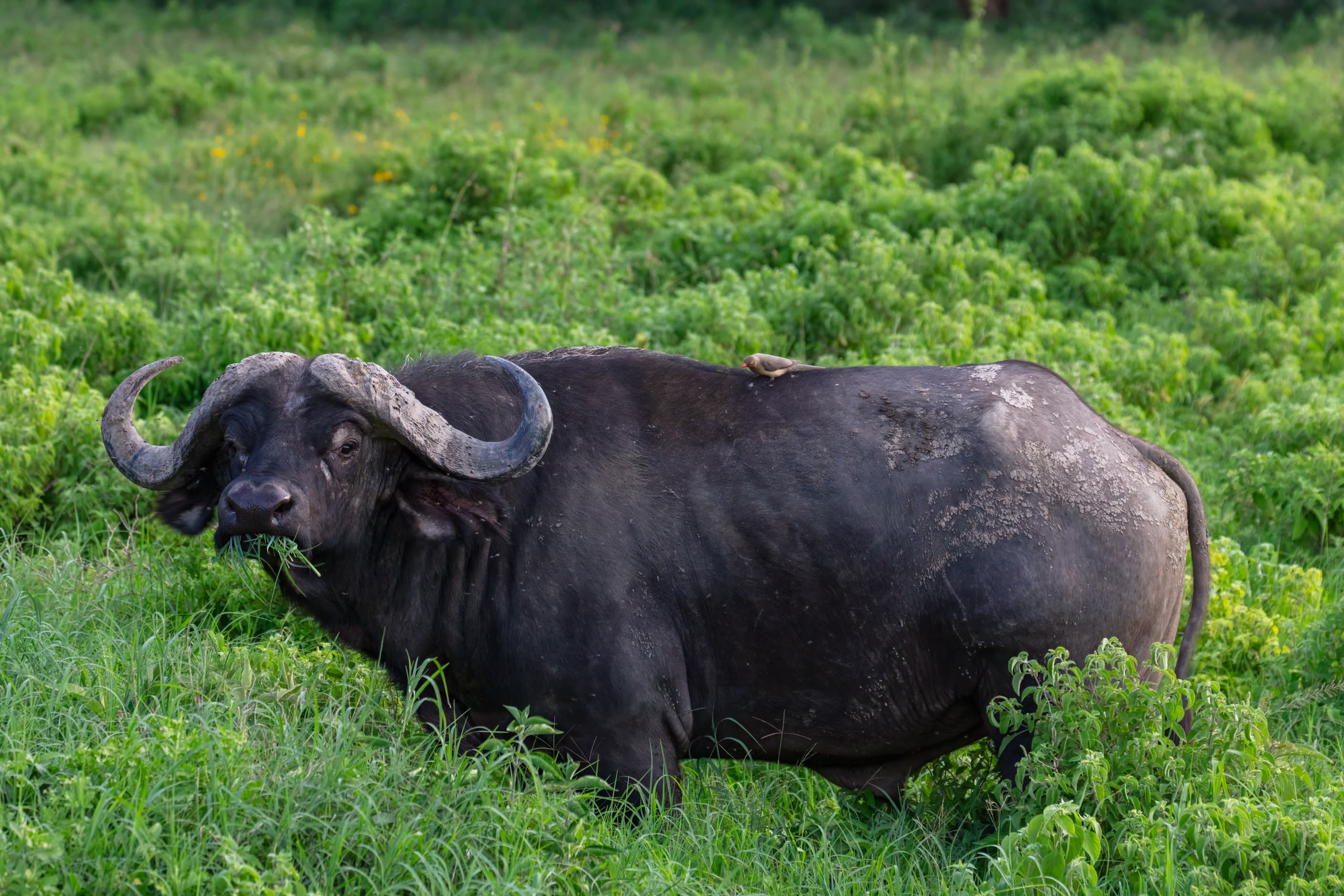
- The Ngorongoro Crater, whose floor supports more than 25,000 animals, including the Big Five.
- Tarangire’s elephants: TANAPA counts more than 3,000, the densest population in Tanzania, among ancient baobabs.
- Kilimanjaro, Africa’s highest mountain, climbed with a licensed operator.
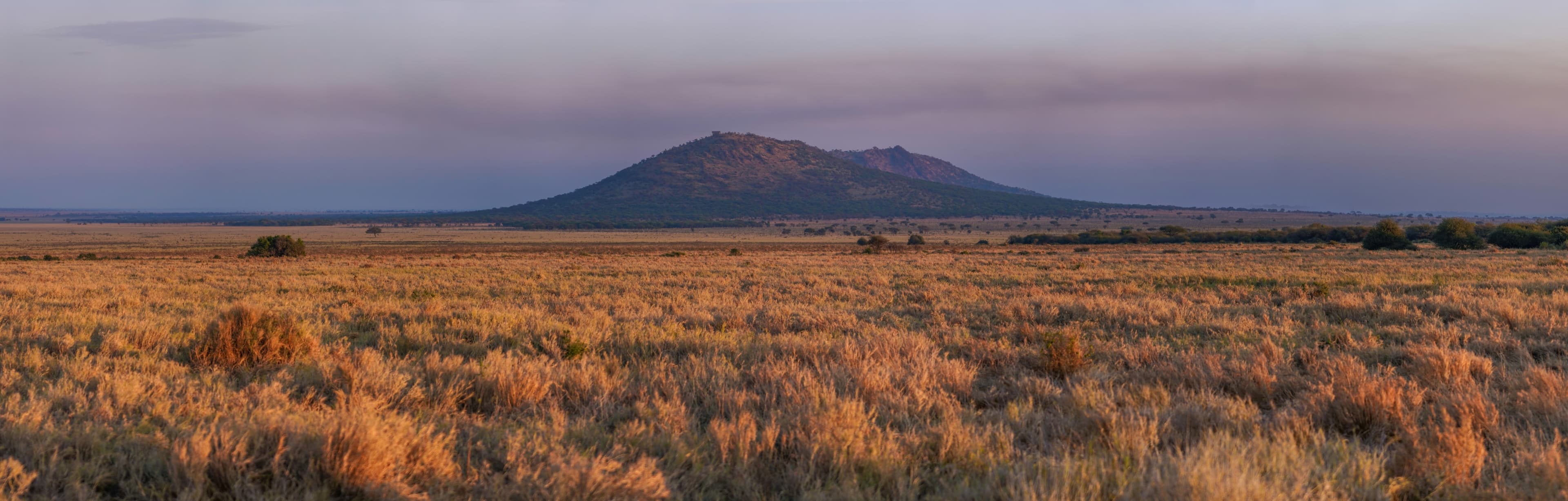
- A wild south: Ruaha, the country’s second-largest national park, and boat safaris in Nyerere.
- Longer journeys: our Tanzania safaris run from 3 to 10 days, and some end on Zanzibar.
Choose Uganda if…
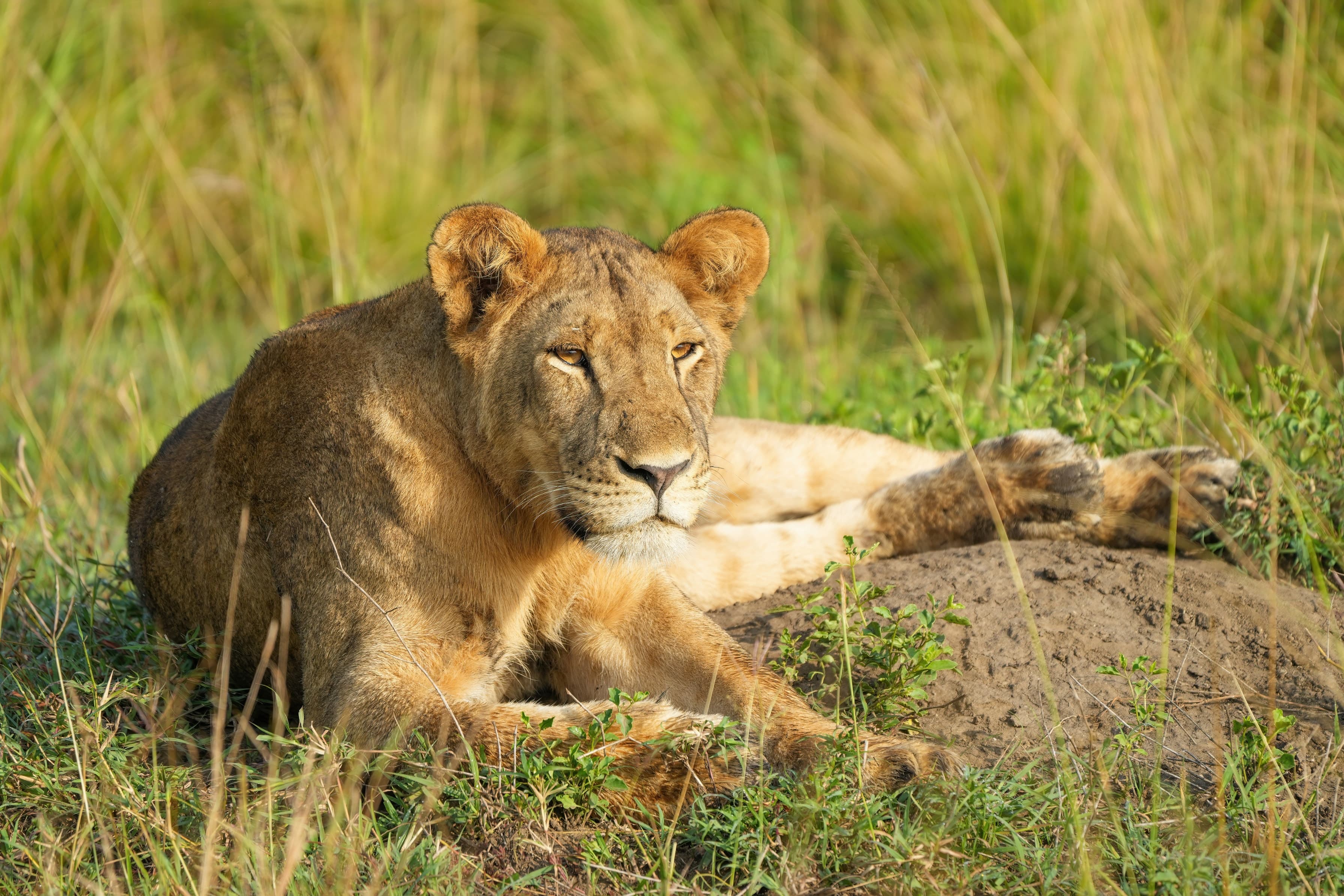
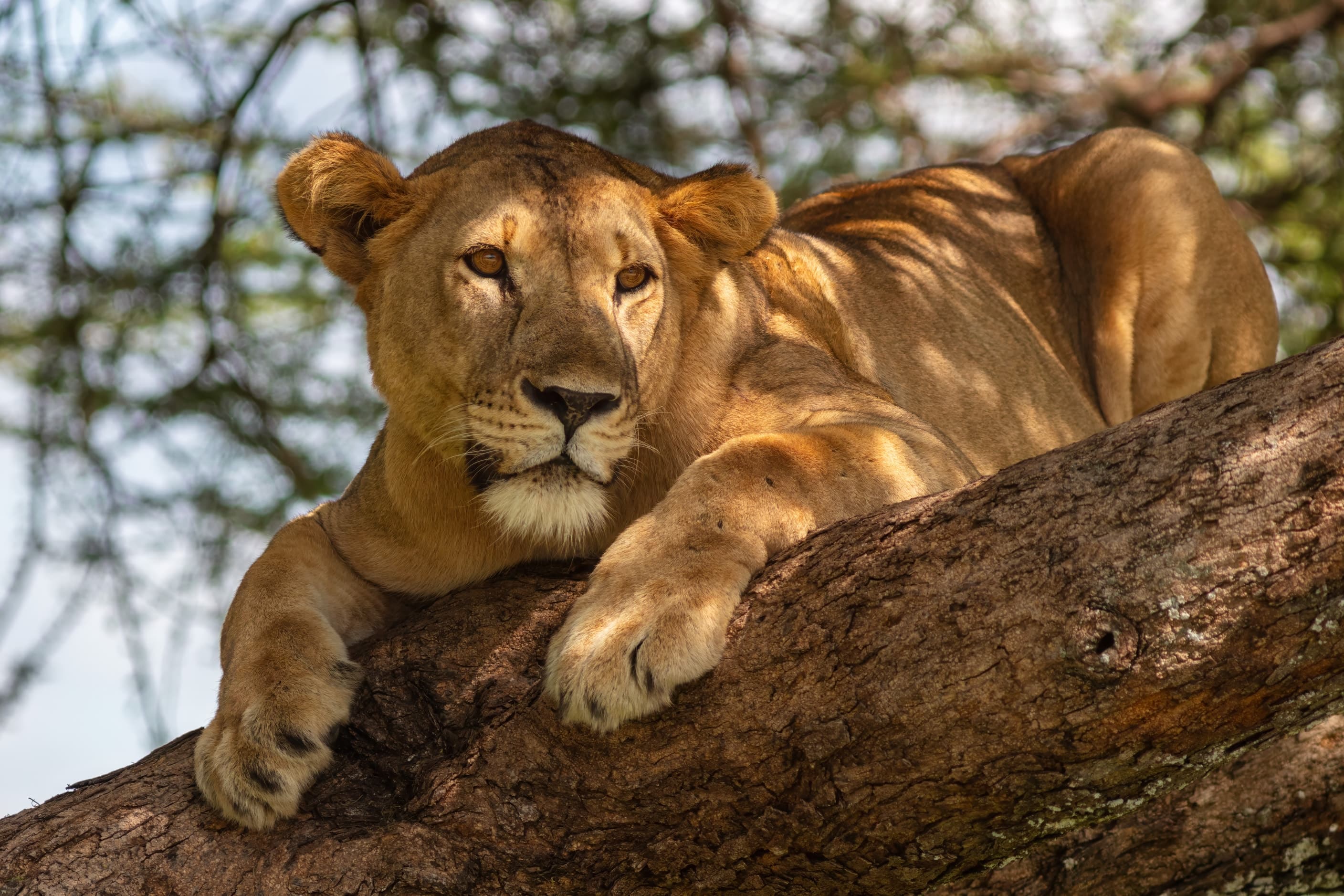
Great apes matter most. In Bwindi, trekkers hike into steep forest to spend one hour with a habituated gorilla family; in Kibale, the Uganda Wildlife Authority estimates more than 1,500 wild chimpanzees. Uganda also has savannah: Queen Elizabeth, with the Kazinga Channel and Ishasha’s tree-climbing lions, and Murchison Falls, where the Nile forces through a gorge eight metres wide.
Our Uganda journeys run from 3 to 15 days. Many are named by experience rather than place, so ask which parks and permits a journey includes before you book.
Kenya, Tanzania and Uganda side by side
| Kenya | Tanzania | Uganda | |
|---|---|---|---|
| Gateway | Nairobi (Jomo Kenyatta International and Wilson airports) | Kilimanjaro International Airport, about 40 km east of Arusha | Entebbe International Airport |
| Signature | The Maasai Mara; Amboseli’s elephants; rhino sanctuaries | The Serengeti, Ndutu calving and the Ngorongoro Crater | Mountain gorillas and chimpanzees |
| Getting around | Road from Nairobi; light aircraft to some parks | Good tarmac to Tarangire and Manyara; a long road or a flight to the Serengeti | Long road distances; scheduled flights to Kisoro and Kihihi for Bwindi |
| Plan around | The long rains of April to June, Kenya Wildlife Service’s low season | Peak-season demand: book the migration months early | Primate minimum ages and limited permits |
Can you combine them?
Kenya and Tanzania combine naturally, because the Mara and the Serengeti are one ecosystem: 20 of our journeys cross between them, from 6 to 19 days. Read our guide to combining the two for what a cross-border journey involves.
None of our catalogue journeys combines Uganda with Kenya or Tanzania, but you can ask about a tailor-made route. Uganda’s immigration service describes an East African Tourist Visa covering Uganda, Kenya and Rwanda; because Kenya now runs its own eTA, check with both countries whether the joint visa suits a route that includes Kenya.
Does the season change the answer?
Sometimes. If your dates are fixed between about late December and April, the migration herds are usually in Tanzania, around Ndutu; from around June or July to November, they are usually in Kenya’s Maasai Mara. Resident wildlife makes every month worthwhile in both countries, but the herds themselves follow the rain.
Kenya Wildlife Service treats April to June, the long rains, as its low season, when some park roads may need four-wheel drive. Uganda’s parks publish no seasons of their own, but the Uganda Wildlife Authority offers discounted gorilla and chimpanzee permits in April, May and November. Read dry season or green season? for how the seasons feel on the ground.
Sources
- Mara Conservancy (Mara Triangle, Maasai Mara National Reserve): Wildebeest migration (opens in a new tab)
- Tanzania National Parks: Serengeti National Park (opens in a new tab)
- Ngorongoro Conservation Area Authority: Ngorongoro Crater (opens in a new tab)
- Uganda Wildlife Authority: Bwindi Impenetrable National Park (opens in a new tab)
- Kenya Wildlife Service: Nairobi National Park (opens in a new tab)
- Kenya Wildlife Service: Amboseli National Park (opens in a new tab)
- Kenya Wildlife Service: Lake Nakuru National Park (opens in a new tab)
- Ol Pejeta Conservancy: Wildlife conservation (opens in a new tab)
- County Government of Samburu: Tourist attraction sites (opens in a new tab)
- Ngorongoro Conservation Area Authority: Ndutu Plains (opens in a new tab)
- Tanzania National Parks: Tarangire National Park (opens in a new tab)
- Tanzania National Parks: Kilimanjaro National Park (opens in a new tab)
- Tanzania National Parks: Ruaha National Park (opens in a new tab)
- Uganda Wildlife Authority: Kibale National Park: chimpanzee tracking (opens in a new tab)
- Uganda Wildlife Authority: Revised conservation tariff, taking effect 1 January 2027 and running to June 2028, with gorilla and chimpanzee tracking rules (published October 2026) (opens in a new tab)
- Uganda Wildlife Authority: Murchison Falls National Park (opens in a new tab)
- Uganda Wildlife Authority: Queen Elizabeth National Park (opens in a new tab)
- Kilimanjaro International Airport: Official website (location and role as the northern circuit gateway) (opens in a new tab)
- Uganda Wildlife Authority: Bwindi Impenetrable National Park: gorillas and getting there (opens in a new tab)
- Kenya Wildlife Service: What is the weather pattern in Kenya? When is the best time to visit your parks and reserves? (opens in a new tab)
- Tanzania National Parks: Serengeti visitor guide (opens in a new tab)
- Uganda Directorate of Citizenship and Immigration Control: East African Tourist Visa (opens in a new tab)
- Uganda Wildlife Authority: Notice to stakeholders, 26 February 2026: low-season gorilla and chimpanzee permit rates and revised tariff (opens in a new tab)
How this guide was prepared
This guide was researched and drafted with the help of AI tools, working from the official sources listed above and Big Time Safaris’ own catalogue. Its facts were checked against those sources on 20 October 2026, and it was reviewed and approved for publication by the owner of Big Time Safaris on 22 October 2026. It is a planning guide, not a first-hand field report. Seasons, park rules and entry requirements change, so check the latest official information before you travel.