Big Time Field NotesNo. 19Route planning
Maasai Mara or Serengeti?
They are two halves of one ecosystem, divided by a border. The difference between them is less about wildlife than about timing, scale, access and the kind of trip you want. Here is how to choose, or why you might not have to.
In brief
- The Mara and the Serengeti are one ecosystem: the Serengeti’s migratory herds spill into the Mara for part of each year.
- Timing decides most choices: the herds are usually in the Mara from around June or July to November, and around Ndutu from about late December to April.
- The Mara suits shorter trips from Nairobi; the Serengeti suits travellers who want scale and the calving season.
- 10 of our journeys visit both.
Contents
One ecosystem, two countries
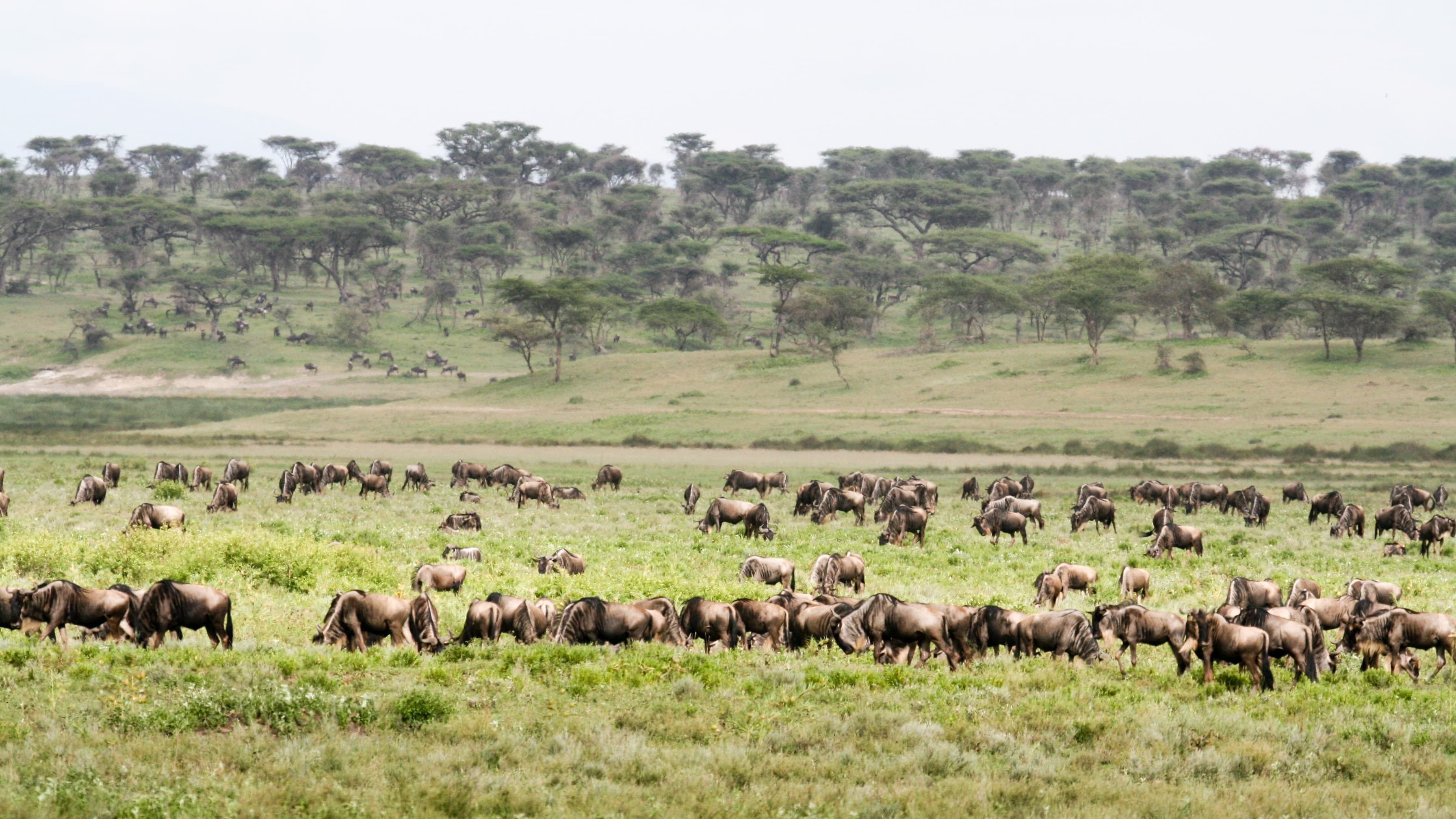
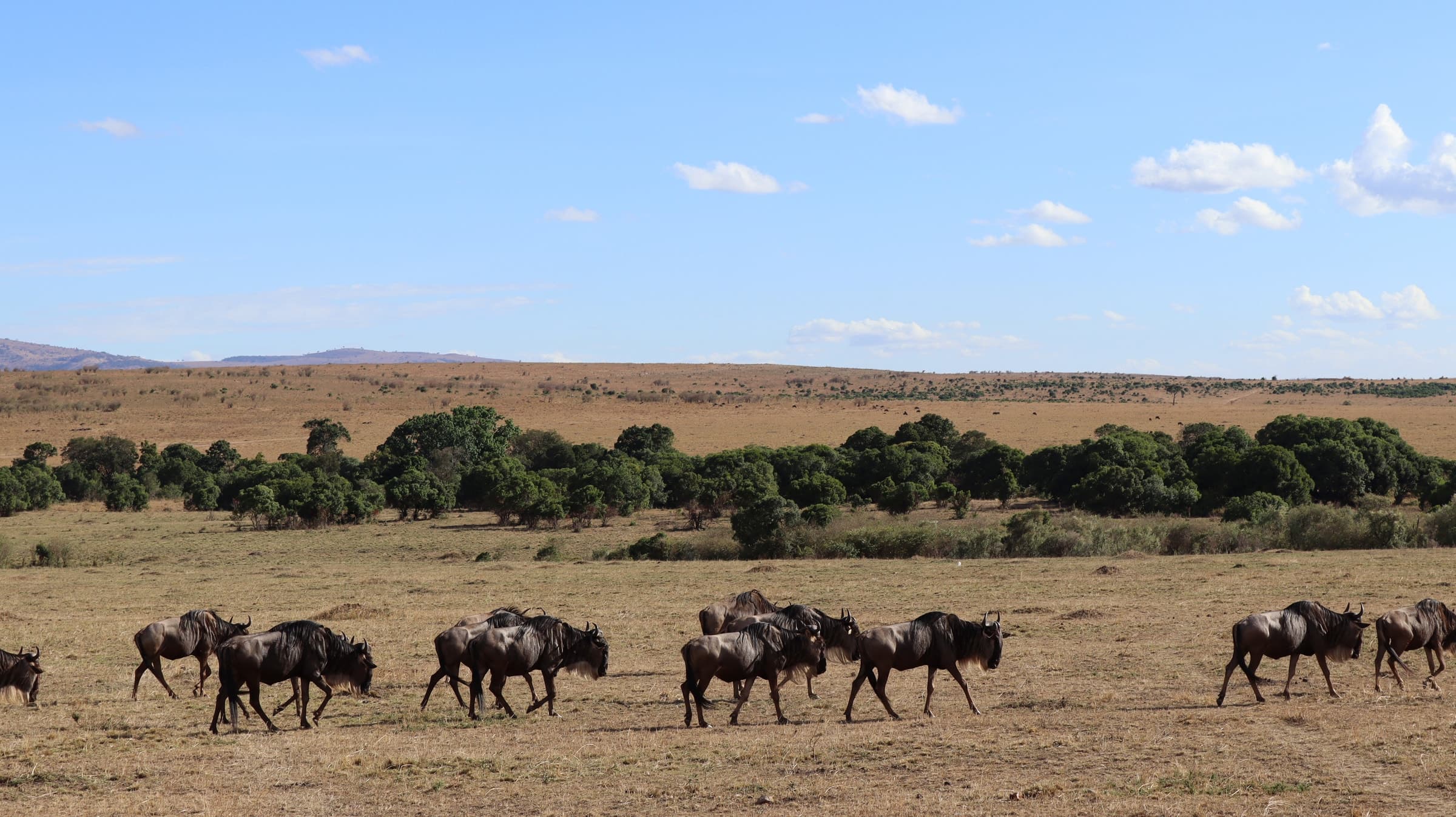
The border between Kenya and Tanzania cuts across a single wildlife landscape. Tanzania National Parks describes the Serengeti as home to the world’s last great large-mammal migration, more than a million and a half wildebeest and zebra with the predators that follow them, and the Mara Conservancy describes those herds spilling into Kenya’s Maasai Mara for part of each year.
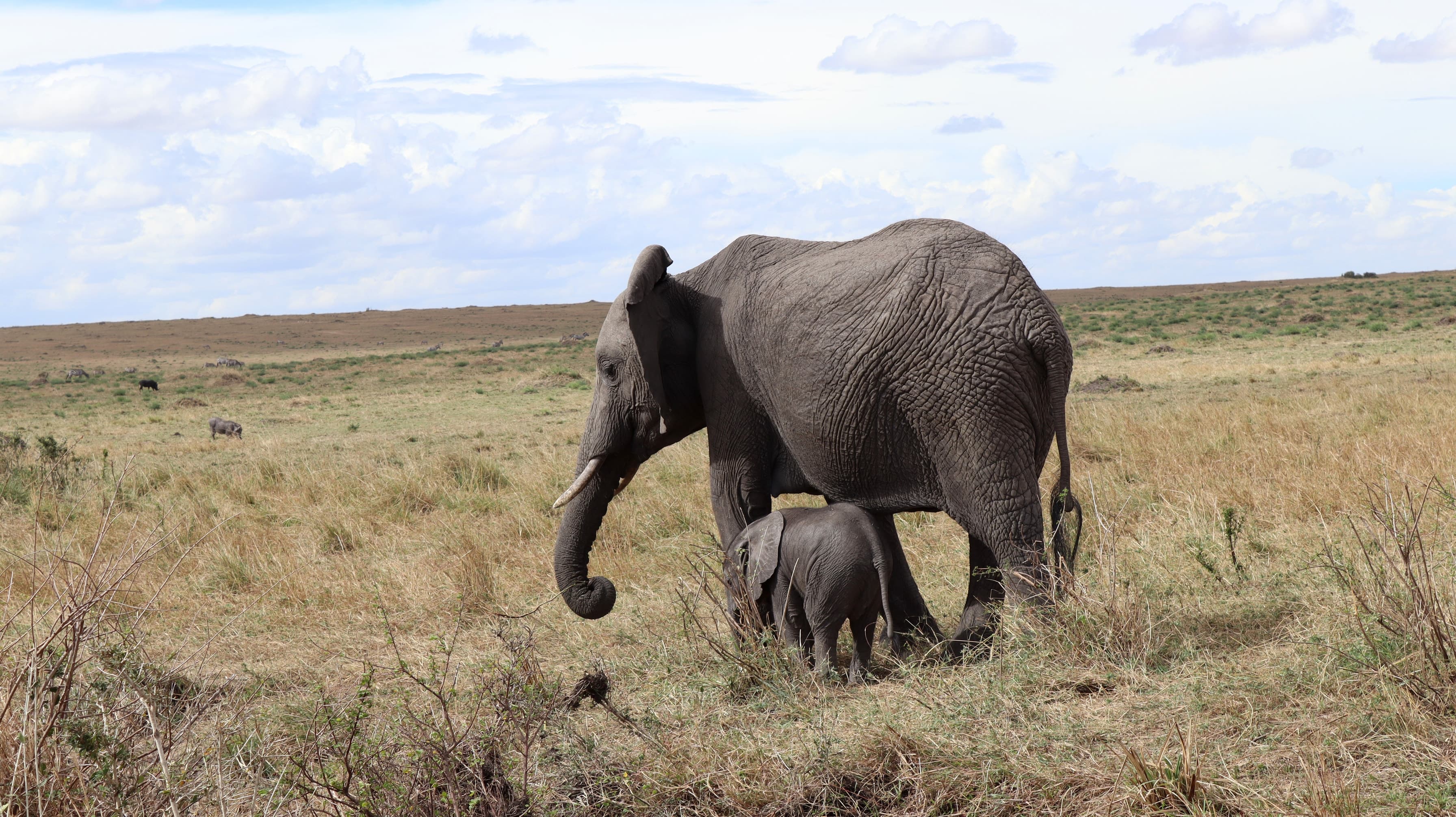
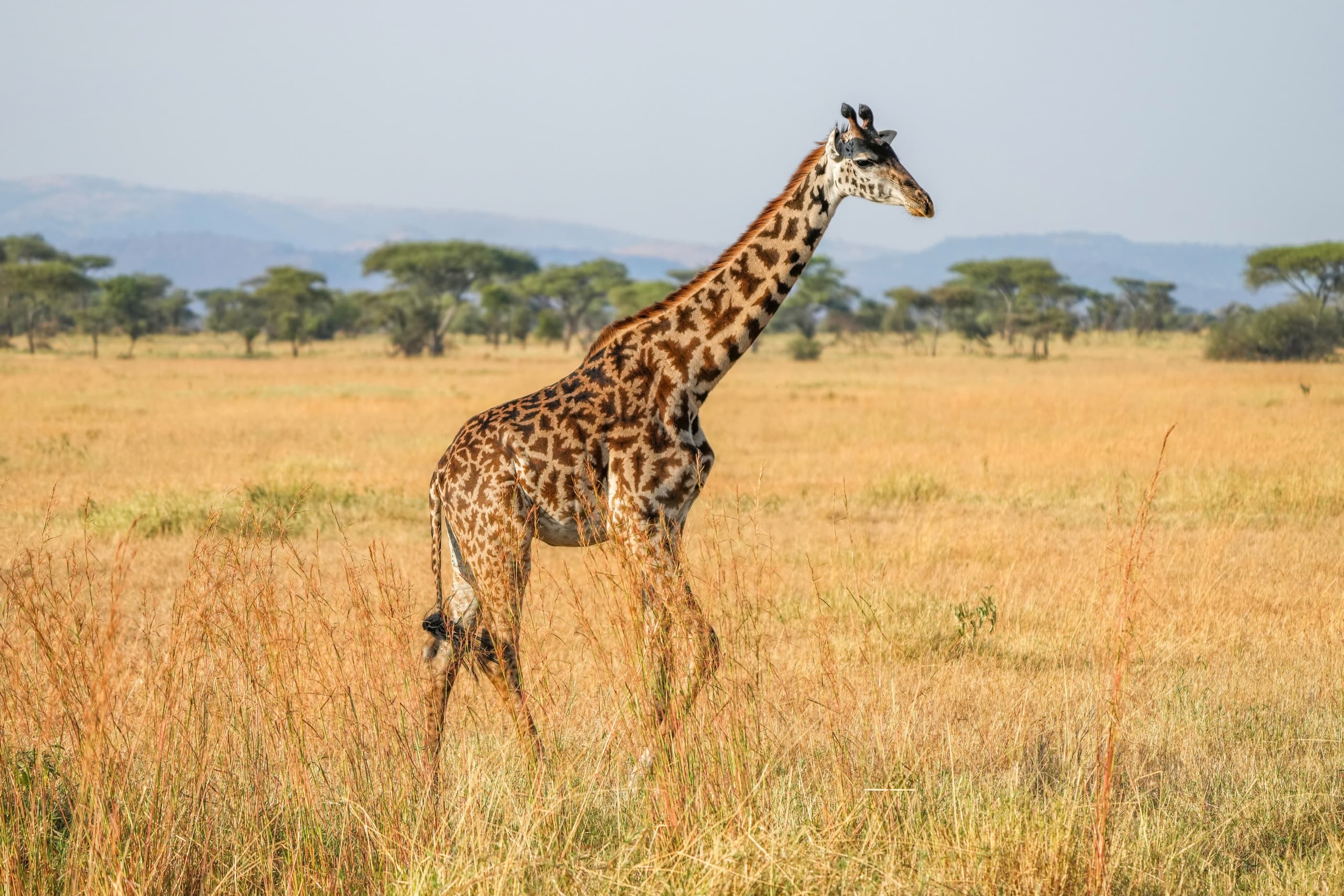
So the question is rarely “which has better wildlife?” Both hold lions, elephants, giraffes and the great herds in season, and both are worth visiting outside the migration: TANAPA says the Serengeti is remarkable in any month, and the Mara Conservancy describes elephants, giraffes, topi and lions waiting before the herds arrive. The real differences are timing, scale, access and how each is managed.
Timing: where the herds usually are
| Months | Usually | Source |
|---|---|---|
| Late December–April | Around Ndutu, on the southern Serengeti plains, where the herds calve | Ngorongoro Conservation Area Authority |
| June–October | In the Serengeti, in the dry season | Tanzania National Parks |
| June or July–November | In the Maasai Mara | Mara Conservancy |
No authority publishes a fixed date, and no river crossing can be promised.
If your dates fall between about late December and April, the Serengeti side, and especially the calving grounds at Ndutu, is the natural choice. From around July to October, both sides can hold the herds, and the choice turns on the other differences below. In November the Mara Conservancy still expects the herds in the Mara, before they move on.
Scale and character
Maasai Mara
A reserve at the heart of a wider landscape of community conservancies.
- The Mara Triangle, within the reserve, is managed by the Mara Conservancy
- Around it, 24 member conservancies of the Maasai Mara Wildlife Conservancies Association cover about 450,000 acres of community land
- Rolling grassland, the Mara and Sand rivers and the Siria Escarpment
Serengeti
A vast national park, a UNESCO World Heritage Site since 1981.
- Managed by Tanzania National Parks
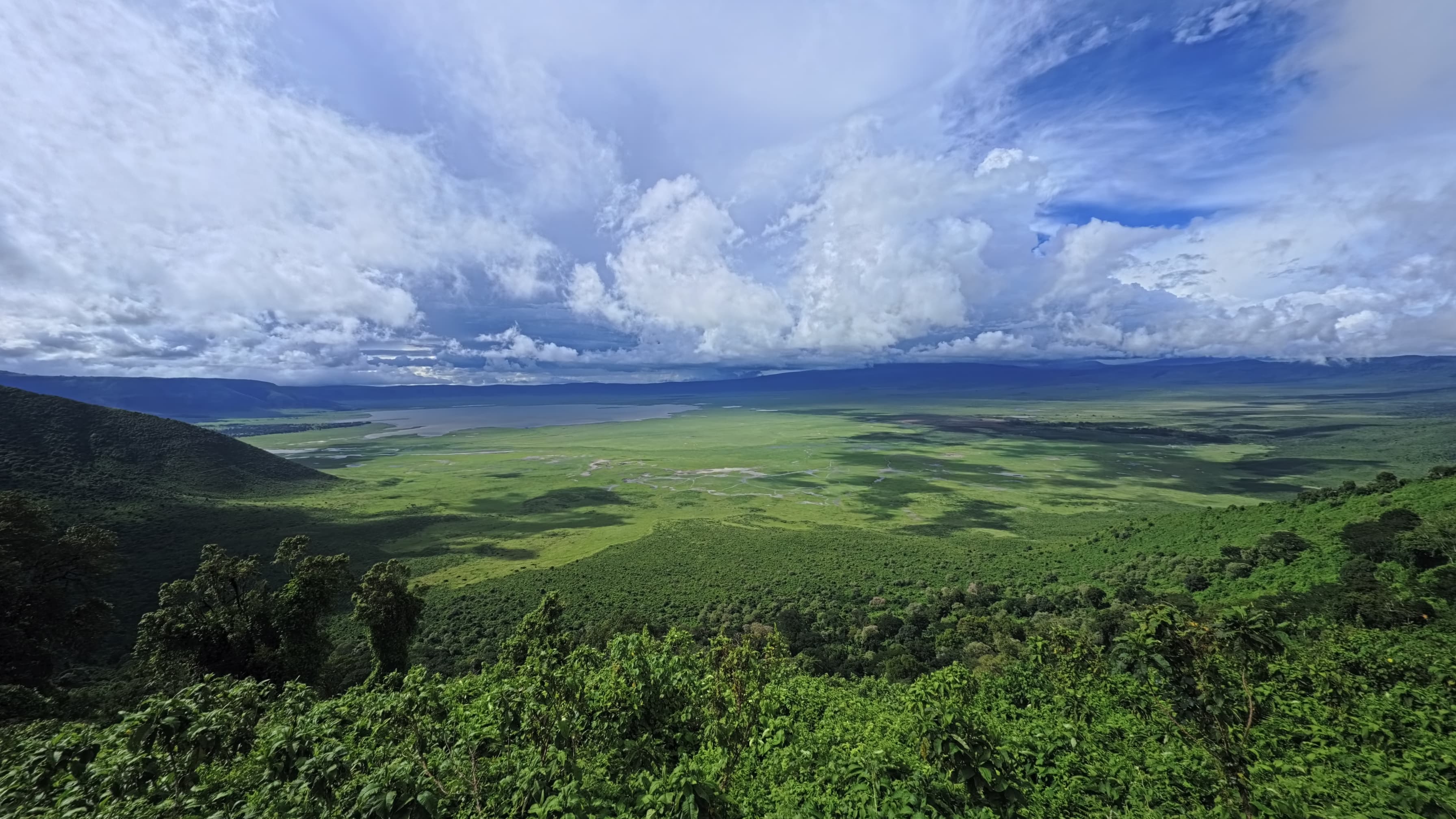
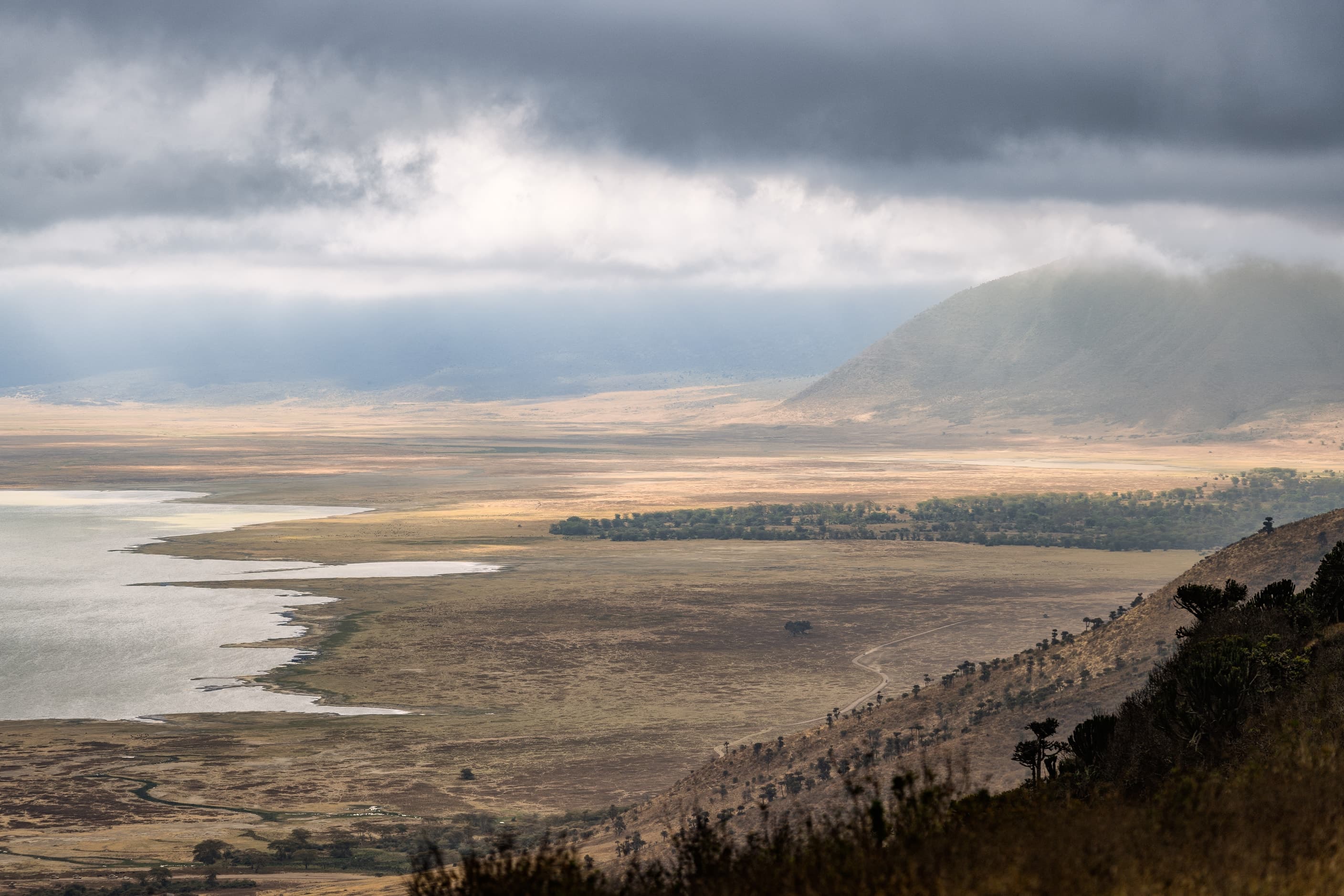
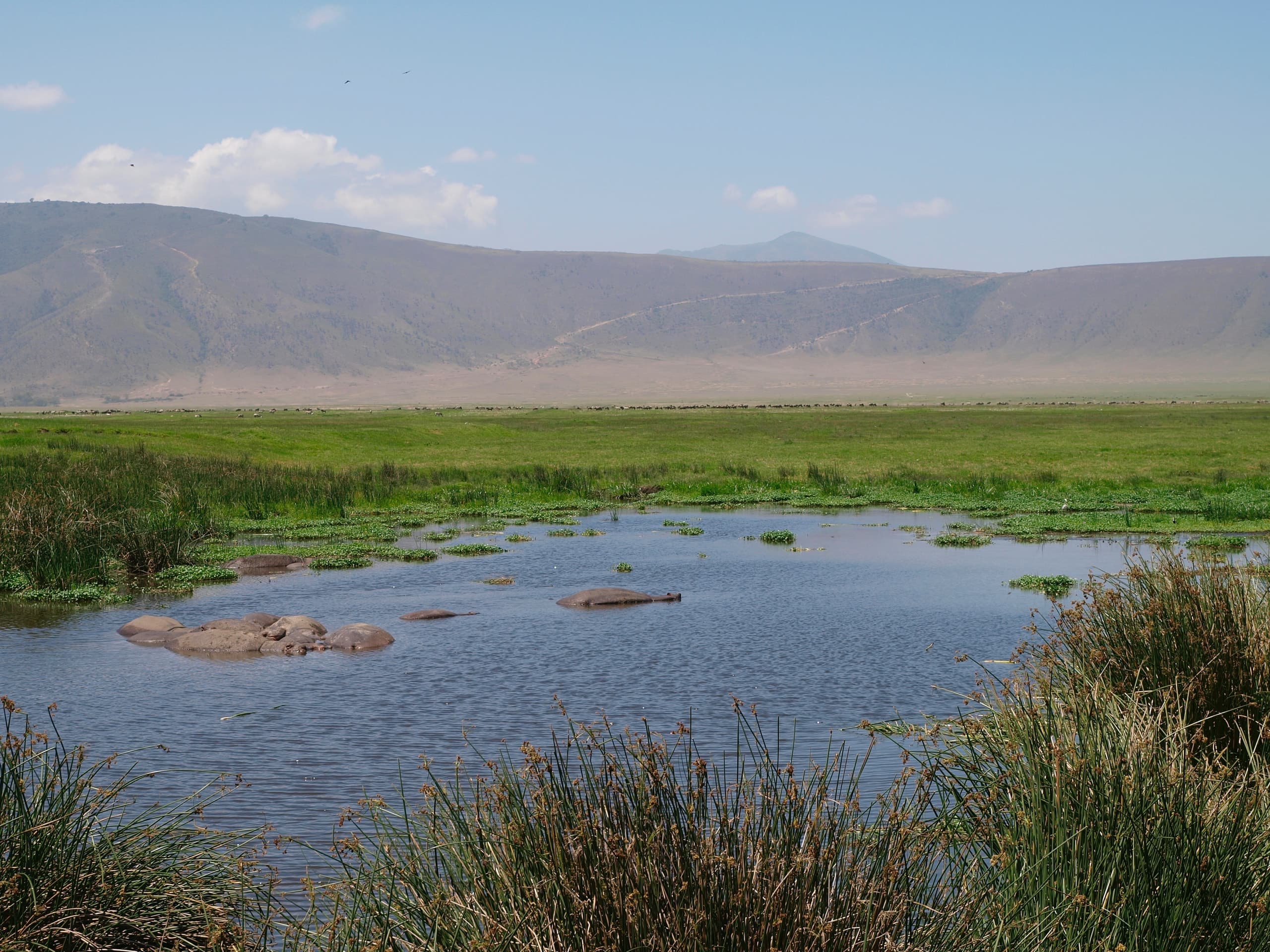
- It originally included the land that is now the Ngorongoro Conservation Area, so the crater is a natural pairing
- Endless plains, rivers and woodland, with Ndutu on its southern edge
Outside the migration season
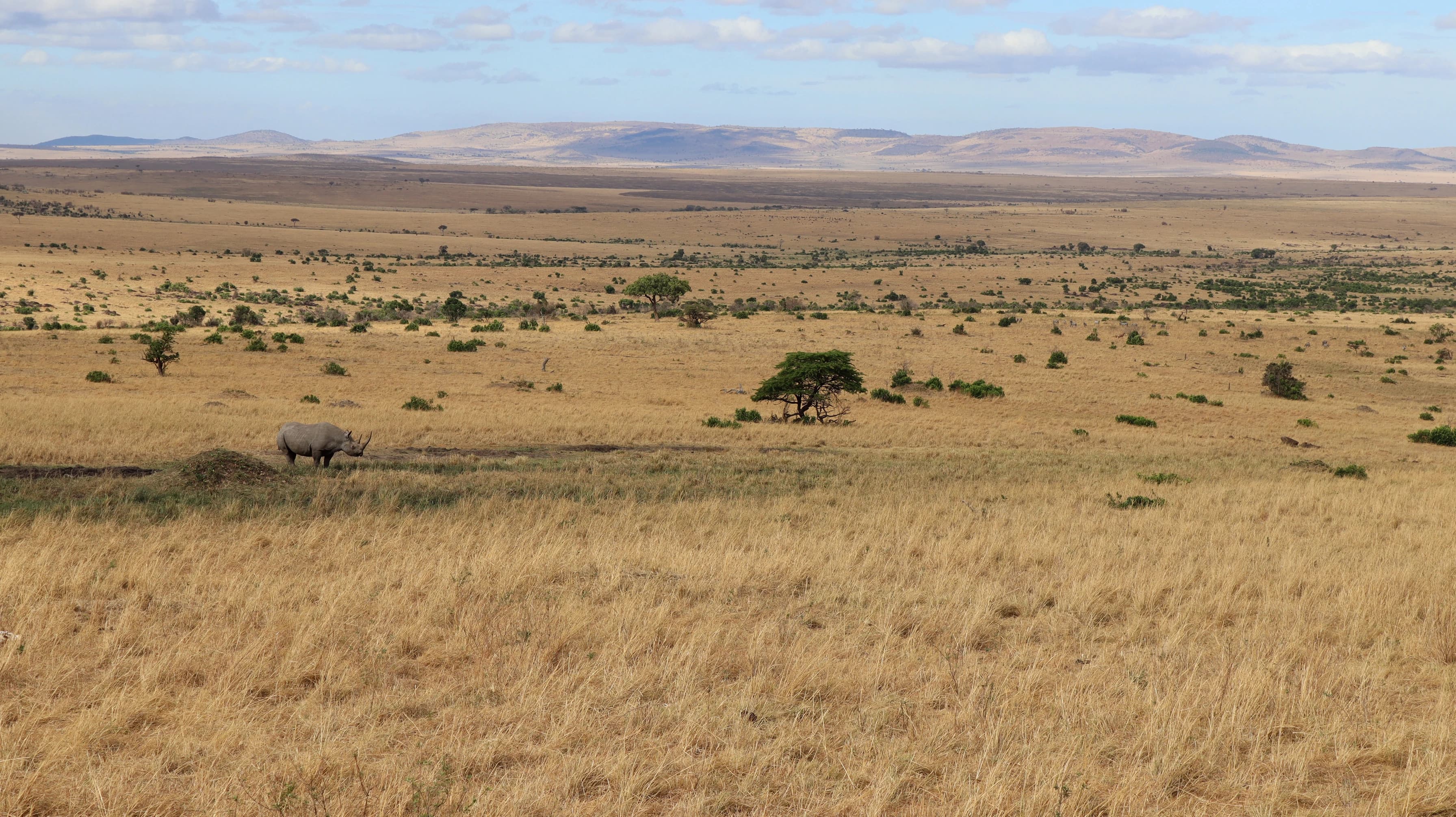
Both sides of the border keep their resident wildlife when the herds are elsewhere, and both are quieter for it. Before the herds arrive, the Mara Conservancy describes red oat grass moving in the wind, elephants and giraffes, topi on old termite mounds and lions waiting out the heat beneath the acacias. TANAPA describes the Serengeti’s lions, leopards, elephants, buffalo and rhinos and more than 500 bird species as present whatever the month.
On the Tanzanian side, the Ngorongoro Conservation Area Authority adds that the Ndutu area is excellent for game viewing all year, because elephants, giraffes, lions, cheetahs and hyenas stay on the plains, marshes and woodland around its lakes. If your dates fall outside the migration, choose by the other differences: access, length and the kind of trip you want.
Getting there
The Mara is reached from Nairobi, Kenya’s capital, whose Jomo Kenyatta International and Wilson airports both serve the city. Our Mara journeys start at two days, which makes it the easier choice for a short trip or a first safari added to a business visit.
The Serengeti is usually reached from Arusha. TANAPA describes regular flights to Seronera airstrip in the heart of the park and calls the road from Arusha long but scenic; Kilimanjaro International Airport, about 40 kilometres east of Arusha, is the main international gateway for the northern circuit. Every one of our Serengeti journeys also includes the Ngorongoro Crater, and most add Lake Manyara or Tarangire.
Rules that shape the experience
- Maasai Mara: you may leave the vehicle only at designated points, and standing on the roof or sitting in the window is not allowed. Never block moving herds: herds pushed by vehicles have crossed at unsafe banks.
- Serengeti: guides must be certified, drones are prohibited without special permission, and TANAPA advises booking accommodation early for the peak migration months.
Or see both
10 of our journeys visit both the Maasai Mara and the Serengeti, usually with the Ngorongoro Crater too. They suit travellers with a week or more who want to follow the ecosystem rather than choose half of it.
| Journey | Length | Comfort | Price per person |
|---|---|---|---|
| 6 Days Maasai Mara, Serengeti & Ngorongoro Budget Safari | 6 days | Budget | Low season: USD 1,325–1,505High season: USD 1,525–1,705 |
| 7 Days Lake Nakuru, Maasai Mara, Serengeti & Ngorongoro Budget Safari | 7 days | Budget | Price on request |
| 9 Days Maasai Mara, Lake Nakuru, Amboseli, Serengeti & Ngorongoro Safari | 9 days | Budget | Low season: USD 1,415High season: USD 1,615 |
| 11 Days Maasai Mara, Lake Nakuru, Amboseli, Lake Manyara, Serengeti & Ngorongoro Safari | 11 days | Budget | Low season: USD 1,630High season: USD 1,830 |
| 13 Days Maasai Mara, Nakuru, Naivasha, Amboseli, Manyara, Serengeti, Ngorongoro & Tarangire Safari | 13 days | Budget | Low season: USD 1,955High season: USD 2,155 |
A journey through both follows the herds across the border rather than waiting for them on one side, and it adds the Ngorongoro Crater, which no Mara-only trip can. The trade-off is time: allow a week or more, because both parks deserve several nights. For everything a two-country journey involves, read combining Kenya and Tanzania.
How to choose
- Short trip, starting in Nairobi: the Maasai Mara.
- Calving season, late December to April: the Serengeti, with Ndutu.
- A first safari with the Ngorongoro Crater: the Serengeti and the northern circuit.
- A week or more, July to October: both, on a cross-border journey.
Sources
- Mara Conservancy (Mara Triangle, Maasai Mara National Reserve): Wildebeest migration (opens in a new tab)
- Tanzania National Parks: Serengeti National Park (opens in a new tab)
- Tanzania National Parks: About Serengeti National Park (opens in a new tab)
- Ngorongoro Conservation Area Authority: Ndutu Plains (opens in a new tab)
- Mara Conservancy (Mara Triangle, Maasai Mara National Reserve): The Mara Triangle (opens in a new tab)
- Maasai Mara Wildlife Conservancies Association: About the Mara conservancies (opens in a new tab)
- Ngorongoro Conservation Area Authority: Ngorongoro Crater (opens in a new tab)
- Kenya Wildlife Service: Nairobi National Park (opens in a new tab)
- Tanzania National Parks: Serengeti visitor guide (opens in a new tab)
- Kilimanjaro International Airport: Official website (location and role as the northern circuit gateway) (opens in a new tab)
How this guide was prepared
This guide was researched and drafted with the help of AI tools, working from the official sources listed above and Big Time Safaris’ own catalogue. Its facts were checked against those sources on 20 October 2026, and it was reviewed and approved for publication by the owner of Big Time Safaris on 22 October 2026. It is a planning guide, not a first-hand field report. Seasons, park rules and entry requirements change, so check the latest official information before you travel.