Big Time Field NotesNo. 07Route planning
Planning a Maasai Mara safari
How many days to spend in the Mara, when to go, where to stay, what a day in the reserve looks like and how the conservancies differ from the reserve, answered from official sources and our own approved itineraries.
In brief
- Two or three days in the reserve suits most first visits; our Mara-only journeys run from two to four days.
- The Mara Conservancy says the migration usually reaches the Mara around June or July and stays until November. Resident wildlife is there all year.
- Inside the reserve you may leave the vehicle only at designated points, and standing on the roof or sitting in the window is not allowed.
- The conservancies around the reserve are a separate network: their association lists 24 member conservancies covering about 450,000 acres.
Contents
How many days do you need in the Maasai Mara?
Plan at least two nights in the reserve if you can, and three if the migration is your main reason for going. In our catalogue, Mara-only journeys run from two days, the 2 Days Maasai Mara Budget Safari, to four, the 4 Days Maasai Mara Photography Luxury Safari, and many longer Kenya journeys begin or end with two or three days in the Mara.
On our road safaris the first and last days include the drive between Nairobi and the reserve, and our approved itineraries say that game drives on travel days depend on arrival and departure times. A two-day trip therefore gives you one full day in the reserve; three days gives two; four days lets you return to a sighting, or wait at the river, without hurrying.
| Journey | Length | Comfort | Price per person |
|---|---|---|---|
| 2 Days Maasai Mara Budget Safari | 2 days | Budget | Standard: USD 430Low Budget: USD 350 |
| 3 Days Maasai Mara Budget Safari | 3 days | Budget | Low season: USD 420High season: USD 620 |
| 3 Days Maasai Mara Lodge Safari | 3 days | Midrange | Price on request |
| 4 Days Maasai Mara Photography Luxury Safari | 4 days | Luxury | Price on request |
Prices are exactly as our catalogue publishes them; on-request journeys are quoted for your dates.
When is the best time to visit the Maasai Mara?
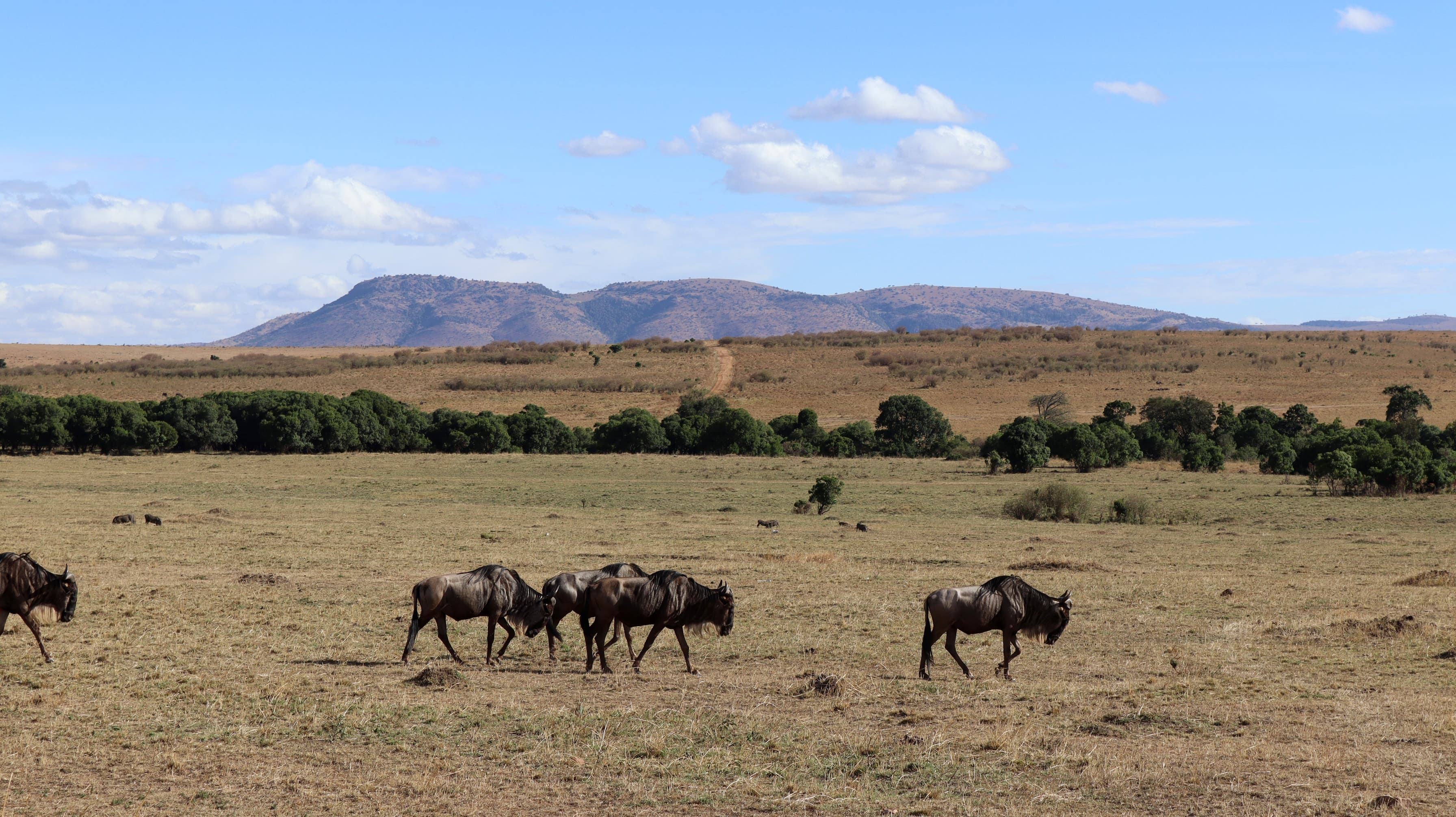
There is no single best month. The Mara Conservancy says the wildebeest migration usually reaches the Maasai Mara around June or July and continues until November, but the herds follow the rain and the timing shifts every year. River crossings are frequent in season and hard to predict.
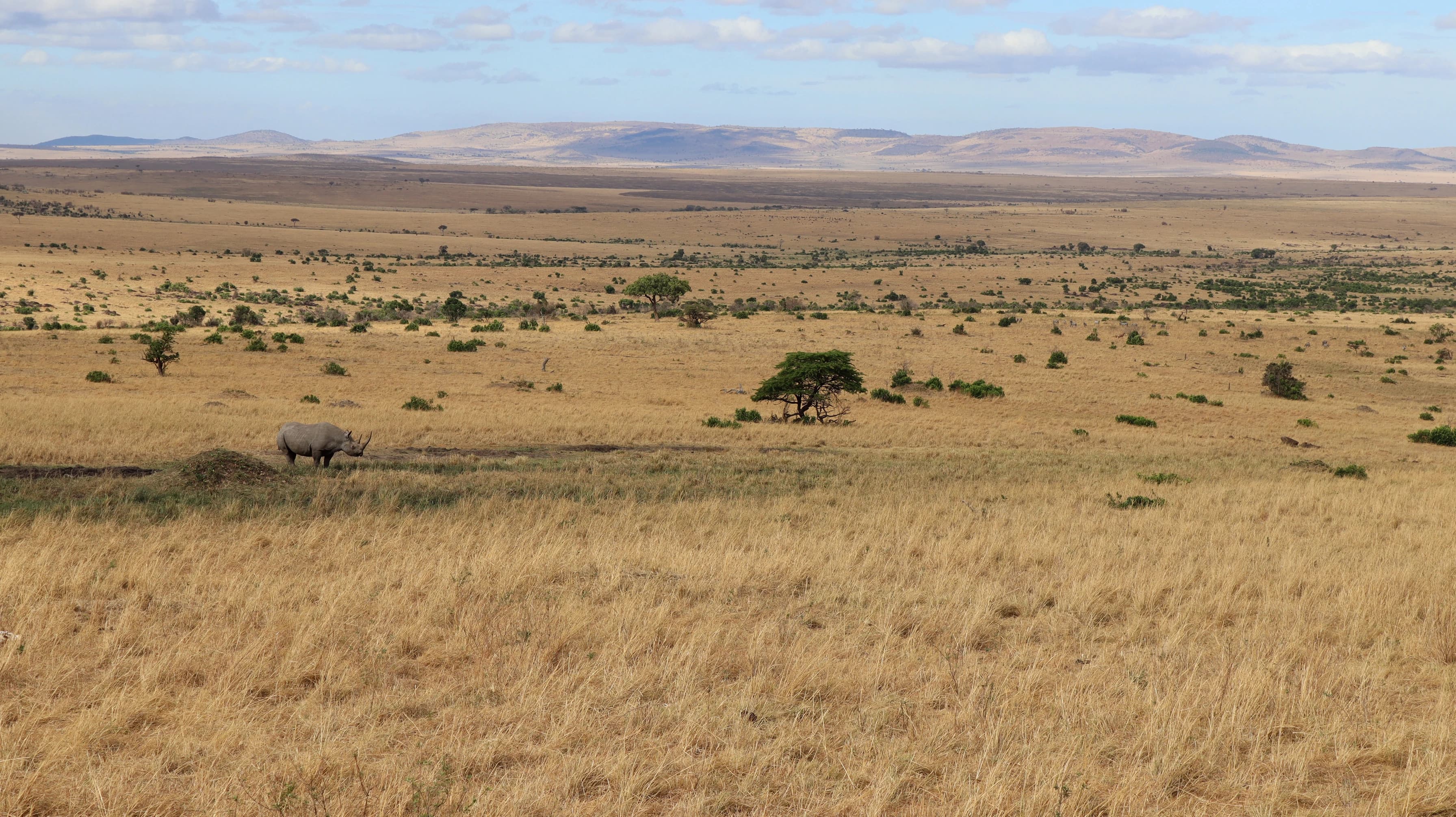
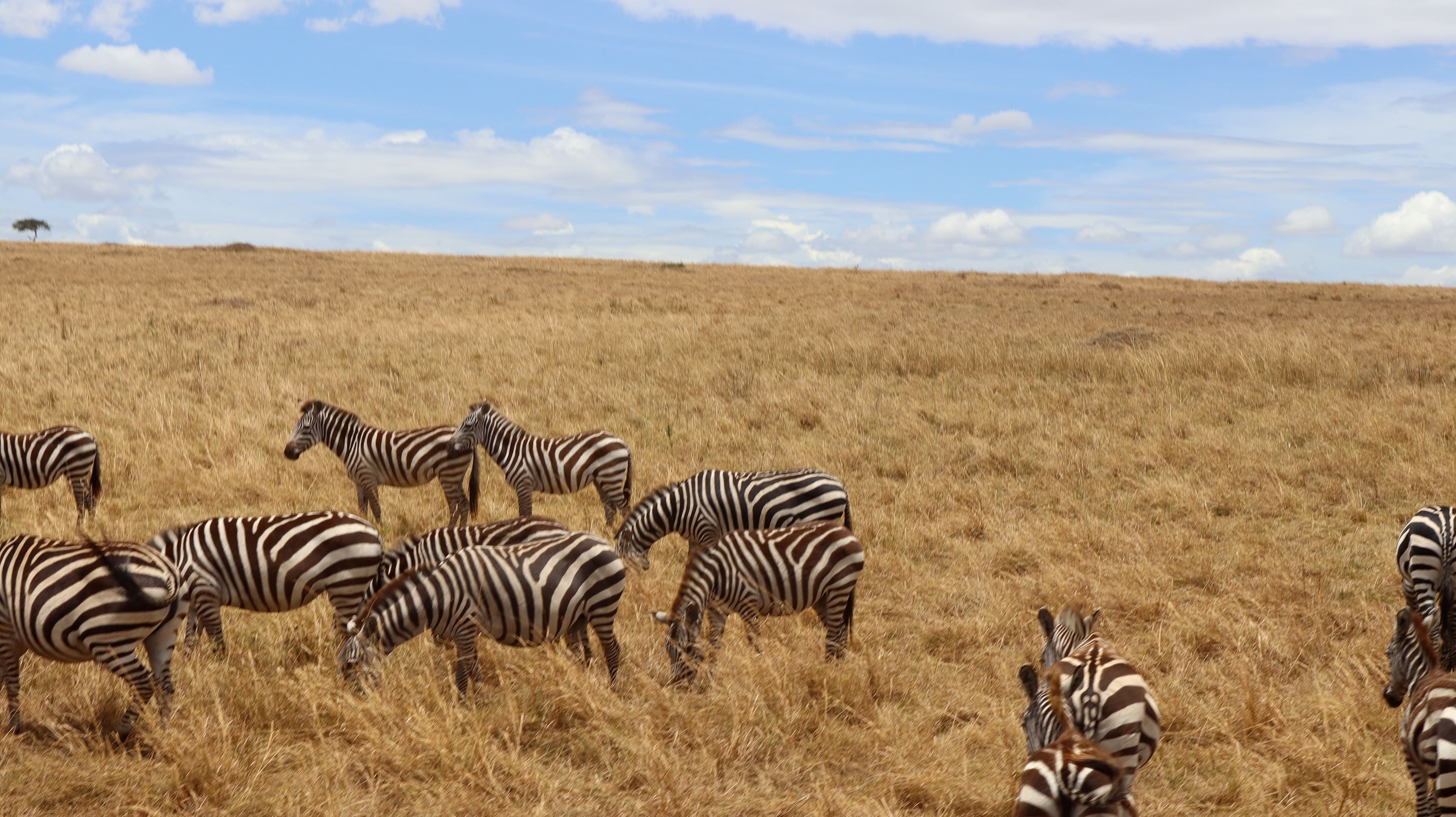
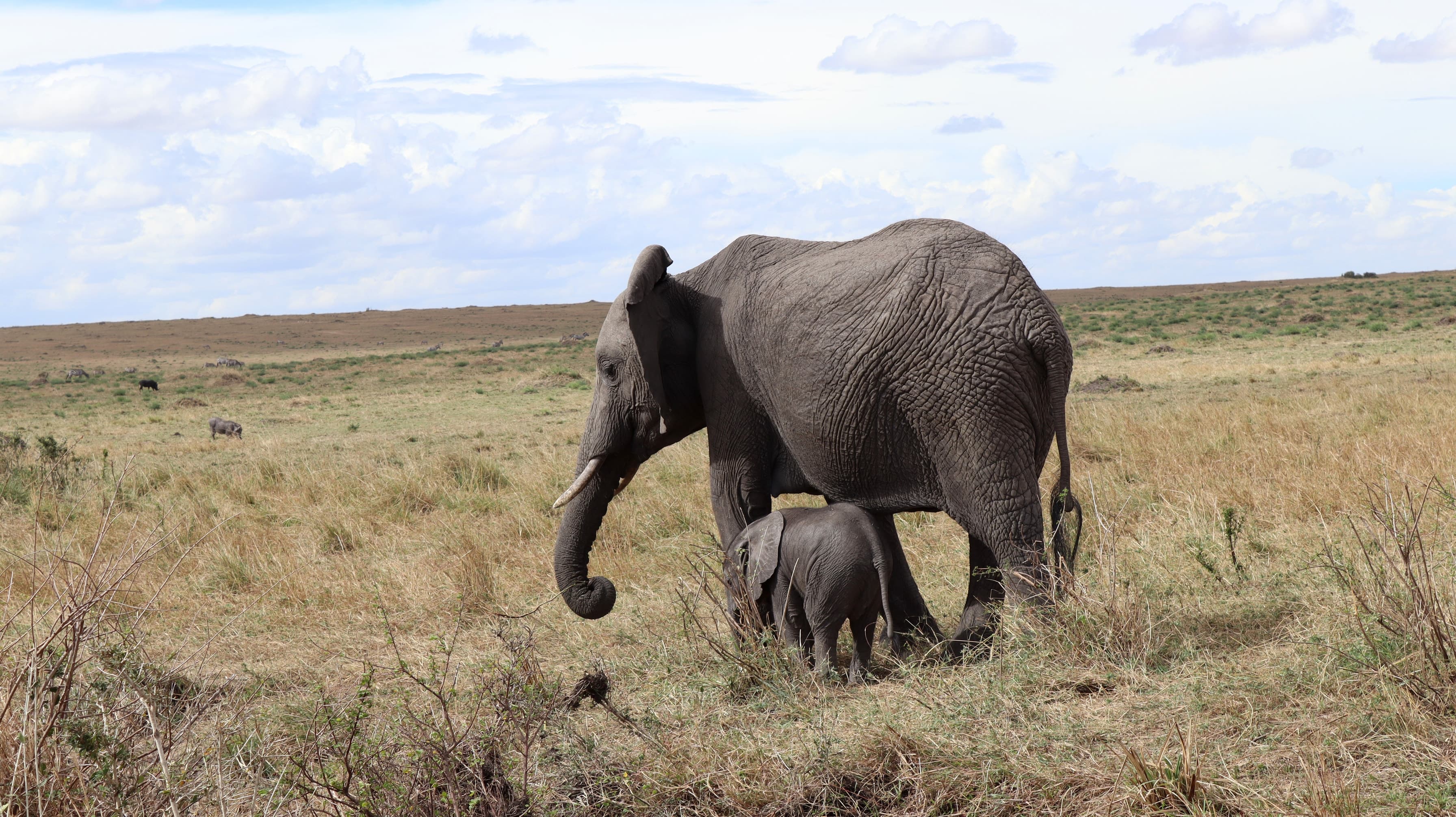
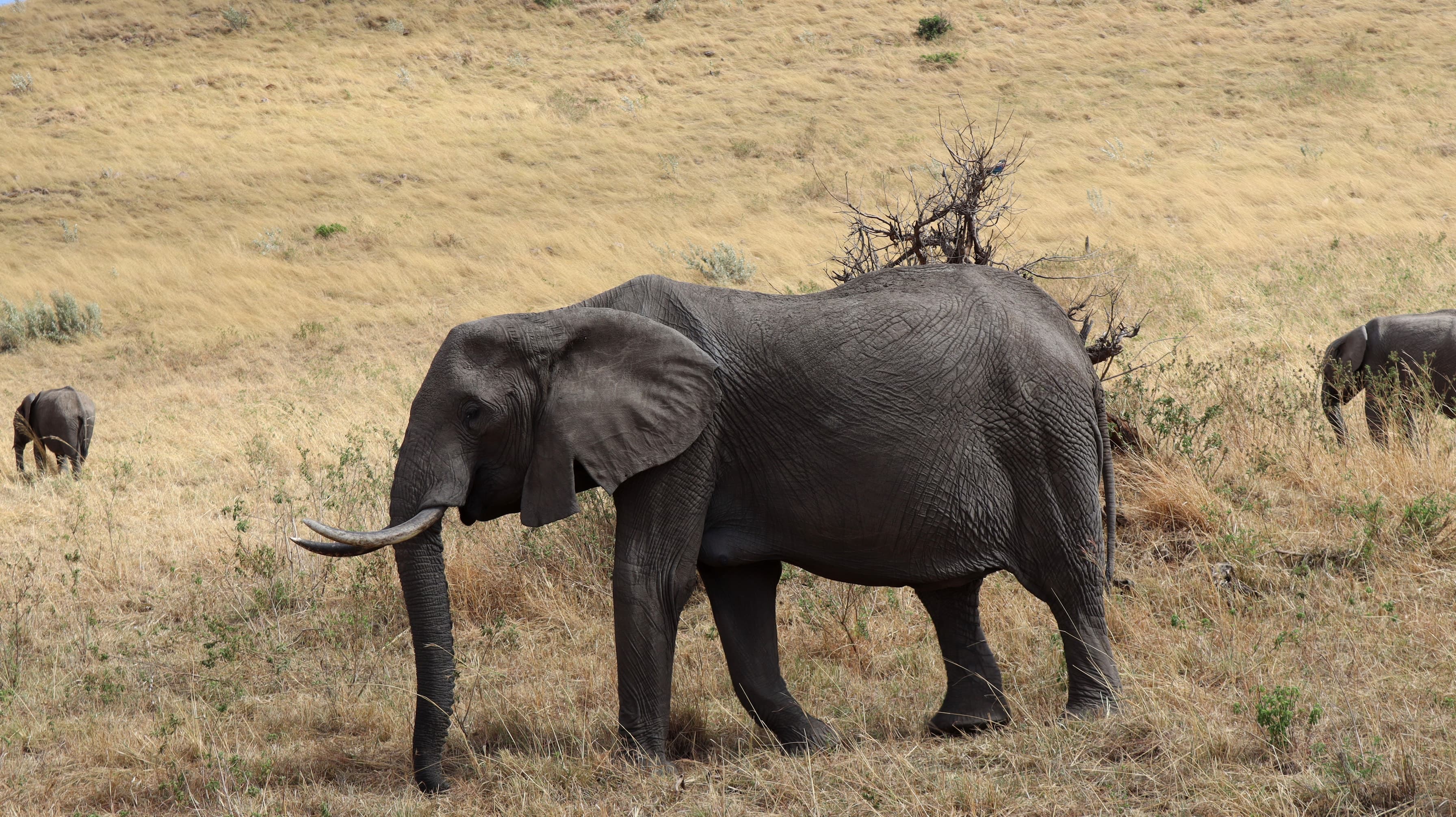
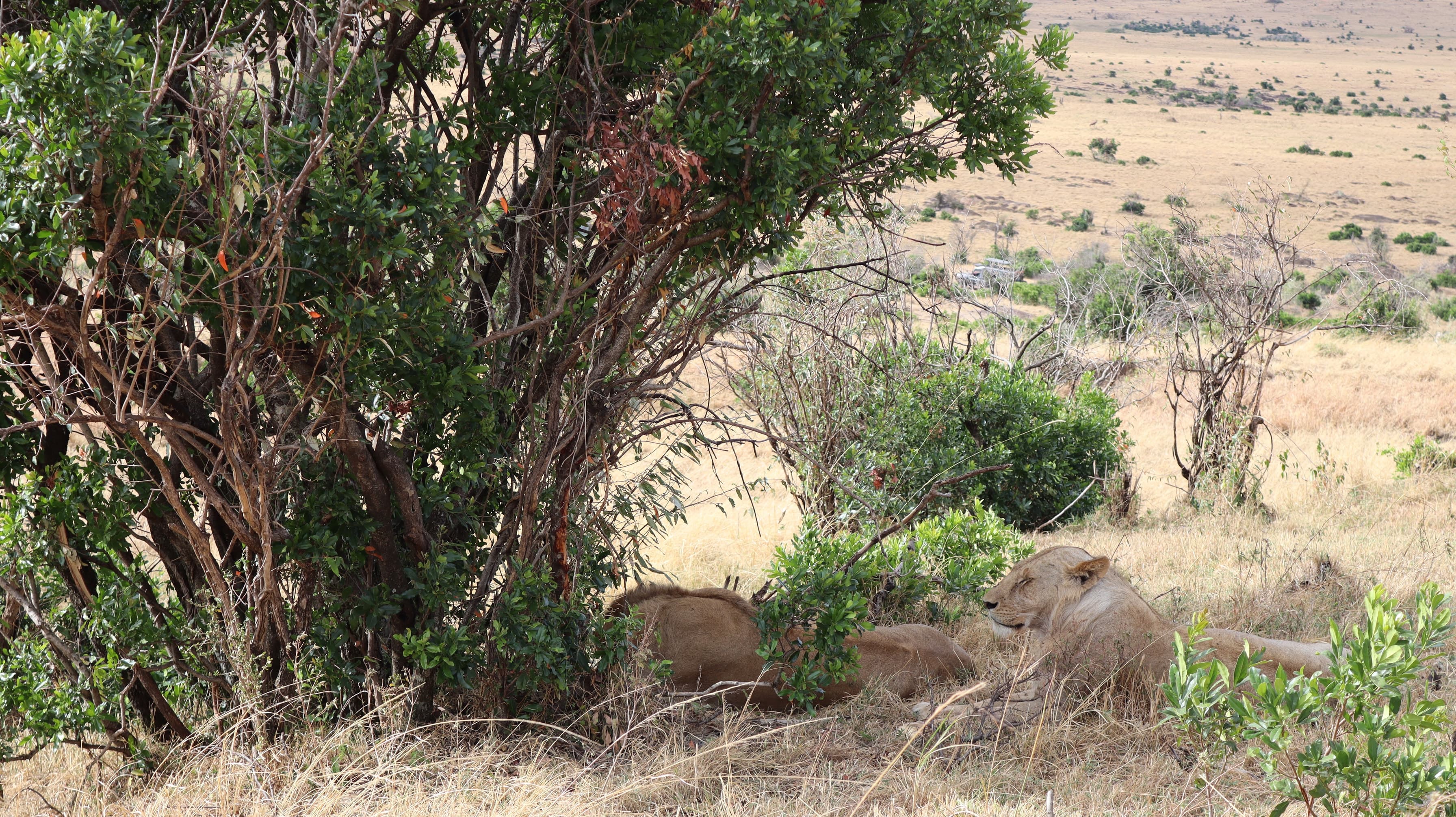
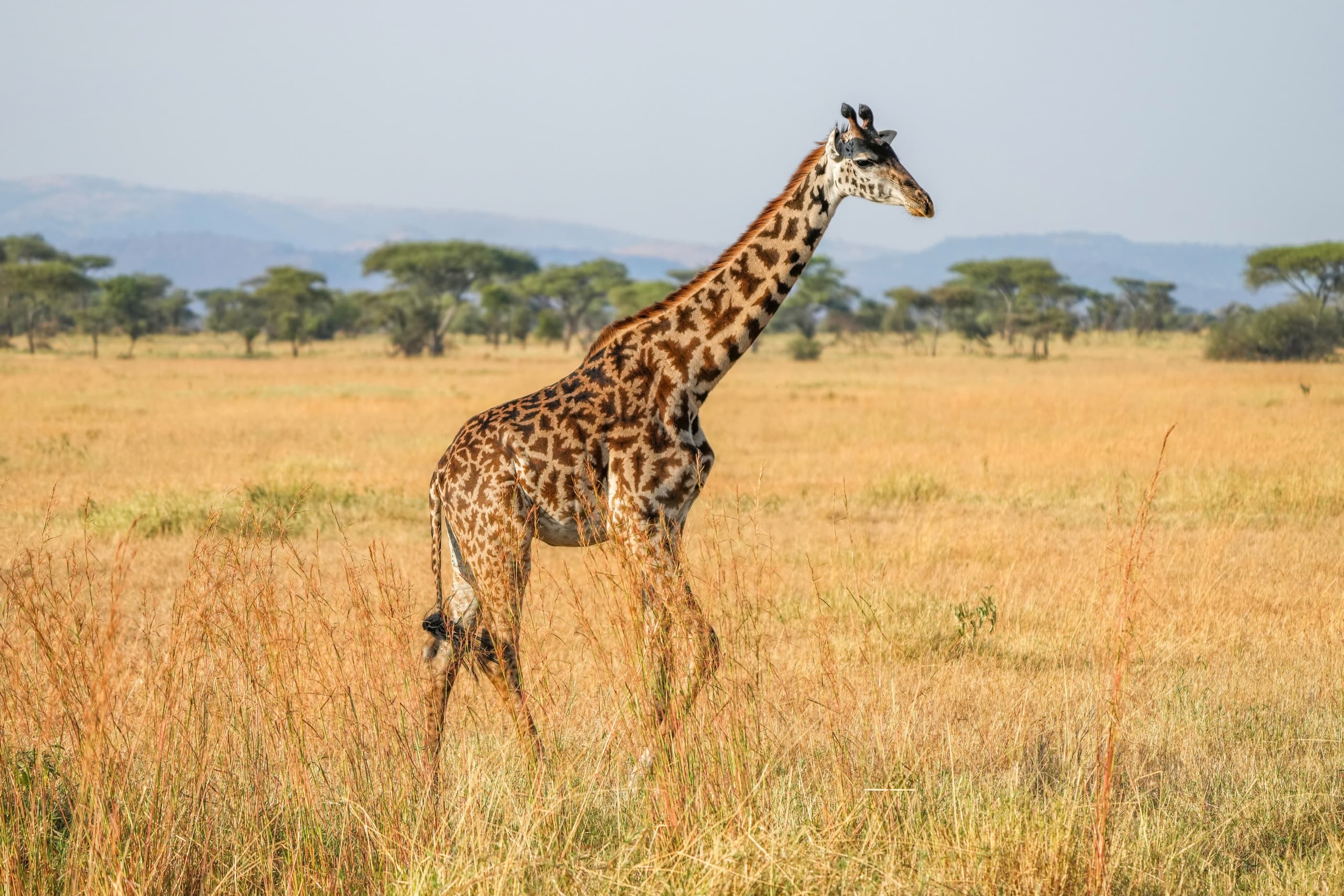
Outside those months the reserve’s resident animals remain: the Conservancy describes elephants, giraffes, topi and lions in the long red oat grass before the herds arrive. Kenya’s main rains fall from March to May, with a second rainy season from October to December, according to the Kenya Meteorological Department, and Kenya Wildlife Service treats April to June as the low season, when some park roads need four-wheel drive.
What does a day on safari in the Mara look like?
Most of a Mara day is spent on game drives across the plains and along the rivers. Our approved Maasai Mara itineraries describe early drives in the first light, full days that leave time to follow the herds rather than chase rumours of a crossing, and a last morning drive before the journey back. Game drives on our Kenya road safaris are in a 4×4 Land Cruiser.
Timings depend on the season, the light and what the animals are doing. Our itineraries say so plainly: game drives on travel days depend on arrival and departure times, timings can change with road and park conditions, and wildlife sightings are never guaranteed. What is included at each stop, from meals to park fees, is set out in your written quotation.
Reserve or conservancy: what is the difference?
The Maasai Mara National Reserve is the protected core of the area. Within it, the Mara Triangle is managed by the Mara Conservancy, which maintains its roads and ranger stations and employs community scouts along the Siria Escarpment.
Around the reserve lies a network of conservancies on community land. The Maasai Mara Wildlife Conservancies Association, a membership organisation established in 2013, lists 24 member conservancies at different stages of development, covering about 450,000 acres and bringing together more than 15,000 landowners; each is based on a partnership between landowners and tourism partners. The Mara Conservancy notes that many of the Mara’s own resident wildebeest now stay in these conservancies.
Rules, fees and activities differ between the reserve and each conservancy. Our approved Mara itineraries are written for the reserve; if a conservancy stay matters to you, ask us which camps and activities are available for your dates.
Where to stay near the Maasai Mara
On our budget Mara journeys the catalogue names Miti Mingi Eco Camp, a tented camp that its own website places about 500 metres from the reserve’s Ololaimutiek Gate, with permanent tents that each have a private toilet and a hot and cold shower. Our three-day midrange Maasai Mara Lodge Safari names Jambo Mara Safari Lodge, and our other midrange and luxury Mara journeys stay at lodges confirmed in your quotation.
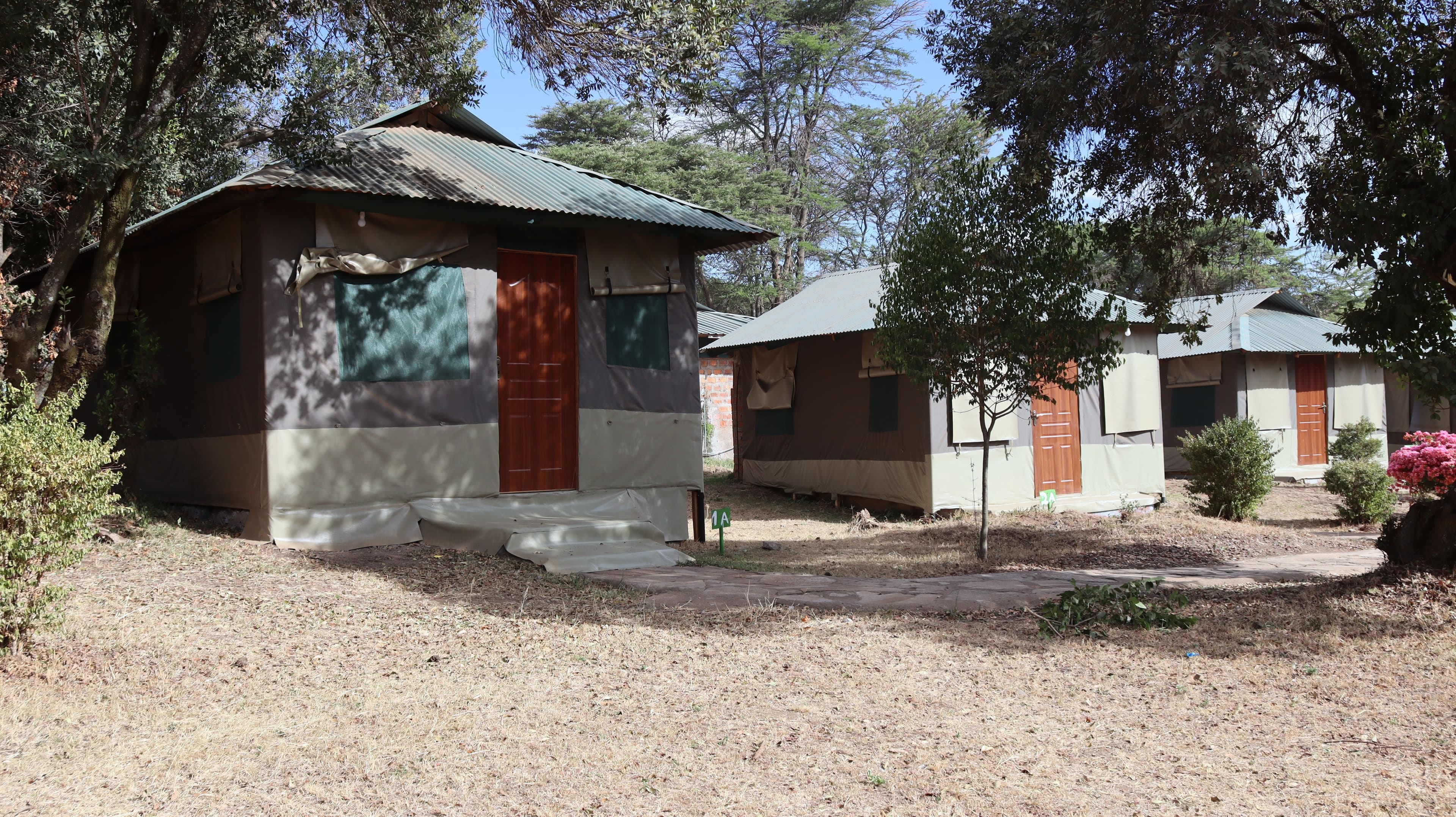
Budget, midrange and luxury differ mostly in the room, the meals and the pace rather than in the reserve itself. Our guide to budget, midrange and luxury safaris explains what changes and what does not, and our accommodation pages describe each named stay with its own photographs.
Getting to the Mara
Our Mara journeys travel by road from Nairobi in a 4×4 Land Cruiser, and several continue to Lake Nakuru, Lake Naivasha or Amboseli rather than returning directly. The reserve has several gates: the one near Miti Mingi Eco Camp is signed Oloolaimutia (the camp’s website spells it Ololaimutiek), and Jambo Mara Safari Lodge describes its approach from Sekenani Gate and Keekorok airstrip.
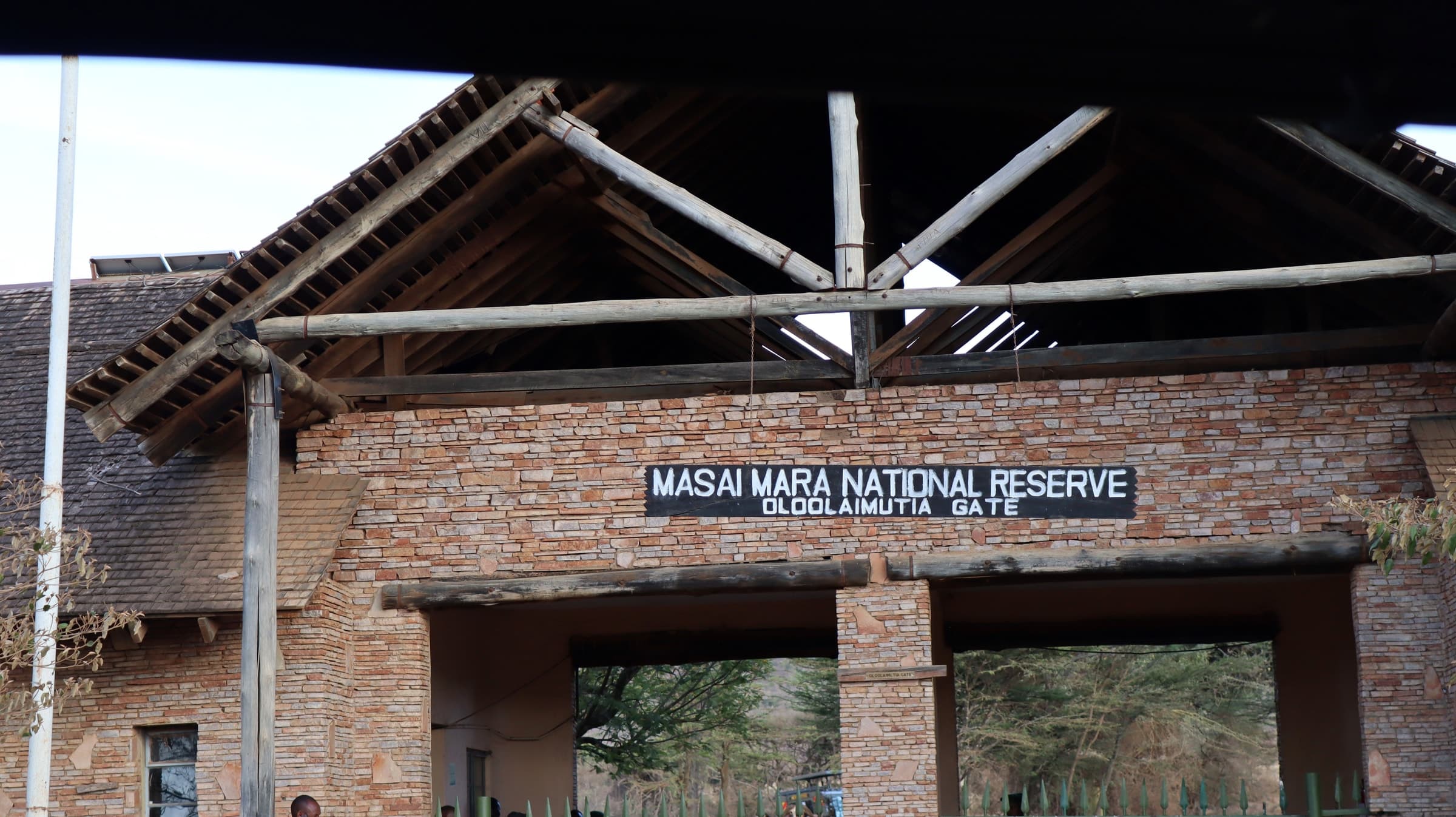
The Mara has airstrips, Keekorok among them, but none of our approved Mara itineraries is a fly-in journey. If flying in would suit you better, ask us what is possible for your dates; our guide to getting around on safari explains how road and air days differ.
Watching wildlife responsibly in the Mara
- Stay inside the vehicle: in the reserve you may only get out at designated points.
- Do not stand on the roof or sit in the window to take photographs.
- Keep quiet and well back from a crossing point, and never block moving herds; the Conservancy reports that herds pushed by vehicles have crossed at unsafe banks, with heavy losses.
Our guide to responsible wildlife viewing gathers the rules of Kenya, Tanzania and Uganda’s park authorities in one place.
Maasai Mara questions, answered
Is the Great Migration in the Mara all year?
No. The Mara Conservancy says the herds usually arrive around June or July and stay until November, varying with the rains. Resident lions, elephants, giraffes and topi are there all year.
Will I see a river crossing?
Possibly, in season. Crossings are frequent but cannot be predicted, so no crossing can be guaranteed on a given day.
Can I get out of the vehicle?
Only at designated points inside the reserve. Standing on the roof or sitting in the window is not allowed.
How many days should I spend there?
Two or three days suits most first visits; four gives time to wait at the river or return to a sighting.
Sources
- Mara Conservancy (Mara Triangle, Maasai Mara National Reserve): Wildebeest migration (opens in a new tab)
- Kenya Meteorological Department: Seasonal forecast (March–May “Long Rains”; October–December season) (opens in a new tab)
- Kenya Wildlife Service: What is the weather pattern in Kenya? When is the best time to visit your parks and reserves? (opens in a new tab)
- Mara Conservancy (Mara Triangle, Maasai Mara National Reserve): The Mara Triangle (opens in a new tab)
- Maasai Mara Wildlife Conservancies Association: About the Mara conservancies (opens in a new tab)
- Miti Mingi Eco Camp: Miti Mingi Eco Camp home page (location, tents, activities) (opens in a new tab)
- Miti Mingi Eco Camp: About Miti Mingi Eco Camp (camp website) (opens in a new tab)
- Jambo Mara Safari Lodge: Jambo Mara Safari Lodge — accommodation information (opens in a new tab)
How this guide was prepared
This guide was researched and drafted with the help of AI tools, working from the official sources listed above and Big Time Safaris’ own catalogue. Its facts were checked against those sources on 20 October 2026, and it was reviewed and approved for publication by the owner of Big Time Safaris on 22 October 2026. It is a planning guide, not a first-hand field report. Seasons, park rules and entry requirements change, so check the latest official information before you travel.