Big Time Field NotesNo. 02Wildlife & migration
The Great Migration, explained
More than a million wildebeest, with zebras and gazelles, move between Tanzania’s Serengeti and Kenya’s Maasai Mara. Here is how the year usually unfolds, where calving and river crossings happen, and why no one can promise you either.
In brief
- The migration belongs to one ecosystem shared by Tanzania’s Serengeti and Kenya’s Maasai Mara. Herd sizes are estimates, and sources quote different figures.
- The Ngorongoro Conservation Area Authority says Ndutu is best from the end of December to April, when the herds calve there.
- The Mara Conservancy says the migration usually reaches the Maasai Mara around June or July and stays until November.
- Calving and river crossings happen in different places and different seasons. Crossings are frequent but hard to predict, and none can be promised.
Contents
What the migration is
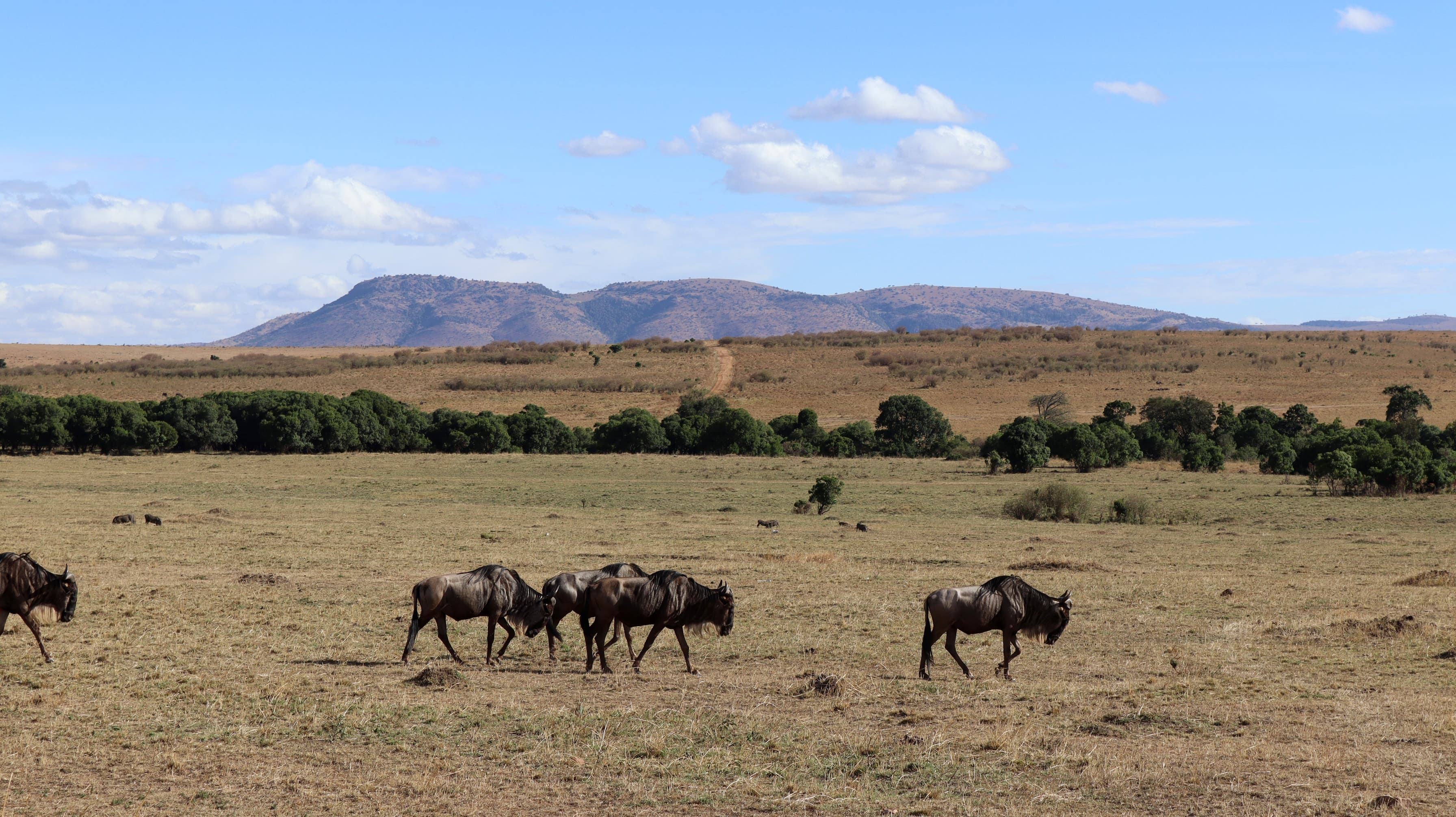
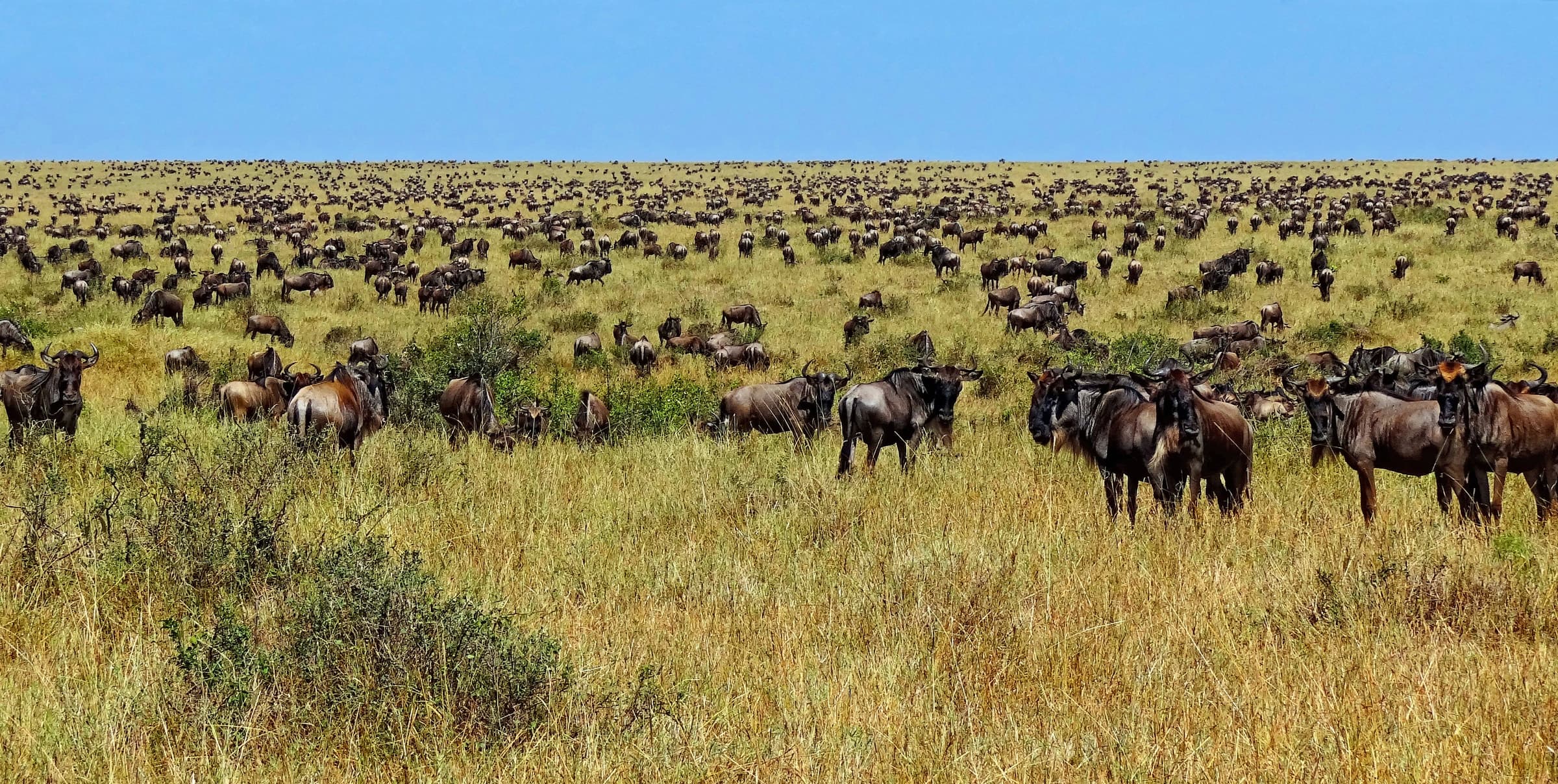
The Great Migration is the year-round movement of very large herds of grazing animals, led by wildebeest, across the plains of northern Tanzania and south-western Kenya. Tanzania National Parks (TANAPA) calls it the world’s largest terrestrial mammal migration, and says Serengeti National Park, established in 1951, protects the ecosystem that supports it.
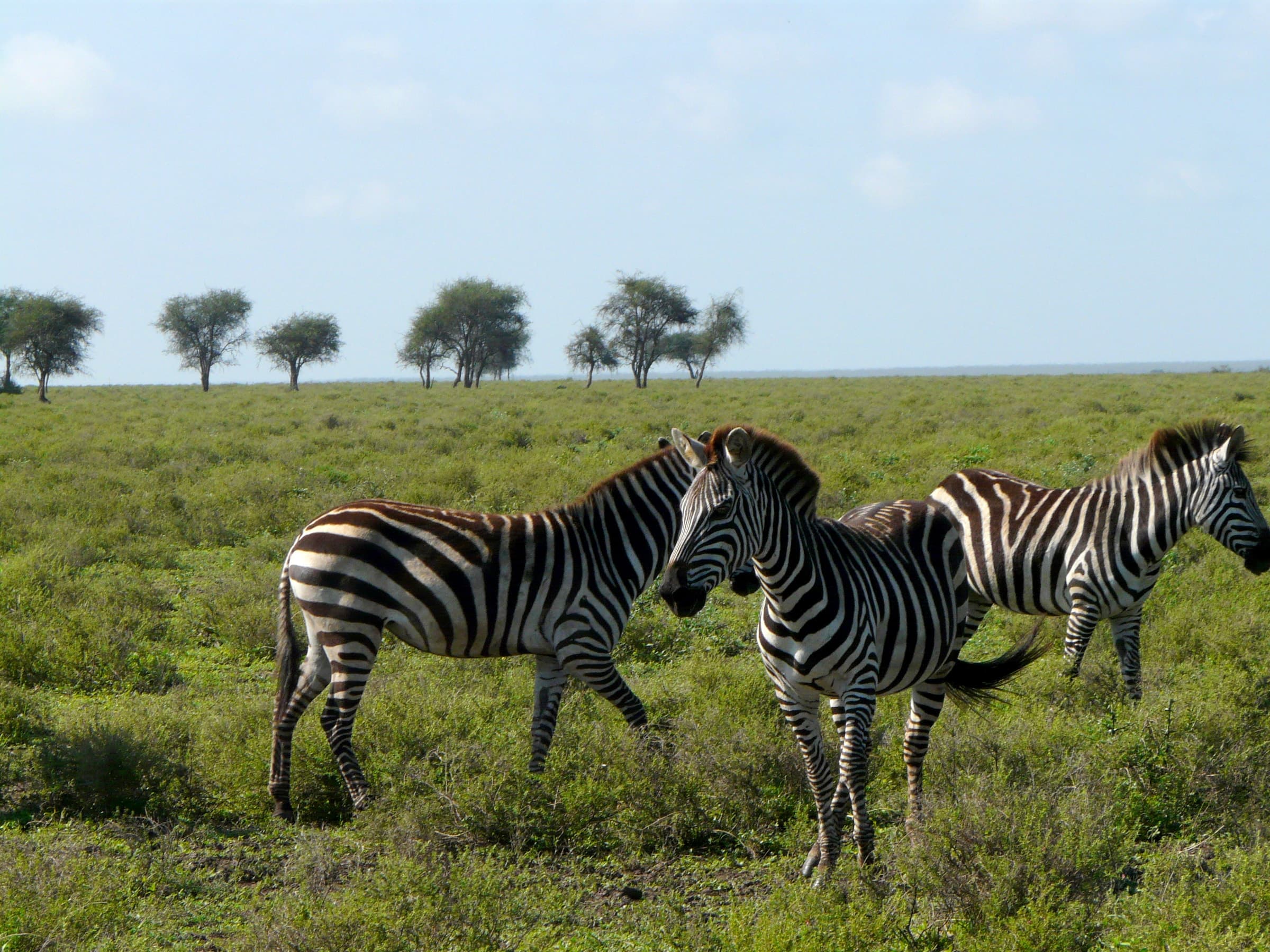
It is not only wildebeest. The Mara Conservancy lists about 1.25 million wildebeest with some 200,000 zebras, 18,000 eland and 500,000 Thomson’s gazelles. TANAPA speaks of more than 1.5 million wildebeest. Both are estimates, and the Conservancy’s figures draw on studies published between 1999 and 2009, so treat any single number with caution. What the sources agree on is the scale.
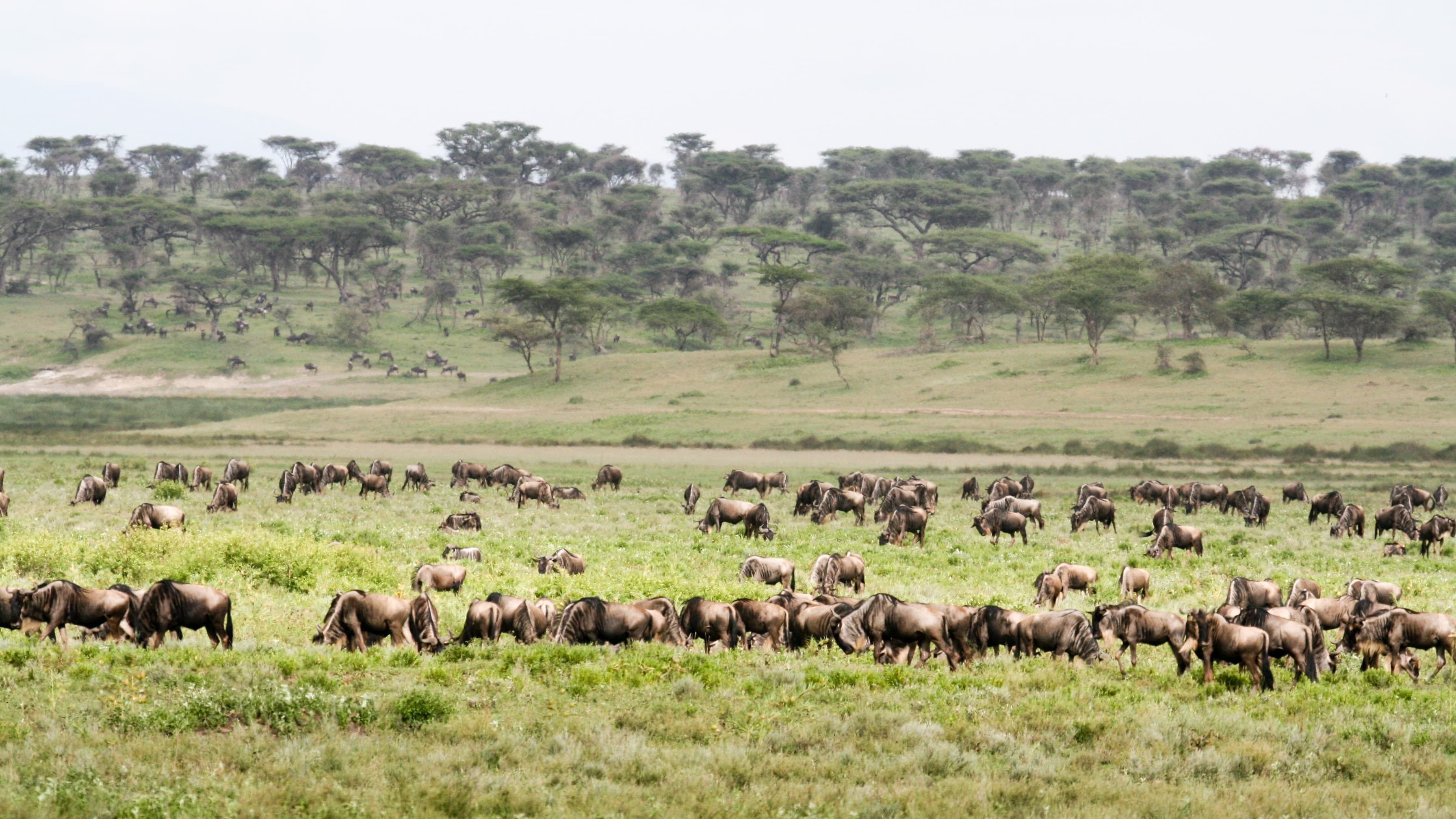
The spectacle is not one river crossing. It is a whole landscape filled with animals.
The Mara Conservancy makes the same point: many visitors want only the river crossings, but the real spectacle is the herds filling the landscape as their columns move across valleys and hills.
One ecosystem, two countries
There is a border on the map, but the herds do not stop at it. The migratory herds the Mara Conservancy describes are the Serengeti’s wildebeest, which spill over into Kenya’s Maasai Mara for part of the year. TANAPA’s own history of the Serengeti records that Kenya established the Maasai Mara National Reserve in 1961.
The Conservancy also explains how the modern migration came about. Before the 1970s, outbreaks of rinderpest held the wildebeest to around 250,000 animals. After a widespread vaccination campaign in cattle, the disease disappeared from buffalo and wildebeest too. With that change and more dry-season rain, the population grew, and the migration began reaching the Mara again in the early 1970s.
The year in broad strokes
No authority publishes a fixed timetable for the herds, and neither do we. What the park authorities do describe is a broad pattern. These are their own words for their own areas:
| Months | Where | What the authority says |
|---|---|---|
| End of December to April | Ndutu plains, Ngorongoro Conservation Area (southern Serengeti plains) | The Ngorongoro Conservation Area Authority (NCAA) says this is the best time to visit Ndutu: the herds arrive from the north, and thousands of calves are born there. |
| January–February | The Serengeti ecosystem (TANAPA’s Serengeti page) | TANAPA names these months as the calving season. |
| June–October | The Serengeti ecosystem (TANAPA’s Serengeti page) | TANAPA names the dry season, June to October, as the time for the migration. |
| June or July to November | Maasai Mara, Kenya | The Mara Conservancy says the migration usually starts around June or July and goes on until November. |
The sources we used do not say where the herds are between these periods, and positions shift from year to year, so we do not publish month-by-month locations.
Notice the words the authorities use: “best time”, “usually”, “season”. They describe tendencies, not appointments.
Calving at Ndutu
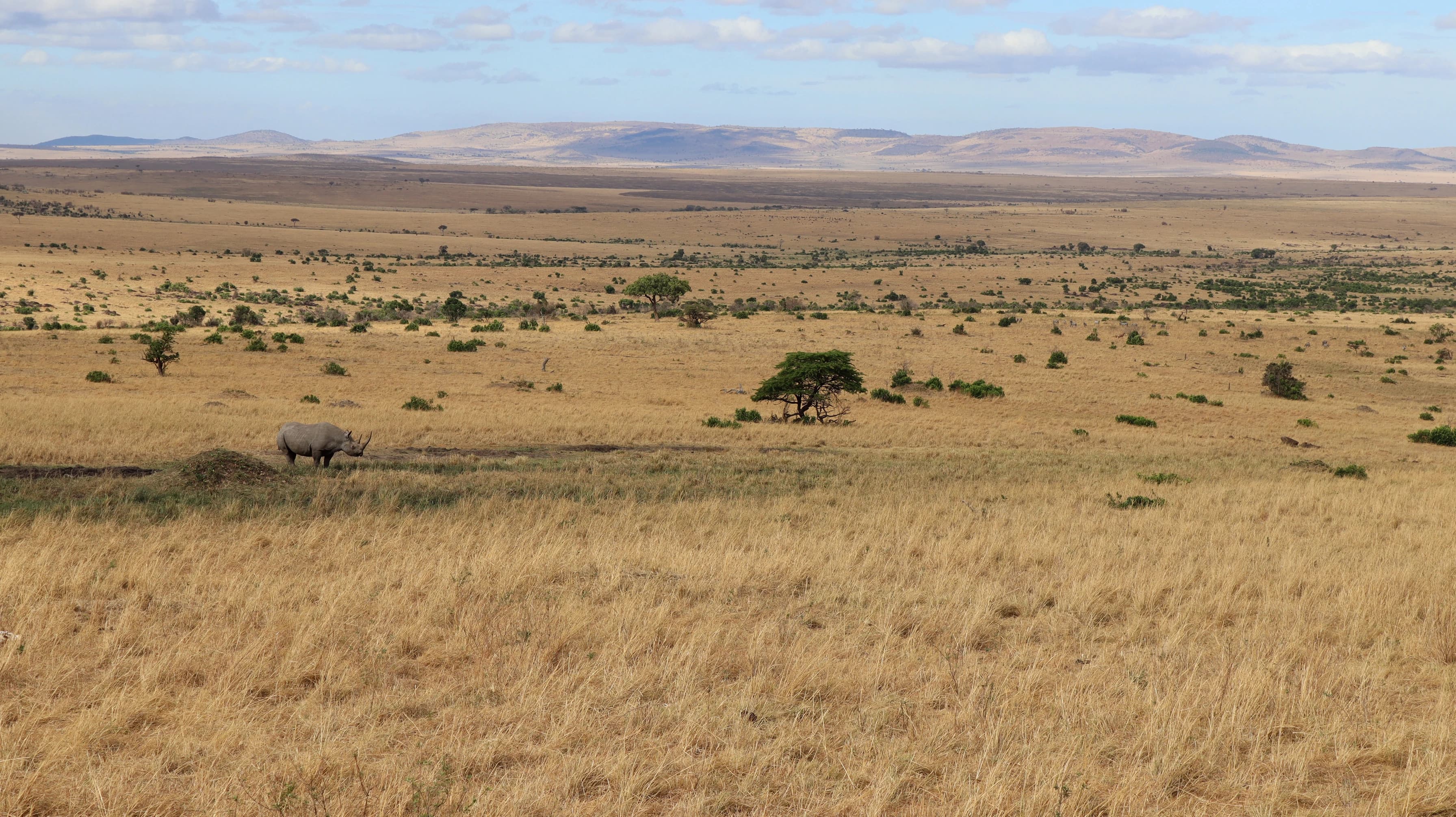
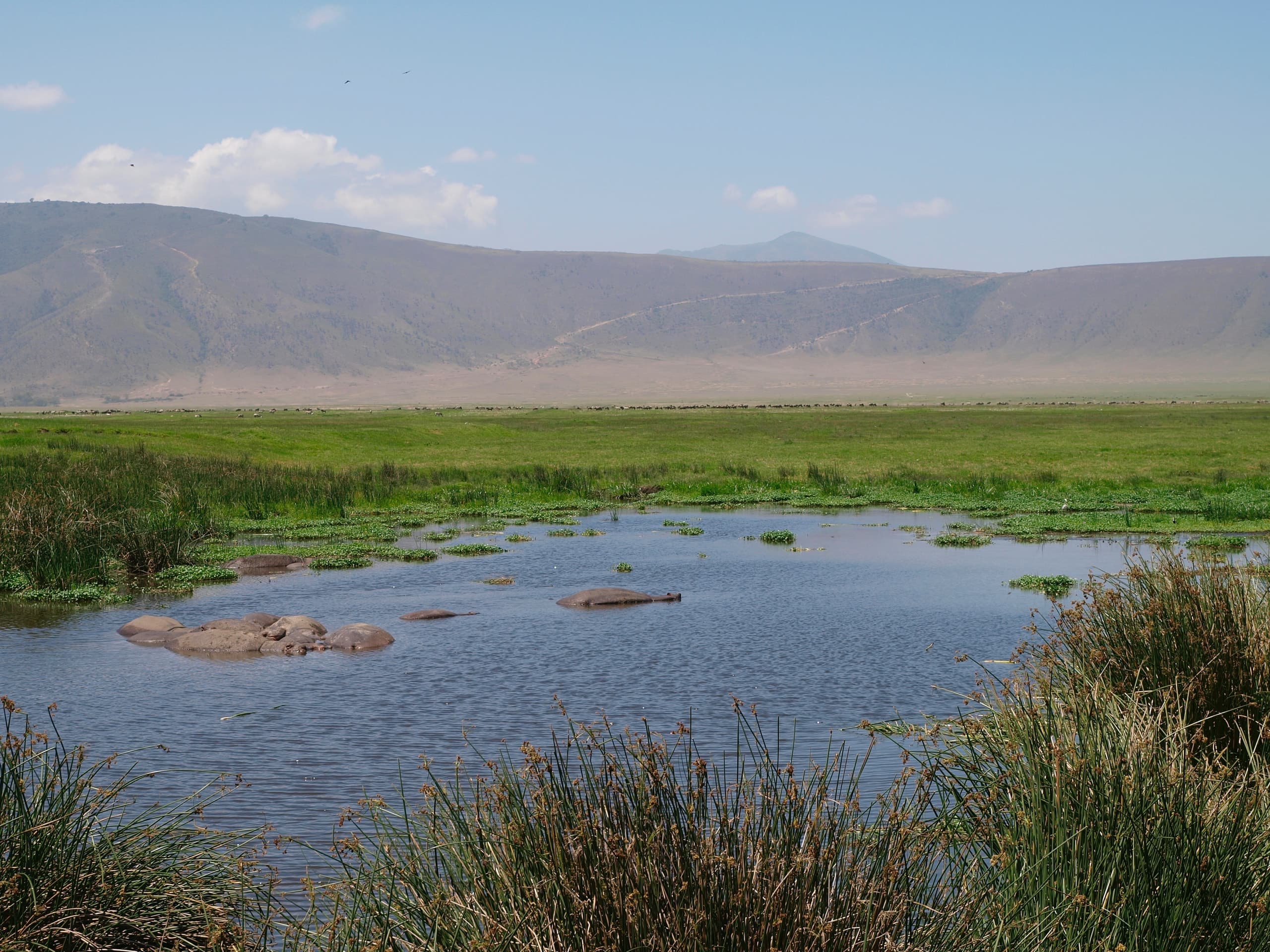
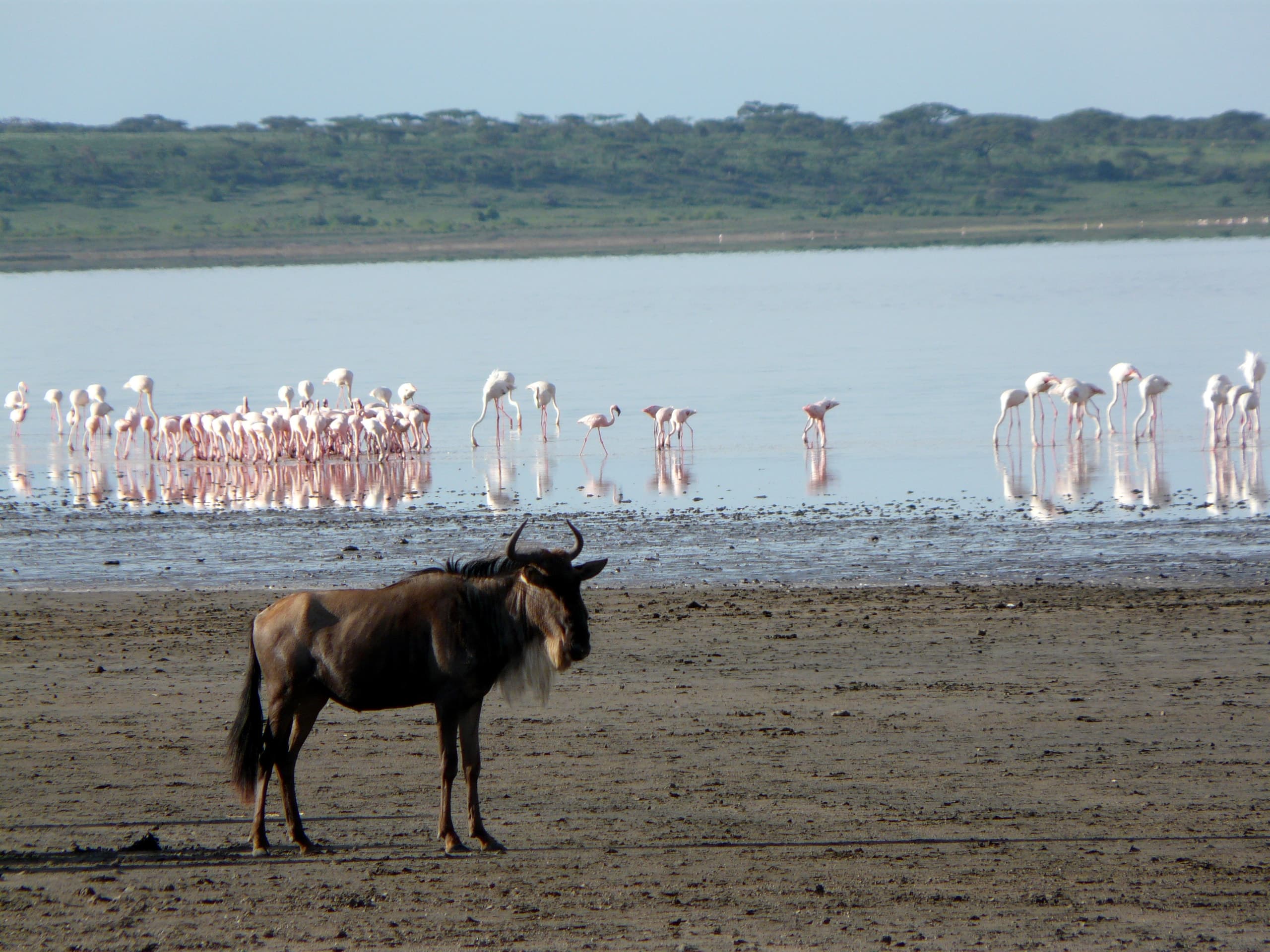
Ndutu lies in the Ngorongoro Conservation Area, on the edge of the southern Serengeti plains. The NCAA describes wide stretches of short grassland, the soda lake Masek, marshes and woodland, which together support both resident and migratory animals. It calls Ndutu a calving ground for the migration.
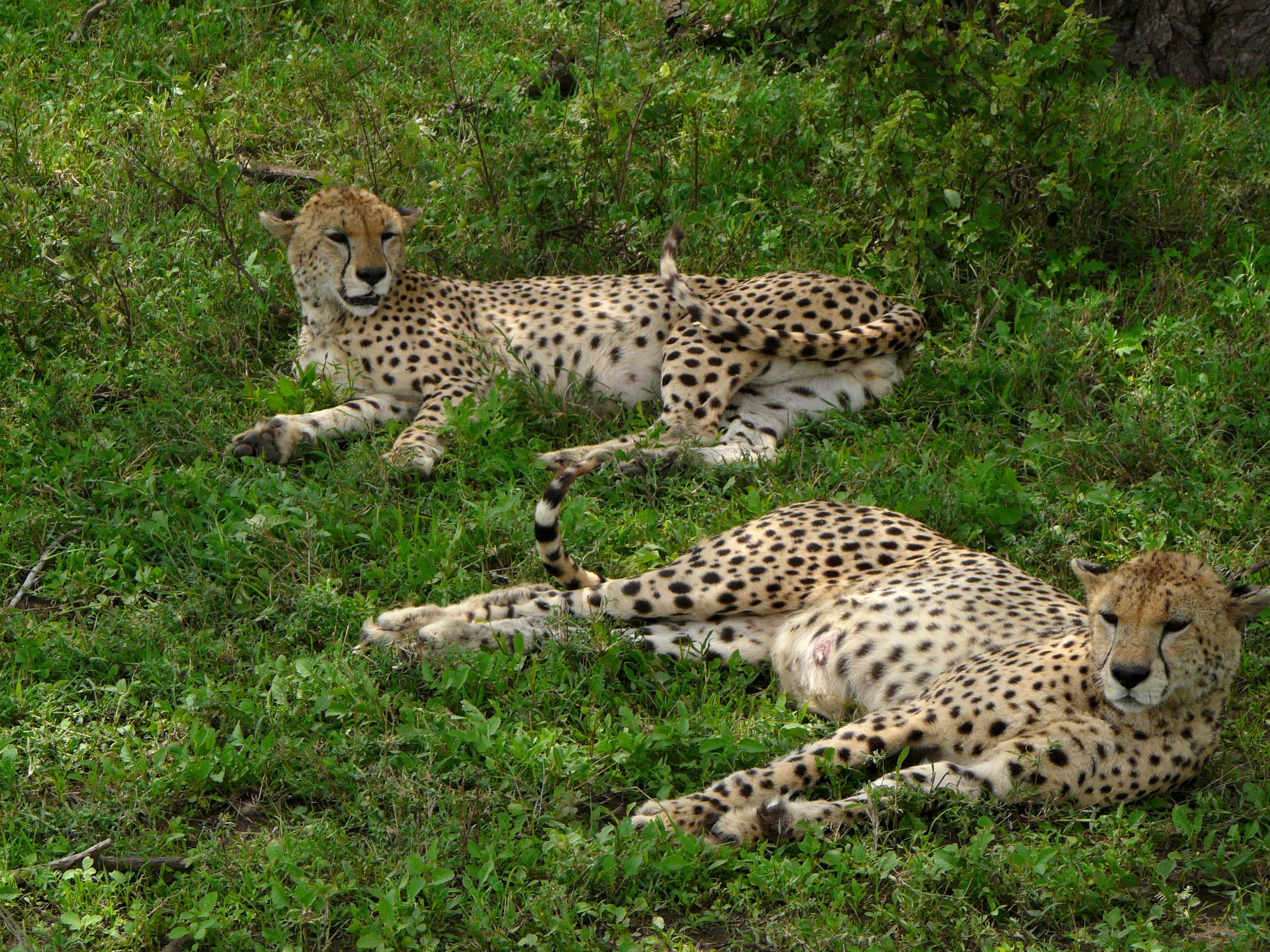
During the calving season thousands of calves are born at Ndutu. Predators live here all year: the NCAA lists lion, cheetah, leopard and hyena among the area’s resident wildlife, along with giraffe, impala, elephant, dik-dik, bat-eared fox, genet, jackal and wildcat. Its plains, marshes, lakes and woodland also attract a great many birds.
River crossings in the Mara
The famous crossings take place where the herds meet the Mara River. The Mara Conservancy says crossings happen frequently during the migration but are difficult to predict. Its advice is that when wildebeest are massing on the riverbank and seem agitated, a crossing is likely.
A crossing may not happen while you are there. The herds spread across the plains are, in the Conservancy’s words, the true spectacle of the migration.
Calving and crossings are not the same trip
It is easy to assume that one safari can show both the calving and the Mara River crossings. They happen at opposite ends of the ecosystem and in different seasons. Calving is on the southern plains around Ndutu, broadly from December to April. The crossings are in the Maasai Mara, broadly from June or July to November.
Calving season
Southern Serengeti plains and Ndutu, in Tanzania. Broadly December to April (NCAA). Newborn calves, and predators close by.
River crossings
The Mara River, in the Maasai Mara, Kenya. Broadly June or July to November (Mara Conservancy). Frequent but unpredictable crossings.
Planning: Kenya, Tanzania or both
Your dates usually decide the country. For the calving season, look at Tanzania. Big Time’s catalogue includes journeys built around Ndutu and calving. For the months the herds are usually in the Mara, look at our Maasai Mara journeys. Most of our Kenya and Tanzania journeys that name their parks visit both the Mara and the Serengeti in one trip. The guide to combining the two countries explains what changes when you cross the border.
| Journey | Length | Comfort | Price per person |
|---|---|---|---|
| 6 Days Great Migration Ndutu Safari | 6 days | Midrange | Price on request |
| 7 Days Ndutu Calving Season, Serengeti & Ngorongoro Midrange Safari | 7 days | Midrange | Price on request |
| 8 Days Great Migration Midrange Safari | 8 days | Midrange | Price on request |
| 3 Days Maasai Mara Lodge Safari | 3 days | Midrange | Price on request |
| 6 Days Maasai Mara, Serengeti & Ngorongoro Budget Safari | 6 days | Budget | Low season: USD 1,325–1,505High season: USD 1,525–1,705 |
Every journey is subject to the season: the herds are not guaranteed in any place on any date.
Why no one can guarantee the herds
The migration is a wild event. The authorities describe usual months and best times, and they differ slightly from one another because they describe different places. Any operator who promises a crossing on a given day, or a particular herd in a particular place, is promising something nobody controls.
- Choose the experience first, calving or the Mara, and let it set the country and the season.
- Aim for the middle of a window rather than its edges, and keep a little flexibility if you can.
- Allow more than one day in the area so you are not relying on a single game drive.
- Treat the migration as a bonus on a safari that is worthwhile anyway: the Mara and Ndutu both have wildlife that does not migrate.
Sources
- Tanzania National Parks: Serengeti National Park (opens in a new tab)
- Tanzania National Parks: About Serengeti National Park (opens in a new tab)
- Mara Conservancy (Mara Triangle, Maasai Mara National Reserve): Wildebeest migration (opens in a new tab)
- Ngorongoro Conservation Area Authority: Ndutu Plains (opens in a new tab)
How this guide was prepared
This guide was researched and drafted with the help of AI tools, working from the official sources listed above and Big Time Safaris’ own catalogue. Its facts were checked against those sources on 15 October 2026, and it was reviewed and approved for publication by the owner of Big Time Safaris on 22 October 2026. It is a planning guide, not a first-hand field report. Seasons, park rules and entry requirements change, so check the latest official information before you travel.