Big Time Field NotesNo. 22When to go
Dry season or green season? Choosing when to go on safari
The dry months concentrate wildlife at water; the green months bring calving, birds and fewer visitors, with muddier roads. Here is what each season means in Kenya, Tanzania and Uganda, from the park authorities’ own descriptions, without promising what the weather will do.
In brief
- In the dry season, wildlife gathers near water and grass is shorter, so animals are easier to find; demand is highest, so book early.
- The green season brings the calving season at Ndutu, good birding and greener landscapes, with muddy roads in places.
- Kenya has two rainy seasons: the long rains of March to May and a second season from October to December.
- Uganda’s parks publish no seasons of their own, but UWA discounts primate permits in April, May and November.
Contents
What “dry” and “green” season mean
“Green season” is a gentler name for the rainy months. In Kenya, the Kenya Meteorological Department describes two rainy seasons: the long rains of March to May, the main rainy season over most of the country, and a second season from October to December. Kenya Wildlife Service treats April to June as its low season, when some park roads may need four-wheel drive, and July to March as its main season.
Tanzania’s rains also vary by region: the Tanzania Meteorological Authority’s outlook for the October to December “Vuli” short rains covers only the parts of the country that have two rainy seasons. Rain is unpredictable from year to year, so treat any season as a pattern, not a forecast, and check current outlooks before you travel.
The dry season
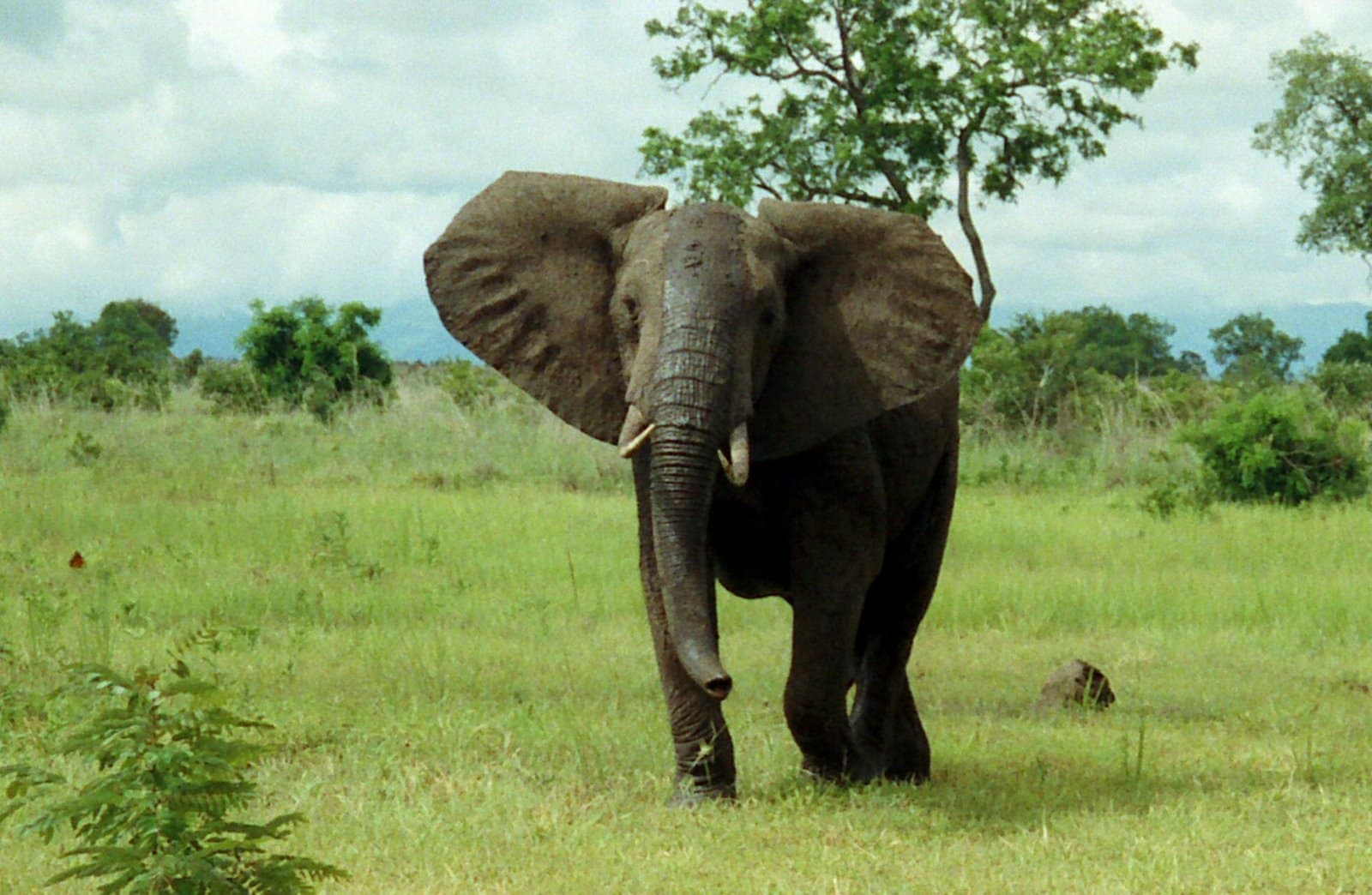
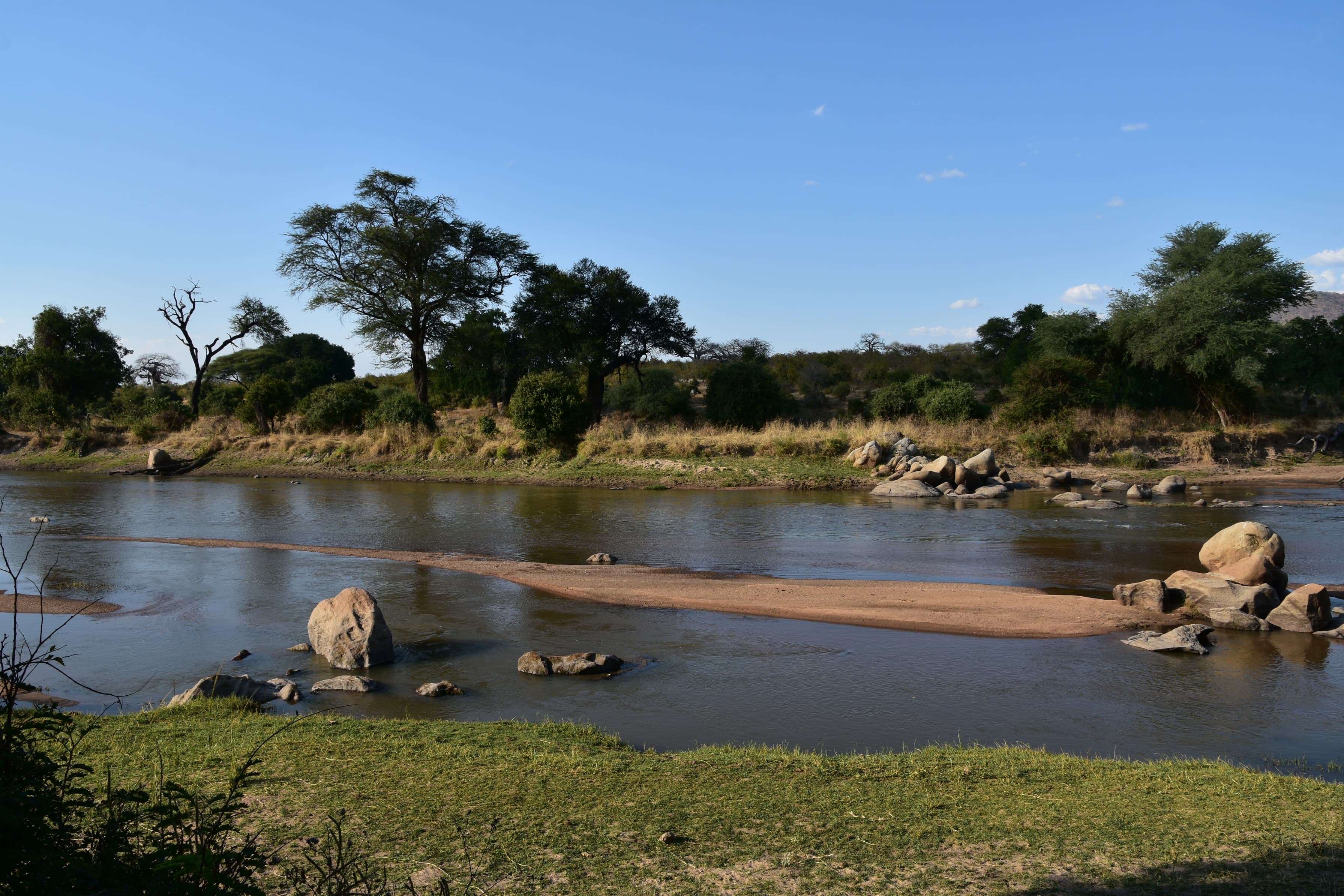
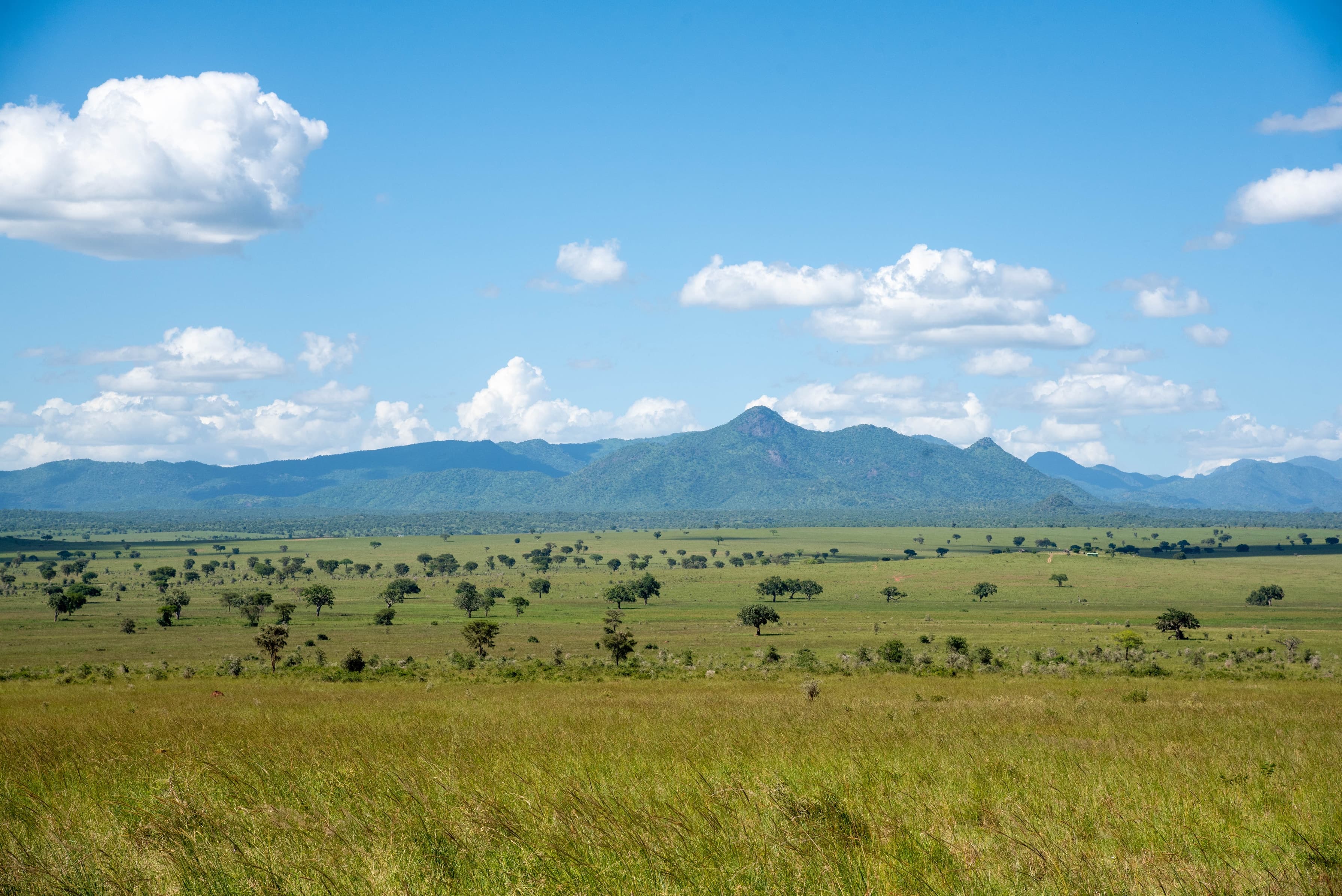
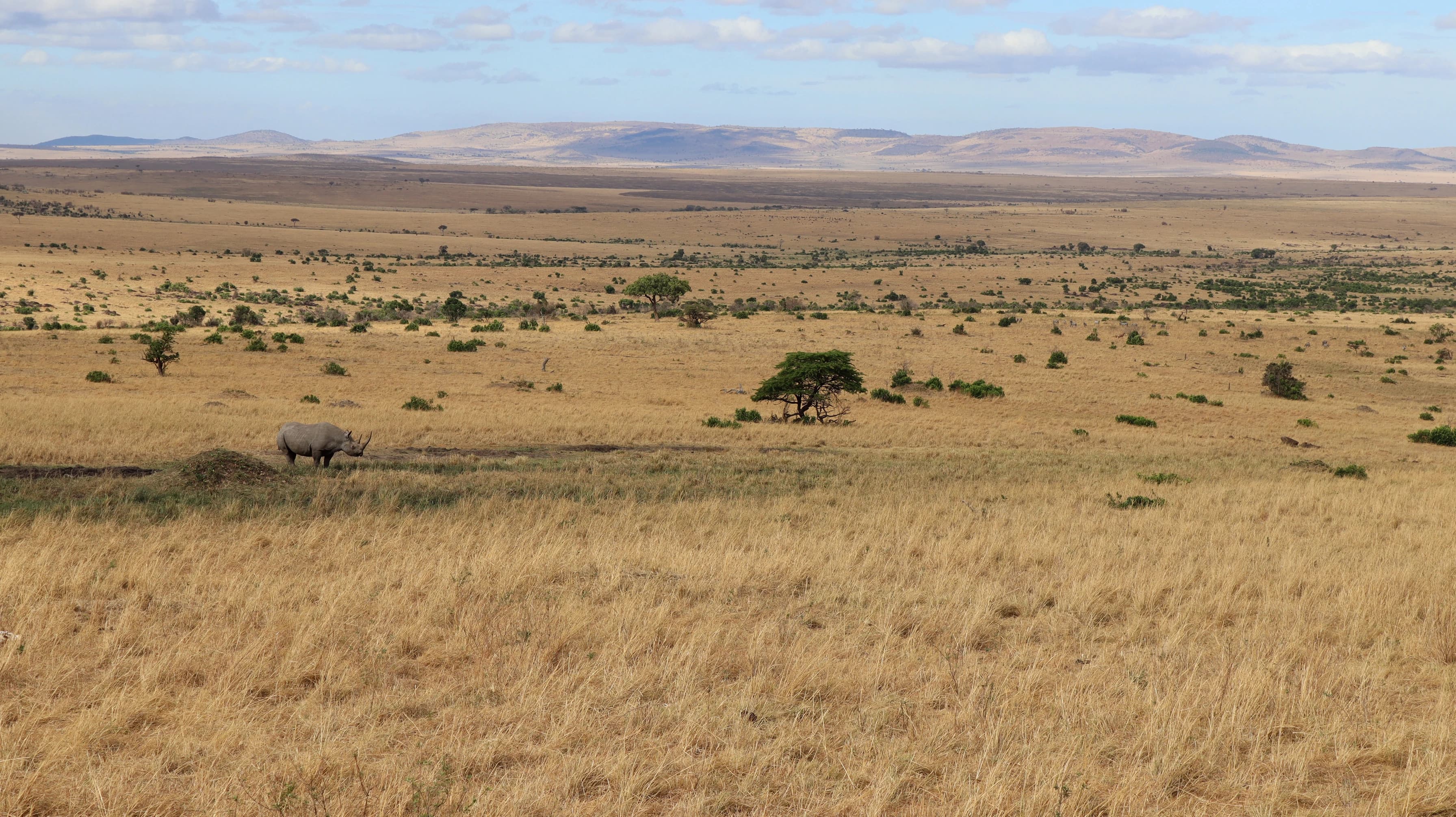
As water dries up, wildlife gathers around what remains. Tanzania National Parks gives June to October as the peak dry season in Tarangire, when elephants are joined by large herds of wildebeest, zebra and buffalo along the river, and as the peak months in Ruaha and Mikumi. In Uganda, the Uganda Wildlife Authority says Kidepo’s Narus Valley is the prime game-viewing area in the dry months.
- Wildlife: concentrated near water; shorter grass makes animals easier to see.
- Roads: generally easier than in the rains.
- Demand: highest. TANAPA advises booking well in advance for Tarangire’s dry season and the Serengeti’s peak migration months.
The green season
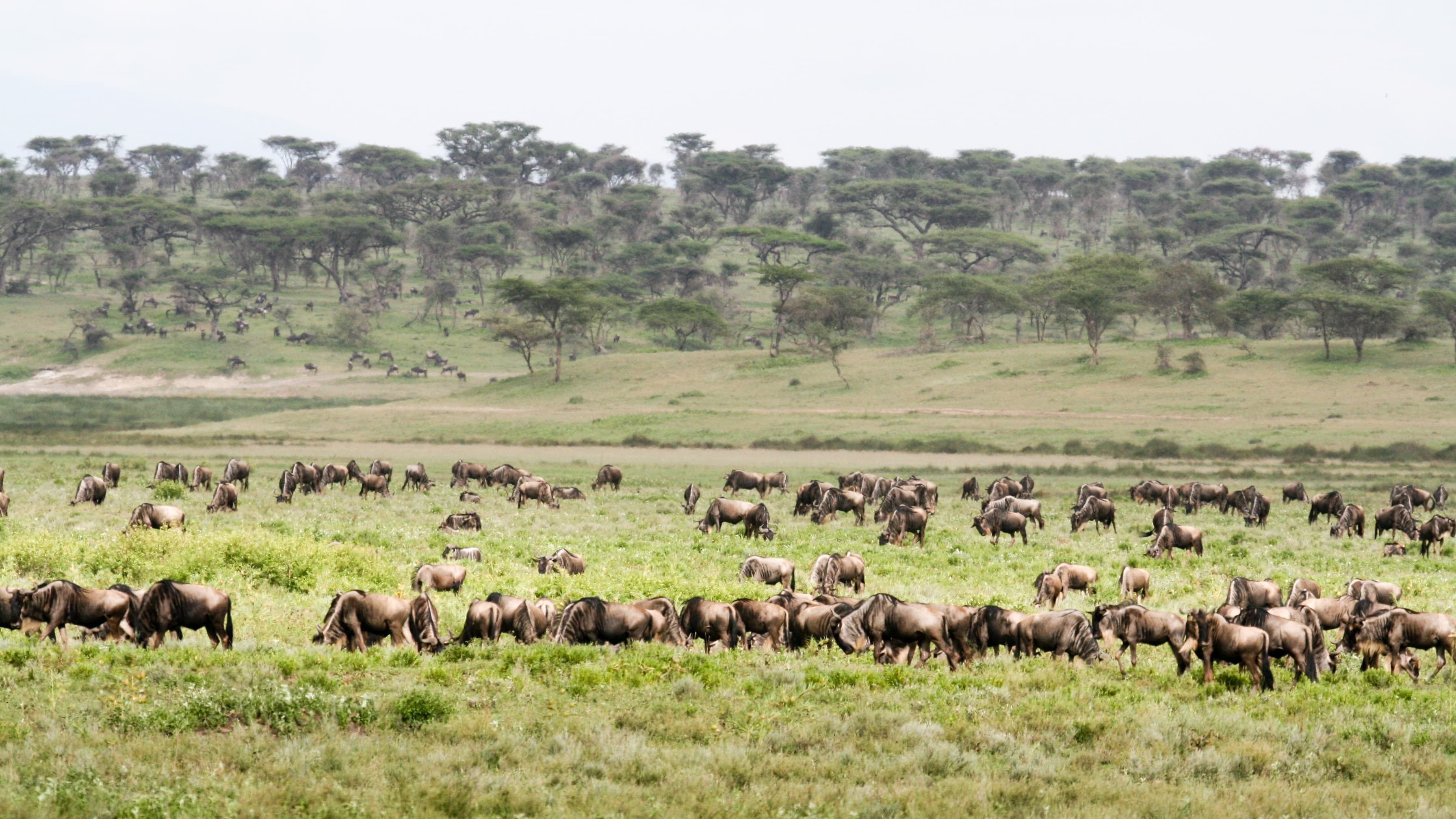
The green season is not one long downpour, and its character changes from park to park. TANAPA describes Tarangire’s wet season as running from November to May, when waterlogged pans and unbridged crossings need care, while Kenya Wildlife Service’s low season is April to June. Plan routes that suit the roads in your month, and allow more time between parks. The rains bring some of East Africa’s most rewarding wildlife events. The Ngorongoro Conservation Area Authority says the migration herds arrive on the Ndutu plains from about the end of December, drawn to the short grass by the seasonal rains, and calve there before moving north in April. Tanzania National Parks says Mikumi’s green season brings dramatic skies and great birding, with seasonal waterbirds on the pans.
- Wildlife: calving at Ndutu; newborn animals; migrant birds.
- Roads: muddy in places. TANAPA recommends four-wheel drive in Tarangire and Ruaha in the wet season, and Kenya Wildlife Service says the same of its parks in the long rains.
- Demand: Kenya Wildlife Service calls April to June its low season; Ndutu’s camps, by contrast, are in demand in calving season.
Kenya’s year in one table
| Months | Weather (Kenya Meteorological Department) | Kenya Wildlife Service season | Maasai Mara herds |
|---|---|---|---|
| January–February | Not described in the statements we used | High season | Usually in Tanzania |
| March–May | The long rains | Low season from April | Usually in Tanzania |
| June–August | Dry over most of Kenya; the coolest months | Low in June, high from July | Usually arriving from around June or July |
| September | Not described in the statements we used | High season | Usually in the Mara |
| October–December | A second major rainy season | High season | Usually in the Mara until about November |
Uganda: no official seasons, but low-season permits
The Uganda Wildlife Authority publishes no seasonal guidance for Bwindi, Kibale, Queen Elizabeth or Murchison Falls, so we do not invent one. What it does publish is a low season for primate permits: since February 2026, discounted gorilla and chimpanzee permits apply in April, May and November, and they cannot be rescheduled. Bwindi is a mist-covered rainforest of steep ridges, so pack for rain whenever you go.
Choosing your season
- Choose the dry season if this is your first safari, you want the best chance of concentrated wildlife, or your route includes Tarangire, Ruaha or Kidepo.
- Choose the green season for the calving season at Ndutu, for birds, for greener photographs or for Uganda’s low-season permits, and accept that some roads will be slower and that a game drive may occasionally be cut short by a storm.
- Either way, book early for peak months, carry a light rain jacket, and ask us how the season affects your particular route, including any roads or airstrips that close in heavy rain.
Remember that seasons vary within a country. Highland and forest parks such as Mount Kenya, the Aberdares and Kakamega are cooler and wetter than the savannah, and a single journey can cross several climates in a week. That is another reason to plan by place as well as by month, and to pack layers whatever the season.
For Kenya in more detail, read the best time to visit Kenya; for the herds, read the Great Migration, explained.
Sources
- Kenya Meteorological Department: Seasonal forecast (March–May “Long Rains”; October–December season) (opens in a new tab)
- Kenya Wildlife Service: What is the weather pattern in Kenya? When is the best time to visit your parks and reserves? (opens in a new tab)
- Tanzania Meteorological Authority: Mwelekeo wa Mvua za Vuli (Oktoba–Desemba), 2026 [October–December “Vuli” rains outlook, in Swahili] (opens in a new tab)
- Tanzania National Parks: Tarangire visitor guide (opens in a new tab)
- Tanzania National Parks: Tarangire National Park (opens in a new tab)
- Tanzania National Parks: Ruaha visitor guide (opens in a new tab)
- Tanzania National Parks: Mikumi National Park (opens in a new tab)
- Tanzania National Parks: Serengeti National Park (opens in a new tab)
- Uganda Wildlife Authority: Kidepo Valley National Park (opens in a new tab)
- Ngorongoro Conservation Area Authority: Ndutu Plains (opens in a new tab)
- Kenya Meteorological Department: Climate outlook for the March–May 2026 “Long Rains” (NCOF12 statement), including the 1991–2020 climatology (opens in a new tab)
- Kenya Meteorological Department: June–July–August 2026 seasonal forecast, including the 1991–2020 rainfall and temperature climatology (opens in a new tab)
- Kenya Meteorological Department: October–November–December 2026 seasonal outlook, including the 1991–2020 rainfall climatology (opens in a new tab)
- Mara Conservancy (Mara Triangle, Maasai Mara National Reserve): Wildebeest migration (opens in a new tab)
- Uganda Wildlife Authority: Notice to stakeholders, 26 February 2026: low-season gorilla and chimpanzee permit rates and revised tariff (opens in a new tab)
- Uganda Wildlife Authority: Bwindi Impenetrable National Park (opens in a new tab)
How this guide was prepared
This guide was researched and drafted with the help of AI tools, working from the official sources listed above and Big Time Safaris’ own catalogue. Its facts were checked against those sources on 20 October 2026, and it was reviewed and approved for publication by the owner of Big Time Safaris on 22 October 2026. It is a planning guide, not a first-hand field report. Seasons, park rules and entry requirements change, so check the latest official information before you travel.