Big Time Field NotesNo. 12Wildlife & migration
Responsible wildlife viewing and safari etiquette
The rules Kenya Wildlife Service, the Mara Conservancy, Tanzania’s park authorities and the Uganda Wildlife Authority ask every visitor to follow, why they exist, and the courtesies that make a game drive better for everyone.
In brief
- Stay in the vehicle except at designated points, and never stand on the roof or sit in the window in the Maasai Mara.
- Kenya Wildlife Service asks visitors to keep at least 20 metres from wildlife; the Uganda Wildlife Authority asks gorilla and chimpanzee trackers to keep 10 metres away.
- Kenyan and Ugandan parks set a 40 km/h speed limit and forbid driving off the tracks; feeding wildlife is forbidden.
- Drones need special permission in the Serengeti, and Kenya Wildlife Service says its national parks are plastic-free.
Contents
Why safari rules matter
Park rules protect animals from stress and people from danger. Kenya Wildlife Service explains that startled animals can react dangerously, which is why it asks visitors to move slowly and quietly. The Mara Conservancy describes the worst case: herds pushed by vehicles at a river have crossed at unsafe banks, and hundreds of animals have died.
Most rules are enforced by rangers and followed by your driver-guide, but they work only when every visitor understands them. If a vehicle is crowding an animal, it is fair to ask your guide to give it more room.
In Kenya’s national parks
- Remain in your vehicle except in designated areas, and keep the doors closed.
- Stay on established roads and trails; do not drive off-road.
- Keep to the 40 km/h speed limit.
- Keep at least 20 metres from wildlife, and give animals right of way.
- Never feed wildlife, and do not hoot or make loud noises.
- Use phones sparingly, and respect the animals’ privacy.
- Enter and leave between 6 am and 6 pm unless you are staying overnight in the park.
Kenya Wildlife Service also says its national parks are plastic-free, so leave single-use plastics behind and bring a refillable bottle. Rules can differ between parks, so your guide’s briefing for each park is worth listening to.
In the Maasai Mara
The Mara Conservancy’s rules are short and firm: in the reserve you may leave the vehicle only at designated points, and standing on the roof or sitting in the window to photograph is not allowed. At a river crossing, stay quiet and well back from the crossing point, and never block moving herds.
The best crossing photographs are taken by people who waited quietly, not by those who drove closest.
In Tanzania’s parks and the Ngorongoro Crater
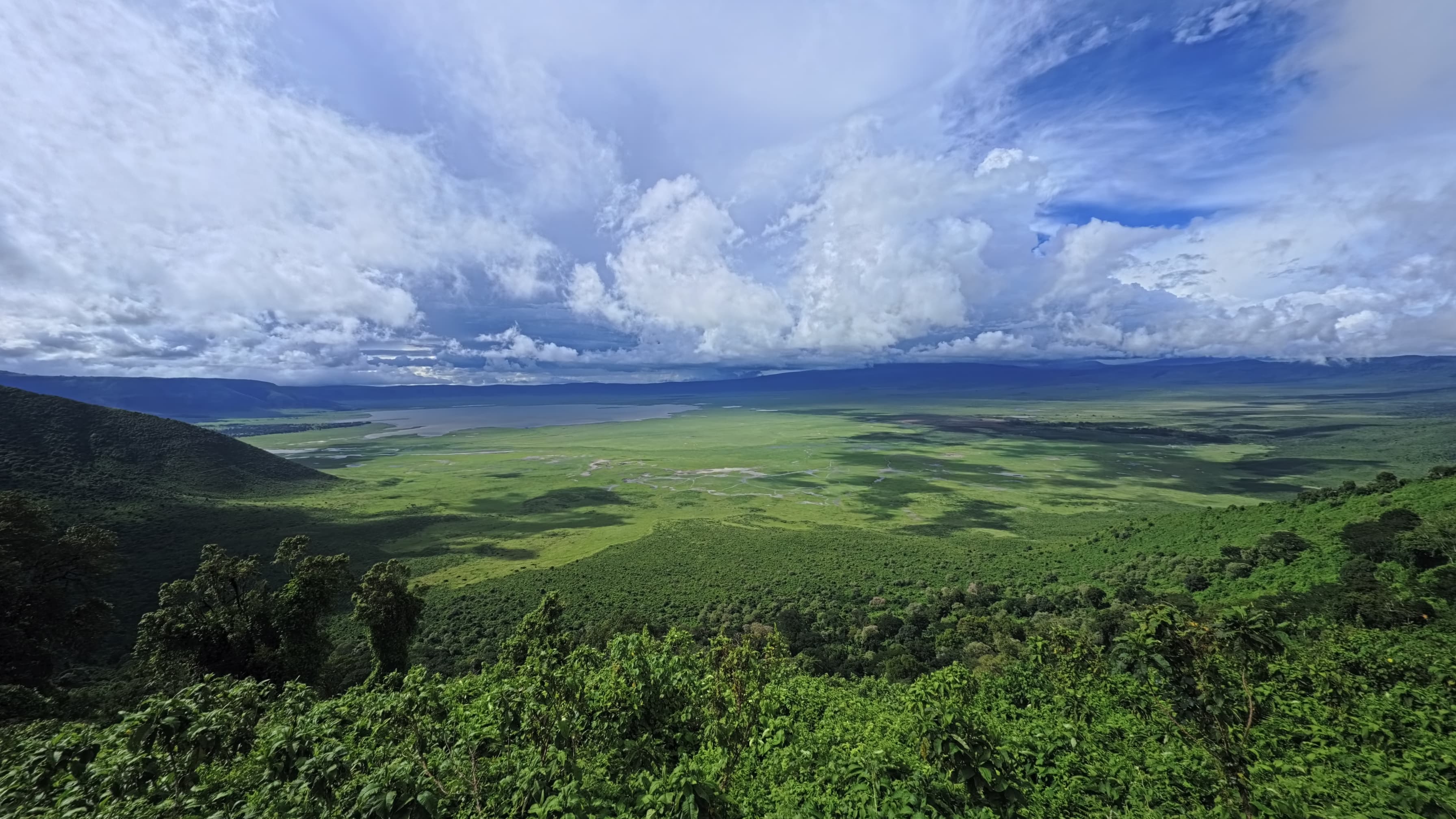
Tanzania National Parks forbids feeding wildlife in the Serengeti and prohibits drones without special permission, and its guides must be certified. In the Ngorongoro Crater only four-wheel-drive vehicles may enter, and walking safaris are not allowed on the crater floor. TANAPA’s Ruaha guidance is a good summary for every park: the wildlife is truly wild, so keep a safe distance.
In Uganda’s parks, and with gorillas and chimpanzees
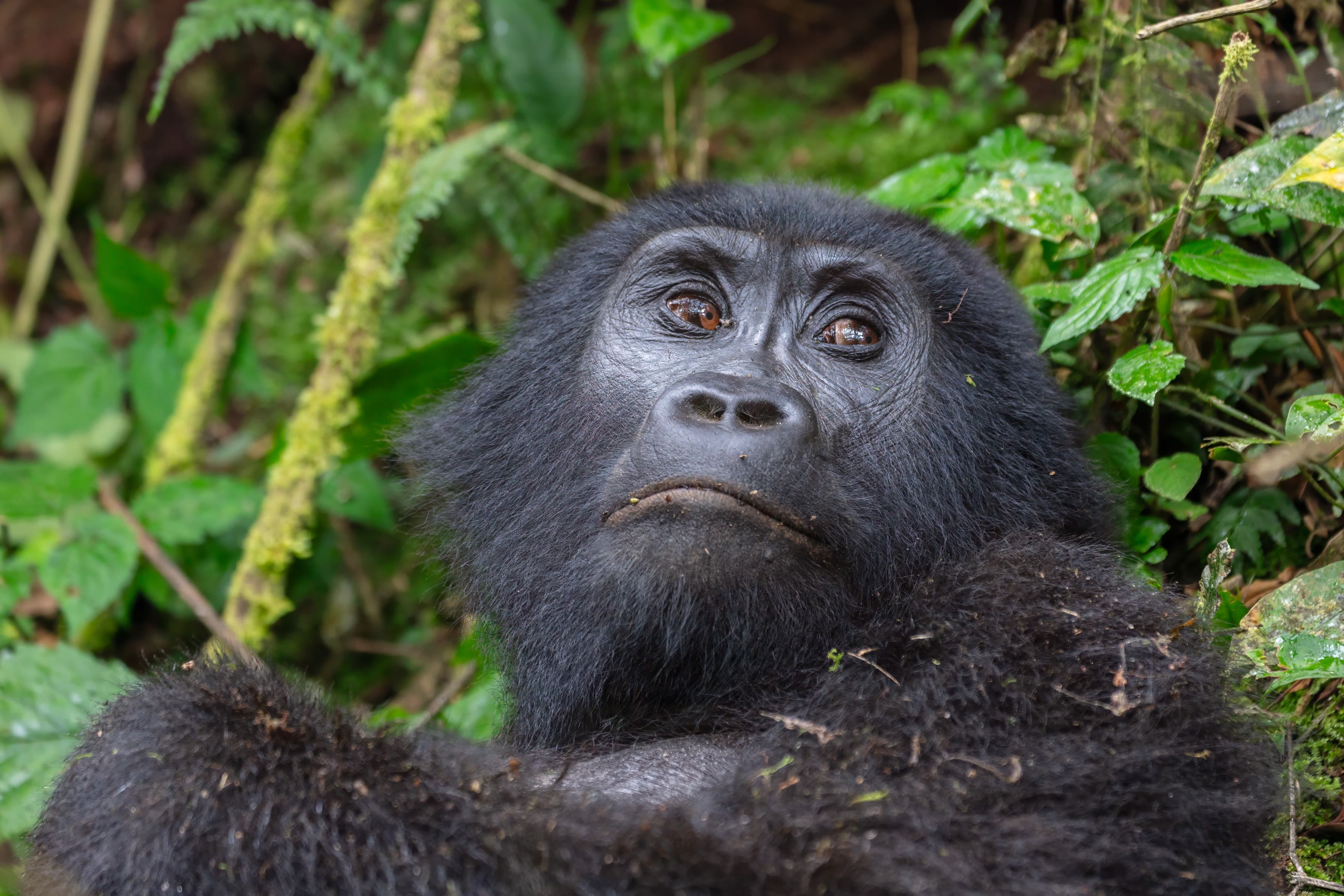
The Uganda Wildlife Authority’s park rules forbid driving off the tracks, sounding horns at wildlife, bringing pets, littering and picking flowers, set a 40 km/h speed limit, and open park gates from 7 am to 7 pm. Its primate rules go further, because gorillas and chimpanzees can catch human illnesses.
- Do not track if you have a cold or other infectious illness.
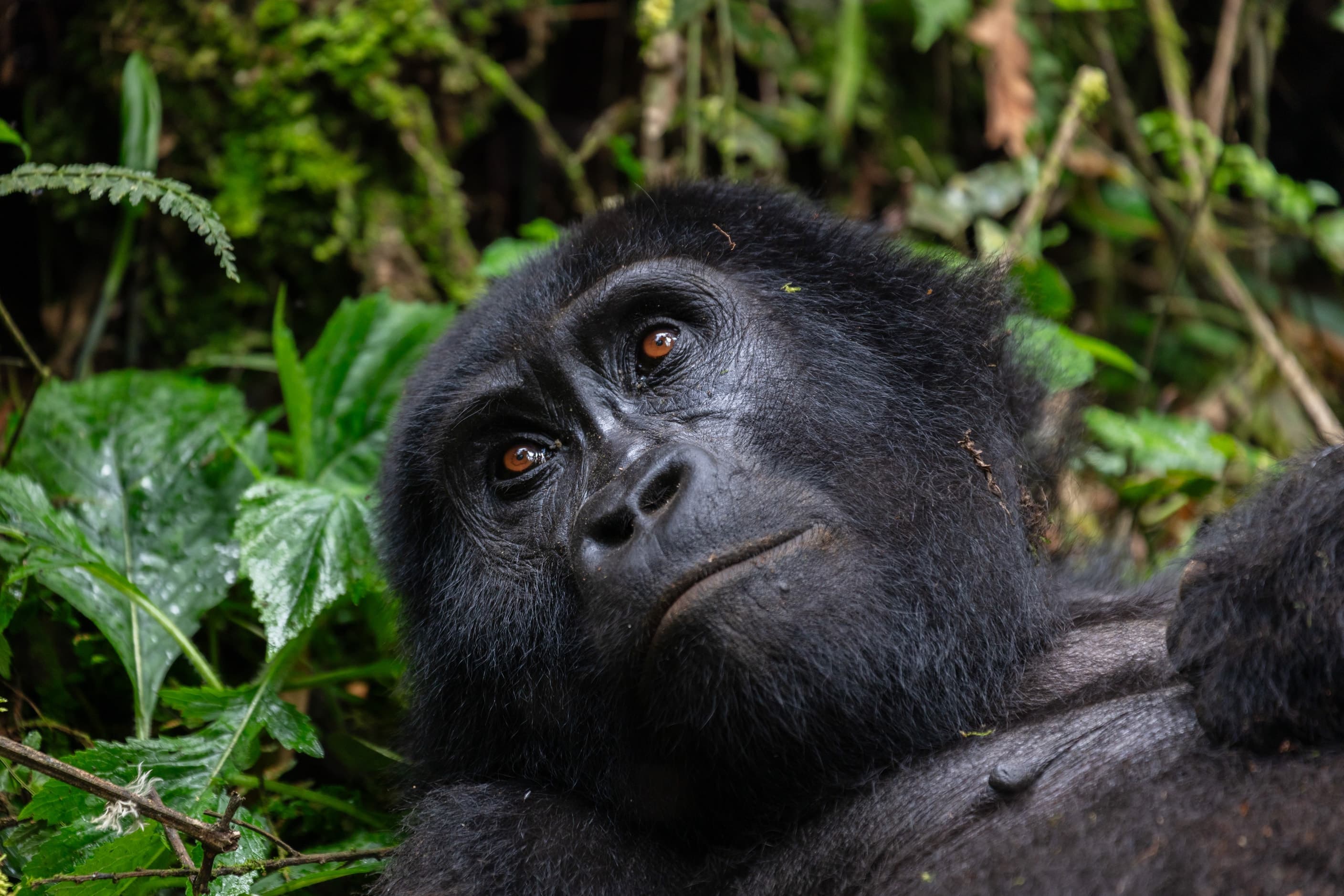
- Keep 10 metres from the animals, and limit the visit to one hour.
- Do not smoke, eat or drink near them, and do not use flash photography.
- Cover your face and turn away if you must cough or sneeze.
- Keep as quiet as possible, do not chase chimpanzees or mimic their calls, and bury human waste 30 cm deep.
Our gorilla and chimpanzee trekking guide explains age limits and how a trek works.
Photography etiquette
- Let the animal set the distance. If it changes what it is doing because of you, you are too close.
- Keep your voice low and switch off camera sounds where you can.
- Share the best position in the vehicle, and agree with your companions how long to stay at a sighting.
- Ask before photographing people, including in villages and markets, and respect a refusal.
Our safari photography guide has more practical advice on light, lenses and patience.
Safari etiquette questions, answered
Can I get out of the vehicle to take a photo?
Only at designated points. Kenya Wildlife Service and the Mara Conservancy both ask visitors to stay in the vehicle elsewhere.
Can I fly a drone on safari?
Not without permission. Tanzania National Parks prohibits drones in the Serengeti without special permission; ask before taking one anywhere.
How close can we get to animals?
Kenya Wildlife Service asks for at least 20 metres from wildlife; give animals right of way and never block their path.
Respecting the people who share the land
Wildlife in East Africa lives alongside people. Around the Maasai Mara, the Maasai Mara Wildlife Conservancies Association says its 24 member conservancies cover about 450,000 acres and bring together more than 15,000 landowners, who receive lease fees through partnerships with tourism businesses. Visitors who stay in or pay fees to such areas are part of that arrangement.
- Ask before photographing anyone, and respect a refusal.
- Buy crafts from the people who make them where you can, and agree a price before you buy.
- Dress modestly in villages and towns, and follow your guide’s lead on greetings.
- Take your litter away with you, including from roadside stops.
Sources
- Kenya Wildlife Service: Amboseli National Park (opens in a new tab)
- Mara Conservancy (Mara Triangle, Maasai Mara National Reserve): Wildebeest migration (opens in a new tab)
- Kenya Wildlife Service: Lake Nakuru National Park (opens in a new tab)
- Tanzania National Parks: Serengeti visitor guide (opens in a new tab)
- Ngorongoro Conservation Area Authority: Ngorongoro Crater (opens in a new tab)
- Tanzania National Parks: Ruaha National Park (opens in a new tab)
- Uganda Wildlife Authority: Conservation tariff July 2024 – June 2026, with park, gorilla and chimpanzee tracking rules (re-published on UWA’s website on 12 October 2026) (opens in a new tab)
- Maasai Mara Wildlife Conservancies Association: About the Mara conservancies (opens in a new tab)
How this guide was prepared
This guide was researched and drafted with the help of AI tools, working from the official sources listed above and Big Time Safaris’ own catalogue. Its facts were checked against those sources on 20 October 2026, and it was reviewed and approved for publication by the owner of Big Time Safaris on 22 October 2026. It is a planning guide, not a first-hand field report. Seasons, park rules and entry requirements change, so check the latest official information before you travel.