Big Time Field NotesNo. 14Your first safari
Safari photography: light, lenses and patience
Practical advice for better wildlife photographs in Kenya, Tanzania and Uganda: when the light is best, what to pack, how to work from a vehicle, and the park rules that apply to cameras and drones.
In brief
- The best light is early and late; plan longer drives at the start and end of the day.
- A zoom lens of around 100–400 mm covers most wildlife, with a wider lens for landscapes.
- In the Maasai Mara you may not stand on the roof or sit in the window to photograph.
- Drones are prohibited in the Serengeti without special permission, and flash is not allowed with gorillas or chimpanzees.
Contents
When is the best light for safari photography?
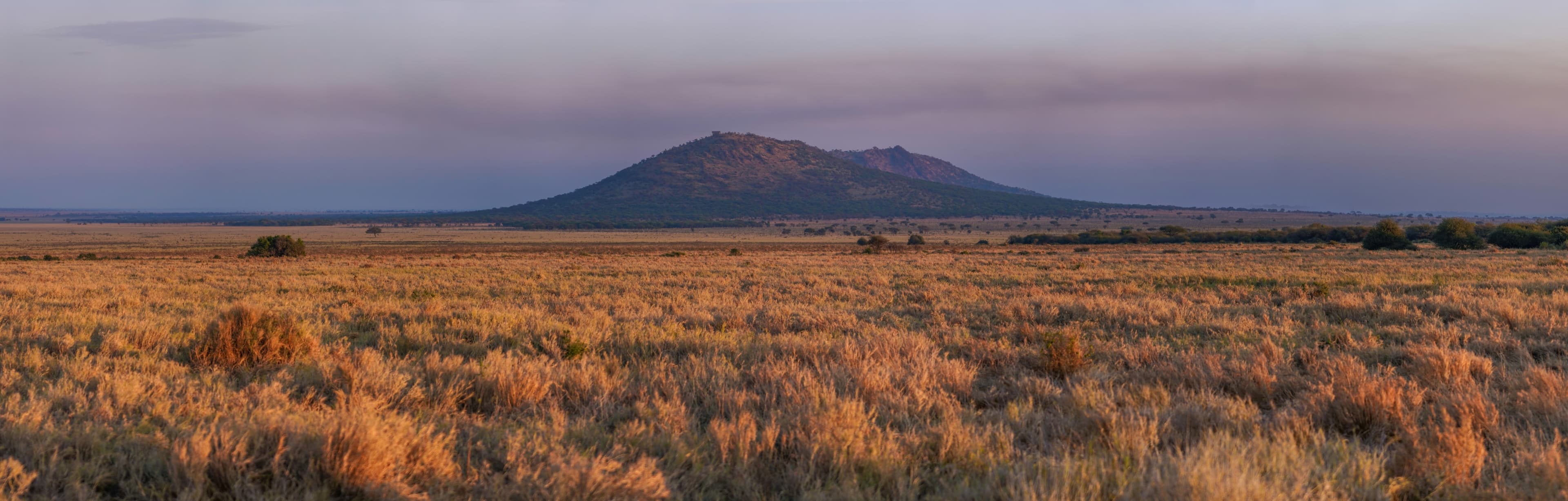
Early morning and late afternoon. Low sun gives warm colour, long shadows and texture in fur and grass, and many animals are more active then. Our approved 4 Days Maasai Mara Photography Luxury Safari is built around exactly this: long drives at the start and end of the day when the sun is low, and a rest in the middle when the light is harsh.
Midday is not wasted. Use it for close portraits in shade, birds near water, or to review and back up your images. Overcast days give soft, even light that suits forest and close subjects.
What camera kit should I bring on safari?
| Item | Why |
|---|---|
| A telephoto zoom of around 100–400 mm (or similar) | Covers most mammals from a vehicle without changing lenses. |
| A wider zoom, around 24–70 mm | Landscapes, camp, people and animals close to the vehicle. |
| A bean bag or small cushion | A steady rest on the vehicle frame or window sill. |
| Spare batteries and memory cards | Charging may be limited; ask about it for each stay. |
| A dust cover or bag and a soft cloth | Dry-season roads are dusty, and changing lenses in a vehicle lets dust in. |
| Binoculars | To find and watch animals before you raise the camera. |
A modern phone takes good landscape and camp pictures; distant wildlife is where a longer lens helps most.
If you are buying or hiring a lens for the trip, practise with it at home first: learn to change settings without looking, and to follow a moving subject smoothly. On safari, a sighting can be over in seconds, and familiarity with your camera matters more than its price.
Working from a safari vehicle
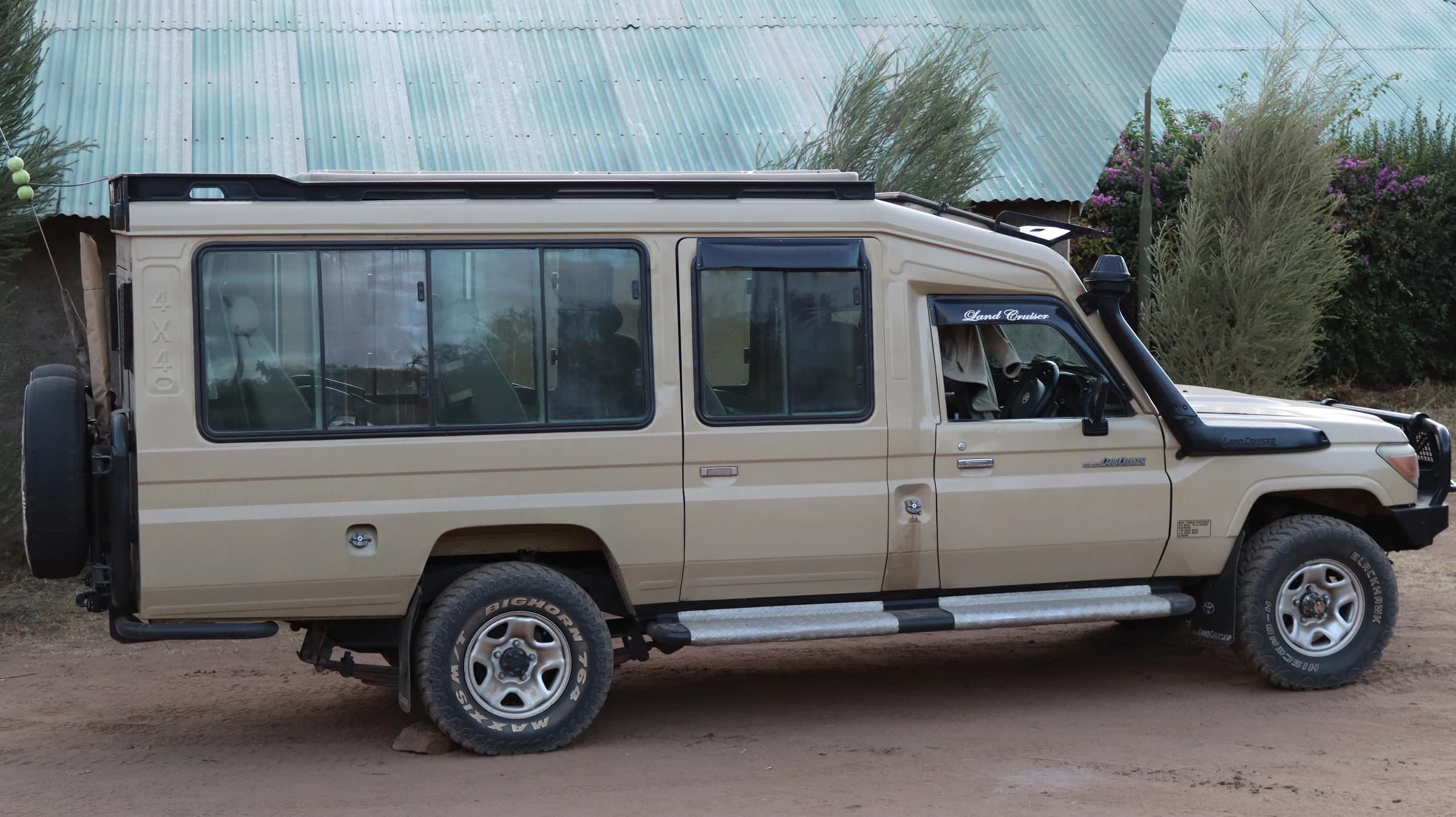
Most safari photography happens from the vehicle, and the rules shape how. In the Maasai Mara, the Mara Conservancy allows visitors out only at designated points and does not allow standing on the roof or sitting in the window to photograph. Kenya Wildlife Service asks visitors to stay in their vehicles except in designated areas and to keep at least 20 metres from wildlife.
- Ask your guide to position the vehicle for the light before the action starts, rather than moving during it.
- Turn the engine off when you can, to stop vibration.
- Shoot at a fast shutter speed for movement, and keep shooting as an animal settles.
- Take turns at the best window, and agree with companions how long to stay.
Patience, and photographing a river crossing
The Mara Conservancy says crossings are frequent in migration season but hard to predict, and that the herds themselves are the spectacle. For photographers that means waiting quietly, well back from the crossing point, and never blocking moving herds: the Conservancy reports that herds pushed by vehicles have crossed at unsafe banks, and hundreds of animals have died.
A good safari photograph is usually the reward for staying with one scene a little longer than seemed necessary.
Drones, flash and primates
Tanzania National Parks prohibits drones in the Serengeti without special permission, so leave a drone at home unless you have that permission in writing. With gorillas and chimpanzees, the Uganda Wildlife Authority does not allow flash photography, and visits last one hour; a fast lens or a high ISO setting matters more than reach in the forest. Tanzania National Parks says it welcomes filming and photography in Lake Manyara National Park; ask about the rules for any park before you film.
Photographing people
Always ask before photographing someone, including in villages and markets, and accept a refusal gracefully. If you visit a community, your guide can explain what is welcome. Our responsible wildlife viewing guide covers the wider etiquette.
Camera settings and technique
- Use a fast shutter speed for movement, around 1/1000 s or faster for running animals and birds in flight.
- Set continuous autofocus and burst mode, so you capture the moment an animal turns or looks up.
- Focus on the eyes. A sharp eye makes a portrait, even when the rest of the frame is soft.
- Let the background breathe: a simple background makes the animal stand out, so watch what is behind it.
- Leave space in the frame in the direction an animal is moving or looking.
- Back up your memory cards each evening, to a laptop, a portable drive or the cloud when there is signal.
Do not spend the whole safari behind the camera. Put it down for some sightings and simply watch: the best photographs often come once you understand what an animal is about to do.
Where to photograph what
| Subject | Where | As described by |
|---|---|---|
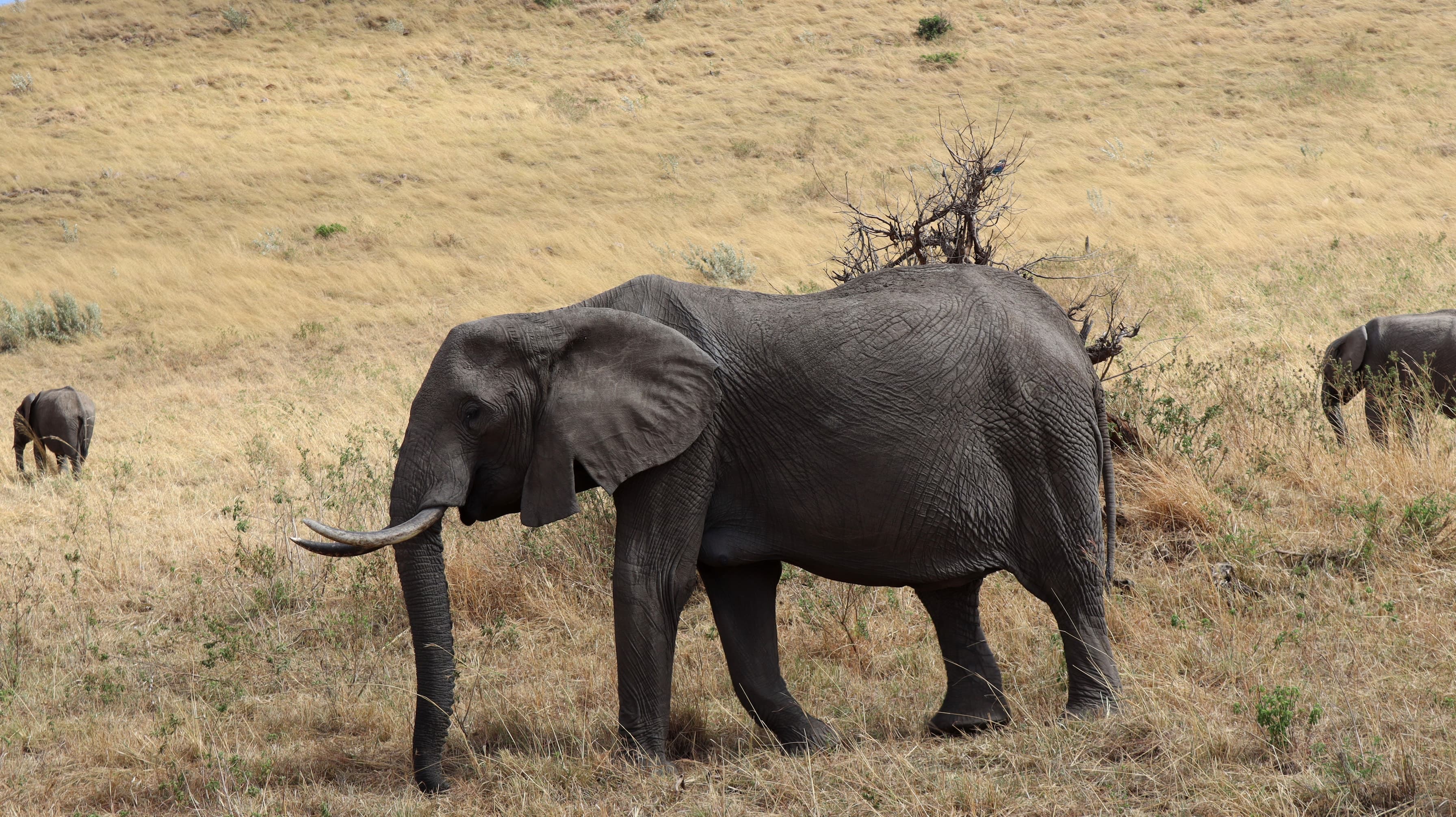
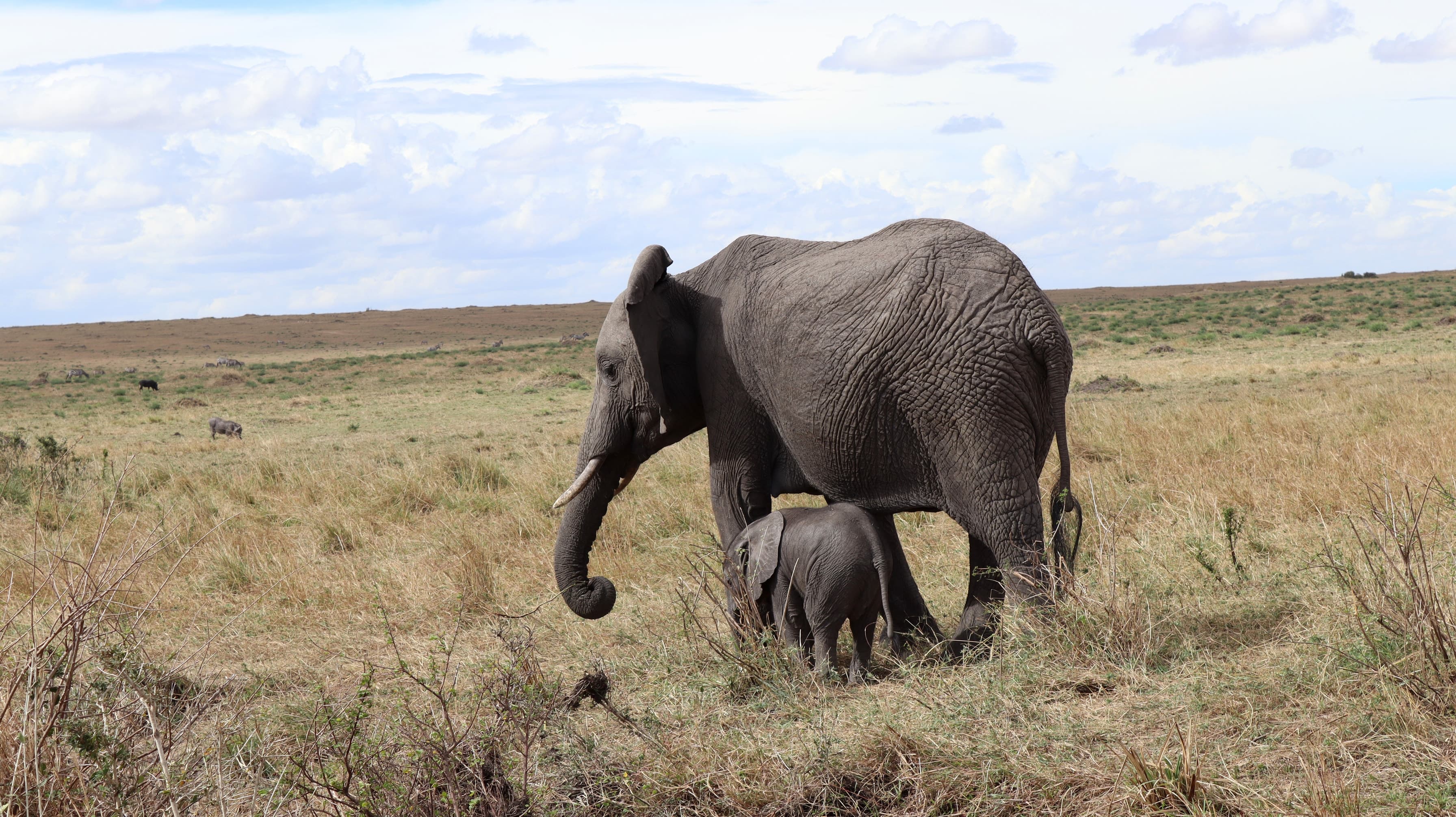
| Elephants with a mountain behind them | Amboseli, beneath Kilimanjaro | Kenya Wildlife Service |
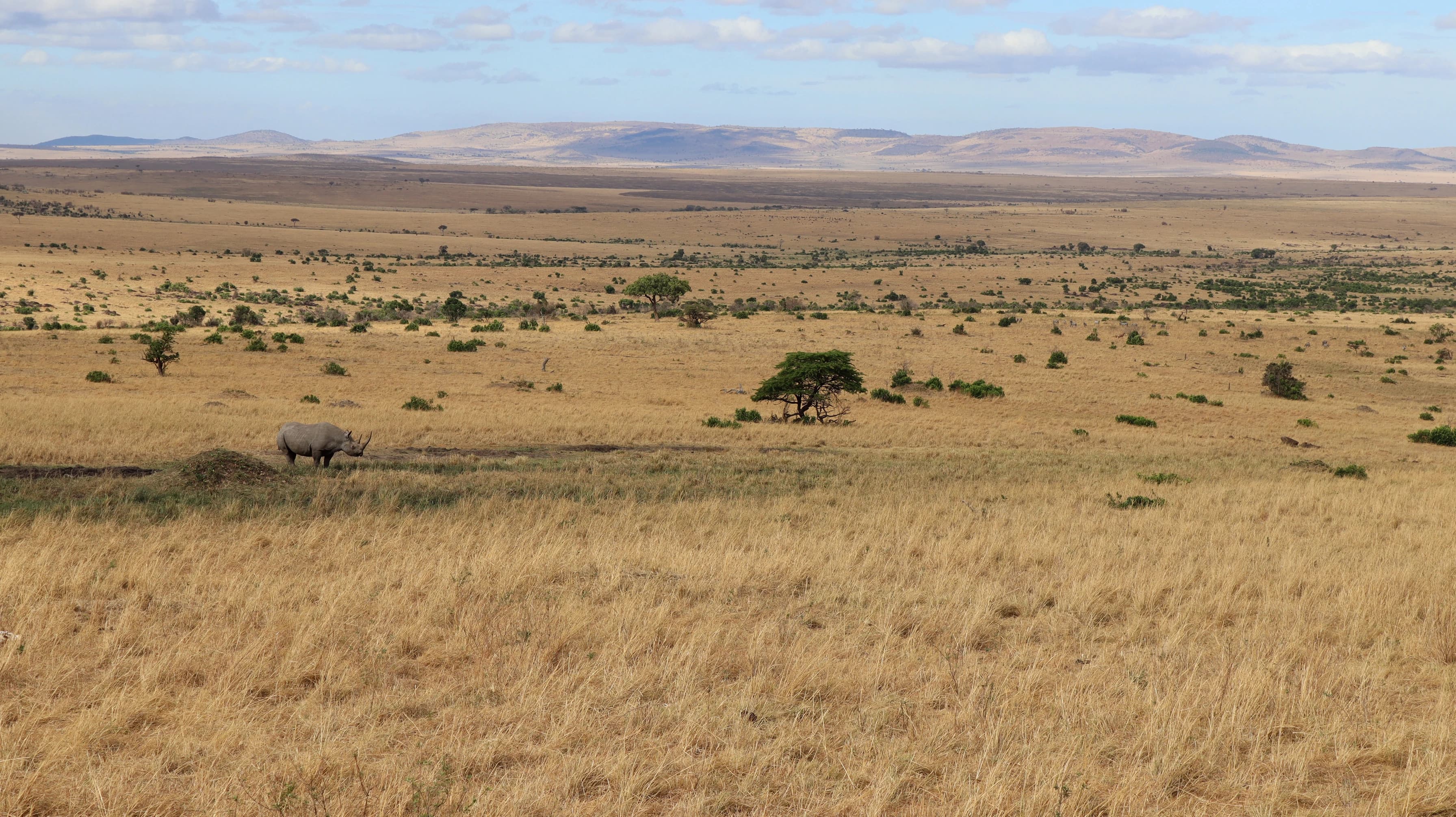
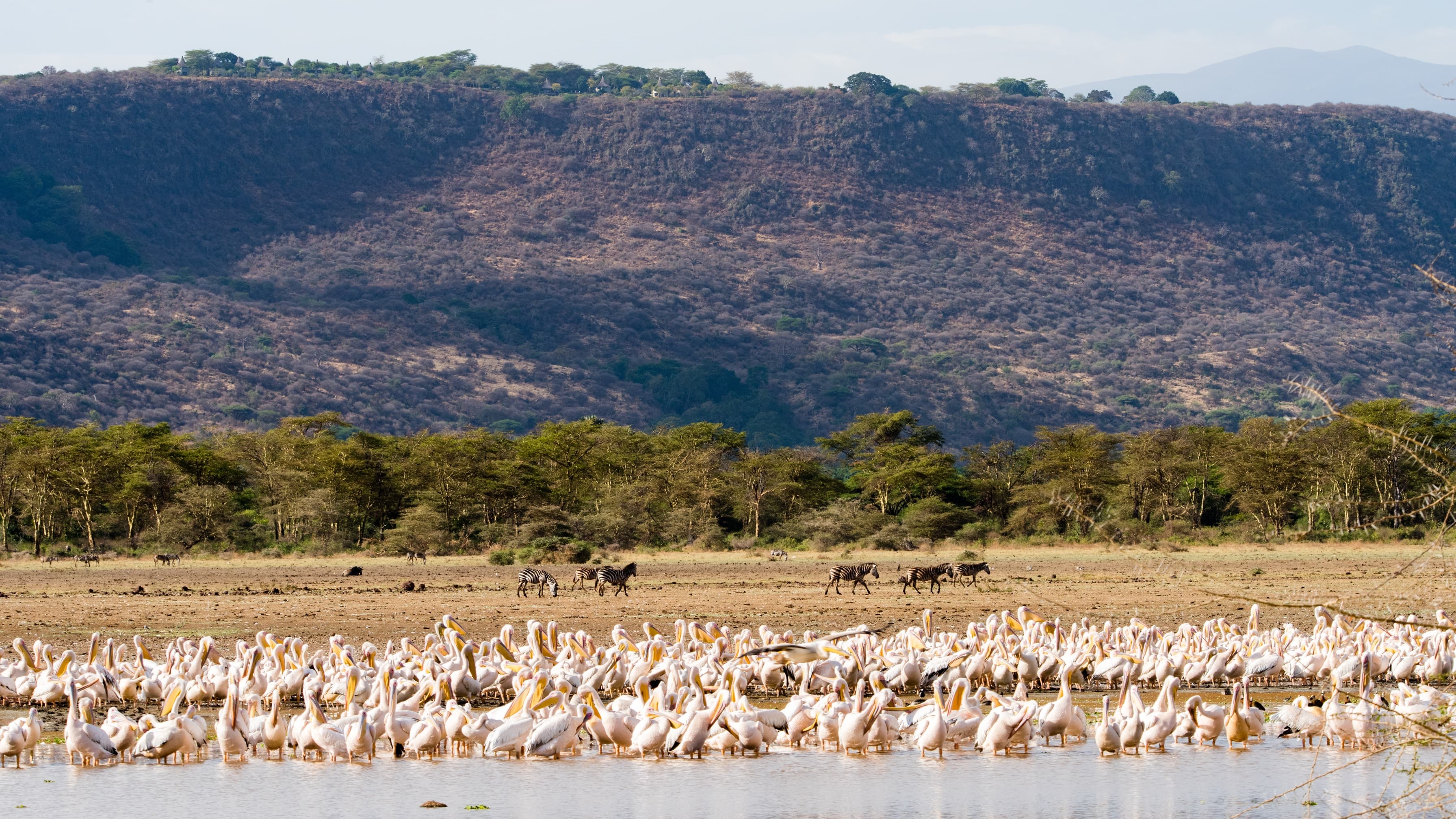
| Rhinos and waterbirds | Lake Nakuru, a rhino sanctuary with around 450 bird species | Kenya Wildlife Service |
| Lions resting in trees | Lake Manyara | Tanzania National Parks |
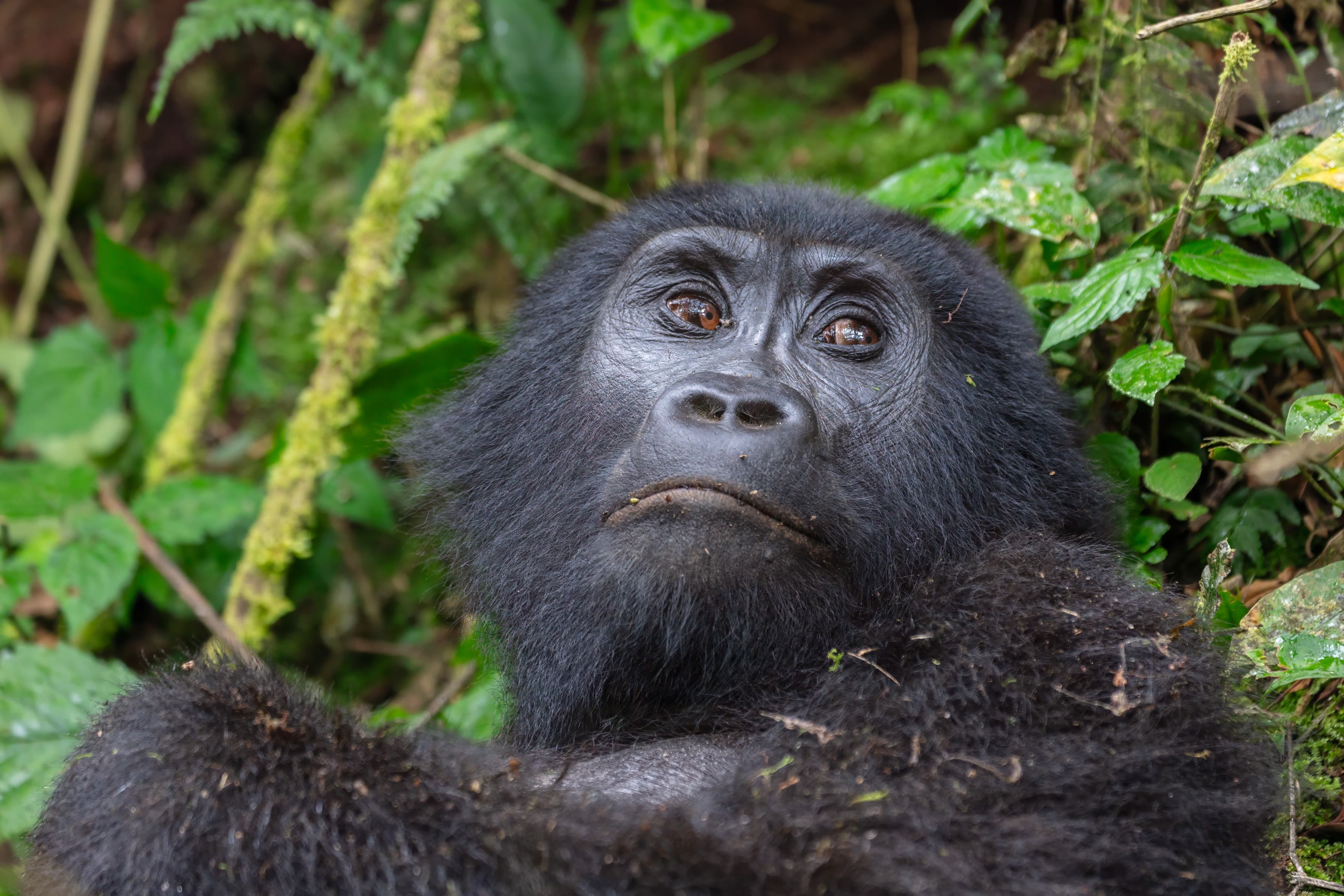
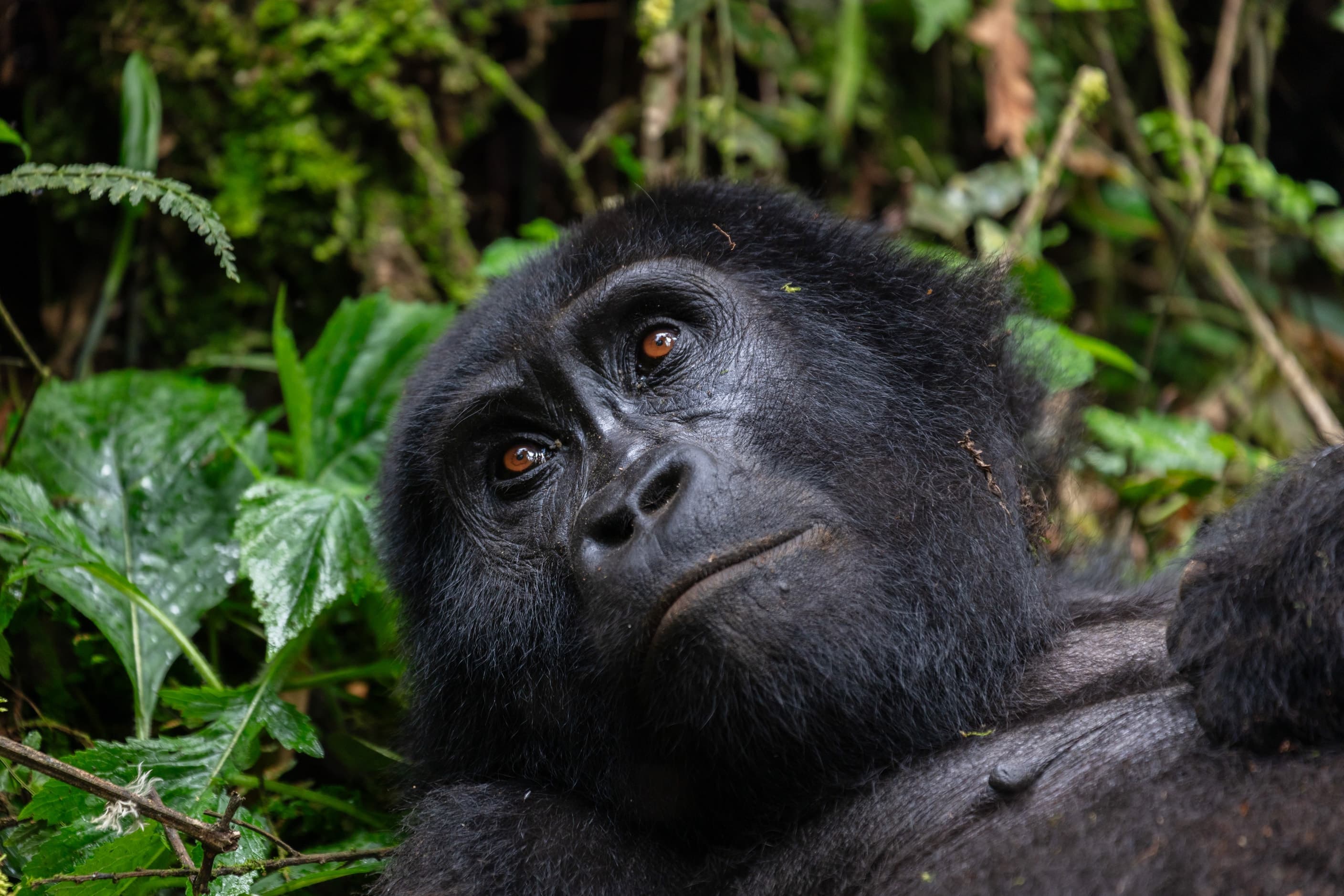
| Mountain gorillas in the forest | Bwindi, with about 459 gorillas | Uganda Wildlife Authority |
Wildlife moves freely; no sighting can be guaranteed.
Sources
- Mara Conservancy (Mara Triangle, Maasai Mara National Reserve): Wildebeest migration (opens in a new tab)
- Kenya Wildlife Service: Amboseli National Park (opens in a new tab)
- Tanzania National Parks: Serengeti visitor guide (opens in a new tab)
- Uganda Wildlife Authority: Conservation tariff July 2024 – June 2026, with park, gorilla and chimpanzee tracking rules (re-published on UWA’s website on 12 October 2026) (opens in a new tab)
- Tanzania National Parks: Lake Manyara National Park (opens in a new tab)
- Uganda Wildlife Authority: Bwindi Impenetrable National Park: gorillas and getting there (opens in a new tab)
- Kenya Wildlife Service: Lake Nakuru National Park (opens in a new tab)
How this guide was prepared
This guide was researched and drafted with the help of AI tools, working from the official sources listed above and Big Time Safaris’ own catalogue. Its facts were checked against those sources on 20 October 2026, and it was reviewed and approved for publication by the owner of Big Time Safaris on 22 October 2026. It is a planning guide, not a first-hand field report. Seasons, park rules and entry requirements change, so check the latest official information before you travel.