Big Time Field NotesNo. 13Your first safari
Planning a family safari in East Africa
Which parks and pacing work with children, the age limits for gorilla and chimpanzee trekking, documents and health points for young travellers, and the questions to ask about rooms, vehicles and meals.
In brief
- Shorter drives, fewer parks and a rest afternoon make a family safari more enjoyable than trying to see everything.
- Gorilla trekking in Uganda has a minimum age of 15; for chimpanzee tracking, UWA sources give 16 or 12, so check before booking.
- Kenya’s eTA is needed for infants and children too, and yellow fever certificate rules apply from one year old on some routes.
- Nairobi National Park and the Giraffe Centre are short, easy outings close to the city.
Contents
Is a safari suitable for children?
Yes, with the right pace. Game drives are long and the best light is early and late, so children enjoy a safari most when the days have room to rest. Fewer parks with more nights in each, shorter drives between them and a quiet afternoon at camp usually work better than a route that changes base every night.
- Start with a short, easy outing on the first day, before the long drives.
- Choose parks with a good chance of big, easily seen animals and open views.
- Give children their own binoculars and a simple checklist of animals and birds.
- Ask whether a private vehicle is possible, so you can stop or return when the children need to.
Easy outings in and around Nairobi
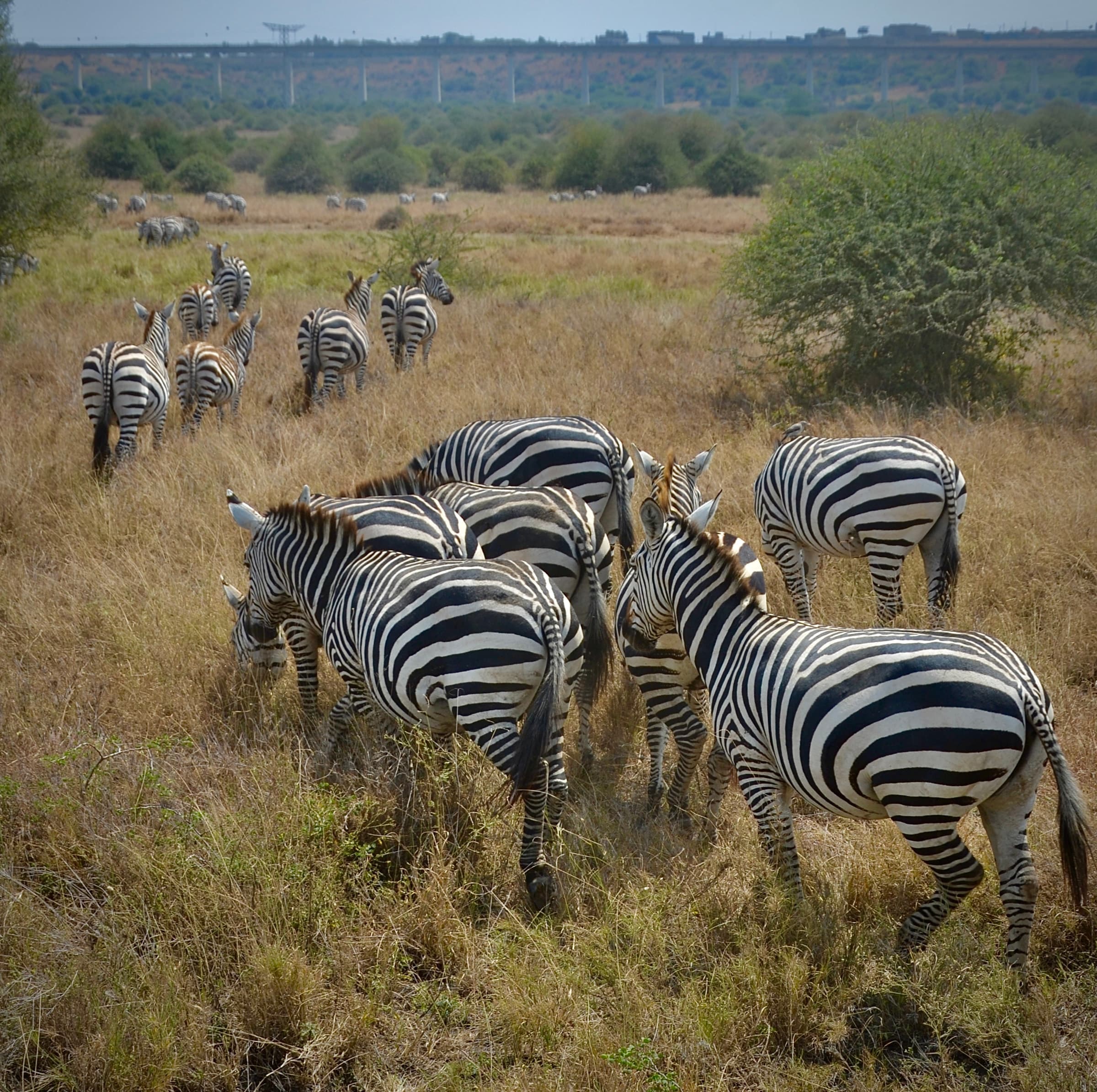
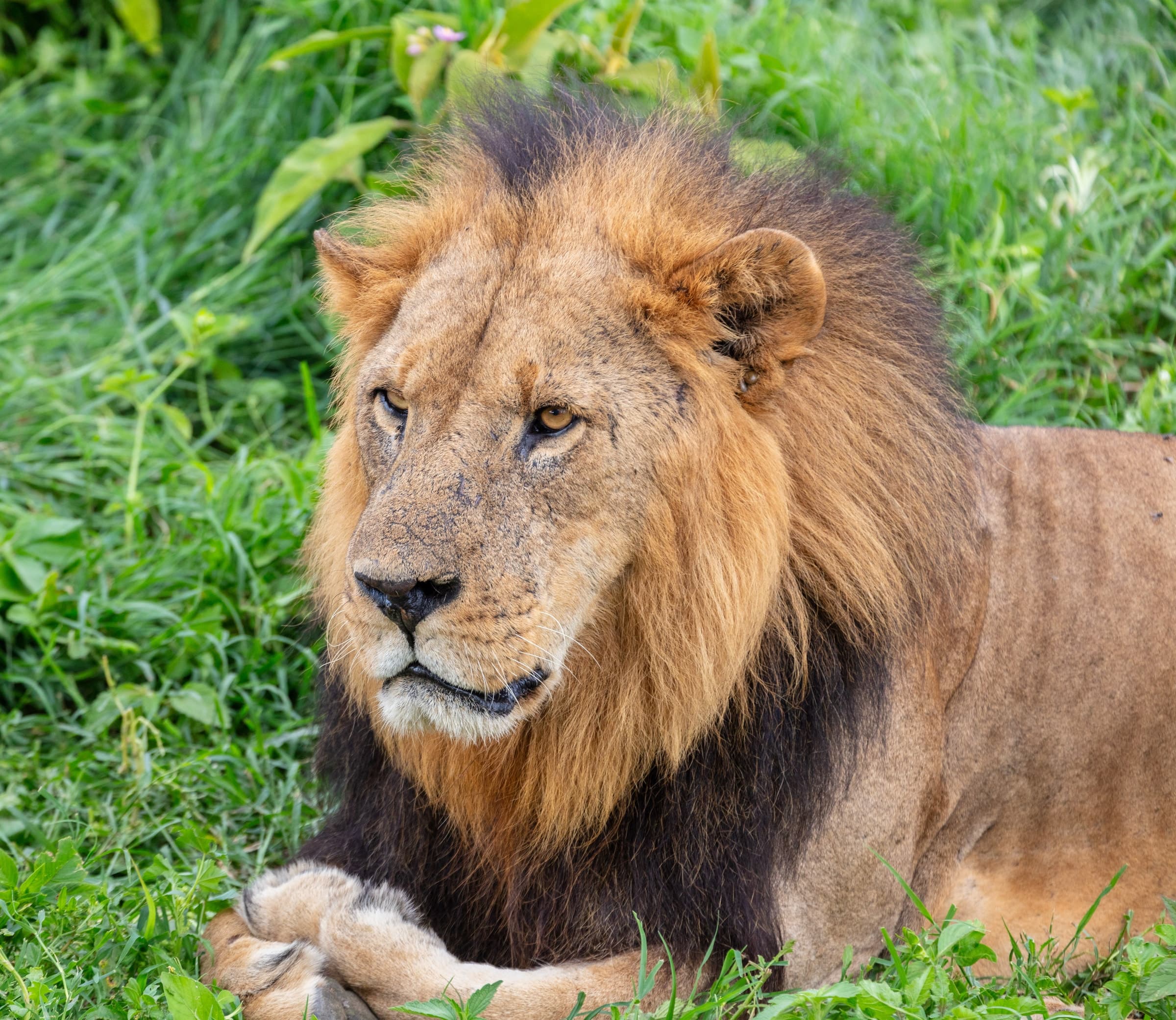
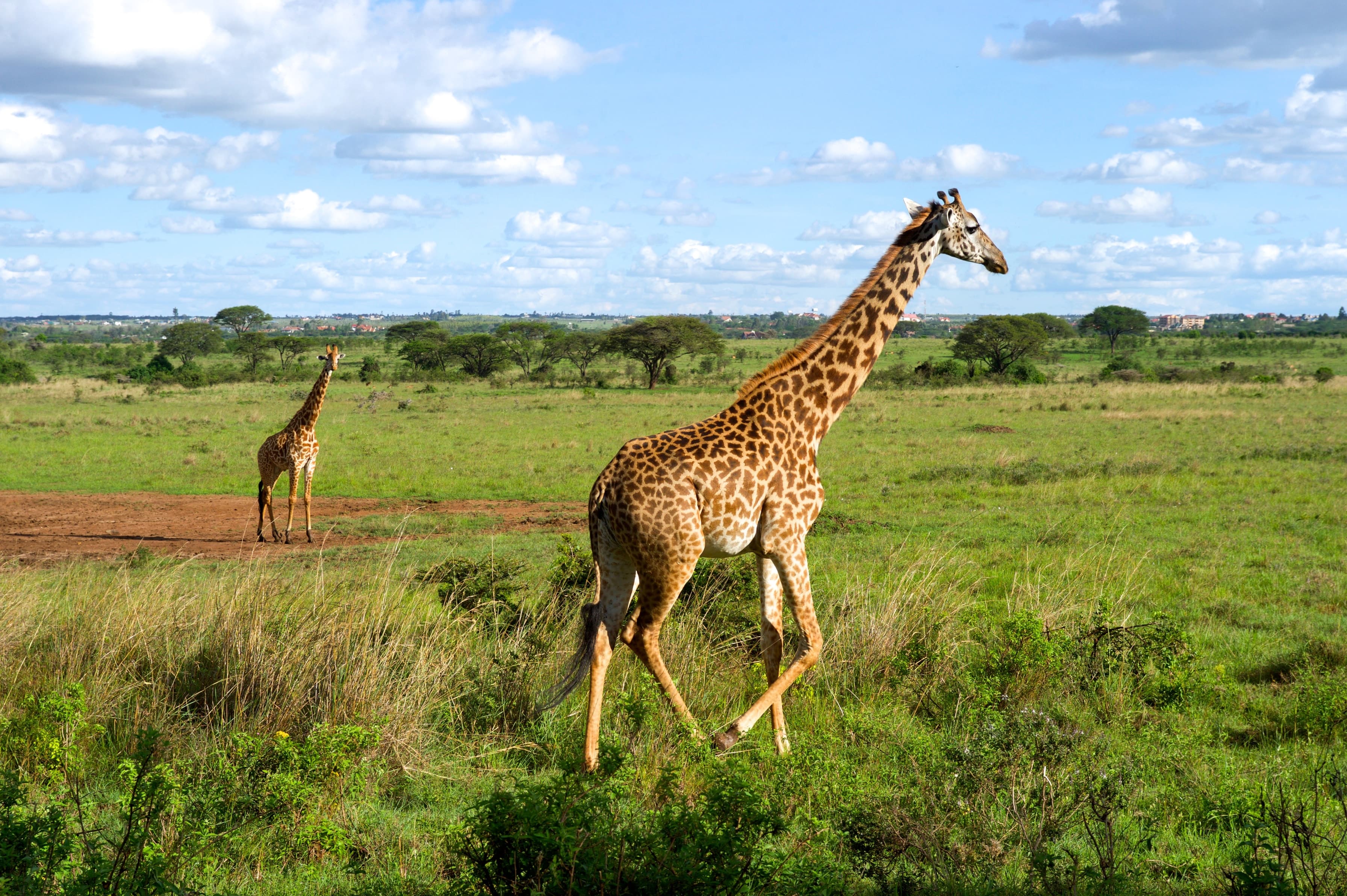
Nairobi has two outings that suit a first day. Nairobi National Park, about ten kilometres from the city centre and Kenya’s first national park, holds lions and rhinos and more than 400 bird species within sight of the skyline, so a game drive can be short. The Giraffe Centre has bred Rothschild’s giraffes since 1979 and released more than 40 into parks and reserves across Kenya.
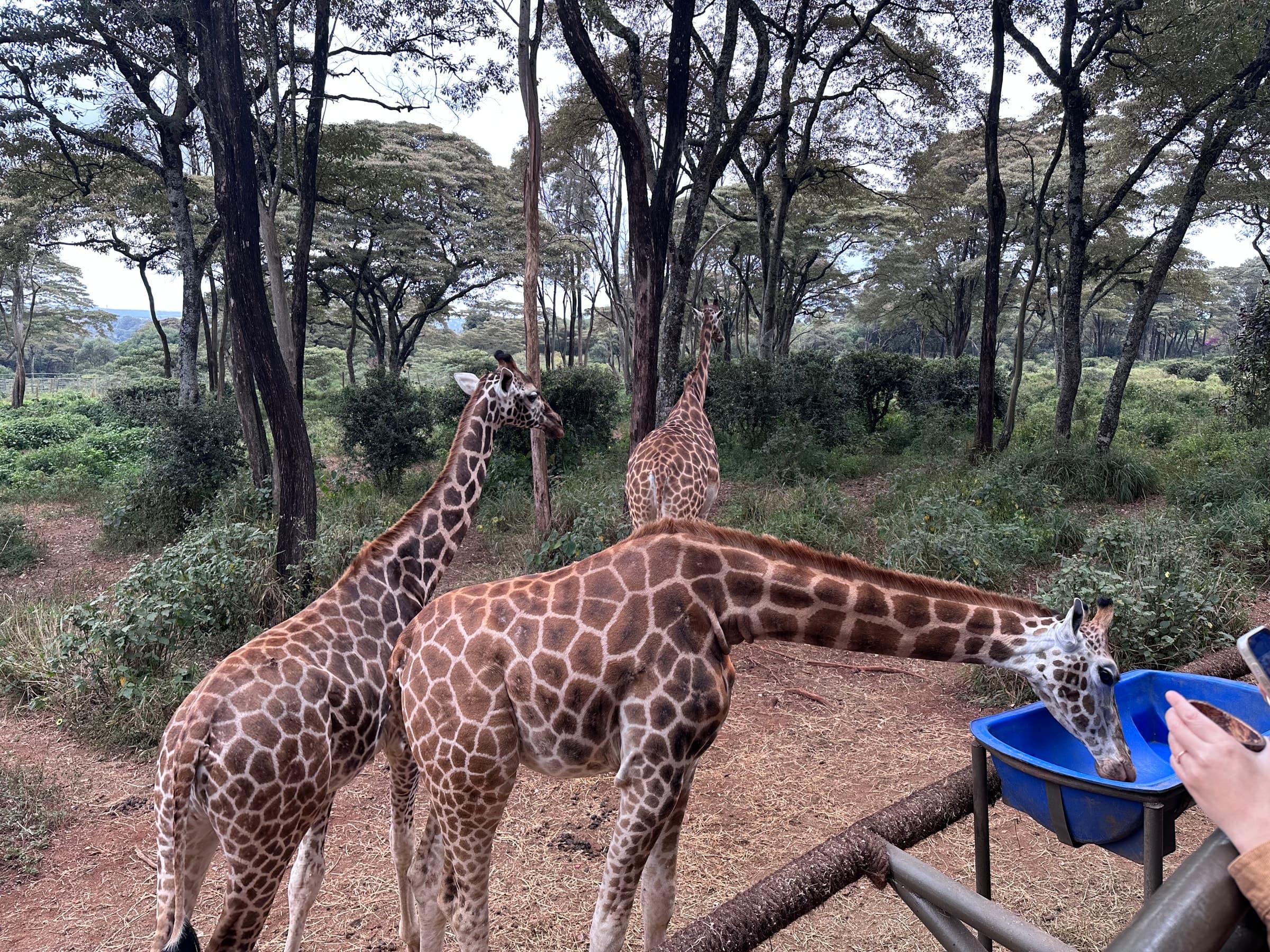
Our Nairobi National Park day safari and our Karen Blixen Museum, Giraffe Centre and Mamba Village day tour both stay close to the city.
Age limits for gorilla and chimpanzee trekking
The Uganda Wildlife Authority’s rules set a minimum age of 15 for gorilla tracking. For chimpanzee tracking its sources differ: UWA’s current Kibale page gives a minimum age of 16, while the rules in its tariffs, including the revised one for January 2027 to June 2028, give 12. Travellers aged 16 or over meet both; for anyone aged 12 to 15, UWA must confirm eligibility before a permit is booked, so tell us every traveller’s age when you enquire.
Younger children can still enjoy Uganda’s savannah parks, such as Queen Elizabeth and Murchison Falls, while older family members trek. Our Uganda trekking guide explains what a trek involves.
Documents and health for young travellers
- Kenya’s eTA portal says all visitors, including infants and children, need an approved eTA unless they are exempt.
- CDC lists yellow fever certificate requirements from the age of one on routes into Tanzania and Kenya from countries with risk of yellow fever.
- CDC advises a measles vaccine for all international travellers, including an early dose for infants aged 6–11 months.
- Malaria prevention for children needs a clinician’s advice on the right medicine and dose; see our safari health guide.
Our entry requirements guide covers visas for each country.
Rooms and stays for families
Ask for the room or tent arrangement before you book, not on arrival. Among the stays in our directory, Miti Mingi Eco Camp’s website lists triple and family tents; Buraha Zenoni in Nakuru lists a family room and a pool with children’s activities; Fanaka Campsite and Lodge describes a smaller pool for children; and Lake Naivasha Crescent Camp’s website welcomes families and asks for children’s ages and room needs. These are the properties’ own descriptions; your quotation names the room.
Our family journey
Our catalogue includes a 12 Days Family Kenya & Tanzania Safari with Beach Extension. Its day-by-day plan is prepared with your quotation, so we can build in the pace your family needs. Any of our journeys can be discussed for a family; tell us the children’s ages and what they are most excited to see.
Questions to ask before you book
- Which room or tent arrangement will we have, and can the children share with us?
- Is the vehicle private or shared, and are child seats available for the transfers?
- How long is each drive between parks, and where can we stop?
- Which meals are included, and can the kitchen cater for children and allergies?
- Do any parks, activities or lodges have age limits?
What does a family-paced week look like?
A week can include a lot without feeling rushed. Our 7 Days Maasai Mara, Lake Nakuru, Lake Naivasha and Amboseli Budget Safari visits four places in seven days, which suits keen older children; a family with younger children might prefer the same week spent in two or three of them, with more nights in each and shorter drives between.
Whichever route you choose, put the place the children are most excited about early in the trip, while energy is high, and keep the last day light before the journey home. Our team can adjust a journey’s pace when we prepare your quotation; tell us what matters most and we will tell you what is possible.
Which parks suit children best?
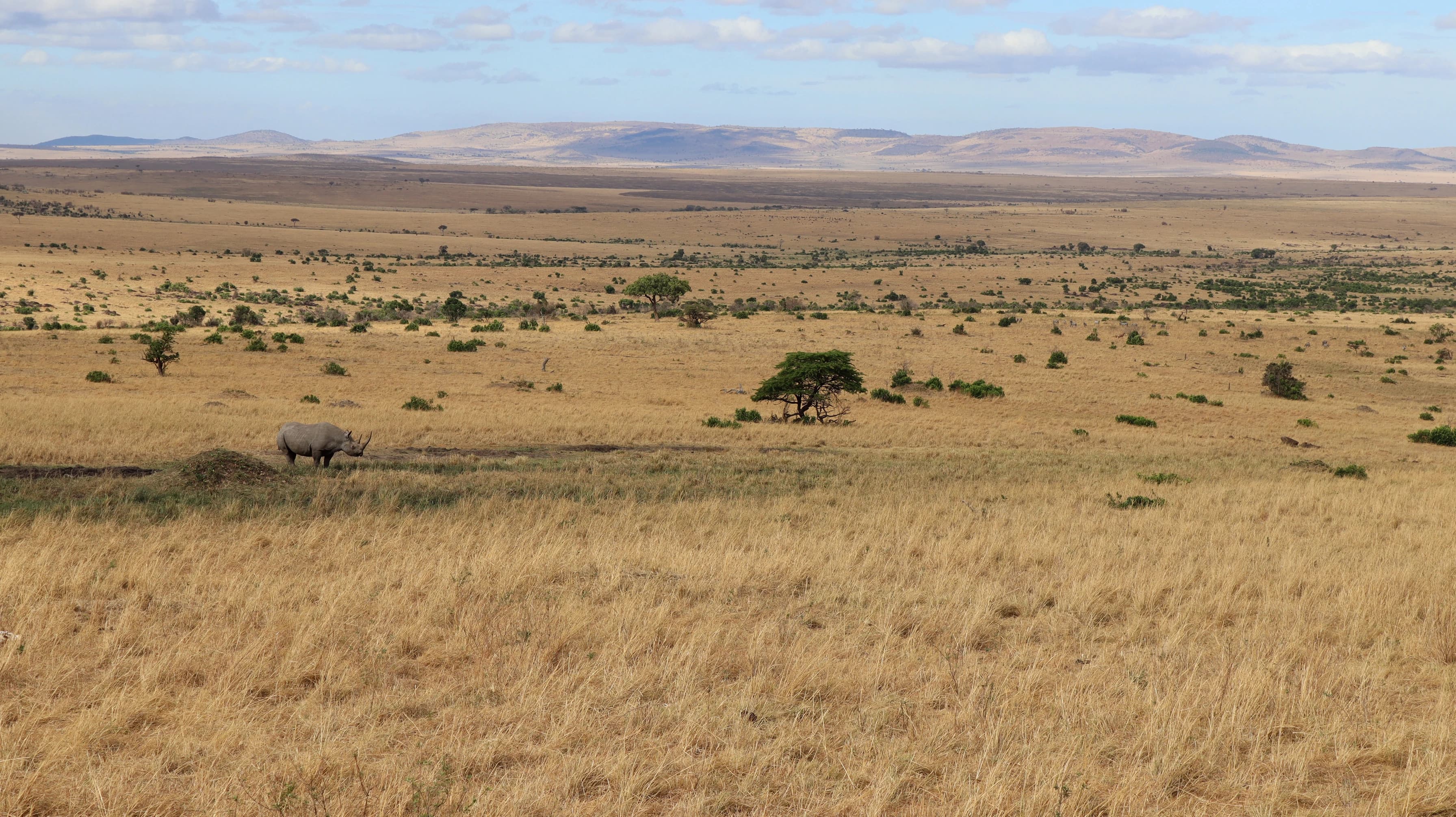
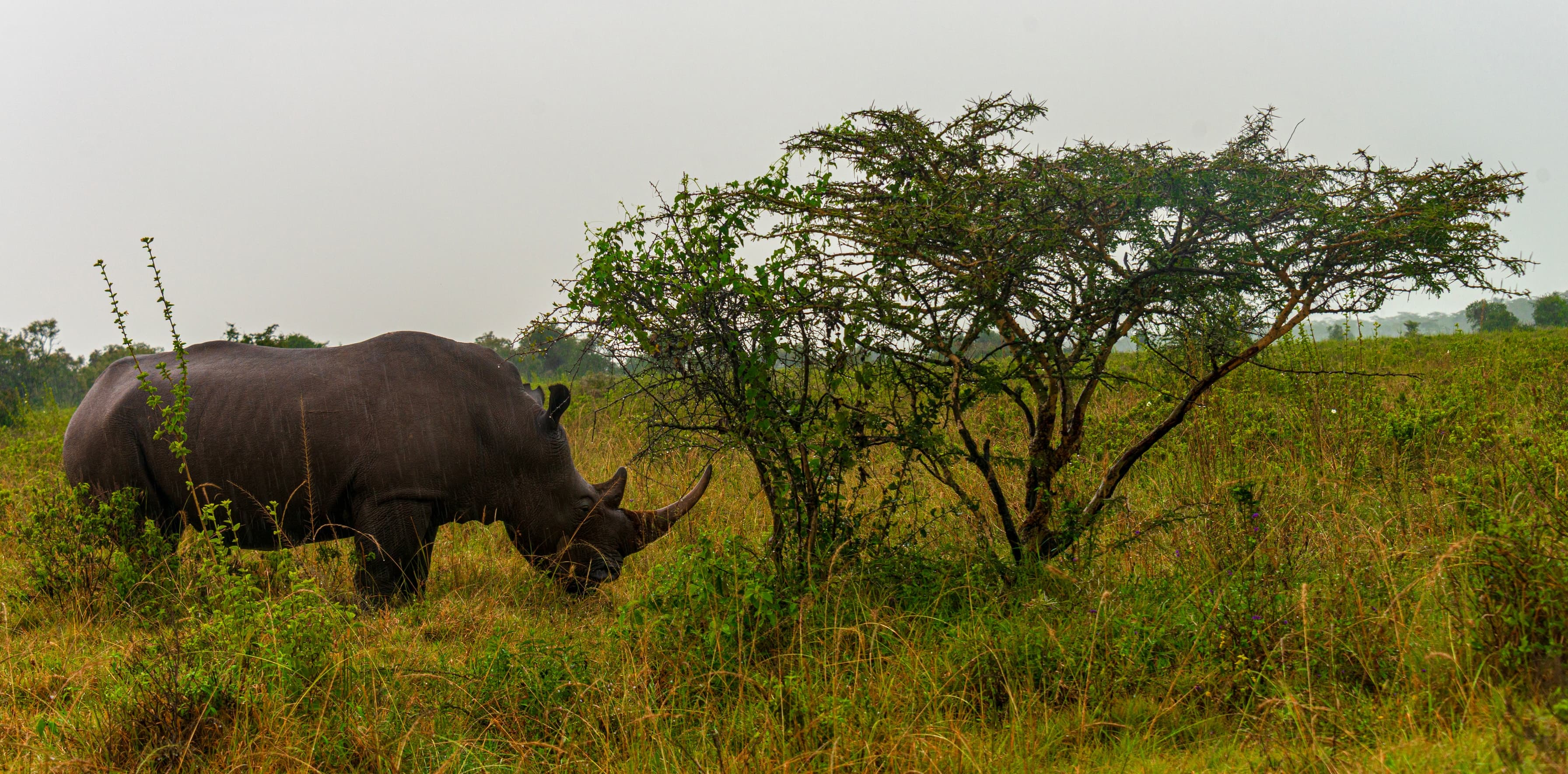
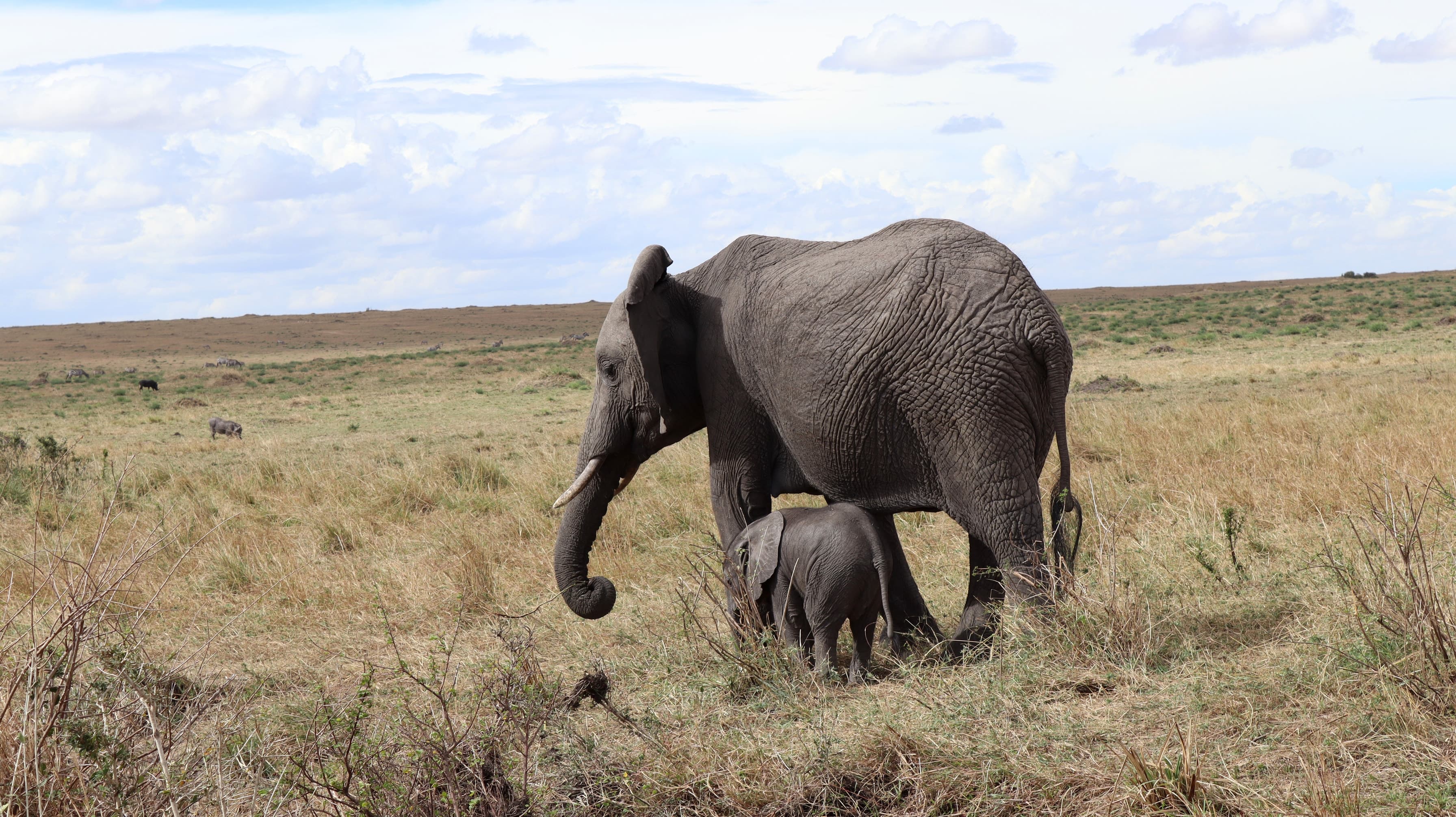
Parks with big, easily seen animals and open views tend to hold children’s attention. Kenya Wildlife Service describes Amboseli’s large elephant herds beneath Kilimanjaro, and Lake Nakuru as Kenya’s first government-managed rhino sanctuary, with black and white rhinos and around 450 bird species; both are compact enough for shorter drives than the bigger reserves. Nairobi National Park is about ten kilometres from the city centre, so a first game drive can be short and close to your hotel.
Sources
- Kenya Wildlife Service: Nairobi National Park (opens in a new tab)
- Giraffe Centre (African Fund for Endangered Wildlife Kenya): Giraffe Centre (opens in a new tab)
- Uganda Wildlife Authority: Conservation tariff July 2024 – June 2026, with park, gorilla and chimpanzee tracking rules (re-published on UWA’s website on 12 October 2026) (opens in a new tab)
- Uganda Wildlife Authority: Revised conservation tariff, taking effect 1 January 2027 and running to June 2028, with gorilla and chimpanzee tracking rules (published October 2026) (opens in a new tab)
- Uganda Wildlife Authority: Kibale National Park: chimpanzee tracking (opens in a new tab)
- Republic of Kenya, Directorate of Immigration Services: Electronic Travel Authorisation: how to apply (opens in a new tab)
- US Centers for Disease Control and Prevention: Tanzania: traveler view (page reviewed 25 August 2026; yellow fever and malaria sections updated 23 April 2025) (opens in a new tab)
- US Centers for Disease Control and Prevention: Kenya: traveler view (page reviewed 25 August 2026; yellow fever table updated 23 April 2025) (opens in a new tab)
- Miti Mingi Eco Camp: About Miti Mingi Eco Camp (camp website) (opens in a new tab)
- Buraha Zenoni Hotel & Resort: Official website home page (rooms and family facilities) (opens in a new tab)
- Lake Naivasha Crescent Camp: About the camp (camp website) (opens in a new tab)
- Fanaka Campsite and Lodge: Fanaka Campsite and Lodge — accommodation information (opens in a new tab)
- Kenya Wildlife Service: Amboseli National Park (opens in a new tab)
- Kenya Wildlife Service: Lake Nakuru National Park (opens in a new tab)
How this guide was prepared
This guide was researched and drafted with the help of AI tools, working from the official sources listed above and Big Time Safaris’ own catalogue. Its facts were checked against those sources on 20 October 2026, and it was reviewed and approved for publication by the owner of Big Time Safaris on 22 October 2026. It is a planning guide, not a first-hand field report. Seasons, park rules and entry requirements change, so check the latest official information before you travel.