Big Time Field NotesNo. 24Wildlife & migration
A day on safari: game drives, the Big Five and realistic expectations
What actually happens on a safari day, why drives start early, where the Big Five live on our routes, and why the best safaris are measured in moments rather than ticks on a list. Honest expectations make for better days in the parks.
In brief
- Most safari days have an early drive and an afternoon drive, with a rest in the middle; large parks may have full-day drives with a picnic.
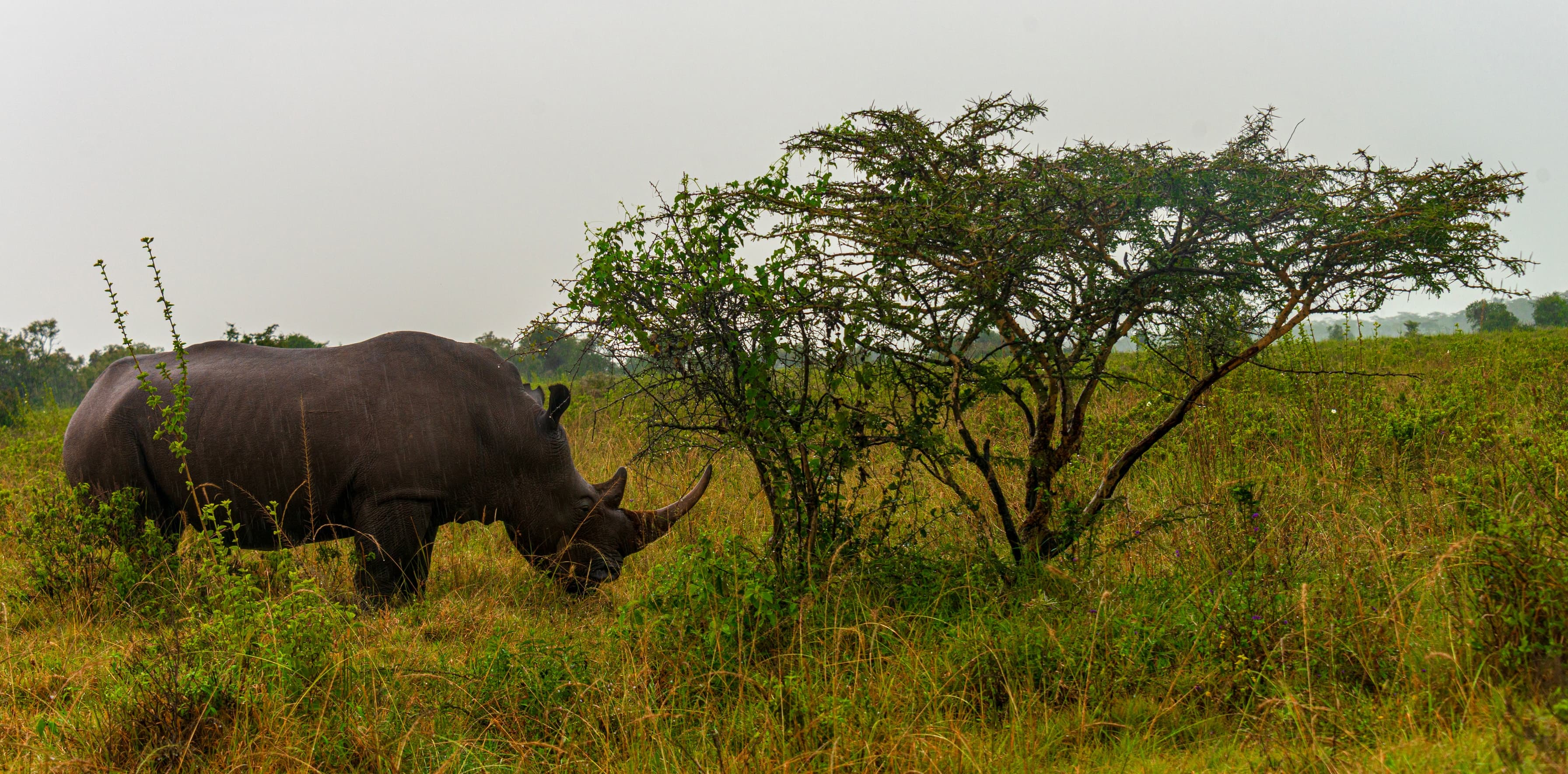
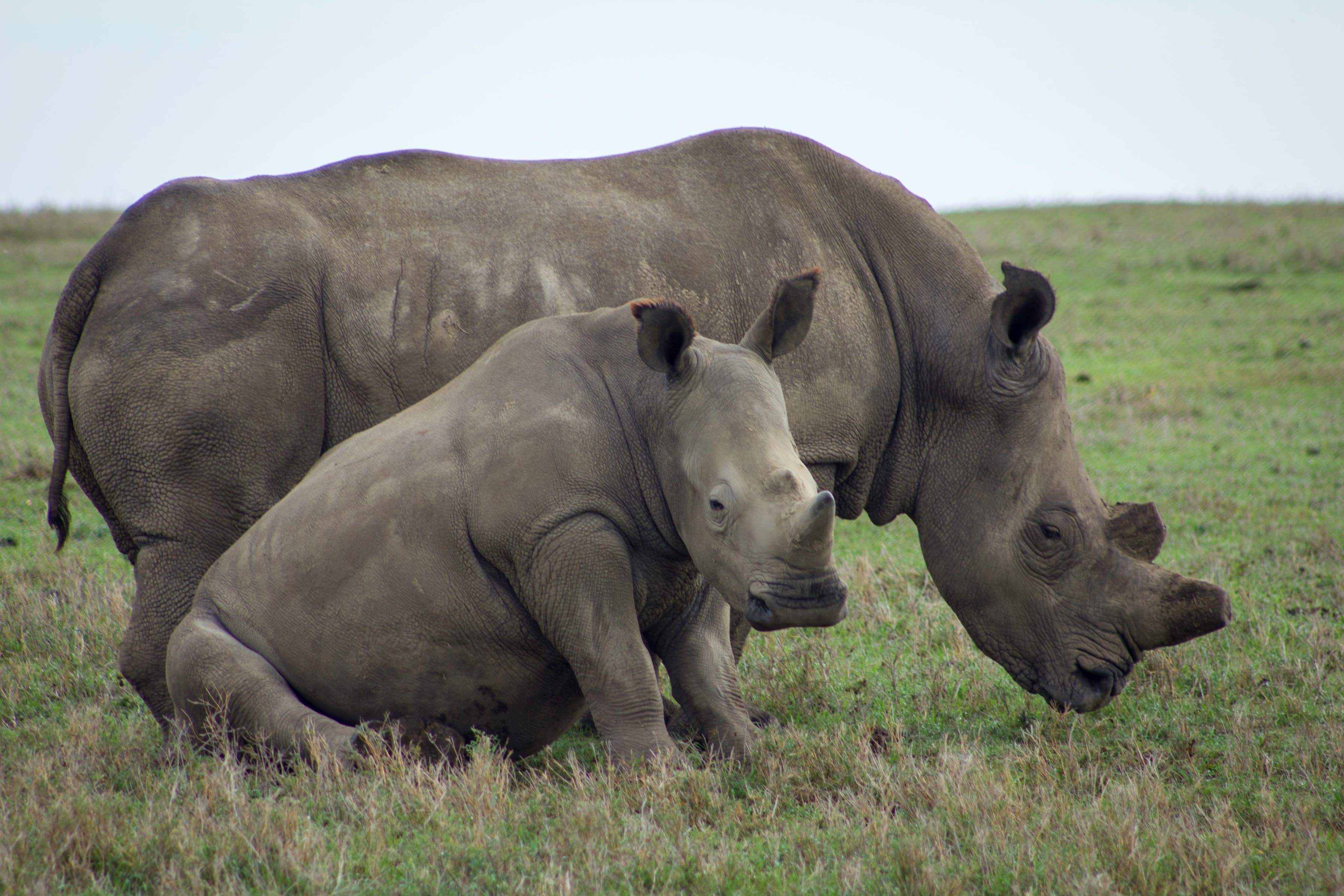
- Rhinos are usually the hardest of the Big Five; sanctuaries such as Lake Nakuru and Ol Pejeta, and the Ngorongoro Crater, give the best chance.
- Park rules (distances, staying in the vehicle, no feeding) protect wildlife and you.
- No one can promise a sighting: patience and unhurried routes improve your chances most.
Contents
What a safari day looks like
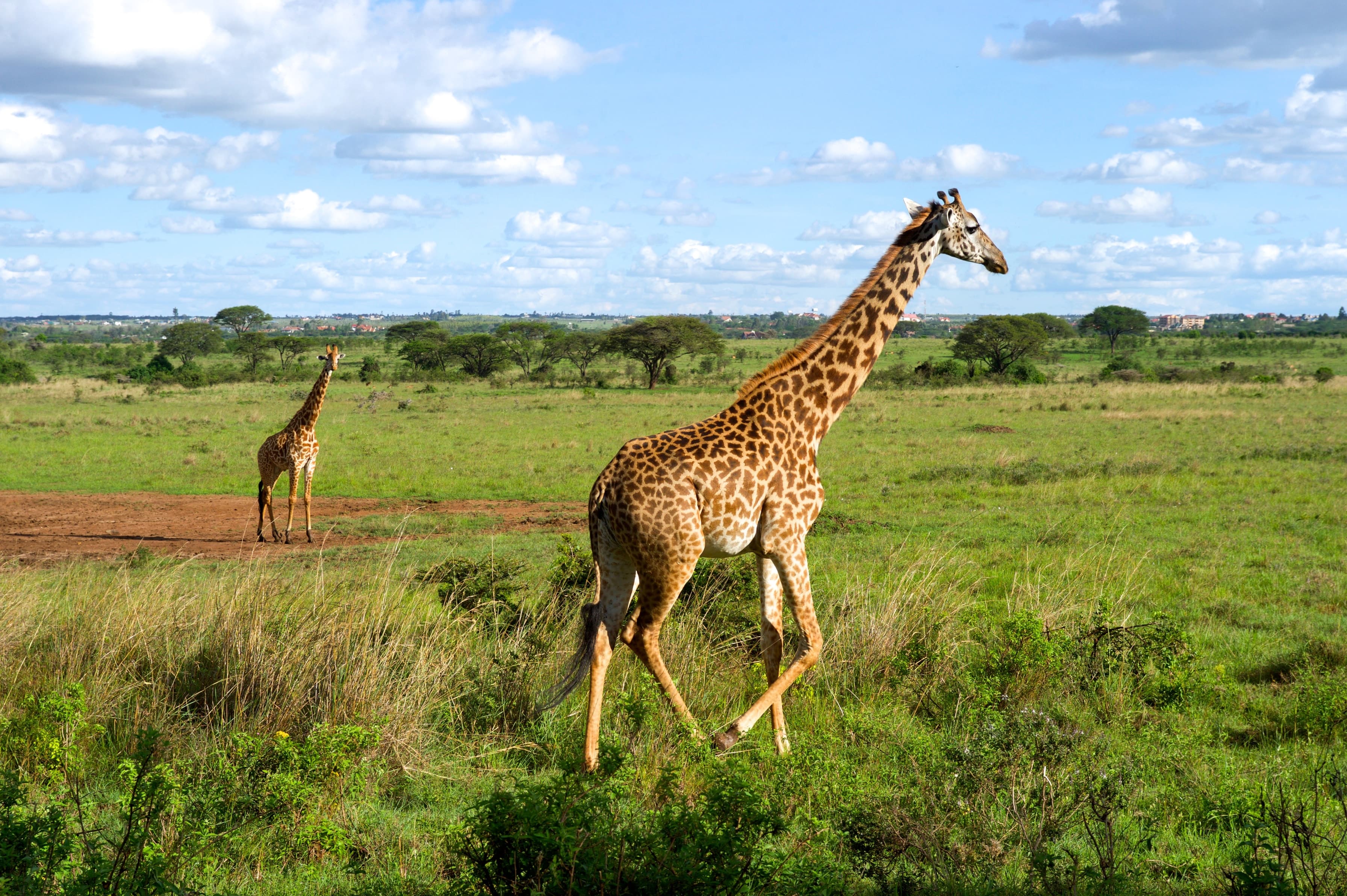
A game drive is a slow drive along a park’s roads, stopping to watch, wait and photograph. Most days follow the light. The first drive leaves early, when the air is cool; the middle of the day is for lunch and a rest, or a picnic in a large park; and a second drive goes out in the late afternoon. Tanzania National Parks notes that in Nyerere the best light for game drives comes in the early morning and late afternoon.
Park gates set the limits. Kenya Wildlife Service sets gate times from early morning to early evening for parks such as Amboseli and Lake Nakuru, unless you are staying inside, so the last drive ends before dark. On travel days, how much game viewing you get depends on when you arrive and leave.
| Time of day | What usually happens |
|---|---|
| Early morning | First game drive, sometimes with a packed breakfast |
| Middle of the day | Lunch and rest at camp, or a picnic in the park |
| Late afternoon | Second game drive |
| Evening | Back at camp before the gates close; dinner |
Morning or afternoon?
Both, if you can. Early drives catch the cool hours and soft light, and many travellers find them the most atmospheric part of the day; afternoon drives bring warm, golden light before sunset. A full-day drive with a picnic lets you travel further in a big park such as the Serengeti or Tsavo, at the cost of the midday rest. If you are travelling with children or tire easily, a rest in the middle of the day keeps the evening drive enjoyable.
The best sightings often come from waiting where the animals are, not from driving to where they were.
Where to look for the Big Five
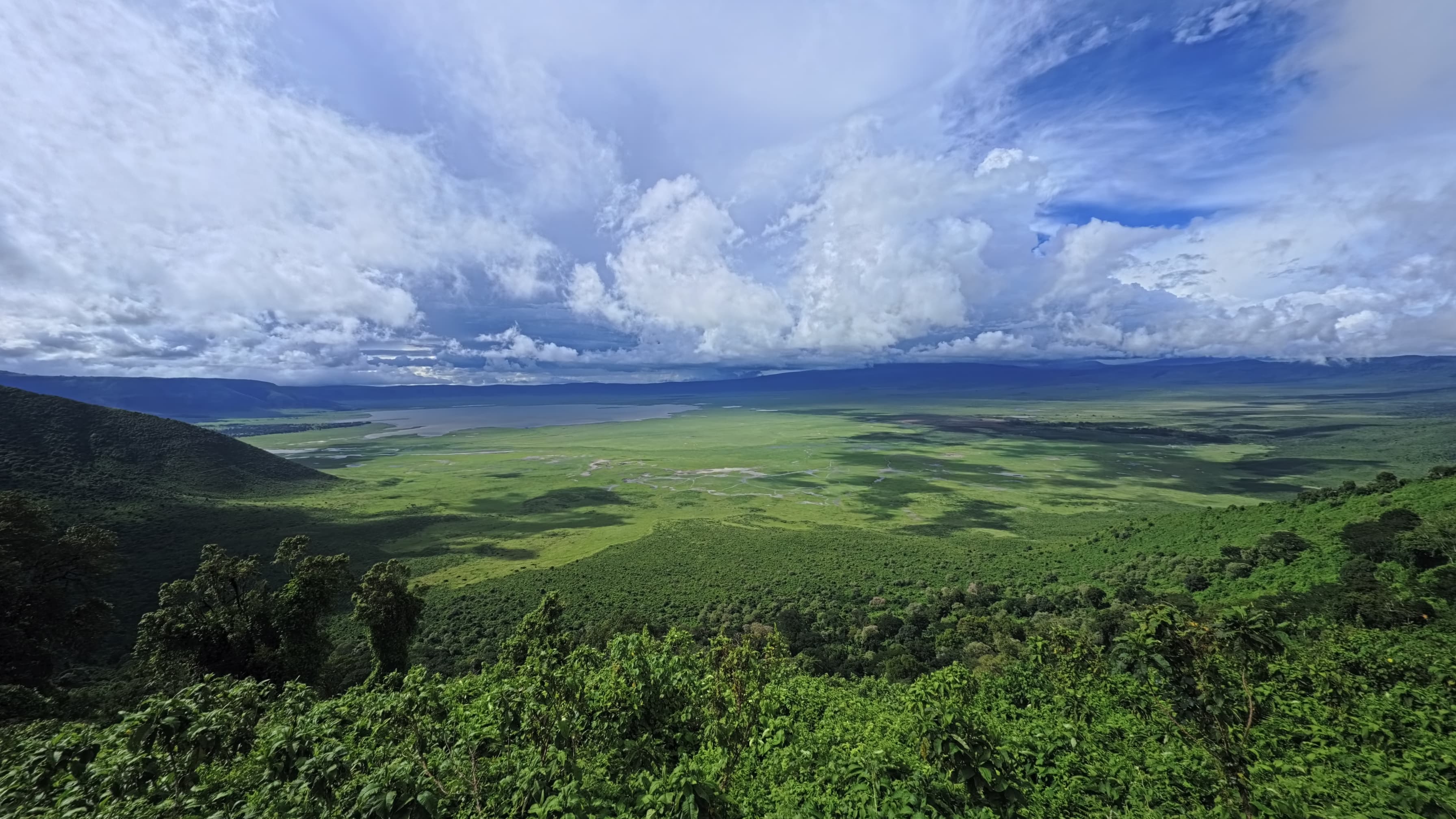
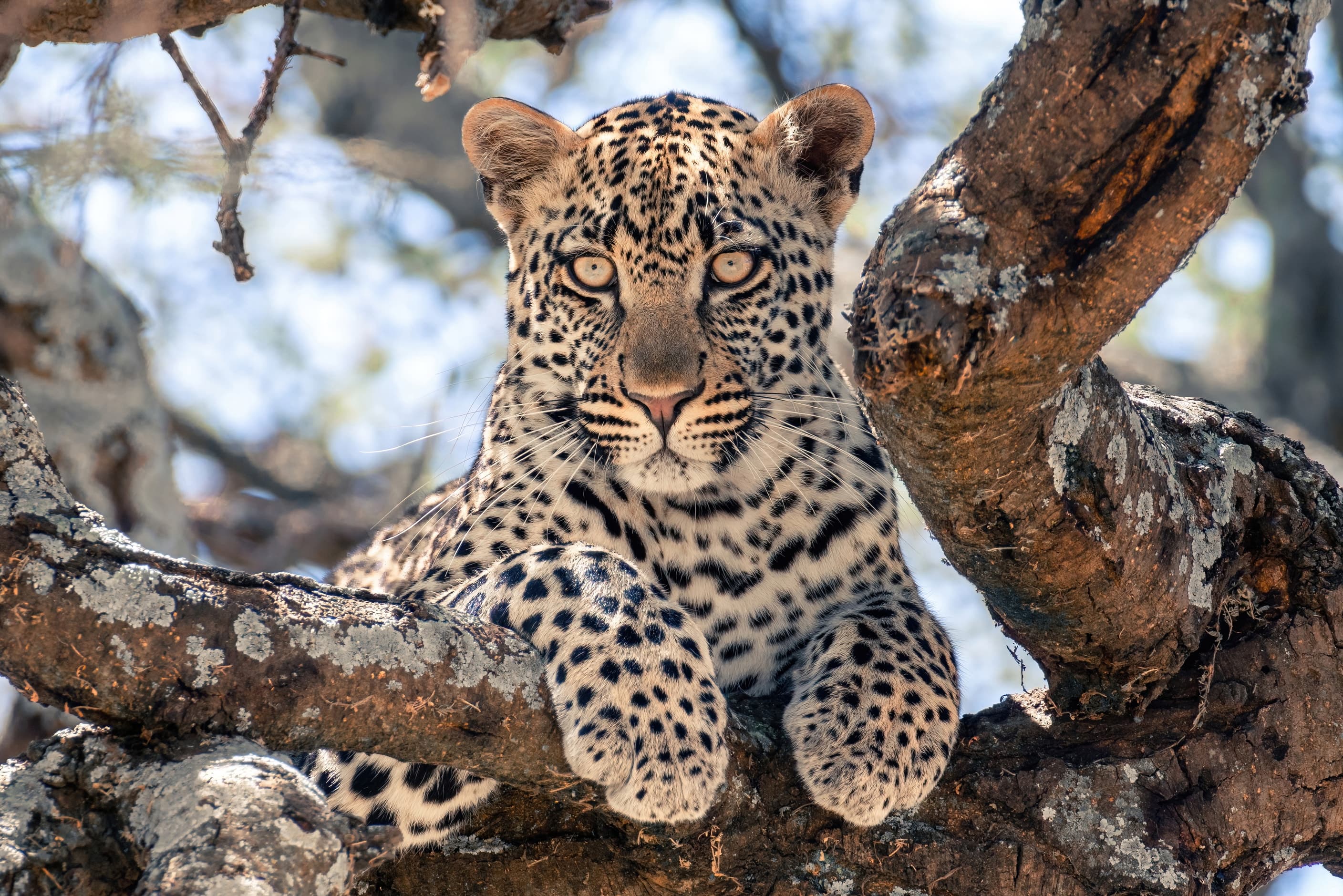
The Big Five are the lion, leopard, elephant, buffalo and rhino. Several parks on our routes hold all five, and the Ngorongoro Conservation Area Authority calls the Ngorongoro Crater probably the best place in Tanzania to see them. Rhinos are usually the hardest to find, which is why many routes include a rhino sanctuary.
| Animal | Places | What the authorities say |
|---|---|---|
| Rhino | Lake Nakuru, Ol Pejeta, the Ngorongoro Crater | Nakuru is a sanctuary for black and white rhinos; Ol Pejeta protects more than 165 black rhinos |
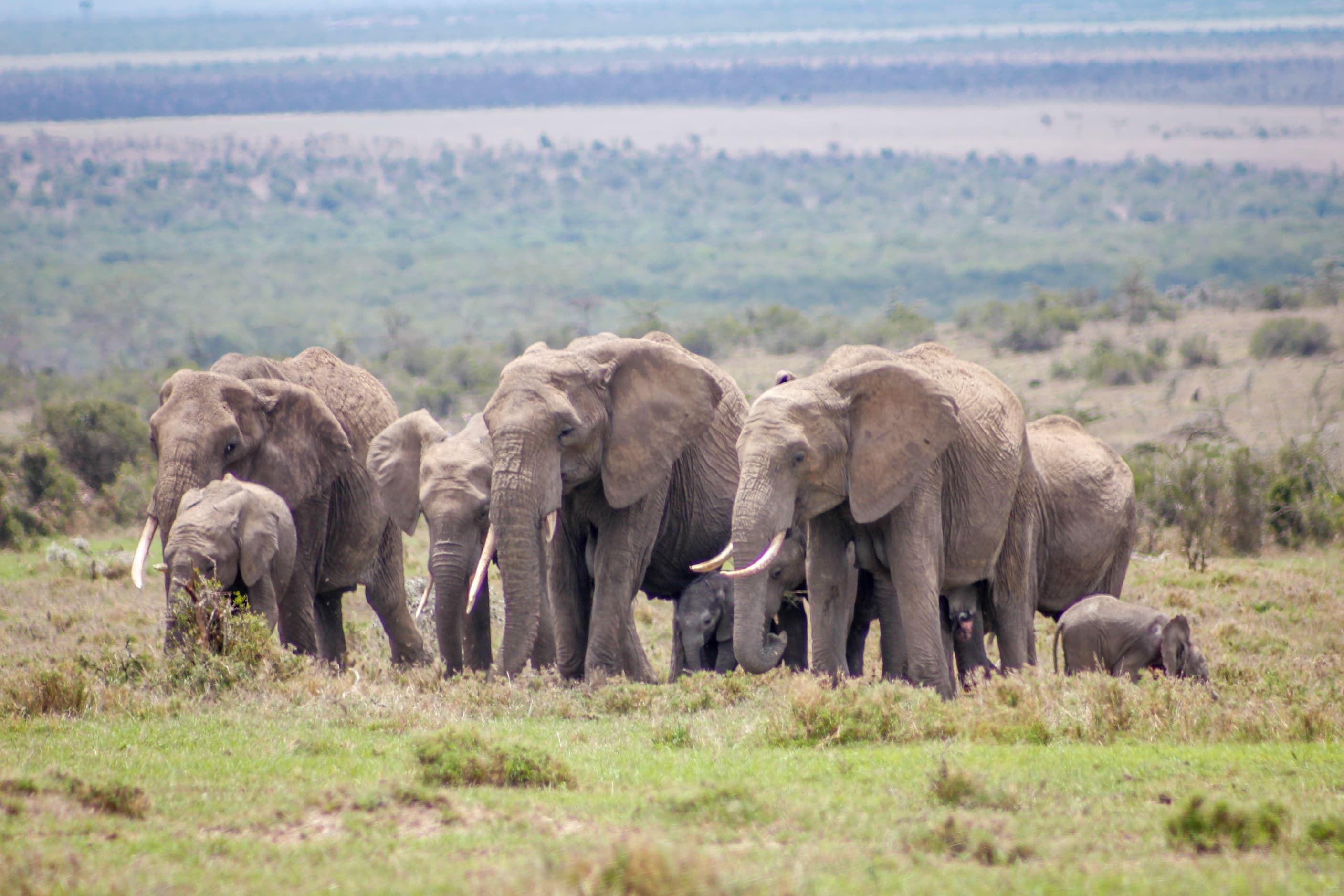
| Elephant | Amboseli, Tarangire, Murchison Falls | More than 3,000 in Tarangire; more than 900 counted at Murchison Falls, and increasing |
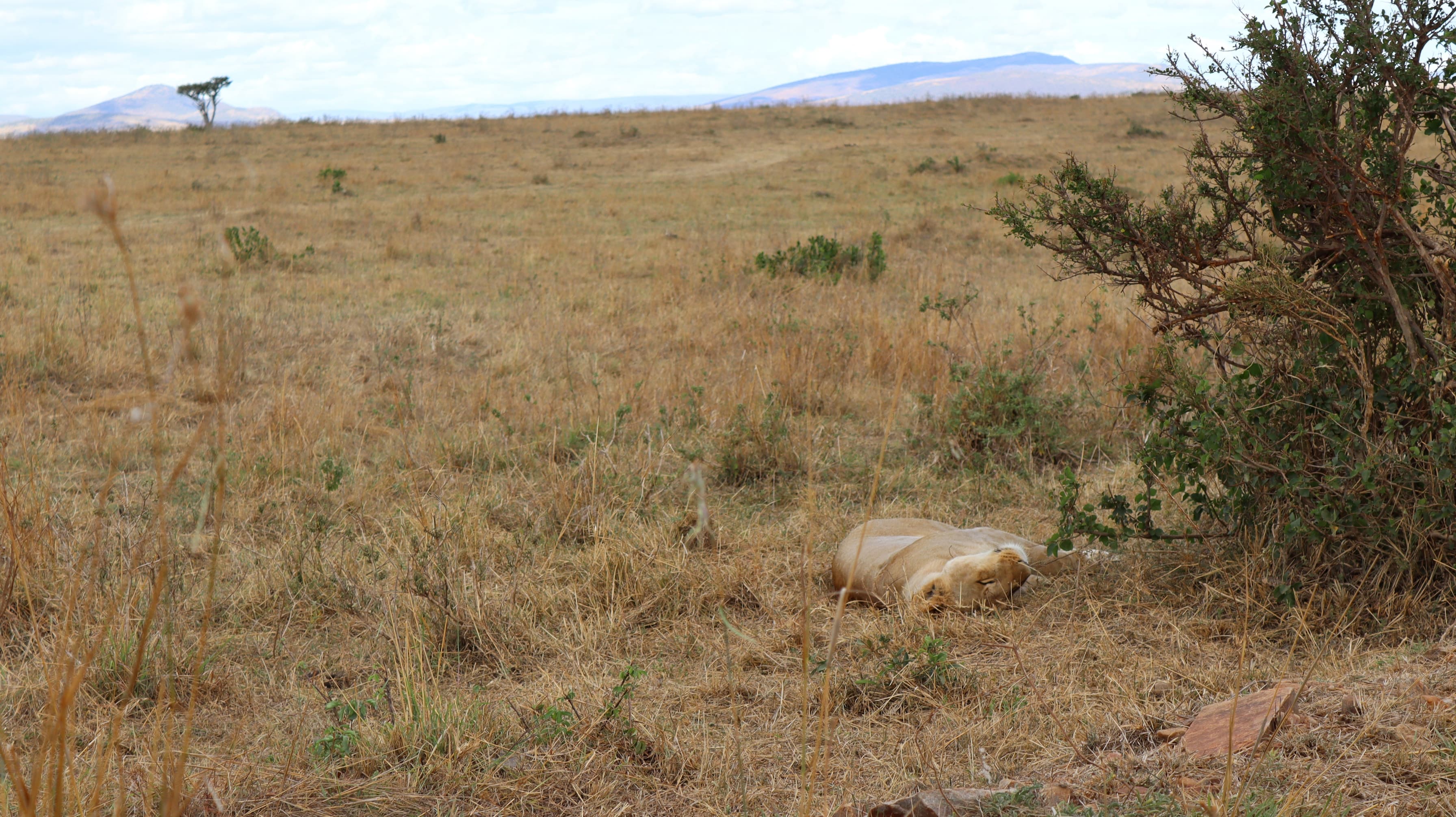
| Lion | The Serengeti, Nairobi National Park, Queen Elizabeth | Nairobi National Park has three named prides; Ishasha’s lions rest in fig trees |
| Leopard | The Serengeti, the Ngorongoro Crater, Nairobi National Park | Listed among each park’s wildlife |
| Buffalo | The Ngorongoro Crater, Nairobi National Park, Murchison Falls | More than 10,000 at Murchison Falls |
Beyond the Big Five
Some of the most memorable sightings are not on the list at all. In northern Kenya, Samburu is known for the “Samburu Five”: Beisa oryx, Somali ostrich, reticulated giraffe, gerenuk and Grevy’s zebra. Tanzania’s Nyerere is one of Africa’s key strongholds for African wild dogs, and Ruaha is a place to see both greater and lesser kudu.
Birdwatchers have their own lists: the shoebill at Murchison Falls, Albertine Rift endemics in Bwindi, and Kakamega, Kenya’s only tropical rainforest, with its rare De Brazza’s monkey. A safari that looks beyond the Big Five is rarely disappointed.
The rules that protect wildlife, and you
- Kenya Wildlife Service: stay on established roads and trails, keep at least 20 metres from wildlife, and stay in your vehicle except in designated areas.
- Maasai Mara: leave the vehicle only at designated points; no standing on the roof or sitting in the window; never block moving herds.
- Tanzania National Parks: do not feed wildlife; drones are prohibited without special permission.
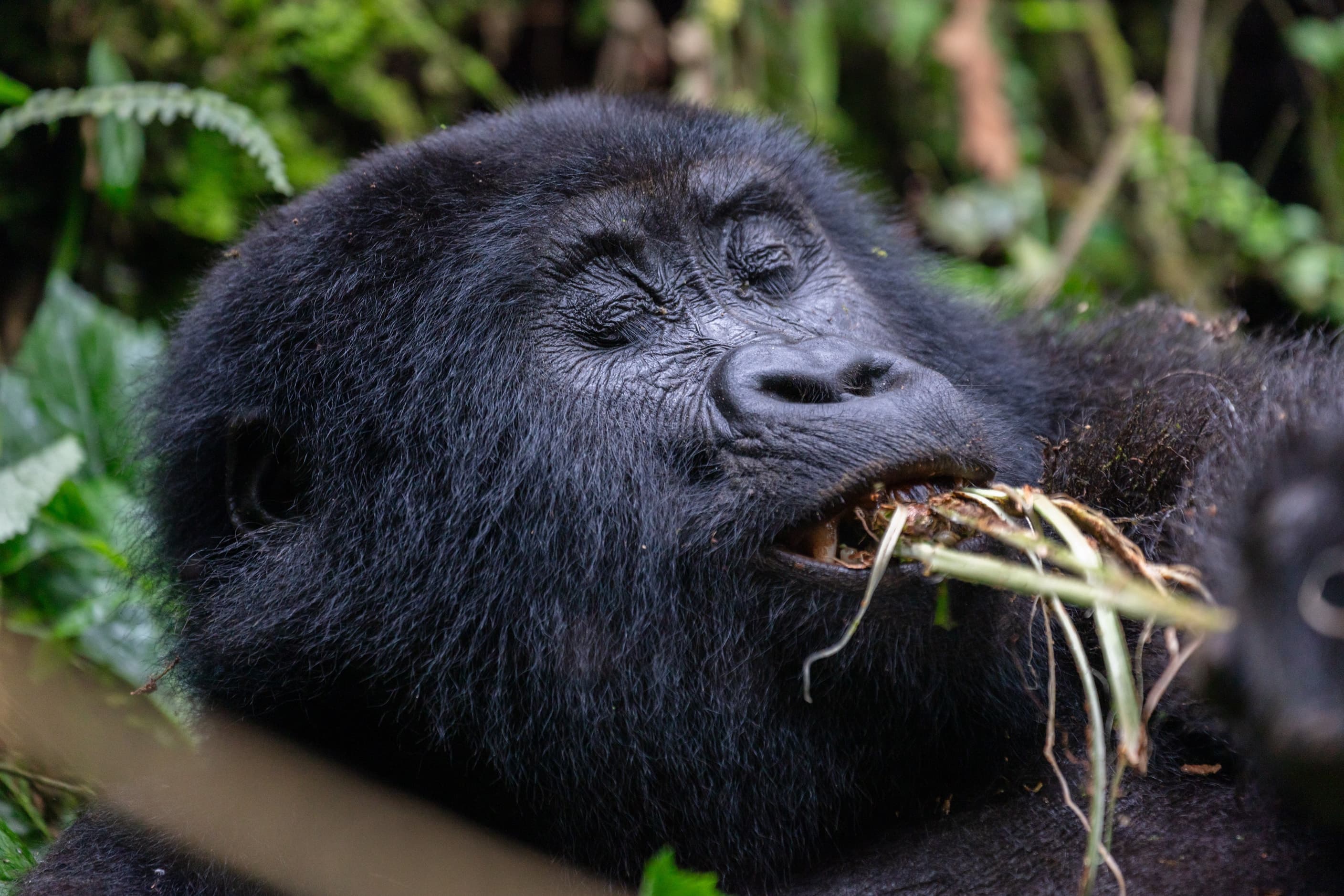
- Uganda Wildlife Authority, with primates: keep 10 metres away, no flash photography, and one hour per group.
Meals and camp life
Between drives, life slows down. Breakfast may be early or packed for the vehicle, lunch is at camp or a picnic in the park, and dinner is usually the time to share the day’s sightings. Tell us about dietary needs before you travel, because remote camps plan their supplies ahead. After dark, follow your camp’s rules about walking between tents: wildlife does not stop at the camp boundary.
Realistic expectations
Wildlife moves freely, and every drive is different. Some days bring a kill or a crossing; others bring a single elephant at a waterhole for an hour. Both are a safari. Choosing the right place and season improves your chances, and so do patience, early starts and a route with time in each place, but no park, guide or operator can promise what you will see.
- Spend more nights in fewer places.
- Bring binoculars for every traveller.
- Tell your guide what you hope to see, then let them read the landscape.
- Be quiet at sightings; animals stay relaxed and so do other visitors.
Sources
- Kenya Wildlife Service: Amboseli National Park (opens in a new tab)
- Kenya Wildlife Service: Lake Nakuru National Park (opens in a new tab)
- Tanzania National Parks: Nyerere National Park (opens in a new tab)
- Ol Pejeta Conservancy: Wildlife conservation (opens in a new tab)
- Kenya Wildlife Service: Nairobi National Park (opens in a new tab)
- Ngorongoro Conservation Area Authority: Ngorongoro Crater (opens in a new tab)
- Tanzania National Parks: Serengeti National Park (opens in a new tab)
- Tanzania National Parks: Tarangire National Park (opens in a new tab)
- Uganda Wildlife Authority: Queen Elizabeth National Park (opens in a new tab)
- Uganda Wildlife Authority: Murchison Falls National Park (opens in a new tab)
- County Government of Samburu: Tourist attraction sites (opens in a new tab)
- Kenya Wildlife Service: Kakamega Forest National Reserve (opens in a new tab)
- Tanzania National Parks: Ruaha National Park (opens in a new tab)
- Uganda Wildlife Authority: Bwindi Impenetrable National Park (opens in a new tab)
- Mara Conservancy (Mara Triangle, Maasai Mara National Reserve): Wildebeest migration (opens in a new tab)
- Tanzania National Parks: Serengeti visitor guide (opens in a new tab)
- Uganda Wildlife Authority: Revised conservation tariff, taking effect 1 January 2027 and running to June 2028, with gorilla and chimpanzee tracking rules (published October 2026) (opens in a new tab)
How this guide was prepared
This guide was researched and drafted with the help of AI tools, working from the official sources listed above and Big Time Safaris’ own catalogue. Its facts were checked against those sources on 20 October 2026, and it was reviewed and approved for publication by the owner of Big Time Safaris on 22 October 2026. It is a planning guide, not a first-hand field report. Seasons, park rules and entry requirements change, so check the latest official information before you travel.